off the beaten path travel guide 2026

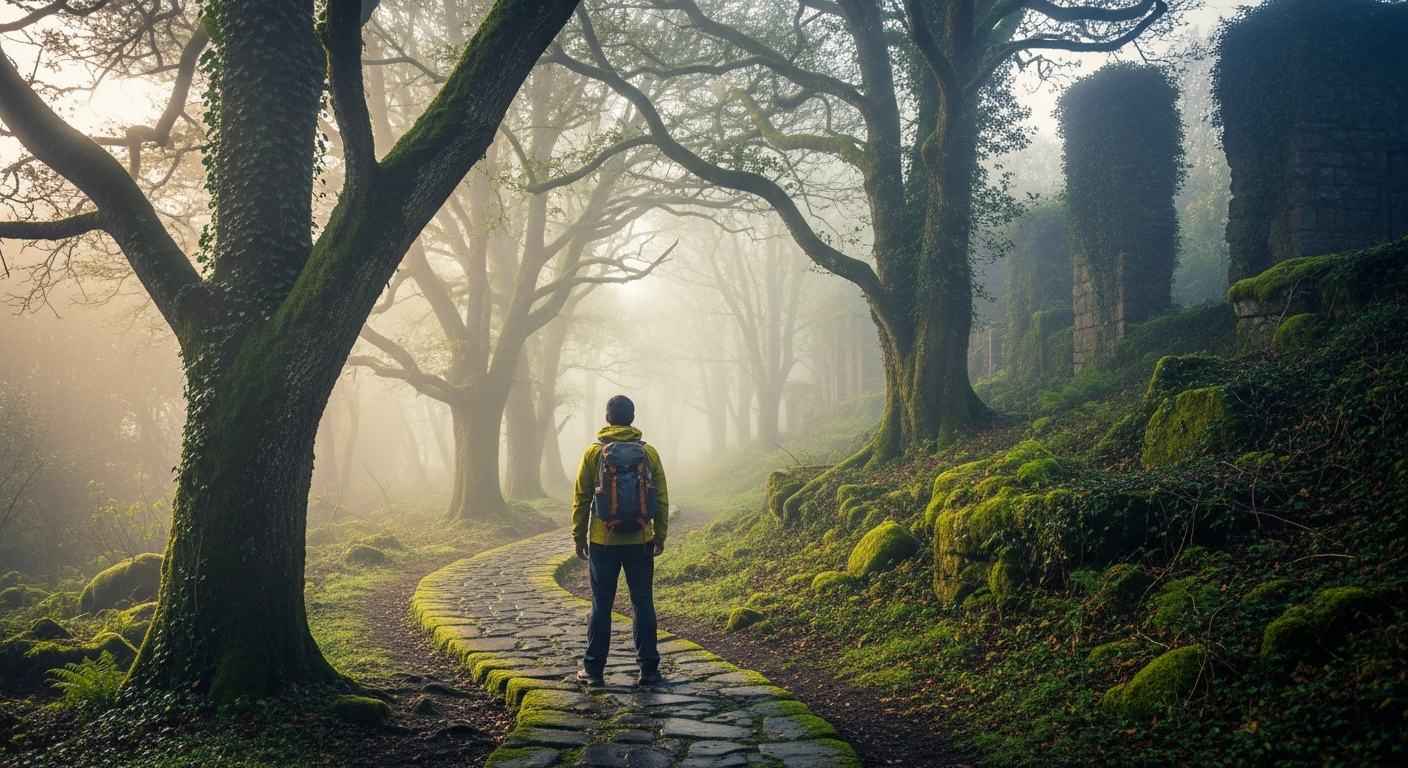
The mist hung so thick over Glen Coe that morning I could barely see ten feet ahead. I’d pulled off the A82 onto a muddy track that didn’t appear on my rental car’s GPS, following a tip from a shepherd I’d met the previous evening in a Fort William pub. No tour buses.
No selfie sticks. Just me, the sound of water dripping from ancient stones, and a ruined castle emerging from the fog like something from a half-remembered dream. That’s the moment I understood what travel could be when you step away from the well-worn path.
If you’re exhausted by fighting crowds at the Trevi Fountain, tired of seeing the same Santorini sunset on every Instagram feed, and frustrated that your precious vacation days feel more like endurance tests than escapes—you’re not alone. The travel landscape is shifting dramatically in 2026.
According to Pinterest’s trend data, searches for “ethereal places” have surged 175%, while “adventure tourism” interest has climbed 140%. Travelers are actively rejecting overtourism in favor of what Pinterest calls “mystic outlands”—destinations that blend fairytale wonder with authentic, uncrowded experiences.
This isn’t another recycled list of “hidden gems” that stopped being hidden five years ago. This guide reveals destinations gaining momentum in 2026 but still blissfully free from tourist hordes, along with the practical logistics you need to actually get there. We’ll cover the “darecation” revolution transforming passive beach vacations into adrenaline-fueled adventures, the mystical destinations that deliver Instagram-worthy moments without the Instagram crowds, and most importantly—the exact planning strategies that turn wanderlust into actual plane tickets.
Whether you’re working with a backpacker’s budget or ready to splurge on boutique luxury, whether you have seven days or seventy, this guide will show you how to maximize every moment of your limited vacation time with experiences you’ll actually remember.
Why 2026 Is the Ultimate Year for Off-the-Beaten-Path Travel

The Shift Away from Overtourism
Venice now charges entrance fees. Barcelona limits cruise ship arrivals. Machu Picchu requires timed tickets booked months in advance. The backlash against overtourism isn’t coming—it’s already here, and savvy travelers are voting with their feet.
Pinterest’s 2026 trend data reveals that both Millennials and Boomers are leading the charge toward what they’re calling “mystic outlands”—whimsical, mystical destinations that feel like fairytales meeting fever dreams. Searches for “distant ruins swallowed in mist” increased 165%, while “moody enchanting forests” climbed 180%. This isn’t just aesthetic preference; it’s a fundamental shift in what travelers value. People are choosing experiences that feel discovered rather than packaged, mysterious rather than Instagrammed to death.
The common misconception is that avoiding crowds means sacrificing comfort or accessibility. That was true a decade ago. Not anymore. Remote destinations have caught up with infrastructure while maintaining their authentic character—the sweet spot every traveler dreams about.
New Accessibility to Remote Destinations
Here’s what’s changed: The Faroe Islands now have regular direct flights from major European cities starting at €180 return. Albania’s Accursed Mountains, once requiring multi-day donkey treks, now have well-maintained hiking trails with mountain huts offering hot showers and local meals for €25 per night. Antarctica expedition cruises, previously reserved for the ultra-wealthy, now start around $5,500 for 10-day voyages if you book last-minute from Ushuaia.
Luxury boutique expedition options have exploded for travelers willing to splurge. Remote lodges in Patagonia now offer helicopter transfers, private glacier guides, and five-star amenities while still delivering authentic wilderness experiences. The key difference from traditional luxury travel: these experiences center on the destination, not the resort. You’re paying for expert guides who know hidden trails, not for a swim-up bar.
Budget-friendly alternatives are emerging just as quickly. Mongolia’s ger camps provide authentic nomadic experiences for $30-50 per night including meals. Romania’s Carpathian villages offer guesthouse stays where your host’s grandmother cooks traditional sarmale while sharing stories about the forest—for €20 per night.
The Darecation Revolution
“Darecations”—dare plus vacation—represent 2026’s biggest shift in how we use limited vacation time. Instead of passive beach lounging, travelers are seeking adrenaline-leaning adventures that pack maximum impact into short timeframes.
This trend perfectly addresses the modern traveler’s biggest constraint: limited days off. Why spend a week getting a tan you’ll lose in a month when you could spend those same days glacier trekking in Patagonia, creating memories that last forever? The darecation concept blends thrill-seeking with cultural immersion—you’re not just zip-lining; you’re zip-lining through cloud forests while learning about conservation from local guides.
The beauty of this movement: it’s scalable to any fitness level and budget. A darecation might mean kayaking through Antarctic ice fields on a $12,000 expedition cruise, or it might mean hiking Albania’s mountain trails for $40 per day. The common thread is choosing active engagement over passive consumption.
Hidden Ethereal Destinations That Will Define 2026

The Scottish Highlands: Moody Enchantment Meets Ancient Mystery
The Scottish Highlands deliver everything the “mystic outlands” trend promises, but here’s what most guides won’t tell you: skip the North Coast 500 route that’s become Scotland’s answer to overcrowded road trips. Instead, focus on the western glens between Fort William and Ullapool during May or September.
Glen Affric, Glen Etive, and the Applecross Peninsula offer the same dramatic landscapes—ancient Caledonian pine forests, mist-shrouded lochs, ruins emerging from heather-covered hillsides—with a fraction of the visitors. I’ve stood completely alone at the Falls of Glomach, Britain’s second-highest waterfall, on a June morning. The 14-mile round-trip hike from Morvich keeps most tourists away.
Practical planning: Fly into Inverness (not Edinburgh), rent a car for £35-50 per day, and base yourself in small villages rather than tourist towns. Gairloch, Shieldaig, and Kinlochewe offer guesthouses for £60-80 per night with hosts who’ll point you toward trails the tour buses never find. Visit May for long daylight hours and blooming wildflowers, or September for autumn colors and rutting stags—both shoulder seasons with 60% fewer visitors than July-August.
Local insider tip: The bothy system provides free mountain shelters across the Highlands. Sourlies Bothy, accessible only by a 7-mile coastal walk from Inverie, sits in complete isolation facing the Sound of Sleat. Bring a sleeping bag, respect the mountain code, and you’ll experience the Highlands as they were meant to be experienced.
The common mistake: assuming you need perfect weather. Highland mist creates the moody enchantment that defines these landscapes. Embrace the rain, pack proper waterproofs, and you’ll understand why the Scots say “there’s no such thing as bad weather, only inadequate clothing.”
Faroe Islands: The North Atlantic’s Best-Kept Secret
Eighteen volcanic islands rising from the North Atlantic, where waterfalls plummet directly into the ocean and grass-roofed villages cling to impossible cliffs. The Faroes remain authentically off-the-beaten-path for one reason: weather unpredictability keeps casual tourists away. That’s precisely what preserves their magic.
The naturally-occurring spiral at Múlafossur waterfall in Gásadalur has gained some Instagram attention, but here’s the secret: the entire archipelago offers equally stunning locations with zero crowds. Saksun’s tidal lagoon, surrounded by vertical mountains, sees maybe twenty visitors on busy days. Tjørnuvík’s black sand beach, backed by sea stacks that local legend claims are giants turned to stone, often has more seals than people.
Complete planning guide: Atlantic Airways flies direct from Copenhagen (€200-300 return) or Edinburgh. Accommodation runs €80-120 per night for guesthouses in villages like Gjógv or Elduvík—book directly with owners, not booking sites, for better rates and local knowledge. Rent a car (€60-80 per day) because public buses, while reliable, limit spontaneity.
Weather considerations actually matter here: June-August offers 18-hour daylight and temperatures around 10-13°C. But April-May and September-October provide clearer skies (relatively speaking—the Faroes average 260 rainy days annually) with better chances of seeing the Northern Lights or dramatic storm systems.
Authentic local experiences: Join a traditional Faroese chain dance in Tórshavn on summer evenings—locals genuinely welcome visitors to learn the intricate steps. Try ræstur fiskur (fermented fish) and skerpikjøt (wind-dried mutton) at local homes, not tourist restaurants. The Faroese practice heimablídni—opening their homes to share meals with travelers—for €30-40 per person including food and conversation.
The trade-off: This isn’t a budget destination, and weather will disrupt your plans. Build flexibility into your itinerary, accept that you’ll spend some days watching rain sheet across your guesthouse window, and pack serious waterproofs. In exchange, you’ll experience one of Europe’s last truly wild places.
Arashiyama Bamboo Forest Beyond the Main Path
Every photo you’ve seen shows the same 300-meter stretch of bamboo-lined path, shoulder-to-shoulder with tour groups. What they don’t show: the extensive network of trails behind Tenryū-ji Temple that leads to completely empty bamboo groves, hidden shrines, and local neighborhoods where elderly women tend vegetable gardens.
Perfect timing: Arrive at Arashiyama Station at 6:00 AM, walk directly past the famous path (you’ll return later), and head northwest toward Ōkōchi Sansō Villa. The gardens open at 9:00 AM, but the bamboo trails around them are accessible at dawn. I’ve photographed these groves in complete solitude, with morning mist filtering through stalks and the only sound being wind rustling leaves overhead.
The famous path becomes tolerable between 5:00-7:00 PM on weekdays when day-trippers have left but before dinner crowds arrive. The lighting is better anyway—golden hour transforms the bamboo into glowing green columns.
Connecting with hidden experiences: Rakushisha, a tiny thatched cottage where the haiku poet Bashō’s disciple lived, sits five minutes from the main path but receives maybe twenty visitors daily. The caretaker, an elderly man who speaks limited English, will serve you matcha (¥500) in the traditional tearoom overlooking a moss garden.
For authentic tea ceremony, skip the tourist operations near the bamboo forest. Walk 15 minutes to Housen-in Temple in Ohara, where a monk conducts ceremonies (¥1,500, reservation required) in a 400-year-old temple room. He’ll explain the philosophy between movements, not just perform for cameras.
Budget vs. luxury: Stay in Arashiyama’s traditional ryokans (¥15,000-30,000 per night including kaiseki dinner) for the full experience, or base yourself in Kyoto proper and arrive early via the scenic Randen tram line (¥250 one-way). Budget option: Hoshinoya Kyoto offers the only riverside ryokan accessible solely by boat, but at ¥80,000+ per night, it’s splurge-level luxury.
The mistake everyone makes: visiting during cherry blossom or autumn foliage seasons when Arashiyama becomes unbearably crowded. Late May or early September offer pleasant weather and manageable visitor numbers.
Adrenaline-Fueled Adventures for the Darecation Seeker

Patagonia’s Remote Glacier Treks
Torres del Paine gets the headlines and the crowds—up to 3,000 hikers daily on the W Trek during peak season. Meanwhile, the Southern Patagonian Ice Field, the world’s second-largest non-polar ice mass, offers equally spectacular glacier trekking with a fraction of the visitors.
The trek from El Chaltén to Laguna Torre and continuing to Laguna de los Tres delivers world-class mountain scenery without requiring the W Trek’s advance bookings and expensive refugio reservations. I camped at Poincenot Base Camp (free, first-come basis) beneath Fitz Roy’s granite spires, sharing the site with maybe thirty other trekkers—versus the hundreds crammed into Torres del Paine’s campsites.
Complete guide to glacier trekking: Fitness requirements are real but achievable. If you can hike 8-10 miles with a 15kg pack at altitude, you’re prepared for most Patagonia routes. Best seasons: November-December (spring, fewer crowds, blooming wildflowers) or March-April (autumn, stable weather, golden light). January-February brings peak crowds and unpredictable weather.
What to pack: Layers are critical. I’ve experienced all four seasons in a single day—starting at 5°C, warming to 20°C by midday, then dropping to near-freezing with horizontal rain by evening. Bring a quality hardshell jacket (not a rain poncho), thermal base layers, and trekking poles for glacier approaches. Rent crampons and ice axes in El Chaltén or Puerto Natales for ₱15,000-25,000 per day if your route requires them.
Budget-friendly base camps: El Chaltén operates on a cash economy. Hostels run ₱8,000-15,000 per night (€15-30), and most provide free camping in their gardens. Rancho Grande hostel offers the best value—clean dorms, hot showers, kitchen access, and owners who share detailed trail beta. Splurge option: Eolo lodge outside El Calafate provides luxury accommodation (US$600+ per night) with private glacier excursions and gourmet Patagonian cuisine.
Local guides who deliver: Fitz Roy Expeditions runs small-group ice trekking on Viedma Glacier (US$180 per person, full day) with guides who’ve climbed these peaks for decades. They’ll point out hidden ice caves and explain glacial geology—not just march you across ice. Book directly through their El Chaltén office for better rates than online platforms.
The trade-off: Patagonia is expensive by South American standards and weather is genuinely unpredictable. Budget US$80-100 per day minimum for accommodation, food, and transport. Accept that wind might pin you in your tent for a day, and plan extra buffer days.
Antarctica Expedition Cruises: The Ultimate Frontier
Antarctica represents the pinnacle of off-the-beaten-path travel, and 2026 is seeing a democratization of access without sacrificing the expedition’s authentic character. Boutique expedition cruises now make this achievable for travelers who’d never consider a traditional luxury cruise.
The key insight most guides miss: last-minute bookings from Ushuaia can save 40-60% off brochure prices. Expedition companies need to fill remaining berths as departure approaches, and they’d rather discount heavily than sail with empty cabins. I met a couple who booked a 10-day Antarctic Peninsula voyage for US$5,500 per person (normally US$10,000+) by showing up in Ushuaia in November and checking with operators daily.
How to make this accessible: If you can plan ahead, book 12-18 months out for best cabin selection and early-bird discounts (typically 15-20% off). If you’re flexible, arrive in Ushuaia during November or March (shoulder season) and visit operators’ offices on San Martín street. Freestyle Adventure Travel and Rumbo Sur specialize in last-minute deals.
What makes an expedition authentic: Vessel size matters enormously. Ships carrying 100-150 passengers can make multiple daily landings with zodiac boats, allowing 2-3 shore excursions per day. Larger vessels (200+ passengers) face landing restrictions that limit your actual time on the continent. Look for expedition staff-to-passenger ratios of at least 1:10—these guides make or break the experience.
Kayaking through ice fields costs an additional US$800-1,200 for the voyage but delivers unmatched wildlife encounters. I’ve paddled within meters of leopard seals, watched penguins porpoising alongside my kayak, and navigated through brash ice with glaciers calving in the distance—impossible to experience from the ship’s deck.
Planning timeline reality check: Antarctic voyages require significant lead time for most travelers. Budget US$6,000-15,000 per person for the cruise, plus US$1,500-2,500 for flights to Ushuaia, gear, and contingency funds. The Drake Passage crossing can be rough—seasickness medication is non-negotiable. Most voyages run 10-12 days, but factor in 2-3 buffer days either side in case weather delays departures or returns.
The honest assessment: This is a once-in-a-lifetime splurge for most travelers. But if you’re choosing between three mediocre beach vacations or one transformative Antarctic expedition, the latter delivers exponentially more impact per dollar and per vacation day spent.
How to Plan Your Perfect Off-the-Beaten-Path Trip

The Complete Research Strategy
Pinterest and Instagram show you beautiful photos. They don’t tell you that the Faroe Islands waterfall requires a 3-hour hike in potentially horizontal rain, or that the Scottish Highland castle is on private land with no legal access. Real planning requires going deeper.
Start with national and regional tourism boards—not the main tourist board, but the specific regional ones. Visit Faroe Islands’ website includes detailed hiking maps with difficulty ratings and current trail conditions. Scotland’s WalkHighlands forum provides trail reports from hikers who completed routes within the past week, noting bridge washouts or path closures that won’t appear on maps.
Connecting with locals: Join subreddit communities for your destination (r/FaroeIslands, r/Patagonia, r/JapanTravel) and search past posts before asking questions. The best information comes from reading what locals tell other travelers. Facebook groups for specific regions often share real-time updates—I learned about a hidden hot spring in Iceland from a local’s comment in a photography group.
Using forums effectively: Lonely Planet’s Thorn Tree forums and TripAdvisor forums contain years of archived trip reports. Search for travelers with similar interests and timeframes, then read their detailed reports. Pay attention to what they