Norway solo female travel guide 2026

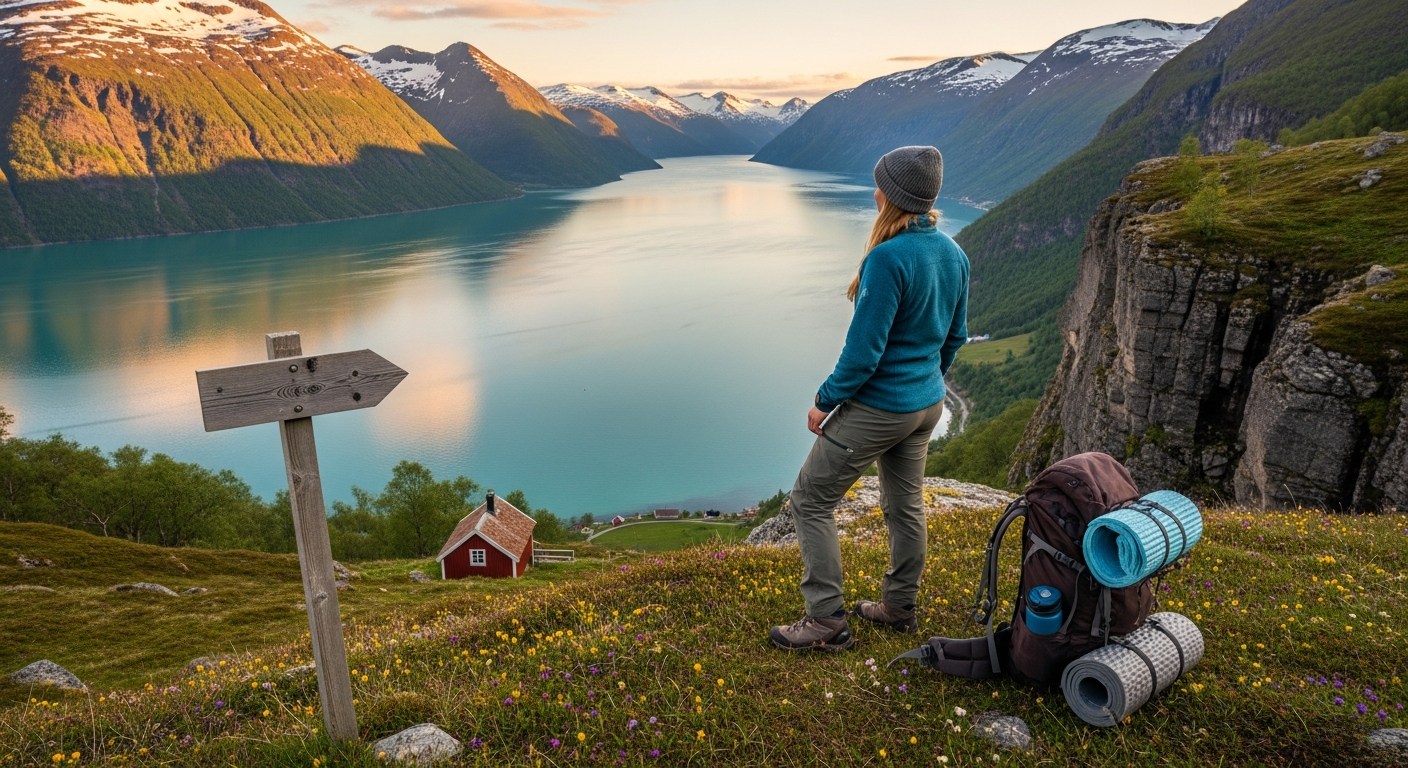
Standing on a cliff edge in the Lofoten Islands at midnight, the sun still painting the sky in shades of pink and gold, completely alone yet feeling safer than you would in most cities back home. This isn’t a fantasy—this is Norway, and it’s calling your name for 2026.
If you’ve been dreaming about taking that solo trip but wondering whether Norway is the right choice, let me tell you something definitively: Norway isn’t just good for solo female travelers—it’s absolutely exceptional.
This guide will walk you through everything you need to know to plan an unforgettable Norwegian adventure on your own terms, from budget breakdowns to secret local spots that most tourists never discover.
Why Norway is the Ultimate Solo Female Travel Destination in 2026

Safety That Actually Lets You Relax and Enjoy
Norway consistently ranks in the top three safest countries globally, and you’ll feel this security in your bones from the moment you arrive. This isn’t just about statistics—though those matter too. The Global Peace Index places Norway at the top year after year, and the country’s gender equality rankings mean you’re treated with respect everywhere you go.
Lisa Michele Burns, founder of The Wandering Lens, captured it perfectly: “I always felt safe, even when photographing the night sky.” She spent nights alone in remote areas of Bodø and the Lofoten Islands, camera in hand, chasing northern lights without a second thought about her safety.
What makes Norway different? It’s the combination of cultural attitudes, infrastructure, and social systems. You can hike remote trails without encountering aggressive behavior. You can photograph fjords at 2 AM during midnight sun season without looking over your shoulder. You can stay in rural fishing villages where locals greet you warmly rather than view you with suspicion.
The practical safety features matter too. Public transportation runs like clockwork and is safe at all hours. Nearly everyone speaks English fluently, eliminating the vulnerability that comes with language barriers. Cell service reaches even remote areas, and emergency services are top-notch. This safety infrastructure means you spend your mental energy on enjoying your adventure, not managing anxiety.
Infrastructure Built for Independent Travelers
Norway’s transportation system feels designed specifically for solo travelers. The train network connects major cities with routes so scenic they’re attractions themselves. The Bergen Railway between Oslo and Bergen ranks among the world’s most beautiful train journeys, winding through mountains and past frozen lakes.
Buses fill the gaps trains don’t cover, and ferries connect coastal communities and islands. The Norway in a Nutshell route packages these together seamlessly—though we’ll discuss later whether it’s worth it for solo travelers who prefer flexibility.
Accommodation options span every budget and social preference. Hostels like Bergen’s Marken Guesthouse create instant communities where solo travelers connect over breakfast. Boutique hotels offer quiet comfort when you need solitude. Unique stays like traditional fisherman’s cabins (rorbuer) in Lofoten provide authentic experiences without requiring companions.
The digital nomad infrastructure continues improving. WiFi reaches most accommodations and cafés, co-working spaces are emerging in major cities, and you’ll stay connected even in surprisingly remote locations. Norway’s café culture means you’ll never feel awkward dining alone—Norwegians often eat solo, reading books or working on laptops without social stigma.
The Freedom to Design Your Perfect Adventure
Solo travel’s greatest gift is complete flexibility, and Norway delivers endless opportunities to exercise it. Want to chase northern lights at 11 PM? Go. Feel like spending an extra day hiking because the weather’s perfect? Stay. Prefer joining a group tour for whale watching to meet other travelers? Book it.
This flexibility proves especially valuable for weather-dependent activities. Norwegian weather changes rapidly, and having the freedom to pivot plans means you can hike when skies clear and explore museums when rain falls. You’re not negotiating with travel companions or locked into rigid group schedules.
Norway offers the perfect balance of social opportunities and solitude. Join group tours when you crave company—northern lights tours, fjord cruises, and hiking groups welcome solo travelers. When you need space, endless trails and remote beaches await. You control the dial between connection and independence.
Women-specific tour options like Sisterhood Travels’ Norway tours provide built-in community if you want the solo experience without being completely alone. These tours handle logistics while creating spaces for female travelers to connect, offering a middle ground between fully independent travel and traditional group tours.
Planning Your Norway Solo Trip: Budget Breakdown & Time Optimization

How Much Does Norway Really Cost? (And How to Make It Work)
Let’s address the elephant in the room: Norway is expensive. But it’s not impossibly expensive, and understanding where money goes helps you make strategic choices.
For a 7-10 day trip, expect these total costs:
Budget traveler ($1,500-$2,500): Hostel dorms, grocery store meals, public transportation, free hiking, shoulder season travel. You’ll cook most meals, stay in dorms, and choose free or low-cost activities. This works beautifully in Norway because the best experiences—hiking, fjord views, midnight sun—cost nothing.
Mid-range traveler ($3,000-$4,500): Mix of hostels (private rooms) and mid-range hotels, restaurants for half your meals, some splurge experiences, rental car for portions of the trip. This sweet spot lets you enjoy comfort without constant budget stress.
Luxury traveler ($5,500+): Boutique hotels, regular restaurant dining, guided tours, flights between regions, unique accommodations like glass igloos. You’re buying convenience, comfort, and curated experiences.
The biggest expenses are accommodation ($60-200/night depending on choices), food ($15-50/day if you mix grocery stores and restaurants), and transportation. A Norway in a Nutshell ticket costs around $300, rental cars run $50-100/day, and flights between regions average $100-200.
Secret money-saving strategies that actually work: Buy groceries at Rema 1000 or Kiwi supermarkets for breakfast and lunch. Splurge on dinner when you want restaurant experiences. Travel in May-June or September for shoulder season prices with decent weather. Purchase transport passes like the Bergen Card for free public transit and museum entry.
Splurge-worthy experiences delivering maximum value: A coastal voyage on Hurtigruten ($200-400 for day segments), northern lights tours with expert guides ($100-150), and fresh seafood at local fish markets. These create core memories worth the investment.
Maximizing Limited Vacation Time: Perfect Itinerary Frameworks
Most travelers have 7-14 days, so strategic planning matters. Don’t try seeing everything—Norway rewards depth over breadth.
7-day focused itinerary: Choose Bergen plus Lofoten Islands OR Oslo plus the Fjord Region. Flying directly to Bergen and spending three days exploring the city and nearby fjords before flying to Lofoten for four days creates a perfect week. Alternatively, three days in Oslo with day trips to Bygdøy museums and forest hikes, then four days in Flåm and the Sognefjord region delivers fjord immersion without rushing.
10-day comprehensive route: Oslo (2 days) → Bergen (2 days) → Lofoten Islands (4 days) → Tromsø (2 days). This hits major highlights while allowing breathing room. You’ll experience urban culture, dramatic fjords, midnight sun hiking, and northern lights opportunities.
14-day ultimate adventure: Add the Geirangerfjord, extend Lofoten time, include a coastal voyage segment, or explore Trondheim. Two weeks lets you travel slower, take rest days, and dig deeper into local experiences.
Seasonal considerations for 2026 matter significantly. Midnight sun season runs May through July, with peak daylight in June. Northern lights season spans September through March, with optimal viewing in January and February (though this means harsh winter conditions). September offers the best balance—potential northern lights, manageable weather, and fewer crowds.
Booking Smart: What to Reserve Now vs. Keep Flexible
Book flights and accommodation for 2026 travel about 3-6 months in advance for best prices and availability. Bergen and Lofoten accommodation fills quickly in summer, so secure your base early.
Reserve these experiences in advance: Northern lights tours during peak season, popular hikes requiring permits (though most Norwegian hikes don’t), ferry tickets for specific routes in July-August, and any unique accommodation like rorbuer or glass igloos.
Keep these flexible: Day hikes dependent on weather, museum visits, restaurant reservations (except high-end spots), and specific activity timing. Weather changes rapidly in Norway, so building flexibility into daily plans prevents disappointment.
Travel insurance is essential for solo travelers. Medical coverage, trip cancellation protection, and emergency evacuation matter more when you’re alone. World Nomads and SafetyWing offer solid options designed for independent travelers.
The Complete Regional Guide: Where to Go and What You’ll Actually Experience

Bergen & the Fjord Region: Your Perfect Starting Point
Bergen welcomes solo travelers with open arms. The compact, walkable city center means you’ll orient yourself within hours. Colorful Bryggen wharf, surrounded by UNESCO-listed wooden buildings, creates an instantly charming atmosphere.
Start mornings at the fish market—arrive early before tour buses, when locals shop for fresh catch. Skip overpriced tourist stalls and head to the indoor market for authentic smoked salmon and shrimp at reasonable prices.
Hike Fløyen (accessible via funicular if you prefer) for panoramic city views. The trail continues beyond the viewpoint for quieter forest walking. Ulriken, Bergen’s highest peak, offers more challenging hiking with even better vistas. Both are easily accessible solo and well-marked.
Hidden neighborhoods worth exploring: Nordnes peninsula for quiet waterfront walks, Sandviken for traditional wooden houses, and Møhlenpris for local cafés away from tourist crowds. Bergen’s size means you can cover these on foot while discovering your own secret spots.
Fjord day trips from Bergen don’t require cars. Sognefjord cruises depart daily, Hardangerfjord is accessible by bus, and the famous Nærøyfjord connects via the Norway in a Nutshell route. Book these the day before based on weather forecasts.
For accommodation, Marken Guesthouse creates community among solo travelers, while Bergen Børs Hotel offers boutique comfort in a central location. Choose based on whether you’re seeking social connection or peaceful retreat.
Lofoten Islands: The Breathtaking Adventure Hub
Lofoten delivers the Norway of your dreams—jagged peaks rising from turquoise water, red fishing cabins perched on stilts, and hiking trails that make your Instagram followers weep with envy.
Getting there solo is straightforward: Fly from Oslo or Bergen to Leknes or Svolvær. The scenic coastal voyage on Hurtigruten takes longer but transforms transportation into experience. Book one-way on the boat, fly the other direction.
Base yourself strategically. Reine offers postcard views and access to famous hikes but fills quickly and costs more. Svolvær provides practical amenities, ferry connections, and easier accommodation availability. Henningsvær balances charm with accessibility, offering a working fishing village atmosphere with good restaurants and galleries.
Must-do hikes with honest difficulty assessments: Reinebringen (2.5 miles, 1,400 feet elevation gain, challenging stairs but short) delivers the iconic Lofoten view. Ryten (5 miles, 1,800 feet elevation gain, moderate) leads to stunning Kvalvika Beach overlook. Kvalvika Beach itself requires a shorter hike down and is perfect for midnight sun photography.
Midnight sun magic peaks in June, when the sun never sets. Photography opportunities are endless, but manage your energy—it’s weirdly difficult to sleep when it’s bright at 2 AM. Bring a sleep mask.
Authentic experiences include staying in traditional rorbuer (book these early), buying fresh fish directly from fishing boats, and exploring tiny villages like Nusfjord and Å. Skip the generic “Viking” tourist experiences and spend time in working communities instead.
Oslo & Tromsø: Urban Culture and Arctic Adventures
Oslo deserves 2-3 days if you enjoy cities, but skip it if you’re purely nature-focused. The city excels at accessible culture and instant nature access via the T-bane metro system.
Free and cheap activities showcase Oslo’s character: Vigeland Sculpture Park (free, fascinating, weird), the Opera House rooftop walk (free), and Akerselva river walk through hip neighborhoods. The Oslo Pass provides free museum entry and public transport if you’re visiting multiple attractions.
Oslo’s T-bane is your secret weapon. Line 1 reaches Frognerseteren in 30 minutes, depositing you at forest trails overlooking the city. Locals ski here in winter and hike in summer. It’s a brilliant example of Norwegian urban planning that prioritizes nature access.
For northern lights chasing, Tromsø reigns supreme. This compact Arctic city offers excellent odds of aurora sightings from September through March, though weather cooperation is never guaranteed. Manage expectations—you might see spectacular displays or cloudy skies. That’s nature.
Tromsø works perfectly as a solo base. The small city center is walkable, English is universal, and group tours for northern lights, dog sledding, and whale watching welcome solo travelers. Book northern lights tours with small-group operators who’ll chase clear skies rather than large bus tours stuck to schedules.
Daytime activities worth your time include the Arctic Cathedral, Polaria aquarium, and the Fjellheisen cable car for city views. Visit the Sami Parliament and cultural centers to learn about indigenous Arctic culture respectfully.
Budget igloo hotels and unique stays exist around Tromsø, offering the Arctic experience without luxury prices. Lyngen Lodge and similar properties provide glass-roofed rooms for aurora viewing from bed.
Authentic Local Experiences: Avoiding Tourist Traps & Finding Hidden Gems

How to Eat Like a Norwegian (Without Breaking the Bank)
The grocery store strategy saves massive money while introducing you to Norwegian food culture. Stock up at Rema 1000, Kiwi, or Coop for breakfast supplies (excellent bread, brunost cheese, cured meats) and lunch ingredients. Norwegian grocery stores offer surprisingly good prepared salads, sushi, and sandwiches.
Local specialties worth the splurge: Fresh seafood from fish markets (not tourist restaurant versions), traditional fish soup at local cafés, and brown cheese (brunost) on waffles. Skip overpriced “traditional Norwegian dinners” at tourist restaurants—they’re rarely authentic.
Hidden local restaurants exist in every destination. In Bergen, try Lysverket for new Nordic cuisine or Cornelius Fish Restaurant (reached by boat) for unforgettable seafood. In Lofoten, Børsen Spiseri in Svolvær and Anitas Sjømat in Sakrisøy serve fresh fish without tourist markup.
Coffee culture runs deep in Norway. Locals consume more coffee per capita than almost anywhere. Cozy cafés like Bergen’s Kaffemisjonen or Oslo’s Tim Wendelboe serve excellent coffee and welcome solo laptop workers. These spaces facilitate organic connections with locals and other travelers.
Seafood secrets: Buy directly from fishing boats when possible, visit fish markets early when locals shop, and don’t overlook grocery store seafood sections—they’re fresher and cheaper than restaurants.
Meeting Locals and Other Travelers
The best hostels for social atmosphere create natural gathering spaces. Anker Hostel in Oslo, Marken Guesthouse in Bergen, and Lofoten Bed & Breakfast facilitate connections through communal kitchens and common areas. Choose hostels with organized activities if you want structured social opportunities.
Free walking tours in major cities attract fellow travelers and knowledgeable local guides. These tours provide orientation, historical context, and instant friend groups. Apps like Meetup and Couchsurfing (for meetups, not necessarily hosting) connect you with locals and expats.
Norwegian social culture is reserved but warm once you break the ice. Don’t expect strangers to chat you up, but do expect genuine helpfulness when you ask questions. Norwegians respect personal space and quiet, so loud conversation on public transport marks you as a tourist.
Women-specific travel communities like the Sisterhood tours mentioned earlier, or informal Facebook groups for female travelers, provide support networks and meetup opportunities throughout Norway.
Beyond the Instagram Spots: Secret Places Worth Discovering
Lesser-known hiking trails deliver stunning views without crowds. In Lofoten, try Mannen (the Man) near Haukland Beach instead of Reinebringen. Around Bergen, hike Rundemanen or Sandviksfjellet instead of the packed Fløyen trail. These alternatives offer equivalent beauty with fraction of the foot traffic.
Hidden beaches and swimming spots exist throughout coastal Norway. Norwegians swim in surprisingly cold water—join them at Haukland Beach in Lofoten or Bygdøy beaches near Oslo. The midnight sun makes beach time magical even when water temperature doesn’t.
Small towns capturing authentic Norwegian life include Balestrand on the Sognefjord, Ålesund for Art Nouveau architecture, and Røros for preserved mining town atmosphere. These destinations see fewer international tourists while offering genuine cultural experiences.
Local festivals happening in 2026 include Bergen’s Festspillene (May-June), Tromsø’s Midnight Sun Marathon (June), and various food festivals celebrating local ingredients. Check local tourism sites closer to your travel dates for specific events.
Scenic routes and viewpoints that don’t require tour buses: The Atlantic Ocean Road near Kristiansund, Trollstigen mountain pass (open May-October), and the Lofoten Scenic Route with countless pull-offs for photography. Rent a car for these, or join small-group tours that stop frequently.
Practical Solo Travel Logistics: Transportation, Accommodation & Safety Tips

Mastering Norwegian Transportation Solo
Renting a car makes sense for Lofoten Islands exploration, driving the scenic routes, and reaching remote hiking trailheads. It doesn’t make sense for city-based travel or when using the excellent train network. Calculate costs carefully—rental plus gas plus tolls adds up, sometimes exceeding train and bus combinations.
Norway in a Nutshell packages train, ferry, and bus travel through the Sognefjord region. For solo travelers, it’s convenient but expensive ($300+) and locks you into a schedule. Consider booking components separately for flexibility and potential savings, or splurge on the package for hassle-free logistics.
Ferry systems connect coastal communities and islands throughout Norway. Hurtigruten coastal voyage operates like a working ferry with tourist amenities, stopping at ports from Bergen to Kirkenes. Book segments rather than the full voyage for budget-friendly scenic transportation.
Train routes doubling as scenic experiences include the Bergen Railway, Flåm Railway (touristy but genuinely stunning), and Nordland Railway to Bodø. Reserve window seats and bring snacks for these journeys—they’re half transportation, half sightseeing.
Essential apps: Entur for all public transportation planning and tickets, Google Maps for general navigation, yr.no for hyper-local weather forecasts, and AutoPASS for toll road payments if renting a car.
Accommodation Strategies for Solo Travelers
Balance competing priorities: budget, safety, location, and social opportunities. Hostels in private rooms offer security and social common spaces. Mid-range hotels provide comfort and quiet. Unique stays create memorable experiences.
Best hostel recommendations: Oslo’s Anker Hostel for social atmosphere, Bergen’s Marken Guesthouse for central location and community, Lofoten’s Å Hostel for dramatic setting. All offer private rooms if you want hostel vibes without dorm sharing.
Unique stays worth booking: Fisherman’s cabins (rorbuer) in Lofoten for authentic atmosphere, mountain lodges (DNT huts) for hiking adventures, and boutique hotels like Bergen Børs for historic charm. Book these early—they fill quickly in summer.
Use booking platforms with robust solo traveler filters and reviews. Hostelworld excels for hostel bookings, Booking.com offers detailed reviews and flexible cancellation, and Airbnb works for entire apartments when you want space and kitchen access.
Look for neighborhoods with good public transport connections, walking distance to grocery stores, and safe evening atmosphere. In cities, staying near train stations provides convenience. In smaller destinations, prioritize views and proximity to activities over urban amenities.
Staying Safe, Healthy, and Connected
Emergency numbers: 112 for police, 113 for medical emergencies. Healthcare quality is excellent, though expensive without insurance. EU citizens should bring European Health Insurance Cards; others need travel insurance with medical coverage.
Weather preparedness matters more than personal safety in Norway. Layer clothing, bring waterproof shells, and pack for changing conditions even in summer. Hypothermia risk exists year-round in mountains and coastal areas. Check yr.no weather forecasts obsessively.
Hiking safety essentials for solo adventurers: Tell someone your plans (hostel staff counts), bring extra food and warm layers, download offline maps, start early to allow plenty of daylight, and don’t hesitate to turn back if conditions deteriorate. Norwegian mountains demand respect regardless of season.
Phone plans and connectivity: Most US and EU carriers offer international plans. Alternatively, buy a Norwegian SIM card (Telenor or Telia) at airports or convenience stores for data access. WiFi reaches most accommodations and cafés, but cellular data provides security in remote areas.
Solo female-specific safety considerations are minimal in Norway. Standard travel safety applies—don’t leave drinks unattended, trust your instincts, and stay aware of surroundings. But realistically, Norway’s safety record means you’ll likely feel more secure than in your home city.
Your Norway Adventure Awaits
Norway delivers everything a solo female traveler dreams about: safety that lets you breathe easy, infrastructure that makes independent travel seamless, and landscapes that remind you why you started traveling in the first place. Whether you’re chasing northern lights in Tromsø, hiking under the midnight sun in Lofoten, or discovering hidden cafés in Bergen, you’ll do it on your own terms, at your own pace, with complete confidence.
The key to an unforgettable 2026 Norway adventure is balancing planning with flexibility. Book your flights and accommodation early, research your must-see destinations, but leave room for spontaneous detours and weather-dependent pivots. The best moments often happen when you abandon the itinerary to hike an extra hour because the light is perfect or stay an extra day because you’ve met fellow travelers you genuinely enjoy.
Norway isn’t just safe for solo female travelers—it’s transformative. You’ll return home with stunning photos, sure, but more importantly, you’ll return with renewed confidence in your ability to navigate the world independently. Start planning your 2026 Norwegian adventure today, and get ready for the journey of a lifetime.