
Lake Geneva Summer Vacation Guide

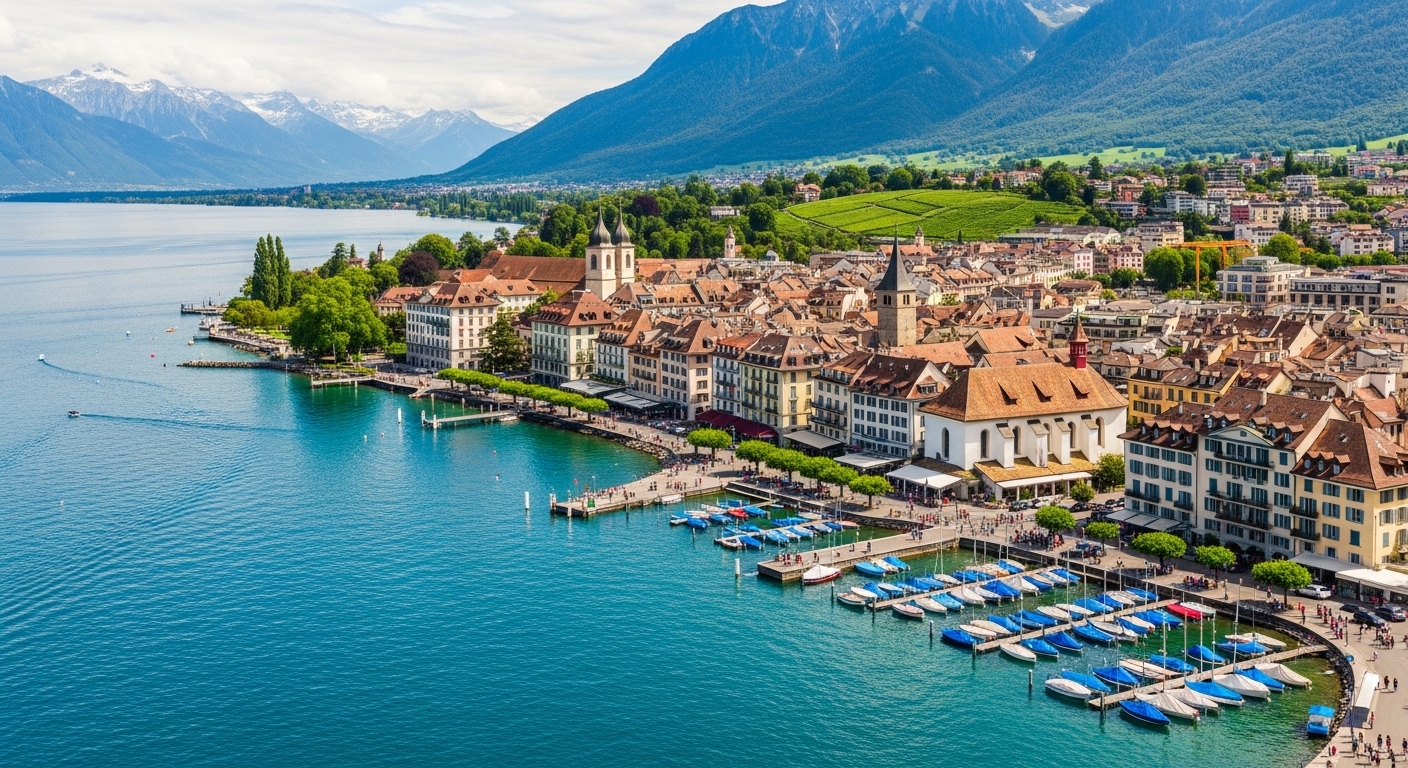
You’re floating in crystal-clear alpine water, the French Alps rising dramatically behind you, a glass of local white wine waiting on the shore, and the medieval towers of a castle silhouetted against the summer sky. This isn’t some impossible travel fantasy—it’s a regular Tuesday afternoon at Lake Geneva.
While everyone’s fighting crowds in Zurich or paying premium prices in Interlaken, Lake Geneva (or Lac Léman, as locals call it) offers something refreshingly different.
This crescent-shaped lake straddling Switzerland and France delivers the complete Swiss experience without the tourist circus.
You’ll find Belle Époque grandeur in Montreux, cosmopolitan sophistication in Geneva, UNESCO-protected vineyards tumbling down to the water’s edge, and yes—actual beaches where locals swim, not just pose for Instagram.
I’ve spent five summers exploring every corner of this lake, from the obvious highlights to the villages that don’t even make it into guidebooks. What I’ve learned is that Lake Geneva rewards travelers who dig deeper than the surface. The real magic happens when you venture beyond the Jet d’Eau fountain, when you order that local Chasselas wine instead of defaulting to French imports, when you discover the hidden beach where Geneva families spend their Sundays.
This guide cuts through the noise. You’ll get honest budget breakdowns (because Switzerland is expensive, but there are strategies), insider tips on avoiding crowds, and the kind of practical planning advice that turns a good trip into an unforgettable one. Whether you’ve got three days or three weeks, whether you’re backpacking or splurging, Lake Geneva in summer is about to become your new favorite European destination.
Why Lake Geneva Deserves Your Summer Vacation (Not Just Zurich or Interlaken)
The Perfect Blend of City and Nature
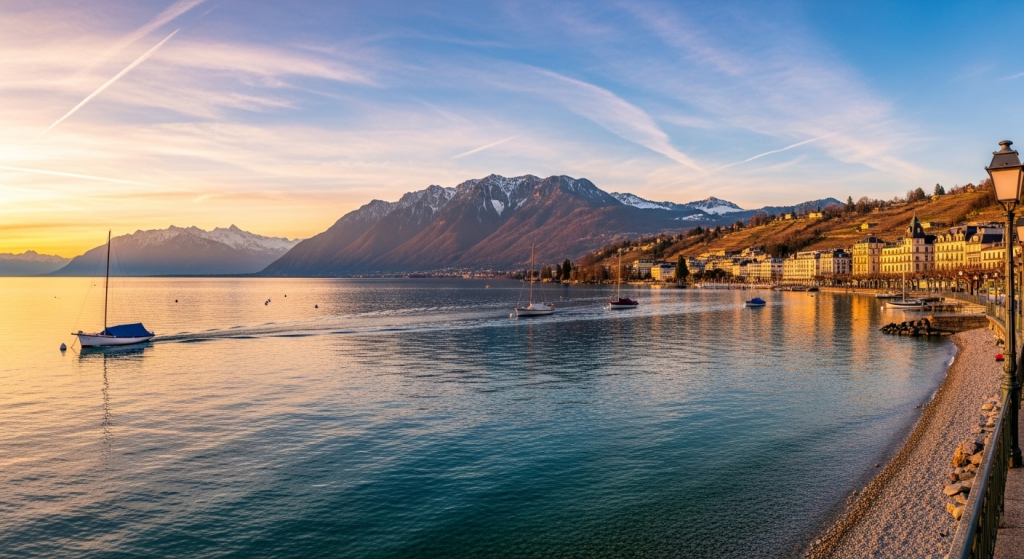
Lake Geneva delivers what most destinations only promise: genuine variety without compromise. Within thirty minutes, you can transition from museum-hopping in cosmopolitan Geneva to hiking vineyard trails with panoramic Alpine views. You can sip espresso at a lakefront café in the morning and swim in mountain-fed water by afternoon. This isn’t about cramming activities into a packed schedule—it’s about having authentic options at your fingertips.
Compare this to Interlaken, where you’re essentially trapped in an outdoor adventure hub (beautiful, but limited), or Zurich, where nature requires a deliberate day trip. Lake Geneva’s 73-kilometer shoreline connects distinct experiences organically. The CGN boats that crisscross the lake aren’t just transportation—they’re floating observation decks where you can watch the landscape shift from French château country to Swiss Alpine foothills.
Here’s what makes it special: you’re literally straddling two countries. The northern shore is Switzerland (Geneva, Lausanne, Montreux), while the southern shore is France (Évian, Thonon-les-Bains, Yvoire). This isn’t just a geographical curiosity—it means you get French culinary influence with Swiss precision, Mediterranean café culture with Alpine efficiency, and the ability to use euros or francs depending on which side you’re exploring.
Summer is Peak Season for a Reason
Let’s talk weather specifics, because timing matters. June brings temperatures averaging 20-24°C (68-75°F), with the lake water warming to a swimmable 18-20°C. July and August push temperatures to 25-28°C, with the lake hitting a comfortable 22-24°C—perfect for those afternoon swims. You’ll get 14-15 hours of daylight, with sunset not arriving until 9:15 PM in midsummer. Rain? Expect occasional afternoon thunderstorms, but they’re brief and dramatic rather than day-ruining.
This weather unlocks experiences you simply cannot have in other seasons. The outdoor terraces at vineyard restaurants stay open until late evening. The CGN boats run extended summer schedules, including sunset cruises. Music festivals take over lakefront venues—Montreux Jazz Festival in July, Paléo Festival in Nyon, Fête de Genève in August. The Alpine wildflowers peak in the higher elevations, making hikes through the Lavaux vineyards absolutely spectacular.
Yes, summer brings crowds, but Lake Geneva handles them better than Switzerland’s other hotspots. The crowds concentrate in predictable places (Chillon Castle between 11 AM-2 PM, Geneva’s Old Town on Saturday afternoons), which means strategic timing gives you breathing room. Visit Chillon at 9 AM or after 4 PM, and you’ll practically have it to yourself.
Authentic Experiences vs. Tourist Traps
Lake Geneva maintains something increasingly rare in popular European destinations: a functioning local life that exists independent of tourism. In Lausanne, you’ll find yourself surrounded by Swiss professionals grabbing lunch, not tour groups following umbrella-wielding guides. The weekly markets in Vevey and Morges serve actual residents buying actual groceries, not just tourists hunting for photo opportunities.
This is French-speaking Switzerland, which carries a distinct identity from the German-speaking regions most visitors associate with the country. The pace is slower, the food culture more pronounced, the café life more central. People take two-hour lunch breaks here. They prioritize quality wine and long dinners. The Protestant work ethic that defines Zurich feels pleasantly distant.
Now, the honest conversation about costs: Switzerland is expensive, full stop. A basic café lunch runs 18-25 CHF ($20-28). Museums charge 15-20 CHF. A night in a decent hotel starts at 150 CHF. But here’s where Lake Geneva offers value—accommodation costs less than Zurich or Interlaken, restaurant prices drop as you move away from Geneva city center, and many of the best experiences (swimming, hiking the vineyards, exploring medieval villages) are completely free. You’ll spend money here, but you’ll get authentic Swiss experiences in return, not manufactured tourist attractions designed to extract maximum cash.
Planning Your Lake Geneva Itinerary: The Ultimate Framework
How Many Days Do You Really Need?
Three days covers the highlights if you’re time-crunched: Geneva’s Old Town and lakefront, Chillon Castle, and a vineyard hike in Lavaux. You’ll leave wanting more, but you’ll capture the essence. This works for travelers adding Lake Geneva to a larger European trip or those on limited vacation time. Base yourself in Lausanne for these three days—it’s centrally located and offers better value than Geneva.
The perfect week gives you breathing room to explore properly. You’ll have time for Geneva (2 days), Lausanne and the Lavaux vineyards (2 days), Montreux and the surrounding area (2 days), plus a day for hidden gems like Yvoire or a boat cruise to smaller villages. This timeline lets you balance major attractions with spontaneous discoveries—that vineyard restaurant you stumble upon, the local festival happening in a village square, the sunset swim you didn’t plan but absolutely needed.
Extended stays of 10-14 days open up day trips and deeper exploration. You can add Gruyères for cheese experiences, venture into the Alps above Montreux, spend serious time in the smaller villages, or even cross into France for the southern shore. This timeline suits travelers using Lake Geneva as a home base for exploring western Switzerland, or those who genuinely want to live like locals for a while.
Where to Base Yourself: The Location Strategy
Geneva city serves as the obvious hub—international airport, big-city amenities, classic Swiss-meets-international atmosphere. Choose Geneva if you want urban sophistication, don’t mind paying premium prices, and value easy airport access. The downside? It’s the most expensive base, and you’ll spend time commuting to other lake destinations. Geneva works best for travelers prioritizing city experiences or those with limited time who need maximum convenience.
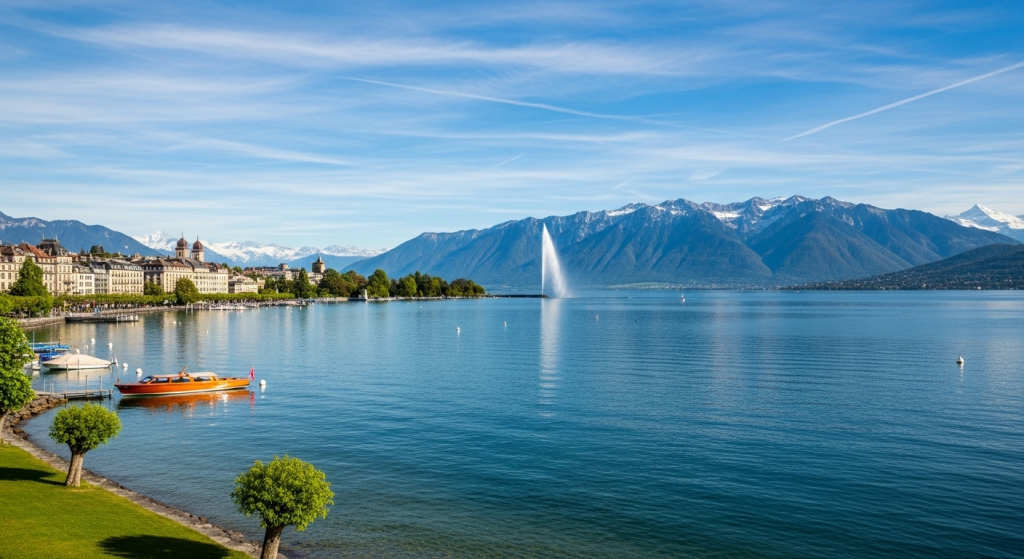
Lausanne is my consistent recommendation for most travelers. It’s Switzerland’s fourth-largest city but maintains an intimate, livable feel. Accommodation costs 30-40% less than Geneva. The restaurant scene rivals Geneva’s quality without the tourist markup. You’re perfectly positioned—25 minutes from Geneva by train, 20 minutes from Montreux, and literally surrounded by the Lavaux vineyards. The city itself delivers authentic Swiss urban life: excellent museums, a beautiful Old Town climbing steep hillsides, and locals who outnumber tourists.
Lakeside towns like Montreux, Vevey, or Nyon offer a different vibe entirely. These work beautifully if you’re prioritizing relaxation over urban exploration, or if you want to wake up with lake views and mountain backdrops. Montreux brings Belle Époque elegance and proximity to mountain excursions. Vevey offers the most authentic local life of the three. Nyon positions you closer to smaller villages and the French border. The tradeoff? Fewer dining options and less nightlife than the cities.
Multi-base strategy: Split your time between Lausanne (4 nights) and Montreux (3 nights) for the ideal week. This eliminates repetitive day trips while letting you experience both urban and resort atmospheres.
Getting Around Without the Stress
The Swiss Travel Pass deserves serious consideration for Lake Geneva. It covers all trains, buses, and boats around the lake, plus entry to many museums. The math works like this: Geneva to Lausanne costs 25 CHF one-way. Lausanne to Montreux is 15 CHF. A boat cruise from Geneva to Lausanne runs 36 CHF. Add museum entries and local buses, and you’ll hit the pass cost (232 CHF for 3 days, 347 CHF for 8 days) quickly. The pass also includes the cogwheel train to Rochers-de-Naye and discounts on mountain excursions.
Without the pass, buy a regional Half-Fare Card (120 CHF for one month) if you’re staying longer than a week. This cuts all train, bus, and boat fares by 50%, which adds up fast.
Local transportation runs like Swiss clockwork. Trains connect major towns every 15-30 minutes. The CGN boats operate comprehensive summer schedules—you can literally boat-hop between villages all day. Local buses reach smaller destinations trains miss. Everything connects seamlessly, and the Swiss transportation app (SBB Mobile) provides real-time schedules and mobile tickets.
Renting a car makes sense only for specific situations: if you’re traveling with family and want flexibility for multiple stops, if you’re venturing into mountain areas beyond public transport reach, or if you’re planning extensive French shore exploration. Otherwise, parking costs (20-40 CHF daily in cities), expensive gas, and the fact that public transport is actually faster make car rental unnecessary.
The Must-See Attractions (And How to Experience Them Like a Local)
Geneva’s Iconic Landmarks Done Right
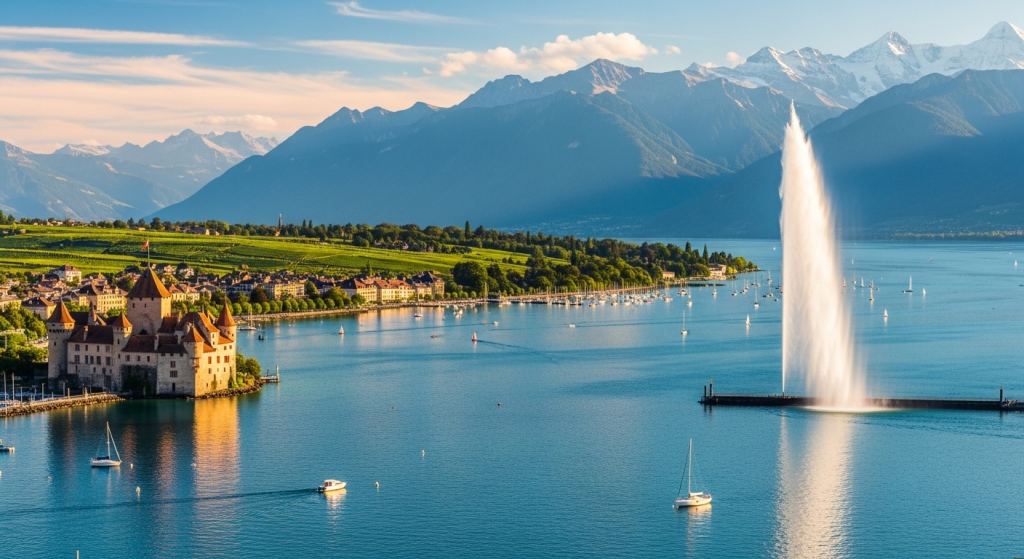
The Jet d’Eau fountain shoots 140 meters into the air, and yes, you’ll photograph it. But here’s the insider approach: skip the obvious lakefront viewpoint where everyone clusters. Walk to the Bains des Pâquis jetty (more on this gem later) for a unique angle with the Old Town backdrop. Or take the mouette (water taxi) across the harbor—these little yellow boats cost just 3 CHF and deliver the best fountain perspectives while locals commute around you.
Geneva’s Old Town rewards wanderers who ignore the main tourist circuit. Yes, see St. Pierre Cathedral (climb the north tower for panoramic views), but then lose yourself in the maze of streets behind it. Rue de l’Hôtel-de-Ville hides artisan chocolatiers and antique bookshops. The Place du Bourg-de-Four, Geneva’s oldest square, hosts a local café scene where you’ll hear more French than English. Visit early morning (before 10 AM) when shopkeepers open their boutiques and the neighborhood feels authentically residential.
The UN Palace and International Red Cross Museum divide opinion. The UN tour (book ahead) fascinates if you’re into international politics and want to see where global decisions happen. It’s formal, educational, and completely unique. The Red Cross Museum delivers powerful, emotionally resonant exhibits about humanitarian work—worth the 15 CHF if you engage with serious content. Skip both if you’re prioritizing natural beauty and outdoor experiences.
Chillon Castle: The Complete Visitor’s Guide
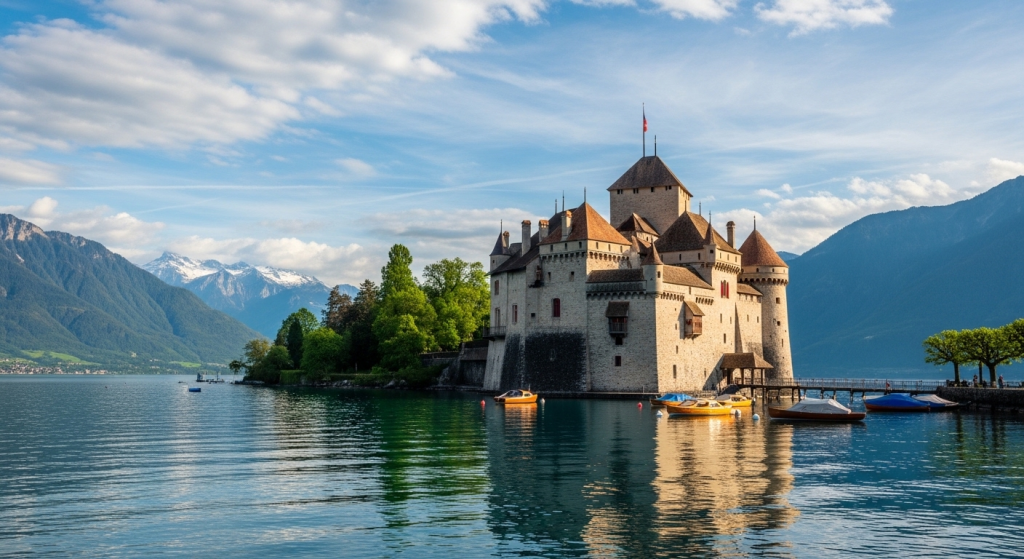
This medieval fortress jutting into Lake Geneva from a rocky island is absolutely unmissable—it’s Switzerland’s most-visited historic monument for good reason. The castle combines authentic medieval architecture (dungeons, towers, great halls) with stunning lake and mountain settings. You’ll walk through 13th-century rooms where Savoy counts ruled, explore underground vaults that inspired Lord Byron’s famous poem, and climb battlements with sweeping Alpine panoramas.
Timing is everything. Arrive right at 9 AM opening or after 4 PM to avoid tour groups. The castle stays open until 6 PM in summer, giving you plenty of time for a late afternoon visit. Budget 90 minutes to two hours for a thorough exploration—the audio guide (included) is excellent and worth following completely.
Getting there is straightforward: take the train to Veytaux-Chillon station (one stop from Montreux), and the castle is a 5-minute walk. Or take the CGN boat from any lakeside town—arriving by water delivers the same dramatic approach medieval visitors experienced. Combination tickets (train + entry) save a few francs if you’re not using a Swiss Travel Pass.
Photography tips: the best shots come from the lakeside path east of the castle, where you can capture the fortress with mountain reflections. Inside, the Great Hall’s painted wooden ceiling and the underground vaults photograph beautifully. Visit on a partly cloudy day when dramatic skies add mood to your photos.
The Lavaux Vineyards: Switzerland’s Stunning Wine Country
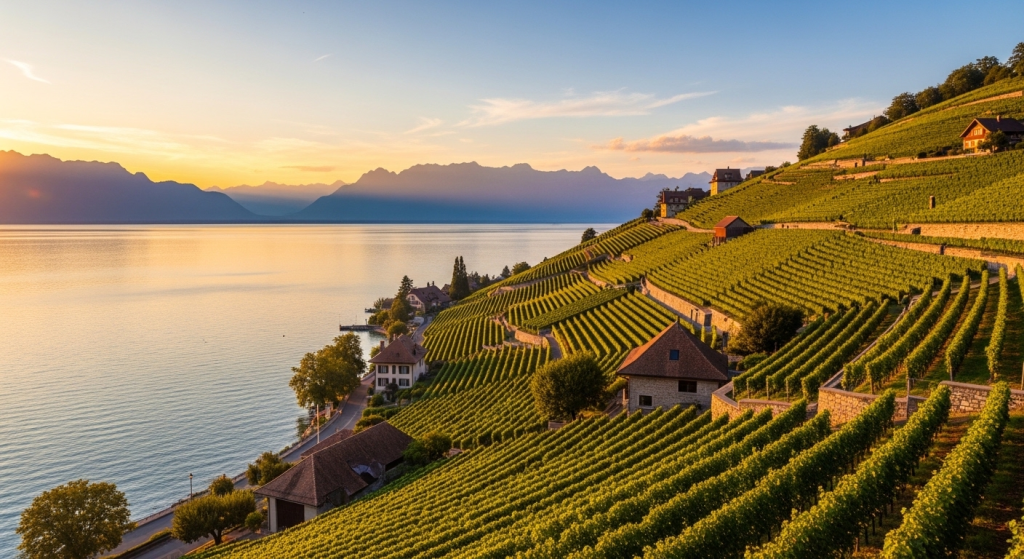
These UNESCO World Heritage terraced vineyards climbing hillsides above the lake create one of Europe’s most spectacular landscapes. Imagine thousands of grape vines arranged in precise terraces, stone walls dating back to the 12th century, Alpine peaks rising across the water, and medieval wine villages tucked into the slopes. This isn’t just scenery—it’s a living, working wine region producing exceptional white wines.
The hiking trails through Lavaux range from easy lakeside strolls to challenging vineyard climbs. The classic route runs from Lutry to St-Saphorin (11 km, 3-4 hours), passing through Cully and Epesses. This trail delivers constant vineyard views, passes multiple wine cellars offering tastings, and lets you stop in charming villages for lunch. Fitness level required: moderate—there are hills, but nothing extreme. Wear good walking shoes (trails can be uneven) and bring sun protection (you’re exposed on those terraces).
Wine tasting experiences vary dramatically. Free options include visiting small producers who’ll pour samples if you ask politely and show genuine interest. Budget-friendly organized tastings (10-15 CHF) happen at village caves like Lavaux Vinorama in Rivaz, where you’ll taste 6-8 local wines with explanations. Splurge-worthy experiences include lunch at a vineyard restaurant like Le Deck in Chexbres—you’ll pay 60-80 CHF per person, but the food, wine, and views create unforgettable memories.
The villages tourists skip: St-Saphorin is a medieval gem with stone houses and winding lanes, yet remains remarkably quiet. Riex offers authentic local life and a beautiful church. Epesses perches dramatically on terraces with sweeping lake views and zero tour buses. Visit these on weekday afternoons for the most authentic experience.
Hidden Gems and Secret Spots Around Lake Geneva
Beaches and Swimming Spots Locals Actually Use
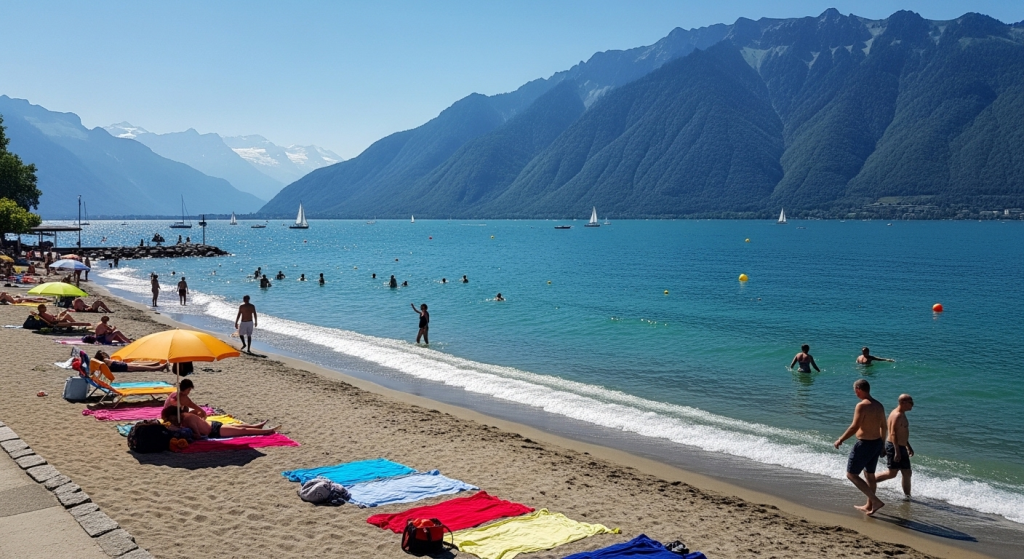
Bains des Pâquis in Geneva is the ultimate local hangout—a public bath complex on a jetty extending into the lake. Entry costs just 2 CHF (1 CHF for students). You’ll find changing cabins, showers, a diving platform, a sauna, and a casual restaurant serving Swiss specialties. This is where Geneva residents spend summer afternoons swimming, sunbathing on wooden decks, and socializing. The atmosphere is relaxed, diverse, and completely authentic. The water stays deep and clear, perfect for serious swimming. Bonus: it’s open year-round, and locals do winter swimming here.
Bellerive Plage in Lausanne offers the city’s best public beach—grass lawns, swimming platforms, beach volleyball courts, and shallow areas for families. Entry is free, though deck chair rental costs extra. The beach gets busy on hot weekends but never feels overcrowded. The adjacent Vieux Ouchy neighborhood has excellent cafés for post-swim refreshments.
Hidden spots worth seeking out: Plage de Préverenges (between Lausanne and Morges) combines a sandy beach with grassy areas and stays relatively quiet even in peak season. The beach at Villeneuve (east end of the lake) offers stunning mountain views with fewer crowds than Montreux. Multiple small access points along the Riviera between Vevey and Montreux let you swim from grassy shores with local families.
Lake swimming essentials: water temperatures range from 18-24°C in summer—refreshing but not shocking. The water is exceptionally clean (Switzerland maintains strict quality standards). Most beaches provide changing facilities and showers. Water shoes help on rocky entries. Always check depth before diving—some areas drop off quickly.
Charming Towns You’ve Never Heard Of
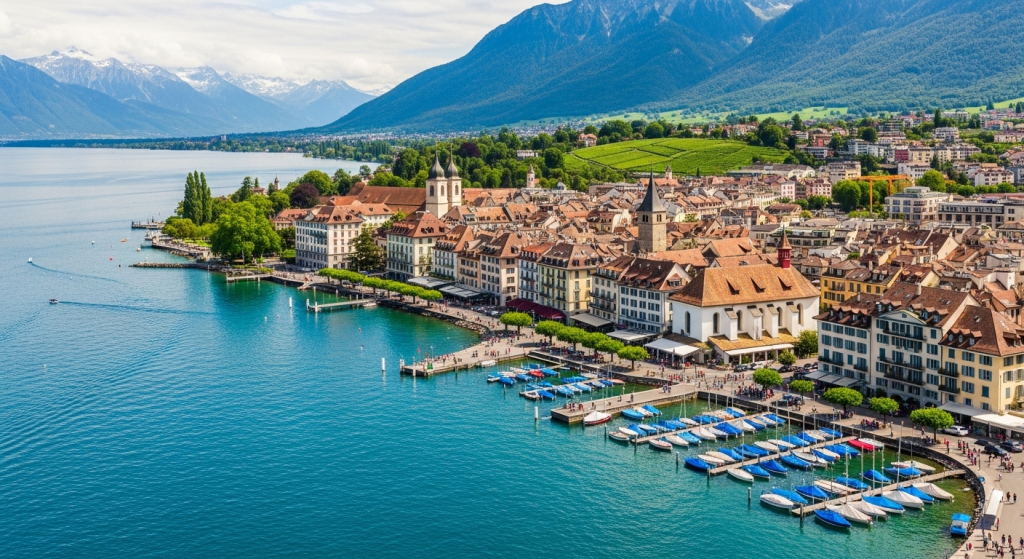
Yvoire, on the French shore, is a perfectly preserved medieval village that feels like stepping into a fairy tale. Flower-filled window boxes overflow from stone houses, narrow lanes wind between ancient buildings, and the lakefront setting is absolutely magical. This is a popular day trip for Swiss locals but remains unknown to most international visitors. Visit on a weekday morning for the best experience—weekends bring crowds. The village is tiny (you’ll explore it in an hour), but the atmosphere is worth the trip. Catch a CGN boat from Nyon (35 minutes) for a scenic approach.
St-Saphorin, already mentioned for its vineyards, deserves emphasis as a destination itself. This medieval wine village of 350 residents maintains authentic local life while offering visitors stunning architecture and atmosphere. Stone houses date from the 15th-17th centuries. Narrow cobblestone lanes climb steeply between buildings. The village church provides panoramic lake views. Multiple wine cellars offer tastings. Yet somehow, St-Saphorin avoids feeling touristy. Visit for lunch at a local café, taste wine at a family producer, and explore the lanes slowly.
Coppet, between Geneva and Lausanne, combines lakeside elegance with historical significance. The 18th-century château (open for tours) hosted European intellectuals during the Napoleonic era. The lakefront promenade offers beautiful walks. The village maintains an upscale, refined atmosphere without pretension. It’s where wealthy Geneva residents keep summer homes, which tells you something about its appeal. Visit for a lakeside lunch and castle tour, then continue to nearby Nyon.
Efficient routing: combine Yvoire with Nyon in one day (both on the western lake). Visit St-Saphorin while hiking the Lavaux vineyards. Add Coppet when traveling between Geneva and Lausanne.
Breathtaking Viewpoints Off the Beaten Path
Signal de Bougy, above Nyon, delivers 360-degree panoramas encompassing the entire lake, the Jura mountains, Mont Blanc, and the Alps. This viewpoint sits at 700 meters elevation, accessible by a short hike or drive. The restaurant at the summit serves traditional Swiss food with those incredible views. Visit at sunset for unforgettable light on the lake and mountains. The hike from Begnins village takes about 45 minutes through forests and meadows—moderate difficulty, family-friendly.
Rochers-de-Naye rises 2,042 meters directly above Montreux, accessible via cogwheel train (included with Swiss Travel Pass, otherwise expensive). The summit delivers dramatic Alpine scenery, a marmot park, and hiking trails. This is a full half-day excursion, but the views justify the time investment. The train ride itself is spectacular, climbing through forests and Alpine meadows. At the summit, you’ll find restaurants, hiking trails, and panoramas stretching to Mont Blanc on clear days.
Local hiking trails with lake vistas: the path from Chexbres to Puidoux through the vineyards provides constant lake views with minimal crowds. The Sentier des Toblerones (Toblerone Trail) above Nyon follows WWII-era tank traps with excellent lake panoramas—quirky history meets beautiful scenery. The coastal path from Montreux to Villeneuve hugs the shoreline with mountain and castle views.
Sunset spots that rival postcards: the Ouchy waterfront in Lausanne faces west for perfect sunset views. The Montreux lakefront promenade, especially near the Freddie Mercury statue, captures sunset light on the mountains. Any CGN boat departing around 7-8 PM in midsummer becomes a floating sunset viewing platform.
Authentic Local Experiences: Eating, Drinking, and Living Like a Swiss
The Complete Food Guide (Beyond Fondue)
Yes, try fondue—it’s delicious and authentically Swiss. But Lake Geneva’s food culture extends far beyond melted cheese. Filets de perche (perch fillets from the lake) appear on every lakeside restaurant menu, typically served with fries and tartare sauce. This is the local specialty everyone orders, and for good reason—the fish is fresh, delicate, and perfectly represents lakeside dining culture. Expect to pay 28-35 CHF for a generous portion.
Papet Vaudois, a regional specialty from the Vaud canton, combines leeks, potatoes, and cabbage in a hearty dish traditionally served with sausage. It’s comfort food that reflects the region’s agricultural heritage. Order this at traditional restaurants in Lausanne or smaller villages—it’s less common in touristy spots. Another local favorite: malakoffs, deep-fried cheese balls that are addictively good with local wine.
Market days provide the best value and most authentic food experiences. Lausanne’s Saturday market in Place de la Riponne brings together local producers selling cheese, sausages, fresh produce, and baked goods. Geneva’s Wednesday and Saturday markets at Place de la Fusterie offer similar bounty. Buy fresh bread, local cheese, seasonal fruit, and wine for incredible picnics at a fraction of restaurant costs. The markets also serve as social events where locals catch up—arrive around 9 AM for the best selection and atmosphere.
Budget eating strategies that actually work: grocery stores like Coop and Migros offer hot food counters with complete meals for 12-15 CHF. The “take-away” sections provide fresh sandwiches, salads, and sushi at reasonable prices. Many bakeries sell savory pastries (quiches, cheese tarts) perfect for lunch at 6-8 CHF. Kebab shops and Asian restaurants offer the cheapest sit-down meals (15-20 CHF). University cafeterias in Lausanne and Geneva serve subsidized meals to anyone (not just students)—expect to pay 10-15 CHF for a complete lunch.
Splurge-worthy restaurants: Le Deck in Chexbres combines Michelin-quality food with vineyard views. Café de Grancy in Lausanne delivers exceptional French-Swiss cuisine in a neighborhood setting. Bayview by Michel Roth in Geneva offers fine dining with lake panoramas (expensive but unforgettable for special occasions).
Wine Tasting and Vineyard Experiences
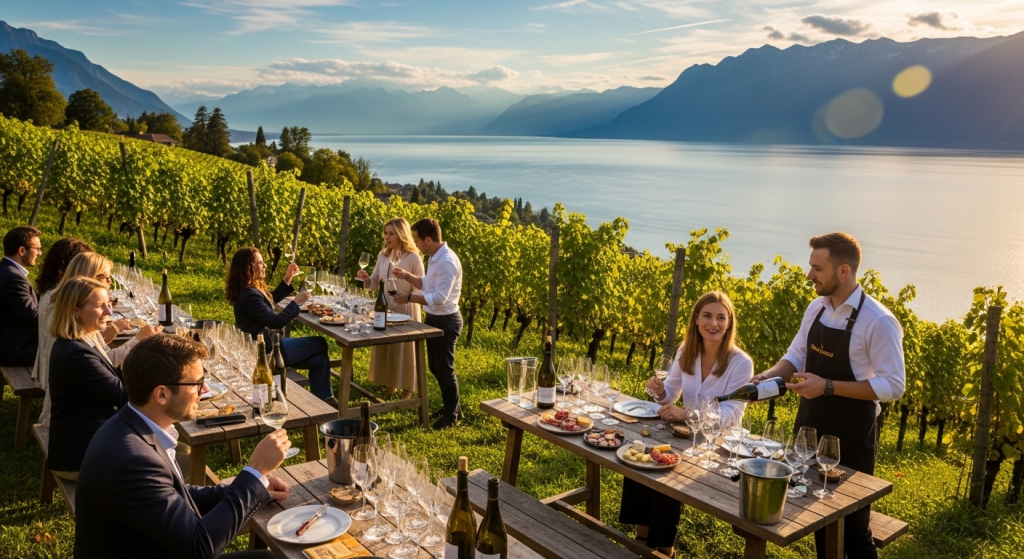
Swiss wine remains Switzerland’s best-kept secret—the country consumes 99% of its own wine production, leaving little for export. This means you’re tasting wines you literally cannot find at home. The Lake Geneva region, particularly Lavaux, specializes in white wines made from Chasselas grapes. These wines are crisp, mineral-driven, and perfectly complement local cuisine. The region also produces excellent reds from Gamay and Pinot Noir grapes.
Best wineries for visitors: Lavaux Vinorama in Rivaz offers comprehensive tastings with educational context—perfect for understanding the region’s wine culture. Domaine Bovy in Cully provides intimate tastings at a family-run estate. Caves Ouvertes events (open cellar days) happen throughout the region in spring and fall, when producers welcome visitors for free tastings—check local tourism websites for schedules.
Free tastings versus paid experiences: small family producers often pour complimentary samples if you visit during business hours and show genuine interest. Purchase a bottle or two as courtesy. Organized tastings (10-20 CHF) provide structured education with 6-8 wines and expert guidance. Premium experiences (40+ CHF) include vineyard tours, food pairings, and extended tastings of reserve wines.
Perfect wine and cheese pairings: Chasselas white wine pairs beautifully with local Gruyère or L’Etivaz cheese. Try this combination at any wine cellar or restaurant—it’s a classic regional pairing that demonstrates why Swiss food and wine culture works so well together. Many wine bars offer pairing plates specifically designed to showcase local products.
Budget Breakdown: What Lake Geneva Really Costs (And How to Save)
Honest Cost Expectations
Let’s establish realistic daily budgets. Backpacker/budget travelers can manage on 80-100 CHF ($90-110) daily: hostel bed (35-50 CHF), grocery store meals plus one budget restaurant (25-30 CHF), local transport (10-15 CHF), and one paid attraction (10-15 CHF). This requires discipline—you’re cooking most meals, choosing free activities, and staying in shared accommodations.
Mid-range travelers should budget 200-250 CHF ($220-275) daily: decent hotel or Airbnb (120-150 CHF), mix of restaurants and grocery meals (50-70 CHF), transport including some boat trips (20-30 CHF), and museum entries or activities (20-30 CHF). This budget allows comfortable exploration without constant cost anxiety.
Luxury travelers will spend 400+ CHF ($440+) daily: upscale hotels with lake views (250-400 CHF), restaurant meals (80-120 CHF), private transportation or extensive travel pass use (30-40 CHF), and premium activities (40+ CHF). At this level, you’re experiencing Lake Geneva’s Belle Époque elegance fully.
Biggest expenses and where they hit: accommodation dominates your budget—it’s unavoidable. Restaurant meals cost 2-3 times what you’d pay in neighboring France or Italy. Transportation adds up quickly without a travel pass. Museum entries and activities are surprisingly expensive (15-25 CHF each).
Money-Saving Strategies That Actually Work
Free activities deliver tremendous value around Lake Geneva. Swimming at public beaches costs nothing. Hiking the Lavaux vineyards is completely free (wine tastings are optional). Exploring medieval villages like St-Saphorin, Coppet, or Yvoire costs only transportation. Geneva’s Old Town, Lausanne’s hillside neighborhoods, and Montreux’s lakefront promenade offer hours of free wandering. Many museums offer free entry on the first Sunday of each month—plan accordingly.
The grocery shopping versus dining out calculation is stark: a grocery store picnic costs 10-15 CHF per person for quality ingredients (fresh bread, local cheese, charcuterie, fruit, wine). The same meal at a restaurant runs 35-45 CHF. Over a week, cooking breakfast and lunch while dining out for dinner saves 300-400 CHF for two people. Coop and Migros supermarkets are everywhere, well-stocked, and reasonably priced by Swiss standards.
Accommodation hacks: book Airbnbs in residential neighborhoods outside city centers (30-40% cheaper than downtown). Choose Lausanne over Geneva (significant savings for equivalent quality). Consider towns like Vevey or Nyon instead of Montreux (same lake access, lower prices). Book directly with small hotels rather than through booking sites—many offer discounts for direct reservations.
Swiss Travel Pass mathematics for a typical week: if you’re taking the Geneva-Lausanne-Montreux route multiple times, using boats for village hopping, visiting museums, and taking mountain excursions, the 8-day pass (347 CHF) pays for itself. Calculate your planned transportation and entry costs—if they exceed the pass price, buy it. If you’re staying mostly in one location with minimal travel, skip the pass and pay as you go with a Half-Fare Card.
Worth-the-Splurge Experiences
Some experiences justify higher costs through lasting memories and unique value. A sunset dinner cruise on a CGN Belle Époque paddle steamer (80-120 CHF per person) combines gourmet dining with spectacular scenery and nostalgic elegance—it’s expensive but genuinely special. The cogwheel train to Rochers-de-Naye (70 CHF return without pass) delivers dramatic Alpine scenery you cannot experience any other way.
One night in a historic lakefront hotel like Montreux’s Fairmont Le Montreux Palace (300-500 CHF) lets you experience the Belle Époque luxury that defined Lake Geneva’s golden age. Even if you’re budget traveling otherwise, one splurge night creates memorable contrast. Similarly, one Michelin-level meal at a vineyard restaurant transforms your understanding of Swiss cuisine and wine culture.
Budget alternatives to expensive attractions: instead of the pricey Glacier 3000 excursion, take the train to Rochers-de-Naye (included with Swiss Travel Pass). Rather than expensive guided vineyard tours, hike the trails independently and stop for tastings at small producers. Skip Geneva’s expensive restaurants by exploring Lausanne’s neighborhood bistros—you’ll eat better for less.
The honest assessment: Switzerland rewards quality over quantity. Better to spend more on fewer, exceptional experiences than to nickel-and-dime your way through mediocre ones. Choose your splurges strategically, save aggressively elsewhere, and you’ll create the perfect balance.
—
Your Lake Geneva Adventure Starts Now
Lake Geneva isn’t trying to be Switzerland’s flashiest destination—it doesn’t need to be. While Interlaken markets adrenaline and Zermatt sells Matterhorn views, this crescent of water between the Alps and Jura mountains offers something more nuanced: the complete Swiss experience wrapped in French elegance, where medieval castles meet modern cosmopolitan culture, where you can swim in alpine water and sip world-class wine on the same afternoon.
You’ve got the framework now—the honest budget breakdowns, the insider timing tips, the hidden beaches where locals actually swim. You know that Lausanne offers better value than Geneva, that arriving at Chillon Castle at 9 AM changes everything, that those UNESCO vineyards are best experienced on foot with strategic wine tasting stops. You understand that Lake Geneva rewards travelers who venture beyond the obvious, who order filets de perche instead of defaulting to international cuisine, who take that boat to St-Saphorin instead of staying in Montreux.
Summer around Lake Geneva creates perfect conditions for the kind of travel that stays with you—not because you checked off famous landmarks, but because you discovered that beach where Geneva families spend Sundays, that vineyard village where time moves differently, that moment when the Alpine peaks turned pink at sunset while you floated in crystal-clear water.
The lake has been here for millennia, shaped by glaciers and bordered by mountains. The vineyards have produced wine since Roman times. The Belle Époque hotels have welcomed travelers for over a century. Lake Geneva doesn’t chase trends or manufacture experiences—it simply offers itself, confident in its authentic appeal.
Your summer vacation is waiting. Book that flight to Geneva, secure your Swiss Travel Pass, pack your swimming gear, and prepare for a side of Switzerland that most travelers never discover. The water is perfect, the wine is chilled, and those vineyard terraces are calling your name.
Ready to plan your Lake Geneva adventure? Save this guide, share it with your travel companions, and start mapping your perfect itinerary. And when you’re floating in that alpine water with the French Alps behind you, remember—you found the real Switzerland.
*Have questions about planning your Lake Geneva trip? Drop them in the comments below, and I’ll share more insider tips from my five summers exploring this stunning region.*