Bali Outfit Ideas for Women: Temple & Beach Looks

Pack smart for Bali with these outfit formulas for temples, beaches, and restaurants. Respectful, stylish, and built for tropical heat.
You’ve booked your Bali trip, built the perfect Pinterest board, and now you’re staring at your closet wondering how to pack for temples, beach clubs, and rice terraces without bringing your entire wardrobe.
The stress is real. You need outfits that respect temple dress codes without looking frumpy, survive tropical humidity without clinging to your skin, and transition from sacred sites to sunset cocktails without a complete wardrobe change.
Here’s the truth: Bali’s dress code balancing act is completely achievable. You don’t need more clothes. You need the right clothes—pieces that work harder, breathe better, and mix endlessly.
This guide breaks down exactly what to wear in Bali with specific outfit formulas, a practical packing list, and insider tips so you can look effortlessly chic while honoring local customs.
What To Wear In Bali: Understanding Climate & Culture

Bali sits just eight degrees south of the equator, which means one thing: heat and humidity, year-round. Temperatures hover between 80-90°F (27-32°C) with humidity levels ranging from 70-85%, depending on the season.
The dry season runs April through September, making those months slightly more bearable. The wet season, October through March, brings afternoon downpours and stickier air that clings to everything.
Here’s what matters for what to wear in Bali: fabric choice beats style every single time. Synthetic materials trap heat and smell after one wear.
Natural fibers like linen, cotton, and rayon breathe, dry quickly (crucial since most guesthouses offer hand-wash service overnight), and feel comfortable against humid skin.
This is why your wardrobe strategy should prioritize breathable natural fabrics over trendy pieces that won’t survive the climate.
Temple Dress Codes You Actually Need to Know
Sacred temples require covered shoulders and knees. Most temples provide sarongs and sashes at the entrance for around 20,000 IDR (roughly $1.30), but some travelers prefer bringing their own for better photos and fit. Temples like Tanah Lot, Uluwatu, and Tirta Empul enforce these codes strictly. Ubud, the cultural heart of Bali, tends toward more conservative dress overall, while Seminyak and Canggu (beach areas) are relaxed about it.
The key insight: “covered shoulders and knees” doesn’t mean shapeless. Flowy midi dresses, linen button-downs paired with wide-leg pants, and maxi skirts all work beautifully. Avoid sheer fabrics that defeat the modesty purpose, and skip anything bodycon. You’ll also encounter squat toilets at some temples, so complicated strappy styles become a real problem—simple, straightforward clothing wins.
The Versatile Pieces That Work Everywhere
Three pieces become your uniform in Bali. First: flowy midi dresses in linen or cotton. They handle temples, transition to lunch, work at casual restaurants, and photograph beautifully at rice terraces. Second: a decorative sarong that doubles as a temple cover-up, beach blanket, scarf for over-air-conditioned restaurants, and evening wrap. Third: linen or cotton button-ups paired with wide-leg pants for a more polished look when midi dresses feel too casual.
These three pieces are the foundation of every outfit in this guide. They’re modest enough for temples, breathable enough for heat, and flexible enough to work across Bali’s different regions and occasions. When you’re packing, prioritize these silhouettes over anything fitted or structured.
Bali Outfit Ideas For Women: Complete Look Breakdowns

Temple-to-Lunch Outfit Formula
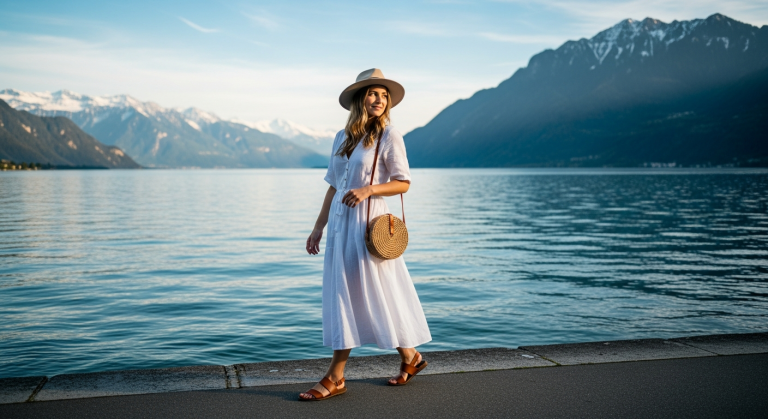
This is your workday uniform for Bali. Start with a tiered or A-line midi dress in cream linen or white cotton—something that hits mid-calf and has at least cap sleeves. Add leather sandals (they handle 8+ hours of walking without rubbing), a crossbody bag with a zipper (essential if you’re riding scooters), and a sun hat. This formula respects temple dress codes, keeps you cool, and looks intentional without effort.
Alternatively, pair a lightweight linen button-down with wide-leg pants in a neutral tone. Slip on flat sandals and you’ve got the same vibe with a slightly more tailored edge. Both versions work for temple visits that flow into café lunches, market exploring, and casual afternoon activities.
A third variation: maxi skirt in a breathable fabric plus a fitted tee tucked in, finished with a sun hat and slides. This works especially well for rice terrace walks that end at Ubud cafes. The key is choosing one base formula and wearing it repeatedly—you’re not trying to look different every day, you’re trying to look put-together without thinking about it.
Beach Club & Pool Looks
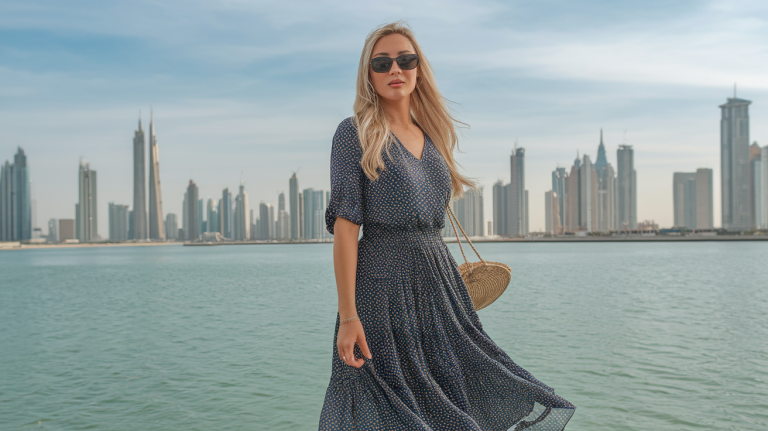
Beach clubs in Seminyak and Canggu have no strict dress codes, but you’ll want to look polished. Pair a high-waisted bikini with a crochet cover-up (the openwork keeps you cool) and oversized sunglasses. Add a straw or woven bag and you fit the vibe without overdoing it. This works for pool time, casual beachside lunch, or afternoon drinks.
For a more covered-up beach day, linen shorts and a cropped tank with a straw bag create that effortless beach casual look. If you’re heading to a nicer beach club at sunset (like Potato Head), swap the shorts for flowy beach pants and add a lightweight kimono or sarong as a layer. These venues are air-conditioned, so a thin cover-up feels amazing once you’re inside.
The beach club aesthetic celebrates ease and confidence. You’re not trying too hard. Light fabrics, minimal jewelry, and simple silhouettes signal that you belong in this relaxed-luxury space.
Evening Restaurant & Bar Outfits
Even “nice” restaurants in Bali keep the vibe casual. A midi slip dress with statement earrings and flat sandals works for dinner in Ubud. The slip dress feels elevated without being formal, and flat sandals keep it grounded and comfortable. Alternatively, a linen jumpsuit with wedges (if you brought them) and a clutch creates a chic dinner look that still feels practical.
Off-shoulder tops paired with palazzo pants are another solid choice. The off-shoulder detail adds visual interest, palazzo pants drape beautifully and stay cool, and mules or flat sandals finish it without formality. Bali restaurants rarely require heels, and honestly, the uneven sidewalks and scooter culture make heels impractical anyway.
The rule for Bali evening wear: elevated but comfortable. You want to look intentional and polished, but never overdressed or constrained. Air-conditioned restaurants mean a light layer—your sarong, a kimono, or a linen shirt—becomes your best friend. Bring it and you’ll use it.
Bali Dress Code: Temple-Ready Outfit Ideas

What “Covered Shoulders & Knees” Actually Means
Covered shoulders means no sleeveless tanks, no halter tops, no strapless dresses. Cap sleeves work. Flutter sleeves work. Puffed sleeves work beautifully. The fabric should sit on your shoulders, not dangle off them. Covered knees means midi length at minimum—mid-calf is safer. Anything hitting above the knee risks being turned away at temple entrances.
The Bali dress code for temples isn’t about hiding your body shape. It’s about respect. A fitted midi dress with sleeves respects the code while showing your figure. A flowy linen dress respects it while feeling breezy. The issue is sheer fabrics (you can see skin through them), extremely tight silhouettes, and anything that prioritizes style over the cultural significance of the space.
Bring your own sarong even though temples provide them. Temple rentals are functional but not always flattering for photos. A colorful or patterned sarong you love becomes part of your aesthetic and wraps around your waist or hips for a custom fit. Most markets sell beautiful sarongs for $5-10, and you’ll use it as a beach blanket, evening wrap, and restaurant scarf for the rest of your trip.
Stylish Temple Outfit Combinations
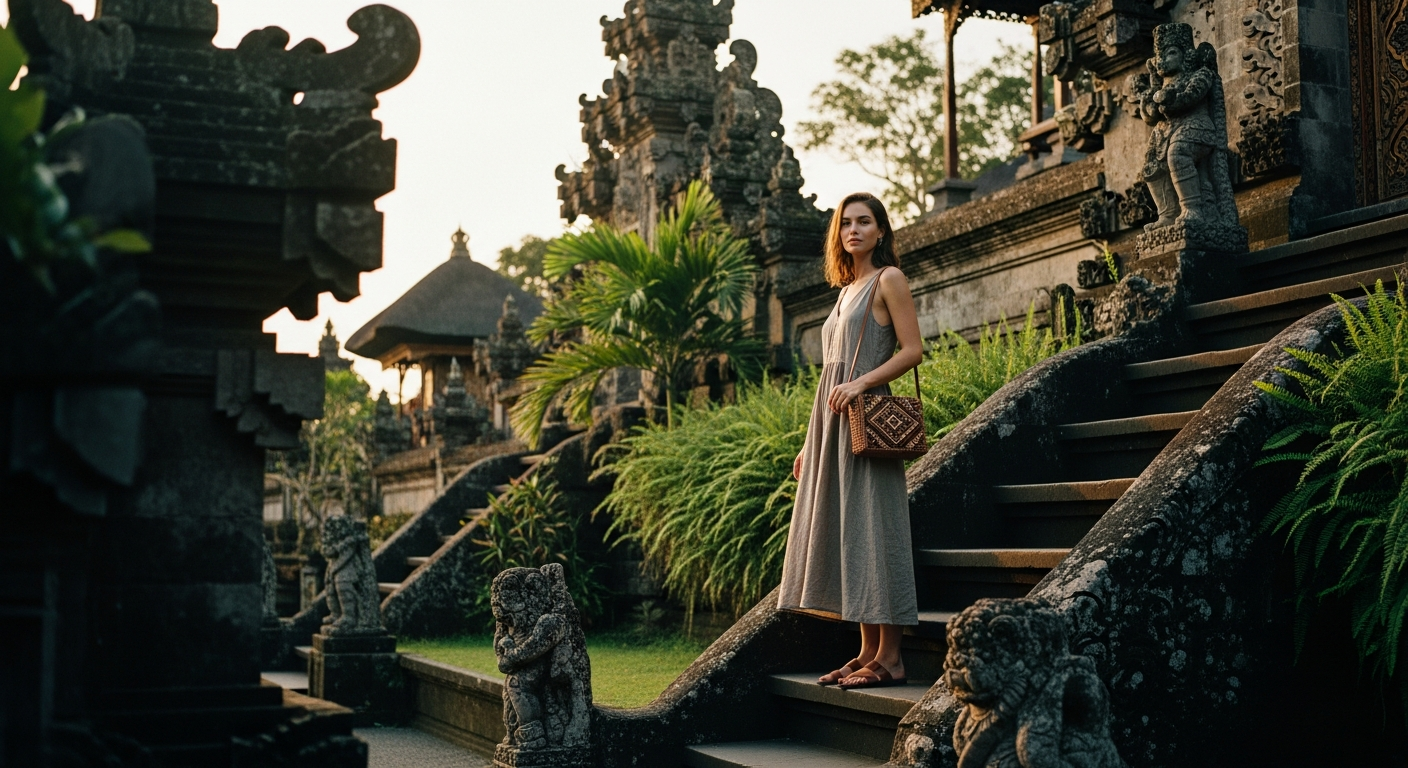
Outfit one: a puff-sleeve midi dress in breathable cotton or linen. Puffed sleeves add visual interest and photograph beautifully against temple backdrops. Pair with leather sandals and a crossbody bag. This works for Tanah Lot, Uluwatu, Tirta Empul, or any major temple.
Outfit two: a linen button-up shirt (long sleeves or rolled three-quarter sleeves) tucked into cropped wide-leg linen pants, finished with your own decorative sarong tied at the waist. This creates a more tailored temple look that still breathes and moves. Add slides or sandals and you’re set.
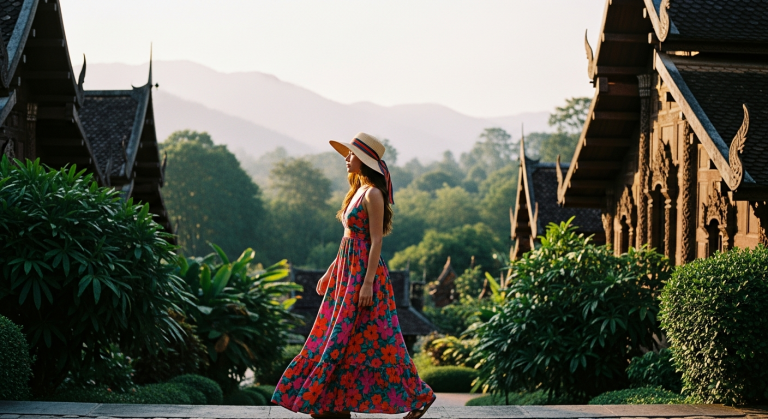
Outfit three: a maxi dress with flutter or cap sleeves in a solid neutral or subtle pattern. This is the timeless option—it photographs beautifully, works across different temple aesthetics, and feels comfortable in sacred spaces. Choose a fabric that drapes (not clings) and you’ve got the perfect temple uniform.
Temple Outfit Mistakes to Avoid
Don’t wear sheer fabrics without a slip or underdress. Temples enforce modesty codes, and sheer linen or cotton defeats the purpose. Don’t choose bodycon styles—they’re uncomfortable in sacred spaces and show too much body definition. Don’t wear anything with complicated straps or closures. Temple bathrooms often have squat toilets, and struggling with a romper or complicated dress in that situation is genuinely miserable.
Skip suede and delicate materials. Bali’s wet season brings sudden downpours, and suede gets ruined instantly. Stick with cotton and linen that can handle water and quick hand-washing. And don’t overthink it. Balinese people aren’t scrutinizing your outfit—they’re noticing whether you’re showing basic respect. A simple midi dress with sleeves does that.
What To Wear Bali: Regional Outfit Guides

Ubud: Cultural Heart & Rice Terraces
Ubud is inland, surrounded by jungle and rice paddies. The humidity is higher here, and the vibe is more conservative. Your outfits should prioritize practicality and modesty. The “tourist uniform” that actually works: linen pants in a neutral tone, a cotton tee, and a crossbody bag. Add a sun hat for the terraces and closed-toe sandals for uneven temple steps. This outfit handles the Tegallalang rice terraces, the Sacred Monkey Forest, and casual Ubud restaurants without feeling out of place.
Ubud markets and cafes are where you’ll spend most of your time. A midi dress works here too, but the terrain is less polished than Seminyak. Flowy, practical pieces beat anything fitted or trendy. Bring a light rain jacket for the wet season—afternoon showers are common, and the jungle creates its own microclimate. Closed-toe sandals or lightweight hiking sandals with ankle support handle the uneven paths better than flip-flops.
Evening in Ubud is casual. A simple linen shirt, casual pants, and slides work for dinner. The town has no dress codes, and the vibe celebrates authenticity over polish. You’ll fit in better looking practical and comfortable than trying to dress up.
Seminyak & Canggu: Beach Club Scene
These beach towns celebrate resort casual and Instagram-worthy aesthetics. Your outfits should feel elevated and intentional. Beach clubs here have no formal dress codes, but you’ll want to look polished. Crochet cover-ups, high-waisted bikinis, oversized sunglasses, and straw bags create the effortless-luxury vibe these venues reward. Think less “I grabbed whatever” and more “I curated this beach look.”
Daytime in Seminyak and Canggu is about looking put-together casual. Linen shorts, cropped tanks, statement jewelry, and designer-adjacent sunglasses work. Evenings shift toward elevated casual—midi dresses, slip dresses, lightweight jumpsuits, and flat sandals. These areas have actual boutiques (Zara, H&M) if you need backup pieces, and local boutiques sell beautiful handmade items that double as souvenirs and wardrobe additions.
The regional difference: Ubud celebrates cultural authenticity and practicality. Seminyak and Canggu celebrate aesthetic curation and confidence. Both are valid. Adjust your outfits based on where you’re spending your time.
Uluwatu & Southern Beaches: Clifftop Considerations
Uluwatu sits on dramatic cliffs, and sunset visits mean wind. Bring a light layer—a thin kimono, a linen shirt, or your sarong. The wind picks up significantly in late afternoon, and you’ll appreciate having something to throw on. The beaches below are rocky, so wear shoes that handle uneven terrain. Flip-flops work for the main temple areas, but closed-toe sandals are better for cliff walks and rocky beach access points.
Outfit formula for Uluwatu: a midi dress or linen pants with a top, plus a light layer and closed-toe sandals. The dress code is the same as other temples (covered shoulders and knees), but the wind factor changes how you dress. Your light layer isn’t just for warmth—it’s functional and makes the experience more comfortable.
Bali Packing List: 15 Versatile Pieces That Mix & Match

The Capsule Wardrobe Strategy
You don’t need a huge wardrobe for Bali. You need a Bali packing list built on a color strategy. Choose three base colors—white, tan, and sage green (or swap sage for navy if you prefer). Everything coordinates with everything else. This means fewer combinations feel “off” and you can mix pieces endlessly without thinking.
The 15-18 item formula works for 1-3 weeks in Bali. You’re not bringing one outfit per day. You’re bringing pieces that work together. Most guesthouses offer hand-wash and overnight dry service, so you can wear the same pieces multiple times throughout your trip. This isn’t deprivation—it’s strategy. You’ll have more outfit variety with 15 coordinated pieces than with 25 random items.
Your Essential Bali Packing Checklist
- Dresses: 3 midi dresses (1 for temples, 2 casual), 1 maxi dress for evening
- Tops: 2 linen button-downs, 2 tank tops, 1 off-shoulder blouse
- Bottoms: 2 pairs linen or cotton pants, 1 pair shorts, 1 flowy skirt
- Swim: 2 swimsuits, 1 crochet or lightweight cover-up
- Layers: 1 lightweight kimono, 1 rain jacket (wet season essential)
- Accessories: 1 decorative sarong, 1 crossbody bag, 1 sun hat, 1 pair sunglasses
This list gives you flexibility without excess. The three midi dresses become your workhorses. The linen pants work with multiple tops. The sarong layers over everything. The crossbody bag is practical (scooter-safe), and the sun hat protects your face and photographs beautifully.
Footwear & Accessories That Actually Get Used
Leather sandals are your everyday shoe. They handle 8+ hours of walking, don’t rub, and work with every outfit. Flip-flops for beach and casual evenings. That’s it. You don’t need wedges, heels, or sneakers unless you’re hiking Mount Batur (then bring actual hiking boots). Most of Bali is navigated on foot or scooter, and uneven sidewalks punish anything with a heel.
For accessories: bring a crossbody bag with a zipper (essential for scooter riding), a sun hat that packs small, and sunglasses. Skip heavy jewelry—humidity makes metal uncomfortable against skin, and beaches risk loss. One pair of simple earrings and a bracelet are enough. Reef-safe sunscreen is mandatory at many beaches, so pack that or buy it there (widely available).
What NOT to Pack for Bali (Learn from These Mistakes)

Clothing That Seemed Like a Good Idea
Skinny jeans are the classic over-pack mistake. You’ll wear them once, if that. The humidity makes them cling, they’re too warm, and Bali’s vibe is aggressively casual. Wide-leg linen pants do everything jeans do, but better. Denim shorts have the same problem—one wear, then they sit in your luggage. Bring linen shorts instead.
Excessive jewelry sounds like a small thing until you’re dealing with humidity and salt water. Metal gets uncomfortable against skin. Necklaces feel heavy. Bracelets slip and clink. And beaches are theft-prone for expensive pieces. Bring minimal jewelry—one simple necklace, one bracelet, one pair of earrings. That’s genuinely enough.