13 Best Summer Destinations 2026

The call to prayer echoes across the rooftops at dawn in Ksamil, Albania. You’re standing on a limestone terrace above turquoise water that rivals Santorini’s famous caldera—except you paid €70 for your beachfront room, not €350. The beaches are uncrowded. The tavernas serve fresh fish for €15. And almost nobody you know has been here yet.
This is what summer 2026 travel actually looks like if you stop following recycled destination lists.
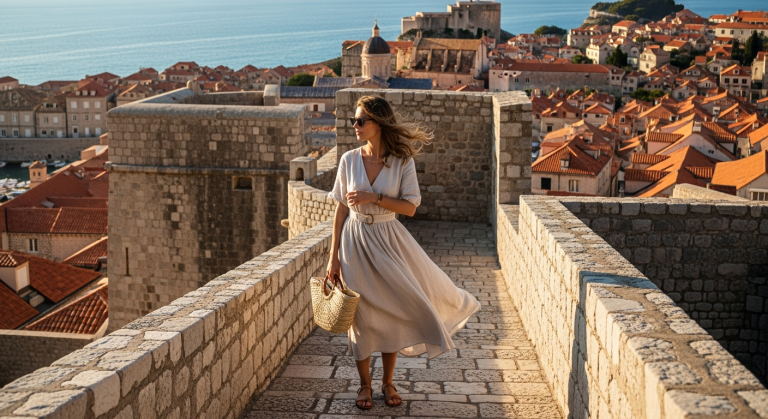
The traditional summer hotspots are collapsing under their own weight. Santorini implemented visitor caps. The Amalfi Coast’s average hotel costs jumped 40% since 2023. Dubrovnik’s streets are so packed in July that moving feels like navigating a theme park queue. Meanwhile, Mediterranean temperatures regularly hit 38-42°C (100-108°F) in peak summer—hot enough to make outdoor sightseeing genuinely miserable.
The real summer opportunities aren’t in places everyone’s heard of. They’re in destinations gaining infrastructure without crowds yet. They’re in northern latitudes where 22°C (72°F) feels like paradise compared to a melting Positano. They’re in regions where your money stretches far enough to stay in genuine character hotels instead of generic chains.
This guide cuts through the noise with 13 carefully positioned destinations that deliver authentic summer experiences without requiring a second mortgage or fighting through Instagram crowds. You’ll get specific logistics that actually matter: exact booking windows, transportation strategies, neighborhood recommendations, and honest trade-offs.
Summer Destinations That Avoid the 2026 Crowds
The summer travel landscape shifted dramatically between 2023 and 2025. Mediterranean heatwaves are now routine. Tourism authorities in Europe’s most famous destinations implemented visitor caps and dynamic pricing. Meanwhile, secondary destinations quietly added direct flight routes, expanded hotel capacity, and improved infrastructure.
The smart move is identifying places with three characteristics: growing but not yet saturated flight access, climate advantages during peak summer months, and pricing that hasn’t inflated to match demand.
Albania’s Riviera: Mediterranean Without the Markup
Ksamil and Dhërmi deliver everything the Greek islands promise—turquoise water, limestone cliffs, whitewashed villages—at roughly one-third the cost. A beachfront hotel that costs €300/night in Mykonos runs €70-90/night here. A seafood dinner with local wine that would be €45 per person in Santorini costs €12-15 in Qeparo.
Tirana International Airport (TIA) now receives direct flights from 47 European cities via Ryanair and easyJet. The drive from Tirana to the southern coast takes 3.5 hours on a decent highway. Water temperatures reach 26-30°C (79-86°F) by June, warm enough for comfortable swimming without oppressive heat.
The signature experience: a boat trip from Ksamil to Grama Bay’s hidden coves, stopping for lunch at family-run tavernas. The common mistake most travelers make is staying only in Ksamil—branch out to Dhërmi (dramatic cliff views), Qeparo (quieter, more local), or Himarë (hiking access). Book accommodations 4-6 weeks ahead for June travel; after mid-July, prices rise and availability drops sharply.
Portugal’s Azores: Atlantic Alternative With Zero Cruise Ships
São Miguel and Terceira islands offer volcanic landscapes, whale watching, thermal springs, and something increasingly rare: zero cruise ship crowds. Summer temperatures hover at 22-25°C (72-77°F)—genuinely comfortable for hiking without Mediterranean heat that makes midday exploration miserable.
Direct flights from Boston, Toronto, and most major European cities land in Ponta Delgada (PDL). Inter-island flights cost €200 total via the SATA Air Pass (4 flights, 7 days). Hotels run €90-150/night, typically including breakfast and airport transfers.
The signature experience is a sunrise hike to Lagoa do Fogo crater lake, where mist rises off a lake 575 meters above sea level. Afterward, try cozido das Furnas—a traditional stew cooked in volcanic ground geysers. The practical reality: the Azores aren’t a pure beach destination. They’re for travelers who value dramatic natural scenery and active exploration over lounging. Pack layers; weather changes rapidly. June offers the best combination of warmth and reliable weather.
Slovenia: Alpine Scenery Meets Adriatic Access
Lake Bled and Lake Bohinj deliver Alpine scenery people fly to Switzerland for—except Slovenia costs 40% less. Hotels in the lake region run €80-130/night. Restaurant meals cost €15-20. The Alps feel genuinely accessible without Swiss infrastructure costs.
Ljubljana Airport expanded capacity in 2025, and easyJet launched new UK and Scandinavian routes. The standard itinerary: fly into Ljubljana, rent a car (essential for lake flexibility), spend 4-5 days exploring Vintgar Gorge, Postojna Cave, and calm lake swimming, then drive 2 hours to the Adriatic coast for Piran’s clifftop old town.
This destination works exceptionally well for families. The gorge walkways are dramatic but safe. Lake water reaches 22-24°C (72-75°F) by July, cold enough to be refreshing, warm enough for comfortable swimming. The honest trade-off: Slovenia isn’t a pure beach destination, and weather can be unpredictable even in summer. June offers the most stable conditions.
Best Countries to Visit for Summer 2026

Choosing a country for summer 2026 requires balancing climate resilience, flight access, and infrastructure maturity. The destinations below excel across all three.
Scotland’s Highlands and Islands: Dramatic Landscapes Without Heat Stress
Skye, Orkney, and the Outer Hebrides offer some of Europe’s most dramatic coastlines and genuine wilderness—all without temperature stress. Summer temperatures range 15-18°C (59-64°F). This sounds cool, but it’s perfect for active exploration. You’re hiking, not wilting.
The NC500 route marked its 20th anniversary in 2026, meaning infrastructure has matured without over-development. Fly into Inverness (INV) or Glasgow (GLA), rent a car (mandatory—public transit is minimal), and book CalMac ferries 8-12 weeks ahead if planning island visits.
Best timing is late May to mid-June for 18+ hour daylight, wildflowers in bloom, and minimal midges. The honest reality: you’ll encounter rain frequently. Pack a waterproof shell as your primary outer layer. The moody weather is genuinely part of the experience—dramatic cloud formations and raw coastal beauty that sunshine would actually diminish. Budget €50-90/night for quality accommodations, €15-25 for restaurant meals.
Estonia and Latvia’s Baltic Coast: Underrated Summer Gem
Tallinn’s medieval old town, Pärnu’s beach resort culture, Riga’s art nouveau architecture, and Jūrmala’s seaside charm combine into a complete summer experience that receives a fraction of Nordic tourism. Summer temperatures reach 20-24°C (68-75°F)—warm enough for beach days without Mediterranean heat. June offers 18+ hours of daylight.
Tallinn (TLL) and Riga (RIX) both serve 40+ European destinations via budget carriers. The standard itinerary runs Tallinn (3 days) → Pärnu (2 days) → Riga (3 days) → Jūrmala (2 days). Hotels run €50-90/night. Restaurant meals cost €10-18. Craft beer is €3-5 per pint. This is Northern Europe pricing with Eastern Europe costs.
Both countries have exceptionally high English proficiency. You won’t struggle with language barriers. The Baltic Sea is swimmable by July (water temperature 18-20°C/64-68°F—cold but manageable). Book accommodations and restaurants well in advance. Summer availability tightens 8-10 weeks out. The best timing is late May through early June, when weather is already warm and daylight is near-maximum but crowds haven’t arrived.
Calabria, Italy: Authentic Italian Coast Before the Crowds
Calabria’s Tyrrhenian and Ionian coastlines offer everything that makes Italy famous—dramatic cliffs, hilltop villages, fresh seafood, regional wine—without the Amalfi Coast markup or crowds. Lamezia Terme Airport (SUF) expanded international service in 2024-2025, and Ryanair and easyJet now fly direct from 12 European cities.
The signature experience is Tropea’s clifftop old town at sunset, where centuries-old buildings perch above turquoise water. Explore Pizzo’s Aragonese castle and try ‘nduja (spicy spreadable salami) at local markets. Capo Vaticano’s beach clubs offer laid-back coastal vibe. Hotels run €60-100/night. Restaurant meals with local wine cost €12-18.
Calabria receives roughly 5% of Amalfi Coast tourism despite comparable scenery and arguably better beaches. Summer temperatures reach 28-32°C (82-90°F), warm but not oppressive. The region’s main trade-off is infrastructure—fewer English speakers, less predictable restaurant hours, occasional service delays. This is authenticity without polish, which is precisely why it remains uncrowded. Book accommodations 6-8 weeks ahead. Late May and early June offer the best weather-to-crowds ratio.
Europe on a Budget: Value Destinations for Summer

The post-inflation travel economy has created a genuine opportunity: destinations where Western European quality combines with Eastern European pricing. These aren’t budget compromises. They’re places where €100/night gets you a genuinely beautiful, character-filled hotel, and €15 buys an excellent dinner with wine.
Poland’s Baltic Coast: Gdańsk to Hel Peninsula
Gdańsk’s stunning reconstructed old town, Malbork Castle (the world’s largest brick castle), Sopot’s pier and beach clubs, and the Hel Peninsula’s cycling routes combine into a complete summer destination. Hotels run €50-80/night for quality properties. Restaurant meals cost €8-15. Museum entry is €5-8. You’re getting Western European architectural quality at 40% of Western European prices.
Gdańsk Lech Wałęsa Airport (GDN) serves 35+ European cities via Ryanair and Wizz Air. The Baltic Sea is swimmable by July (water temperature 18-20°C/64-68°F). The standard itinerary: base in Gdańsk (3-4 days), day trip to Malbork Castle, explore Sopot’s beach culture, cycle the Hel Peninsula’s quiet roads. Local beer costs €2-3 per pint. The region has real character—genuine maritime history, amber shops that don’t feel touristy, locals who’ve genuinely embraced tourism without losing authenticity.
One often-overlooked detail: the Amber Road Museum in Gdańsk provides genuine insight into the region’s medieval trade importance. Book accommodations 4-6 weeks ahead. Late May and early June offer warm weather (20-24°C/68-75°F) without peak crowds.
Romania: Transylvania Mountains Plus Black Sea Coast
Romania delivers a genuinely complete summer experience: medieval Transylvanian towns (Brașov, Sibiu), Carpathian mountain scenery, and Black Sea beaches in a single trip. Hotels run €40-70/night in mountain towns, €40-70/night beachfront on the coast. Restaurant meals cost €8-15. A complete 10-day trip including flights, mid-range hotels, all meals, and car rental totals €1,200-1,500 per person.
The mountain towns offer genuine medieval architecture without the tourist infrastructure that’s made similar destinations unbearably crowded. Brașov’s main square is stunning. Sibiu’s fortified walls are genuinely impressive. The Carpathian scenery rivals Austrian Alps at a fraction of the cost. The Black Sea coast offers beach days with minimal crowds—Romanian tourists dominate, not international travelers.
Insider tip: book guesthouses (pensiuni) instead of hotels. You’ll pay €35-60/night with breakfast included, get better food, and make genuine local connections. Most are family-run properties where the owner provides detailed recommendations. Summer temperatures range 24-28°C (75-82°F) in mountains, 28-32°C (82-90°F) at the coast. English proficiency is lower than Western Europe, so carry a translation app. The reward is genuine interaction with locals rather than tourist-scripted conversations.
Northern Greece: Halkidiki and Pelion Peninsula
Halkidiki’s three peninsulas offer Greek island aesthetics with drive-up access—no ferry costs, no ferry schedules. You get turquoise water, white-sand beaches, and Greek village culture without the island premium pricing. Hotels run €70-120/night versus €150-300 in Mykonos or Santorini for equivalent beachfront property.
The Pelion Peninsula adds mountain dimension: villages like Tsagarada and Makrinitsa sit in green hills overlooking the Aegean Sea. You can hike in the morning and swim in the afternoon. Kavourotripes beach features dramatic orange rock formations. Fakistra beach is accessible only by footpath—this scarcity keeps crowds minimal. Plaka Beach stretches 4 kilometers of uninterrupted sand.
Fly into Thessaloniki (SKG), rent a car (essential), and you’re 1.5 hours from Halkidiki, 3 hours from Pelion. Summer temperatures reach 28-32°C (82-90°F)—warm but less intense than southern Greek islands. Restaurant meals cost €12-20. The practical strategy: base yourself in a small village rather than resort towns. You’ll find better prices, better food, and more authentic interaction. Book accommodations 6-8 weeks ahead. June offers the best balance of weather and crowd levels.
Travel Guide: Planning Your Perfect Summer 2026 Trip

Destination choice is only half the battle. The other half is timing your bookings correctly, avoiding crowds strategically, and making transportation decisions that don’t derail your budget or logistics.
Booking Windows That Actually Save Money
Flights: Book 3-4 months ahead (February-March for June travel, March-April for July-August). This is the sweet spot before the final price surge. Set price alerts on Google Flights or Skyscanner and book when prices are 15-20% below your 2-week average.
Accommodations: Independent hotels offer best rates 4-6 months ahead. Book boutique hotels and guesthouses directly (call or email) rather than through aggregator sites—you’ll often get 10-15% discounts plus breakfast included. For popular destinations (Gdańsk, Riga, Tallinn), book by March for June travel.
Rental cars: Book immediately once you’ve confirmed dates. Popular regions see prices double within 8 weeks of travel. Secure the vehicle first, then book other elements around it.
Restaurant reservations: Most European restaurants only accept bookings 2-4 weeks ahead. Wait until 3 weeks before departure, then book your must-do restaurants.
Crowd-Avoidance Timing Strategies
June 1-20: This is the genuine sweet spot. Weather is warm and established. European school groups have finished their trips. Family holidays haven’t started yet. Mediterranean temperatures are pleasant (26-30°C/79-86°F) without oppressive heat. You’ll encounter fewer crowds than July-August but far better weather than May.
Late August (after August 20): Europeans return to work. Temperatures remain excellent. Prices drop 20-30% from peak. You’ll encounter far fewer families with children. Restaurants feel genuinely relaxed.
Avoid entirely: July 15-August 15 in Mediterranean destinations. August 1-20 in Scandinavia. These are peak domestic holiday seasons when locals flood coastal destinations. First two weeks of July in Northern Europe—families with school-age children are on vacation.
Weekend vs. weekday: Arrive in cities on Sundays (locals still away, restaurants quieter). Save major museums for weekday mornings (Tuesday-Thursday, 9-11 AM). Avoid Friday-Sunday for sightseeing in popular cities.
Transportation Decisions That Make or Break Trips
When rental cars are essential: Scotland, Slovenia, Albania, Romania, rural Portugal, Calabria. Public transit is either nonexistent or infrequent enough that you’ll waste hours waiting. A rental car costs €30-50/day and buys you complete flexibility. Book 8-10 weeks ahead.
When trains are superior: Scandinavia, Germany, Switzerland, Austria. Trains are faster than driving, parking is complicated in cities, and you can work or relax during transit. Consider a rail pass if visiting multiple countries.
Ferry planning: If visiting Scottish islands, Greek islands, or Croatian coast, book ferries 6-8 weeks minimum ahead. CalMac (Scotland), Blue Star (Greece), and Jadrolinija (Croatia) fill up quickly in peak summer. Vehicle transport has limited capacity.
Airport strategy: Secondary airports save €30-80 on flights but add 90+ minutes transfer time and €15-25 transfer costs. For longer trips (7+ days), the flight savings usually justify the transfer hassle. For short trips (3-4 days), fly into major airports.
Travel 2026: Emerging Destinations and New Routes

The most exciting travel opportunities come from destinations that have just achieved accessibility. New flight routes, expanded hotel capacity, and improved infrastructure create a narrow window where you can visit before mainstream tourism saturation.
Faroe Islands: No Longer Logistically Impossible
Atlantic Airways added summer routes from Barcelona, Edinburgh, and Reykjavik in 2025. New hotel capacity (400 rooms added 2024-2025) means advance booking no longer requires 6+ months lead time.
This is not a beach destination. Summer temperatures run 11-13°C (52-55°F). This is a place for dramatic landscapes, seabird cliffs, waterfall hikes, and raw natural beauty. Puffins nest here June-August. The light never fully disappears in June (nearly 24-hour daylight). The scenery is genuinely otherworldly—steep cliffs rising from black-sand beaches, waterfalls cascading directly into the ocean, green valleys between dramatic peaks.
Cost positioning: expensive (€120-180/night hotels, €20-30 meals) but genuinely all-inclusive. There are no hidden costs or tourist traps. This is ideal for photographers, serious hikers, and travelers who prioritize dramatic natural beauty over comfort. Pack waterproof gear as your primary clothing layer. June offers the best weather-to-daylight combination. Book accommodations and rental cars 10-12 weeks ahead—capacity is genuinely limited.
Calabria’s Riviera: Direct Flight Access Changes Everything
Lamezia Terme Airport (SUF) expanded international service in 2024-2025. Ryanair and easyJet now fly direct from 12 European cities. This single infrastructure change makes Calabria genuinely accessible without the Amalfi Coast hassle.
Tropea’s clifftop old town is stunning at sunset. The Capo Vaticano beach clubs offer laid-back coastal culture. Pizzo’s Aragonese castle and bohemian beach vibe add variety. Hotels run €60-100/night. Restaurant meals with local wine cost €12-18. Calabria receives roughly 5% of Amalfi Coast tourism despite comparable scenery. Summer temperatures reach 28-32°C (82-90°F)—warm without oppressive heat. Book accommodations 6-8 weeks ahead. Late May and early June offer the best weather-to-crowds ratio.
Estonia and Latvia: Baltic Summer Before International Saturation
Estonia and Latvia have quietly become some of Europe’s most interesting destinations. Tallinn’s medieval old town rivals Prague’s. Riga’s art nouveau architecture is genuinely unique. Pärnu and Jūrmala offer beach culture without Mediterranean crowds. The region receives a fraction of Nordic tourism despite comparable natural beauty and cultural depth.
Summer temperatures reach 20-24°C (68-75°F)—perfect for exploration without heat stress. June offers 18+ hours of daylight. Direct flights from 40+ European cities serve Tallinn (TLL) and Riga (RIX). Hotels cost €50-90/night. Restaurant meals cost €10-18. Craft beer costs €3-5 per pint. Both countries have exceptionally high English proficiency. The Baltic Sea is swimmable by July (water temperature 18-20°C/64-68°F). Book accommodations and restaurants well in advance—summer availability tightens 8-10 weeks out. The best timing is late May through early June.
Travel Tips: Maximizing Your Summer Vacation

Packing for Variable Summer Climates
Mediterranean alternatives (Albania, Calabria, Northern Greece): Standard beach gear, but add serious sun protection. These destinations experience UV index 9-10 regularly. Pack reef-safe sunscreen (required in many marine areas). Lightweight, breathable clothing that covers shoulders (for cultural respect). A light wrap or sarong for restaurant evenings. Hat with brim. Sunglasses with UV protection.
Northern Europe (Scotland, Baltics, Faroes): Layering system is essential. Pack a waterproof shell (most important item), fleece mid-layer, and long-sleeve base layer. Bring hiking boots with ankle support—terrain is often wet and uneven. Waterproof bag for electronics. Hat and gloves (yes, genuinely—June in Scotland can be chilly).
Multi-climate trips (Slovenia, Romania): Pack for 15°C (59°F) mountain mornings and 30°C (86°F) valley afternoons. Compression packing cubes let you organize by temperature range. Bring both shorts and long pants. Lightweight layers that pack small. Comfortable walking shoes for city exploration, hiking boots for mountain trails.
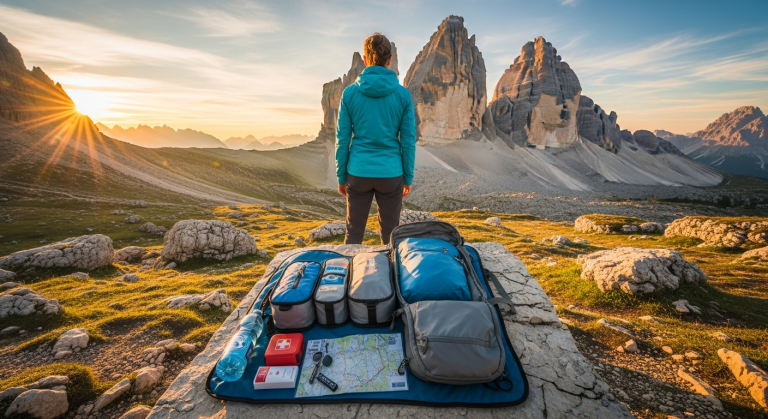
Universal essentials: Reusable water bottle (fountain access is widespread in Europe). Power adapter (Type C/F for continental Europe, Type G for UK/Ireland). Basic first aid supplies. Medications in original packaging. Copy of important documents. Travel insurance documentation. Offline maps downloaded for your phone.
Accommodation Strategies Beyond Hotels
Guesthouses (pensiuni): In Romania, Albania, and rural Slovenia, guesthouses outperform hotels. You’ll pay €35-60/night with breakfast included, get better food, and make genuine local connections. Most are family-run properties where the owner provides detailed recommendations. Book directly via email rather than through aggregator sites.
Apartment rentals: Worth considering for 5+ night stays in cities (Gdańsk, Riga, Tallinn). You gain access to local markets, save money on breakfast, can do laundry, and experience neighborhoods rather than tourist zones. For shorter stays, hotels are more convenient.
Agriturismo and farm stays: Italy (including Calabria) and Portugal offer these properties. You get authentic rural experience, often include dinner, and run €70-110/night. These work exceptionally well for families and travelers seeking slower pace.
What to avoid: Airbnb in overtourism zones (Barcelona, Lisbon, Venice). Local backlash against short-term rentals is reshaping regulations. Inconsistent quality, often pricier than hotels now. Independent hotels or guesthouses deliver better value and better experience.
Eating Like Locals Without Tourist Traps
Universal rule: If the menu has 8+ languages and photos, keep walking. Tourist-targeted restaurants survive on volume and markup, not quality. Walk one block away from major attractions. That’s where locals eat. That’s where food is better and cheaper.
Lunch strategy: In Mediterranean countries, identical food served at lunch costs 30-40% less than dinner. Make lunch your main meal. Dinner becomes lighter, cheaper, and you avoid the 9 PM restaurant rush.
Market timing: Shop local markets 9-11 AM for picnic supplies. Bread, cheese, produce for €8-12 feeds two people. This saves money and lets you eat on your schedule rather than restaurant hours. Markets are also where locals actually shop—genuine cultural experience.
Reservation strategy: In smaller destinations (Albanian Riviera, Calabria, Baltic towns), walk-ins work fine. In cities, book lunch spots the day before, dinner spots 3-5 days ahead. Many restaurants only take reservations 2-4 weeks out, so don’t book too early.
Hidden local spots: Ask your accommodation host for written recommendations (specific restaurant names, not vague directions). Locals rarely steer you wrong when you’re staying in their property. These personal recommendations consistently outperform guidebook suggestions.
CONCLUSION
Summer 2026 rewards travelers who look beyond recycled destination lists. Albania delivers Mediterranean experience at one-third Mediterranean prices. Scotland’s Highlands offer dramatic landscapes without heat stress. Poland’s Baltic coast combines architectural beauty with genuine value. Romania provides complete variety—mountains, villages, and beaches—in a single trip. These aren’t budget compromises. They’re destinations where smart timing, emerging infrastructure, and strategic choices converge to deliver unforgettable experiences at sustainable costs.
The climate adaptation reshaping summer travel is real. Mediterranean temperatures regularly hit 38-42°C (100-108°F) in peak summer. Northern Europe’s mild temps (15-24°C/59-75°F) are increasingly attractive. Value destinations aren’t compromises—Poland, Romania, and Northern Greece deliver architectural depth, cultural richness, and stunning coastlines at 40-60% less than Western Europe. Timing matters more than destination choice. June 1-20 and post-August 20 deliver peak weather with a fraction of crowds.
New flight routes to the Faroe Islands, expanded capacity to Albania and the Baltics, and improved Scotland access make 2026 the exact year to visit before momentum destinations hit saturation. These windows don’t stay open forever. Destinations that are uncrowded and underpriced in 2026 become mainstream and expensive by 2028.
Your immediate next step: Research flight routes to your top 2-3 shortlisted destinations. Set price alerts on Google Flights or Skyscanner for February 2026 (for June travel) or March 2026 (for July-August travel). When prices appear 15-20% below your 2-week average, book flights immediately. Then secure rental cars and accommodations within the following week. This sequence—flights first, then cars, then hotels—ensures you lock in the best rates across all categories. The window for booking summer 2026 travel at optimal prices closes in April. Don’t wait.