Best Things to Do in Paracas: Peru Travel Guide

The salt smell hit first: wind-creased foam slapping a weathered pier while a chorus of barking sea lions filled the air at 8:10 a.m., and the guide shouted over the motor that the Ballestas Islands were five minutes away — that exact moment told me Paracas was nothing like the Andes postcards everyone thinks of when they book Peru.
While everyone’s planning their Machu Picchu sunrise photos, there’s a coastal desert peninsula four hours south of Lima where Humboldt penguins waddle past sea lion colonies and red sand beaches meet ancient geoglyphs — and you can experience it all in 48 hours.
You have limited vacation days and a long list of Peru must-sees, so this guide is designed to cut planning paralysis: clear timings, real price ranges, and the exact order I recommend to squeeze maximum value into a short trip.
You’ll get the hidden logistics most guides miss (how to pick the right side of the boat, when the reserve is emptiest) and honest trade-offs (Paracas town is purpose-built for tourism; it’s not a romantic fishing village). Follow this and you’ll have an authentic, local-feel coastal escape without wasting a day.
Key pains I solve: how to fit Paracas into 1–3 days, how to avoid overpriced operators, and how to pick activities that give authentic wildlife and desert access without Galápagos budgets. Throughout, I’ll flag when to verify current prices or schedules, since local operators change seasonally.
Why Paracas Peru Travel Should Be on Your South America Itinerary

Paracas Peru travel works as the perfect contrast destination after mountain trekking because it’s flat, coastal, and compact — you can swap altitudinal headaches for sea breezes in a single afternoon.
The drive from Lima is roughly 3.5–4 hours by bus; Cruz del Sur-style coaches cost about 25–40 soles one way (as of 2023), leaving you more energy than a two-hour flight and customs queue.
Most travelers think Peru equals high mountains, but Paracas offers authentic local wildlife experiences without Galápagos prices.
Ballestas boat tours run about $15–25 USD (bookings and ports vary by year) and let you see Humboldt penguins, sea lions, and Peruvian boobies within meters. That volume-of-wildlife access is the ultimate value play for time-strapped visitors.
Paracas Peru travel fits tight itineraries because activities cluster in mornings: Ballestas tours leave early, the reserve loop is a half-day, and kitesurfing or kayaking fills a flexible second morning.
You can do a Lima day trip, but two days is the sweet spot for an authentic, unhurried experience. One detail most guides miss: Paracas is also a practical transit hub — buses continue to Nazca and Arequipa, so it’s a natural stop rather than a detour.
Take a Boat Trip to Ballestas Islands (The Ultimate Wildlife Encounter)

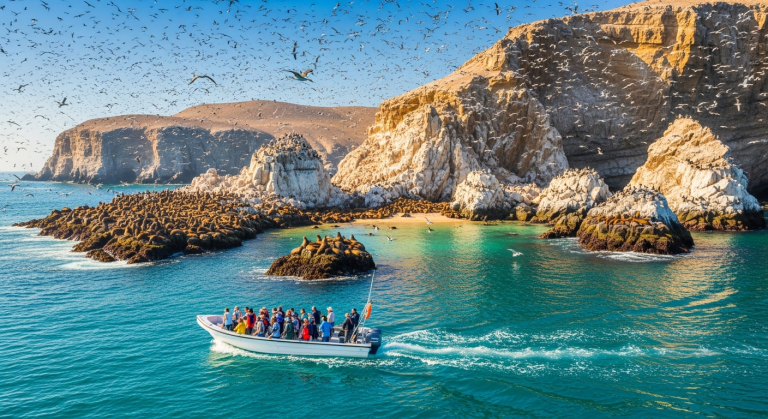
The Ballestas Islands boat trip is the single most unforgettable Paracas wildlife experience, a two‑hour, close-up run of sea lion rookeries and penguin roosts that fits neatly into one morning.
Boats usually depart El Chaco pier around 8:00 and 10:00 a.m.; most visitors prefer the 8:00 slot because sea lions and birds are more active and light for photos is cleaner. Book online if you’re traveling in high season, but last-minute purchases at the pier kiosks are common.
Two insider details most guides miss: request the left side of the boat for the outbound leg to see El Candelabro geoglyph up close, and bring a mid-weight windproof layer — the ocean wind cools the air by about 10–15°F even on hot days.
Another often-missed fact: boats will not land on the islands because they’re a protected marine area, so pack a zoom on your phone (2x–3x optical helps) and plan for quick, tight photo windows.
Real expectations: you’ll reliably spot Humboldt penguins year-round on rocky outcrops, sea lion harems with pups in November–February, and abundant seabirds.
The common tourist mistake is expecting Galápagos-level species rarity; Ballestas offers huge numbers and dramatic interactions, not the same species mix as the Galápagos. Tip: carry 10–20 soles for a coffee/snack on return, and protect cameras from salty spray.
Explore Paracas National Reserve (Peru’s Hidden Desert-Meets-Ocean Playground)

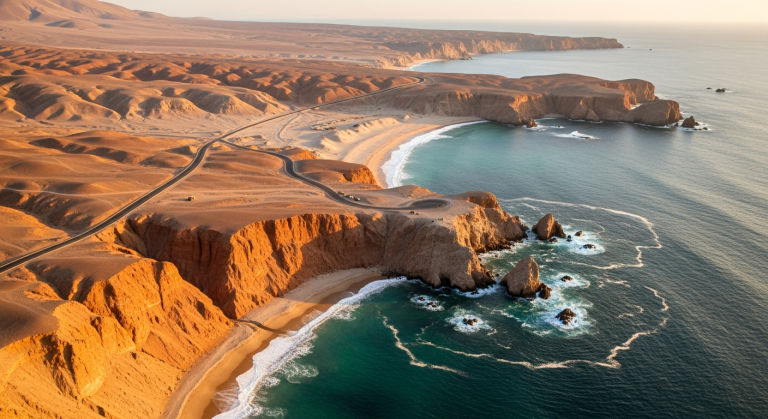
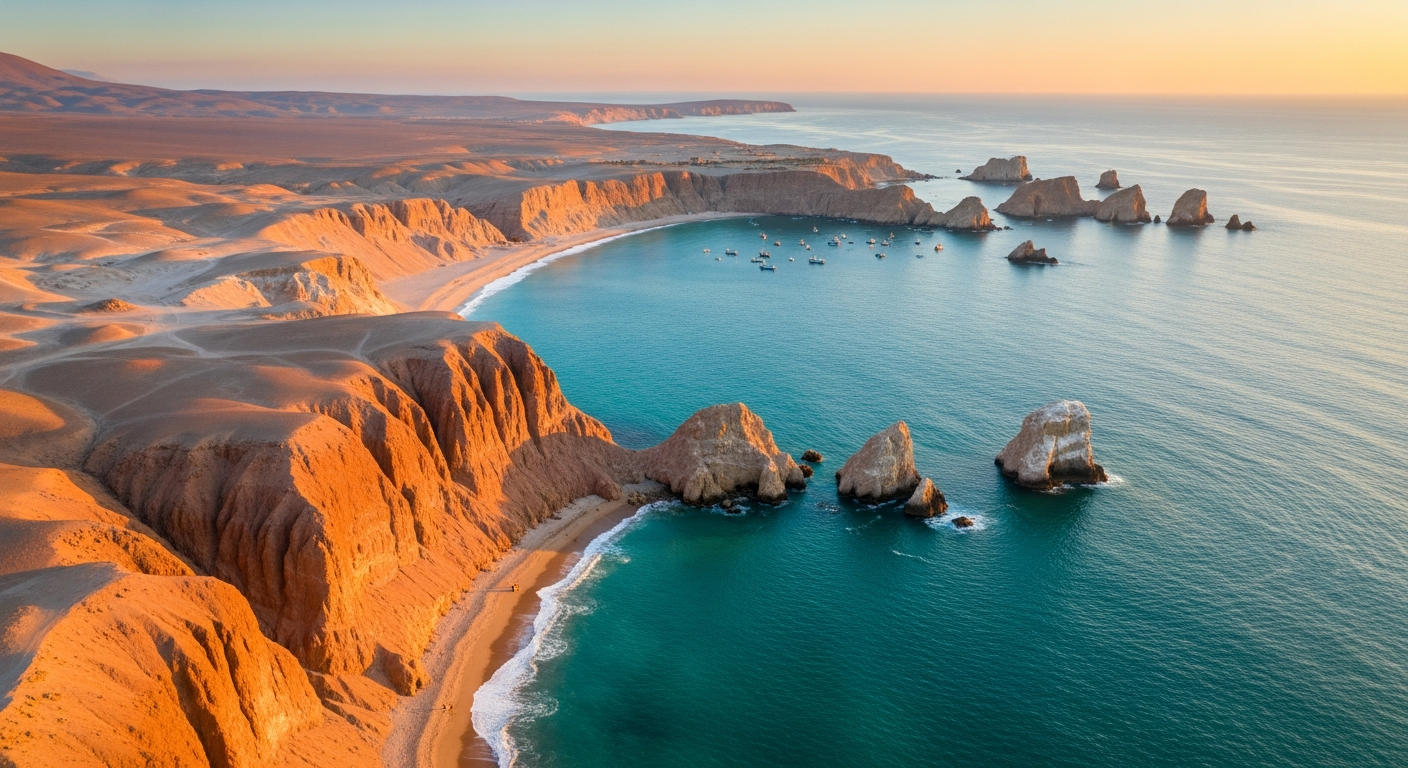
Paracas National Reserve is where desert cliffs meet the Pacific in dramatic cliffs and tiny coves; you can do the main loop in 3–4 hours and hit several breathtaking viewpoints.
Entrance fees were approximately 11 soles (about $3 USD) as of 2023 — pay at the gate — and the loop contains the must-see stops: Playa Roja (Red Beach), La Catedral viewpoint, Lagunillas, and Mirador de Lobos.
You can tour with a guide (3–4 hour packages run around $25–40 USD) or independently by renting a car or motorcycle in Paracas town (rental rates roughly 30–50 soles/day for small vehicles; verify current prices).
A practical insider tip most guides miss: dirt spur roads make a motorcycle or high-clearance vehicle more efficient for photo stops, but sedans can still manage the main viewpoints if driven carefully.
Don’t make the tourist error of assuming Red Beach is a swimming beach—its rust-colored sand is spectacular for photos but surf is often rough.
Instead, save real swimming for El Chaco or Lagunillas on calmer days. Also note that Paracas means “sandstorm” in Quechua; the wind is persistent, so secure hats and protect gear. Best photo light is late afternoon (3–5 p.m.), when colors pop on cliffs and shadows sculpt the dunes.
Planning Your Perfect Paracas Peru Travel Guide Timeline

If you only have one day, you can squeeze Paracas into a Lima day trip, but it’ll feel rushed; here’s an authentic one-day plan that maximizes morning wildlife viewing and reserve highlights while keeping travel efficient. 8:00 a.m.
Ballestas Islands boat (2 hours). 11:00 a.m. late breakfast in El Chaco. 1:00 p.m. Paracas National Reserve loop (3–4 hours). 5:00 p.m. sunset at El Chaco beach, or hop an evening bus to Huacachina/Nazca.
The complete two-day itinerary is the perfect, stress-free option: Day 1 morning Ballestas, Day 1 afternoon reserve loop at your own pace, evening waterfront dinner and overnight in Paracas town; Day 2 morning choose kitesurfing, kayaking, or a relaxed beach morning, and use the afternoon to transfer to Huacachina (about 1 hour) or catch a bus to Nazca. Many travelers miss that Paracas activities concentrate in mornings — schedule transport around early starts to avoid lost time.
Best months: December–March is warmer (70–80°F) and calmer for swimming, while May–October is cooler (60–70°F) with stronger winds ideal for kitesurfing; wildlife viewing is reliable year-round.
Avoid national holiday weekends when Lima families flood the coast and prices spike. One logistic most guides underplay: book Ballestas slots for your first morning so you can rebook the reserve later if weather cancels the boat tour.
Best Beach Destinations Peru: Water Activities Beyond the Boat Tour

Paracas is famous as Peru’s wind capital, and the bay’s consistent afternoon winds (15–25 knots May–December) make it a kitesurfing hotspot. Beginner two-hour lessons with certified instructors typically run $60–80 USD; equipment rental for experienced riders is an option if you already kite. For first-timers, book morning sessions when winds are calmer for learning, then try an afternoon refresher when winds pick up.
Kayaking and stand-up paddleboarding are excellent morning options in the bay when the water is glassy; hourly rentals are around $10–15 USD, while guided two‑hour kayak trips to nearby coves run about $30–40. These are perfect choices if you want local, active experiences without the adrenaline of dunes or the boat crowds. They’re also kid-friendly, which many families appreciate as an alternative to long hikes.
Realistic beach expectations: El Chaco beach is sandy, sheltered, and swimmable — ideal for sunset and family time. Reserve beaches like Red Beach and Lagunillas are more about epic photography than swimming due to rocks and surf. A common misconception: Paracas has Caribbean water temperatures — it does not; water stays cool year-round, so don’t expect tropical bathing without a wetsuit in cooler months.
Paracas packs penguins, sea lions, red cliffs and windy bays into a single, compact place — perfect for travelers who want maximum variety in minimal time.
Where to stay: Paracas town (El Chaco) puts you closest to docks and beaches and suits all budgets; Pisco has more local character but fewer tourist services. Budget travelers can find simple guesthouses for roughly 40–120 soles/night; mid-range hotels sit around 150–300 soles; higher-end waterfront options cost more — verify current local rates when booking. Transport tip: buses to/from Lima leave early and late; reserve seats if traveling on holiday weekends.
Cultural note: be respectful on guided wildlife tours — avoid loud noises, do not attempt to feed animals, and follow the guide’s distance rules. A small act of etiquette goes a long way in protected areas and helps preserve these “secret” local habitats for future visitors.
Your next move
The single most important takeaway: prioritize an early Ballestas Islands tour and a half-day in Paracas National Reserve — those two activities deliver the most unforgettable wildlife and desert-coast panoramas in the shortest time. Your next action is concrete: pick your travel window (one or two days), reserve an 8:00 a.m. Ballestas slot for Day 1, then book a reserve tour or a rental vehicle for the afternoon so you lock in the flow and avoid last‑minute price markups. If you have extra time, add a morning kitesurf or kayak session on Day 2 and an afternoon transfer to Huacachina for sandboarding; if you only have a day, leave Lima at 6:00 a.m. and plan to return after sunset.
One final practical caveat: check current operator schedules and entrance fees before you go — the core logistics seldom change, but local prices and departure times do. With the two morning slots locked and a relaxed afternoon reserve loop, you’ll have an authentic, hidden-and-local-feeling Paracas escape that fits tight Peru itineraries without the FOMO.