5 best things to do in Chanonry Point Scotland this Summer

I’ll never forget the moment a massive bottlenose dolphin breached barely fifteen meters from where I stood, salt spray misting my face as the morning sun caught the water droplets mid-air.
I’d arrived at Chanonry Point at 7:30 AM on a June morning, clutching a lukewarm coffee and half-convinced I’d wasted the early alarm.
Then the salmon started jumping—silvery flashes against the dark water—and within minutes, the dolphins arrived. No expensive boat tour, no jostling crowds, just me, a handful of locals walking their dogs, and some of Scotland’s most magnificent marine mammals hunting breakfast in the Moray Firth.
If you’ve only got limited time to explore the Scottish Highlands and want to experience something truly authentic without the usual tourist crowds (or the hefty price tag), Chanonry Point deserves a spot on your itinerary.
This unassuming peninsula on the Black Isle offers wildlife encounters that rival expensive boat tours, stunning coastal walks that cost nothing but time, and local experiences you won’t find in most guidebooks.
The best part? Most travelers racing up the North Coast 500 drive straight past it, which means this breathtaking spot remains remarkably uncrowded—if you time it right.
In this complete guide, I’m sharing the 5 best things to do at Chanonry Point this summer—from maximizing your dolphin-spotting chances to discovering hidden beaches and local haunts. Whether you’re planning a day trip from Inverness or a longer Black Isle adventure, you’ll know exactly how to make every moment count without wasting precious vacation time or money on tourist traps.
1. Watch Wild Dolphins Dance in the Moray Firth (The Ultimate Chanonry Experience)

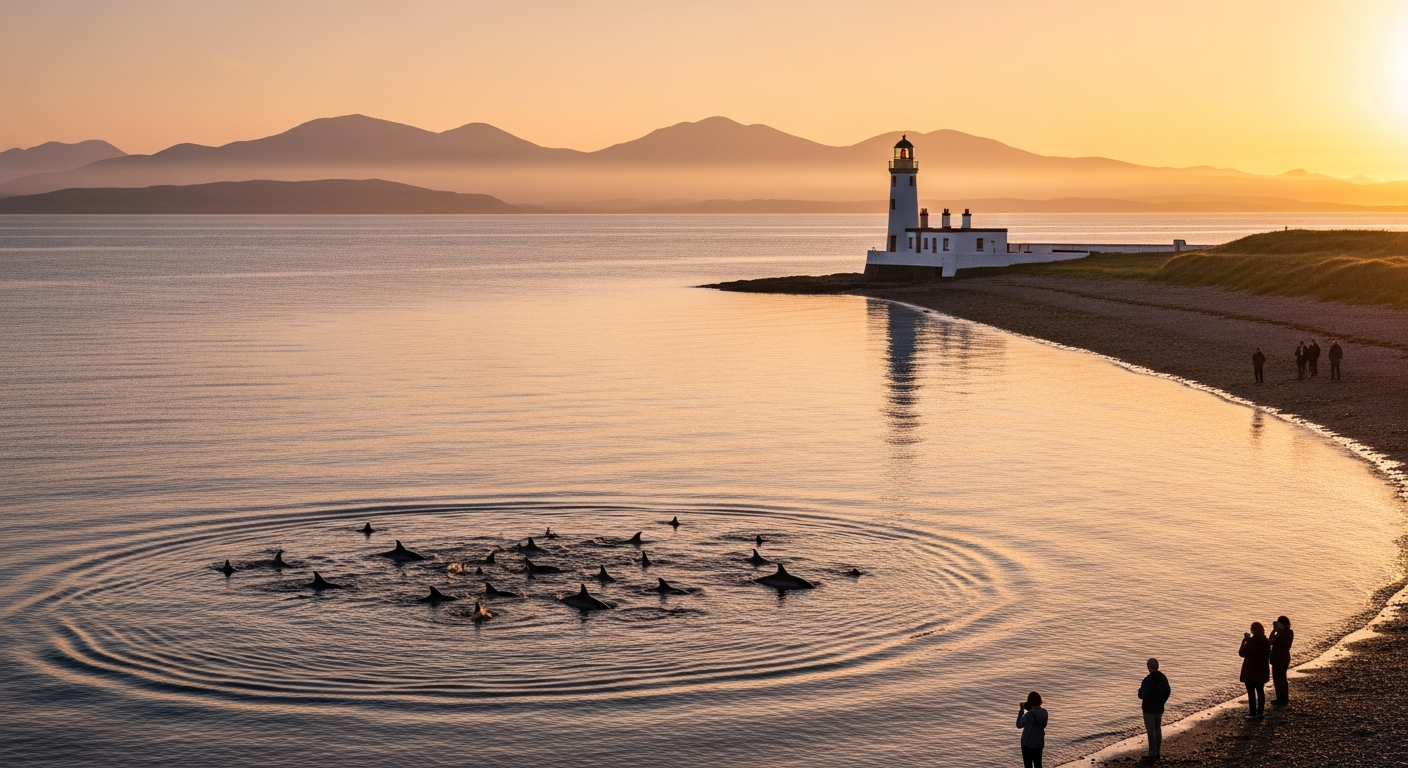
This isn’t just Scotland’s best dolphin-watching spot—it’s genuinely one of the finest places in the entire UK to see bottlenose dolphins from land. The geography here creates a perfect storm for wildlife encounters: the narrow channel between Chanonry Point and Fort George across the water forces dolphins remarkably close to shore as they hunt migrating salmon. I’m talking 10-20 meters away, close enough to see their eyes and hear them breathe.
Why Chanonry Point Beats Every Boat Tour
Here’s what most travel guides won’t tell you: boat tours in the Moray Firth cost £40-60 per person and offer no guarantees you’ll see dolphins. At Chanonry Point, you’ll stand on solid ground (no seasickness), spend nothing beyond parking, and often get *closer* views than from a boat. The dolphins hunt in the tidal currents that sweep through this narrow channel, driving salmon toward the surface. When the conditions align—incoming tide meeting outgoing river flow—the dolphins know exactly where to position themselves. And so should you.
The Moray Firth is home to approximately 190 bottlenose dolphins, one of only two resident populations in UK waters. These aren’t small dolphins either—adult bottlenose dolphins here can reach 4 meters long and weigh up to 650 kilograms. Watching them hunt cooperatively, leaping clear of the water and herding salmon, ranks among the most spectacular wildlife experiences I’ve had anywhere in the world.
Perfect Timing: When to Visit for Maximum Encounters
Here’s the insider secret that transforms a “maybe we’ll see dolphins” visit into a “holy hell, there are eight dolphins right there” experience: tide timing matters more than anything else. Aim for 1-2 hours before high tide on spring tides—those are the days with the largest difference between high and low tide, when the current runs strongest and the salmon (and therefore dolphins) are most active.
Summer months from June through August offer your best chances, coinciding with salmon migration up the rivers feeding into the Moray Firth. I’ve visited in April and September with good results, but summer delivers the most consistent sightings. Check tide tables before planning your visit (I use the BBC Weather tide tables or the EasyTide app). If the tide prediction shows a 4+ meter range, you’re looking at prime conditions.
Time of day matters less than tide, but early morning (before 9 AM) or late afternoon (after 4 PM) offer two advantages: fewer crowds and better light for photography. That said, I’ve seen dolphins at midday too—the tide matters more than the clock.
What to Bring and How Long to Stay
Realistic expectations first: these are wild animals, and sightings aren’t guaranteed. I’ve spent three hours at Chanonry Point without seeing a single fin. But in summer, on the right tide, your chances exceed 70-80% based on conversations with locals who visit regularly. The dolphins don’t check schedules—they follow the salmon.
Pack binoculars (8×42 or 10×42 magnification works perfectly), a camera with at least 200mm zoom if you’re serious about photos, and layers of clothing. Scottish summer weather is famously unpredictable—I’ve experienced brilliant sunshine, horizontal rain, and biting wind all in one visit. Waterproof jacket, warm fleece, and sun cream might all get used within two hours.
Allow at least 2-3 hours for your visit. The dolphins hunt in bursts of activity followed by quieter periods. If you arrive, scan the water for ten minutes, see nothing, and leave, you’ve missed the point entirely. Bring a thermos of coffee or tea, find a comfortable spot on the rocky shore, and settle in. Watch for salmon jumping—those silvery flashes are your cue that dolphins won’t be far behind. When you see other watchers suddenly pointing and raising cameras, that’s your signal to look where they’re looking. The dolphins often work the same stretch of water repeatedly during a single tide.
2. Explore the Historic Chanonry Point Lighthouse

Standing sentinel at the tip of this narrow peninsula since 1846, the Chanonry Point Lighthouse represents a stunning piece of Scottish maritime heritage that most visitors photograph but few truly appreciate. Designed by Alan Stevenson—uncle to Robert Louis Stevenson and part of the legendary Stevenson family that built most of Scotland’s iconic lighthouses—this working lighthouse still guides vessels through the treacherous waters of the Moray Firth.
A Working Piece of History
The lighthouse remains an active navigational aid, automated now but still flashing its characteristic white light every six seconds through the night. It’s not open for tours (it’s operational equipment, not a museum), but the exterior and surrounding grounds offer some of the most photogenic Highland coastal scenes you’ll find. The white-painted tower rises 13 meters, modest compared to some Scottish lighthouses but perfectly proportioned against the backdrop of the Moray Firth and the distant mountains.
What makes this lighthouse special isn’t just its Stevenson pedigree—it’s the location. Built on this exposed spit of land, it’s witnessed nearly 180 years of maritime history, from sailing ships to modern vessels. The strategic importance of this point, where the inner Moray Firth narrows before opening to the North Sea, made navigation lights essential. Ships have wrecked on these shores when fog rolled in or storms reduced visibility to nothing.
Photography Tips for Golden Hour Magic
Summer sunsets at Chanonry Point happen late—around 10 PM in June—creating magical extended golden hours that photographers dream about. I’ve shot the lighthouse at various times of day, and late evening delivers the most dramatic results. Position yourself east of the lighthouse (toward Rosemarkie) to capture it silhouetted against the sunset, with the Moray Firth providing foreground interest.
For dolphin-and-lighthouse combination shots, you’ll need patience and a fast shutter speed (minimum 1/1000s to freeze dolphin motion). A 70-200mm lens gives you flexibility to frame the lighthouse with enough space to capture dolphins entering the frame. The challenge is predicting where dolphins will surface—it’s part skill, part luck, and wholly thrilling when you nail the shot.
Early morning visits offer different magic: mist often hangs over the water at dawn, and the lighthouse emerges from the haze like something from a Scottish fairy tale. The light is softer, cooler in tone, and if you’re lucky enough to catch dolphins during morning golden hour, you’ll have images that look nothing like the typical Chanonry Point photos flooding Instagram.
3. Discover Rosemarkie Beach: Your Secret Seaside Escape

Here’s what happens at Chanonry Point every summer day: visitors park, walk directly to the point to watch for dolphins, then leave—completely missing the stunning beach that locals consider the area’s best-kept secret. Rosemarkie Beach stretches along the coast just minutes from the Chanonry Point car park, offering a completely different but equally authentic Highland coastal experience.
Why Locals Love This Hidden Beach
This isn’t a secret in the sense that it’s hard to find—it’s secret because tourists simply don’t bother. They’re so focused on dolphin-spotting they overlook this beautiful stretch of sand and pebble beach with views across to Fort George and the hills beyond. On a sunny summer day, you’ll find local families picnicking, kids building sandcastles, and couples walking dogs along the shore. It’s the real Scotland, not the Instagram version.
The beach offers gentle waves perfect for paddling (though the water stays bracingly cold even in summer—this is Scotland, after all). The mix of sand and smooth stones makes for excellent beachcombing. I’ve found sea glass in blues and greens, interesting shells, and that particular kind of peace that comes from walking a beach without crowds.
Coastal Walks and Wildlife Beyond Dolphins
A coastal path connects Rosemarkie Beach to the neighboring town of Fortrose, offering an easy 1.5-mile walk with spectacular views. The path stays close to the shore, passing through grassy areas and along rocky sections where seabirds nest. I’ve spotted oystercatchers, curlews, and various gull species. Seals occasionally haul out on rocks at the eastern end of the beach—less dramatic than dolphins but charming in their own right.
This walk costs nothing, requires no special fitness level, and delivers that authentic Scottish coastal experience that budget travelers crave. Pack a picnic from one of Fortrose’s shops, find a sheltered spot on the beach, and spend an afternoon simply enjoying one of Scotland’s most beautiful stretches of coast. It’s the perfect complement to the excitement of dolphin-watching—a chance to slow down and soak in the landscape without an agenda.
4. Navigate the Practical Details Like a Local

Let me save you from the single biggest mistake visitors make at Chanonry Point: arriving at 11 AM on a sunny July Saturday and discovering the tiny car park is completely full, with the narrow access road blocked by cars attempting three-point turns. I watched this scenario unfold during my summer visit, and it wasn’t pretty. Here’s how to avoid becoming part of the problem.
Parking and Access: Critical Planning Information
The car park at Chanonry Point holds approximately 15-20 vehicles maximum. It’s pay and display during daylight hours (around £3-4 for several hours, accepting both coins and contactless cards). The payment machine sometimes fails, so bring coins as backup. In summer, this car park fills by 9:30 AM and stays full until after 5 PM.
Here’s the part that catches people out: the access road is extremely narrow—barely wide enough for one vehicle in places—with limited passing places. It’s absolutely unsuitable for campervans, caravans, or motorhomes. There’s nowhere to turn around at the point itself. If you arrive in a large vehicle, you’ll need to reverse back down the road, which is stressful for you and infuriating for everyone stuck behind you. Don’t be that person.
Your best strategies: arrive before 8:30 AM, after 5 PM, or park in Fortrose (multiple car parks available) and walk the 1.5 miles to Chanonry Point. The walk takes 25-30 minutes along quiet roads and offers pleasant views. It also means you’re not stressed about parking, not contributing to the congestion, and getting some exercise. I’ve done both—driving and walking—and honestly prefer walking when I’m not racing the tide.
Getting There from Inverness
Chanonry Point sits approximately 20 miles northeast of Inverness, a 35-40 minute drive depending on traffic. Take the A9 north from Inverness, cross the Kessock Bridge, then follow the A832 toward Fortrose. Signage is clear once you’re on the Black Isle. The drive itself offers lovely Highland scenery—rolling green fields, glimpses of the Firth, and that particular quality of light that makes Scottish landscapes so photogenic.
Public transport exists but requires patience: Stagecoach bus service 26 runs from Inverness to Fortrose several times daily (less frequently on Sundays). From Fortrose, it’s a 20-minute walk to Chanonry Point. Check current schedules on the Stagecoach website, as times vary seasonally. A day return ticket costs around £8-10, making this a genuinely budget-friendly option if you don’t have a car.
What to Pack for Success
Beyond the obvious camera and binoculars, pack these essentials: layers of clothing (I cannot stress this enough—Scottish weather changes faster than you can predict), waterproof jacket even if the forecast looks perfect, sun cream for those surprisingly intense summer days, hat for wind or sun depending on conditions, snacks and water (no facilities at the point itself), and cash or card for parking.
Most importantly, bring patience and realistic expectations. The dolphins are wild animals following salmon, not performers on a schedule. Some visitors see pods of eight dolphins hunting cooperatively. Others see distant fins. A few see nothing but beautiful coastal scenery. All of these outcomes are legitimate experiences of this special place.
5. Experience Authentic Black Isle Culture Nearby

After spending a morning watching dolphins and walking beaches, you’ll be hungry—and this is where Chanonry Point’s location on the Black Isle becomes a genuine advantage. The nearby towns of Fortrose and Rosemarkie offer authentic Highland dining experiences that feel genuinely local rather than tourist-oriented. No tartan gift shops or bagpipe music here—just good food and friendly service.
Local Dining Spots Worth Your Time
Crofters Bistro and Cafe Bar in Fortrose has become my go-to lunch spot after Chanonry Point visits. They serve excellent coffee, proper Scottish breakfasts (available until early afternoon), and lunch dishes featuring local ingredients. Expect to pay £8-12 for lunch, £15-20 for dinner mains. The atmosphere is relaxed, the portions are generous, and you’ll likely be sitting among locals rather than tour groups.
The Anderson gets consistently high ratings from locals for its seafood and Scottish fare. It’s a step up in price (dinner mains £18-25) but worth it for a special meal. The fish is genuinely fresh, often caught locally, and prepared simply to let the quality shine. Book ahead in summer—it’s popular with good reason.
For budget-conscious travelers, Plough Inn offers traditional pub food at reasonable prices (£10-15 for mains) with a properly local atmosphere. It’s where Fortrose residents go for a pint and fish and chips, which tells you everything you need to know about authenticity.
Fortrose: The Charming Town Next Door
Fortrose Cathedral ruins sit in the heart of town, free to explore and surprisingly impressive for a small Highland community. Dating from the 13th century, these atmospheric ruins offer a glimpse into medieval Scotland. They’re not Stirling Castle—you’ll spend 20-30 minutes here—but they’re genuinely interesting and completely free.
The town itself rewards a wander: independent shops, a proper butcher, a bakery selling fresh Scottish tablet (try it—it’s like fudge but better), and ice cream shops perfect for summer afternoons. This is where combining Chanonry Point with Fortrose creates a complete day—wildlife watching, coastal walks, historical exploration, and local food, all within a few miles and without the tourist trap pricing you’d find in more famous Highland destinations.
Bonus: Fort George Across the Water
Visible from Chanonry Point across the Moray Firth, Fort George represents one of the most impressive 18th-century artillery fortifications in Europe—and it’s worth the detour if you have time. Built following the Jacobite rising of 1745, this massive fortification remains an active military base while also operating as a historic site open to visitors.
Why Fort George Deserves Your Time
The fort sprawls across 42 acres, with walls over 1 kilometer long and bastions designed to withstand siege warfare that never came. Walking the ramparts offers spectacular views across the Moray Firth—and yes, you can spot dolphins from here too, making it one of the few historic sites where you might combine cultural exploration with wildlife watching.
Entry costs around £9 for adults (Historic Scotland members enter free), and you’ll want 2-3 hours to explore properly. The barracks, chapel, and various exhibitions tell the story of Highland military history. The magazine holds one of Britain’s most important collections of arms and armor. But honestly, the fort itself—its sheer scale and strategic location—impresses more than any individual exhibit.
Here’s how to create the ultimate Black Isle day trip: Start at Chanonry Point for early morning dolphin watching (7:30-10 AM), drive to Fort George for late morning/early afternoon exploration (10:30 AM-1:30 PM), then return to Fortrose for late lunch and a wander through town (2-4 PM). This itinerary maximizes your limited vacation time, combines free and paid attractions, and delivers both natural beauty and cultural depth. Total cost: £12-15 for parking and Fort George entry, plus meals.
Planning Your Perfect Chanonry Point Summer Visit

The difference between a mediocre visit and an unforgettable experience at Chanonry Point comes down to planning and expectations. I’ve seen visitors arrive, spend ten minutes scanning empty water, declare it “not worth it,” and leave—missing the dolphins that appeared twenty minutes later. I’ve also watched people arrive perfectly timed with the tide, see spectacular dolphin hunting behavior, and leave glowing. Here’s how to be the latter.
Sample Itineraries for Different Travel Styles
Budget Traveler (Total cost: £3-4 parking): Arrive at Chanonry Point by 8 AM, spend 2-3 hours dolphin watching, walk Rosemarkie Beach, pack a picnic lunch from Inverness supermarkets, explore Fortrose Cathedral ruins (free), walk back to car park. This delivers a full day of authentic Highland experiences for less than a coffee costs in Edinburgh.
Balanced Explorer (Total cost: £15-20): Morning at Chanonry Point (8-11 AM), lunch at Crofters Bistro (£12), afternoon exploring Fortrose and walking the coastal path, ice cream from local shop (£3). This adds comfort and local flavor without breaking the budget.