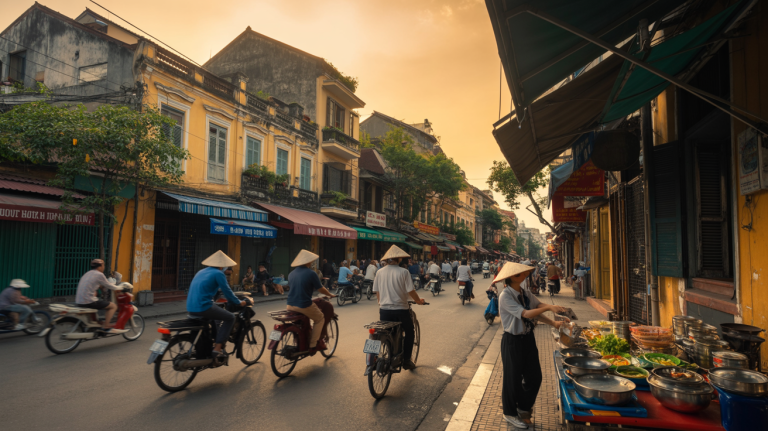
Budget Backpacking Tips For Absolute Beginners

Just imagibe for a second that you are standing at a breathtaking viewpoint in Southeast Asia, watching the sunrise paint the mountains gold, and you’ve spent less on the entire week than you would on a weekend hotel stay back home. Sound impossible? It’s not.
Ready to start budget backpacking? This complete beginner’s guide covers gear essentials, destination planning, daily budget hacks, and safety tips to help you travel the world on $15-50/day.
Let’s dive right in!
Budget backpacking has transformed from a fringe travel style into a legitimate way to see the world authentically—and affordably. Whether you’re 25 or 55, whether you’ve got two weeks or two months, backpacking opens doors to experiences that traditional tourism simply can’t match.
You’ll eat street food alongside local families, swap stories with travelers from six different continents in a hostel common room, and discover hidden waterfalls that aren’t in any guidebook.
The best part? You don’t need a trust fund or a year-long sabbatical to make it happen. With the right strategies, you can explore incredible destinations for less than you’d spend on your daily routine at home.
This guide walks you through everything you need to know—from choosing your first backpack to navigating foreign bus systems—so you can stop dreaming and start planning your first adventure.
Understanding Budget Backpacking: What It Really Means

The Difference Between Backpacking and Regular Travel
Budget backpacking represents a fundamental mindset shift. You’re trading predictable comfort for freedom and authentic cultural immersion. Instead of booking a resort package six months in advance, you’re showing up in a new city with just a rough plan and discovering the best local restaurant because a fellow traveler recommended it that morning.
This flexibility becomes your secret weapon for saving money. When you’re not locked into expensive advance bookings, you can take advantage of last-minute deals, travel during shoulder season when prices drop, and adjust your plans based on what you discover on the ground. That spontaneous decision to extend your stay in a coastal village because you met incredible people? That’s the backpacker advantage.
The backpacker community itself creates value that money can’t buy. Within hours of arriving at a hostel, you’ll have insider tips on which beaches to visit, which tourist traps to avoid, and where to find the authentic $2 meals. These connections often lead to travel partnerships, shared transportation costs, and friendships that span continents.
How Much Does Budget Backpacking Actually Cost?
Let’s talk real numbers. Depending on your destination, you can realistically travel on $15-50 per day—sometimes less. Southeast Asia remains the ultimate budget destination, where $25 daily covers accommodation, food, local transportation, and activities. Central America runs slightly higher at $30-40 daily, while Eastern Europe typically requires $35-50.
Your perfect starter destinations include Thailand (established backpacker infrastructure, incredibly affordable), Vietnam (stunning landscapes, $20 daily budgets possible), Nicaragua (uncrowded beaches, adventure activities), and Portugal (European charm without Western European prices). These countries offer the ideal combination of safety, affordability, and backpacker-friendly services.
Don’t forget the hidden costs that catch beginners off-guard. Visas can range from free to $100+ depending on your nationality and destination. Vaccinations might cost $200-400 upfront but protect your health long-term. Quality gear represents an initial investment of $300-600, but it lasts for years. Travel insurance—absolutely non-negotiable—runs about $50-100 monthly. Factor these into your planning so they don’t derail your trip before it starts.
Debunking Common Backpacking Myths
“Isn’t backpacking just for college students?” This myth needs to die. The fastest-growing demographic in budget travel is actually 30-45 year-olds who’ve discovered that authentic experiences matter more than thread counts. Hostels now offer private rooms for those who want community without sacrificing all privacy, and the backpacker trail includes everyone from gap-year students to retired teachers.
Safety concerns often prevent people from taking the leap, but here’s the reality: backpackers frequently travel safer than resort tourists. You’re more aware of your surroundings, you travel with less valuable items, and you tap into a global network of travelers sharing real-time safety information. The perceived “dangerous” destinations usually have thriving backpacker scenes precisely because they’re safer than media coverage suggests.
The fitness myth stops many potential backpackers before they start. You don’t need to be an athlete—you build stamina as you go. Start with easier destinations and shorter walks, then gradually increase your activity level. Your body adapts remarkably quickly when you’re motivated by stunning viewpoints and hidden temples.
Essential Gear Without Breaking the Bank

The Ultimate Beginner’s Packing List
Your backpack itself deserves careful consideration. Fit matters infinitely more than brand names or fancy features. Visit an outdoor retailer and get properly fitted—your torso length and hip measurements determine the right size, not your height. The sweet spot for beginners is 40-50 liters: large enough for extended trips but small enough to keep you from overpacking.
Your clothing capsule can literally fit into seven items: two quick-dry shirts, one long-sleeve layer, one pair of pants that convert to shorts, one lightweight rain jacket, seven pairs of underwear, and three pairs of socks. Choose neutral colors that mix and match. Skip “travel-specific” clothing marketed at premium prices—regular athletic wear performs identically for a fraction of the cost.
Tech essentials include your smartphone (your camera, map, translator, and communication device), a portable power bank (10,000mAh minimum), a universal adapter, and earbuds. That’s it. Resist the urge to pack tablets, laptops, fancy cameras, and other gadgets unless your trip specifically requires them. Every extra device adds weight, worry, and potential loss.
Here’s the secret money-saving strategy most beginners miss: buy quality gear secondhand. Facebook Marketplace, gear swap groups, and outdoor consignment stores offer authentic deals on barely-used equipment. Many experienced backpackers sell their gear between trips, and you’ll find $200 backpacks for $80, sleeping bags at half price, and complete starter kits from people upgrading their systems.
What NOT to Buy (Save Your Money)
Those expensive “travel pants” with seventeen pockets and moisture-wicking technology? You don’t need them. Regular athletic pants or lightweight hiking pants from discount retailers work perfectly. The same applies to travel-specific towels, special backpacking pillows, and proprietary packing cubes. Standard alternatives cost 60% less and function identically.
Avoid the gadget trap entirely. Portable water purifiers, solar chargers, camping cookware, and elaborate first-aid kits seem essential until you realize most backpackers never use them. You’ll have access to clean water, electricity, and restaurants virtually everywhere. Start minimal—you can always buy items on the road if you actually need them.
The biggest mistake? Buying everything brand new before your first trip. This approach guarantees overspending on items you’ll realize you don’t need after one week of actual travel. Borrow from experienced friends, rent gear for your first trip, or buy the absolute minimum and supplement as you discover your actual needs.
Smart Gear Shopping Strategies
Timing your purchases strategically saves hundreds of dollars. Outdoor retailers run major sales during off-season periods—February through April for summer gear, September through November for winter equipment. These sales offer legitimate 40-60% discounts on quality items, not just clearance of unpopular products.
Facebook Marketplace and Craigslist become treasure troves if you know what to search for. Look for people moving abroad (selling everything quickly), recent college graduates (downsizing after gap years), and outdoor enthusiasts upgrading their gear. Meet in public places, inspect items carefully, and don’t hesitate to negotiate—sellers expect it.
Join gear swap groups specific to your area. These communities of outdoor enthusiasts constantly buy, sell, and trade equipment. You’ll find better deals than retail, plus advice from experienced users about what actually works. Many groups organize swap meets where you can try on backpacks and test gear before committing.
Test your complete setup on local overnight trips before departing internationally. This practice run reveals uncomfortable straps, missing essentials, and unnecessary items while you can still make adjustments. You’ll learn what you actually use versus what seemed important when packing at home.
Planning Your First Budget Backpacking Trip

Choosing Your Perfect Starter Destination
Thailand earns its reputation as the ultimate training ground for new backpackers. The infrastructure supports budget travelers perfectly—hostels everywhere, English widely spoken, transportation easy to navigate, and costs incredibly low. You’ll build confidence quickly when everything from booking buses to ordering food feels manageable.
Portugal offers European charm for backpackers not ready for developing countries. The infrastructure rivals Western Europe, but costs remain 40% lower. Lisbon and Porto provide urban experiences, while the Algarve coast delivers beaches and hiking. English proficiency is high, and the backpacker community thrives year-round.
Nicaragua represents the perfect Central American starter destination—less touristy than Costa Rica but equally safe, with stunning volcanic landscapes, colonial cities, and Caribbean beaches. Your daily budget stretches further here, and the compact size lets you see diverse regions without marathon bus rides.
Vietnam combines incredible value with unforgettable experiences. From Hanoi’s chaotic streets to Ha Long Bay’s limestone karsts to Ho Chi Minh City’s energy, you’ll find endless adventures on $20-30 daily. The backpacker trail is well-established but still feels authentic.
Consider shoulder season timing religiously. Visit Southeast Asia in November or February (avoiding monsoons and peak crowds), Europe in May or September (perfect weather, lower prices), and Central America in November or April (dry season without high-season premiums). You’ll experience 30% lower costs and actually enjoy popular sites without fighting through tourist hordes.
Creating a Flexible Itinerary That Saves Money
The “base plus explore” method revolutionizes trip planning for budget backpackers. Book your first 2-3 nights in your arrival city, giving yourself time to adjust and gather local intelligence. After that initial period, book accommodations just 1-2 days ahead based on recommendations from fellow travelers and your evolving interests.
Over-planning costs you money and authentic experiences. When you’ve pre-booked every night, you can’t extend your stay in that magical beach town or skip the overhyped tourist city that everyone says isn’t worth it. You’re locked into expensive advance reservations instead of capitalizing on last-minute deals and local recommendations.
Travel forums and apps like Reddit’s travel communities, Hostelworld reviews, and Facebook backpacker groups provide real-time intelligence that guidebooks can’t match. You’ll discover that secret waterfall, learn which tours actually deliver value, and find out which cities to skip entirely—all from people who were there last week.
Build buffer days into your schedule strategically. These unplanned days absorb travel delays, let you recover from inevitable exhaustion, and create space for spontaneous opportunities. When you meet travelers heading somewhere amazing, you can join them. When you’re exhausted, you can rest without guilt. This flexibility reduces stress and often saves money by preventing expensive rushed decisions.
Booking Flights and Transportation Like a Pro
Google Flights’ flexible date search shows you the cheapest days to fly within your timeframe. Set up price alerts for your desired routes, then book when prices drop. The “Tuesday booking” myth has been thoroughly debunked—prices fluctuate based on demand and algorithms, not specific days. Book when you find a good deal, regardless of the day.
Budget airlines make backpacking accessible but require strategy to avoid hidden fees. Read the fine print obsessively: bag size limits, weight restrictions, check-in requirements, and airport locations (budget carriers often use secondary airports far from city centers). Print your boarding pass, pack strategically to avoid baggage fees, and arrive early—budget airlines enforce rules strictly.
Overland travel transforms transportation into adventure while saving money. Overnight buses combine accommodation and transport costs, letting you wake up in a new destination without paying for a hostel. Trains offer scenic routes and opportunities to meet locals. Research reputable bus companies through hostel staff and recent traveler reviews—comfort and safety vary dramatically.
Local transportation secrets separate budget backpackers from tourists. Download the local ride-sharing app (Grab in Southeast Asia, Cabify in Latin America), learn the public bus system using Google Maps and local advice, and walk whenever possible. Those 20-minute walks reveal neighborhood life that taxi riders completely miss.
Accommodation Strategies for Beginners
Hostels deserve their reputation as backpacker headquarters. Dormitory rooms cost $8-20 nightly and include far more than just a bed—you’re buying access to a community, local knowledge, and often free breakfast. Private rooms in hostels cost $25-40, offering hotel-like privacy with hostel amenities and social opportunities.
Beyond hostels, explore homestays through platforms like Homestay.com for cultural immersion, Couchsurfing for free accommodation with locals (prioritize safety and read reviews carefully), and house-sitting opportunities through TrustedHousesitters if you’re comfortable with longer stays and pet care.
Read reviews like a detective investigating a case. Look for patterns, not individual complaints. Recent reviews matter more than overall ratings—management changes, renovations, and neighborhood developments affect quality. Red flags include mentions of bedbugs, aggressive sales tactics, unsafe locations, and broken amenities. Trust detailed reviews from verified travelers over vague positive comments.
Balance your booking strategy between security and flexibility. Reserve your first few nights to ensure you have somewhere to sleep upon arrival, especially if you’re landing late or in a new country. After that, book 1-2 days ahead as you travel, allowing for spontaneity while avoiding the stress of scrambling for accommodation daily.
Daily Budget Mastery: Stretching Every Dollar

The Art of Eating Well on Almost Nothing
Street food represents the intersection of authentic cuisine, cultural experience, and incredible value. Look for stalls with long lines of locals—they know where the food is safest and most delicious. Watch how items are prepared, choose thoroughly cooked foods, and trust your instincts. Those $1-2 meals will become your most memorable culinary experiences.
Grocery store strategy revolutionizes your food budget. Visit local markets for fresh fruit, bread, and snacks that cost one-third of restaurant prices. Many hostels offer free breakfast (plan your day around this meal), and most have kitchens where you can prepare simple meals. A $5 grocery run provides breakfast and snacks for three days.
Hostel kitchens create opportunities beyond just saving money—they’re social hubs where travelers bond over shared meals. Organize group dinners where everyone contributes ingredients, learning to cook local dishes while splitting costs. These communal meals often become trip highlights, creating friendships that last long after the trip ends.
The $5 feast challenge pushes you to find incredible value. In Thailand, this buys pad thai, fresh mango, and Thai iced tea. In Nicaragua, you’ll get gallo pinto, grilled chicken, plantains, and fresh juice. In Portugal, €5 covers a pastel de nata, coffee, and a bifana sandwich. Download apps that locals actually use for food delivery and restaurant discovery—they reveal authentic spots that tourist-focused apps miss.
Free and Cheap Activities That Beat Tourist Attractions
Free walking tours operate on tips in most major cities, providing excellent historical context and local insights. These 2-3 hour tours typically request $5-10 tips but deliver value that rivals expensive guided tours. You’ll learn hidden stories, discover neighborhoods you’d otherwise miss, and get recommendations for the rest of your stay.
Local festivals and events offer authentic cultural experiences at zero cost. Check city event calendars, ask hostel staff about upcoming celebrations, and follow local social media groups. You’ll stumble upon neighborhood street fairs, traditional ceremonies, live music performances, and community gatherings that tourists rarely discover.
Nature provides the ultimate free entertainment. Beaches, hiking trails, viewpoints, and parks cost nothing but deliver Instagram-worthy experiences and genuine adventure. Research free natural attractions before arriving—many destinations offer stunning landscapes accessible by public transportation or short walks.
Meeting locals through language exchanges and community events enriches your experience immeasurably. Apps like Tandem and HelloTalk connect you with locals wanting to practice English, creating opportunities for cultural exchange and insider recommendations. Attend free community events, visit local coffee shops during regular hours, and approach conversations with genuine curiosity rather than just seeking free advice.
The “ask a local” approach uncovers secret spots that guidebooks miss entirely. Chat with your hostel receptionist, strike up conversations with shopkeepers, and ask rideshare drivers for recommendations. Locals know the hidden beach, the family-run restaurant with incredible food, and the viewpoint without tourist crowds—you just have to ask.
Transportation Hacks That Save Serious Money
Walking and biking represent the ultimate budget-friendly exploration methods while providing intimate destination knowledge. Most backpacker-friendly cities are walkable, and those 30-minute walks reveal street art, local markets, and neighborhood life that you’d miss from vehicle windows. Many hostels offer free bike rentals or rent them for $3-5 daily.
Local bus systems seem intimidating initially but become second nature within days. Google Maps now includes public transit directions in most cities worldwide. Download offline maps, observe how locals pay and board, and don’t hesitate to ask for help—people generally enjoy assisting confused but friendly travelers.
Ride-sharing apps versus taxis requires situation-specific judgment. Apps provide transparent pricing and safety tracking, making them ideal for airport transfers and late-night travel. However, in some countries, licensed taxis are equally affordable and support local drivers. Split rides with fellow travelers to halve costs on longer trips.
Overnight buses and trains combine accommodation and transport costs brilliantly. A $25 overnight bus from Bangkok to Chiang Mai saves you a $10 hostel night while covering 700 kilometers. You lose some sleep but gain an extra day in your destination. Choose reputable companies, bring earplugs and an eye mask, and secure your valuables.
Smart Splurging: When to Spend and When to Save
Worth splurging on: local experiences that create lasting memories (cooking classes, traditional ceremonies, unique activities), quality shoes that prevent blisters and support long walking days, comprehensive travel insurance that covers medical emergencies and evacuation, and occasional comfort upgrades when you’re genuinely exhausted.
Not worth the money: tourist restaurants near major attractions (walk three blocks for 50% lower prices and better food), organized tours you can easily do independently with basic research, excessive souvenirs that clutter your pack and your home, and expensive travel-specific gadgets that duplicate smartphone functions.
The 80/20 rule guides smart spending decisions. Save religiously on basics—accommodation, daily meals, local transportation—which allows you to splurge on those unforgettable experiences. That $40 scuba diving session or $30 hot air balloon ride becomes affordable when you’re spending $15 daily on everything else.
Track expenses without obsessing using simple apps like Trail Wallet or Splitwise. Enter major expenses daily, check your weekly average, and adjust if you’re overspending. This awareness prevents budget disasters while letting you enjoy your trip without constant calculation anxiety.
Staying Safe and Healthy on a Backpacker Budget

Health Essentials That Won’t Drain Your Wallet
Travel insurance represents the one “expensive” item that’s absolutely non-negotiable. Comprehensive coverage costs $50-100 monthly but protects you from catastrophic expenses. World Nomads and SafetyWing offer backpacker-specific policies covering medical emergencies, evacuation, trip interruption, and gear theft. Read policies carefully—understand coverage limits, exclusions, and claim procedures before you need them.
Your basic medical kit needs just essentials: pain relievers, anti-diarrheal medication, antihistamines, basic bandages, antibiotic ointment, and any prescription medications you require. Skip elaborate first-aid kits with items you don’t know how to use. Pharmacies exist everywhere, often with better prices and selection than home.
Preventing illness beats treating it every time. Wash hands obsessively, especially before eating. Drink bottled or purified water in developing countries. Eat thoroughly cooked foods from busy stalls. Use insect repellent in tropical areas. These simple habits prevent 90% of traveler illnesses and cost virtually nothing.
Finding affordable healthcare abroad often surprises American backpackers—quality medical care costs dramatically less in most countries. Thailand, Costa Rica, and Portugal offer excellent healthcare at 30-50% of US prices. Many backpackers actually schedule dental work or doctor visits during their travels, saving money while receiving quality care.
Safety Strategies for Solo and Group Backpackers
Hostel safety combines common sense with simple precautions. Use provided lockers for valuables, passport, and electronics—bring your own padlock if needed. Keep a small amount of cash accessible but hide larger amounts and backup cards separately. Don’t leave valuables on your bed or in bathroom areas.
Trust your gut instincts religiously. When deals seem too good to be true, they usually are. If a situation feels uncomfortable, remove yourself immediately. Your intuition has evolved over millions of years to detect danger—listen to it even when you can’t articulate specific concerns.
Stay connected through local SIM cards (often $10-20 for month-long plans with data), hostel WiFi, and regular check-ins with loved ones. Share your general location and plans with family or friends back home. Apps like WhatsApp and Facebook Messenger let you communicate free over WiFi.
The buddy system enhances safety and enriches experiences. Team up with fellow travelers for evening activities, unfamiliar neighborhoods, or isolated natural areas. These partnerships often evolve into genuine friendships while providing practical safety benefits.
Scam awareness develops through research and experience. Common tourist traps include gem scams in Southeast Asia, taxi meter “broken” claims worldwide, distraction thefts in crowded areas, and overly friendly strangers offering too-good deals. Read recent traveler forums about your specific destination—scams evolve, and current information protects you better than generic warnings.
Money Management and Theft Prevention
Multiple payment methods provide essential backup. Carry at least two different credit/debit cards from different banks, some cash in local currency, and emergency cash in USD or Euros hidden separately. Notify your banks about travel plans to prevent fraud blocks on legitimate transactions.
Hidden money belts versus obvious tourist targets requires balance. Wearing a bulky money belt screams “tourist with valuables,” but keeping everything in your day pack invites theft. Use a slim travel belt under clothing for passport and backup cash, carry daily spending money in a front pocket or small bag, and leave unnecessary valuables locked at your hostel.
ATM strategies minimize fees while maximizing security. Use bank-affiliated ATMs inside branches during business hours when possible. Withdraw larger amounts less frequently to reduce per-transaction fees. Decline dynamic currency conversion (always pay in local currency). Cover the keypad when entering your PIN.
Digital backup copies save tremendous hassle if documents are lost or stolen. Photograph your passport, insurance policy, credit cards, and important documents. Email these to yourself and store in cloud storage accessible from any device. This simple step transforms a potential trip-ending disaster into a manageable inconvenience.
Emergency preparedness means knowing your embassy location and contact information, having your insurance company’s 24-hour emergency number saved, and keeping a small amount of emergency cash hidden separately from daily money. Hopefully you’ll never need these preparations, but they provide invaluable peace of mind.
Your Adventure Starts Now
Budget backpacking isn’t about deprivation—it’s about prioritizing experiences over luxury, connections over convenience, and authenticity over comfort. The strategies in this guide have helped thousands of travelers explore the world on modest budgets, and they’ll work for you too.
Start small if you’re nervous. Book a two-week trip to Thailand or Portugal. Test your gear on weekend trips before departing. Join online backpacker communities to ask questions and build confidence. Every experienced backpacker started exactly where you are now—excited, slightly nervous, and wondering if they can actually pull this off.
The truth is, you absolutely can. The hardest part isn’t the logistics, the budgeting, or the planning—it’s deciding to actually go. Once you’ve booked that flight, everything else falls into place through research, flexibility, and the incredible support of the global backpacker community.
Your first sunrise over ancient temples, your first conversation with a local family over street food, your first spontaneous adventure with travelers who were strangers yesterday—these moments are waiting for you. They don’t require a fortune, just the willingness to step outside your comfort zone and embrace a different way of traveling.
Ready to start planning your first budget backpacking adventure? Begin by choosing your destination, setting up price alerts for flights, and joining online communities specific to your target country. Your unforgettable journey starts with a single step—take it today.