Scandinavian summer travel destinations for solo women

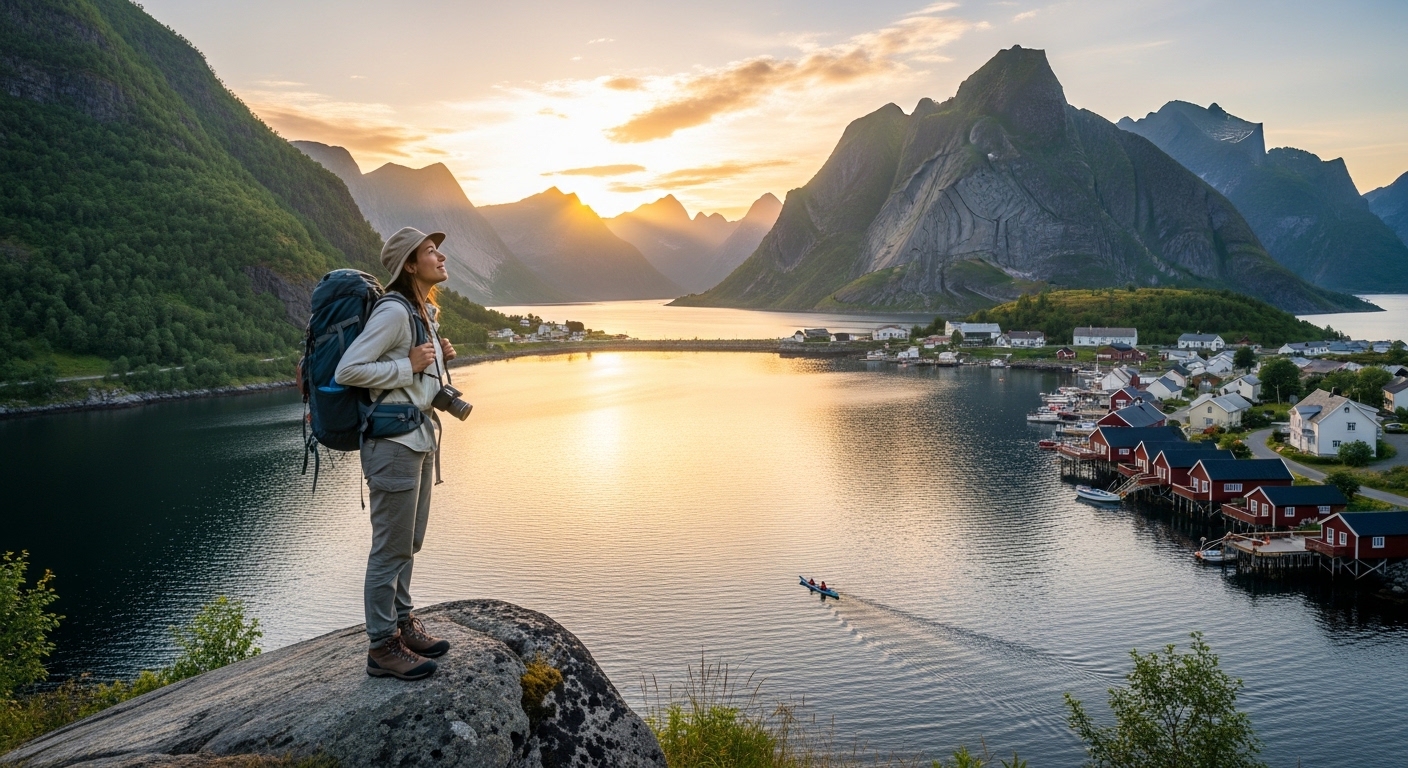
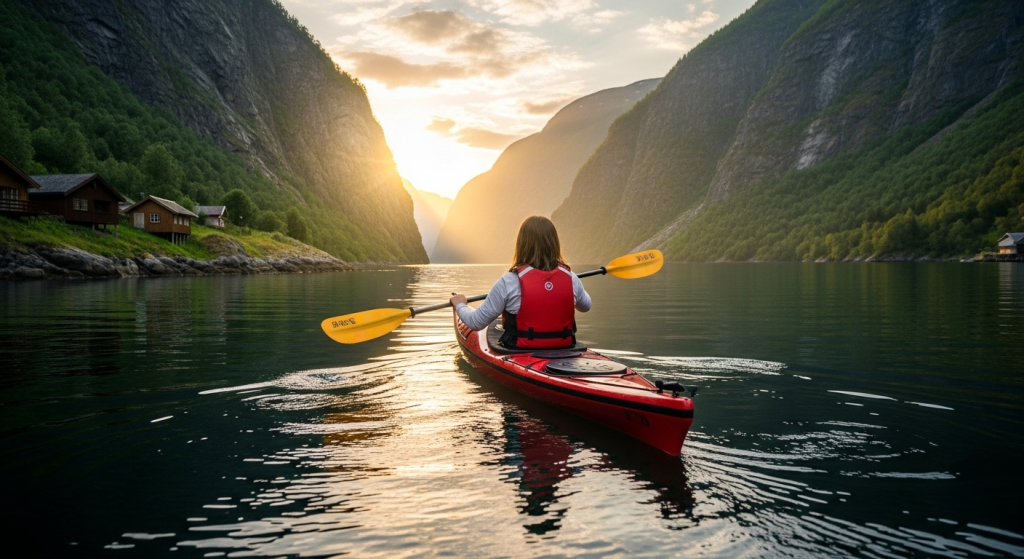
It’s 11 PM, and the sun is still painting the Norwegian fjords in shades of gold and pink. You’re sitting on a waterfront café terrace in Copenhagen, feeling completely safe and utterly free. This isn’t a dream—it’s summer in Scandinavia, and it’s calling your name.
I’ll be honest with you—planning your first solo trip can feel overwhelming. The questions pile up: Where should I go? Will I be safe? What if I get lonely?
But here’s what I’ve learned after three summers exploring the Nordic countries alone: Scandinavia isn’t just a good choice for solo women travelers. It’s arguably the *best* choice on the planet.
The midnight sun transforms these already magical destinations into 24-hour playgrounds where adventure doesn’t have a curfew. You can hike a Norwegian mountain at 10 PM and still have perfect visibility. You can wander Stockholm’s cobblestone streets at midnight without looking over your shoulder. You can spontaneously decide to catch a sunset that won’t actually set for another three hours.
But beyond the endless daylight, there’s something deeper that makes Scandinavia special for women traveling alone. It’s the way locals treat solo diners with respect rather than pity. It’s the intuitive public transportation that eliminates that “am I going the right way?” anxiety. It’s the gender equality that’s woven into the very fabric of these societies, making you feel genuinely welcomed rather than vulnerable.
Whether you’re craving epic outdoor adventures in Norway’s fjords, design-filled city breaks in Stockholm, hygge-infused cycling through Copenhagen, or the unexpected charm of Finland’s sauna culture, this guide will help you plan the perfect Scandinavian summer escape. No fluff, no generic advice—just the real, practical information you need to turn that Pinterest board into plane tickets.
Why Scandinavia is Perfect for Solo Women Travelers
Safety That Lets You Breathe Easy
Let’s address the elephant in the room first: safety. It’s the number one concern for women traveling alone, and rightfully so. But here’s the reality—Norway, Sweden, Denmark, and Finland consistently rank in the top ten safest countries globally, with Iceland (often included in Scandinavian itineraries) regularly claiming the number one spot.
What does this actually mean for you? It means walking back to your hotel at midnight after a late dinner feels normal, not nerve-wracking. It means leaving your phone on the café table while you order without someone swiping it. It means public transportation at any hour is filled with commuters, not threats.
The Nordic countries also top the gender equality indices year after year. This isn’t just a statistic—it translates into tangible experiences. Solo women dining alone receive the same attentive service as couples. Bartenders don’t assume you’re waiting for someone. Strangers offer help with directions without ulterior motives.
I’ve walked alone through Bergen’s streets at 11 PM after a concert, taken the Stockholm metro at midnight, and cycled through Copenhagen’s parks after dark. Not once did I feel that familiar tension that comes with being a woman alone in an unfamiliar place. The locals’ English proficiency means you can always communicate if you need help, and emergency services are world-class.
The Midnight Sun Advantage
Summer in Scandinavia comes with a superpower: time. The midnight sun phenomenon means the sun barely sets (or doesn’t set at all) from late May through July, depending on how far north you venture. This isn’t just a cool natural occurrence—it’s a game-changer for solo travelers.
Think about it: How many times have you cut a day of exploration short because darkness was approaching? In Scandinavia’s summer, that limitation disappears. You can hike until 9 PM and still have hours of golden light. You can take that spontaneous ferry to an island at 7 PM without worrying about returning in darkness.
For solo travelers specifically, extended daylight provides psychological comfort. There’s something reassuring about navigating a new city in bright sunshine at 10 PM. It eliminates that vulnerable feeling that can come with being alone after dark.
The midnight sun also maximizes your precious vacation days. If you only have a week, those extra usable hours per day add up to essentially gaining two or three bonus days of exploration. You’re not losing time to early sunsets or late sunrises.
English-Friendly and Easy to Navigate
One of the biggest anxieties about solo travel is the language barrier. Will I be able to ask for help? Can I read the signs? What if there’s an emergency?
Scandinavia eliminates this stress almost entirely. English proficiency in the Nordic countries is exceptional—over 90% of people under 60 speak fluent English in Sweden, Norway, and Denmark. Finland’s rates are slightly lower but still impressive. You can have full conversations with everyone from museum guides to grocery store clerks.
The digital infrastructure is equally impressive. Every train, bus, and ferry has an intuitive app with English options. Contactless payment is universal—I’ve gone entire weeks without touching cash. Free WiFi is everywhere, from buses to remote hiking cabins.
Public transportation systems are designed with such clarity that even if you don’t speak a word of the local language, you’ll navigate them easily. Color-coded metro lines, clear signage, and helpful digital displays remove the guesswork.
This ease of navigation matters more than you might think. When you’re not constantly stressed about whether you’re on the right train or anxiously trying to communicate basic needs, you can actually enjoy your trip. You can be spontaneous. You can relax. And that’s exactly what solo travel should feel like.
Choosing Your Ultimate Scandinavian Destination
Norway: For the Adventure-Seeking Soul
Norway is the destination that makes your heart race and your Instagram followers jealous. This is where you come for dramatic landscapes that don’t look real—towering fjords, cascading waterfalls, and mountains that rise straight from the sea.
Bergen and the Fjords should be your home base. This charming coastal city offers colorful Bryggen wharf buildings, a fantastic fish market, and serves as the gateway to Norway’s most stunning fjord region. From Bergen, you can take the famous Norway in a Nutshell route—a combination of trains, boats, and buses that showcase the country’s most breathtaking scenery in a single day.
For solo travelers, Bergen’s size is perfect. It’s small enough to navigate easily but large enough to offer excellent restaurants, museums, and nightlife. Join group hiking tours to Mount Fløyen or Ulriken—you’ll meet other travelers and locals who love showing off their backyard.
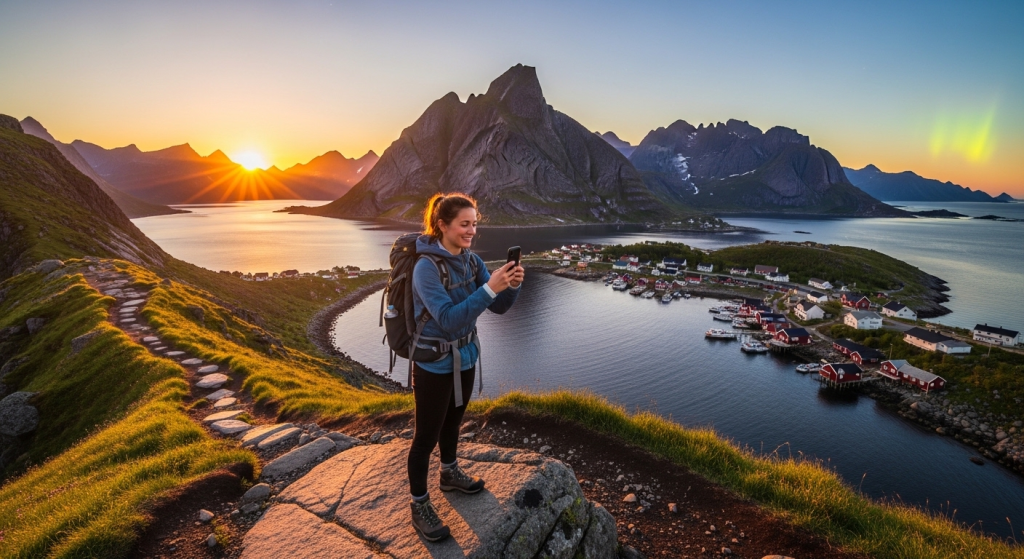
The Lofoten Islands represent Norway at its most magical. These Arctic islands above the Arctic Circle offer white-sand beaches (yes, really), dramatic peaks, and traditional fishing villages where red cabins perch on stilts over crystalline water. The midnight sun here is particularly spectacular—imagine hiking at 2 AM in full daylight.
Here’s the budget reality: Norway is expensive. A basic meal easily costs $20-30, and accommodation runs $80-150 for budget options. But there’s a secret weapon—Norway’s “allemannsretten” (right to roam) allows free wild camping almost anywhere. Combine camping with grocery store meals, and suddenly Norway becomes manageable.
The hiking culture is incredibly solo-friendly. DNT (Norwegian Trekking Association) maintains hundreds of mountain huts where solo hikers can stay affordably, meet other adventurers, and access some of the country’s most remote beauty. Many huts are unstaffed with an honor-system payment—perfectly safe and uniquely Norwegian.
Best for: 7-10 day trips minimum, outdoor enthusiasts, photographers, and anyone who prioritizes nature over nightlife.
Sweden: The Perfect Balance of Nature and Culture
Sweden offers something Norway doesn’t—the perfect blend of sophisticated city culture and pristine nature, all at slightly friendlier prices.
Stockholm is a revelation for solo travelers. Built across 14 islands, the city combines historic Gamla Stan (Old Town) with cutting-edge design, world-class museums, and an archipelago of 30,000 islands at its doorstep. The Vasa Museum alone justifies the visit—a perfectly preserved 17th-century warship that sank on its maiden voyage.
What makes Stockholm exceptional for solo women is the fika culture. This Swedish tradition of coffee and pastry breaks is practically a national religion, and cafés are designed for lingering. Bring a book, order a cinnamon bun, and watch Stockholm life unfold. You’ll never feel awkward sitting alone.
The Stockholm archipelago is your escape hatch. Take a ferry to Fjäderholmarna (30 minutes), Vaxholm (one hour), or Sandhamn (2.5 hours) for island hopping, swimming, and seafood. These day trips are easy to do solo, and you’ll meet both locals and travelers on the boats.
Gothenburg, Sweden’s second city, deserves more attention. This coastal gem offers a more relaxed vibe than Stockholm, with fantastic seafood markets, free botanical gardens, and the Southern Archipelago’s car-free islands. Prices are lower, crowds are smaller, and the locals are famously friendly.
For something completely different, Swedish Lapland in summer is an undiscovered treasure. While everyone thinks of Lapland for winter Northern Lights, summer brings the midnight sun, incredible hiking, and indigenous Sami culture. The Kungsleden (King’s Trail) offers well-maintained hiking with mountain huts similar to Norway’s system.
Sweden hits the budget sweet spot—more expensive than Southern Europe but cheaper than Norway. Expect to spend $150-250 per day for mid-range travel. Grocery stores like ICA and Coop offer excellent prepared foods at reasonable prices.
Best for: First-time Scandinavia visitors, design lovers, anyone wanting both city and nature, 5-7 day city breaks or 10+ day comprehensive trips.
Denmark: Budget-Friendly with Big City Energy
Denmark, and specifically Copenhagen, offers the most bang for your Scandinavian buck. This is where you get world-class culture, incredible food scenes, and that famous Danish hygge without completely destroying your budget.
Copenhagen is a solo traveler’s dream. The city is small enough to bike everywhere (and you absolutely should—it’s the world’s most bike-friendly city), yet packed with world-class museums, Michelin-starred restaurants, and vibrant neighborhoods each with distinct personalities.
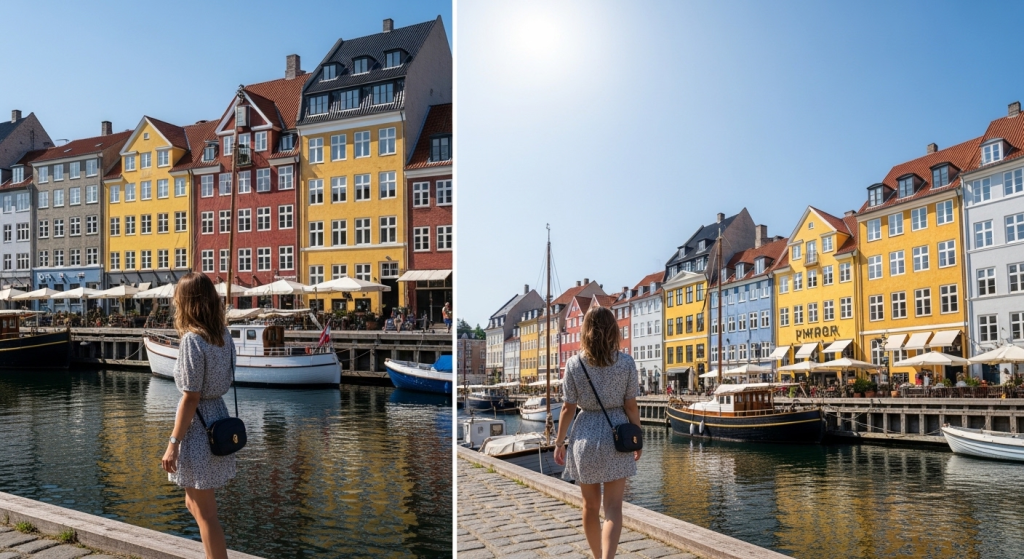
Start in Nyhavn for the postcard-perfect colored buildings, but quickly move to Vesterbro for hip cafés and vintage shopping, Nørrebro for multicultural food scenes, or Christianshavn for canal-side charm. The city’s compact size means you can cover multiple neighborhoods in a single day.
Here’s what makes Copenhagen special for solo women: the dining culture is incredibly communal. Food halls like Torvehallerne and Reffen encourage shared tables and conversations. Walking food tours are popular and provide built-in social opportunities. The city’s numerous parks—Tivoli Gardens, King’s Garden, Amager Beach Park—are filled with locals picnicking and swimming, making it easy to feel part of the scene even when alone.
Aarhus, Denmark’s second city, is the hidden gem. With a vibrant student population, excellent museums (ARoS art museum is world-class), beaches within cycling distance, and prices 20-30% lower than Copenhagen, it’s perfect for solo travelers seeking authenticity without tourist crowds.
Budget-wise, Denmark is the most affordable Scandinavian country. You can find hostel beds for $30-40, budget hotels for $80-100, and excellent meals for $15-25. Free attractions include beaches, parks, and even the changing of the guard at Amalienborg Palace.
The hygge culture—that untranslatable Danish concept of coziness and contentment—permeates everything. Candlelit cafés, communal dining, and the overall emphasis on quality of life make solo travelers feel welcomed rather than alone.
Best for: Long weekends to 5-day trips, first-time solo travelers, budget-conscious adventurers, foodies, cyclists.
Finland: The Unexpected Scandinavian Secret
Finland is different. If Norway is dramatic, Sweden is balanced, and Denmark is cozy, Finland is quietly, wonderfully weird in the best possible way. This is where you come for experiences you can’t find anywhere else.
Helsinki surprises people. It’s not as instantly charming as Copenhagen or as obviously beautiful as Stockholm, but it grows on you. The Design District showcases Finnish innovation, from Marimekko textiles to Iittala glassware. The sauna culture is real—public saunas like Löyly and Kulttuurisauna offer authentic experiences where locals actually go.
What sets Helsinki apart is its island culture. Suomenlinna, a UNESCO-listed sea fortress, is a 15-minute ferry ride and feels like stepping back in time. In summer, locals island-hop to beaches and parks throughout the archipelago. It’s easy to join them—just follow the crowds onto ferries.
The Finnish Lakeland is where Finland’s soul lives. This region of endless forests and 188,000 lakes offers the quintessential Finnish summer experience: renting a traditional cottage (mökki), using the private sauna, swimming in the lake, and embracing complete silence. For solo travelers seeking solitude and nature, this is paradise.
Finnish culture is reserved, which actually works beautifully for solo travelers. There’s no pressure to make small talk or explain why you’re alone. Finns respect personal space and silence—sitting alone in a café with a book is completely normal. When Finns do engage, they’re genuine and helpful.
The food scene is underrated. New Nordic cuisine started in Copenhagen but thrives in Helsinki. Market halls like Hakaniemi offer local delicacies, and summer brings berry picking season—cloudberries, lingonberries, and blueberries are free for the taking in forests.
Best for: Travelers seeking something different, sauna enthusiasts, nature lovers comfortable with solitude, design fans, 4-7 days.
Planning Your Perfect Itinerary (Without the Overwhelm)
How Many Days Do You Really Need?
The honest answer? More than you have. But let’s work with reality.
5-7 days is perfect for a single-city deep dive. Choose Copenhagen or Stockholm for this timeframe. You’ll have time to explore the city thoroughly, take 1-2 day trips, and establish a rhythm that makes you feel like a temporary local rather than a rushed tourist.
Sample Copenhagen 5-day itinerary: Day 1—Nyhavn, Tivoli Gardens, walking tour. Day 2—Bike tour, Christiania, Vesterbro exploration. Day 3—Day trip to Malmö, Sweden (35 minutes by train). Day 4—Museums, canal tour, Nørrebro food scene. Day 5—Amager Beach, last-minute shopping, farewell dinner.
What you’ll miss: Other countries, dramatic nature, rural experiences. What you’ll gain: Depth over breadth, less travel stress, time to actually relax.
10-14 days unlocks the two-country combination, which is the sweet spot for first-time Scandinavia visitors. The perfect pairings are Norway-Denmark (Oslo to Bergen to Copenhagen via train/ferry) or Sweden-Finland (Stockholm to Helsinki via overnight ferry).
This timeframe allows you to experience both sophisticated city culture and stunning nature. You can spend 4 days in Copenhagen, train to Oslo (6 hours, scenic), explore Oslo for 3 days, take the Norway in a Nutshell route to Bergen (2 days), then fly back to Copenhagen.
The key is not overpacking your itinerary. Build in rest days—literally days where your only plan is wandering a neighborhood or reading in a park. Solo travel is exhausting in ways group travel isn’t, and you need recovery time.
2-3 weeks is the ultimate Scandinavian loop: Copenhagen → Oslo → Bergen → Stockholm → Helsinki, connected by trains and ferries. This allows you to add hidden gems like Gothenburg, Aarhus, or even venture into Swedish Lapland or the Lofoten Islands.
The secret to avoiding burnout: alternate city days with nature days, build in 2-3 complete rest days, and don’t feel obligated to see every museum or attraction. Quality over quantity always wins.
Best Time to Visit for Solo Women
June is my secret weapon. You get 20+ hours of daylight (nearly 24 in the north), wildflowers carpeting the mountains, and fewer crowds than July. Prices are 15-20% lower than peak season, and locals are out enjoying summer after the long winter.
The weather is pleasant—15-20°C (60-68°F) in most areas, perfect for hiking and city exploration. Most attractions and seasonal ferries are operating, but you’ll avoid the July tourist crush. The only downside: some mountain huts and far-north routes may still be snow-covered early in the month.
July is peak season for good reason. This is the warmest month (18-25°C/64-77°F), with all attractions open and numerous festivals. Norwegians take their summer holidays, filling mountain huts and coastal areas. Stockholm’s archipelago is at its liveliest.
The trade-offs: higher prices (20-30% premium), advance booking essential, and popular spots like Lofoten or Bergen can feel crowded. For solo travelers, July’s advantage is the abundance of group tours and activities, making it easier to meet people.
August brings the best of both worlds. The first half still feels like summer, but by mid-month, you’ll catch early autumn colors and the first northern lights in far northern areas. Berry picking season peaks—join locals foraging in forests.
Prices drop after mid-August, and crowds thin considerably. The weather remains pleasant (15-20°C), though rain becomes more frequent. This is ideal for budget-conscious solo travelers who still want good weather.
Budget Planning: From Shoestring to Splurge
Budget traveler ($100-150/day): Hostels ($30-50), grocery store meals with occasional budget restaurants ($30-40), free attractions and hiking ($0-20), public transportation ($10-20), activities and contingency ($20-40).
Money-saving strategies: Cook breakfast and lunch, picnic dinners, focus on free nature activities, use hostel kitchens, buy alcohol from grocery stores (bars are expensive), walk instead of using public transport when possible.
Mid-range ($200-300/day): Budget hotels or nice hostels ($80-120), mix of restaurants and self-catering ($60-80), paid attractions and some tours ($30-50), flexible transportation ($20-30), activities and treats ($30-50).
This is the comfortable sweet spot. You can eat out once daily, do paid activities that interest you, stay in private rooms, and not stress about every expense.
Comfortable splurge ($400+/day): Boutique hotels ($150-250+), dining out for most meals ($100-150), premium experiences like fjord cruises or helicopter tours ($100+), taxis and convenience ($30-50), shopping and extras ($50+).
Where to splurge for maximum impact: Fjord cruises in Norway (unforgettable), one Michelin-starred meal in Copenhagen, overnight ferry cabin Stockholm-Helsinki (saves a hotel night), guided Northern Lights photography tour.
Free and cheap authentic experiences: Wild camping in Norway/Sweden, public beaches and swimming spots, hiking (always free), self-guided walking tours, public saunas in Helsinki ($10-15), grocery store prepared foods, parks and gardens, changing of the guard ceremonies.
Staying Safe and Connected
Safety Essentials Every Solo Woman Should Know
Scandinavia’s safety reputation is well-deserved, but smart travel habits still apply. Register with your embassy’s travel program before departure—it’s free and provides emergency support if needed. Share your itinerary with someone back home, especially if hiking or visiting remote areas.
The emergency number throughout the EU (including Denmark, Sweden, and Finland) is 112. Norway uses the same number. Everyone speaks English, and response times are excellent. Save this number in your phone along with your country’s embassy contact information.
Practical safety measures: Keep your phone charged (portable battery essential), download offline maps, photograph your passport and credit cards, separate your money (don’t carry everything in one place), and trust your instincts—if something feels off, it probably is.
The biggest actual risks in Scandinavia aren’t crime—they’re nature-related. Hypothermia can occur even in summer if you’re caught in mountain weather unprepared. Tell someone your hiking plans, check weather forecasts obsessively, bring layers even on sunny days, and don’t underestimate distances or difficulty levels.
Drinking culture: Scandinavians drink less frequently than many cultures but sometimes heavily when they do. Weekend nights in city centers can get rowdy. This isn’t dangerous, but be aware. Keep your drinks in sight, stick to well-lit areas, and use official taxis or ride-sharing apps.
Accommodation Options That Actually Work for Solo Travelers
Hostels in Scandinavia are exceptional—clean, modern, and social without being party-focused. Generator Hostels (Copenhagen, Stockholm) offer private rooms with hostel prices and social common areas. Book private rooms for $50-80 if dorm life isn’t your thing.
The advantage for solo travelers: built-in social opportunities. Common kitchens, organized activities, and communal spaces make meeting other travelers effortless. Many offer female-only dorms for added comfort.
Budget hotels like Scandic, Comfort, and Citybox chains offer reliable, clean accommodations for $80-120. They’re not charming, but they’re consistent, centrally located, and include breakfast. Solo travelers pay the same as couples in Scandinavia—no single supplements at most hotels.
Airbnb and vacation rentals work well for longer stays (4+ nights) when you want your own space and kitchen facilities. In cities, private rooms in shared apartments offer local interaction and insider tips from hosts. In Norway and Sweden, rent traditional cottages for authentic experiences.
Unique options: DNT mountain huts in Norway (unstaffed huts with honor-system payment, $30-50), Swedish Tourist Association huts, Finnish mökki cottages, and even overnight ferries (Stockholm-Helsinki saves a hotel night while providing an experience).
Booking strategy: Reserve first and last nights in advance, especially in summer. Middle nights can be more flexible if you’re comfortable with spontaneity. Use Booking.com’s free cancellation options to lock in good rates while maintaining flexibility.
Connecting With Other Travelers and Locals
Solo travel doesn’t mean lonely travel. Scandinavia offers numerous ways to connect when you want company.
Group tours and activities provide instant companionship. Free walking tours (tip-based) in every major city attract solo travelers. Food tours, kayaking excursions, Northern Lights chases, and hiking groups naturally facilitate conversation and friendship.
Apps and online communities: Meetup.com has active groups in all major cities. Couchsurfing (even if you’re not staying with hosts) organizes social events. Bumble BFF works in Scandinavian cities for meeting locals and travelers. Facebook groups for solo travelers in specific cities offer real-time tips and meetup opportunities.
Fika culture in Sweden is your secret weapon. Cafés are designed for lingering, and it’s completely normal to strike up conversations. Bring a book or journal—you’ll appear approachable without seeming lonely.
Communal dining experiences: Copenhagen’s food halls, Stockholm’s Östermalms Saluhall, and Helsinki’s market squares all feature shared tables. Cooking classes, wine tastings, and food tours naturally create conversation.
The Nordic reserve myth: Yes, Scandinavians are more reserved than Southern Europeans or Americans. But they’re not unfriendly—just respectful of personal space. Once you break the ice (ask for recommendations, comment on something specific), they’re incredibly warm and helpful.
When you want solitude: That’s okay too. One of solo travel’s greatest gifts is the freedom to be alone without being lonely. Embrace silent meals, solo hikes, and quiet moments. Scandinavia’s culture respects this—no one will pity you or pressure you to socialize.
—
Ready to turn your Scandinavian dream into reality? Start by choosing your destination based on what calls to you most—Norway’s dramatic fjords, Sweden’s perfect balance, Denmark’s cozy charm, or Finland’s unique culture. Book that flight, pack your sense of adventure, and trust that Scandinavia will welcome you with midnight sun, stunning landscapes, and the kind of safety and freedom that makes solo travel truly transformative. Your Nordic adventure is waiting, and it’s going to be unforgettable.