9 Camping Hacks for Beginners That Make Trips Easier

Your first camping trip shouldn’t feel like an episode of survival TV. Yet somehow, many beginners find themselves wrestling with tangled gear, shivering in their tents, or spending more time problem-solving than actually enjoying nature. Sound familiar?
Here’s the truth: camping doesn’t require expensive equipment or wilderness expertise. What transforms a stressful outdoor experience into an epic adventure is simply knowing a few clever shortcuts that experienced campers have perfected over years of trial and error.
These 9 beginner-friendly camping hacks will help you organize your gear efficiently, cook delicious meals without the stress, sleep comfortably under the stars, and stay safe regardless of what Mother Nature throws your way. The best part? Most of these tricks use items you already have at home or cost just a few dollars.
Remember, every seasoned camper started exactly where you are right now—excited but slightly overwhelmed. The difference between a chaotic first trip and a memorable one often comes down to these simple, practical strategies. Let’s dive in and set you up for camping success.
Essential Organization Hacks That Keep Your Campsite Tidy
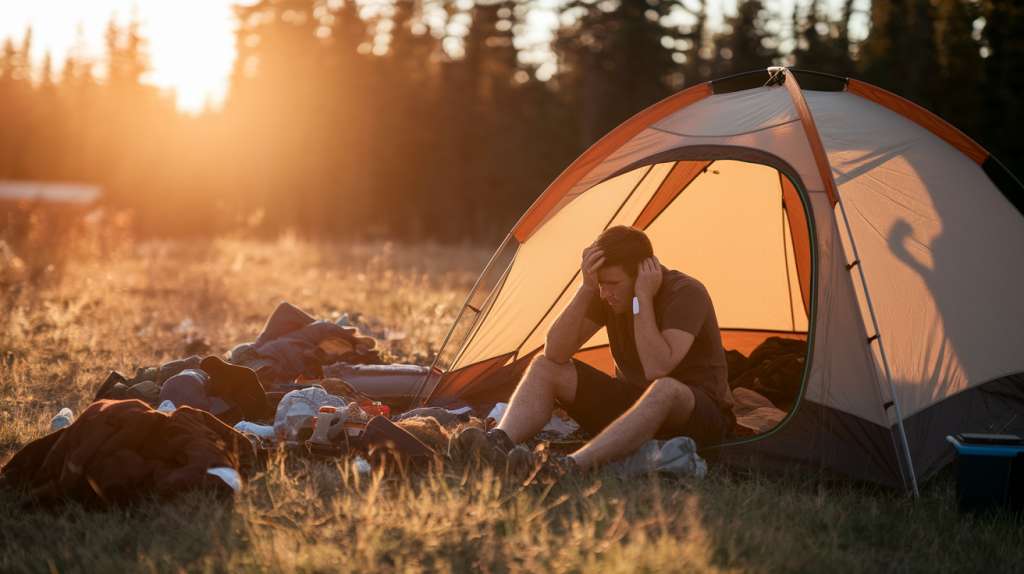
Nothing derails a camping trip faster than spending 20 minutes digging through bags to find a single fork. Smart organization isn’t about being obsessive—it’s about spending less time searching and more time exploring those breathtaking trails.
Transform a 6-Pack Holder Into Your Ultimate Cutlery Station
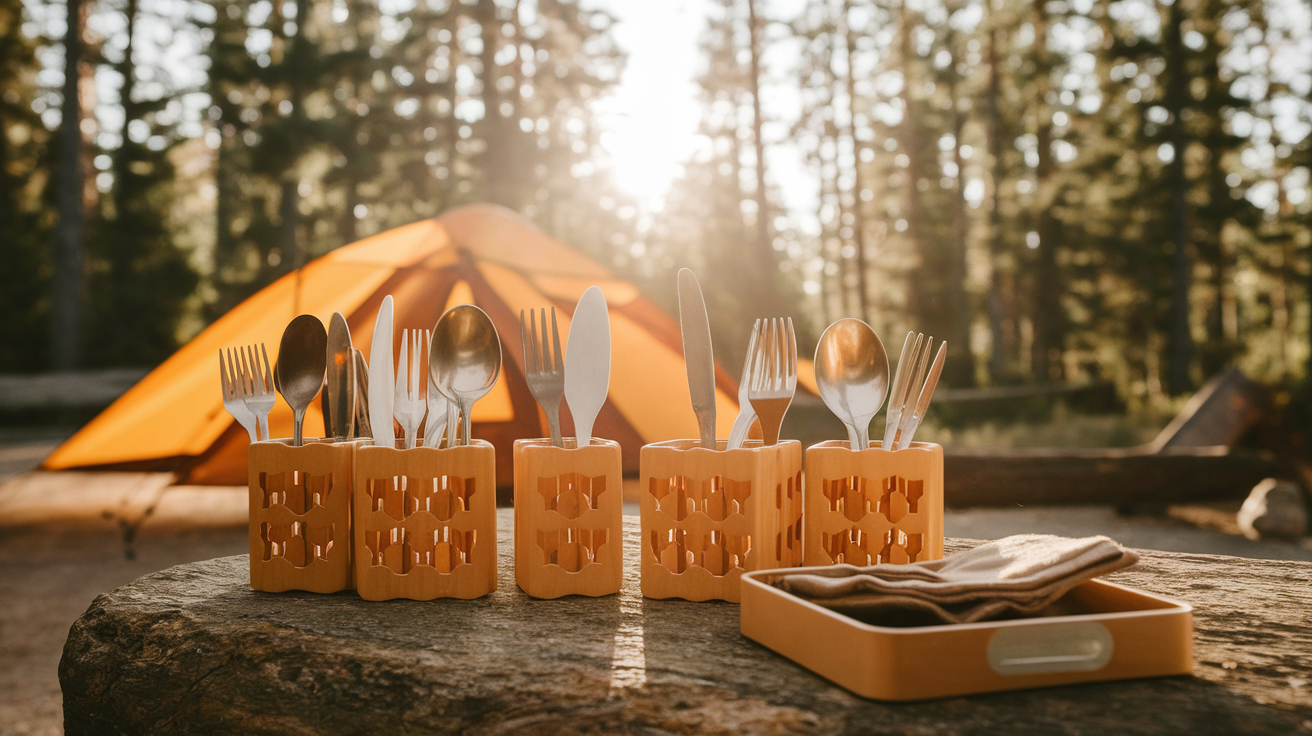
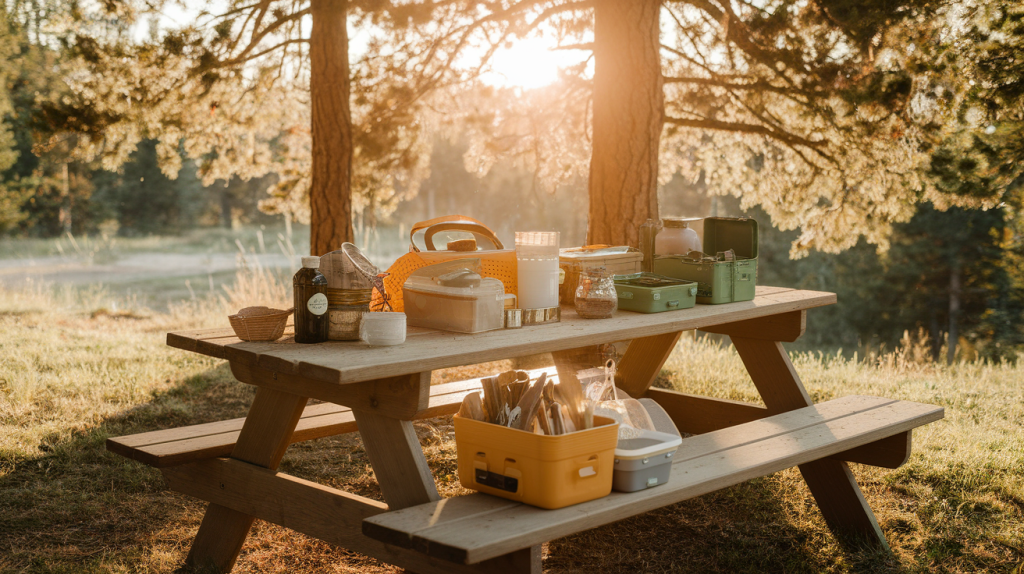
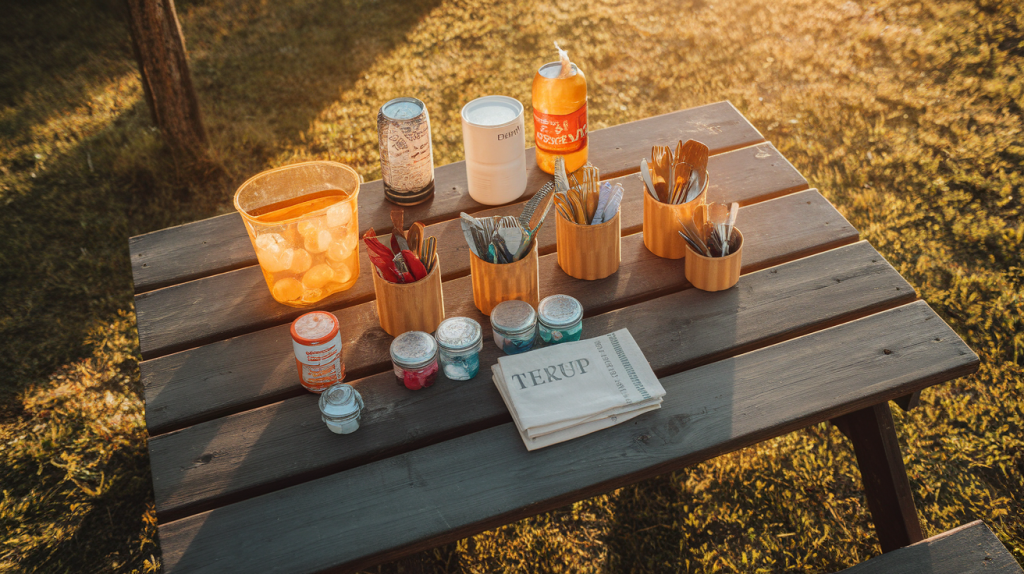
That cardboard carrier from your last beverage purchase? It’s actually the perfect camping organizer. Once you’ve transferred your drinks to the cooler, repurpose the 6-pack holder as a dedicated cutlery station at your picnic table or camp kitchen area.
This hack works brilliantly because each compartment keeps utensils separated, upright, and dry. No more forks scattered across your table or knives sliding into the dirt. Plus, the cardboard material is lightweight and takes up virtually no space in your packing.
Take this idea further by using multiple holders for different categories. Designate one for eating utensils (forks, spoons, knives) and another for cooking tools (spatulas, tongs, serving spoons). Label each holder with a marker, and you’ve created an organized camp kitchen that rivals your setup at home.
Create a Portable Medicine Chest Using Pill Organizers
Full medication bottles are bulky, heavy, and overkill for a weekend camping trip. Instead, grab a weekly pill organizer from any pharmacy and transform it into your portable medicine chest.
Fill each compartment with different essentials: pain relievers in one section, antihistamines in another, bandages in a third, and antacids in a fourth. This system gives you quick access to common remedies without carrying entire bottles. When your hiking partner develops a headache after a day on the trails, you’ll have relief ready in seconds rather than unpacking your entire bag.
The clear plastic lets you see exactly what you have at a glance, and the compact size fits easily into any backpack pocket. Label the top with waterproof tape if you’re packing multiple medications that look similar. This simple organization hack has saved countless camping trips from being derailed by minor ailments.
Use Clear Plastic Bins for Gear Categories
The secret to campsite organization is categorization. Invest in several clear plastic bins with secure lids, and dedicate each one to a specific purpose: cooking supplies, first aid, toiletries, and entertainment gear.
Why clear bins? You can see the contents without opening every container and creating chaos. This visibility saves time and frustration, especially when you’re setting up camp in fading daylight or searching for something specific.
These bins stack beautifully in your vehicle during transport and at your campsite once you arrive. They protect your gear from moisture, keep critters out of your food supplies, and make packing up exponentially faster when it’s time to head home.
Pro tip: Use waterproof tape or permanent marker to label each bin clearly on multiple sides. When you’re loading your car in the dark at 5 AM, you’ll thank yourself for this extra step.
Clever Fire and Cooking Hacks for Breathtaking Meals
Campfire cooking intimidates many beginners, but it doesn’t have to be complicated. These hacks eliminate the guesswork and let you focus on enjoying delicious meals in the great outdoors.
DIY Fire Starters Using Household Items
Starting a fire with damp wood tests even experienced campers. Skip the frustration by making foolproof fire starters at home using items you already have.
The dryer lint method works like magic: stuff lint into the cups of a cardboard egg carton, then pour melted wax over each cup. Once the wax hardens, tear off individual cups as needed. Each one burns for several minutes, giving your kindling plenty of time to catch.
Another effective option: soak cotton balls in petroleum jelly and store them in a small waterproof container. These burn hot and long, even in windy conditions. Three or four cotton balls will get your fire roaring without the expense or chemicals of store-bought starters.
These DIY starters work better for beginners because they’re more forgiving than matches alone. They give you a sustained flame that compensates for less-than-perfect fire-building technique. Always check your campsite’s fire regulations before your trip, and keep water nearby for safety.
Pre-Prep Meals at Home for Stress-Free Cooking
The biggest camping cooking mistake beginners make? Trying to chop vegetables and measure ingredients at a picnic table with limited counter space and fading light.
Transform your camp cooking experience by doing all the prep work in your home kitchen. Chop vegetables, measure spices, marinate proteins, and portion everything into labeled freezer bags. These bags serve double duty as ice packs in your cooler, keeping everything cold during transport while eliminating ice melt mess.
This approach dramatically reduces cooking time at camp, which means less time hovering over a hot stove and more time hiking, swimming, or simply relaxing by the fire. You’ll also reduce the amount of cookware and utensils you need to pack and clean.
Perfect pre-prep meals for beginners include foil packet dinners (protein and vegetables seasoned and ready to throw on the coals), pre-mixed pancake batter (just add water), breakfast burritos (pre-assembled and frozen), and overnight oats (combine ingredients at home, add water at camp, and let sit overnight for an effortless breakfast).
Aluminum Foil: Your Most Versatile Camping Tool
If you pack only one cooking item beyond your basic pots and pans, make it heavy-duty aluminum foil. This inexpensive material solves countless camping challenges.
Create makeshift cooking surfaces by forming foil into pans for grilling fish or vegetables. Wrap it around pot handles that get too hot to touch safely. Crumple it into a ball for scrubbing dishes without packing a separate sponge. Fashion it into serving dishes that you can simply throw away afterward, eliminating cleanup.
Here’s a brilliant hack most beginners don’t know: line your cooler with aluminum foil, shiny side facing inward. The reflective surface bounces heat away and keeps your ice frozen significantly longer. This trick has extended cooler ice life by a full day on multiple camping trips.
Pack an entire roll in your cooking bin. You’ll find dozens of uses once you’re at camp, from covering leftovers to creating wind shields for your camp stove.
Comfort and Sleep Hacks for Your Best Night Under the Stars
A terrible night’s sleep can ruin even the most beautiful campsite. These comfort hacks ensure you wake up refreshed and ready for adventure rather than sore and grumpy.
Pool Noodles Aren’t Just for Swimming
Those colorful foam pool noodles from the dollar store are secretly one of the most useful camping tools you can pack. Cut them to length and place them along the edges of your tent floor to create barriers that prevent you from rolling into the tent walls during the night.
This simple addition makes a huge difference in sleep quality. There’s nothing worse than waking up with your face pressed against cold, damp tent fabric at 3 AM. The pool noodles also protect your head from bumping into hard tent poles if you move around during sleep.
Use them as padding along the edges of uncomfortable sleeping pads or even as makeshift pillows in a pinch. They’re lightweight, inexpensive, and completely multipurpose. One or two pool noodles take up minimal space but solve multiple comfort problems that plague beginner campers.
Layer Smartly for Temperature Control
Temperature regulation makes or breaks camping comfort. Even in summer, nights can get surprisingly cold, especially at elevation or near water.
Start with a sleeping bag liner—this simple addition adds approximately 15 degrees of warmth to any sleeping bag. Silk liners pack incredibly small, while fleece liners provide maximum warmth for cold-weather camping.
Here’s a hack that sounds counterintuitive but works perfectly: sleep in tomorrow’s clothes. You’ll wake up warm, and your clothes will be pre-warmed for getting dressed in the chilly morning air. This eliminates that awful moment of pulling on freezing jeans at dawn.
Always place a tarp under your tent for extra insulation from the cold ground. Heat loss through the ground is significant, and this barrier makes a noticeable difference in overnight comfort.
The hot water bottle trick is essential for cold nights: fill your water bottle with hot water before bed and tuck it into your sleeping bag. It acts as a personal heater for the first few hours of sleep, and you’ll have drinking water ready in the morning.
Create a Headlamp Lantern in Seconds
Fumbling with flashlights inside a tent is frustrating and inefficient. This brilliant hack transforms your headlamp into a full tent lantern without buying expensive lighting equipment.
Simply place your headlamp around a water jug or gallon container with the light facing inward. The water diffuses the beam, creating soft, ambient lighting that illuminates your entire tent. Adjust the brightness setting on your headlamp to control the light level.
This setup is perfect for reading before sleep, finding items in your bag, or making those inevitable late-night bathroom trips less disorienting. Unlike lanterns that hang from a single point, this solution sits stable on the tent floor and won’t swing if someone bumps it.
The best part? You’re not packing extra equipment. You already need a headlamp for nighttime activities and water for drinking. This hack simply maximizes the utility of items you’re carrying anyway.
Safety and Weather-Prep Hacks Every Beginner Needs
Staying safe and prepared separates enjoyable camping from potentially dangerous situations. These essential hacks keep you protected regardless of what challenges arise.
The Trash Bag Multi-Tool Solution
Heavy-duty trash bags are the unsung heroes of camping gear. Pack several large ones, and you’ll solve problems you didn’t even know you’d encounter.
When unexpected rain hits, a trash bag becomes an instant emergency poncho. Cut holes for your head and arms, and you’ve got waterproof protection that packs smaller than any rain jacket. Keep one in your daypack during hikes for weather security.
Use trash bags as waterproof storage for wet clothes after swimming or rain-soaked gear that you don’t want touching dry items. They’re perfect ground covers when packing up a wet tent—spread one out to keep your tent floor clean while you fold it.
Trash bags also work as dry bags for electronics, create makeshift laundry bags for dirty clothes, and even serve as emergency shelter material if you need to create a windbreak. They weigh almost nothing and cost pennies, yet they solve countless camping challenges. Always pack more than you think you’ll need.
Foam Flooring Tiles for Insulation and Comfort
Those interlocking foam floor tiles sold for kids’ playrooms? They’re camping game-changers. Place them inside your tent for cushioning and warmth that transforms your sleeping experience.
The foam provides insulation from the cold ground, which is especially essential for camping in cooler weather. Even in summer, ground temperatures drop significantly at night, and this barrier keeps you comfortable. The cushioning also makes sleeping on thin sleeping pads much more tolerable for beginners who aren’t accustomed to ground sleeping.
These tiles are easy to pack—they fit flat in your vehicle and don’t add significant weight. You can customize the coverage to your tent size by adding or removing tiles. When you’re done camping, they rinse clean and store flat until your next trip.
This hack is particularly valuable for families camping with children who are sensitive to hard surfaces or for anyone with back issues that make ground sleeping challenging.
Mark Your Territory for Safety
Nighttime navigation around camp creates genuine safety hazards. Tent guy lines and stakes become invisible tripping hazards when you’re stumbling back from the bathroom at 2 AM with only a headlamp for guidance.
Prevent injuries by marking tent lines with glow sticks or reflective rope. The visual markers catch your light and prevent painful collisions. This simple step has prevented countless twisted ankles and face-plants.
Use glow sticks to mark the path from your tent to the bathroom area or water source. They help you locate your campsite when returning from evening activities, especially in crowded campgrounds where tents all start looking similar in the dark.
Always establish a designated spot for your headlamp before darkness falls. Many campers place it in the same tent pocket every time so they can find it instantly if they wake up disoriented. This consistent habit prevents the frustrating experience of searching blindly for your light source.
Weather-Check Routine for Peace of Mind
Weather preparation separates prepared campers from those who end up cold, wet, and miserable. Develop a weather-checking routine that starts well before your departure.
Download offline maps and weather apps before leaving cell service. Many camping areas have limited or no signal, and you need access to weather information regardless of connectivity. Apps like Gaia GPS and Weather Underground offer offline functionality that’s essential for backcountry camping.
Check conditions multiple times in the days leading up to your trip, not just once. Weather patterns change, and what looked like a perfect weekend on Monday might show rain by Friday. This monitoring gives you time to adjust your packing or even reschedule if conditions become unsafe.
Pack for weather one level worse than predicted. If forecasts show 60-degree nights, pack for 50 degrees. If there’s a 30% chance of rain, pack as if rain is certain. This approach ensures you’re prepared rather than caught off-guard.
Always know your bailout plan before you need it. Identify the nearest town, hotel, or indoor shelter options. Having an exit strategy reduces anxiety and gives you confidence to attempt camping even when conditions aren’t perfect. Sometimes the best camping decision is knowing when to pack up and find shelter.
Your Path to Confident Camping Starts Here
These nine camping hacks transform overwhelming outdoor experiences into manageable, enjoyable adventures. The goal isn’t perfection—it’s making camping accessible so you can focus on what matters: connecting with nature, spending quality time with loved ones, and creating memories that last long after you’ve packed up your tent.
The beauty of these strategies is that they require minimal investment. You don’t need expensive gear or years of experience. Most of these hacks use household items or cost just a few dollars, proving that great outdoor adventures depend on smart planning rather than premium equipment.
Start with car camping to discover what works for your personal camping style. You’ll have the security of your vehicle nearby while you test these hacks and build confidence. As you gain experience, you’ll develop your own shortcuts and modifications that fit your specific needs.
Don’t overwhelm yourself by implementing everything at once. Pick three or four hacks that address your biggest camping concerns, and try those first. Maybe you’re most worried about staying warm, so you focus on the sleeping hacks. Perhaps organization stresses you out, so you start with the bin system and cutlery holder. Build your camping skills gradually, adding new strategies with each trip.
The wild is waiting for you, and these simple tricks help you spend less time fumbling with gear and more time soaking in those breathtaking mountain views, listening to crackling campfires, and watching stars appear in numbers you’ve never seen from your city home.
What camping challenges worry you most? Which of these hacks will you try first? Share your own camping tips or questions in the comments below—the camping community thrives on shared knowledge, and your insights might help the next beginner take that crucial first step into the outdoors.
Remember: every experienced camper you admire started as a beginner who felt uncertain and maybe a little intimidated. The essential difference is that they took that first step anyway. Your camping adventure starts now—grab that pool noodle, pack those clear bins, and head outside. Nature is the ultimate teacher, and your first trip is the beginning of a lifelong love affair with the great outdoors.