9 best things to do in Japanese Alps

The Japanese Alps deliver everything you dream about when you picture Japan—except here, ancient mountain villages replace neon-lit streets, and dramatic peaks tower where skyscrapers normally stand.
This stunning region stretches across central Honshu, offering a completely different experience from the usual Tokyo-Kyoto circuit that most travelers follow.
What makes the Japanese Alps truly special? You’re looking at three distinct mountain ranges (the Northern, Central, and Southern Alps) that create a landscape so breathtaking, locals call it the “Roof of Japan.”
We’re talking pristine valleys, UNESCO World Heritage villages with thatched-roof farmhouses, and hot springs nestled between snow-capped peaks. Whether you’re an experienced mountaineer or someone who just loves scenic walks and cultural experiences, this region welcomes you with open arms.
This guide walks you through the absolute best experiences the Japanese Alps offer. You’ll discover historic post towns where time stopped centuries ago, hiking trails that showcase nature at its finest, and relaxation opportunities that’ll melt away every ounce of stress.
I’ve organized everything by experience type, so you can easily build an itinerary that matches your travel style. Ready to explore one of Japan’s most stunning regions? Let’s go.
Explore Traditional Alpine Villages & Historic Towns
Takayama: The Perfect Gateway to Mountain Culture
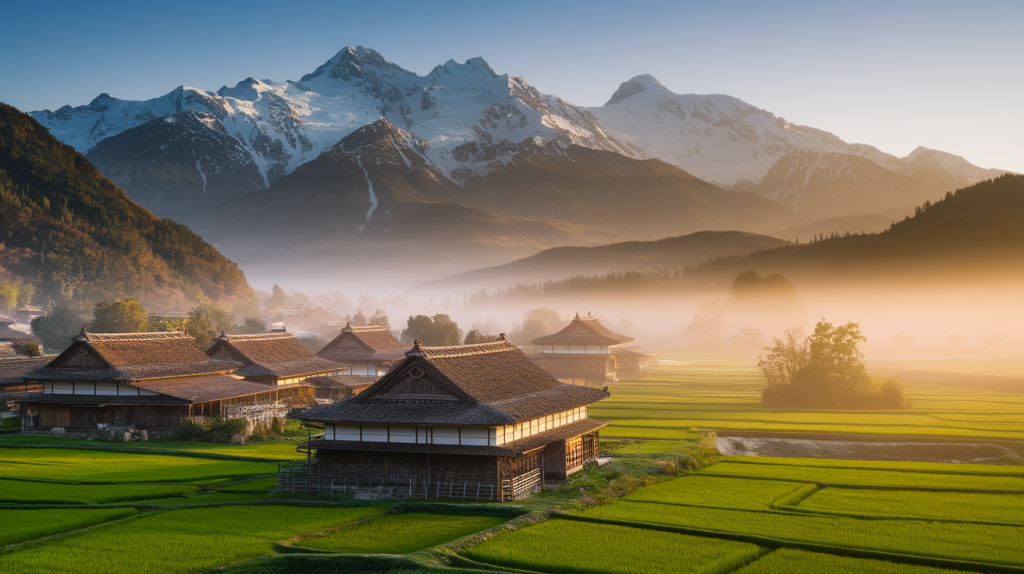
Takayama sits in the heart of the Northern Alps, and honestly, it’s the perfect base for your mountain adventure. The Sanmachi Suji historic district transports you straight back to the Edo period—we’re talking beautifully preserved wooden merchant houses, sake breweries that have operated for centuries, and streets so photogenic you’ll fill your camera roll in minutes.
Start your morning at one of Takayama’s famous morning markets. The Miyagawa Morning Market runs daily along the river, where local farmers sell everything from fresh mountain vegetables to handmade crafts.
You’ll find genuine interactions here—vendors who’ve been selling at these markets for generations and actually want to share their stories. Grab some hoba miso (miso grilled on magnolia leaves) or try the local Hida beef skewers. Trust me, this regional wagyu rivals anything you’ll taste in Japan.
The beauty of Takayama? It’s perfectly positioned for day trips. You can reach Shirakawa-go in under an hour, explore the Hida Folk Village to see traditional farmhouses up close, or venture into the surrounding mountains for hiking.
The town itself offers enough temples, sake breweries, and traditional workshops to fill two full days, but most travelers use it as their comfortable home base while exploring the wider region.
Shirakawa-go & Gokayama: UNESCO World Heritage Magic
These villages stopped me in my tracks the first time I visited. The iconic gassho-zukuri farmhouses—with their steep thatched roofs designed to handle heavy snowfall—create a landscape that looks like it belongs in a fairy tale. UNESCO recognized these villages in 1995, and they’ve maintained their authentic character despite the recognition.
The Shiroyama Viewpoint in Shirakawa-go gives you that perfect postcard shot overlooking the entire village. Get there early morning or late afternoon when tour buses clear out, and you’ll have the scene mostly to yourself. Walk through the village itself, and you’ll discover that several farmhouses function as museums, restaurants, and even guesthouses. The Wada House, one of the largest gassho-zukuri structures, opens to visitors and shows you exactly how families lived in these remarkable buildings.
Seasonal timing transforms these villages completely. Winter illuminations (typically held on specific weekends in January and February) create an unforgettable scene when the farmhouses glow against snow-covered landscapes. Summer brings lush green rice paddies and easier hiking access to surrounding viewpoints. Autumn delivers stunning foliage that frames the thatched roofs perfectly. Each season offers something unique, so there’s no wrong time to visit—just different experiences.
Tsumago & Magome: Walking Through Edo-Period Japan
The Nakasendo Trail connected Kyoto and Tokyo during the Edo period, and the section between Tsumago and Magome preserves this history better than anywhere else. These post towns banned cars, removed power lines, and restored buildings to their original appearance. Walking these streets feels like stepping through a time portal.
The hike between the two towns covers about 8 kilometers and takes roughly 2-3 hours at a comfortable pace. This trail isn’t technically challenging—you’re looking at gentle climbs through cedar forests, past waterfalls, and alongside mountain streams. The path is well-maintained and clearly marked, making it beginner-friendly while still delivering that authentic mountain experience.
Stop at the tea houses along the way. These small rest stops serve traditional sweets and hot tea, giving you the perfect excuse to slow down and soak in the scenery. The locals in these villages take genuine pride in their heritage, and you’ll often find elderly residents maintaining gardens or working in traditional crafts. Stay overnight in a minshuku (family-run guesthouse) if you can—the experience of sleeping in a traditional room and enjoying a home-cooked mountain meal adds another layer to your journey.
Adventure Through Stunning Natural Landscapes
Kamikochi: The Crown Jewel of Japanese Mountain Scenery
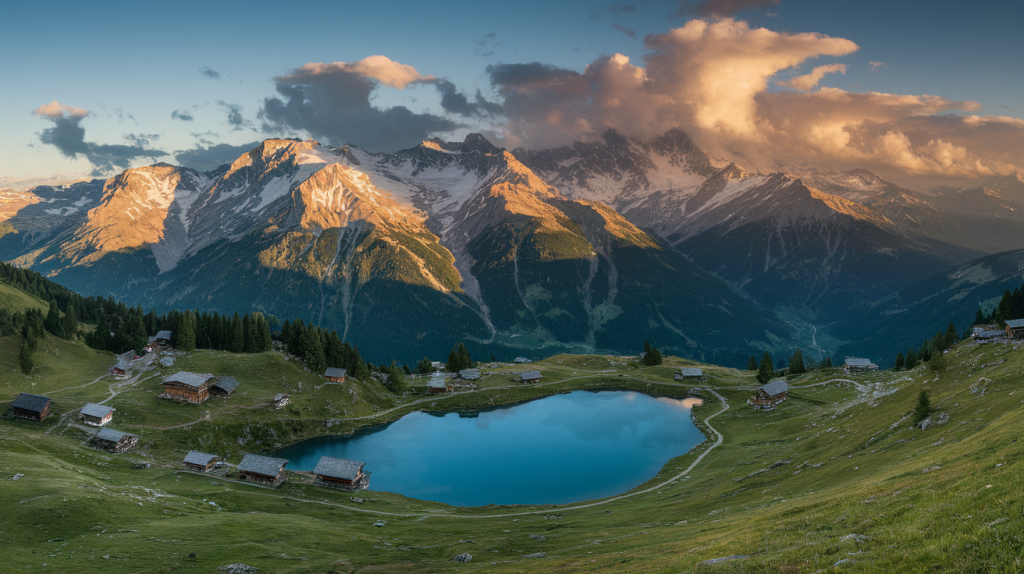
Kamikochi represents everything spectacular about the Japanese Alps condensed into one pristine valley. The Azusa River runs crystal-clear through the valley floor, reflecting the dramatic Hotaka mountain range that towers above. This place delivers scenery so stunning that Japan designated it a National Cultural Asset.
Access requires planning because Kamikochi closes to private vehicles (protecting the environment) and operates seasonally, typically from mid-April through mid-November. You’ll take a bus from Matsumoto or Takayama to reach the valley, but this restriction keeps the area beautifully preserved. The moment you step off the bus at the Kappa Bridge, you understand why this valley earned its reputation.
The Kappa Bridge itself offers the most iconic view—standing on this wooden suspension bridge with the Hotaka peaks rising dramatically behind it creates that quintessential Japanese Alps moment. From here, multiple trail options spread out. The easy riverside walk to Myojin Pond takes about an hour each way on flat, well-maintained paths—perfect for families or anyone who wants spectacular views without serious elevation gain. More experienced hikers can tackle routes to Dakesawa Marsh or even summit some of the surrounding peaks, though those require proper equipment and mountain experience.
Tateyama Kurobe Alpine Route: Japan’s Most Amazing Mountain Crossing
This engineering marvel takes you across the Northern Alps using seven different forms of transportation—cable cars, ropeways, trolley buses, and even a tunnel bus. The entire route spans about 90 kilometers, connecting Toyama and Shinano-Omachi, and reaches elevations over 2,400 meters. You’re essentially crossing the roof of Japan in the most scenic way possible.
The legendary Snow Corridor at Murodo happens in spring (typically April through June) when workers cut through accumulated snow to reopen the route. These snow walls reach heights of 15-20 meters, creating a surreal white canyon that you can walk through. It’s genuinely one of the most unique experiences in Japan—standing between towering walls of snow while wearing a t-shirt because the sun’s beating down.
Plan for this to take a full day. Start early (like, 7 AM early) to avoid crowds and give yourself time to stop at all the key viewpoints. The Kurobe Dam, Japan’s tallest dam, offers observation decks with incredible views. The ropeway section between Daikanbo and Kurobedaira crosses a dramatic valley with nothing but cable beneath you and mountains all around. Bring layers—temperatures vary dramatically as you change elevations, and mountain weather shifts quickly.
Jigokudani Monkey Park: Wildlife Encounters
Watching Japanese macaques soak in natural hot springs creates one of those pinch-me-I’m-really-here moments. These wild snow monkeys live in the forests around Yamanouchi, and they’ve figured out that hot springs feel amazing during cold weather. The park provides a safe viewing area where you can observe their natural behavior up close.
Winter (December through March) offers the most dramatic viewing because the monkeys spend more time in the hot springs when snow covers the ground. That said, they visit year-round, and summer viewing means easier hiking access and less crowded conditions. The monkeys are wild—they come and go as they please—but the park staff feed them regularly, so you’ve got excellent chances of sightings any time of day.
The 30-40 minute hike from the parking area follows a forest trail that’s manageable for most fitness levels. Wear proper shoes (it gets muddy and slippery), bring your camera with a decent zoom lens, and respect the park rules about maintaining distance. These are wild animals, not attractions, and treating them with respect ensures this unique experience continues for future visitors.
Soak in Natural Hot Springs & Mountain Retreats
Onsen Culture in the Japanese Alps
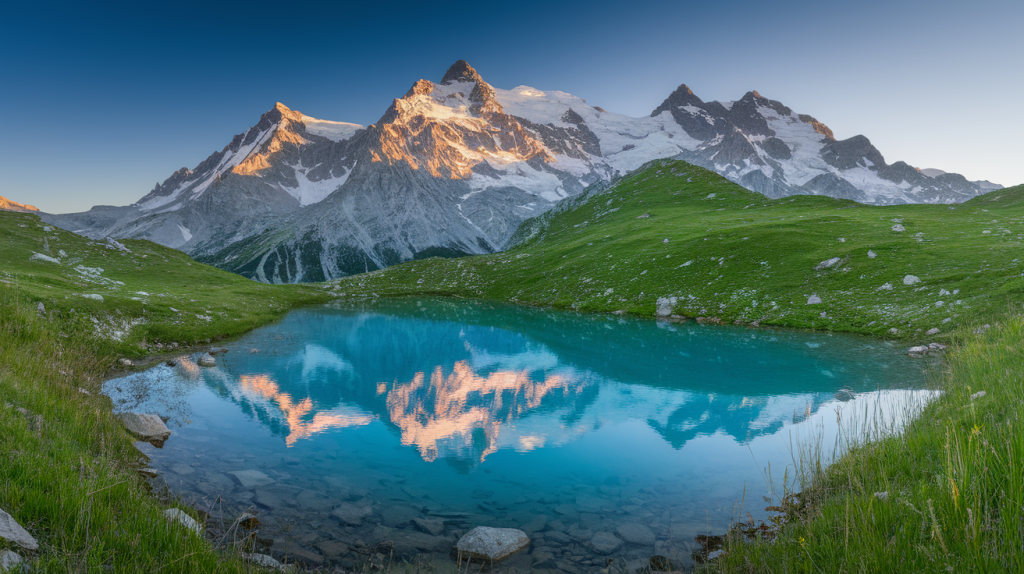
Alpine hot springs hit differently than their coastal counterparts. You’re sitting in naturally heated mineral water while snow falls around you or mountain peaks tower in the distance. The Japanese Alps contain some of Japan’s most spectacular onsen settings, and after a day of hiking, that hot water feels absolutely essential.
First-time onsen visitors worry about the etiquette, but it’s straightforward. Wash thoroughly at the shower stations before entering the bath. Don’t bring towels into the water (you can fold a small towel on your head, though). Keep it quiet and respectful—onsen time is for relaxation, not socializing. Most places separate by gender, though some remote locations offer family or private baths.
My top picks for outdoor baths with unforgettable views? Shin-Hotaka Onsen offers multiple ryokans with rotemburo (outdoor baths) facing the Northern Alps. Hirayu Onsen provides a more traditional village atmosphere with several public bathhouses. For something truly special, some mountain huts along hiking trails offer basic but incredibly scenic hot spring facilities—imagine soaking while literally surrounded by alpine peaks.
Hakuba: Where Hot Springs Meet Adventure
Hakuba Valley gained international fame as a Winter Olympics host, but this collection of ski resorts transforms into an outdoor playground year-round. Summer brings incredible hiking, mountain biking, and some of the region’s best onsen experiences. Winter obviously delivers world-class skiing and snowboarding, with powder snow that consistently ranks among the best in the world.
The valley contains numerous hidden gem ryokans where you can experience traditional Japanese hospitality at its finest. These family-run inns typically include kaiseki dinners (multi-course traditional meals) featuring local ingredients like mountain vegetables, river fish, and premium beef. Your room overlooks mountain scenery, and the property’s onsen uses natural hot spring water pumped directly from underground sources.
Summer hiking in Hakuba accesses multiple valleys and peaks. The Happo Pond hike delivers stunning alpine scenery with relatively modest effort—about 90 minutes up from the gondola station. More ambitious hikers can tackle routes up Mount Shirouma or explore the Tsugaike Nature Park. The valley’s infrastructure (developed for winter sports) means excellent access via lifts and gondolas, making high-altitude hiking accessible even if you’re not an experienced mountaineer.
Hirayu Onsen & Shin-Hotaka Ropeway
Hirayu Onsen village sits along the rushing Hirayu River, where steam rises from multiple hot spring sources throughout town. This traditional onsen village maintains an authentic atmosphere—we’re talking wooden bathhouses that have served locals and travelers for generations, not modern resort complexes. The water here contains high mineral content, particularly effective for muscle recovery and skin conditions.
Combine your onsen visit with the Shin-Hotaka Ropeway for an unforgettable day. This two-stage ropeway system takes you to 2,156 meters elevation, delivering panoramic views across the Northern Alps. The observation deck at the top provides 360-degree mountain scenery that’ll take your breath away. On clear days, you can see Mount Yari, Mount Hotaka, and the entire Oku-Hotaka mountain range.
The effective strategy? Take the ropeway in the morning when visibility tends to be clearest. Spend 1-2 hours at the top exploring the observation decks and short walking trails. Descend by early afternoon and head straight to one of Hirayu’s bathhouses. Your muscles will thank you after all that mountain air and walking. End your day with local specialties like Hida beef, sansai (mountain vegetables), or the region’s famous soba noodles made with mountain spring water.
Seasonal Activities & Outdoor Adventures
Winter Wonderland: Skiing, Snowboarding & Snow Sports
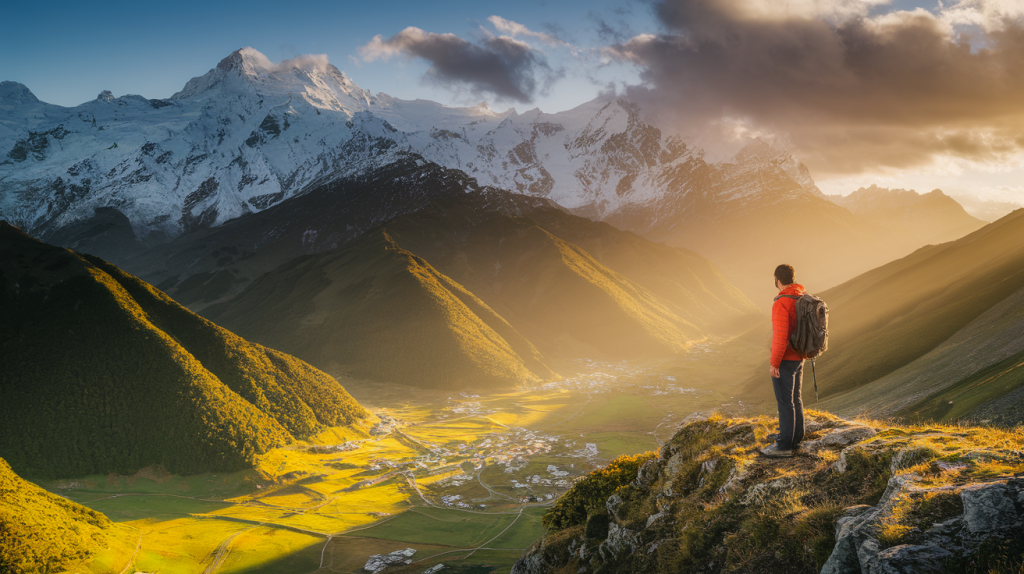
The Japanese Alps receive some of the heaviest snowfall on Earth thanks to cold Siberian air masses picking up moisture over the Sea of Japan. This creates the legendary “Japow”—light, dry powder snow that skiers and snowboarders travel across the globe to experience. We’re talking consistent snow depths of 10-15 meters in peak season.
Hakuba Valley leads the pack with interconnected resorts offering terrain for every skill level. Happo-One hosted Olympic events and provides challenging runs for experts, while Hakuba Goryu and Iwatake cater to intermediate skiers. Shiga Kogen, one of Japan’s largest ski areas, spreads across multiple peaks with 80+ runs and rarely feels crowded despite its size. Both areas offer English-speaking staff and international-friendly facilities.
Non-skiers have plenty of options too. Snowshoeing lets you explore winter landscapes at your own pace—many resorts offer guided snowshoe tours through pristine forests and frozen waterfalls. Snow festivals light up several mountain towns in February, featuring ice sculptures, local food stalls, and traditional performances. The Kamakura Festival in certain villages lets you experience snow houses lit by candles, creating magical winter scenes.
Spring & Summer: Hiking Paradise
Once the snow melts (typically May through October), the Japanese Alps reveal hundreds of kilometers of hiking trails ranging from easy valley walks to serious multi-day alpine routes. The scenery shifts from snow-covered peaks to vibrant green meadows filled with wildflowers, then to brilliant autumn colors.
For different fitness levels, I recommend these proven routes: Beginners should stick to Kamikochi’s riverside trails or the Tsugaike Nature Park boardwalk—both deliver stunning scenery on well-maintained, mostly flat paths. Intermediate hikers can tackle Mount Norikura (accessible via bus to 2,700 meters, then a manageable summit hike) or the Karasawa Cirque trail from Kamikochi. Experienced mountaineers have endless options, including multi-day traverses of the Northern Alps ridge or technical climbs up peaks like Mount Yari.
Alpine flower meadows peak at different elevations throughout summer. Lower altitude areas bloom in June and early July, while high alpine zones explode with color in late July and August. The Kurobe Gorge and areas around Murodo are particularly famous for their flower displays. Essential gear includes proper hiking boots (trails can be rocky and steep), layers for changing weather, plenty of water, and a detailed trail map. Mountain weather changes rapidly—always check forecasts and start early to avoid afternoon thunderstorms.
Autumn Colors & Mountain Photography
Fall transforms the Japanese Alps into a photographer’s dream. The mountains create a natural gradient of color as autumn progresses—higher elevations turn first, creating bands of red and gold that gradually descend through September and October. Peak timing varies by elevation and location, but generally mid-October hits the sweet spot for most areas.
Proven spots for capturing incredible foliage shots include the Kamikochi valley (particularly around Kappa Bridge and Taisho Pond), the Tateyama Kurobe Alpine Route (the ropeway sections offer aerial perspectives), and the hillsides around Takayama. Sunrise and sunset provide the best light—that golden hour glow makes the colors absolutely pop. Overcast days work well too, providing even lighting that prevents harsh shadows.
Combining hiking with photography yields amazing results. The trail from Kamikochi to Tokusawa offers constantly changing perspectives of fall colors against mountain backdrops. Mount Norikura’s accessibility means you can reach high-altitude autumn scenery without extreme hiking. Pack a lightweight tripod for those long-exposure waterfall shots, bring extra batteries (cold mountain air drains them faster), and consider a polarizing filter to enhance those vibrant autumn colors and reduce glare from water features.
Start Planning Your Japanese Alps Adventure
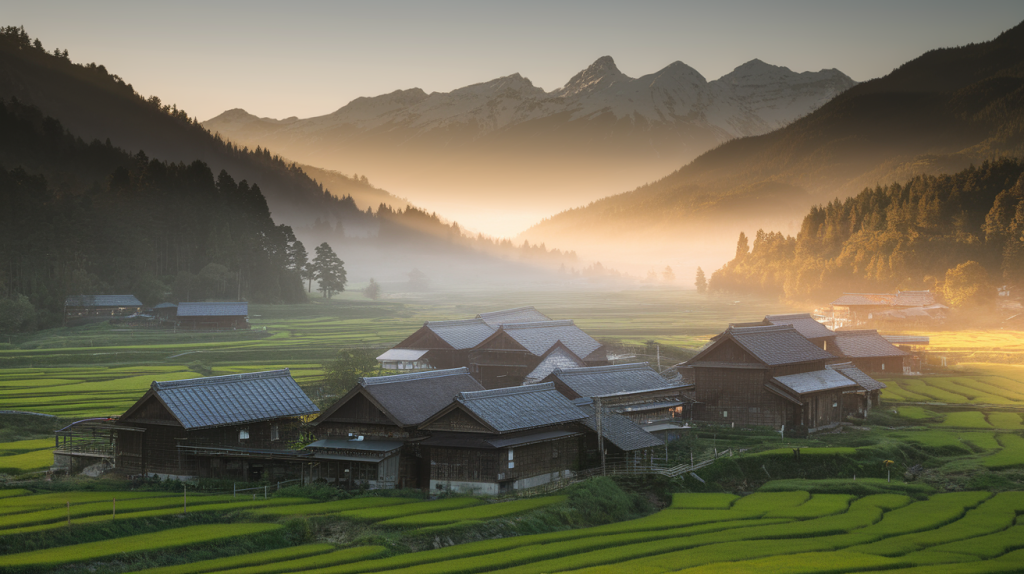
The Japanese Alps deliver that perfect blend of natural beauty, cultural authenticity, and outdoor adventure that makes Japan such a remarkable destination. You’re not choosing between scenic mountains and traditional culture—you’re getting both, often in the same day. Walk historic post towns in the morning, hike through pristine alpine valleys in the afternoon, and soak in mountain hot springs as the sun sets behind snow-capped peaks.
Here’s your action plan: Start by choosing your season based on what experiences matter most to you. Winter means world-class skiing and those incredible snow scenes. Spring delivers the famous Snow Corridor and blooming flowers. Summer opens up all the hiking trails and comfortable weather. Autumn brings those stunning fall colors. Each season works—you’re just picking different adventures.
Book accommodations early, especially for popular areas like Takayama, Kamikochi, and Shirakawa-go. Traditional ryokans fill up months in advance during peak seasons. Consider basing yourself in one or two locations and taking day trips rather than moving hotels constantly—Takayama and Matsumoto both work excellently as base towns with good transportation connections.
The Japanese Alps welcome all types of travelers. You don’t need to be an experienced mountaineer to enjoy this region (though serious hikers will find plenty of challenges). Families, solo travelers, photographers, culture enthusiasts, and adventure seekers all find experiences that resonate with them. The infrastructure is excellent, English signage exists in major areas, and locals genuinely want to share their mountain heritage with visitors.
Pin your favorite activities from this guide and start building your itinerary. Whether you’re planning a week-long mountain adventure or adding a few days to a broader Japan trip, the Japanese Alps will exceed your expectations. This region shows you a side of Japan that most travelers miss—and once you experience it, you’ll understand why those who discover the mountains keep coming back. The peaks are calling. Time to answer.