7 Beginner Hiking Tips for a Safe Start

You’ve seen those breathtaking trail photos on social media. You’ve felt that pull toward the mountains, forests, and wild places that seem to call your name. You’re ready to lace up those boots and hit the trail—but where do you actually start?
Here’s the truth: hiking isn’t complicated, but it does require some preparation. The difference between a miserable first experience and an unforgettable adventure often comes down to knowing a few essential principles before you head out.
I’ve watched countless beginners make the same mistakes—wearing cotton in the rain, biting off more than they can chew on their first hike, or heading out without telling anyone their plans. These errors are avoidable, and they shouldn’t keep you from discovering one of the most rewarding outdoor activities available.
This guide gives you seven practical, safety-conscious tips that will set you up for success from day one. You don’t need to be an athlete or spend thousands on gear. You just need the right information and a willingness to explore. Let’s get you trail-ready.
Start Small and Choose Beginner-Friendly Trails

The biggest mistake new hikers make? They go too hard, too fast. That stunning 10-mile mountain summit hike might look epic on Instagram, but it’s not where you should start your hiking journey.
Know Your Fitness Level
Be honest with yourself about your current physical condition. If you’re winded after climbing two flights of stairs, that’s valuable information. There’s no shame in starting exactly where you are—every experienced hiker began as a beginner.
For your first few outings, stick with flat, well-maintained paths under 3 miles. These shorter distances let you focus on learning the basics without exhausting yourself. You’ll discover how your body responds to sustained walking, how much water you actually need, and what pace feels comfortable for you.
As your stamina builds, gradually increase both distance and elevation. Add a mile here, tackle a gentle incline there. This progressive approach prevents injury and keeps hiking enjoyable rather than punishing. Within a few months, you’ll be amazed at what feels easy compared to where you started.
Research Trail Difficulty Ratings
Not all trails are created equal, and the rating system exists for good reason. Use hiking apps like AllTrails, Hiking Project, or local park websites to find beginner-friendly options near you. Look specifically for trails marked “easy” with minimal elevation gain—generally under 500 feet for your first several hikes.
These ratings consider factors like trail surface quality, steepness, length, and technical difficulty. An “easy” trail typically features a well-maintained path, gentle grades, and clear signage. You won’t be scrambling over rocks or navigating confusing junctions.
Read recent reviews before you go. Trail conditions change with weather, seasons, and maintenance schedules. Other hikers will mention if the path is currently muddy, if stream crossings are difficult, or if signage is poor. This real-time intelligence helps you avoid unpleasant surprises.
Pick Scenic, Popular Routes First
Popular trails offer significant advantages for beginners. You’ll encounter other hikers throughout your journey, which provides both safety and reassurance. If you have questions, need directions, or face an emergency, help is nearby.
Well-traveled routes also feature better signage and more maintained paths. Parks invest more resources in their showcase trails, meaning you’ll find clearer markers, bridges over streams, and regularly cleared obstacles.
Don’t worry about crowds ruining your nature experience. Even popular trails offer moments of serenity, and you’ll appreciate the company as you build confidence. Plus, these routes are popular for a reason—they deliver stunning views, waterfalls, wildflowers, or other natural rewards that make the effort worthwhile.
Local favorites provide the perfect training ground. Once you’ve mastered these accessible gems, you’ll have the skills and confidence to explore more remote, challenging terrain.
Invest in Essential Gear (Without Breaking the Bank)

You don’t need a garage full of expensive equipment to start hiking. But a few key items make the difference between a comfortable adventure and a painful ordeal.
The Ultimate Footwear Foundation
Your feet are your hiking engine, and proper footwear is non-negotiable. This is where you should invest first. Quality hiking boots or trail shoes provide ankle support, traction on varied terrain, and protection from rocks and roots.
Visit an outdoor retailer where staff can assess your gait and recommend appropriate options. Everyone’s feet are different—what works for your friend might torture you. Try on multiple pairs with the socks you’ll actually wear hiking (thick, moisture-wicking hiking socks, not your everyday cotton ones).
Here’s the critical step most beginners skip: break in your footwear before hitting the trail. Wear your new boots or shoes around town, to the grocery store, on neighborhood walks. This process molds them to your feet and reveals any problem areas before you’re miles from your car with developing blisters.
Choose waterproof options if your budget allows. Wet feet mean miserable hiking, and weather can change quickly in many environments. Waterproof footwear keeps you comfortable through morning dew, stream crossings, and unexpected rain showers.
Pack the Ten Essentials
The outdoor community has established a list of ten essential items every hiker should carry, regardless of trip length. These items address navigation, sun protection, insulation, illumination, first aid, fire, repair, nutrition, hydration, and emergency shelter.
Start with navigation tools. Bring a physical map of your area and learn basic compass skills. Download offline maps to your phone using apps like AllTrails or Gaia GPS—cell service disappears quickly in wild areas.
Sun protection matters more than you think. Even on cloudy days, UV radiation affects you at elevation. Pack sunscreen (SPF 30 or higher), sunglasses, and a hat with a brim.
Your first aid kit should include adhesive bandages, gauze, medical tape, antiseptic wipes, pain relievers, and any personal medications. Add blister treatment supplies—moleskin or blister bandages save hikes.
Carry extra food beyond what you plan to eat. Energy bars, trail mix, and dried fruit provide emergency calories if you’re delayed. Bring more water than you think you need, or carry a water filter for longer trips.
Pack a lightweight emergency blanket, fire starter (waterproof matches or lighter), and a basic multi-tool. Add a headlamp or flashlight with extra batteries. You probably won’t need these items on a standard day hike, but they’re literal lifesavers in emergencies.
Dress in Layers for Comfort
“Cotton kills” is a hiking mantra for good reason. Cotton absorbs moisture and stays wet, pulling heat from your body. Choose moisture-wicking synthetic or merino wool base layers instead. These fabrics move sweat away from your skin and dry quickly.
Layer your clothing so you can adjust as conditions change. Start with that moisture-wicking base layer, add an insulating mid-layer (fleece or lightweight puffy jacket), and top with a waterproof, breathable outer shell.
Even on warm, sunny days, bring an extra insulating layer. Temperature drops with elevation, and mountain weather changes rapidly. That jacket stays in your pack most of the time—until the moment you desperately need it.
Your waterproof jacket is essential regardless of the forecast. Afternoon thunderstorms appear seemingly from nowhere in many regions. A lightweight, packable rain jacket weighs ounces and provides critical protection.
Master Basic Navigation and Trail Safety

Getting lost ranks among hikers’ top fears, but it’s largely preventable with proper preparation and awareness.
Never Rely Solely on Your Phone
Your smartphone is a useful tool—until the battery dies, you drop it on a rock, or you enter an area without cell coverage. Technology fails, often at the worst possible moment.
Before every hike, download offline maps of your trail and surrounding area. AllTrails Pro, Gaia GPS, and similar apps allow offline access to detailed topographic maps. This feature works without cell service or data connection.
Carry a physical map and learn basic compass skills. You don’t need advanced orienteering knowledge, but understanding how to identify major landmarks, determine which direction you’re traveling, and relate the map to the terrain around you provides crucial backup navigation.
Tell someone your hiking plan before you leave. Share which trail you’re hiking, when you’re starting, and when you expect to return. If something goes wrong and you don’t check in, someone knows where to send help. This simple step has saved countless lives.
Stay on Marked Trails
That shortcut through the meadow might look tempting, but staying on established trails protects both you and the environment. Wandering off-path damages fragile ecosystems—plants, soil, and wildlife habitats that took years to develop.
Following marked trails also prevents you from getting lost. Trail designers choose routes for good reasons: safety, sustainability, and navigability. When you leave the path, you lose those advantages.
Learn to recognize trail markers in your area. Some trails use painted blazes on trees, others use cairns (carefully stacked rocks), and some feature wooden signs at junctions. Pay attention to these markers, especially at confusing intersections.
If trail markers disappear or become unclear, stop. Retrace your steps to the last confirmed marker rather than pushing forward and hoping you’re going the right way. It’s better to lose 10 minutes backtracking than to spend hours genuinely lost.
Turn back if conditions become unsafe. There’s no shame in choosing safety over summiting. Trails will still be there next week, next month, next year. Your ego isn’t worth risking your life.
Understand Weather and Timing
Weather knowledge separates safe hikers from statistics. Check detailed forecasts before every trip, and be prepared to postpone if conditions look dangerous. Thunderstorms, high winds, extreme heat, and winter conditions all create serious hazards.
In mountain environments, afternoon thunderstorms are common during certain seasons. Lightning on exposed ridges and summits is deadly serious. Start your hikes early—ideally at sunrise or shortly after—to complete your outing before storms develop.
Calculate your turnaround time before you start. If sunset is at 7 PM and you’re starting a 4-hour round-trip hike at 4 PM, you’re setting yourself up for a dangerous situation. You need to be off the trail before dark, with a safety buffer for unexpected delays.
Most beginners underestimate how long hikes actually take. The advertised time assumes average fitness and ideal conditions. Add time if you’re still building endurance, if you plan to take photos, or if you’ll be hiking with children. A better rule: assume everything takes longer than you think.
Prepare Your Body and Practice Leave No Trace
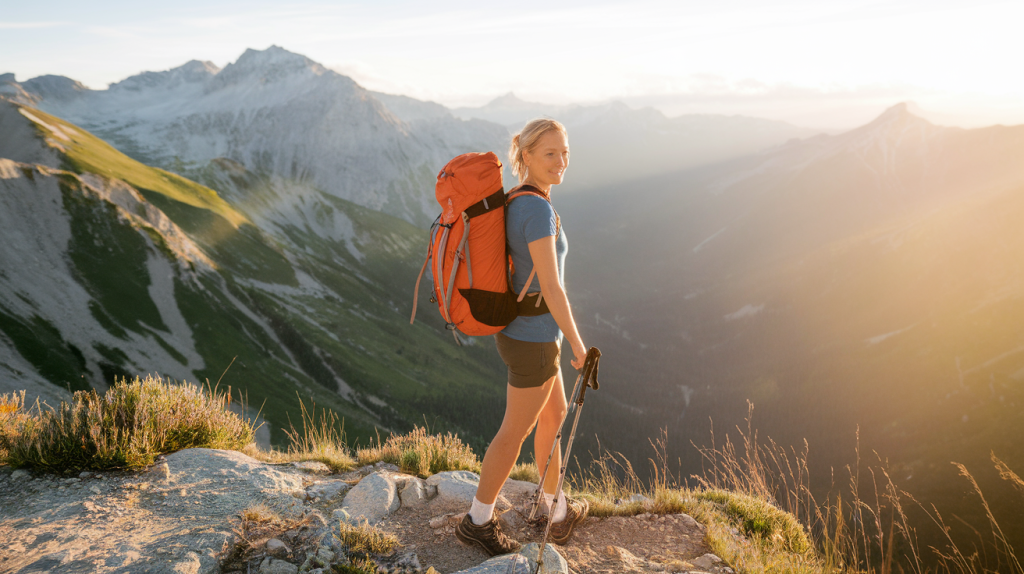
Physical preparation and environmental responsibility go hand-in-hand with safe, enjoyable hiking.
Build Hiking-Specific Fitness
Hiking uses muscles differently than gym workouts or running. You’ll primarily engage your legs, core, and cardiovascular system, but the sustained, varied movement pattern is unique.
Before tackling longer or steeper trails, build your hiking-specific fitness. Walk regularly with gradually increasing distance and elevation. Find stairs or hills in your neighborhood and incorporate them into training walks. Strengthen your legs with squats, lunges, and step-ups.
Your core stabilizes your body on uneven terrain and supports your pack weight. Add planks, side planks, and rotational exercises to your routine. Strong core muscles prevent lower back pain on longer hikes.
Practice walking with a loaded backpack. Fill your pack with water bottles or other weight and wear it around your neighborhood. This preparation acclimates your shoulders, back, and hips to carrying load. Start light and gradually increase weight as your body adapts.
Stretch before and after hikes to prevent soreness and reduce injury risk. Focus on your calves, hamstrings, quadriceps, hip flexors, and lower back. Dynamic stretches (leg swings, walking lunges) work well before hiking, while static stretches (holding positions for 30 seconds) are better afterward.
Fuel and Hydrate Properly
Dehydration is one of the most common hiking problems, and it’s entirely preventable. Drink water consistently throughout your hike, not just when you feel thirsty. By the time thirst registers, you’re already mildly dehydrated.
Plan for at least half a liter (about 17 ounces) of water per hour of moderate hiking. Increase this amount in hot weather, at high elevation, or on strenuous trails. Carry more than you think you’ll need—water is heavy, but dehydration is dangerous.
For hikes longer than an hour, bring high-energy snacks. Trail mix, energy bars, dried fruit, nuts, and jerky provide quick calories that keep your energy stable. Eat small amounts regularly rather than waiting until you’re famished.
Avoid relying solely on caffeinated beverages. Coffee and energy drinks don’t hydrate as effectively as water and can actually increase fluid loss. Save the celebratory coffee for after your hike.
On longer trips, consider electrolyte replacement. When you sweat heavily, you lose sodium, potassium, and other minerals that water alone doesn’t replace. Electrolyte tablets, sports drinks, or salty snacks help maintain proper balance.
Respect Nature and Fellow Hikers
Leave No Trace principles protect the wild places we love to explore. These seven guidelines ensure hiking areas remain beautiful and wild for future generations.
Pack out everything you pack in—and I mean everything. Food wrappers, orange peels, even biodegradable items should go home with you. What you consider trash, wildlife might investigate, disrupting their natural behavior.
Stay on established trails and campsites to minimize your impact. Don’t cut switchbacks or create new paths. These shortcuts cause erosion and damage vegetation.
Dispose of waste properly. If there’s no bathroom, bury human waste in a hole 6-8 inches deep, at least 200 feet from water sources, trails, and campsites. Pack out toilet paper in a sealed bag.
Leave natural objects where you find them. That perfect rock, beautiful flower, or interesting artifact should stay for the next hiker to discover. Take photos, not souvenirs.
Respect wildlife by observing from a distance. Never feed animals—it disrupts their natural diet and behavior, potentially harming them. Store food securely to avoid attracting animals to your location.
Be considerate of other hikers. Yield to uphill hikers on narrow trails—they have momentum and it’s harder for them to restart. Step aside to let faster hikers pass. Keep noise levels down to preserve the natural soundscape everyone came to experience.
Control your pets. If dogs are allowed on your trail, keep them leashed and clean up after them. Not everyone loves dogs, and unleashed pets can disturb wildlife and other hikers.
Now Get Hiking!
You now have the essential knowledge to start your hiking journey safely and confidently. These seven principles—choosing appropriate trails, investing in key gear, mastering navigation, preparing physically, and respecting nature—form the foundation of every successful outdoor adventure.
Remember, every experienced hiker started exactly where you are now. Those people posting epic summit photos? They began with short, easy trails and gradually built their skills and confidence. There’s no shortcut to experience, but there is a clear path forward.
Start this week. Find an easy trail near you, gather your basic gear, and spend a few hours outside. Pay attention to how your body feels, what gear works well, and what you’d do differently next time. Each hike teaches you something new.
The mountains, forests, and wild places are waiting. They don’t care about your fitness level or experience—they welcome everyone who approaches them with respect and preparation. Your first trail is out there, and it’s calling your name.
Lace up those boots. The adventure starts now.
Ready to hit the trail? Download our free printable checklist of the Ten Essentials and share your first hiking experience with our community. What trail will you explore first?