11 Best things to do in Mount Fuji , Japan

Mount Fuji isn’t just Japan’s highest peak—it’s a sacred symbol that has captured hearts for centuries. Rising 3,776 meters above sea level, this perfectly symmetrical volcano dominates the landscape and draws millions of visitors who come seeking everything from spiritual enlightenment to Instagram-worthy photos.
But here’s what most travelers don’t realize: Mount Fuji offers so much more than just the mountain itself. The surrounding region is packed with crystal-clear lakes, traditional hot springs, charming villages, and viewpoints that’ll take your breath away.
Whether you’re an adventure seeker ready to tackle the summit, a photographer hunting for that perfect shot, or someone who simply wants to soak in the beauty from a comfortable distance, Mount Fuji delivers an unforgettable experience.
This guide breaks down the 11 best activities that’ll help you create your ultimate Mount Fuji adventure. I’ve organized everything to make planning simple and stress-free, so you can focus on what matters most—experiencing the magic of Japan’s most iconic destination.
From conquering the summit at sunrise to discovering hidden viewpoints that most tourists miss, you’re about to discover why this region deserves way more than just a quick day trip.
Climb Mount Fuji: The Ultimate Summit Experience
Conquer Japan’s Highest Peak
Let’s start with the big one. Climbing Mount Fuji is a bucket-list experience that approximately 300,000 people tackle each year. The official climbing season runs from early July to mid-September, and this timing isn’t random—outside these months, the mountain becomes dangerously cold with unpredictable weather and closed facilities.
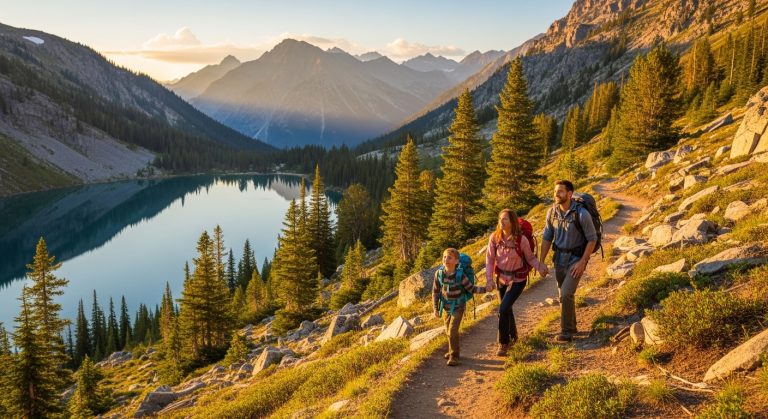
You don’t need to be an Olympic athlete to reach the summit, but you do need reasonable fitness. Think of it as a very long, steep hike rather than technical mountaineering. Most climbers take 5-7 hours to ascend and 3-5 hours to descend. The altitude is the real challenge here—take it slow, stay hydrated, and listen to your body.
The Yoshida Trail is your best bet if you’re a first-timer. It’s the most popular route (which means better facilities and more support) and starts from the 5th Station on the north side. You’ll find mountain huts along the way where you can rest, grab hot food, and even spend the night if you’re planning a sunrise summit.
Essential packing list? Layers are everything. Temperatures drop dramatically as you climb—it can be 30°C at the base and near freezing at the top. Bring waterproof gear, a headlamp with extra batteries, hiking poles, snacks, and at least two liters of water. Don’t forget cash, as most mountain huts don’t accept cards.
Watch the Sunrise from the Summit (Goraiko)
Watching the sunrise from Mount Fuji’s summit—called “Goraiko” or “arrival of light”—is considered a spiritual experience that connects you to centuries of Japanese tradition. The moment when the sun breaks over the horizon and illuminates the landscape below is genuinely life-changing. You’ll understand why Japanese people have worshipped this mountain for generations.
To catch this amazing moment, most climbers start their ascent in the afternoon, rest at a mountain hut around the 7th or 8th station, then wake up around 2 AM to complete the final push. You’ll reach the summit just before dawn, which typically occurs between 4:30 and 5:00 AM during climbing season.
Pro tip: The summit gets crowded during sunrise, so claim your spot early. Dress in every layer you packed—it’s cold and windy up there. Your phone battery will drain fast in the cold, so keep it warm in an inside pocket and bring a portable charger. The photos you’ll capture are worth the effort, but take time to simply experience the moment too.
Alternative: Fuji Subaru Line 5th Station
Not everyone wants (or needs) to climb all the way to the summit, and that’s perfectly fine. The Fuji Subaru Line 5th Station sits at 2,305 meters and offers incredible views without the physical demands of a full summit attempt.
This halfway point is accessible by bus from Kawaguchiko Station and features restaurants, gift shops, and observation areas. You can walk the trails around the station, breathe in the mountain air, and still say you experienced Mount Fuji up close. Many visitors spend an hour or two here, enjoying the views and acclimatizing before deciding whether to climb higher.
The facilities here are excellent, with clean restrooms, hot food, and plenty of photo opportunities. It’s the perfect option for families with young children, travelers with limited time, or anyone who wants to experience the mountain without the commitment of a full climb.
Explore the Stunning Fuji Five Lakes Region
Lake Kawaguchiko: The Most Accessible and Picture-Perfect Lake
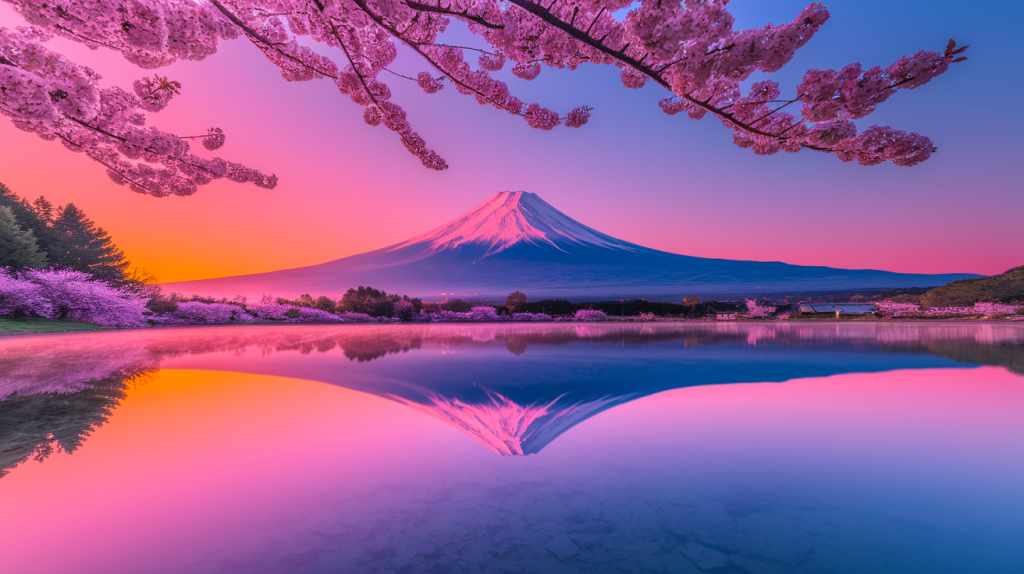
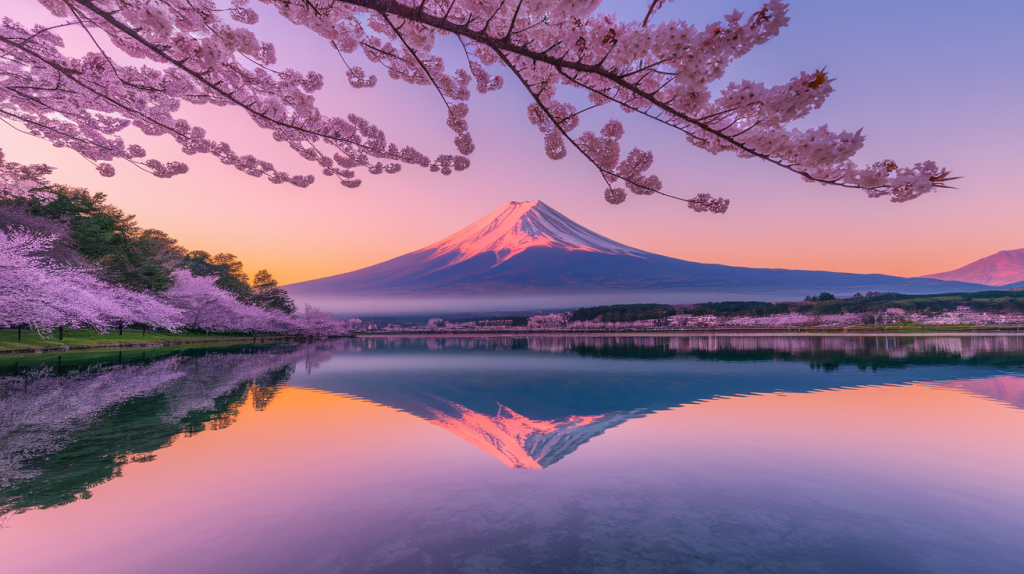
Lake Kawaguchiko is the tourism hub of the Fuji Five Lakes region, and for good reason. This lake offers the most accessible views of Mount Fuji reflected in calm waters—that iconic shot you’ve seen a thousand times on Pinterest actually exists, and it’s even more stunning in person.
The northern shore is where you’ll find the best photo spots. Head there early morning when the water is glassy smooth and the mountain is most likely to be visible (cloud cover is common, so patience pays off). The reflection creates a mirror image that’s absolutely mesmerizing.
The Mount Kachi Kachi Ropeway takes you up to an observation deck that provides panoramic views of the lake and mountain. The three-minute ride is smooth and easy, making it perfect for all ages. At the top, you’ll find the Rabbit and Raccoon shrine (based on a Japanese folktale) and a café where you can enjoy the views with a hot drink.
Kawaguchiko town itself is charming, with plenty of hotels, restaurants, and rental shops. Use this as your base—the train station connects easily to Tokyo, and local buses can take you to all the major attractions around the lakes. You’ll find English signage throughout, making navigation simple even if you don’t speak Japanese.
Lake Yamanakako: Peaceful Natural Beauty
Lake Yamanakako is the largest of the five lakes and offers a more peaceful, less touristy atmosphere. The cycling paths around the lake are perfect for a leisurely afternoon—you can rent bikes near the lake and pedal at your own pace while taking in the mountain views.
The lake is popular for water activities during summer months. You can rent those adorable swan-shaped paddle boats that look fantastic in photos, or try your hand at windsurfing if you’re feeling adventurous. The water is refreshingly cool, and the views of Mount Fuji from the lake surface are unique.
Visit during late spring or early summer, and you’ll discover seasonal flower fields that create stunning foreground compositions for your photos. The Hananomiyako Park features fields of poppies, nemophila, and sunflowers depending on the season—vibrant colors that contrast beautifully with the mountain’s snow-capped peak.
Lake Saiko and Beyond
Lake Saiko is the hidden gem that rewards travelers who venture off the beaten path. This lake sits on the western side of Mount Fuji and typically sees fewer crowds, which means you can enjoy more intimate, peaceful moments with the mountain.
The Saiko Bat Cave and Ice Cave are nearby attractions that add variety to your visit. These natural lava caves maintain freezing temperatures year-round and offer a completely different perspective on the volcanic landscape.
If you’re ambitious, you can visit multiple lakes in one day using the efficient local bus system. The Fuji Hakone Pass offers unlimited travel on most buses and trains in the region, making it cost-effective for active explorers. Each lake has its own character—Lake Shojiko is the smallest and most secluded, while Lake Motosuko appears on the 1,000 yen note and offers dramatic cliffs and deep blue waters.
Capture Instagram-Worthy Photos at Iconic Viewpoints
Chureito Pagoda: The Most Famous Japan Shot
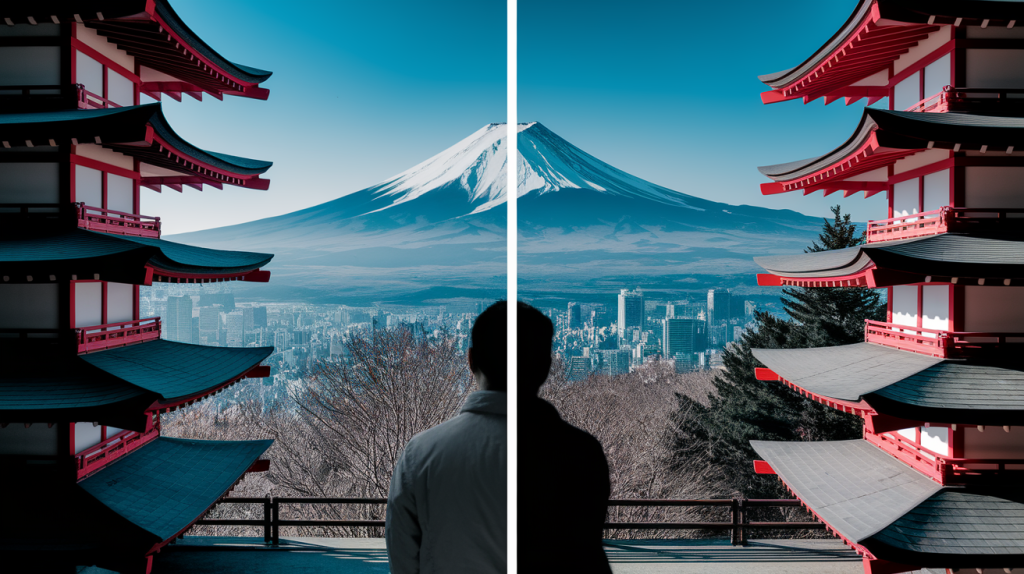
The Chureito Pagoda at Arakurayama Sengen Park delivers that quintessentially Japanese composition: a five-story vermillion pagoda framing Mount Fuji in the background. This is the shot that launched a thousand travel dreams, and it’s just as spectacular in person.
Cherry blossom season (late March to mid-April) is when this location truly shines. The pink blossoms add another layer to the composition, creating a trifecta of Japanese beauty. However, this popularity means crowds—arrive early morning or late afternoon to avoid the worst congestion.
The catch? You’ll need to climb 400 steps to reach the pagoda. But trust me, every step is worth it. Take your time, enjoy the forest atmosphere on the way up, and catch your breath while you frame your perfect shot. The pagoda itself is beautiful up close, and the grounds offer multiple angles for photography.
The park below also features walking paths, seasonal flowers, and peaceful spots for contemplation. Most visitors rush straight to the pagoda and back down, but spending an extra hour exploring the area reveals quieter corners and alternative viewpoints.
Oshino Hakkai: Traditional Village Charm
Oshino Hakkai is a small village built around eight crystal-clear spring ponds fed by snowmelt from Mount Fuji. The water is so pure and clear that you can see straight to the bottom, where coins tossed by visitors glitter in the sunlight.
The traditional thatched-roof houses surrounding the ponds create an authentic atmosphere that feels like stepping back in time. These are working buildings—some are museums, others are shops selling local crafts and snacks. The contrast between the rustic architecture and the majestic mountain creates photos that capture the essence of rural Japan.
The village is compact and walkable, with a simple route that takes you past all eight ponds in about an hour. Each pond has its own character and legend. The water maintains a constant cool temperature year-round, and locals still use it for washing and food preparation.
Try the fresh tofu made with the spring water—it’s creamy and delicate in a way that regular tofu can’t match. Small cafés around the ponds serve traditional snacks and hot drinks, perfect for a mid-morning break.
Imamiya Tea Fields: Vibrant Green Landscapes
The Imamiya Tea Fields in Fuji City offer a completely different aesthetic—vibrant green tea terraces that create stunning contrast with Mount Fuji’s snow-capped peak. May is the ultimate time to visit, when the tea leaves are at their greenest before the first harvest.
The geometric patterns of the tea rows lead your eye naturally toward the mountain, creating compositions that feel both organized and organic. The verdant color is so intense it almost doesn’t look real, especially in morning light when dew still clings to the leaves.
This location is less crowded than the famous spots, giving you space to set up your shot without jostling for position. Local farmers are generally friendly to respectful photographers, but remember you’re in their workplace—stay on designated paths and ask permission before entering private areas.
Several tea shops and cafés in the area offer tastings of locally grown tea. This is your chance to try fresh Shizuoka green tea while learning about the cultivation process from people who’ve been doing it for generations.
Lake Tanuki: Off-the-Beaten-Path Beauty
Lake Tanuki on the southwest side of Mount Fuji offers unique perspectives that most tourists never see. The angle from this lake shows a different profile of the mountain, and the smaller crowds mean you can take your time perfecting your compositions.
The lake is popular with local campers and fishermen, creating a relaxed atmosphere that’s refreshing after visiting the busier tourist spots. You’ll find campgrounds along the shore if you want to extend your stay and catch sunset or sunrise over the mountain.
The southwest shore specifically provides the best views, with clear sightlines to the peak and interesting foreground elements like weathered trees and rocky outcrops. This is where patient photographers come to wait for those perfect conditions—calm water, clear skies, and soft light.
Immerse Yourself in Cultural and Relaxation Experiences

Soak in Traditional Onsen (Hot Springs)
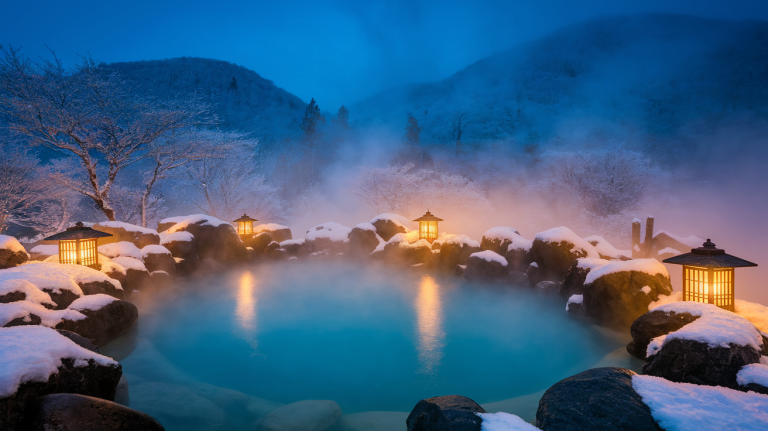
After a day of hiking and sightseeing, nothing beats sinking into a natural hot spring with Mount Fuji views. The region is blessed with numerous onsen fed by volcanic activity, and many offer outdoor baths where you can soak while gazing at the mountain.
Onsen etiquette is simple but essential. You’ll wash thoroughly at the provided stations before entering the communal bath—this isn’t optional, it’s how you show respect for other bathers. Most onsen are separated by gender, and tattoos may be prohibited at traditional establishments (though this is becoming more relaxed).
Around Lake Kawaguchiko, you’ll find several excellent options. Fuji Yurari offers multiple indoor and outdoor baths with mountain views, while Benifuji no Yu provides a more intimate experience. Many ryokan (traditional inns) also open their baths to day visitors for a fee.
The mineral-rich water soothes tired muscles and improves circulation. The Japanese believe regular onsen visits promote health and longevity. Whether that’s scientifically proven or not, you’ll certainly feel relaxed and rejuvenated after a good soak.
Visit Fuji Sengen Shrines
The Fuji Sengen shrines hold deep spiritual significance for Japanese people. These shrines are dedicated to the deity of Mount Fuji and have served as places of worship for centuries. Visiting them adds cultural depth to your trip and helps you understand why this mountain is sacred, not just scenic.
Kitaguchi Hongu Fuji Sengen Shrine sits at the traditional starting point for climbers using the Yoshida Trail. Many climbers stop here to pray for a safe journey before beginning their ascent. The shrine grounds are peaceful, with towering cedar trees that have stood for hundreds of years.
The architecture showcases traditional Japanese design with vermillion buildings, intricate wood carvings, and stone lanterns lining the paths. You don’t need to be religious to appreciate the craftsmanship and tranquility these spaces offer.
Basic shrine etiquette: bow twice, clap twice, make your prayer or wish, then bow once more. You can also purchase omamori (protective charms) or write your wishes on wooden plaques called ema. These small rituals connect you to centuries of tradition.
Sample Local Cuisine and Specialties
Hoto noodles are the essential comfort food of the Fuji region. These thick, flat wheat noodles are simmered in miso-based soup with vegetables and often pumpkin. The dish originated as hearty sustenance for farmers and climbers, and it’s perfect after a day in the cool mountain air.
The lakes provide fresh-caught fish, particularly trout and smelt. Local restaurants serve them grilled with just salt, allowing the clean, delicate flavor to shine. Pair your meal with local sake—several breweries in the region use the pure snowmelt from Mount Fuji in their production, creating exceptionally smooth sake.
Don’t miss trying Fujisan cookies or other Mount Fuji-shaped treats. While they might seem touristy, many are actually delicious and make perfect gifts. The region also produces excellent dairy products—the cool climate and pure water create ideal conditions for dairy farming.
Explore Fuji-Q Highland
Fuji-Q Highland amusement park offers thrilling roller coasters with amazing mountain views—a unique combination you won’t find anywhere else. This park holds multiple world records for its extreme rides, including some of the fastest and tallest coasters in existence.
Even if you’re not a thrill-seeker, the park offers gentler attractions, themed areas (including a popular horror section), and excellent food options. Families with children will find plenty of age-appropriate rides and activities.
The park provides an effective way to combine fun with sightseeing. You’ll catch glimpses of Mount Fuji between screams on the coasters, creating memories that blend adventure with natural beauty. It’s especially popular with Japanese visitors, giving you a chance to experience local leisure culture.
Create Your Perfect Mount Fuji Adventure
Mount Fuji and its surrounding region offer an incredible diversity of experiences that cater to every type of traveler. Whether you’ve conquered the summit at sunrise, captured that perfect reflection shot at Lake Kawaguchiko, or simply relaxed in an onsen with mountain views, you’ve connected with one of Japan’s most powerful symbols.
The 11 activities in this guide give you a complete framework for planning your visit. Mix and match based on your interests, fitness level, and available time. Adventure seekers can focus on climbing and outdoor activities. Photography enthusiasts can chase the perfect shot across multiple viewpoints. Culture lovers can dive deep into shrines, onsen, and local cuisine. The beauty of this destination is that you don’t have to choose just one approach—you can create your own perfect combination.
Essential planning tips to remember: July through September offers the best weather for climbing, but spring brings cherry blossoms and autumn delivers stunning foliage. Use Kawaguchiko Station as your base for easy access to most attractions. Cloud cover is common, so build flexibility into your schedule—that extra day might reward you with crystal-clear views. The Fuji Hakone Pass saves money if you’re planning multiple days of exploration.
Mount Fuji has inspired artists, poets, and pilgrims for centuries. Now it’s your turn to experience the magic that makes this mountain so much more than just a pretty peak. Whether you’re standing on the summit as the sun rises, watching the mountain’s reflection ripple across a lake, or soaking in hot spring waters while snow falls gently around you, Mount Fuji creates moments that stay with you forever.
Start planning your journey today. Research your accommodation options, check the climbing season dates if that’s your goal, and begin dreaming about which viewpoints you’ll visit first. Japan’s most iconic destination is waiting to welcome you, and trust me—it’ll exceed every expectation you have. The mountain, the lakes, the culture, and the experiences combine to create something truly special. Your Mount Fuji adventure is calling.