Ultimate 7-Day Iceland Itinerary: The Complete Ring Road Adventure

Planning a week in Iceland shouldn’t feel overwhelming, but let’s be honest. When you’re staring at a map of this incredible island with its waterfalls, glaciers, and geothermal pools, it’s easy to feel paralyzed by choices. I’ve got you covered with a practical, day-by-day breakdown that takes the guesswork out of your adventure.
This itinerary follows Iceland’s famous Ring Road, giving you the perfect mix of must-see attractions and hidden gems without the stress of backtracking.
You’ll experience dramatic waterfalls, walk on black sand beaches, marvel at floating icebergs, and soak in natural hot springs—all while keeping your driving time reasonable and your budget flexible.
The beauty of this route? It’s designed for first-time visitors who want to see Iceland’s greatest hits without rushing. Each day builds on the last, moving you naturally around the island while leaving room for spontaneous stops when that perfect photo opportunity appears.
You’ll cover roughly 1,300 kilometers (about 800 miles) of some of the most stunning landscapes on Earth, and trust me, every single kilometer delivers something extraordinary.
Whether you’re chasing the midnight sun in summer or hoping to catch the Northern Lights in winter, this itinerary adapts to your travel season.
I’ll share essential tips for timing, accommodations, and those little details that transform a good trip into an unforgettable adventure. Ready to plan the Iceland journey you’ve been dreaming about? Let’s dive in.
Planning Your Perfect Week: Essential Tips Before You Go
Best Time to Visit for a 7-Day Trip
Your Iceland experience changes dramatically depending on when you visit, and there’s honestly no wrong season—just different adventures. Summer months from June through August bring the magical midnight sun, where daylight extends nearly 24 hours. This means more time for exploration, all roads stay accessible, and you can tackle the complete Ring Road without weather concerns. The trade-off? Higher prices and more tourists at popular spots.
Winter travel from November through March offers something entirely different: the mesmerizing Northern Lights dancing across dark skies, access to crystal-blue ice caves inside glaciers, and significantly fewer crowds. You’ll need extra caution for winter driving, and some highland roads close completely, but the ethereal beauty makes it worthwhile for adventurous travelers.
The shoulder seasons—April through May and September through October—deliver the sweet spot many experienced travelers prefer. You’ll find better accommodation rates, moderate weather that’s manageable with proper layers, and in fall, those stunning golden and red landscapes that photographers dream about. September and early October also offer decent chances for Northern Lights without the harsh winter conditions.
Quick Logistics That Make Travel Easy
Renting a 4WD vehicle isn’t just recommended—it’s essential for this itinerary. Even in summer, you’ll encounter gravel roads, potential river crossings, and unpredictable weather that demands higher clearance and all-wheel drive. Book your rental at least 2-3 months in advance, especially for summer travel, as prices skyrocket and availability disappears for last-minute planners.
For accommodations, I recommend mixing guesthouses, hotels, and unique stays like farm lodgings. This approach keeps costs reasonable while adding local character to your trip. Book your first and last nights in Reykjavik in advance, then secure rooms along the Ring Road in the towns I’ll mention for each day. Flexibility helps, but having reservations eliminates stress after long driving days.
Packing for Iceland means embracing the layer system. Bring waterproof outer shells, warm mid-layers like fleece or wool, moisture-wicking base layers, and sturdy waterproof hiking boots. The weather changes rapidly—you might experience sun, rain, and wind within the same hour. Add a swimsuit for those incredible hot springs, a headlamp for winter visits, and a reusable water bottle since Iceland’s tap water is pristine.
Budget-wise, expect to spend $150-200 per day per person, covering mid-range accommodation ($80-120), meals ($40-60), and gas ($20-30). Activities like glacier walks or ice cave tours add $100-150 each, but many of Iceland’s most spectacular sights—waterfalls, beaches, viewpoints—are completely free.
Understanding Iceland’s Ring Road
Route 1, Iceland’s Ring Road, circles the entire island for 1,332 kilometers of paved highway connecting all major regions except the remote Westfjords. This makes it the ultimate road trip route because you’re constantly moving forward, never retracing your path, while hitting the country’s most iconic destinations.
Average driving times between major stops range from 1.5 to 4 hours, but don’t let Google Maps fool you. Those estimated times don’t account for the dozens of photo stops you’ll make when yet another stunning waterfall or mountain vista demands attention. Add 30-50% to any GPS estimate for a realistic timeline.
Gas stations appear regularly in towns but can be sparse in remote sections, particularly in the East Fjords. Fill up whenever you’re below half a tank, and download the apps Gas and 112 Iceland before you leave. The first helps you locate stations and compare prices, while 112 Iceland provides emergency services and critical weather updates.
Weather considerations matter year-round. Check road.is and en.vedur.is daily for road conditions and forecasts. Summer brings potential high winds and rain, while winter demands vigilance for ice and snow. Never attempt closed roads, and always inform your accommodation if you’re running late—they genuinely worry about travelers in challenging conditions.
Days 1-2: Reykjavik and the Golden Circle
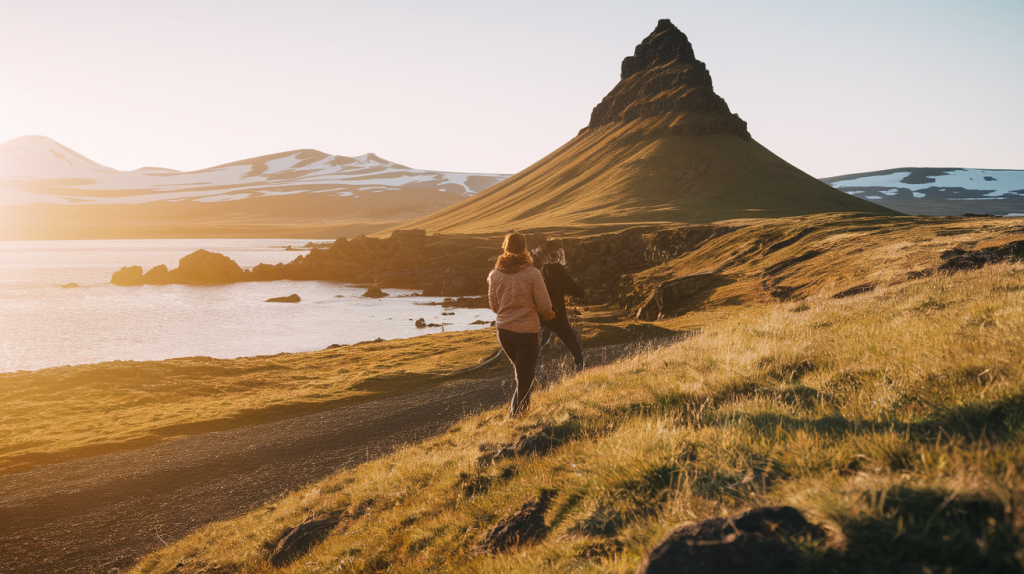
Day 1: Arriving in Reykjavik
Most international flights land at Keflavik Airport early morning, which works perfectly for maximizing your first day. After clearing customs, head straight to your rental car company—most have desks right in the airport.
Take 15 minutes to inspect your vehicle thoroughly and photograph any existing damage. The 45-minute drive into Reykjavik gives you a preview of Iceland’s otherworldly landscapes, with vast lava fields stretching in every direction.
Check into your Reykjavik accommodation (many places allow early check-in if you ask nicely), then spend the afternoon exploring the compact downtown area.
Start at Hallgrímskirkja church, the towering landmark visible from almost everywhere in the city. Pay the small fee to ride the elevator to the observation deck—the panoramic views over colorful rooftops to the mountains and ocean beyond set the stage for your week ahead.
Wander down Laugavegur, the main shopping street packed with Icelandic design stores, cozy cafes, and local boutiques. Grab lunch at one of the many excellent restaurants—try traditional Icelandic meat soup or fresh seafood if you’re feeling adventurous. The downtown area covers maybe 10 blocks, making it simple to explore on foot.
For your evening, consider visiting Sky Lagoon or the famous Blue Lagoon for your first taste of geothermal bathing. Sky Lagoon sits closer to the city with dramatic ocean views, while Blue Lagoon requires a 40-minute drive but offers that iconic milky-blue water you’ve seen in photos.
Both require reservations, so book before you leave home. If you’re exhausted from travel, save the hot springs for later and enjoy dinner at one of Reykjavik’s excellent restaurants. Grandi Mathöll food hall offers diverse options in a casual setting perfect for tired travelers.
Day 2: The Complete Golden Circle Experience
Wake up early for the Golden Circle, Iceland’s most famous day trip route that covers three major attractions within a 300-kilometer loop from Reykjavik. Leave by 8 AM to beat tour buses and enjoy these natural wonders with smaller crowds.
Your first stop, Þingvellir National Park, holds both geological and historical significance. This UNESCO World Heritage site sits in a rift valley where the North American and Eurasian tectonic plates are literally pulling apart.
Walk the wooden pathway through Almannagjá gorge, standing between two continents—a surreal experience you can’t replicate anywhere else on Earth.
The park also hosted Iceland’s ancient parliament from 930 AD, making it the birthplace of Icelandic democracy. Plan for two hours here, including the short walk to Öxarárfoss waterfall.
Next, drive to the Geysir Geothermal Area, where the ground literally bubbles and steams around you. While the original Geysir rarely erupts anymore, its neighbor Strokkur faithfully shoots boiling water 20-30 meters into the air every 5-10 minutes.
Position yourself upwind to avoid the spray, and watch multiple eruptions—each one feels as exciting as the first. The entire geothermal field features colorful hot springs and mud pots worth exploring. One hour here gives you plenty of time.
Finish at Gullfoss, the “Golden Falls,” where the Hvítá river plunges 32 meters into a dramatic canyon in two stages. The sheer power and volume of water creates constant mist and often rainbows on sunny days.
Walk down to the lower viewing platform to feel the thundering force—it’s absolutely breathtaking. Forty-five minutes allows time for photos from multiple angles.
If you’re not exhausted, add Kerið Crater, a 3,000-year-old volcanic crater filled with striking blue-green water, or Secret Lagoon in Flúðir for a more authentic, less touristy hot spring experience than Blue Lagoon. Both add about an hour to your day.
Where to Stay: South Iceland Base
Instead of returning to Reykjavik, drive another 30-60 minutes east to towns like Selfoss, Hveragerði, or Hella. This strategic positioning cuts 1-2 hours off tomorrow’s drive, giving you more time at South Coast attractions. These small towns offer excellent guesthouses and hotels at lower prices than Reykjavik, plus you’ll experience authentic Icelandic village life.
Days 3-4: South Coast Wonders and Glacier Adventures

Day 3: Waterfalls and Black Sand Beaches
Day three delivers some of Iceland’s most iconic sights packed into a manageable drive. Start early because you’ll want plenty of time at each stop without feeling rushed.
Seljalandsfoss appears first, about an hour from your South Iceland base. This unique waterfall lets you walk completely behind the cascading water via a pathway carved into the cliff. Bring waterproof gear—you will get soaked, but the perspective from behind the falls makes it worthwhile.
The surrounding cliffs create a natural amphitheater, and if you’re lucky enough to visit during golden hour, the light filtering through the water creates pure magic.
Nearby Gljúfrabúi waterfall hides in a narrow canyon, requiring you to wade through a shallow stream to see it—a perfect bonus stop that most tourists miss.
Twenty minutes east, Skógafoss demands your attention with its 60-meter drop and constant rainbow-producing mist. Climb the 527 steps alongside the waterfall to the viewing platform above—yes, your legs will burn, but the panoramic views over the coastline reward every step.
From the top, you can see the walking trail that continues to more waterfalls for serious hikers, though most visitors stick to the main attraction.
Continue to Reynisfjara Black Sand Beach, consistently ranked among the world’s most beautiful beaches. The jet-black volcanic sand contrasts dramatically with white foam from powerful Atlantic waves, while hexagonal basalt columns rise from the cliff face like a natural cathedral.
The Reynisdrangar sea stacks stand offshore, and according to legend, they’re trolls who stayed out past sunrise and turned to stone.
This beach is stunning but dangerous—sneaker waves have killed tourists who ventured too close to the water. Stay well back from the surf, never turn your back on the ocean, and heed all warning signs.
Lunch in the charming village of Vík, Iceland’s southernmost town, where colorful buildings cluster below dramatic cliffs. Vík offers several good restaurants and a chance to stretch your legs before continuing east. If weather permits, drive up to Reynisfjara Church on the hill for incredible views over the town and coastline.
End your day in Vík or continue another hour to Kirkjubæjarklaustur, a tiny village that serves as a perfect base for tomorrow’s glacier adventures. Both locations offer good accommodation options and restaurants.
Day 4: Glaciers and Diamond Beach
Today takes you into Iceland’s glacier country, where massive ice caps dominate the landscape. The drive from Vík to Jökulsárlón covers about 200 kilometers through increasingly dramatic scenery, with Vatnajökull glacier looming larger as you travel east.
Stop at Skaftafell Nature Reserve, part of Vatnajökull National Park, for easy glacier access and stunning hiking trails. The most popular route leads to Svartifoss waterfall, where basalt columns frame the falls like organ pipes—the walk takes about 90 minutes round trip with moderate elevation gain. If you’ve booked a glacier walk tour, this is where you’ll meet your guide for a 3-4 hour adventure onto the ice.
Walking on a glacier, seeing the deep blue crevasses, and learning about glacial movement from expert guides creates an unforgettable experience. Tours cost around $100-150 but deliver value through both adventure and education.
The highlight of your entire week awaits at Jökulsárlón Glacier Lagoon. Massive icebergs calved from Breiðamerkurjökull glacier float serenely in the deep lagoon, ranging from brilliant white to stunning blue depending on their age and air content.
Seals often swim among the ice, and the constantly changing iceberg formations mean no two visits are identical. Walk along the shore, and if you have budget flexibility, consider a boat tour among the icebergs—zodiac tours get you closest to the ice, while amphibious boat tours offer comfort and still-excellent views.
Cross the Ring Road to Diamond Beach, where icebergs from the lagoon wash up on black volcanic sand after floating out to sea. The contrast of crystal-clear ice against dark sand, especially during golden hour, creates some of Iceland’s most photographed scenes.
The “diamonds” range from car-sized chunks to small crystals, scattered along the beach in an ever-changing display as waves bring new ice and carry old pieces away.
Spend the night in Höfn, a fishing village famous for its langoustine (Icelandic lobster). After a long day, treat yourself to dinner at one of the harbor restaurants—the fresh seafood here rivals anywhere in Iceland. Höfn also offers the best selection of accommodations in this region, from budget guesthouses to comfortable hotels.
Essential Photography Tips
The soft light during Iceland’s extended golden hours—roughly two hours after sunrise and before sunset in summer—transforms good photos into extraordinary ones.
The South Coast faces south (obviously), making it perfect for afternoon and sunset photography. At Jökulsárlón and Diamond Beach, both sunrise and sunset work beautifully, so plan accordingly based on your energy levels.
Safety matters more than photos. At Reynisfjara, those sneaker waves are real threats—stay at least 30 meters from the water’s edge.
Near glaciers and icebergs, never climb on the ice at Diamond Beach (it’s slippery and can roll) or approach calving glacier faces. The incredible photos aren’t worth risking your life or ruining everyone else’s trip with a rescue operation.
Days 5-7: East Fjords, North Iceland, and Return Journey
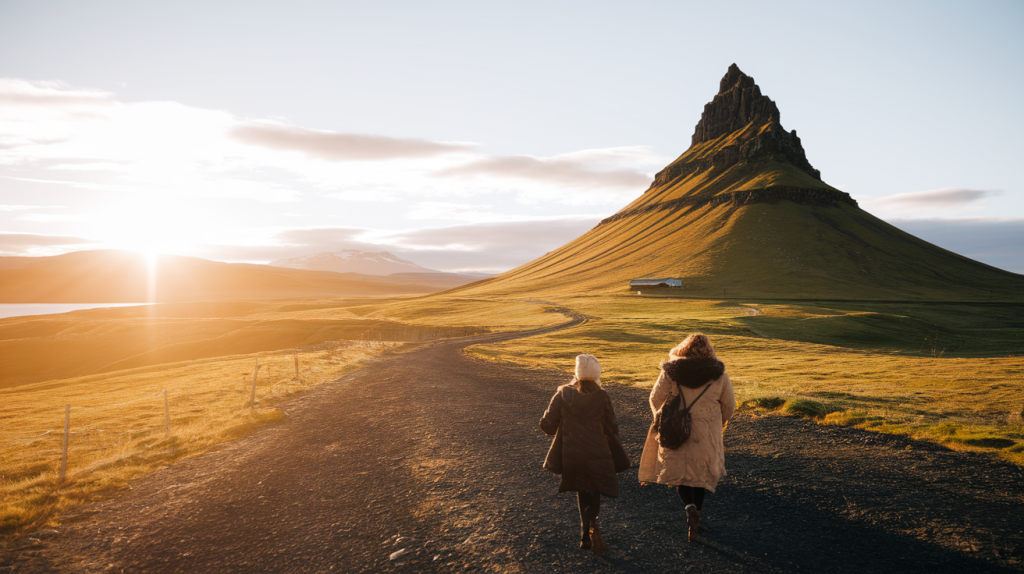
Day 5: The Scenic East Fjords
Day five involves your longest driving stretch, but the East Fjords scenery makes every kilometer worthwhile. This region sees fewer tourists, offering a more authentic glimpse of rural Icelandic life. The Ring Road hugs the coastline, winding through dozens of fjords with mountains plunging directly into the sea.
The drive from Höfn to Egilsstaðir covers about 260 kilometers and takes 4-5 hours without stops—but you’ll stop constantly for photos.
Small fishing villages dot the route, each with colorful houses and working harbors. Djúpivogur makes an excellent coffee break spot, with a charming cafe and interesting egg sculpture installation along the harbor.
Egilsstaðir, the largest town in East Iceland, offers your best opportunity for a proper lunch and grocery shopping before continuing north. The town itself isn’t particularly scenic, but it provides essential services and marks your transition from the east coast to the northern region.
If you’re not exhausted and weather cooperates, consider the detour to Dettifoss, Europe’s most powerful waterfall. This requires a 60-kilometer round trip on a gravel road (perfectly manageable in a 4WD), plus hiking time to the falls. Dettifoss moves an enormous volume of water, creating a thundering spectacle that makes Niagara Falls seem tame.
The raw power and the barren, almost lunar landscape surrounding it feel primordial. This detour adds 2-3 hours to your day, so skip it if you’re tired or behind schedule.
Arrive in Akureyri, Iceland’s second-largest city and the capital of the north, by evening. This vibrant town offers excellent restaurants, a lovely botanical garden, and a completely different vibe from rural Iceland. Book accommodation here for two nights—you’ve earned a break from packing and unpacking daily.
Day 6: Akureyri and Mývatn Region
Enjoy a more relaxed morning exploring Akureyri. The botanical garden showcases plants from around the world thriving in Iceland’s cool climate, while the downtown area features colorful buildings, good coffee shops, and the distinctive Akureyrarkirkja church perched on a hill. If you’re a beer enthusiast, Kaldi Brewery offers tours and tastings of local craft beers.
After lunch, drive east toward Lake Mývatn, one of Iceland’s most geologically active areas. Your first stop, Goðafoss (“Waterfall of the Gods”), sits right beside the Ring Road. Legend says Iceland’s lawspeaker threw his pagan idols into this horseshoe-shaped waterfall when Iceland officially converted to Christianity in 1000 AD. The falls span 30 meters wide and drop 12 meters, creating a powerful, beautiful cascade easily viewed from both sides.
The Lake Mývatn region packs incredible geological diversity into a small area. Start at Dimmuborgir, a maze of dramatic lava formations that locals call “the dark castles.” Walking trails wind through the twisted rock formations, which folklore claims are where Satan landed when cast out of heaven. The area takes 1-2 hours to explore depending on which trails you choose.
Drive to Námafjall Geothermal Area, where the earth literally boils and steams in shades of red, yellow, and orange from sulfur deposits. Bubbling mud pots and steaming fumaroles create an alien landscape that smells strongly of sulfur—yes, like rotten eggs. It’s free to visit and absolutely fascinating, though the smell sticks to your clothes.
End your day at Mývatn Nature Baths, the less crowded, more affordable alternative to Blue Lagoon. The milky-blue geothermal water maintains a perfect 38-40°C (100-104°F), and the views across the lake and lava fields create a serene atmosphere. After several days of driving and hiking, soaking in these mineral-rich waters feels absolutely perfect. Advance booking is recommended but not always essential like Blue Lagoon.
You can return to Akureyri for the night or stay in the Mývatn area if you prefer. Both options are viable, although Akureyri offers a wider range of dining choices and amenities.
Day 7: Return to Reykjavik
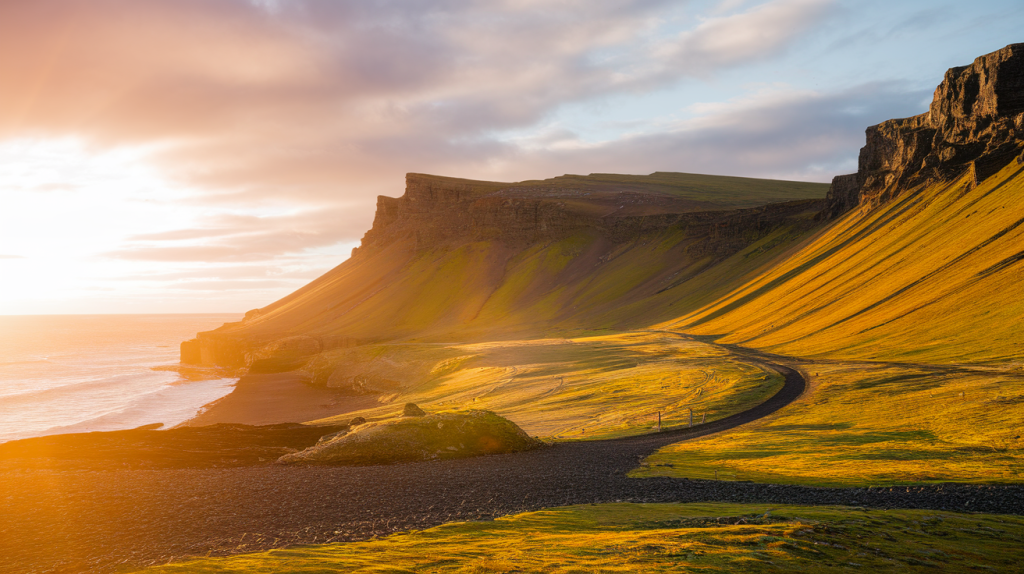
Your final day involves the long drive back to Reykjavik—about 390 kilometers taking 5-6 hours of driving time. Start early to avoid feeling rushed, especially if you have an evening flight. The route cuts through Iceland’s interior highlands along well-maintained roads, offering different landscapes than you’ve seen all week.
If you have energy for stops, Hraunfossar and Barnafoss waterfalls near Borgarnes make an excellent break. Hraunfossar features countless small streams flowing from beneath a lava field directly into the river, creating a unique, delicate cascade unlike any other waterfall you’ve seen this week. Barnafoss, just upstream, churns through a narrow canyon with powerful force—the contrast between the two falls, minutes apart, showcases Iceland’s diversity perfectly.
Arrive in Reykjavik by early afternoon, giving you time for last-minute souvenir shopping or visiting any downtown attractions you missed on Day 1. If your flight leaves the next morning, book accommodation near Keflavik Airport rather than in the city—you’ll thank yourself when your 6 AM alarm goes off.
For evening flights, time your airport arrival for 2-3 hours before departure. Return your rental car (fill the gas tank first to avoid premium fuel charges), and prepare for the bittersweet feeling of leaving Iceland already planning your return visit.
Alternative: Snæfellsnes Peninsula Extension
If your schedule allows flexibility or you can extend to 8 days, consider swapping Day 7’s drive for an exploration of the Snæfellsnes Peninsula. This region, often called “Iceland in Miniature,” packs diverse landscapes—glaciers, lava fields, black sand beaches, charming fishing villages, and dramatic cliffs—into a compact area just 2-3 hours from Reykjavik.
Kirkjufell mountain, possibly Iceland’s most photographed peak, rises dramatically beside a small waterfall. The Arnarstapi coastal cliffs feature incredible rock formations and sea arches. Djúpalónssandur black beach displays twisted metal from a 1948 shipwreck, while Vatnshellir lava cave offers underground exploration with a guide. The peninsula works perfectly as either a day trip from Reykjavik or an overnight adventure before your flight home.
Making Your Iceland Adventure Unforgettable
This 7-day Ring Road itinerary delivers the complete Iceland experience without the stress of complicated logistics or backtracking. You’ve covered the country’s greatest hits—from powerful waterfalls and black sand beaches to floating icebergs and geothermal pools—while maintaining a pace that lets you actually enjoy each stop rather than just checking boxes.
The strategic overnight locations keep daily driving manageable, usually 2-4 hours, giving you maximum time for exploration and photography. You’ve mixed free natural wonders that showcase Iceland’s raw beauty with optional paid experiences like glacier walks and hot springs that add depth to your adventure. This balance works for various budgets while ensuring everyone experiences Iceland’s magic.
Remember, flexibility is your friend in Iceland. Weather changes rapidly, and sometimes the unplanned stops—that waterfall you spotted from the road, the random hot spring locals told you about, the extra hour watching puffins—become your favorite memories. This itinerary provides structure while leaving room for spontaneity.
Iceland will change how you see nature and your place in it. Standing between tectonic plates, walking on ancient glaciers, and witnessing the raw power of the Atlantic Ocean against volcanic shores puts life in perspective. The island’s dramatic beauty, combined with the warmth of Icelandic people and the confidence that comes from successfully navigating an epic road trip, creates transformation.
Start booking your accommodations and rental car now—the best options disappear quickly, especially for summer travel. Download those essential apps, pack your layers, and prepare for the adventure of a lifetime. Iceland is waiting, and trust me, one week around the Ring Road is just the beginning of your love affair with this extraordinary island. Safe travels, and don’t forget to share your favorite moments when you return!