Swiss Alps summer coolcation 2026

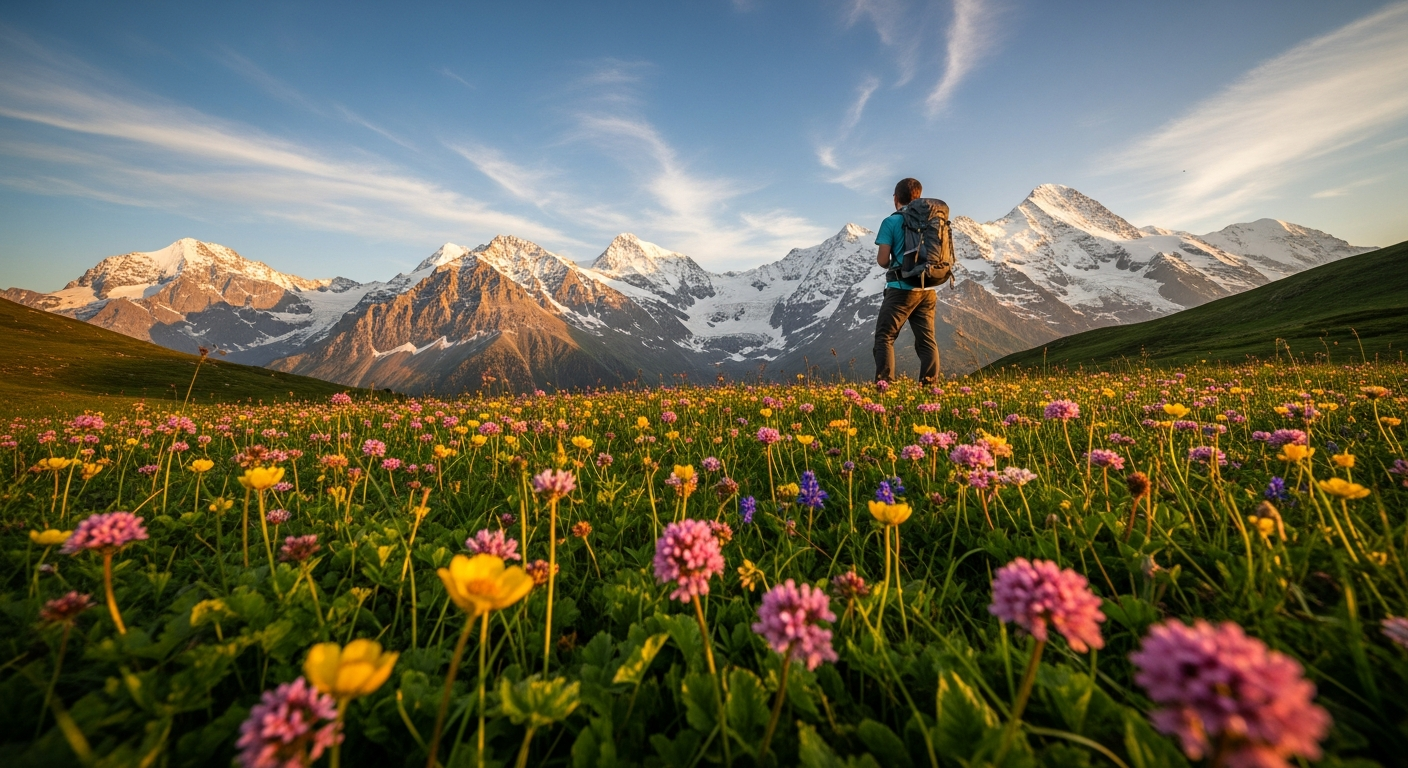
While your friends are melting in 40°C heat on crowded Mediterranean beaches, you’re hiking through wildflower meadows with snow-capped peaks as your backdrop, the temperature a perfect 22°C. Welcome to the Swiss Alps summer coolcation—2026’s smartest travel trend.
Let’s be honest: Southern Europe is becoming unbearably hot in summer. Greece, Spain, and the Italian coast are pushing temperatures that make sightseeing miserable and beach days dangerous. You’re stuck choosing between adventure and comfort, between the destinations you’ve dreamed about and actually enjoying your vacation.
Here’s the truth nobody talks about: You don’t need to sacrifice mountain adventure for comfortable temperatures. The Swiss Alps offer everything you want from a European summer escape—stunning scenery, authentic experiences, outdoor activities—without the sweat-drenched regret.
This guide cuts through the overwhelm with a focused, practical approach. No fluff about “must-see” attractions that leave you exhausted. Instead, you’ll get real strategies to maximize your limited vacation time with authentic experiences, not tourist traps. Whether you’re a budget backpacker or a luxury seeker, whether you have five days or three weeks, this roadmap delivers exactly what you need.
By the end of this guide, you’ll know precisely how to plan an unforgettable Swiss Alps summer escape. You’ll understand the hidden gems locals actually visit, the strategic approaches that save money without sacrificing experience, and the insider secrets that transform a good trip into something magical.
Why the Swiss Alps Are the Perfect 2026 Summer Escape

The Coolcation Revolution: Escaping Europe’s Heat Wave
Climate data doesn’t lie. Southern Europe hit 40°C+ throughout July and August in 2025, and 2026 projections show the same pattern intensifying. Athens, Rome, Barcelona—these iconic destinations are becoming genuinely uncomfortable during peak travel season.
The Swiss Alps remain a consistent 18-25°C in summer. That’s comfortable for hiking all day, exploring mountain villages without wilting, and actually enjoying family time instead of hiding indoors during peak heat. You’re no longer choosing between adventure and comfort—you get both.
This isn’t about settling for second-best. The Alps deliver breathtaking scenery that rivals any Mediterranean coastline, authentic cultural experiences without the tourist crush, and outdoor activities that simply aren’t possible in extreme heat.
Accessibility Has Never Been Better
Switzerland’s legendary train system keeps improving. Enhanced connections throughout the Alps mean you can reach remote valleys faster than ever. New sustainable travel options make car-free travel genuinely practical—no navigation stress, no parking nightmares, no fuel costs eating your budget.
English is widely spoken throughout Swiss tourist areas. You’ll find Switzerland remarkably tourist-friendly without feeling touristy. The infrastructure works flawlessly, information is clear and accessible, and locals are genuinely helpful rather than merely tolerant of visitors.
Summer’s Hidden Advantage Over Winter
Here’s what ski season visitors never experience: Lower prices across accommodation, activities, and dining. Summer rates run 20-30% below winter peaks, especially in June and September. Fewer crowds at popular spots mean you’re not fighting for trail space or restaurant reservations.
Access to high-altitude trails and viewpoints closed in winter opens up entirely new terrain. Wildflowers transform alpine meadows into living paintings. Alpine lakes warm enough for swimming create refreshing breaks during hikes. Paragliding, mountain biking, and cultural festivals—these summer-specific experiences simply don’t exist during snow season.
The summer Alps aren’t winter’s consolation prize. They’re a completely different experience that many travelers actually prefer once they discover it.
Planning Your Swiss Alps Coolcation: The Smart Approach

How Much Time Do You Really Need?
Weekend warriors with 3-4 days should pick one base and explore deeply. Choose Interlaken, Zermatt, or Grindelwald, then commit to truly experiencing that region. Day trips to surrounding valleys, leisurely hikes, local restaurants—you’ll leave satisfied rather than exhausted.
Week-long explorers with 7-10 days can handle 2-3 regions maximum. Start in the Bernese Oberland, move to Valais, perhaps add the Engadin. You’ll have time to settle into each location, adjust to weather, and experience both popular highlights and hidden corners.
Extended adventurers with 2+ weeks unlock full regional diversity. Mix famous peaks with secret valleys, luxury splurges with budget mountain huts, active days with cultural immersion. You can follow weather patterns, linger where you connect, skip what doesn’t resonate.
Think experiences over checklists. Quality beats quantity every time. Better to deeply explore two valleys than superficially photograph ten peaks.
Budget Breakdown: What to Actually Expect
Budget travelers spending $100-150 daily can absolutely experience the Swiss Alps. Mountain huts offer authentic stays at $40-80/night including meals. Regional trains cost less than Swiss Travel Passes if you’re selective. Local groceries for picnic lunches slash food costs. Free hiking trails deliver the best experiences anyway.
Mid-range travelers at $200-300 daily enjoy comfortable 3-star hotels, Swiss Travel Pass freedom, restaurant meals mixing local spots with occasional splurges. This range offers excellent value—you’re not pinching pennies but not bleeding money either.
Luxury seekers spending $400+ daily access boutique hotels with alpine views, private guides for exclusive experiences, gourmet dining showcasing regional specialties. The Swiss Alps excel at high-end hospitality without feeling pretentious.
Money-saving secrets work at every level: Half-fare cards pay for themselves in 3-4 journeys. Lunch specials at restaurants offer identical food at 40% less than dinner prices. The best hiking trails cost absolutely nothing.
The Weather Reality Check
June brings wildflower peaks and generally stable weather, though some high trails remain snowy. Perfect for valley hikes and mid-altitude adventures. Fewer crowds make this ideal for travelers who value solitude.
July-August deliver warmest temperatures, most reliable weather, and busiest trails. Book mountain huts 2-3 months ahead. Expect company at popular viewpoints. The trade-off? Consistently beautiful conditions for ambitious plans.
September offers stunning autumn colors, dramatically fewer crowds, and unpredictable weather. Bring flexible plans and backup options. When conditions cooperate, September delivers the Alps at their most magical.
Always have indoor backup plans. Museums in Bern and Lucerne, thermal baths throughout the region, wine tastings in Valais—weather-proof alternatives prevent wasted days.
Hidden Gems: Beyond the Usual Tourist Trail

Aigle and the Secret Wine Country
Aigle sits in the shadow of dramatic peaks, producing mineral-rich Chasselas wines that rival anything from famous French regions. You’ll find authentic vineyard experiences without crowds, without pretension, without the inflated prices of better-known wine destinations.
The medieval Château d’Aigle houses an excellent wine museum with tastings. Local vignerons welcome visitors to family operations. You’re tasting wines that rarely leave Switzerland, experiencing a side of the Alps most travelers never discover.
Perfect as a day trip from Montreux or an overnight base for exploring the Vaud Alps. The combination of mountain scenery and wine culture creates something uniquely Swiss.
Lac des Vaux: Your Private Alpine Paradise
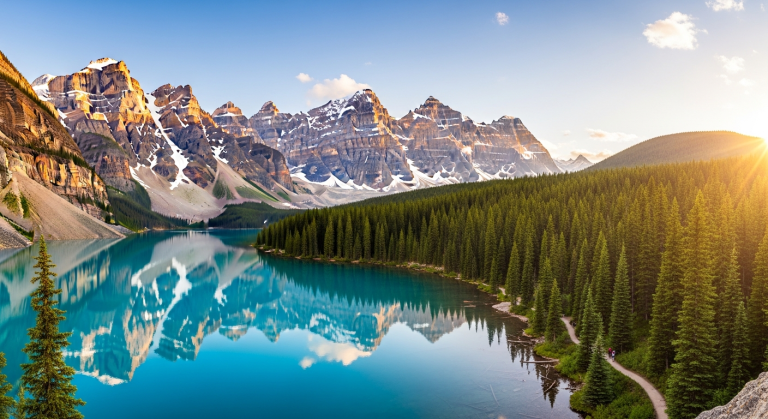
This sparkling alpine lake offers rugged granite scenery without requiring a full-day trek. Accessible for families, perfect for photographers, ideal for travelers who want alpine beauty without extreme effort.
Swimming in crystal-clear water surrounded by peaks feels like discovering a secret the guidebooks missed. Picnic on granite slabs, photograph mirror-like reflections, simply absorb the silence.
Arrive early morning for the best light and fewest people. By 10 AM, you might share the lake with a handful of others. By afternoon, it feels almost crowded—which means maybe twenty people total.
Bruson: The Calm Corner of the Alps
Shady spruce forests and slower-paced trails make Bruson the perfect escape when popular spots feel overwhelming. Family-friendly terrain delivers breathtaking views without technical challenges or crowds.
Locals outnumber tourists even in peak season. You’ll hear more Swiss German than English, eat at restaurants serving locals rather than tour groups, hike trails maintained for residents who return year after year.
The viewpoints rival anything famous destinations offer. The difference? You’re sharing them with people who actually live here, not influencers staging photos.
Saint-Gervais: Freedom in the French Alps
Just across the border, Saint-Gervais offers different energy from Swiss precision. French mountain culture meets alpine accessibility—think longer lunch breaks, more relaxed attitudes, genuine café culture.
The bike park offers gentle climbs and challenging rides. Numerous viewpoints require no tourist infrastructure—just park, hike, enjoy. Summer here feels less programmed, more spontaneous.
You’ll pay less than Swiss prices while maintaining easy access to Swiss destinations. The best of both worlds for travelers who value authenticity over polish.
Ultimate Experiences: What to Actually Do

Hiking That Matches Your Ambition
Beginner-friendly valley walks and lake loops take 2-3 hours, require no special fitness, and deliver stunning scenery. The path around Oeschinensee, the valley walk from Mürren to Gimmelwald—these accessible trails showcase the Alps beautifully.
Intermediate adventures include alpine passes and mountain hut stays requiring 4-6 hours of hiking. You’ll gain elevation, experience weather changes, earn your views. The Schynige Platte to First traverse, the climb to Cabane de Moiry—these routes challenge without intimidating.
Advanced challenges encompass multi-day treks and via ferratas demanding full days of focused effort. The Haute Route, the Eiger Trail with via ferrata sections—these experiences require preparation, proper gear, and genuine fitness.
Book mountain huts 2-3 months ahead for popular routes. The best locations fill quickly, especially for July-August weekends.
Breathtaking Activities Beyond Hiking
Paragliding over Swiss lakes in the Bernese Oberland offers some of Europe’s best conditions. Tandem flights require no experience—just willingness to launch off a mountain and soar like a bird.
Alpine swimming in crystal-clear lakes warmed by summer sun creates magical breaks during hikes. Bring swimwear on every outing—you’ll find opportunities constantly.
Mountain biking trails range from gentle valley rides to technical descents. Bike parks throughout the region offer rentals, lessons, and guided tours.
Cultural immersion through local festivals, cheese-making demonstrations, and alpine farm visits connects you to living traditions. These experiences cost little but deliver authentic connections.
Many activities depend on weather—book with flexible cancellation policies. Rain cancels paragliding, clouds obscure views, storms close high routes. Flexibility prevents disappointment.
The Art of Slowing Down (Swiss Style)
Spend full days in single valleys instead of racing between attractions. The journey truly is the destination here—scenic train routes rival the places they connect.
Linger at mountain restaurants serving local specialties. Rösti, raclette, alpine cheese platters—these aren’t tourist foods, they’re what locals actually eat. Take time to savor them properly.
You’re not collecting checkpoints for social media. You’re experiencing place, absorbing atmosphere, creating memories that last beyond the flight home.
Where to Stay: From Budget to Breathtaking

Mountain Huts: The Ultimate Alpine Experience
SAC (Swiss Alpine Club) huts offer authentic alpine stays at $40-80 per night including dinner and breakfast. Shared meals create instant community with fellow hikers. Wake to sunrise illuminating peaks right outside your window.
These aren’t luxury accommodations—expect dormitory sleeping, basic facilities, limited electricity. The trade-off? Unmatched atmosphere and access to terrain impossible as day trips.
Book directly through the SAC website. Membership ($50-75 annually) provides priority booking and discounted rates.
Strategic Base Towns for Maximum Exploration
Interlaken serves as the central hub with options for all budgets and endless day trip possibilities. The location between lakes Thun and Brienz puts you within an hour of incredible destinations.
Zermatt offers car-free luxury with direct Matterhorn access. Expect premium prices justified by world-class scenery and impeccable infrastructure.
Grindelwald delivers family-friendly atmosphere with stunning Eiger views. The First cliff walk and other attractions keep kids engaged while adults enjoy serious hiking.
Lenzerheide remains under-the-radar with excellent value. Fewer international tourists mean lower prices and more authentic Swiss atmosphere.
Choose two bases maximum to avoid constant packing. Settle in, explore deeply, move once if your trip allows.
The Boutique and Luxury Scene
Wellness hotels with alpine views combine spa facilities, gourmet dining, and outdoor adventure. You’ll return from hikes to massage treatments and locally-sourced cuisine.
Renovated historic chalets offer character impossible in chain hotels. Exposed beams, regional furnishings, and genuine hospitality create memorable stays.
Farm stays with gourmet dining showcase the best of Swiss agriculture. You’re eating food grown meters from your table, prepared by chefs who understand the ingredients intimately.
Book one special night, budget the rest. That single luxury experience becomes the highlight you’ll remember for years.
Practical Planning: Avoiding Common Mistakes

What to Pack (and What to Leave Home)
Essential items include layers for temperature changes, a reliable rain jacket, sun protection (alpine sun is intense), and proper hiking boots. Even short walks become miserable in inadequate footwear.
The layering system works: base layer, insulating mid-layer, waterproof outer layer. You’ll wear different combinations throughout single days as elevation and weather change.
Leave cotton clothing home—it stays wet and cold. Choose synthetic or merino wool that dries quickly and regulates temperature effectively.
Sunglasses and sunscreen aren’t optional. Reflection off snow and water intensifies UV exposure. You’ll burn faster at altitude than at sea level.
A small daypack carries water, snacks, extra layers, and emergency supplies. Even short hikes require preparation—weather changes quickly in mountains.
Getting Around: The Car-Free Advantage
Trains beat rental cars throughout Switzerland. The Swiss Travel System operates with legendary efficiency. Scenic routes rival the destinations themselves—the Glacier Express, the Bernina Express, the GoldenPass Line all deliver journeys worth taking purely for the experience.
No parking stress, navigation hassles, or fuel costs. The environmental bonus? Truly sustainable travel that actually reduces your impact.
The Swiss Travel Pass provides unlimited trains, boats, and buses for 3-15 consecutive days. The Half-Fare Card offers 50% off everything, ideal for stays exceeding two weeks. Regional passes focus on specific areas.
Run the numbers—passes usually pay for themselves within 3-4 journeys. Swiss transport is expensive without passes, remarkably affordable with them.
Trains reach towns, cable cars access peaks, PostBuses serve remote villages, lake ferries add scenic variety. This multi-modal system works seamlessly together.
Many mountain transport options are included in the Swiss Travel Pass. That cable car to a spectacular viewpoint? Often covered. Check specifics when planning, but coverage exceeds most travelers’ expectations.
—
The Swiss Alps in summer 2026 offer everything you’re seeking: comfortable temperatures while southern Europe bakes, authentic experiences without overwhelming crowds, and adventures matching every ambition and budget. This isn’t about settling for an alternative—it’s about discovering what many consider the superior choice.
Start planning now. Book those mountain huts before they fill. Research the Swiss Travel Pass options. Mark your calendar for June wildflowers or September colors. The perfect coolcation awaits in valleys and peaks that have welcomed travelers for centuries while somehow remaining refreshingly undiscovered by the masses.
Your friends can keep their crowded beaches and sweltering cities. You’ll be hiking through alpine meadows, swimming in crystal lakes, and savoring the kind of summer vacation that actually leaves you refreshed rather than exhausted.
Ready to plan your Swiss Alps adventure? Save this guide, start mapping your perfect itinerary, and prepare for a summer escape that redefines what European travel can be.