Scotland coolcation summer 2026

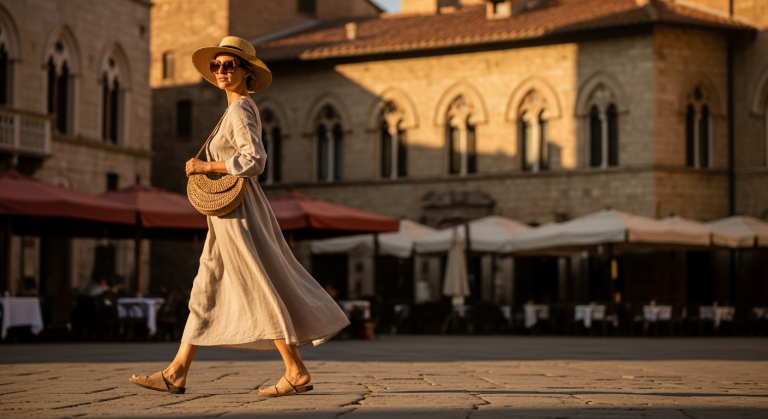
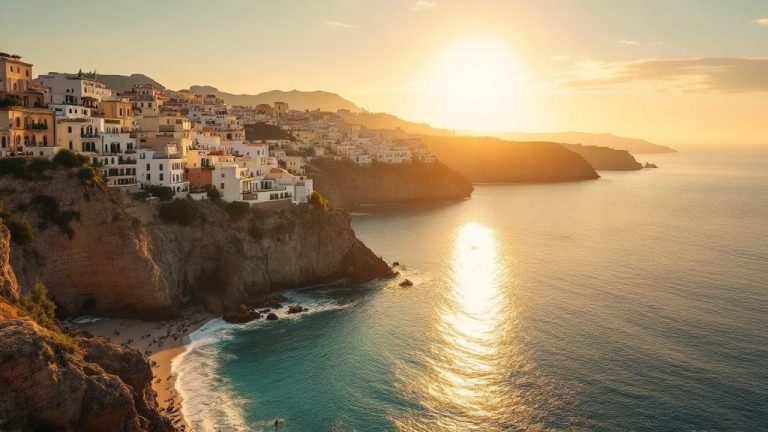
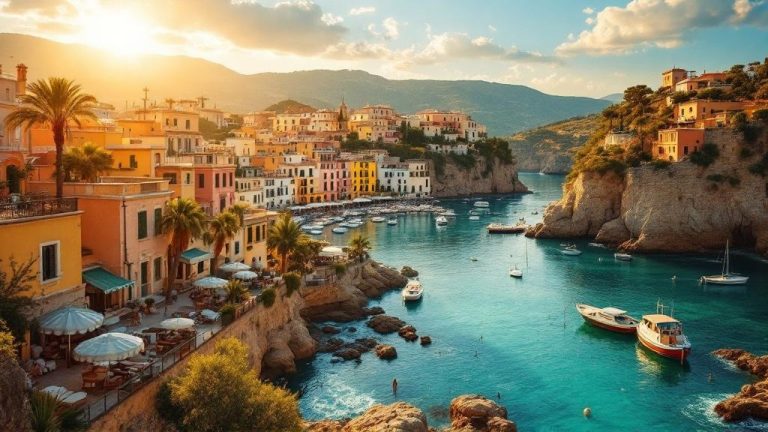
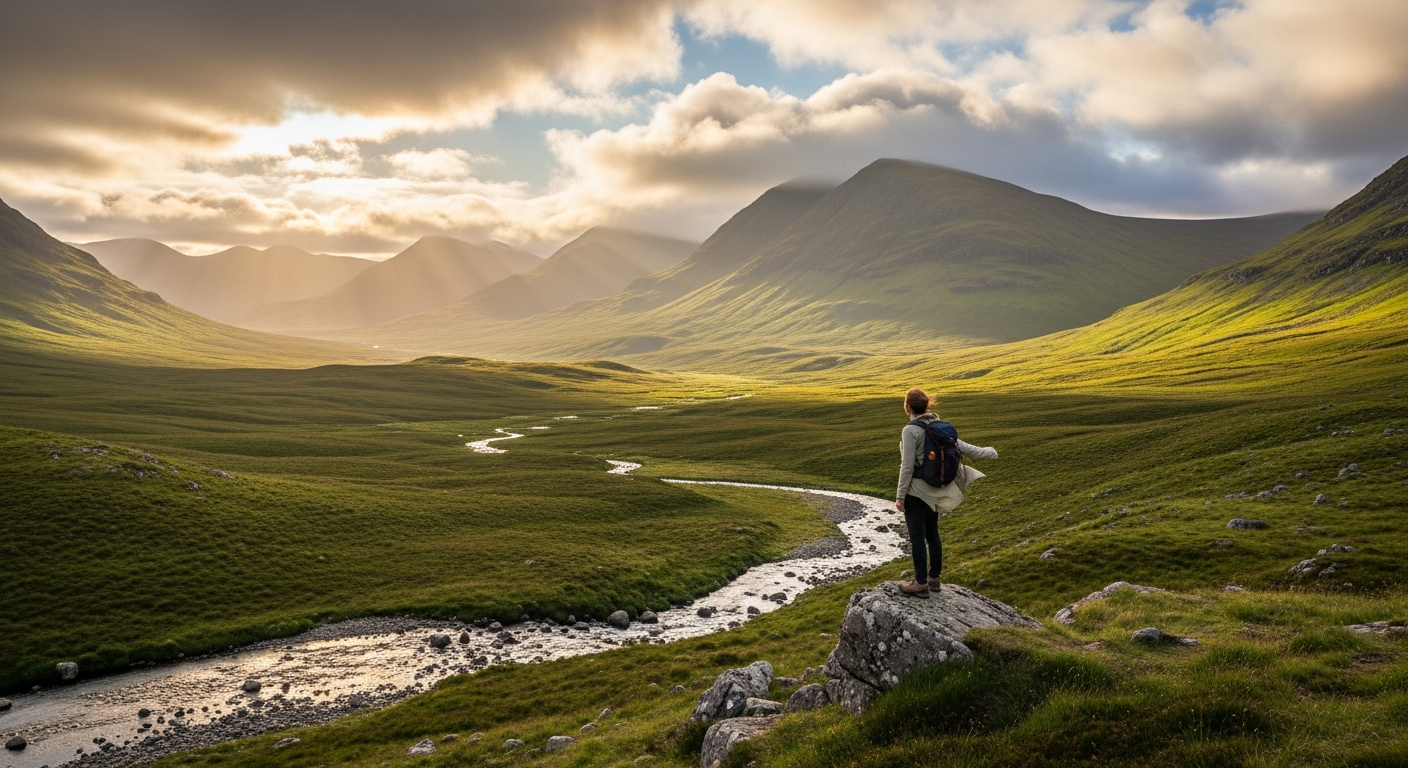
While your Instagram feed floods with complaints about 40°C heatwaves in Spain and Italy, you’re standing in the Scottish Highlands at a perfect 18°C, breathing in crisp mountain air as mist rolls over ancient glens. Welcome to the coolcation revolution.
The travel landscape is shifting dramatically. Climate change isn’t just making traditional Mediterranean summers unbearable—it’s fundamentally changing where savvy travelers choose to spend their summer holidays.
Record-breaking temperatures, wildfire evacuations, and heat-related attraction closures have transformed the sunny beach vacation from dream getaway to potential nightmare.
Enter Scotland: the coolcation destination that’s capturing the imagination of travelers worldwide. Pinterest data reveals a staggering 465% increase in searches for “Scotland Highlands aesthetic,” and it’s not hard to understand why.
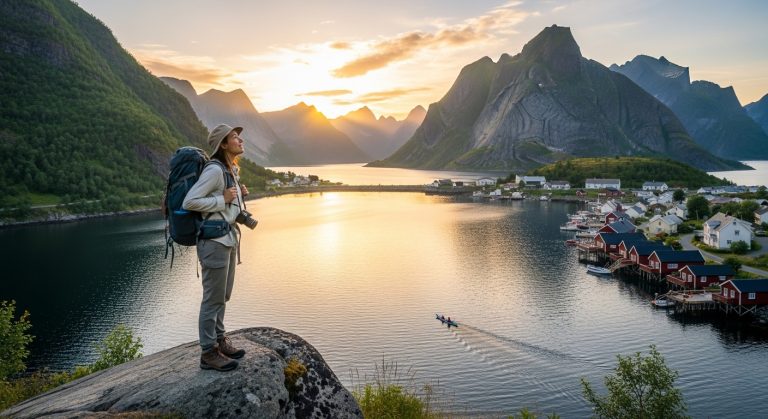
This isn’t just about escaping oppressive heat—it’s about discovering authentic experiences in landscapes that look like they’ve been pulled straight from a fantasy novel.
Here’s what makes this moment crucial: the booking window for summer 2026 is opening right now. The smart travelers—the ones who discovered Iceland before it became overrun, who found Portugal’s Algarve before the crowds—are already securing their Scottish adventures for next summer.
This guide gives you everything you need to join them: complete planning roadmaps, budget breakdowns that actually make sense, and hidden gems that most guidebooks completely miss.
Whether you’re a budget backpacker seeking wild swimming spots locals guard jealously, or a luxury traveler ready to stay in converted lighthouses overlooking dramatic coastlines, Scotland delivers.
You’ll find practical advice for navigating single-track roads, insider tips on where locals actually eat, and realistic itineraries that account for Scotland’s famously “changeable” weather.
The best part? You’re getting ahead of the curve. Go now—or rather, book now for summer 2026—before everyone else catches on.
Why Scotland is THE Coolcation Destination for Summer 2026

The Climate Sweet Spot
Let’s talk numbers that matter. While Southern Europe regularly hits 35-45°C (95-113°F) during summer months, Scotland maintains blissfully comfortable temperatures between 15-19°C (59-66°F). This isn’t just marginally cooler—it’s the difference between hiding indoors during midday and actually enjoying your vacation.
But here’s where Scotland truly shines: those long, magical daylight hours. In June, sunset doesn’t happen until after 10 PM in many parts of Scotland. You’re getting nearly 18 hours of usable daylight, which means more time for exploration, photography, and experiences without the crushing heat that makes afternoon activities miserable elsewhere.
Now, about that “unpredictable weather” reputation Scotland carries—it’s actually one of the destination’s secret weapons. Yes, you might experience four seasons in one day. Yes, you should pack waterproof layers. But here’s what the guidebooks don’t tell you: that moody, dramatic weather creates the stunning, mystical atmosphere that’s driving that 465% surge in Pinterest searches. The mist rolling over glens, the dramatic clouds breaking over mountain peaks, the way light filters through Scottish weather—this is what creates those breathtaking photos and unforgettable memories.
Beyond the Temperature: The Perfect Storm of Factors
Scotland’s appeal extends far beyond comfortable temperatures. The tourism infrastructure has undergone significant improvements post-2024, with better transportation links, upgraded accommodations, and enhanced visitor facilities—all without sacrificing the authentic character that makes Scotland special.
Compare this to overcrowded Mediterranean hotspots where you’re fighting for beach space and restaurant reservations. Scotland offers genuine breathing room. You can stand alone at epic viewpoints, discover villages where tourism hasn’t erased local culture, and have authentic interactions that feel increasingly rare in traditional summer destinations.
The value proposition deserves attention too. Your money stretches considerably further in Scotland than in competing destinations. Quality accommodations, excellent local food, and world-class experiences come at prices that won’t devastate your budget. A fantastic dinner with local seafood and Scottish whisky costs what you’d pay for a mediocre tourist-trap meal in Barcelona or Santorini.
The FOMO Factor: Go Before Everyone Else Does
Here’s the uncomfortable truth: Scotland won’t stay undiscovered for long. The Pinterest Predicts data isn’t just interesting statistics—it’s a preview of where the crowds will be in 18-24 months. That 465% increase in “Scotland Highlands aesthetic” searches represents millions of travelers beginning their research phase.
Social media’s influence cannot be understated. The dramatic landscapes, the moody atmospheric conditions, the aesthetic appeal of ancient castles and mystical forests—Scotland delivers Instagram and TikTok gold. As more creators discover and share these experiences, the momentum builds exponentially.
Summer 2026 represents a sweet spot: infrastructure improvements are complete, but the masses haven’t arrived yet. You’ll experience Scotland with enough tourism development for comfort and convenience, but before the authentic local experiences get commodified and the hidden gems become overrun. This is your first-mover advantage, and it won’t last forever.
Planning Your Scotland Coolcation: The Complete Timeline

6-12 Months Before: Book Now for Summer 2026
If you’re reading this now, you’re in the perfect booking window. Here’s your action plan.
Flights deserve immediate attention. For summer 2026 travel, you’re looking at booking approximately 5-8 months in advance for optimal pricing. Set up fare alerts for Edinburgh (EDI) and Glasgow (GLA) airports. Expect to pay £400-800 ($500-1000) from European cities, or £600-1200 ($750-1500) from North America, depending on your departure city and flexibility.
Accommodation requires even more urgency, especially for popular locations like Isle of Skye, Edinburgh during Festival Fringe (August), and unique properties like castle B&Bs or lighthouse conversions. The best properties—the ones locals recommend, the hidden gems with stunning views and reasonable prices—book 6-12 months ahead for summer season. Book your accommodation before your flights if you have specific must-stay properties in mind.
Your fundamental decision point: self-drive versus public transport and tours. Self-driving offers unmatched flexibility and access to remote locations, but requires confidence with single-track roads and left-side driving. Public transport and tours work beautifully for major routes but limit spontaneity and access to hidden spots. Most successful Scotland trips involve a hybrid approach: public transport for cities, rental car for Highlands exploration.
Budget framework for planning: £80-150 per day covers budget to mid-range travel (hostels, B&Bs, self-catering, public transport, free attractions). £200+ per day enters luxury territory (boutique hotels, all dining out, private tours, premium experiences).
3-6 Months Out: The Details That Matter
Now you’re refining and booking experiences that require advance planning.
Essential bookings include Isle of Skye accommodations if you haven’t secured them yet (seriously, don’t wait), Edinburgh Festival Fringe tickets if visiting in August, and popular Highland railway journeys like the Jacobite Steam Train (yes, the Harry Potter one—it books out months ahead).
Itinerary creation requires realistic expectations. Scotland rewards slow travel. Don’t try cramming everything into one trip. A common mistake: underestimating driving times and overestimating what’s achievable in a day. Those stunning Highland roads are single-track with passing places, and you’ll want to stop constantly for photos. Build in buffer time and resist the temptation to overschedule.
Packing strategy centers on one principle: layers are your secret weapon. Waterproof outer layer, insulating mid-layer, moisture-wicking base layer. This system handles everything Scottish weather throws at you. Add proper footwear (waterproof hiking boots for serious trails, waterproof trainers for casual exploration), and you’re prepared for anything.
Final Month: Local Insider Prep
The month before departure focuses on details that elevate your trip from good to unforgettable.
Download offline maps for your entire route. Mobile signal gets spotty in Highland areas, and you don’t want to miss turnoffs or hidden spots because you lost connectivity. Google Maps allows offline downloads; Maps.me offers excellent topographic detail for hiking.
Restaurant reservations matter more than you’d expect. The best local spots in smaller towns have limited seating, and locals know where to eat. Make reservations for any must-visit restaurants, especially in Edinburgh, Fort William, and popular Isle of Skye locations.
Weather-appropriate backup plans save trips. Scottish weather can close mountain passes or make hiking dangerous. Have indoor alternatives ready: distillery visits, museum days in cities, cozy pub afternoons with live traditional music.
Essential apps: VisitScotland app (official tourism info), ScotRail (train schedules and tickets), Smidge (midge forecast—trust me on this one), and What3Words (location sharing in remote areas).
The Perfect Scotland Coolcation Itineraries

The 7-Day Highland Adventure (Budget-Conscious)
This itinerary maximizes experiences while minimizing costs, perfect for backpackers and budget travelers seeking authentic Scotland.
Days 1-2: Edinburgh Essentials (£100-120/day)
Start with a free walking tour of the Old Town—these tip-based tours deliver excellent historical context and local recommendations. Your guide will reveal hidden closes (narrow alleyways) and secret courtyards tourists walk past constantly.
Wake early for the Arthur’s Seat sunrise hike. This extinct volcano offers breathtaking 360-degree views of Edinburgh, completely free, and the early start means fewer crowds and magical morning light. The hike takes 45-60 minutes up, moderate difficulty.
For dining, skip the Royal Mile tourist traps. Head to Leith for authentic local pubs where you’ll pay £15-25 for excellent meals. The locals eating there are your quality indicator.
Days 3-4: Loch Lomond & The Trossachs (£90-110/day)
Wild camping is legal in Scotland thanks to the Right to Roam laws (with proper etiquette and permits where required). This dramatically reduces accommodation costs while offering unforgettable experiences. Wake to mist over the loch, make coffee on your camp stove, and have the landscape to yourself.
Hidden swimming spots near Loch Lomond offer crystal-clear water and stunning scenery. Locals know these spots; ask at outdoor shops or campsites for recommendations. The water is cold—proper cold water swimming protocol applies—but incredibly refreshing.
Budget-friendly B&Bs in smaller villages (Callander, Aberfoyle) cost £60-80 per night and include breakfast that fuels your entire morning.
Days 5-7: Isle of Skye (£120-150/day)
Skye’s best attractions are free: Fairy Pools (arrive before 8 AM to avoid crowds), Old Man of Storr (dramatic rock formation with challenging hike), and the Quiraing (otherworldly landscape perfect for photography). These experiences rival anything you’d pay premium prices for elsewhere.
Accommodation strategy: stay in Portree or Broadford for better prices than remote locations. The island is small enough that everywhere is accessible for day trips.
Authentic local restaurants serve incredibly fresh seafood at reasonable prices. Follow the fishing boats to the source—harbor-side spots offer the day’s catch at prices that make sense.
Total estimated cost: £700-850 per person (excluding flights)
The 10-Day Complete Scottish Experience (Mid-Range)
For travelers wanting comprehensive Scotland without budget constraints dominating every decision.
Days 1-3: Edinburgh & East Coast (£150-180/day)
Boutique hotels in New Town or Stockbridge neighborhoods (£120-150/night) offer character, comfort, and walkable access to everything. These properties balance charm with modern amenities.
Beyond the obvious attractions, explore secret closes and hidden courtyards. Mary King’s Close offers underground history tours. The Real Mary King’s Close takes you beneath the Royal Mile into preserved 17th-century streets.
Day trip to St. Andrews combines golf history (Old Course even if you don’t play), stunning coastal walks, and excellent seafood. The town feels quintessentially Scottish without Edinburgh’s crowds.
Days 4-6: West Highland Way Highlights (£140-170/day)
Base yourself in Fort William (£100-130/night for quality hotels). This position offers easy access to Ben Nevis, Glenfinnan Viaduct, and Glen Coe.
Ben Nevis, Britain’s highest peak, is achievable for moderately fit hikers in good weather. The summit rewards with stunning views, but only attempt with proper gear and favorable conditions. Check weather forecasts obsessively.
Glenfinnan Viaduct (the Harry Potter bridge) is stunning even without the steam train. Time your visit for the Jacobite Steam Train crossing (check schedules) for that iconic shot, or enjoy the peaceful viaduct and loch views without the crowds.
Days 7-10: Isle of Skye & Outer Hebrides (£160-200/day)
Unique accommodations elevate this portion: lighthouse stays offer dramatic coastal positions, castle B&Bs deliver historical atmosphere, and converted crofts provide authentic Highland character. Expect £130-180/night for these special properties.
Local seafood experiences define Skye dining. Book at Loch Bay Restaurant (Michelin-starred seafood) or The Oyster Shed (casual but exceptional). Fresh langoustines, scallops, and oysters harvested that morning justify every penny.
Photography golden hour spots: Neist Point Lighthouse (sunset), Sligachan Old Bridge (sunrise), Elgol (dramatic Cuillin mountain views). Scout locations during the day, return for optimal light.
Total estimated cost: £1,500-1,800 per person (excluding flights)
Hidden Gems & Local Secrets: Beyond the Tourist Trail

The Secret Swimming Spots
River pools near Glen Etive offer what Fairy Pools deliver without the crowds. Crystal-clear water, dramatic mountain backdrops, and genuine solitude. Access requires short hikes and local knowledge—ask at Fort William outdoor shops for specific locations.
The Fairy Pools alternative exists: smaller pools upstream from the main attraction see 10% of the visitors but offer equally stunning settings. Arrive at the main pools before 8 AM, then hike upstream for your private paradise.
Cold water swimming safety is non-negotiable. Scottish water stays cold year-round. Enter gradually, never alone, understand cold water shock response, and know your limits. Bring a dry robe or warm layers for after.
What to bring: wetsuit or dry robe, waterproof bag for valuables, towel, warm clothes for after, and ideally a friend for safety.
Authentic Local Experiences You Won’t Find on TripAdvisor
Traditional ceilidhs (Scottish social dances) happen in village halls across Scotland, not tourist venues. These genuine community events welcome visitors who participate respectfully. Check local notice boards, ask at tourist information centers, or inquire at pubs for upcoming ceilidhs.
What to expect: live traditional music, caller who explains dances (no experience needed), welcoming locals, and possibly the most fun evening of your trip. Participation matters more than skill. Dress casually, bring enthusiasm.
Small-batch distillery visits offer intimate experiences impossible at major producers. Craft gin distilleries have exploded across Scotland—many welcome visitors for tours and tastings. Isle of Harris Gin, Strathearn Distillery, and Eden Mill offer exceptional experiences.
Local farmers markets (Saturday mornings in most towns) showcase regional produce, artisan foods, and local character. Inverness Victorian Market operates daily, offering food, crafts, and local atmosphere.
The Stunning Views Nobody Talks About
Alternative to Fairy Pools: The Allt Dearg area near the Cuillin mountains offers equally dramatic scenery with fraction of the visitors. Local hikers prefer these spots for good reason.
Better than Arthur’s Seat: Blackford Hill and Hermitage of Braid offer stunning Edinburgh views without the crowds. These spots provide perfect sunset viewing and peaceful hiking within the city.
Isle of Skye’s secret: Coral Beach near Dunvegan looks Caribbean-esque with white sand (actually calcified algae) and turquoise water. The beach requires a 20-minute walk from the car park, which filters out casual tourists.
Photography tip for mystical fog aesthetic: Early morning (before 8 AM) and late evening (after 8 PM in summer) offer the best chances for dramatic mist. Glen Coe, Glencoe Lochan, and anywhere in the Highlands deliver when conditions align.
Navigating Scotland Like a Local: Practical Insider Tips

Transportation Decoded
Driving in Scotland requires understanding single-track roads with passing places. The protocol: when meeting oncoming traffic, whoever is closest to a passing place pulls in. If someone pulls in for you, wave thanks. Never block passing places. Drive left, think right (for overtaking). These roads demand patience and courtesy, but they access Scotland’s most stunning locations.
Petrol station strategy matters in remote areas. Fill up in larger towns before heading into the Highlands. Stations can be 50+ miles apart, and rural stations may close early or on Sundays. Never let your tank drop below quarter-full in remote areas.
Edinburgh parking is challenging and expensive. Use Park & Ride facilities on the city outskirts (Ingliston, Hermiston) for stress-free city access. Central parking costs £3-4/hour; Park & Ride costs £4/day including bus travel.
Public transport works brilliantly for main routes. ScotRail connects major cities and many Highland destinations. The Inverness to Kyle of Lochalsh line offers stunning scenery rivaling expensive tourist trains. ScotRail passes make sense for extensive train travel; calculate based on your specific routes.
Bus routes tourists don’t know: Citylink 915/916 connects Fort William to Isle of Skye, offering stunning scenery at local prices. Route 500 (Glasgow to Uig via Skye) provides comprehensive island access.
When tours make sense: multi-day Highland tours from Edinburgh solve transportation logistics while accessing remote locations. For non-drivers or those wanting social travel, these tours deliver excellent value.
The Weather Reality Check
“Four seasons in one day” means exactly that. You might experience sunshine, rain, wind, and possibly snow (on mountains, even in summer) within hours. This isn’t exaggeration—it’s Scottish reality.
Essential packing list: – Waterproof jacket (breathable, not just water-resistant) – Waterproof trousers for serious hiking – Insulating layers (fleece or down) – Base layers that dry quickly – Waterproof hiking boots (broken in before your trip) – Midge repellent (May-September essential) – Sunglasses and sunscreen (yes, even with clouds)
Midges defense strategy: These tiny biting insects emerge May through September, particularly in still conditions near water. Smidge repellent works effectively. Wind and sunshine keep midges away; calm, overcast conditions bring them out. Check midge forecasts (yes, this exists) and plan outdoor activities accordingly.
Making weather work for you: Moody weather creates stunning photography opportunities impossible in bright sunshine. That dramatic lighting, the mist rolling over mountains, the way clouds break over lochs—this is what makes Scottish landscapes legendary. Embrace the weather rather than fighting it.
Indoor backup plans: distillery tours, museum visits in cities, cozy pub afternoons with traditional music, and castle interiors all provide excellent alternatives when weather turns genuinely unpleasant.
Money-Saving Secrets and Cultural Etiquette
Free attractions rivaling paid ones: Most of Scotland’s natural beauty costs nothing. Hiking, wild swimming, photography, and landscape exploration are completely free. Many museums in Glasgow and Edinburgh offer free entry. Historic Scotland sites can be expensive, but the landscapes surrounding them are free to explore.
Supermarket strategy: Tesco, Sainsbury’s, and Co-op offer “meal deals” (sandwich, snack, drink for £3-4) that make excellent lunch options. Self-catering from supermarkets dramatically reduces food costs compared to dining out for every meal.
When to splurge versus save: Castle entry fees justify the cost at Edinburgh Castle, Stirling Castle, and Urquhart Castle (Loch Ness). Skip lesser castles unless specifically interested. Splurge on at least one excellent seafood dinner and quality whisky tasting. Save on accommodation in areas where you’ll spend minimal time indoors.
Alternative accommodations: Bothies (free mountain shelters) offer unique experiences for adventurous travelers with proper gear and outdoor skills. University dorms in Edinburgh, Glasgow, and St. Andrews open to tourists during summer holidays at budget prices. House-sitting opportunities exist through platforms like TrustedHousesitters.
Cultural etiquette locals appreciate: Scotland’s Right to Roam grants access to most land, but requires responsible behavior. Leave no trace, respect wildlife, close gates, avoid disturbing livestock. Single-track road courtesy is essential—be patient and courteous. Tipping culture differs from America: 10% in restaurants if service isn’t included, round up for taxi drivers, no tipping in pubs unless table service.
—
Scotland in summer 2026 represents something increasingly rare: a destination that delivers on every level before the crowds discover it. The comfortable temperatures, dramatic landscapes, authentic experiences, and genuine value create the perfect coolcation alternative to overheated, overcrowded traditional summer destinations.
The window for booking optimal accommodations and experiences is open right now. The travelers who act now will experience Scotland at its absolute best—developed enough for comfort and convenience, undiscovered enough for authentic magic.
Your Scottish adventure awaits. Book those accommodations, plan your itinerary, pack your waterproof layers, and prepare for a summer that trades oppressive heat and tourist crowds for misty glens, ancient castles, and memories that last forever. Summer 2026 in Scotland isn’t just a vacation—it’s the coolcation that changes how you think about travel.
Start planning today. Your future self, standing in the Scottish Highlands at a perfect 18°C while everyone else melts in Mediterranean heatwaves, will thank you.