How to Use Packing Cubes for a Family of 4

You know that sinking feeling when you’re trying to pack for a family vacation and your suitcase looks like a tornado hit a laundromat?
You’re digging through layers of clothes trying to find your daughter’s favorite pajamas while your son’s swim trunks have mysteriously vanished into the depths of the luggage. Meanwhile, everyone’s outfits are getting more wrinkled by the second, and you haven’t even left home yet.
Here’s the truth: Packing for a family of four doesn’t have to feel like solving a Rubik’s Cube blindfolded. Packing cubes transform family travel from a stressful nightmare into a simple, organized system that actually works.
I’m talking about fitting four people’s belongings into two suitcases instead of four, finding what you need in seconds instead of minutes, and never again hearing “Mom, where’s my…” at 6 AM in a hotel room.
In this guide, you’ll discover proven strategies to organize every family member’s belongings, maximize your luggage space, and keep everyone’s items easily accessible throughout your entire trip.
You’ll learn the exact color-coding system that makes packing effortless, the smart placement strategies that save precious suitcase real estate, and the daily management techniques that keep you organized from departure to return.
By the end of this article, you’ll have a complete system that makes packing for four people as easy as packing for one. No more chaos, no more forgotten items, no more suitcase explosions. Just organized, stress-free family travel that lets you focus on making memories instead of hunting for missing socks.
Why Packing Cubes Are Essential Game-Changers for Families
The Amazing Benefits You’ll Experience Immediately
Let’s start with the space-saving magic that makes packing cubes worth every penny. When you use compression packing cubes correctly, you can fit 30-50% more clothing in the same luggage space.
For families, this translates to packing four people into two checked bags instead of four separate suitcases. That’s real money saved on airline baggage fees—we’re talking $100-200 per round trip for most carriers.
The quick-access factor changes everything when you’re travelling with kids. Instead of unpacking your entire suitcase to find one specific item, you grab the relevant cube and you’re done.
Do you need your toddler’s backup outfit after a juice box incident? Pull out their small cube. Looking for everyone’s swimsuits before hitting the hotel pool? Grab the designated swim cube. This simple efficiency saves you 10-15 minutes every single time you need something.
And here’s a benefit you didn’t know you needed until you experience it: no more “whose shirt is this?” confusion. When each family member has their own designated cubes, everything has a clear owner.
Your teenager’s graphic tees stay separate from your partner’s polo shirts. Your daughter’s leggings don’t get mixed up with yours. This clarity eliminates the sorting nightmare when you return home and face the mountain of laundry.
How Packing Cubes Solve Your Biggest Family Travel Pain Points
The clean versus dirty clothes separation is a game-changer for multi-day trips. Designate one cube per person specifically for worn clothing, and you’ll never again have dirty socks touching clean underwear.
This system becomes especially valuable on longer trips when you need to do laundry mid-vacation—just grab everyone’s dirty cubes and transfer them straight to the washing machine.
Preventing suitcase explosions might sound dramatic, but every parent knows exactly what I’m talking about. You open your luggage at TSA security or in your hotel room, and suddenly clothes are spilling everywhere like a clothing avalanche.
Packing cubes contain this chaos. Each cube acts as a mini-suitcase within your larger bag, keeping items compressed and controlled even when you’re rummaging around.
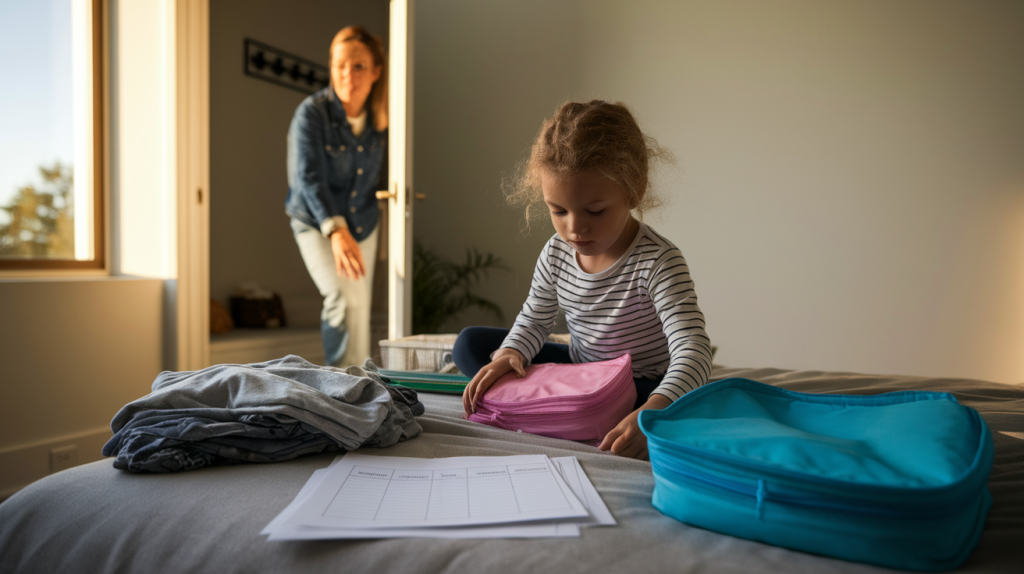
The independence factor for kids deserves special attention. When your children have their own color-coded cubes, they can pack themselves (with supervision), find their own outfits, and take responsibility for their belongings.
Even a five-year-old can identify “the blue cubes are mine” and select their clothes for the day. This builds travel confidence and gives you one less thing to manage.
Airport security becomes significantly faster when you’re organized with packing cubes. Instead of frantically digging for everyone’s toiletries or electronics, you know exactly which cube contains what.
Some families even use clear cubes for security-checkpoint items, making the entire process smoother when you’re juggling kids, boarding passes, and carry-ons.
Choosing the Perfect Packing Cubes for Your Family
Size variety is essential for family packing. You need small cubes for underwear and accessories, medium cubes for shirts and pants, and large cubes for bulkier items like sweaters or jackets.
Most quality sets include 3-5 cubes in graduated sizes, which works perfectly for one person. For a family of four, invest in 3-4 complete sets so everyone has their full range of sizes.
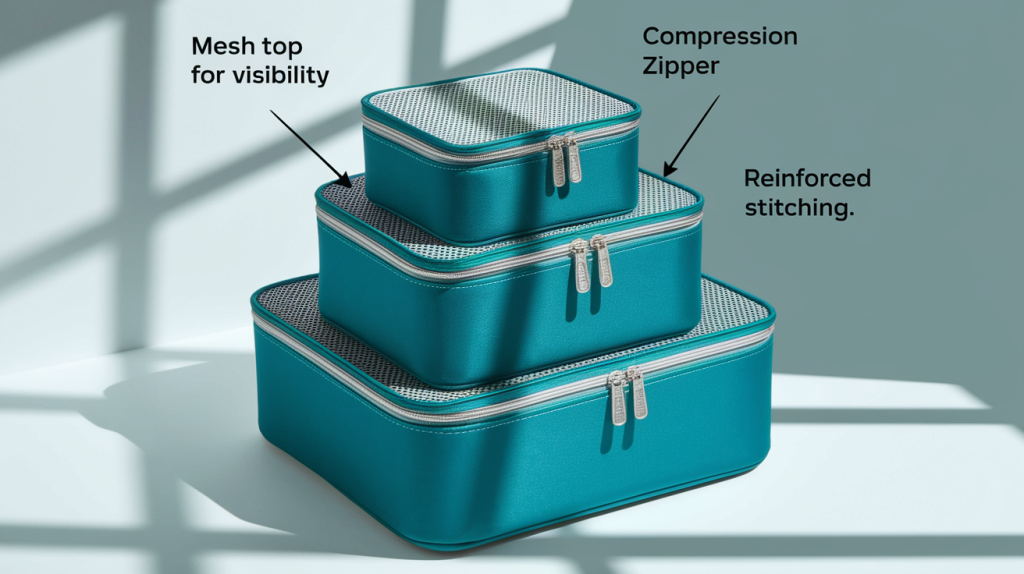
Quality features make a real difference in long-term use. Look for compression zippers that actually compress—cheap cubes often have zippers that don’t create meaningful space savings.
Mesh tops let you see contents without opening every cube, saving time when you’re searching for specific items. Durability matters too; reinforced stitching and quality materials ensure your cubes survive years of family vacations instead of falling apart after three trips.
The color-coding strategy starts with your cube purchase. Choose sets that come in distinctly different colors—not just different shades of blue that look identical in dim hotel lighting.
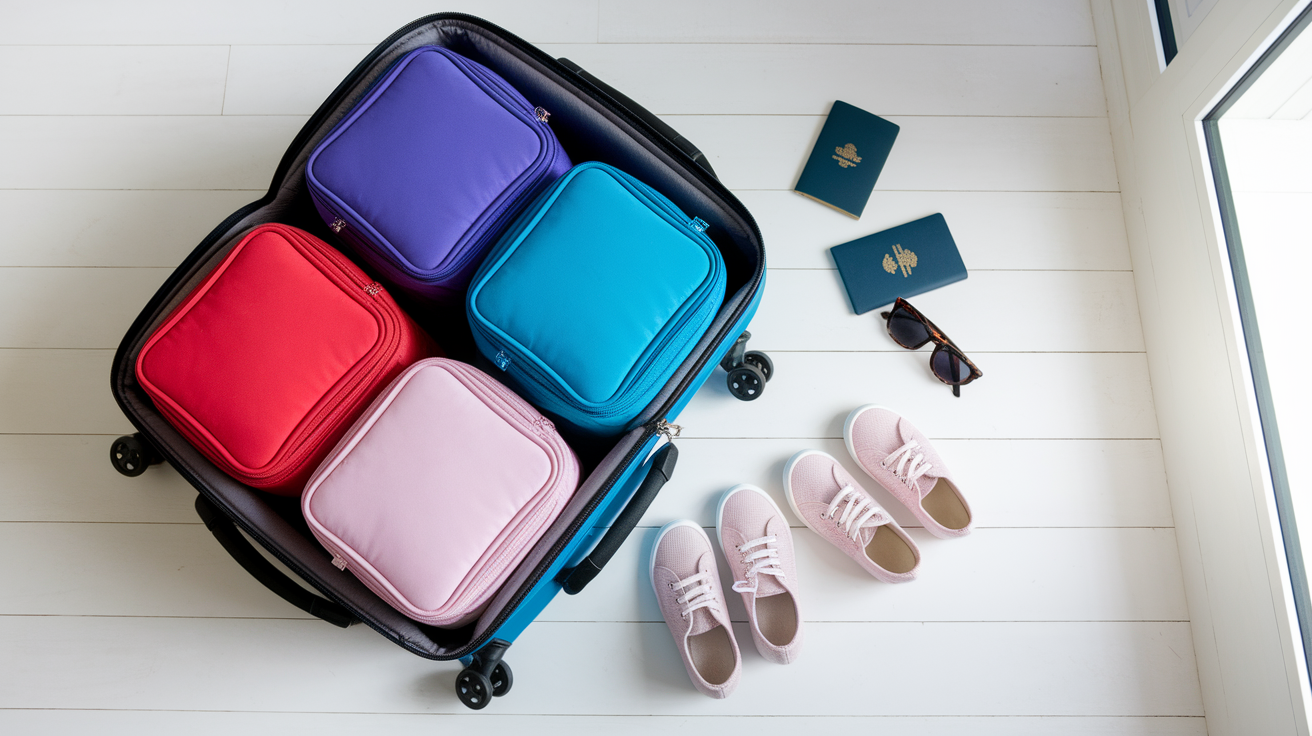
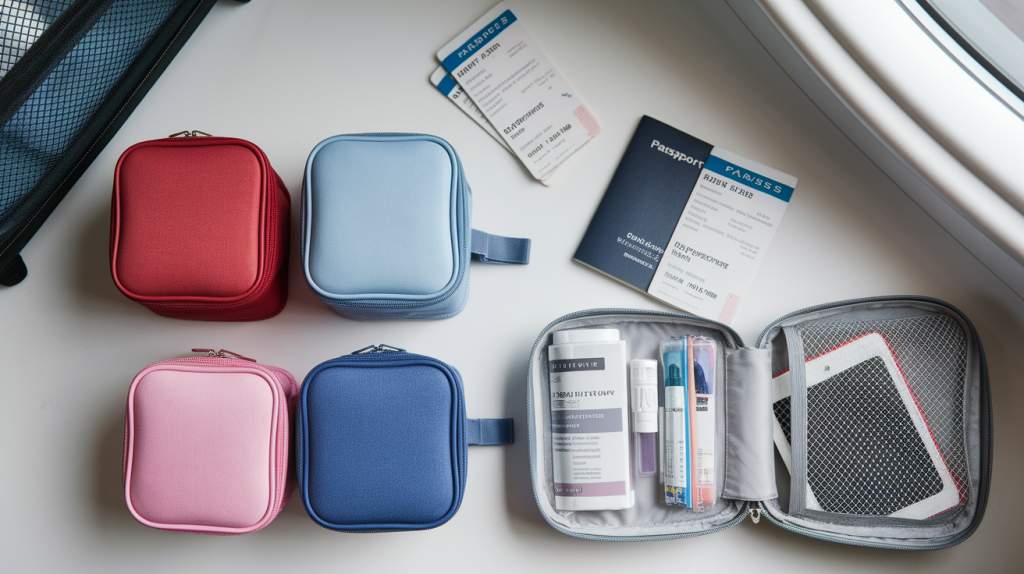
Bright, contrasting colors work best: red for Dad, purple for Mom, blue for your son, pink for your daughter. This visual system eliminates confusion and makes organization intuitive for everyone, including young children who can’t read labels yet.
The Ultimate Color-Coding System for Family Organization
Assign Each Family Member Their Own Color
This simple strategy works so effectively because it leverages visual recognition instead of requiring thought or memory. Your brain processes color faster than words, which means everyone can identify their belongings instantly without reading labels or asking questions. When you’re tired from travel and functioning on limited sleep, this automatic recognition saves mental energy and prevents mistakes.
Choosing colors everyone will remember requires minimal strategy—just let each family member pick their favorite color from available options. Kids especially love this ownership, and they’ll remember “their” color far better than any labeling system you could create. The key is making colors distinct enough that they’re easily differentiated in various lighting conditions, from bright airport terminals to dimly lit hotel rooms.
Maintaining consistency across all cube sizes for each person reinforces the system. All of Dad’s cubes are red, whether they’re small, medium, or large. All of your daughter’s cubes are pink, regardless of size. This consistency means you never have to think about which cube belongs to whom—the color tells you everything you need to know at a glance.
What Goes in Each Person’s Cubes
Mom’s typical cube breakdown might look like this: one large cube for pants and dresses, one medium cube for tops and blouses, one small cube for undergarments and bras, and one small cube for accessories like scarves or jewelry. If you’re using compression cubes, the large cube can hold 5-7 days’ worth of bottoms even for longer trips.
Dad’s packing strategy often simplifies to one large cube for pants and shorts, one medium cube for shirts, and one small cube for underwear and socks. Men’s clothing typically takes less space, so Dad might need fewer cubes overall. Some dads add a medium cube specifically for workout gear if they plan to exercise during the trip.
Kids’ cubes require age-appropriate organization. For younger children (ages 2-8), consider packing complete outfits together in each cube rather than separating by clothing type. One cube might contain a full day’s outfit: shirt, pants, underwear, and socks all together. This makes it easy for kids to grab one cube and have everything they need, building independence without overwhelming them with choices. Older kids and teens can handle the adult system of separating clothing types.
Shared family items need their own designated space. Use a neutral-colored cube (gray, black, or white) for items everyone uses: sunscreen, first-aid supplies, shared toiletries, or travel-size laundry detergent. This prevents the “I thought you packed it” scenario and ensures essential shared items don’t get lost in individual belongings.
Creating a Quick Visual Reference System
Taking photos of packed cubes before trips creates a valuable reference for future packing. Snap a quick picture of each person’s cubes laid out with their contents visible through the mesh tops. Store these photos in a “Travel” album on your phone. Next time you’re packing for a similar trip, you’ll have a perfect template showing exactly what worked last time, eliminating the guesswork and saving 30-45 minutes of planning time.
Teaching kids to recognize their color becomes a fun game rather than a chore. Even toddlers can learn “find the green cubes” and bring them to you. This simple skill makes them active participants in the travel process rather than passive passengers you’re managing. It also prevents the common problem of kids grabbing siblings’ clothes by mistake.
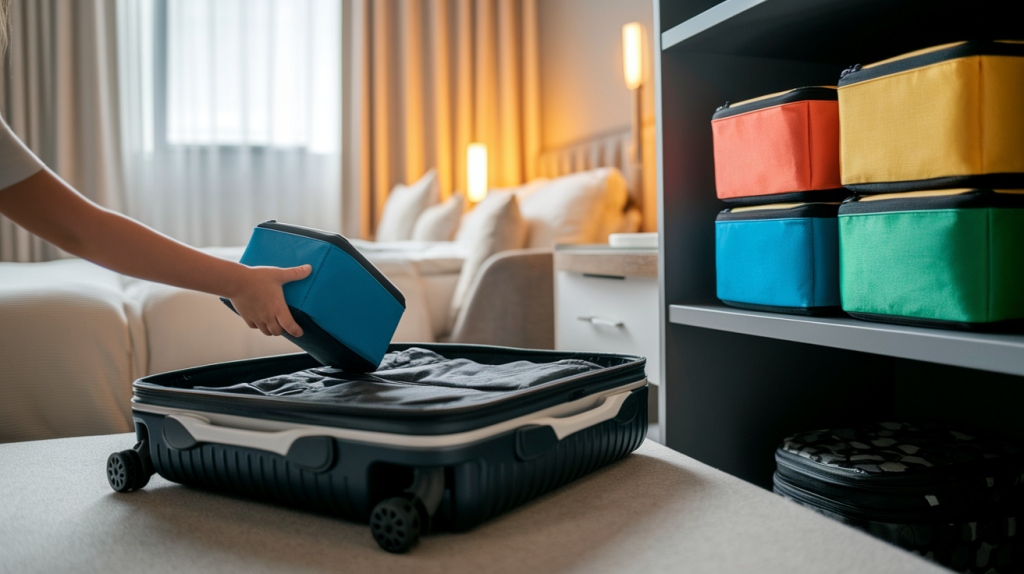
Easy identification when living out of suitcases transforms hotel stays. Instead of unpacking everything into hotel drawers (which takes time and risks leaving items behind), keep clothes in their cubes and stack them on the luggage rack or in the closet. Each family member can grab their cubes as needed, and repacking takes literally two minutes—just place the cubes back in the suitcase.
Proven Packing Strategies That Actually Work
The Smart Way to Pack Each Cube
The rolling versus folding debate has a clear winner for family travel: rolling wins for most clothing items. Rolled clothes take up less space, create fewer wrinkles, and allow you to see everything in your cube at a glance rather than having items hidden under layers. Roll t-shirts, casual pants, shorts, pajamas, and most kids’ clothes. Fold items that wrinkle easily like dress shirts, blouses, or linen pants—these can go in their own cube or be placed flat on top of rolled items.
Maximizing space with compression cubes requires proper technique. Fill the cube completely but not overstuffed, then close the main zipper. Next, use the compression zipper (usually a secondary zipper that goes around the cube’s perimeter) to squeeze out excess air and compress the contents. You should feel the cube shrink by 20-30% when you compress it properly. This compression is what allows you to fit four people’s belongings into two suitcases instead of four.
Layering clothes efficiently within each cube follows a simple principle: heavier, bulkier items on the bottom, lighter items on top. In a large cube, place jeans or heavy pants at the bottom, then lighter pants, then shorts or skirts on top. This creates a stable, compact bundle that doesn’t shift around during travel. For kids’ cubes with complete outfits, roll each outfit together as a unit—this keeps matching pieces together and makes getting dressed even easier.
Strategic Cube Placement in Your Suitcase
Heavy items belong on the bottom of your suitcase near the wheels. This means large cubes with jeans, heavy pants, or jackets go in first. This placement keeps your suitcase balanced and prevents it from tipping over when standing upright. It also protects more delicate items from getting crushed by the weight of heavier clothes.
Light items go on top where they won’t get compressed. Medium and small cubes with t-shirts, underwear, and lighter clothing fit perfectly in the upper portion of your suitcase. Use the spaces around the edges for small cubes—they fit into corners and gaps that larger cubes can’t fill, maximizing every inch of available space.
Creating a “first day” cube solves the common problem of needing specific items immediately upon arrival. Pack one medium cube per person with their first day’s complete outfit, pajamas for the first night, and essential toiletries. Place these cubes on the very top of your suitcase for easy access. If your luggage gets delayed or you arrive late and don’t want to fully unpack, everyone can still function with their first-day essentials.
The Essential Carry-On Cube Strategy
What absolutely must stay with you includes medications, critical documents, one change of clothes per person, and any items you’d be devastated to lose. Pack these in small to medium cubes that fit in your carry-on bags. This strategy saved our family vacation when our checked luggage was delayed 48 hours—we had enough clothing and essentials in our carry-ons to manage comfortably until our suitcases arrived.
Emergency essentials for each family member go in their designated color cube in the carry-on. Include prescription medications, glasses or contacts, phone chargers, and any special dietary items. For babies and toddlers, pack diapers, wipes, and backup outfits in their cube. For older kids, include any comfort items they need for sleeping in new places.
Entertainment and comfort items for kids deserve their own small cube in your carry-on. Load it with tablets, headphones, coloring books, small toys, or whatever keeps your children occupied during travel delays. This cube becomes invaluable during long airport waits or unexpected travel disruptions when kids get restless and you need to keep them entertained.
Complete Daily Management and Laundry Solutions
Living Out of Packing Cubes at Your Destination
The beauty of packing cubes is that you never need to fully unpack at hotels. Stack each person’s cubes on the luggage rack, dresser, or closet shelf. Everyone can access their belongings easily without creating the typical explosion of clothes across the hotel room. This system works especially well for multi-stop trips where you’re only staying 2-3 nights in each location—why unpack when you’re leaving again soon?
Keeping cubes organized throughout your trip requires minimal effort. Each evening, have family members return worn clothes to their designated dirty cube and put clean clothes back in their appropriate clean cubes. This five-minute routine prevents the gradual descent into chaos that typically happens mid-vacation when everyone’s too tired to stay organized.
The quick morning routine becomes wonderfully simple: everyone grabs their cube, selects an outfit, and gets dressed. No more “Mom, where are my shorts?” or rifling through everyone’s belongings to find one specific item. Kids can dress themselves independently, even in unfamiliar hotel rooms, because their clothes are right there in their color-coded cubes.
The Simple Dirty Laundry System
Designating one cube or bag per person for dirty clothes is non-negotiable for organized family travel. Some families use their largest cube as the dirty clothes container once they’ve worn through those initial outfits. Others bring a separate mesh laundry bag for each person in their designated color. Either approach works—the key is keeping each person’s dirty clothes separate from everyone else’s and from clean clothes.
Keeping clean and dirty completely separated prevents the gross factor of dirty socks touching clean underwear, and it also prevents odors from worn clothes permeating your entire suitcase. If you’re using a cube for dirty clothes, leave it partially unzipped for air circulation. If you’re using mesh bags, the breathable material prevents moisture buildup and mildew.
Easy transfer to the washing machine when you return home is where this system really shines. Instead of sorting through a massive pile of everyone’s mixed-up dirty clothes, you simply grab each person’s dirty cube or bag and dump it directly into the washer. You can wash each person’s laundry separately or combine similar colors, but either way, the sorting is already done. This saves you 20-30 minutes of post-vacation work when you’re already exhausted from traveling.
Teaching Kids to Use Their Own Cubes
Age-appropriate responsibilities make packing cubes educational and empowering. Even toddlers (ages 2-4) can help by choosing which toy goes in their cube or handing you clothes to pack. Preschoolers (ages 4-6) can pack their own small cube of toys or stuffed animals with supervision. Elementary-age kids (ages 6-10) can pack most of their own cubes with a checklist from you. Tweens and teens can handle their entire packing process independently once you’ve taught them the system.
Making packing fun transforms it from a chore into an adventure. Create a packing party the night before your trip with music and snacks. Give younger kids stickers to decorate their cubes (on the outside, not blocking the mesh). Turn it into a game: “Can you fit all your pajamas in this blue cube?” or “Let’s see who can pack their underwear cube fastest!” These small touches make kids excited about the process rather than resistant.
Building independence and travel confidence happens naturally when kids manage their own belongings. They learn planning skills (thinking ahead about what they’ll need), organization skills (keeping track of their items), and responsibility (ensuring they have what they need). These life skills extend far beyond vacation—they’re practicing executive function and self-sufficiency that serves them in school, activities, and eventually adult life.
Your Action Plan for Stress-Free Family Packing
You’ve just discovered the complete system that transforms family packing from overwhelming chaos into organized simplicity. The essential benefits—space-saving efficiency, instant access to belongings, and crystal-clear organization—deliver immediate value on your very next trip. You’ll save money on baggage fees, save time searching for items, and save your sanity when you’re trying to keep four people organized in unfamiliar places.
Your simple first steps start today. Order quality packing cubes in distinct colors for each family member—invest in 3-4 complete sets so everyone has small, medium, and large cubes in their designated color. While you’re waiting for them to arrive, take photos of your current packing to compare with your new system. When the cubes arrive, practice at home before your next trip. Have each family member pack their cubes for a weekend, then live out of them for a day or two to test the system.
The transformation you’ll experience on your next family trip is remarkable. Instead of spending 30 minutes digging through suitcases to find everyone’s pajamas, you’ll spend 30 seconds grabbing each person’s cube. Instead of arriving home to a mountain of mixed-up laundry, you’ll have pre-sorted loads ready for the washer. Instead of stressed, chaotic packing sessions, you’ll have calm, efficient preparation that actually works.
Packing for four doesn’t have to be overwhelming—it just requires the right system. With color-coded packing cubes, strategic organization, and the proven techniques you’ve learned in this guide, you’ll wonder how you ever traveled without them. Your family vacations should be about making memories together, not managing luggage disasters. Start implementing these strategies today, and enjoy amazing, organized family adventures where the packing is the easy part. Your stress-free travel life begins now.