Experience the bEST of the Great Wall of China

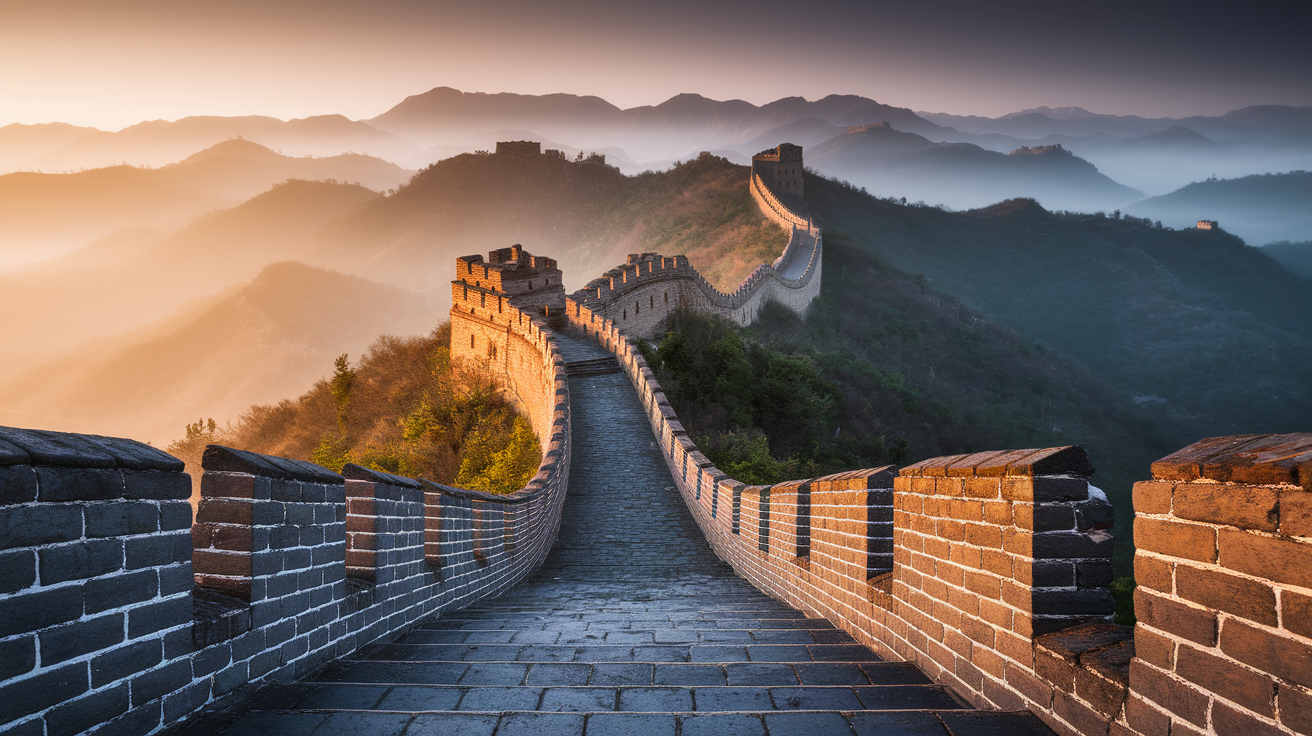
The Great Wall of China isn’t just another tourist attraction—it’s an epic outdoor adventure waiting to transform your understanding of what hiking can be.
This ancient monument stretches across mountains, deserts, and valleys, offering everything from family-friendly strolls to hardcore wilderness treks that’ll test even experienced backpackers.
You’re about to discover how to turn your Great Wall visit into an authentic outdoor experience, not just another crowded photo op.
We’ll walk through the best sections for different skill levels, essential gear you’ll actually need, and practical tips that’ll help you navigate this incredible landscape safely and confidently.
Whether you’re planning your first international hiking trip or you’re a seasoned adventurer looking for your next challenge, the Great Wall delivers an unmatched combination of history, natural beauty, and physical challenge. Let’s dive into everything you need to know to make your Great Wall adventure unforgettable.
Choosing Your Great Wall Adventure: Best Sections for Outdoor Enthusiasts
Mutianyu: The Beginner-Friendly Gateway
Mutianyu strikes the perfect balance between accessibility and authentic Great Wall experience. This section sits about 45 miles northeast of Beijing, surrounded by dense forest that creates a stunning backdrop in every season.
The wall here is beautifully preserved, with smooth stones underfoot and sturdy handrails along steeper sections—ideal if you’re bringing kids or less experienced hikers.
What makes Mutianyu brilliant for first-timers is the cable car option. You can ride up, explore the wall at your own pace, then either hike down or take the toboggan slide (yes, really—it’s a blast). The wall stretches for about 1.4 miles here, giving you plenty of room to explore without feeling overwhelmed.
Visit on weekday mornings between April and May or September and October for the best experience. You’ll avoid the massive tour groups that descend after 10 AM, and the weather sits in that sweet spot—not too hot, not too cold. The autumn colors here are absolutely breathtaking, with the surrounding mountains exploding in reds and golds.
Jinshanling to Simatai: The Ultimate Hiker’s Challenge
This 10-kilometer stretch represents the Great Wall at its most dramatic and rewarding. The Jinshanling to Simatai hike takes you through both restored and wild sections, offering constantly changing terrain that keeps things interesting. You’ll climb steep staircases, navigate crumbling watchtowers, and cross sections where nature has reclaimed the ancient stones.
Plan on 4-6 hours for this trek, depending on your fitness level and how often you stop for photos (spoiler: you’ll stop a lot). The views here are simply epic—rolling mountains stretching to the horizon, with the wall snaking across ridgelines like a stone dragon. This route gives you that sense of adventure and accomplishment that makes hiking addictive.
Experienced backpackers can arrange overnight camping near Simatai, though you’ll need to book through approved operators. Watching sunset and sunrise from the wall is an experience that’ll stay with you forever. The stars out here are incredible—no city lights, just you and thousands of years of history under a brilliant night sky.
Jiankou: For the Wild and Adventurous
Jiankou isn’t for everyone, and that’s exactly what makes it special. This unrestored section delivers the most authentic wilderness experience on the Great Wall. The stones are loose, the drops are serious, and there are no handrails or safety features. You’re hiking the wall exactly as it exists after centuries of weathering—raw, rugged, and absolutely stunning.
The terrain here demands respect. You’ll scramble over collapsed sections, navigate steep inclines where one misstep could mean trouble, and cross areas where the wall has crumbled to just a narrow path. Proper hiking boots with excellent ankle support aren’t optional here—they’re mandatory.
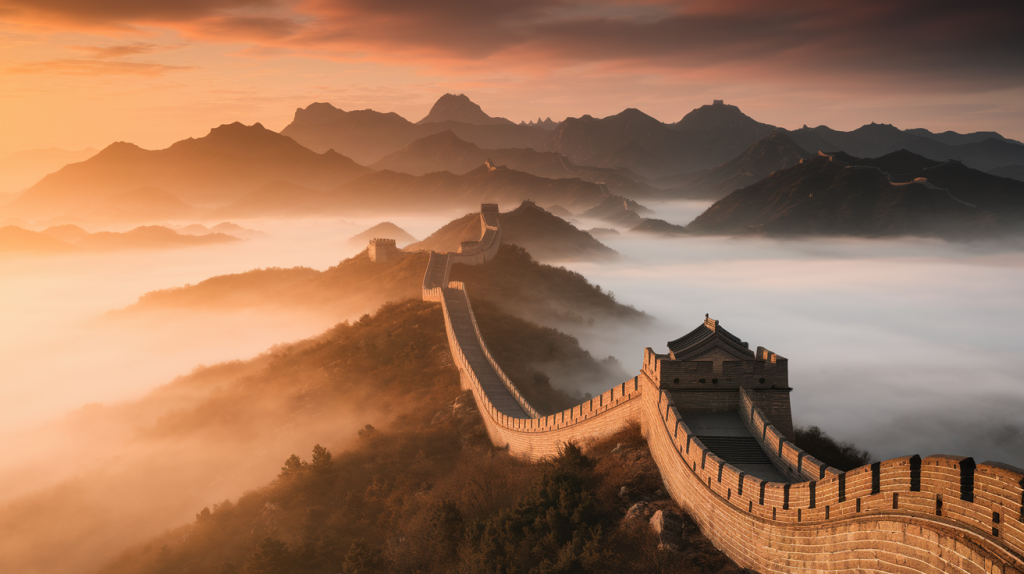
But here’s why serious outdoor enthusiasts love Jiankou: the photography opportunities are unmatched. The wall curves dramatically through mountains, creating compositions that look almost surreal. The “Heavenly Ladder” section features nearly vertical stone stairs that make for incredible shots. Early morning fog rolling through the valleys below creates an otherworldly atmosphere.
Only attempt Jiankou if you’re an experienced hiker with good fitness and comfort on exposed terrain. Consider hiring a local guide—they know the safest routes and can help navigate sections where the path isn’t obvious. This isn’t about conquering the wall; it’s about experiencing it in its most authentic, unfiltered form.
Essential Gear and Equipment for Your Great Wall Trek
Footwear and Clothing Must-Haves
Your feet will make or break your Great Wall experience. These ancient stones are uneven, often worn smooth from centuries of foot traffic, and can be slippery when wet. Invest in quality hiking boots with aggressive tread and excellent ankle support. Trail runners work for easier sections like Mutianyu, but anything more challenging demands proper boots.
The weather on the Great Wall changes fast. Mountain conditions mean you can start your hike in sunshine and encounter rain, wind, or even fog within an hour. Dress in layers you can easily add or remove—start with a moisture-wicking base layer, add an insulating mid-layer, and top with a waterproof shell. Skip cotton completely; it stays wet and will make you miserable.
Sun protection is non-negotiable. The wall sits on exposed ridgelines with zero shade. Pack a wide-brimmed hat, quality sunglasses, and apply sunscreen liberally. I’ve seen too many hikers turn lobster-red after underestimating the sun at altitude. UV-protective clothing with long sleeves helps tremendously, especially during summer months.
Avoid wearing new shoes, restrictive clothing, or anything that hasn’t been tested on previous hikes. The middle of the Great Wall is not the place to discover your boots cause blisters or your pants restrict movement on steep climbs.
Navigation and Safety Equipment
Even on popular sections, cell service can be spotty. Download offline maps before you go—Google Maps works in China with a VPN, but apps like Maps.me offer reliable offline navigation. A portable phone charger is essential; your phone is your camera, map, and emergency communication device.
Pack a comprehensive first aid kit tailored for hiking injuries. Include blister treatment (you’ll likely need it), pain relievers, bandages, antiseptic wipes, and any personal medications. Add an elastic bandage for potential sprains and tweezers for splinters from weathered wooden handrails.
Water is heavy but critical. The Great Wall offers limited refill opportunities, especially on wild sections. Carry at least two liters per person for day hikes, more in summer heat. Water purification tablets or a portable filter let you refill from mountain streams on longer treks, though always exercise caution with water sources.
Emergency communication tools provide peace of mind. A whistle weighs nothing but can signal for help if needed. Consider a portable power bank specifically for emergency calls. Share your hiking plans with someone before you go, including which section you’re tackling and expected return time.
Photography and Comfort Gear
The Great Wall offers some of the most photographic landscapes on Earth. Bring whatever camera gear you’re comfortable carrying, but remember—you’ll be hiking with it all day. A lightweight mirrorless camera with a versatile zoom lens captures everything from wide landscapes to detailed architectural shots without weighing you down.
Trekking poles transform your Great Wall experience, especially on steep sections. They reduce stress on your knees during descents, provide stability on uneven stones, and help with balance when navigating tricky sections. Collapsible poles pack easily when you don’t need them.
Choose your daypack carefully. You need enough space for layers, water, snacks, and gear, but not so large that it throws off your balance. A 20-30 liter pack with good hip support distributes weight properly. External pockets for water bottles and snacks keep essentials accessible without stopping.
Pack high-energy snacks that won’t melt or spoil—trail mix, energy bars, dried fruit, and jerky work perfectly. Chinese vendors sell snacks at popular sections, but prices are inflated and selection is limited. Bringing your own food ensures you have what you need when energy dips.
Planning Your Adventure: Seasons, Weather, and Logistics

Best Times to Explore the Great Wall
Spring arrives on the Great Wall with wildflowers carpeting the mountains and temperatures hovering in the comfortable 60-70°F range. April and May offer ideal hiking conditions—not too hot, relatively dry, and the landscape bursting with color. Cherry blossoms bloom around the wall in early April, creating stunning photo opportunities.
Fall is equally spectacular, particularly September through October. The autumn foliage transforms the mountains into a tapestry of reds, oranges, and golds. Clear skies dominate this season, giving you those crisp, sharp views that make landscape photography sing. Temperatures mirror spring—perfect for hiking without overheating.
Summer brings intense heat and humidity, plus afternoon thunderstorms that can roll in quickly. If you’re visiting between June and August, start your hikes at dawn. You’ll beat the heat, avoid crowds, and catch incredible morning light. Carry extra water and take frequent breaks in whatever shade you can find.
Winter hiking on the Great Wall is magical but challenging. Snow and ice coat the stones, making sections treacherous without proper footwear and experience.
Crowds disappear, giving you an almost private experience of this world wonder. Temperatures drop below freezing, but bundled up properly, you’ll have the wall largely to yourself. The snow-covered landscape looks like something from a fairy tale.
Avoid Chinese national holidays—Golden Week in early October and Chinese New Year in January or February—when domestic tourism explodes. The wall becomes uncomfortably crowded, and accommodation prices skyrocket.
Weather and Safety Considerations
Mountain weather follows its own rules. Conditions can shift dramatically as you gain elevation, and the exposed ridgeline position of the wall means you’re vulnerable to wind and storms. Check weather forecasts obsessively in the days before your hike, but also prepare for unexpected changes.
Thunderstorms pose serious danger on the Great Wall. You’re hiking along an elevated stone structure, often the highest point around—basically a lightning rod. If you see dark clouds building or hear thunder, descend immediately to lower ground. Don’t wait to see if it passes; mountain storms develop fast and hit hard.
Summer heat exhaustion is a real threat, especially for visitors not acclimated to the humidity. Start early, drink water consistently (not just when you’re thirsty), and watch for warning signs—dizziness, nausea, excessive fatigue. Take breaks in shade, wet your hat and neck with water, and don’t push through if you’re feeling off.
Winter ice creates treacherous conditions on steps and slopes. Microspikes or crampons become essential gear for winter hiking. Test each step before committing your full weight, use trekking poles for stability, and consider that sections safe in summer become genuinely dangerous when iced over.
Getting There and Practical Logistics
Getting from Beijing to the Great Wall is straightforward but requires planning. Public buses run to popular sections like Badaling and Mutianyu—cheap but slow, taking 2-3 hours each way. Private drivers or organized tours cost more but save significant time and hassle, especially if you’re visiting more remote sections.
For serious hikers tackling wild sections like Jiankou, you’ll need to arrange transportation through your accommodation or a tour operator. These areas aren’t accessible via public transit, and taxi drivers often refuse to go there due to poor road conditions.
Permit requirements vary by section. Popular tourist areas like Mutianyu and Badaling require only an entrance ticket purchased on-site or online. Wild sections may require special permission or must be accessed through licensed operators. Research your chosen section’s requirements weeks before your trip—some permits take time to arrange.
Accommodation options range from Beijing hotels (with daily trips to the wall) to guesthouses near the wall itself. Staying near your hiking section eliminates early morning travel and lets you catch sunrise on the wall. Budget 500-1500 yuan ($70-210 USD) per day including accommodation, transportation, entrance fees, and meals.
Making the Most of Your Great Wall Experience
Hiking Tips and Trail Etiquette
Pace yourself from the start. The Great Wall’s steep sections tempt you to charge up, burning energy you’ll need later. Find a sustainable rhythm that lets you hike for hours without exhausting yourself. Take short breaks every 30-45 minutes to hydrate, snack, and let your heart rate settle.
The ancient stones require different hiking techniques than dirt trails. Worn smooth by centuries of foot traffic, they can be slippery, especially when wet. Plant your feet deliberately, test your footing before committing weight, and use handrails where available. Descending is harder than climbing—lean slightly back, take smaller steps, and don’t rush.
Respect this ancient monument. Don’t carve names, remove stones as souvenirs, or leave trash behind. The Great Wall has survived for centuries; let’s keep it that way. Stay on established paths in wild sections to prevent erosion and damage to fragile areas.
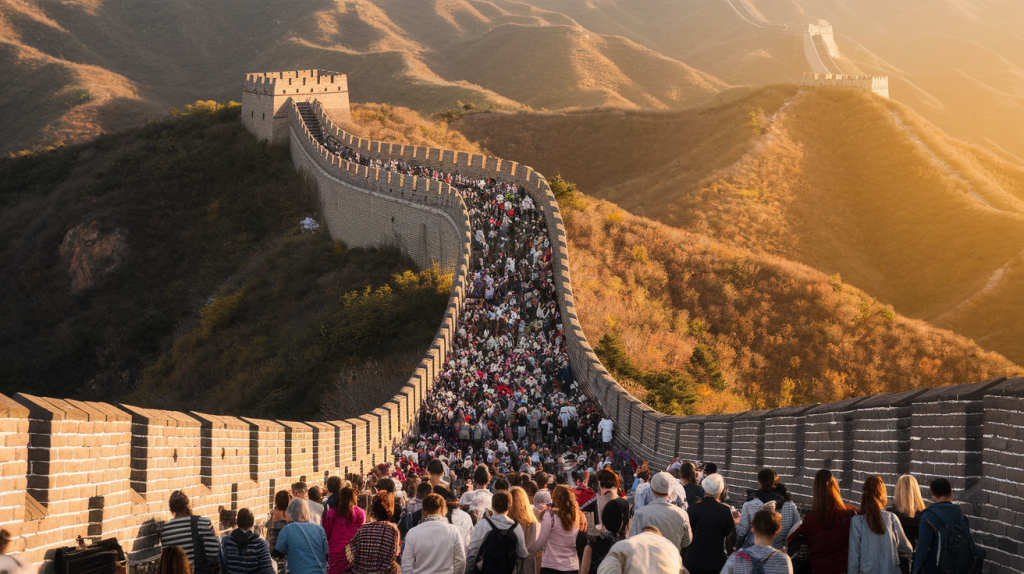
Photography crowds can be intense at popular viewpoints. Be patient, wait your turn, and don’t monopolize prime spots. Early morning and late afternoon offer the best light and fewer people. The golden hour before sunset creates magical lighting that makes every photo extraordinary.
Family-Friendly Great Wall Adventures
Mutianyu is your best bet for kids. The cable car eliminates the initial tough climb, and the restored sections are safe with proper supervision. Turn the visit into an adventure story—you’re exploring an ancient dragon’s back, counting watchtowers like castles, imagining ancient soldiers on patrol.
Keep kids engaged with simple games. Count steps between watchtowers, spot different types of stones, or create stories about what life was like for wall guards. Bring plenty of snacks—hungry kids are unhappy kids, and the hiking burns more energy than they expect.
Pack extra layers for children. They cool down faster than adults, especially when taking breaks. A small backpack lets older kids carry their own water and snacks, giving them ownership of the adventure.
Safety considerations for families include staying well back from wall edges (many sections lack railings), taking frequent breaks before kids get overtired, and being realistic about distance. A two-hour hike for adults might take three with children, and that’s fine. The goal is creating positive outdoor memories, not setting speed records.
Beyond Hiking: Other Outdoor Activities
Camping near remote Great Wall sections offers an unforgettable experience. Several operators arrange overnight trips to Jinshanling and other areas, providing tents, meals, and guides. Watching stars from the wall, with nothing but mountains and history around you, creates memories that last forever.
Paragliding from the Great Wall is possible at specific locations, offering a bird’s-eye view of this incredible structure. Several companies near Mutianyu offer tandem flights—you’re strapped to an experienced pilot and launched from nearby peaks. The perspective of seeing the wall snake across mountains from above is absolutely mind-blowing.
Mountain biking routes wind through areas surrounding the Great Wall. While you can’t bike on the wall itself, trails through nearby villages and mountains offer excellent riding. Some tour operators combine wall hiking with mountain biking for multi-activity adventures.
Local guides provide authentic experiences beyond typical tourism. They know hidden viewpoints, lesser-known wall sections, and can share stories about the wall’s history and their personal connection to it. Supporting local guides puts money directly into communities near the wall and enriches your experience immeasurably.
Conclusion
The Great Wall of China delivers an outdoor adventure unlike anything else on Earth. You’re not just hiking a trail—you’re walking through 2,000 years of history while challenging yourself physically and soaking in some of the most dramatic landscapes Asia has to offer.
Choose your section based on your fitness level and adventure appetite. Mutianyu offers accessible beauty perfect for families and first-timers. Jinshanling to Simatai provides that epic all-day trek serious hikers crave. Jiankou tests experienced adventurers with raw, wild terrain that rewards courage with unforgettable views.
Prepare properly with quality gear, realistic planning, and respect for mountain weather. The Great Wall isn’t a casual stroll—it demands proper boots, layered clothing, navigation tools, and safety equipment. But invest the time and effort, and you’ll experience something truly extraordinary.
Start planning your Great Wall adventure today. Research your chosen section, book accommodation, and begin preparing physically for the challenge ahead. This ancient monument has waited centuries—it’ll be there when you’re ready.
The Great Wall isn’t just about conquering a famous landmark. It’s about connecting with history through physical effort, pushing your outdoor skills in a unique environment, and discovering what you’re capable of when you step outside your comfort zone. Your epic Great Wall adventure is waiting—all you need to do is take that first step.