central asia summer travel guide 2026

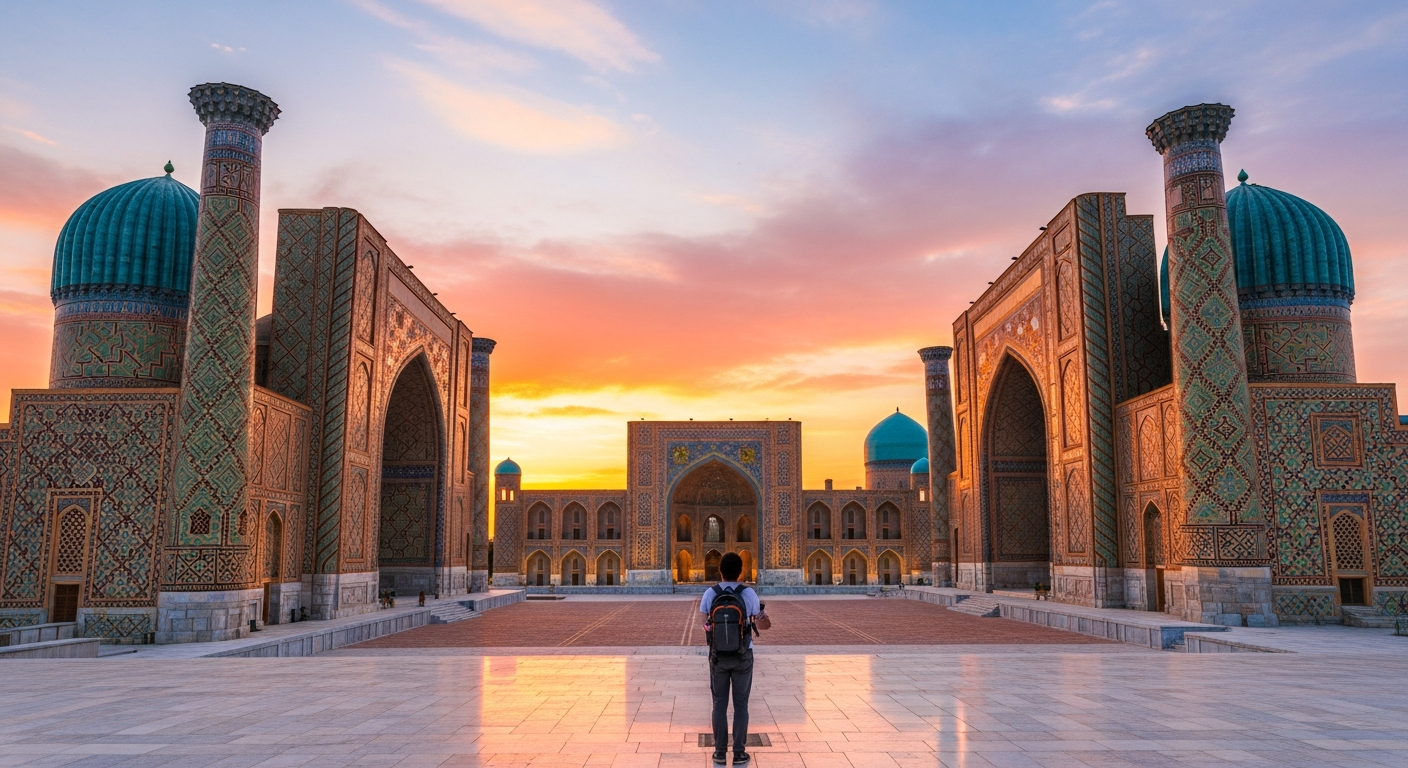
Think about standing in Samarkand’s Registan Square at golden hour, the turquoise domes glowing against a pink sky, while locals sip tea at a nearby chaikhana—and you’ve got the place almost to yourself because you know the secret timing. This is Central Asia in summer 2026.
While everyone else is fighting crowds in overcrowded European hotspots and draining their savings, you could be exploring the Silk Road’s most breathtaking cities, camping under stars in Kyrgyzstan’s mountains, and eating like royalty—all for a fraction of the cost. But here’s the problem: most travelers don’t even know where to start with Central Asia.
This complete guide cuts through the overwhelm. I’ll show you exactly how to maximize your limited vacation time across the four essential “Stans,” avoid tourist traps, unlock authentic local experiences, and plan the perfect itinerary whether you have 10 days or a full month.
No fluff—just practical, actionable advice from someone who’s navigated these routes, haggled at these bazaars, and slept in these yurts.
Why Central Asia Should Be Your 2026 Summer Destination

The Perfect Storm of Timing and Value
Here’s what nobody’s telling you: 2026 is the absolute sweet spot for Central Asia travel. Uzbekistan Airways just announced three new direct routes from European hubs starting May 2026, slashing connection times by half. Kazakhstan expanded its visa-free program to 78 countries in late 2025, and Tajikistan’s e-visa system now processes GBAO permits simultaneously—no more bureaucratic nightmares.
But the real magic is the value equation. I tracked my expenses across three weeks in summer 2024, and here’s the honest breakdown: comfortable guesthouses ran 25-40 USD per night (private room, ensuite bathroom), spectacular restaurant meals cost 5-12 USD, and intercity transport averaged 8-15 USD for 4-6 hour journeys. Your total daily spend? Between 50-75 USD for a genuinely comfortable experience. Compare that to 200+ USD in Europe for the same quality level, and you’re looking at stretching your budget three times further.
The infrastructure improvements haven’t killed the authenticity—they’ve just made it accessible. New highways mean you can reach Song-Kol Lake in 4 hours instead of bone-rattling 7, but the nomadic families still welcome you into their yurts with fresh kumis and stories about their herds. Tourist facilities exist, but mass tourism hasn’t arrived yet. In Bukhara’s old town, I counted more locals than foreigners even in August.
Summer’s Hidden Advantages (Yes, Really)
Everyone warns you about Central Asian summer heat, but they’re missing the altitude factor. Kyrgyzstan’s average elevation sits at 2,750 meters—higher than most Swiss ski resorts. When Tashkent swelters at 38°C, Song-Kol Lake hovers around a pleasant 18-22°C. The Pamir Highway in Tajikistan? Cool mountain air even in July.
The strategic approach: start in Kyrgyzstan’s mountains (June-August), then hit Uzbekistan’s cities in early September when temperatures drop to the mid-20s. I made the mistake of doing Samarkand in mid-July—manageable, but the 3 PM siesta culture exists for a reason. Early mornings (6-10 AM) and evenings (5-9 PM) become your exploration windows, which actually works perfectly because that’s when the light turns magical for photography anyway.
Summer unlocks experiences impossible in other seasons. The jailoos (summer pastures) operate June through September only—miss this window, and you miss sleeping in yurts, watching shepherds move their flocks, and tasting fresh ayran made that morning. Kyrgyzstan’s World Nomad Games happen in September during even-numbered years (next one: 2026!). Wedding season peaks in summer, and if you’re staying in guesthouses, there’s a genuine chance you’ll get invited to one. I witnessed a three-day Tajik wedding celebration in the Wakhan Corridor—an unforgettable cultural immersion you can’t plan or pay for.
Authentic Experiences Still Exist Here
Here’s what shocked me most: the Silk Road cities aren’t museum pieces. In Bukhara, I watched a 70-year-old master craftsman hand-carve a wooden door using techniques unchanged since the 15th century—not for tourists, but because that’s his family’s workshop and he was fulfilling an order for a local mosque. The Registan isn’t a photo backdrop; it’s where Samarkand’s teenagers hang out in the evenings, where families picnic, where life actually happens.
The hospitality tradition called “mehmon” (guest respect) remains deeply embedded. In Kyrgyzstan’s Jeti-Oguz valley, our marshrutka broke down. Within 15 minutes, a local family insisted we wait in their home, served us tea and fresh bread, and refused any payment. This wasn’t performative tourism—they’d have done it for any stranger. Try finding that authenticity in Santorini.
The hidden gems aren’t even hidden—they’re just one marshrutka ride away. While tour groups crowd Samarkand’s Registan, the Ulugh Beg Observatory sits 15 minutes north, nearly empty, with original 15th-century astronomical instruments. In Kyrgyzstan, everyone photographs Jeti-Oguz’s “Seven Bulls” rock formation, but drive 20 minutes further to the Ak-Suu hot springs where locals soak, and you’ll have the place to yourself.
The Complete 4-Stans Overview: Choosing Your Adventure

Uzbekistan – The Silk Road Showstopper
This is where first-timers should start, and for good reason. Uzbekistan delivers the “wow” factor immediately—those iconic turquoise domes, intricate tilework, and Silk Road history you’ve seen in photos. The infrastructure is Central Asia’s most developed, with comfortable hotels at every price point, reliable transport, and English increasingly common in tourist areas.
Summer highlights center on the legendary trio: Samarkand’s Registan Square (best at sunrise before 6 AM—trust me on this), Bukhara’s remarkably intact old town where you can wander labyrinthine streets for hours, and Khiva’s Ichan-Kala fortress that feels frozen in time. Tashkent surprises as a modern, Soviet-influenced capital with stunning metro stations that rival Moscow’s—each one an underground art gallery.
Budget 7-10 days minimum, though two weeks lets you add lesser-known gems like the Fergana Valley or the desert fortresses near Khiva. Costs run 40-60 USD daily for budget travelers (hostels, local cafés, public transport) or 80-120 USD for mid-range comfort (nice guesthouses, mix of local and tourist restaurants, occasional taxis). The train system connects major cities efficiently—book “Afrosiyob” high-speed trains in advance through Uzbekistan Railways website.
Kyrgyzstan – The Outdoor Adventurer’s Paradise
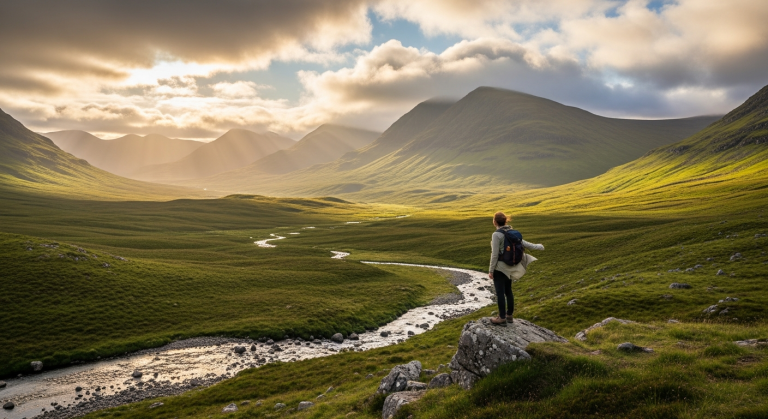
If Uzbekistan is culture and architecture, Kyrgyzstan is pure nature. Ninety percent of the country sits above 1,500 meters, creating a landscape of alpine lakes, dramatic peaks, and vast grasslands dotted with yurts. This is where you’ll have your most authentic nomadic experiences and best trekking opportunities in Central Asia.
Song-Kol Lake is the crown jewel—a high-altitude alpine lake (3,016 meters) surrounded by summer pastures where nomadic families set up yurt camps from June to September. The experience: sleep in a traditional yurt, ride horses across endless grasslands, eat freshly made bread baked in a tandoor, and witness stars so bright you’ll understand why ancient peoples navigated by them. Book through CBT (Community Based Tourism) Kyrgyzstan for authentic family-run experiences at 25-35 USD per person including meals.
Other summer highlights include Issyk-Kul (world’s second-largest alpine lake, never freezes), the Jeti-Oguz valley’s red rock formations, Ala-Archa National Park for day hikes from Bishkek, and the Karakol region for multi-day treks. Budget 5-14 days depending on how many treks you tackle.
Costs are ultra-affordable: 30-50 USD daily covers homestays (15-20 USD), hearty local meals (3-6 USD), and marshrutka transport (1-5 USD). Splurge level (70-100 USD daily) gets you comfortable yurt camps with proper facilities and organized tours.
Tajikistan – The Stunning Mountain Frontier
Tajikistan is for travelers ready to embrace adventure over comfort. This is the most challenging “Stan” logistically—rougher roads, fewer tourist facilities, more planning required—but it rewards you with the Pamirs, some of the world’s most spectacular mountain scenery.
The Pamir Highway is the main attraction: a 1,200-kilometer route through mountains, past turquoise lakes, alongside the Afghan border in the Wakhan Corridor, over 4,655-meter passes. It’s not technically difficult (any car can make it in summer), but it requires time (minimum 5-7 days, better with 10) and flexibility. Accommodations range from homestays (the standard) to the occasional guesthouse, with meals included because restaurants barely exist in remote areas.
For those not tackling the full Pamir Highway, the Fann Mountains near Dushanbe offer world-class trekking, and Iskanderkul Lake provides an accessible mountain escape. Summer (June-September) is the only realistic time for Pamir travel—snow blocks high passes outside this window.
Budget 7-14 days, with costs running 50-70 USD daily including hired transport (necessary for the Pamirs—shared jeeps or private drivers cost 80-120 USD per day split among passengers). The GBAO permit (required for the Pamirs) now comes automatically with your e-visa if you check the box—no extra hassle.
Kazakhstan – The Unexpected Modern Contrast
Kazakhstan serves as both gateway and contrast. Almaty, the former capital, blends Soviet architecture with modern cafés, mountain backdrops, and a surprisingly vibrant food scene. It’s the most “Western” city in Central Asia—helpful for easing into the region or decompressing afterward.
Summer highlights include Charyn Canyon (Kazakhstan’s answer to the Grand Canyon, just 3 hours from Almaty), the Kolsai Lakes for hiking and horseback riding, and Altyn-Emel National Park’s singing dunes. The city itself offers excellent restaurants, mountain day trips to Medeu and Shymbulak, and comfortable accommodation at all levels.
Budget 4-7 days—Kazakhstan works well as an entry/exit point combined with Kyrgyzstan (just 4 hours from Bishkek). Costs run higher than other Stans: 60-90 USD daily for budget travel, 100-150 USD for comfort. The country uses its own currency (tenge), and credit cards work widely in cities.
Strategic Combinations for Limited Time: For 10 days, stick to Uzbekistan’s highlights (Tashkent-Samarkand-Bukhara-Khiva circuit). With 2 weeks, combine Uzbekistan’s top cities with Kyrgyzstan’s Song-Kol Lake. Three weeks allows all four countries with strategic flights. A full month enables overland travel, multiple treks, and genuine immersion without rushing.
Perfect Summer Itineraries: Maximize Every Day

The 10-Day Uzbekistan Intensive (Budget-Friendly)
Days 1-2: Tashkent – Arrive, shake off jet lag, and explore the capital most people skip too quickly. The metro stations alone deserve half a day—Kosmonavtlar, Alisher Navoi, and Mustaqillik Maydoni stations showcase Soviet artistic vision. Chorsu Bazaar (best visited around 8 AM before crowds) sells everything from spices to fresh bread to handmade crafts. Stay in the Mirabad district near Amir Timur Square for walkability and restaurant access. Budget: 40-50 USD daily.
Days 3-5: Samarkand – Take the morning Afrosiyob train (2.5 hours, book tickets at afrosiyob.uzrailway.uz, approximately 12 USD). The secret to Samarkand: visit the Registan at sunrise (around 5:30 AM in summer) when you’ll have it nearly alone, then return for sunset. Spend the hot afternoon at Shah-i-Zinda necropolis (stunning tilework, shaded pathways) or the Ulugh Beg Observatory. Day three, take a marshrutka to Konigil village (40 minutes, 1 USD) for the Meros paper workshop—they still make paper using 8th-century methods from mulberry bark. Stay near the Registan for convenience. Budget: 45-55 USD daily.
Days 6-8: Bukhara – Train from Samarkand (3.5 hours, 8 USD). Bukhara rewards wandering without a map—get deliberately lost in the old town’s alleys. Visit the Ark Fortress early (opens 9 AM), spend afternoons in shaded courtyards of madrasas, and evenings at Lyab-i Hauz watching locals socialize. For carpet shopping (the authentic kind, not tourist traps), visit the Samarkand Bukhara Silk Carpets workshop on Khakikat Street—Akmal, the owner, explains natural dyes and weaving techniques without pressure to buy. Don’t miss Chor-Minor at golden hour (around 7 PM in summer). Budget: 40-50 USD daily.
Days 9-10: Khiva – Shared taxi from Bukhara (6 hours, 15 USD per person) or night train via Urgench. Khiva’s Ichan-Kala fortress is an open-air museum that you can cover in 1.5 days. Climb Islam Khodja Minaret for sunset views over the walled city. Day two, hire a driver (negotiate to 40-50 USD for the day) to visit the ancient Khorezm fortresses—Ayaz-Kala and Toprak-Kala sit in the desert, hauntingly beautiful and nearly tourist-free. Return to Tashkent via Urgench flight (1 hour, book in advance, 60-80 USD). Budget: 50-60 USD daily.
Total budget estimate: 650-800 USD including domestic transport and one flight.
The 14-Day Nature & Culture Combo (Best Value)
This itinerary combines Uzbekistan’s cultural highlights with Kyrgyzstan’s natural wonders—the perfect introduction to Central Asia’s diversity.
Days 1-7: Follow the condensed Uzbekistan route above, hitting Tashkent (2 days), Samarkand (2-3 days), and Bukhara (2 days). Skip Khiva to save time.
Day 8: Fly Tashkent to Bishkek (1.5 hours, book via Air Manas or Uzbekistan Airways, 100-150 USD). Arrive, check into a guesthouse in the city center (20-30 USD), and spend the afternoon exploring Osh Bazaar (Bishkek’s main market) and the surprisingly good café scene along Erkindik Boulevard. This is your decompression day before hitting the mountains.
Day 9: Day trip to Ala-Archa National Park (45 minutes south, hire a taxi for 25-30 USD round trip including waiting time). Hike to the waterfall (2-3 hours round trip, moderate difficulty) for mountain acclimatization. Return to Bishkek for the night.
Days 10-12: Song-Kol Lake—the highlight of your Kyrgyzstan experience. Book through CBT Kochkor (cbtkyrgyzstan.kg) at least 2 weeks in advance during summer. The journey takes 4-5 hours from Bishkek via shared transport (arranged by CBT, approximately 25 USD per person). You’ll spend two nights in a traditional yurt with a nomadic family at 3,000+ meters elevation. Activities include horseback riding (10 USD for a few hours), hiking around the lake, and experiencing authentic nomadic life. Meals are included—expect fresh bread, mutton, dairy products, and endless tea. The sunsets here are absolutely magical, with the lake reflecting mountains and sky in perfect stillness. Budget: 70-80 USD for two nights including transport, accommodation, and all meals.
Days 13-14: Travel to Karakol (6-7 hours via marshrutka, 7-10 USD) on the eastern shore of Issyk-Kul Lake. Visit the Jeti-Oguz valley (30 minutes from Karakol, hire a taxi for 20 USD half-day) to see the “Seven Bulls” red rock formations and relax at natural hot springs. Spend your final night at an Issyk-Kul lakeside guesthouse (25-35 USD), swimming in the lake and reflecting on two weeks of incredible experiences. Fly back to Bishkek (or continue overland to Almaty, Kazakhstan—just 4 hours away).
Total budget estimate: 950-1,200 USD including all transport and flights.
Practical Planning Essentials: Cut Through the Overwhelm

Visas Made Simple (2026 Updates)
The visa situation has improved dramatically, but here’s exactly what you need:
Uzbekistan: E-visa available at e-visa.gov.uz for citizens of 90+ countries (check the list—most Western nations, plus many Asian countries qualify). Cost: 20 USD for single-entry, 30-day validity. Apply 2-3 weeks before departure; processing takes 2-3 business days. Alternatively, many nationalities now get visa-free entry for 30 days—check your country’s status before paying for an e-visa.
Kyrgyzstan: Visa-free for citizens of 60+ countries for stays up to 60 days. No paperwork, no fees