beijing 5-Day travel itinerary

Beijing isn’t just another city—it’s where 3,000 years of history collides with cutting-edge modernity, where ancient hutongs wind past glittering skyscrapers, and where you can eat breakfast with locals for $2 or splurge on Michelin-starred Peking duck.
After visiting Beijing three times and spending countless hours exploring its hidden corners, I’ve crafted this itinerary to help you experience the authentic soul of China’s capital without the overwhelm.
This isn’t your typical “hit every tourist spot” guide. Instead, you’ll discover how to navigate the Forbidden City without the crushing crowds, which section of the Great Wall actually delivers that breathtaking experience you’re dreaming of, and where locals go when they want to escape the tourist bubble.
Whether you’re traveling on a shoestring budget or ready to splurge, this five-day plan balances must-visit landmarks with secret neighborhood gems that most visitors completely miss.
Here’s what makes this itinerary different: flexible timing that respects your energy levels, honest assessments of what’s worth your time (and what’s overhyped), and practical tips that solve real problems like navigating mobile payments and booking tickets in advance. Let’s dive into your unforgettable Beijing adventure.
Day 1-2: Imperial Beijing – The Forbidden City & Temple of Heaven
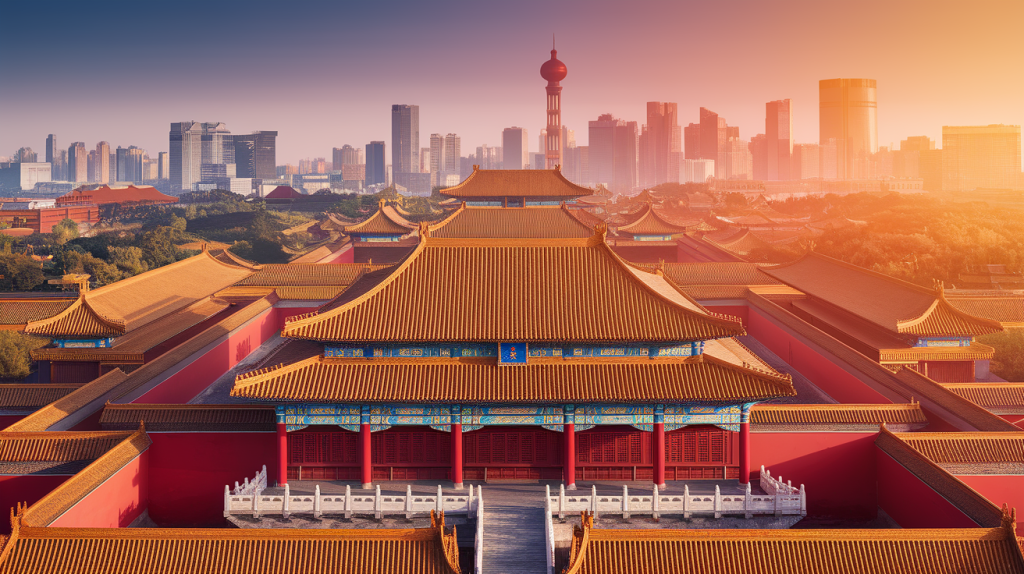
Day 1 Morning: Tiananmen Square & The Forbidden City
Start your Beijing journey at the heart of imperial China, but here’s the insider secret most guidebooks won’t tell you: arrive at Tiananmen Square by 7:30 AM to witness the flag-raising ceremony. Watching Chinese guards march in perfect synchronization as the sun rises over the world’s largest public square gives you an authentic glimpse into modern Chinese culture that tour groups arriving at 10 AM completely miss.
The Forbidden City Strategy: Book your tickets online at least 7 days in advance through the official Palace Museum website—this isn’t optional. The palace caps daily visitors at 80,000, and tickets sell out, especially during holidays. Your 9 AM entry time (the earliest available) positions you perfectly to explore the 180-acre complex before the midday crowds arrive.
Plan for 3-4 hours minimum inside the Forbidden City. The audio guide (¥40, about $6) is worth every yuan—it transforms what could be confusing hall after hall into compelling stories about emperors, concubines, and palace intrigue. Don’t just follow the central axis like everyone else. Venture into the eastern and western palace sections where you’ll discover hidden courtyards, the fascinating Clock Museum, and the stunning Imperial Garden with far fewer tourists.
Photography gold: The best photo spots are the view from Jingshan Park (save this for afternoon), the intricate details of the Hall of Supreme Harmony’s marble carvings, and the peaceful corners of the Imperial Garden. Skip the crowded shots everyone takes at the main entrance—you’ll get better photos from unexpected angles in the side courtyards.
Day 1 Afternoon: Jingshan Park & Hutong Exploration
After the Forbidden City, walk directly north to Jingshan Park (¥2 entrance, roughly $0.30). The 15-minute climb to the top rewards you with the most breathtaking panoramic view of the Forbidden City’s golden roofs stretching toward modern Beijing’s skyline. Time your visit for late afternoon when the light turns magical and the crowds thin out.
Now it’s time to experience authentic Beijing life in the hutongs. Head to either Nanluoguxiang (more touristy but charming) or the Gulou area (more local, less polished). These narrow alleyways represent old Beijing—families living in traditional courtyard homes, elderly residents playing chess on street corners, and the kind of neighborhood atmosphere that makes you feel like you’ve stepped back in time.
Dinner strategy: This is your night for Peking duck, Beijing’s signature dish. Budget travelers should head to Siji Minfu (around ¥200/$30 per person for duck and sides)—locals love it, and you’ll get authentic quality without tourist markup. If you’re splurging, Da Dong offers a modern interpretation (¥400-600/$60-90 per person) with stunning presentation. Reserve ahead for dinner time at either spot.
Day 2: Temple of Heaven & Summer Palace
Wake up early again (I promise it’s worth it) and reach the Temple of Heaven by 7 AM. Before the tour groups arrive, you’ll witness something magical: hundreds of locals practicing tai chi, playing traditional instruments, doing calligraphy with water on the pavement, and dancing in groups. Join in—Beijing’s retirees are incredibly welcoming, and this spontaneous cultural exchange often becomes travelers’ most memorable moment.
The Temple of Heaven complex is stunning architecture with deep cultural significance. The circular Hall of Prayer for Good Harvests represents heaven, while the square base symbolizes earth—emperors came here to pray for bountiful harvests. The Echo Wall demonstrates ancient acoustic engineering that still works perfectly today. Spend 2-3 hours exploring the temple grounds and soaking in the peaceful atmosphere.
Summer Palace afternoon: Take subway Line 4 to Beigongmen Station (about 45 minutes from Temple of Heaven). The Summer Palace is Beijing’s ultimate imperial garden escape—Kunming Lake, the ornate Long Corridor with its 14,000 painted scenes, and Longevity Hill create a masterpiece of landscape design. Rent a paddle boat on the lake (¥40/hour) or simply wander the gardens. Budget 3-4 hours here; it’s massive, and rushing through defeats the purpose.
Transportation tip: Purchase a Beijing Municipal Card (Yikatong) at any subway station. It works on subways and buses, offers slight discounts, and eliminates the hassle of buying individual tickets. Load it with ¥100 ($15) to start—that’ll cover several days of transportation.
Day 3: The Great Wall Experience – Choosing Your Perfect

Section
Comparing Wall Sections: Finding Your Authentic Experience
Here’s the truth about the Great Wall: your experience depends entirely on which section you choose. Badaling is closest to Beijing but suffers from overwhelming crowds—imagine shoulder-to-shoulder tourists, not the epic solitary wall-walking you’re picturing. Let’s focus on better options.
Mutianyu (My top recommendation for most travelers): This section delivers the perfect balance of accessibility, restoration quality, and manageable crowds. The wall snakes dramatically across mountain ridges, offering those breathtaking photos you’re after. Cable cars and a toboggan ride down make it accessible for varying fitness levels, yet you can also hike up for the challenge. It’s 90 minutes from central Beijing—far enough to deter some crowds but not so remote that you waste half your day traveling.
Jinshanling to Simatai (For serious hikers): This is the ultimate wild wall experience. Partially restored, partially crumbling, this 10-kilometer hike takes 4-5 hours and rewards you with stunning unrestored sections where you’ll feel like an explorer discovering ancient history. The catch? It requires good fitness, proper hiking shoes, and comfort with uneven, sometimes steep terrain. It’s also 2.5 hours from Beijing, making it a full-day commitment.
Budget breakdown: Organized tours to Mutianyu cost ¥300-500 ($45-75) including transportation, entrance, and cable car—convenient but limiting. Going independently costs ¥150-200 ($22-30) total (bus ¥80, entrance ¥45, cable car ¥60) but requires navigating Chinese bus schedules. Private drivers run ¥600-800 ($90-120) for your group—worth it if you’re traveling with 3-4 people and want flexibility.
Complete Day Trip Planning
Getting to Mutianyu independently: Take subway Line 2 to Dongzhimen Station, exit to the bus terminal, and catch bus 916 Express to Huairou (¥12). From Huairou, take a local taxi or minibus to Mutianyu (¥30-40). Yes, it’s more complicated than a tour, but you control your schedule and save significant money.
What to pack: This is crucial. Bring water (at least 1 liter per person—wall vendors charge triple), snacks, sunscreen (zero shade on the wall), a hat, comfortable walking shoes with good grip, and layers. Weather changes quickly at elevation. Your phone for photos obviously, but also download offline maps because signal can be spotty.
Timing strategy: Arrive by 9 AM to beat tour buses that roll in around 10:30 AM. The wall opens at 8 AM in peak season. Plan for 3-4 hours on the wall itself—this gives you time to hike between watchtowers, take photos without rushing, and actually absorb the magnitude of this ancient wonder. The light is best mid-morning and late afternoon; harsh midday sun flattens photos.
Beyond the Wall: Bonus Afternoon Options
Ming Tombs—worth it or skip? Honest assessment: skip it unless you’re deeply interested in imperial burial sites. The tombs are underwhelming compared to other Beijing attractions, and the 45-minute detour eats into your limited vacation time. The Sacred Way (the approach road with stone statues) is mildly interesting, but you can see photos online and spend your afternoon better elsewhere.
Local village lunch secret: Near Mutianyu’s entrance, walk past the obvious tourist restaurants to small family-run spots in the village. Look for places with Chinese-only signs and locals eating there. Point to what looks good—you’ll get authentic homestyle dishes like stir-fried vegetables, fresh noodles, and braised pork for ¥40-60 ($6-9) per person instead of ¥150 at tourist restaurants.
Evening recovery: After climbing the Great Wall, your legs need rest. Head to Haidilao Hot Pot (multiple locations) for a perfect recovery dinner. This chain offers spectacular service, unlimited fruit and snacks while you wait, and the interactive experience of cooking your own food in bubbling broth. Budget ¥150-200 ($22-30) per person for a feast.
Day 4: Local Beijing – Markets, Art Districts & Hidden Neighborhoods

Morning Market Adventures
Panjiayuan Antique Market (weekends only, 4:30 AM-6 PM) is where serious collectors and curious travelers hunt for treasures. Arrive early—vendors set up before dawn, and the best items disappear by mid-morning. You’ll find everything from genuine antiques to skillful reproductions, Cultural Revolution memorabilia, jade jewelry, vintage posters, and Tibetan handicrafts.
Bargaining masterclass: Start at 30% of the asking price, expect to settle around 50-60%, and walk away if they won’t budge—they’ll often call you back. Don’t buy “ancient” items expecting authenticity; most are reproductions, but they’re still beautiful souvenirs. Focus on items you love aesthetically rather than investment pieces unless you’re an expert.
Weekday alternative: If you’re not here on weekends, visit a local produce market instead. Sanyuanli Market near the Liangmaqiao subway station offers an authentic glimpse into daily Beijing life—vendors selling fresh vegetables, live seafood, spices, and ingredients you’ve never seen before. It’s not tourist-oriented, which makes it perfect for cultural immersion.
Breakfast like a local: Before market exploring, grab jianbing (savory Chinese crepes with egg, crispy wonton, scallions, and sauce) from a street vendor (¥8-12, about $1.50). Add baozi (steamed buns) and warm soy milk for a complete authentic breakfast that costs less than a coffee back home.
798 Art District & Creative Beijing
The 798 Art District transformed abandoned factory buildings into Beijing’s creative heart. Dashanzi Art District (its official name) showcases contemporary Chinese art, international galleries, sculpture gardens, and the kind of avant-garde installations that challenge your perception of modern China.
Gallery strategy: Most galleries are free; save paid exhibitions for those genuinely interesting to you. Must-sees include UCCA (Ullens Center for Contemporary Art) for cutting-edge exhibitions and Pace Gallery for established artists. Spend 2-3 hours wandering—the joy is stumbling upon unexpected installations and watching artists at work in their studios.
Instagram gold: The district itself is art. Colorful murals cover factory walls, industrial pipes create striking architectural photos, and sculpture gardens offer endless creative compositions. The red-brick buildings with street art provide that perfect blend of gritty and beautiful. Go during golden hour (late afternoon) for the most stunning light.
Cafe culture: Skip the obvious Starbucks. Instead, try At Café for excellent coffee and minimalist design, or Timezone 8 bookstore café for browsing art books while sipping lattes. These spots attract Beijing’s creative professionals—designers, artists, and writers—giving you authentic insight into contemporary Chinese culture beyond tourist attractions.
Evening at Wangfujing or Qianmen Street
Wangfujing Night Market: This is Beijing’s most famous street food market, and it’s controversial. The exotic offerings (scorpions, starfish, silk worms) are primarily for tourist shock value—most locals don’t eat these. However, the regular snacks are delicious: lamb skewers, stinky tofu (try it!), candied fruit, and fresh-made noodles.
What to try, what to skip: Definitely try: lamb skewers (¥10), jianbing if you missed breakfast, tang hu lu (candied hawthorn berries), and freshly grilled squid. Skip: anything that looks like it’s been sitting out too long, the exotic insects unless you’re genuinely curious, and overpriced fruit juice (¥30 for what costs ¥5 elsewhere).
Alternative evening: For a more authentic experience, book tickets to a Beijing opera or acrobatics show. The Red Theatre acrobatics show (¥180-680/$27-100) is spectacular—gravity-defying performances that showcase incredible skill. Beijing opera is an acquired taste with its distinctive singing style, but the costumes and movements are mesmerizing. Book through your hotel or reputable websites to avoid scams.
Day 5: Flexible Day – Choose Your Own Adventure Plus Practical Essentials

Option 1: Second Palace Day – Lama Temple & Confucius Temple
Lama Temple (Yonghegong): Beijing’s most stunning active Buddhist temple fills with incense smoke and devoted worshippers performing rituals unchanged for centuries. The 18-meter-tall Buddha carved from a single sandalwood tree is breathtaking. Unlike tourist-trap temples, this is a working religious site—dress respectfully (cover shoulders and knees) and observe quietly.
Temple etiquette: You can photograph exteriors but not interiors with active worship. Free incense is provided at the entrance—locals burn it at each hall while praying. You’re welcome to participate respectfully or simply observe. The peaceful atmosphere and architectural beauty make this a highlight for many travelers.
Confucius Temple and Imperial Academy: A five-minute walk from Lama Temple, this peaceful complex offers a complete contrast. Ancient cypress trees shade courtyards where imperial scholars once studied. Stone tablets record the names of successful examination candidates—China’s ancient civil service system that valued merit over birth. Spend an hour here absorbing the scholarly atmosphere.
Neighborhood bonus: Wudaoying Hutong connects these temples and has transformed into a trendy street lined with boutique shops, artisan cafes, and local designers’ studios. It’s less touristy than Nanluoguxiang but equally charming. Perfect for picking up unique souvenirs—hand-painted ceramics, custom calligraphy, or contemporary Chinese fashion.
Option 2: Modern Beijing – Olympic Park & Shopping Districts
Olympic Park assessment: The Bird’s Nest and Water Cube are architecturally impressive from outside, and that’s enough for most visitors. Interior tours (¥50 each) feel empty and anticlimactic—these venues come alive during events, not as museums. If you’re an architecture enthusiast or Olympics fan, go inside. Otherwise, photograph the exteriors and save your time and money.
Shopping destinations: The Silk Market (near Yong’anli subway) is bargaining central. Vendors start at 10x reasonable prices—be prepared to negotiate hard and walk away repeatedly. Quality varies wildly; inspect items carefully for stitching, zippers, and materials. Expect to pay ¥100-200 ($15-30) for decent quality silk scarves, ¥200-400 for cashmere (though authenticity is questionable), and ¥150-300 for tailored clothing.
Sanlitun area: This is where Beijing’s international and young Chinese crowds mingle. The Village shopping complex offers international brands, while surrounding streets have bars, restaurants, and people-watching opportunities. It’s not “authentic old Beijing,” but it shows you the cosmopolitan side of modern China. Great for evening drinks after a day of sightseeing.
Essential Practical Information for Your Entire Trip
Money matters: ATMs are everywhere, but notify your bank before traveling. Mobile payments (Alipay and WeChat Pay) dominate—many small vendors don’t accept cash. Setting up these apps as a foreigner is challenging but possible; research current procedures before your trip. Tipping isn’t expected in China; it can actually be refused as culturally inappropriate. Daily budget: ¥300-500 ($45-75) covers transportation, attractions, and meals at local restaurants; ¥800-1200 ($120-180) allows for nicer restaurants and taxis.
Communication essentials: Download a VPN before arriving—Google, Facebook, Instagram, and WhatsApp are blocked in China. ExpressVPN and NordVPN work reliably. Google Translate’s offline mode is crucial; download Chinese language packs. Pleco is an excellent dictionary app. Learn basic phrases: “Xièxiè” (thank you), “Duōshao qián?” (how much?), and “Wǒ bù dǒng” (I don’t understand).
Transportation mastery: Beijing’s subway is clean, efficient, and cheap (¥3-10 per ride). Download the Beijing Subway app for English route planning. Didi (Chinese Uber) works well, but you’ll need a Chinese phone number or help from your hotel. Taxis use meters; insist the driver uses it. Show your destination written in Chinese characters—most drivers don’t speak English.
Making Your Beijing Adventure Unforgettable
Beijing rewards travelers who venture beyond the obvious tourist circuit. Yes, you’ll visit the Forbidden City and Great Wall—these landmarks earned their fame—but the magic happens in moments this itinerary carefully builds in: practicing tai chi with locals at dawn, bargaining with antique vendors who’ve been selling treasures for decades, watching the sunset paint the Forbidden City’s roofs gold from Jingshan Park, and navigating hutong alleyways where families have lived for generations.
The three critical advance bookings: Forbidden City tickets (7+ days ahead), Great Wall transportation (especially if hiring a driver), and any shows you want to attend. Everything else you can figure out as you go, but these three will cause stress if you wait until arrival.
The biggest mistake I see travelers make: Trying to pack too much into each day. Beijing is massive, traffic can be brutal, and attractions require more time than you expect. This itinerary prioritizes quality over quantity—you’ll actually remember and appreciate what you see instead of blurring through a checklist. If something captivates you, stay longer. Skip something else. This is your vacation.
Final insider tip: The most unforgettable moments often aren’t at famous landmarks. They’re the elderly man who invites you to join his calligraphy practice, the family-run restaurant where you communicate through gestures and smiles, the quiet courtyard where you rest your feet and watch neighborhood life unfold. Stay curious, be respectful, and embrace the unexpected. That’s when travel transforms from sightseeing into genuine connection with a place and its people.
Beijing has captivated travelers for centuries, and now it’s your turn to discover why this ancient capital continues to inspire wanderlust while racing toward the future. Pack your comfortable walking shoes, charge your camera, download that VPN, and prepare for an adventure that will exceed your expectations. The Forbidden City awaits, the Great Wall stretches across mountains, and authentic Beijing experiences are hiding in plain sight—you just need to know where to look.