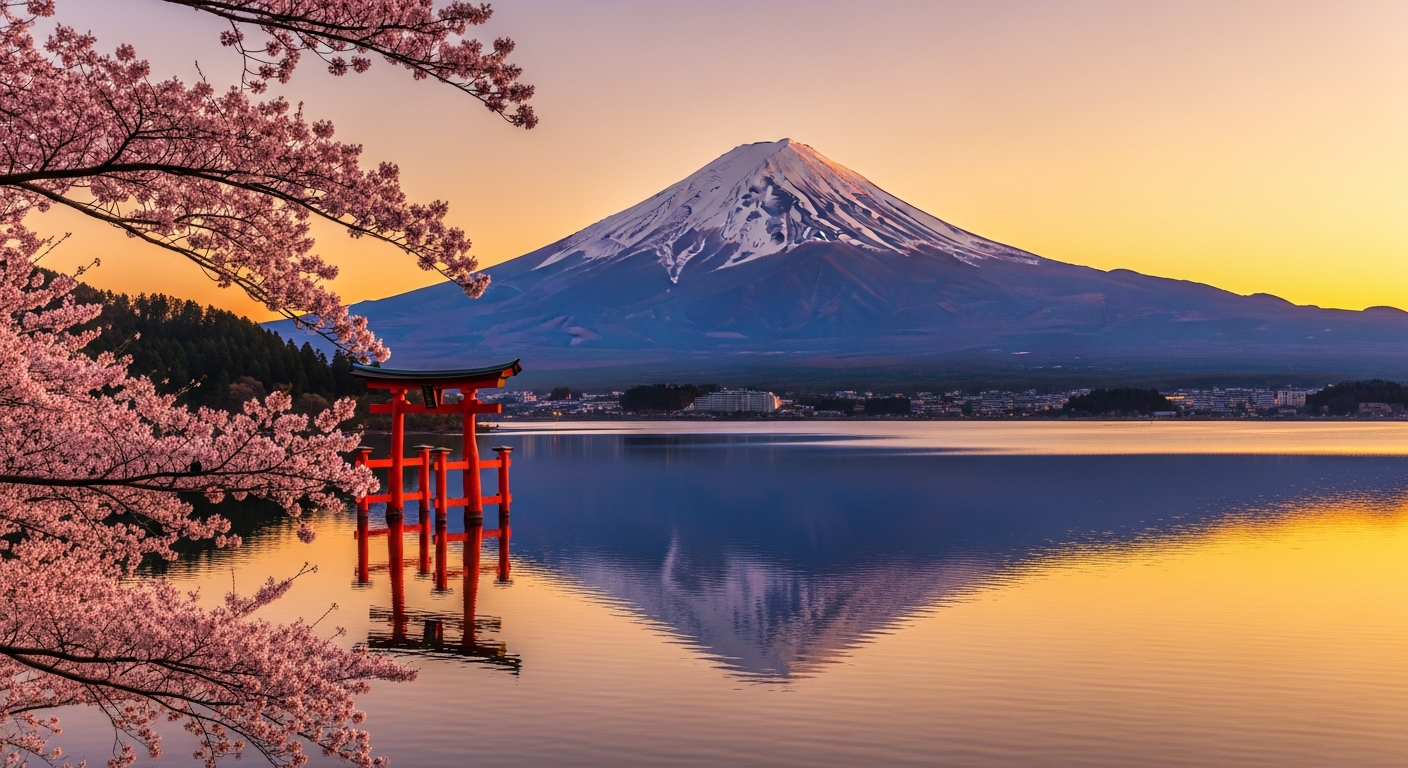
Must-Visit Places in JAPAN

The Shinkansen slides out of Tokyo Station at 6:47 AM, and Mount Fuji emerges from the morning haze like a woodblock print come to life.
You’re sitting in seat E, the right side, exactly where the view opens up. Around you, salarymen tap laptops. A woman unwraps an ekiben (train lunch box).
Nobody else is looking out the window. This is Japan in a single frame: the ancient and the mundane coexisting so seamlessly that you almost miss the sacred in the ordinary.
You’ve got 10 days. Maybe 14 if you pushed hard at work. Japan has enough destinations for six months, enough temples for a lifetime of mornings, and enough neighborhoods to get genuinely lost in.
Every “must-see” list you’ve found has 40+ places (how is that a must-see?). The question isn’t what to see—it’s what to skip.
This guide solves that. You’ll find authentic essentials: famous landmarks that earned their reputation, plus hidden local favorites that won’t appear in your friend’s Instagram feed.
You’ll get honest time requirements, transportation routing that doesn’t waste days in transit, and seasonal considerations so you’re not fighting crowds or typhoons. By the end, you’ll have a framework for building your perfect Japan itinerary based on your interests and timeline.
Ultimate Japan Sights: Icons Worth the Hype

Some places become famous because they’re Instagram-friendly. Others become famous because they actually matter. Japan’s most iconic destinations fall into both categories, and the key is knowing how to experience them authentically.
Fushimi Inari Taisha: The 10,000 Vermillion Gates
This Kyoto shrine sits atop a forested mountain, threaded with thousands of vermillion torii gates donated by pilgrims and businesses over centuries.
The tunnel effect is unforgettable. But here’s what most guidebooks miss: the crowds. Tour buses arrive at 9 AM. By 10:30, you’re shoulder-to-shoulder with thousands of people photographing the same section of gates.
The solution is simple. Arrive at 6 AM. The shrine opens at dawn. The first hour is yours—mist hanging between the gates, the occasional jogger, local worshippers making their morning prayers.
The full circuit takes 2–3 hours if you hike past the first section where most tourists turn back. Keep climbing. The upper trails are genuinely quiet, with views across Kyoto’s rooftops and a sense of pilgrimage that the lower sections have lost to selfie sticks.
Entry is free. Wear comfortable shoes. Best visited in late May–June (rainy season, fewer crowds) or September–October (fall foliage, clear skies). Avoid April at all costs—cherry blossom season brings dangerous crowds.
Senso-ji Temple & Shibuya Crossing: Ancient and Modern
Tokyo’s Asakusa district is home to Senso-ji, the city’s oldest temple, founded in 645 AD. The giant red lantern (chochin) hanging above the entrance is one of Japan’s most photographed objects. Free entry, open from 6 AM.
Arrive before 7 AM. Pray at the altar. Light incense. Then walk the quiet streets around the temple before crowds arrive. Grab a traditional breakfast at one of the small shops—tamagoyaki (sweet egg omelet), miso soup, fresh fish. This takes 90 minutes total.
Then head to Shibuya. The crossing is the world’s busiest pedestrian intersection, with up to 2,500 people crossing every 90 seconds.
Watch it first from the Starbucks on the second floor overlooking the intersection (southeast corner). Then cross it yourself. The crossing is actually safe; the crowd is just dense. Walk slowly, move with the flow, and you’ll understand why this intersection symbolizes Tokyo’s organized intensity. Allocate 2–3 hours total for both areas.
Hiroshima Peace Memorial & Miyajima Island
Hiroshima’s Peace Memorial Park is one of the world’s most moving historical sites. The museum is sobering and necessary. Allocate 3–4 hours minimum. The park is free; the museum costs ¥200 (about $1.50 USD).
Take the 50-minute ferry to Miyajima Island, home to Itsukushima Shrine and its famous floating torii gate. Here’s the critical detail most travelers miss: the gate’s appearance changes with the tide. At high tide, it floats majestically in the water—the classic postcard image. At low tide, you can walk right up to it and touch the wooden pillars. Check tide schedules before you go. The shrine is best visited early morning or after 4 PM when day-trippers leave.
If you have energy, hike Mount Misen. The 30-minute cable car ride gets you partway up; from there, a 20-minute walk reaches the summit. Views across the Seto Inland Sea are genuinely spectacular. Consider staying overnight on the island for sunset and sunrise magic. Ryokan with private onsen overlooking the shrine cost ¥15,000–¥30,000 per person (roughly $100–$200 USD) including dinner and breakfast.
Mount Fuji: How & Where to Experience Japan’s Icon

Mount Fuji is Japan’s most recognizable symbol. You don’t have to climb it to experience it—and honestly, most travelers shouldn’t. The mountain is a volcanic rock scramble, not a scenic hike. Altitude sickness is common. But the views are worth planning your itinerary around.
The Best Viewing Spots (No Climbing Required)
Hakone is the ultimate Mount Fuji base. It’s 90 minutes from Tokyo, accessible by local trains and cable cars. The town sits at the edge of Lake Ashi, where Fuji’s reflection mirrors perfectly on calm days. You can soak in onsen (natural hot springs) with the mountain in the distance. Allocate 1–2 days here. Ryokan with private onsen cost ¥12,000–¥25,000 per person.
Kawaguchiko, on the north side of Mount Fuji, is the town for iconic photography. The lake reflects the mountain perfectly on clear mornings. The Chureito Pagoda viewpoint frames Fuji against a red five-story pagoda—this is the image that appears on countless postcards. The pagoda is free to visit. Best light: sunrise or 30 minutes before sunset. Kawaguchiko is 90 minutes from Tokyo via train and bus.
From the Shinkansen: The Tokyo-to-Kyoto bullet train passes Mount Fuji. Sit on the right side (E seats). The best views occur between Shin-Fuji and Shizuoka stations, roughly 40 minutes into the 2-hour-15-minute journey. On clear days, the mountain dominates the window. On cloudy days, it’s invisible.
Reality check: Mount Fuji is hidden behind clouds roughly 60% of the year. Winter (December–February) offers the clearest views. Fall (September–November) is reliable. If Fuji is a priority, plan for autumn or winter and build flexibility into your itinerary. If the mountain doesn’t appear, you haven’t failed—Japan has enough beauty that you won’t notice.
Climbing Mount Fuji (July–September Only)
The official climbing season runs July through September only. The mountain is volcanic rock and ash, not a hiking trail. Altitude sickness affects roughly 50% of climbers. Most people start climbing in the evening, summit at dawn, and descend the same day. This is brutal and wonderful.
The Yoshida Trail is the most popular route (60% of all climbers use it). Mountain huts along the route provide basic accommodation and meals. You need to book huts months in advance. Costs run ¥8,000–¥12,000 per night for a hut bed and meals. Permits are free but required.
Don’t climb Fuji if you’re short on time, unaccustomed to altitude, or traveling with young children. Most first-time Japan visitors should skip the climb entirely and experience the mountain from Hakone or Kawaguchiko. You’ll see more, rest more, and enjoy Japan more.
Planning Your Perfect Japan Itinerary

You can’t see everything in one trip. The sooner you accept this, the sooner you’ll stop feeling anxious about missing things. Japan rewards both structure and spontaneity—book your accommodation and transportation in advance, but leave room to follow a local’s recommendation or stumble into a neighborhood festival.
The Golden Route: 7–10 Days
This template covers the essential contrast: modern Tokyo, natural beauty around Mount Fuji, and traditional Kyoto. The routing is efficient and manageable.
Tokyo (3 days): Senso-ji Temple, Shibuya Crossing, Meiji Shrine, Harajuku, teamLab Borderless (digital art museum), Tsukiji Outer Market for sushi breakfast, Shinjuku’s neon streets. Stay in Shinjuku or Shibuya. Budget hotels: ¥6,000–¥10,000 per night. Mid-range: ¥12,000–¥20,000.
Hakone or Kawaguchiko (1 day): Mount Fuji viewing, onsen, Lake Ashi boat ride. If overnight, add ¥15,000–¥25,000 for ryokan.
Kyoto (3 days): Fushimi Inari at dawn, Kinkaku-ji (Golden Pavilion), Arashiyama Bamboo Grove, Gion district (geisha area), Kiyomizu-dera Temple. Stay in Higashiyama or central Kyoto. Budget: ¥6,000–¥12,000 per night.
Osaka (1–2 days): Osaka Castle, Dotonbori district (street food and neon), Nara day trip (30 minutes by train) to see the famous deer park and Todai-ji Temple. Budget: ¥5,000–¥10,000 per night.
Transportation: The JR Pass (Japan Rail Pass) costs ¥29,650 for 7 days. It covers unlimited travel on most trains, including the Shinkansen. A single Tokyo-Kyoto Shinkansen round trip costs ¥27,000, so the pass breaks even immediately if you’re doing the Golden Route. Book the pass before arrival; you can’t buy it in Japan.
Two-Week Deep Dive: Adding Hiroshima, the Alps, and More
With 14 days, you can add significant depth. The key is avoiding the temptation to ping-pong across the country. Stick to one region or add destinations that make geographic sense.
Option 1: Kansai Deep Dive. Stay in the Kansai region (Osaka, Kyoto, Nara, Kobe, Himeji) for 10–12 days. This region is compact, trains connect everything, and you’ll feel the rhythm of each place. Add Hiroshima and Miyajima (2 days) via Shinkansen.
Option 2: Mountains and Temples. Tokyo → Hakone → Takayama (Japanese Alps) → Shirakawa-go (UNESCO thatched-roof villages) → Kyoto → Osaka. This adds 4–5 days of mountain scenery and smaller towns. Takayama is 2.5 hours from Nagoya via Limited Express train.
Seasonal timing matters more in Japan than most destinations. Cherry blossoms (late March–early April) are breathtaking but require booking 6+ months in advance and cost 30–50% more. Fall foliage (November) is equally stunning with better availability. Late May–June (rainy season) has fewer crowds and lower prices. Summer is hot, humid, and typhoon season. Winter is cold but clear, with fewer tourists.
Things To See In Japan Beyond Tokyo & Kyoto

Japan’s most famous cities are crowded, expensive, and can feel repetitive after a few days. The regions beyond the Golden Route offer authentic experiences that most tourists never encounter.
Takayama & Shirakawa-go: The Japanese Alps
Takayama is a small mountain town with perfectly preserved Edo-period streets. The main avenue (Sanmachi Suji) is lined with sake breweries, teahouses, and wooden merchant houses. This is what old Japan actually looked like—no temples, no shrines, just the daily architecture of 300 years ago. Morning markets (Takayama Jinya-mae Asaichi and Miyagawa Morning Market) sell local vegetables, crafts, and prepared foods. These are genuine neighborhood markets, not tourist attractions.
Shirakawa-go is 90 minutes from Takayama and home to gassho-zukuri farmhouses—traditional dwellings with steep thatched roofs designed to shed heavy mountain snow. The village is a UNESCO World Heritage Site. Stay in a gassho-zukuri minshuku (family-run inn) for ¥9,000–¥15,000 per person including dinner and breakfast. You’ll sit around the irori (central hearth) with the host family, eat seasonal mountain food, and understand Japanese hospitality in a way that no hotel can replicate.
Logistics: Takayama is 2.5 hours from Nagoya via Limited Express train. The bus from Takayama to Shirakawa-go takes 90 minutes and costs ¥2,600. Book accommodation 2–3 months in advance, especially for autumn foliage season. Allocate 3–4 days for this region.
Kanazawa: The “Little Kyoto” Without the Crowds
Kanazawa is 2.5 hours from Tokyo on the Shinkansen, making it a perfect stopover between Tokyo and Takayama. It has everything Kyoto has—temples, gardens, geisha districts—but with fewer crowds and lower costs.
Kenrokuen Garden is one of Japan’s three most beautiful gardens. It’s stunning in every season: cherry blossoms in spring, green foliage in summer, fall colors in November, snow-covered branches in winter. Entry is ¥320. The Higashi Chaya district has traditional geisha teahouses you can actually enter and explore. The 21st Century Museum of Art contrasts beautifully with the traditional areas.
Omicho Market is a seafood lover’s paradise. Hokuriku region’s fresh crab, oysters, sea urchin, and sashimi are displayed in stalls run by vendors who’ve been there for generations. Grab breakfast sushi for ¥2,000–¥4,000. This is authentic, local, and genuinely delicious.
Allocate 2 days in Kanazawa. Budget hotels: ¥5,000–¥8,000 per night. The city is walkable and manageable—the kind of place where you can actually breathe, unlike Tokyo or Kyoto.
Naoshima: Art Island in the Seto Inland Sea
Naoshima is for art lovers and contemplative travelers. This small island is home to world-class contemporary art museums: the Benesse House Museum, the Chichu Art Museum (Tadao Ando’s architectural masterpiece), and the Yayoi Kusama pumpkin sculptures.
The island is quiet, peaceful, and deliberately slow. You’ll see art, eat incredible food, and feel genuinely away from Japan’s urban intensity. Ferry access is from Okayama or Takamatsu. Plan for 2–3 days minimum. Accommodation runs ¥8,000–¥20,000 per night depending on the property. This is not a must-do for first-time visitors on tight schedules, but if you love art or crave silence, it’s unforgettable.
Japan Holidays & Festivals: Timing Your Visit

Japan’s calendar is filled with holidays and festivals. Some are perfect reasons to visit. Others are reasons to avoid Japan entirely. Timing your trip strategically can mean the difference between a magical experience and a frustrating, crowded nightmare.
Golden Week & Obon: When to Avoid
Golden Week (late April–early May) is Japan’s biggest domestic travel period. Multiple national holidays cluster together, and Japanese families take vacation. Hotels triple in price. Trains are packed. Attractions have hour-long lines. If you’re flexible, avoid these dates entirely. If you must travel during Golden Week, book accommodation 6+ months in advance and expect premium prices.
Obon (mid-August) is another major domestic travel period when people visit ancestral homes. Same story: crowds, high prices, transportation chaos. Avoid if possible.
New Year (December 29–January 3) is complex. Many attractions close for the holiday. Transportation is chaotic. But temple visits (hatsumode, the first shrine visit of the year) are culturally rich and atmospheric. If you visit during New Year, expect crowds at temples and closed businesses, but plan for a unique cultural experience.
The Sweet Spots: When to Actually Visit
Late May–June: Japan’s rainy season (tsuyu) means fewer tourists, lower prices, and lush green landscapes. Rain is intermittent, not constant. Hotels cost 20–30% less than peak season. Crowds are manageable.
September–early November: Fall foliage (kouyou) peaks in November. September is warm but less crowded. October is perfect—clear skies, comfortable temperatures, stunning scenery. November brings fall colors to temples and gardens. This is genuinely the best season for most travelers.
January–February: Winter is cold but offers the clearest skies for Mount Fuji viewing. Hokkaido has snow festivals. Fewer tourists mean shorter lines and better prices. If you’re cold-tolerant, this is magical.
Festivals Worth Planning Around
Gion Matsuri (Kyoto, July): This month-long festival culminates in a massive parade on July 17. Floats, traditional costumes, thousands of people. Book accommodation 6+ months in advance or avoid entirely. It’s crowded, but genuinely spectacular.
Sapporo Snow Festival (Hokkaido, February): Giant ice sculptures, snow slides, and winter carnival atmosphere. Combine with skiing at Niseko (90 minutes away). One of Japan’s most visually stunning festivals.
Nebuta Matsuri (Aomori, early August): Giant illuminated floats and northern Honshu’s wildest summer festival. Less crowded than Gion, equally atmospheric. August heat and humidity are brutal, but the festival is unforgettable.
Where To Go In Japan for Every Travel Style

Japan is vast and varied. Your ideal trip depends on what you actually care about. Are you seeking beaches, mountains, food, art, history, or silence? Here’s where to go based on what moves you.
Beach Lovers: Okinawa & Southern Islands
Okinawa is a complete tonal shift from mainland Japan. Subtropical climate, turquoise water, and Ryukyu culture (distinct from mainland Japanese culture). The main island has Naha (capital city, Shuri Castle, history) and Chatan (American military influence, quirky vibe). Nearby islands offer better beaches: Ishigaki Island (snorkeling, remote feel), Miyako Island (arguably Japan’s best beaches, pristine water).
Best time: April–June and October–November. Avoid July–September (typhoon season). Flights from Tokyo to Naha take 2.5 hours and cost ¥10,000–¥20,000 round trip. Plan 4+ days minimum. Accommodation ranges from budget hostels (¥3,000–¥5,000) to luxury resorts (¥30,000+). This is not a must-do for first-time visitors on limited schedules, but if you’re beach-focused or have 2+ weeks, it’s worth the flight.
Onsen Seekers: Hakone, Kusatsu, Beppu
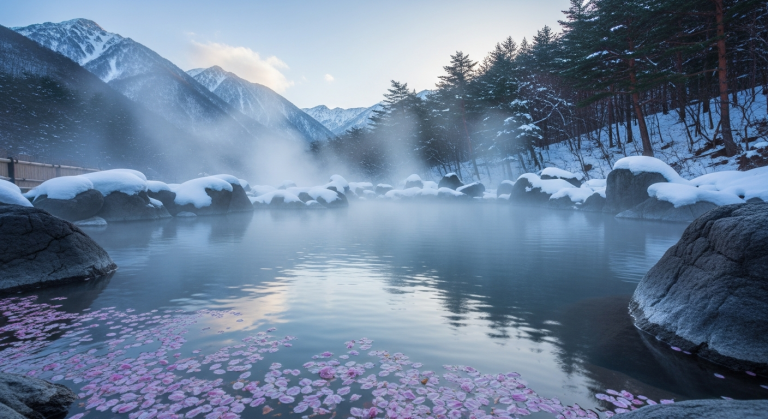
Hakone is closest to Tokyo (90 minutes), making it perfect for a 1–2 day escape. Mount Fuji views, Lake Ashi boat rides, volcanic valleys, and ryokan with private onsen overlooking mountains. This is the most accessible hot spring town.
Kusatsu is in the mountains near Nagano. The water is acidic and milky white—genuinely therapeutic. The town has yumomi demonstrations (traditional water-cooling ritual performed by women in festival dress). A ski resort is nearby for winter visits. More remote and authentic than Hakone.
Beppu is the ultimate onsen town with 2,000+ hot springs. The “Hells of Beppu” (jigoku) are colorful geothermal pools you can view but not swim in. Sand baths (buried in hot sand on a beach) are unique to this area. Beppu is in southern Japan (Kyushu), requiring 2–3 hours of travel from Kyoto or Osaka, but it’s genuinely special.
Cultural note: Tattoos are still restricted at many traditional onsen. Ask about tattoo-friendly facilities or book ryokan with private baths. Most high-end ryokan will accommodate you; budget onsen may not. Call ahead to confirm.
Foodies: Osaka, Fukuoka, and Tokyo Markets
Osaka is Japan’s food city. Takoyaki (octopus balls), okonomiyaki (savory pancakes), kushikatsu (deep-fried skewers), ramen—the Dotonbori district is a neon-lit food paradise. Prices are cheaper than Tokyo. Allocate 1–2 days.
Fukuoka (Kyushu) is the birthplace of Hakata ramen (tonkotsu broth, thin noodles). The city has yatai (street food stalls) operating nightly in designated areas. Mentaiko (spicy cod roe) is a local specialty. It’s less touristy than Osaka, more authentic. 2–3 hours from Kyoto or Osaka via train.
Tokyo’s Tsukiji Outer Market: The inner market moved to Toyosu in 2018, but the outer market (jogai) still thrives with sushi restaurants, street food, and kitchen supply shops. Arrive early for sushi breakfast (¥3,000–¥6,000 for omakase). This is where locals eat, not tourists.
Secret local tip: Depachika (department store basements) in every major city offer incredible prepared foods, fresh sashimi, seasonal sweets, and bento boxes. Perfect for picnics or train snacks. Quality is high, prices are reasonable, and you’ll find items you won’t see elsewhere.
CONCLUSION: Building Your Unforgettable Japan Journey

Japan doesn’t reward rushing. It rewards presence. You can’t see everything in one trip, and that’s not just okay—it’s actually the point. The Golden Route (Tokyo–Hakone–Kyoto–Osaka) gives you modern and traditional contrast without burnout. It hits roughly 80% of what first-time visitors want to experience. Everything else—Hiroshima, the Alps, Hokkaido, Okinawa—is worth saving for your second, third, or fourth trip.
Timing matters more in Japan than most destinations. Cherry blossoms are breathtaking but expensive and crowded. Fall foliage is equally stunning with better weather and availability. Shoulder seasons (late May–June, September–early November) offer the best value and the most authentic experiences. Avoid Golden Week and Obon unless you’re deliberately seeking the festival atmosphere.
Start with your non-negotiables. Must you see Mount Fuji? Are cherry blossoms non-negotiable? Do you need onsen? Build your itinerary around 2–3 anchors, then fill the gaps with destinations that make geographic sense. Book these early: Ghibli Museum tickets (months ahead), popular ryokan (3+ months for peak seasons), and your JR Pass (order before arrival). Download Google Maps (works offline), Hyperdia (train schedules), and PayPay (cashless payments). Check japan.travel for current entry requirements and seasonal updates.
The most important takeaway: Japan rewards both structure and spontaneity. Nail down your accommodation and transportation routing. Then leave room to follow a local’s restaurant recommendation, stumble into a neighborhood festival, or sit in a tea shop for three hours watching people pass by. These unplanned moments—the ones that can’t be booked in advance—are often the ones you’ll remember for decades. That’s where Japan actually lives.