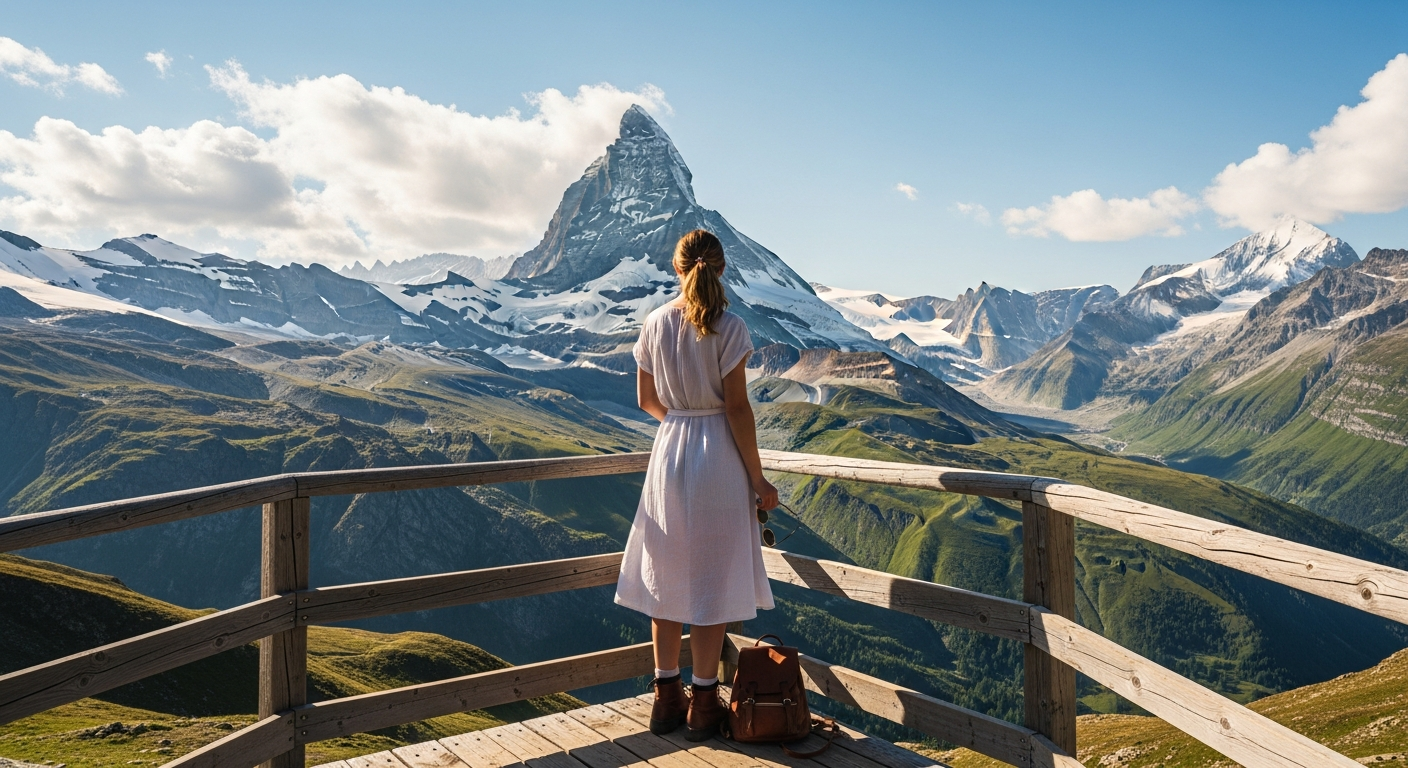
Switzerland packing list summer for women

The Matterhorn Taught Me About Layers (And I Learned the Hard Way)
I was standing on a wooden deck overlooking the breathtaking Matterhorn, the perfect sundress fluttering in the mountain breeze—when suddenly, I’m shivering. Welcome to Switzerland in summer, where I experienced four seasons in a single day.
That was me in Zermatt, August 2019. I’d packed for “summer in Europe” like I would for Barcelona or Rome. Big mistake. By 10 AM, I was layering a souvenir sweatshirt over my cotton dress, having left my light jacket back at the hotel because the morning had started at 72°F. By noon, I was sunburned despite the cool breeze. By 3 PM, I was caught in a sudden rainstorm with zero protection.
Here’s the authentic truth about packing for Switzerland in summer: You’re not packing for one climate. You’re packing for a country where you might hike glaciers in the morning and sip wine by Lake Geneva in the afternoon.
Where cobblestoned medieval streets meet alpine trails. Where you need to look presentable for an upscale Zurich café but also be ready to scramble up a mountain path an hour later.
The struggle is real: limited luggage space but unlimited experiences to dress for. You want to pack light for those frequent train connections, but you also don’t want to spend your precious vacation time freezing or soaked or blistered.
After five trips to Switzerland across different summers, I’ve cracked the code. This isn’t about bringing your entire wardrobe or buying specialized gear you’ll never use again.
It’s about strategic, versatile pieces that actually work in Swiss conditions—from the practical layering system locals use to the footwear that handles both cobblestones and hiking trails without destroying your feet.
You’ll learn the essential clothing pieces that work for multiple scenarios, the secret accessories that save your trip, and—critically—what to leave home. Plus, I’ll share the packing organization hacks that let me fit two weeks of Swiss adventures into a single carry-on.
Understanding Switzerland’s Summer Weather (What They Don’t Tell You)

The Alpine Climate Reality Check
Switzerland’s summer weather operates on a completely different system than most European destinations. While guidebooks cheerfully announce “summer temperatures of 60-75°F,” that’s only half the story—and the misleading half.
In cities like Zurich, Geneva, and Bern, you’ll find relatively predictable weather. June through August typically ranges from 65-77°F during the day, dropping to 50-60°F at night. Comfortable, right? But here’s what most packing lists miss: Switzerland is a vertical country. Elevation changes everything.
Take Jungfraujoch, the “Top of Europe” tourist destination. While Interlaken sits at a pleasant 72°F at 1,900 feet elevation, Jungfraujoch at 11,332 feet hovers around 32-40°F—literally freezing—on the same summer day. I watched tourists in shorts and t-shirts arrive via cable car, visibly shocked by the arctic conditions. The gondola operator told me they sell emergency fleeces daily to unprepared visitors.
This microclimate phenomenon isn’t limited to extreme elevations. Lugano, near the Italian border, genuinely feels Mediterranean with temperatures pushing 85°F. Meanwhile, Zermatt at 5,300 feet maintains cooler mountain air. Lake regions like Lucerne experience sudden wind changes that can drop temperatures 15 degrees in minutes.
The “four seasons in one day” phenomenon isn’t tourist board exaggeration—it’s operational reality. My most dramatic example: Starting a hike from Grindelwald at 8 AM in a t-shirt (68°F, sunny), adding a long-sleeve layer by 9:30 AM as we gained elevation (55°F, windy), pulling on my rain jacket at 11 AM when clouds rolled in (48°F, drizzling), then stripping back down to a tank top by 2 PM when we descended back into sunshine (75°F).
Rainfall and Sun Protection
June through August brings afternoon thunderstorms, particularly in mountain regions. These aren’t all-day soakers—they’re intense, sudden downpours lasting 30-90 minutes. Zurich averages 11-13 rainy days per month in summer. Mountain areas see even more precipitation.
Here’s the hidden danger nobody warns you about: UV intensity at high altitudes. The sun feels deceptively mild because the air is cool, but you’re getting sunburned faster than on a beach. At 10,000 feet, UV radiation increases by 50% compared to sea level. I got the worst sunburn of my life on a cloudy day at Gornergrat—the clouds blocked warmth but not UV rays.
Practical Takeaway: Pack for layering, not for specific weather. The secret to comfort in Switzerland is adaptability. You need pieces that work together in multiple combinations, not outfits planned for specific days.
The Complete Clothing Essentials List

Tops: Your Versatile Foundation (4-5 pieces)
After testing everything from cotton basics to technical hiking gear across multiple Swiss summers, I’ve landed on this ultimate combination:
2-3 Breathable T-shirts or Tanks in merino wool or moisture-wicking synthetic fabrics. Cotton fails spectacularly in the Alps—it absorbs sweat during uphill climbs, then leaves you clammy and cold when you stop moving. I learned this on the Eiger Trail, where my cotton tee became uncomfortably damp within an hour.
Merino wool is the Swiss secret weapon. It regulates temperature, resists odor (you can wear it multiple days), and dries quickly. My Icebreaker merino tees cost more upfront but lasted through five years of travel. Stick with neutral colors—black, navy, olive, gray—for maximum mix-and-match versatility.
Include one slightly dressier option for restaurants. Switzerland has a casual-chic culture; you won’t need formal wear, but a nice fitted tee or sleeveless blouse elevates your look for dinner in Zurich or Geneva’s lakeside cafés.
1-2 Long-Sleeve Layers are non-negotiable. Lightweight button-down shirts or thin sweaters serve triple duty: sun protection on exposed mountain hikes, wind barriers by lakes, and instant outfit elevation for evening. I favor a linen-blend button-down that packs small and doesn’t wrinkle. Swiss women often wear thin cashmere or merino sweaters—practical and stylish.
1 Thin Fleece or Cardigan is the item every traveler regrets not packing. This is your early-morning train ride savior, your cable car essential, your sunset viewing necessity. I use a Patagonia Better Sweater fleece that weighs almost nothing but provides surprising warmth. It also doubles as a pillow on long travel days when rolled up in its stuff sack.
Bottoms: Function Meets Style (2-3 pieces)
1-2 Lightweight Trousers are your Swiss wardrobe MVP. Pants beat shorts in most situations because of wind exposure, sun protection, and versatility for both hiking and dining. The best fabrics are quick-dry, wrinkle-resistant, and stretchy.
My go-to: Prana Halle pants. They look like regular casual trousers but have technical fabric that dries in hours, stretches for movement, and resists wrinkles. I’ve worn them hiking to Oeschinen Lake in the morning and to dinner in Bern the same evening. Alternative styles include travel pants from Athleta, linen-blend trousers, or athletic joggers if you prefer a sportier look.
1 Pair of Shorts works for city exploration and lake days but proves less practical for mountain activities. Wind and sun exposure at elevation make longer coverage more comfortable. If you pack shorts, Bermuda length offers more versatility than short-shorts. I bring one pair of athletic shorts that double as sleep shorts.
1 Dress or Skirt is the secret weapon. A midi-length dress in breathable fabric handles hiking AND dining. I wear mine with hiking boots and a daypack for easy trails, then swap to sneakers for evening. Swiss women embrace casual-chic style—think clean lines, neutral colors, practical fabrics. Not overly formal, never sloppy.
Outerwear: Your Weather Insurance (2 pieces)
Packable Rain Jacket is your single most important item. This is non-negotiable. Features to demand: truly waterproof (not just water-resistant), breathable fabric, adjustable hood. It should pack into its own pocket for easy carrying.
I use an Arc’teryx Beta LT jacket that’s served me through countless Swiss storms. Yes, it’s expensive. But cheaper rain jackets fail when you actually need them—I’ve watched them soak through during heavy rain, leaving travelers miserable. Budget alternative: REI Co-op Rainier jacket offers solid waterproofing at half the price.
Light Insulated Jacket or Vest handles mountain excursions and evening temperatures. This adds minimal bulk but massive versatility. When to wear it: every cable car ride (temperatures drop significantly with altitude), glacier visits, sunset viewings, early morning train departures. I prefer a packable down vest that stuffs into a small pouch—warmth without bulk.
Packing Hack: Use the 5-4-3-2-1 rule: 5 tops, 4 bottoms, 3 dresses/layers, 2 jackets, 1 special outfit. Mix and match for two weeks of outfits from a carry-on.
Footwear That Conquers Cobblestones and Mountains

The Two-Shoe Strategy (Maximum Versatility, Minimum Space)
Footwear makes or breaks your Switzerland experience. I’ve watched countless tourists hobble through Lucerne’s old town in inappropriate shoes, and I’ve made my own painful mistakes.
Hiking Shoes or Trail Runners are essential if you’re doing any mountain activities—and you absolutely should. Regular sneakers don’t provide adequate traction on alpine trails, support for uneven terrain, or protection from rocks and roots.
The critical rule: broken-in is essential. Never bring new hiking shoes to Switzerland. I made this mistake on my first trip, buying “comfortable” Merrell boots two weeks before departure. By day three, I had blisters so severe I could barely walk. Break in hiking footwear for at least 30-40 miles before your trip.
Ankle support versus low-cut depends on your activity level. For serious hiking (Eiger Trail, Schynige Platte, Oeschinensee), ankle support prevents injuries on rocky descents. For easier walks (Lauterbrunnen Valley, lakeside paths), trail runners offer more comfort and versatility.
Waterproof membrane is worth it. Morning dew on grass trails, stream crossings, unexpected rain—your feet stay dry and blister-free. I use Salomon X Ultra 4 GTX boots with Gore-Tex lining.
Comfortable Walking Shoes handle cities, train stations, and casual dining. These must manage 10,000+ steps on cobblestones—Swiss old towns are charming but punishing on feet. Styles that work: white leather sneakers, slip-on trainers, supportive sandals.
The authentic local look favors clean, minimal, practical footwear. Swiss women wear quality sneakers or simple leather shoes, never flashy athletic gear in cities. My choice: Ecco soft leather sneakers that look polished but provide serious support.
What NOT to Bring
Skip heels entirely—cobblestones are unforgiving and you’ll be walking miles daily. Avoid brand new shoes of any type. Don’t bring single-purpose footwear like maximalist hiking boots if you’re only doing easy trails; they’re overkill and take up precious luggage space.
Real Experience Tip: Your feet will make or break your Switzerland experience. This is where to invest. Cheap, uncomfortable footwear ruins vacation days faster than anything else.
Essential Accessories and Practical Add-Ons

Sun and Weather Protection
Sunglasses with UV Protection are non-negotiable. High altitude means intense sun, and glacier reflection intensifies it further. I use polarized lenses to reduce glare on snow and water.
Wide-Brimmed Hat or Cap serves multiple purposes: sun protection, warmth retention, wind shielding, and privacy on crowded trains. Choose packable styles that won’t crush in luggage. Secure it in mountain winds with chin straps or clips—I’ve watched too many hats blow away on viewpoints.
Sunscreen SPF 50+ is essential. Alpine sun is dramatically stronger than sea-level sun. Apply every two hours during outdoor activities. Choose reef-safe formulas for swimming in Switzerland’s pristine lakes. I prefer stick formulas for easy reapplication on the go.
Lip Balm with SPF gets forgotten but prevents painful chapped lips from sun, wind, and altitude.
Bags for Every Occasion
Daypack (20-25L) is essential for hiking, excursions, and day trips. Must-have features: water bottle pockets, comfortable padded straps, weather-resistant material, compression straps. If luggage space is tight, bring a packable daypack that stuffs into a small pouch. I use an Osprey Daylite Plus that’s served me flawlessly for years.
Crossbody Bag or Small Backpack works for city exploration, train travel, and restaurant outings. Choose something secure with zippered compartments—Switzerland is safe, but crowded tourist areas attract pickpockets. My anti-theft crossbody from Travelon has RFID-blocking pockets and slash-resistant straps.
The Hidden Essentials Nobody Mentions
Reusable Water Bottle: Switzerland has exceptional tap water and public fountains everywhere. Save money and plastic by refilling constantly. I carry a collapsible Platypus bottle that takes up minimal space when empty.
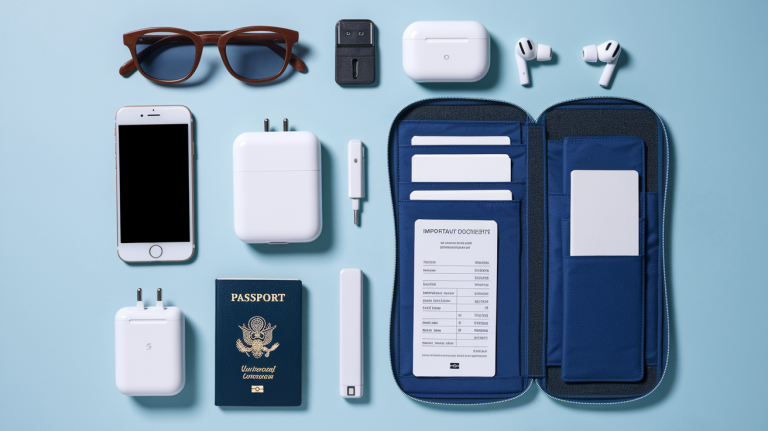
Portable Charger: Long days exploring drain phone batteries, especially when using maps and cameras constantly. Bring a 10,000mAh power bank minimum.
Microfiber Towel: If you’re hiking or swimming, a quick-dry towel is invaluable. Mine dries in hours and packs smaller than a regular towel.
Packing Cubes: These transformed my packing efficiency. I use compression packing cubes that organize clothes by type and reduce volume by 30%. Everything stays neat instead of becoming a jumbled heap.
Swiss Travel Pass or Half-Fare Card: Not clothing, but essential. Switzerland’s trains, boats, and cable cars are expensive. These passes save significant money and simplify logistics.
The Packing Strategy That Actually Works
Here’s what I actually packed for my most recent 16-day Switzerland trip in July, fitting everything into a 22-inch carry-on and personal item:
Clothing: 3 merino t-shirts, 2 long-sleeve layers, 1 fleece, 2 pairs travel pants, 1 pair shorts, 1 dress, 1 rain jacket, 1 down vest, 5 underwear, 4 pairs socks (2 regular, 2 hiking), 1 sports bra, 1 swimsuit, 1 sleep shirt, 1 packable sun hat.
Footwear: Hiking boots (worn on travel days), walking sneakers (packed), sandals (packed).
Accessories: Sunglasses, sunscreen, daypack, crossbody bag, water bottle, portable charger, microfiber towel, basic toiletries in TSA-compliant containers.
The secret to making this work: choosing versatile pieces that serve multiple purposes and wearing your bulkiest items during travel. My hiking boots and rain jacket never entered my suitcase—I wore them on the plane.
I used packing cubes to organize everything: one cube for tops, one for bottoms, one for undergar