Most Tourists Visit Morocco on the Wrong Day: Best Time to Visit

Let me tell you something most tourists never figure out until it’s too late.
Most people visit Morocco on the worst possible day of the week. They show up, wander around, and wonder why everything feels a little… off. Empty streets. Shuttered shops. A strange quiet that doesn’t match the vibrant country they’d heard about. And they leave thinking Morocco was overrated.
But here’s the truth: they completely missed the country’s hidden rhythm.
I’m talking about a weekly cultural calendar that transforms empty tourist traps into vibrant local experiences. After spending three months documenting Morocco’s Islamic weekly cycle, I discovered something no travel guide mentions. There’s one specific day that completely flips your entire Morocco experience from disappointment to magic.
By the end of this post, you’ll know exactly when to visit each destination to experience Morocco like locals do—not like confused tourists wandering through ghost towns.
But first, let me show you what happens when you get the timing completely wrong.
Sunday – The Prayer Day Revelation
You arrive in Marrakech on a Sunday morning. You’re excited. You’ve got your camera ready, your comfortable shoes on, and a list of all the famous sights you’ve been dreaming about.
But as you step out into the streets, something feels different. The medina is quiet. The energy is subdued. And you start wondering if you made a mistake.
Here’s what no guidebook tells you about Sundays in Morocco.
While most Western countries treat Sunday as a regular day—or maybe a lazy one—Morocco’s Islamic calendar makes Sunday the beginning of a completely different rhythm. That morning call to prayer at dawn? It’s not just background noise. It’s your signal that the real Morocco is waking up.
Local families use Sunday mornings for community gathering and preparation for the week ahead. This means the touristy areas are actually quieter than usual. But here’s the thing you need to understand: the residential quarters? They come alive with authentic activity.
Here’s the insider secret that changed everything for me.
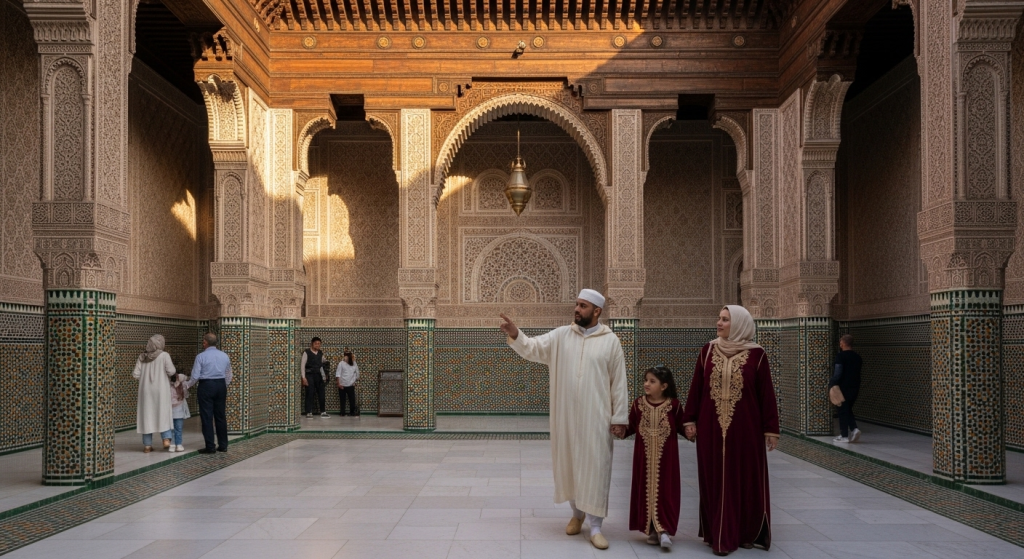
Sunday afternoons are when locals visit historical sites with their families. Not with tour groups. Not in a hurry to check boxes. They go to places like the Bahia Palace or the Saadian Tombs between 2 and 5 PM, and they experience these sites the way they were meant to be experienced—slowly, respectfully, as part of their weekly rhythm.
Join them. Walk through those same courtyards while local families are there with their children, explaining the history in hushed voices. You’ll see these sites through local eyes, not tourist crowds. And the photography opportunities? Incredible. You’re not capturing posed tourist shots. You’re capturing real cultural moments.
That’s the difference Sunday can make when you know how to use it.
Monday Through Wednesday – The Hidden Advantage
Here’s where most tourists completely mess up their Morocco experience.
You’re probably planning to visit major attractions on weekends, just like you would back home. It makes sense, right? That’s what we’re conditioned to do. But in Morocco? That’s the wrong move entirely.
Monday through Wednesday is when Morocco reveals its most authentic side.
Why? Because locals are in their weekly work rhythm, not tourist-focused activity. These aren’t the days when shopkeepers are standing outside calling to everyone who walks by. These are the days when artisans are actually working.
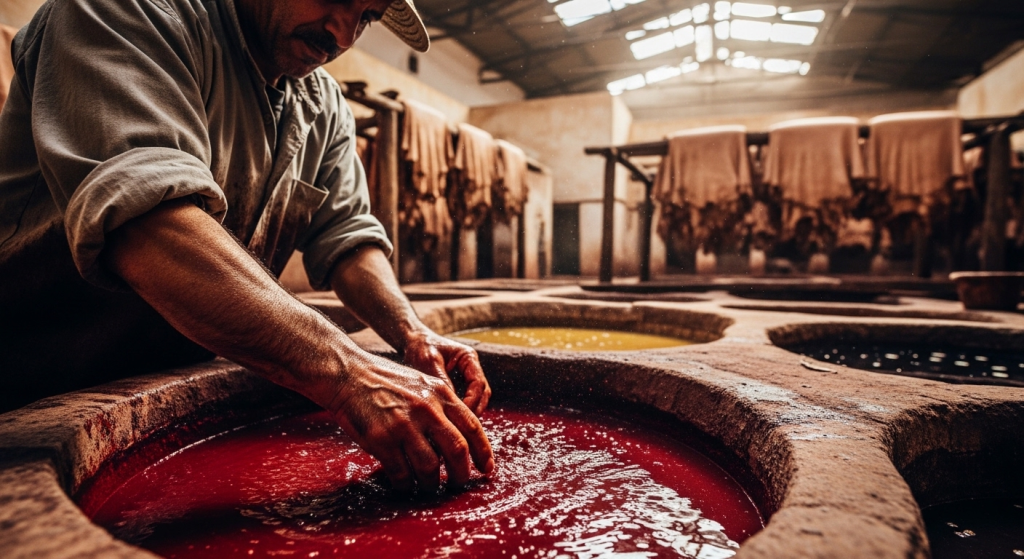
The medinas of Fez and Marrakech operate on a completely different energy during these days. Artisan workshops are fully active. Leather workers are deep in their craft, treating hides the same way their families have for centuries. Metalworkers are hammering intricate designs into lanterns and trays. Textile creators are weaving patterns that tell stories older than any guidebook can capture.
This is when you can actually learn traditional techniques. Not just watch a tourist demonstration where someone quickly shows you something before trying to sell it. I’m talking about standing beside a craftsman who’s focused on his work, asking genuine questions, and being invited to understand the process because you showed up when the work was actually happening.
Tuesday specifically is magical for the Atlas Mountains.
Local Berber communities conduct their weekly market preparations on Tuesdays. The hiking trails have this incredible authentic energy that you’ll never find on tourist-heavy weekends. You’re walking the same paths locals use to move between villages, not crowded trails lined with souvenir stands.
And here’s something else I noticed during those three months: the locals are friendlier Monday through Wednesday. They’re not overwhelmed by constant tourist questions. They haven’t spent the weekend repeating themselves to a hundred different people. When you show up during their work week, curious and respectful, the interactions feel genuine. There’s time for conversation.
Oh, and the prices? About thirty percent lower than weekend rates at the same locations. That’s not a marketing gimmick. That’s just the difference between shopping on a day meant for locals versus a day meant for tourists passing through.
Thursday Night – The Cultural Explosion
If there’s one night of the week you absolutely cannot sleep through in Morocco, it’s Thursday.
Thursday night is when the country explodes with cultural energy that most tourists completely miss. They’ve been sightseeing all day, they’re tired, and they figure they’ll get an early start tomorrow. Meanwhile, the entire nation is shifting into celebration mode.
Here’s what happens: Thursday evening marks the beginning of the Islamic weekend preparation. And when I say the entire country shifts, I mean it. You can feel it in the air.
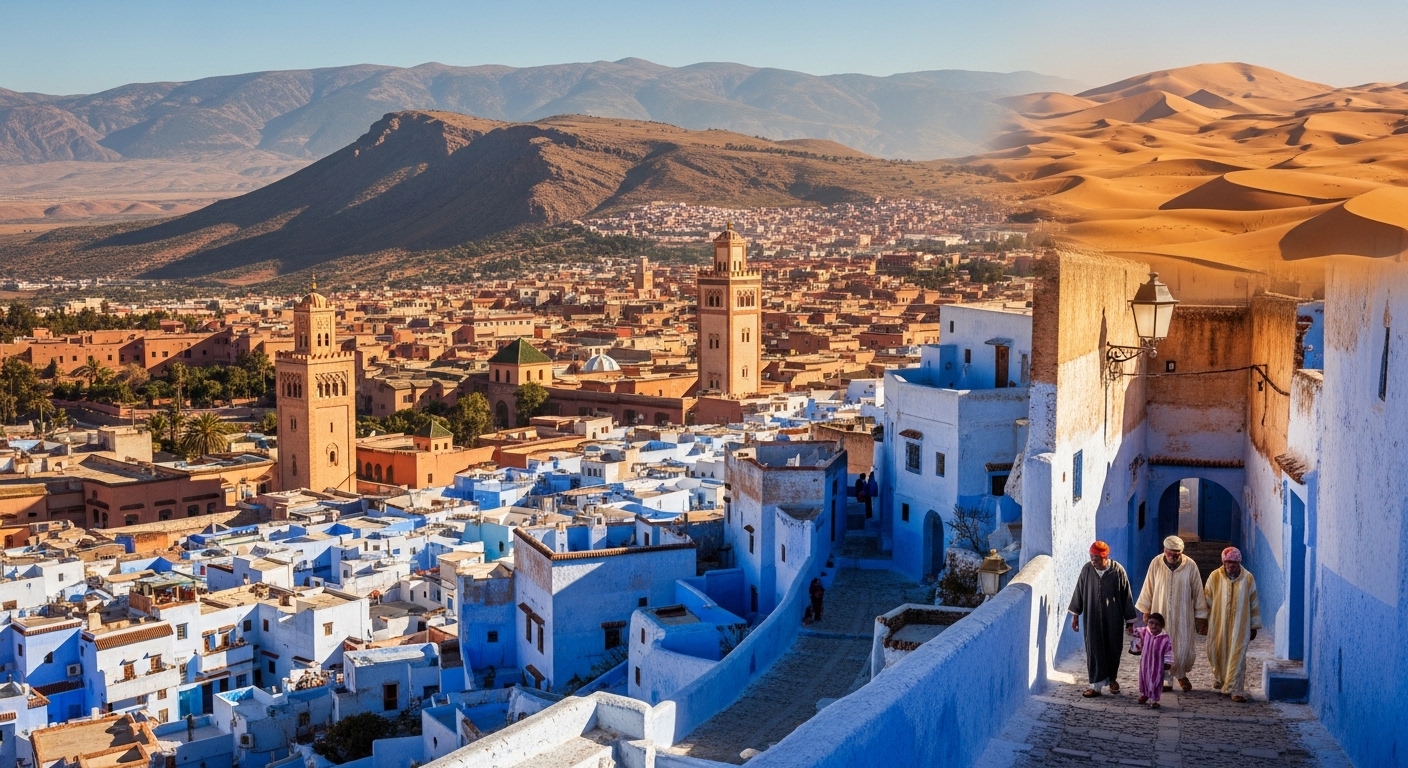
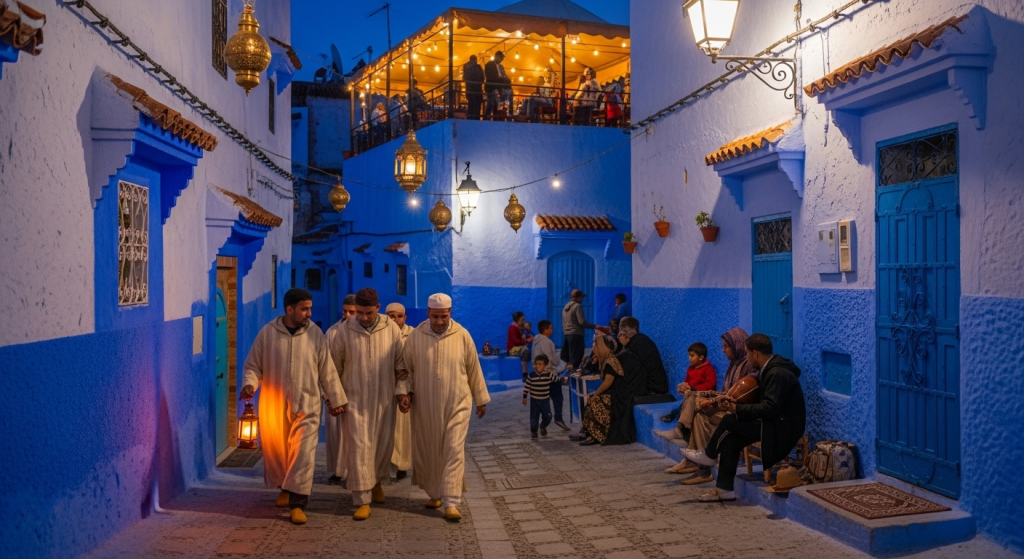
In Chefchaouen—the blue city that’s already dreamlike during the day—Thursday nights are something else entirely. The main square transforms into this incredible cultural festival. Local musicians gather, not as performers for tourists but as neighbors sharing their craft. Families promenade through the blue streets, dressed in their best, greeting friends and enjoying the evening. The rooftop cafes buzz with authentic social energy that you’ll never experience on a random Tuesday night.
But here’s the secret most travelers miss, especially if they only stick to the famous spots.
Thursday nights in coastal cities like Essaouira and Casablanca? That’s when the fishing communities prepare for their weekly big catches. And that means Thursday night fish markets are absolutely incredible.
We’re talking about the freshest seafood you’ll ever eat. Caught that day, brought in as the sun sets, and prepared by locals who’ve perfected these recipes for generations. The prices are the lowest you’ll find all week because this is the market for locals, not tourists. And the atmosphere? Electric. Authentic. Completely free of the tourist crowds that fill these same streets during the day.
I still remember standing in Essaouira on a Thursday night, eating grilled sardines with my hands while a fisherman explained which boats had come in with the best catch. That’s not an experience you find in a guidebook. That’s just what happens when you show up on the right night.
Friday – The Market Day Revolution
Friday is the day that completely revolutionizes your Morocco food experience.
But only if you understand the Islamic weekly rhythm.
Around noon, the Friday prayers happen across the country. Mosques fill. Streets quiet. And then? The entire country erupts into market activity that puts any tourist food tour to shame.
This isn’t about tajines and couscous prepared for tourists who want something “exotic” for dinner. We’re talking about weekly community feasts where extended families gather to share meals that have been prepared according to centuries-old Friday traditions.
Here’s your insider move: follow the locals to the Friday markets in smaller cities like Meknes or Tetouan around 2 PM.
I know it’s tempting to stay in the big cities. Marrakech and Fez are famous for a reason. But if you want the real Friday experience, you head to the places where tourists are a pleasant surprise, not the main event.
The energy in these markets is absolutely electric. Vendors aren’t selling trinkets. They’re selling ingredients for traditional Friday family meals—the good cuts of meat, the freshest vegetables, the spices that each family buys from their trusted vendor. The bargaining is real because these are people shopping for their weekly feast, not haggling over souvenirs.
And here’s something that happened to me more than once: if you’re respectful, if you’re genuinely curious about what people are buying and cooking, many families will invite you to experience authentic Moroccan hospitality.
I spent one Friday afternoon in Meknes with a family who insisted I join them for couscous after I asked the grandmother what spice blend she was choosing. We sat on their rooftop, ate with our hands from a massive shared dish, and I learned more about Moroccan food in that single meal than I had in weeks of eating at restaurants.
That’s the difference between eating at tourist restaurants and experiencing real Moroccan culture through food.
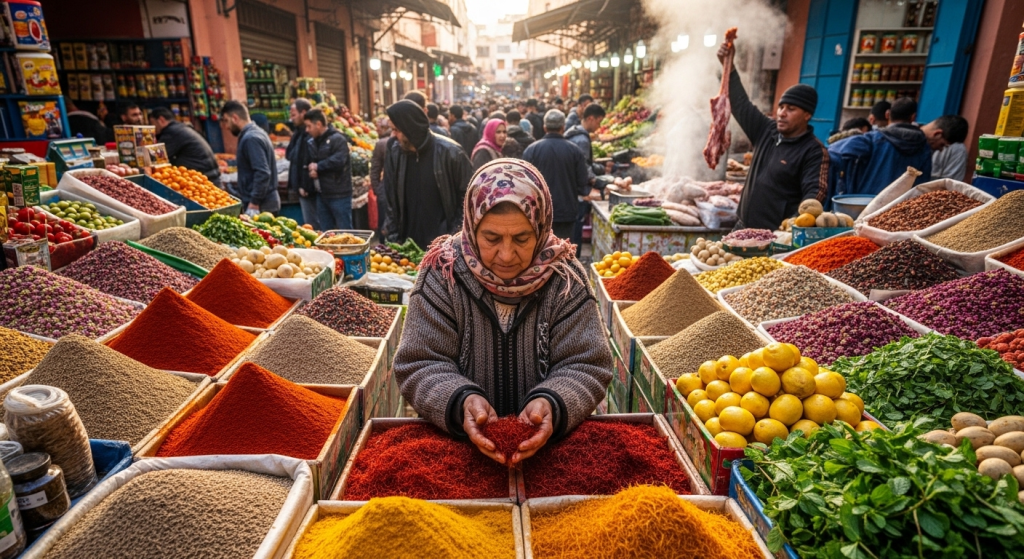
The spice markets on Fridays are particularly incredible. Local cooks are shopping for their weekly family meals, not selling to tourists. You’ll see women examining saffron threads, smelling cumin from different vendors, comparing the quality of ras el hanout blends. If you watch and learn, you’ll leave with a better understanding of Moroccan cuisine than any cooking class could give you.
Saturday – The Sahara Secret
We’re almost at the end of Morocco’s weekly rhythm. But this might be the most transformative insight in this entire post.
Saturday in the Sahara? Ninety percent of tourists miss it completely.
If you’ve researched Sahara trips, you’ve probably seen the standard offering: sunrise camel ride, overnight in a “luxury camp,” maybe some drumming around a fire, and then back to civilization. And look, that’s fine if all you want is a photo of yourself on a camel with sand dunes in the background.
But Saturday in the Sahara is something else entirely.
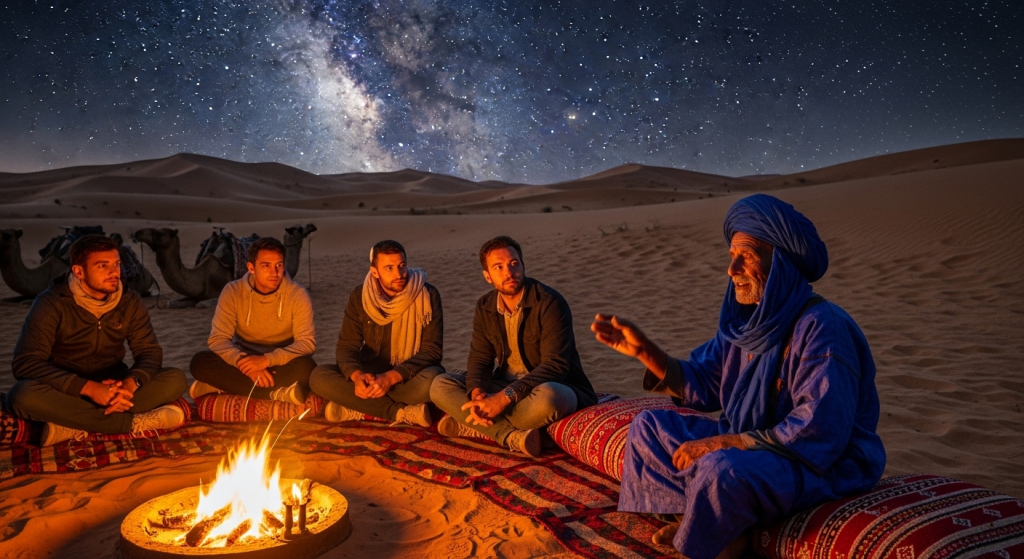
It’s not about sunrise camel rides that every tour company sells. It’s about Berber community celebration day. Local Berber families use Saturday evenings for weekly storytelling traditions that have been passed down for over a thousand years.
The desert camps that cater to this authentic experience are completely different from tourist overnight stays. You’re not checking into a camp with wifi and air conditioning. You’re being welcomed by real nomadic families who still follow seasonal migration patterns. These aren’t actors putting on shows for tour groups. They’re people who have lived in the Sahara for generations, whose grandparents knew these dunes before any road reached them.
The stories they share on Saturday nights connect you to ancient Saharan history. Navigation techniques that don’t rely on GPS. Survival wisdom that existed long before Morocco became a tourist destination. Poetry that’s been passed down through families for centuries.
This is how you experience the Sahara as a cultural landscape, not just a photo opportunity.
The timing has to be perfect, though. You don’t just show up on Saturday and expect to be welcomed into these celebrations. You arrive Friday evening. You spend that first night settling in, sharing tea, letting people get to know you. And when Saturday comes, you’re not a stranger who just arrived. You’re a guest who’s already part of the rhythm.
I spent one Saturday night sitting in a circle around a fire in the Merzouga region, listening to an elder tell stories while his grandson translated. We talked about stars, about the way nomads used to navigate before modern borders, about what it means to call the desert home. By the time we went to sleep, I understood the Sahara in a way I never could have from a camel ride.
Your Morocco Transformation
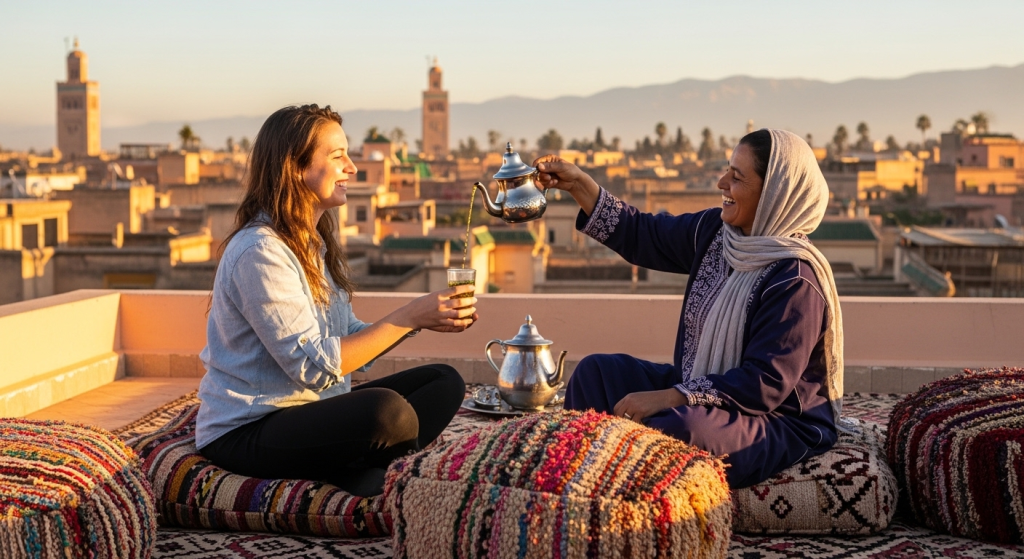
So here’s what changes when you align your Morocco trip with the authentic weekly rhythm instead of fighting against it.
You stop being a tourist taking photos of empty places. You start being a cultural participant experiencing Morocco’s living traditions.
The weekly calendar I’ve shared isn’t just about timing. It’s about respect. It’s about recognizing that Morocco’s rhythm is shaped by the Islamic cultural framework that guides daily life for thirty-seven million people. When you visit during the right weekly moments, locals recognize that you’ve made an effort to understand their rhythm. And the welcome you receive? Completely different.
Your photos capture real cultural moments instead of tourist performances. You’re not asking someone to pose. You’re present when real life is happening, and your camera simply records what you’re lucky enough to witness.
Your food experiences become family invitations instead of restaurant transactions. You’re not ordering from a menu designed to appeal to foreign palates. You’re being offered what locals eat, prepared the way locals prepare it, shared in the way locals share it.
Your desert adventure connects you to ancient traditions instead of Instagram opportunities. You’re not checking a box. You’re being welcomed into a way of life that has endured for centuries, and you leave with a deeper understanding than any photo could capture.
This weekly timing approach works because it’s based on authentic cultural patterns, not tourist industry marketing. It’s not about finding the “best” time to visit so you can avoid crowds. It’s about understanding when to be where so you can actually participate.
Start planning your Morocco experience around this Islamic weekly calendar. Let go of the weekend mindset you’d use anywhere else. Show up on Sundays ready to see how families spend their day. Spend Monday through Wednesday in the medinas when artisans are working. Stay up late on Thursday nights to experience the cultural explosion. Follow the markets on Friday for food you’ll remember for the rest of your life. And time your Sahara visit to arrive on Friday so you can be welcomed into Saturday’s storytelling traditions.
Do this, and you’ll discover a country that most travelers never see. You’ll find the Morocco that exists beneath the tourist surface—the one that operates on its own rhythm, guided by its own calendar, waiting for visitors who are curious enough to learn its timing.
That’s the Morocco that changed me. And if you time it right, it’ll change you too.