Best Zen meditation wellness spots in Japan 2026

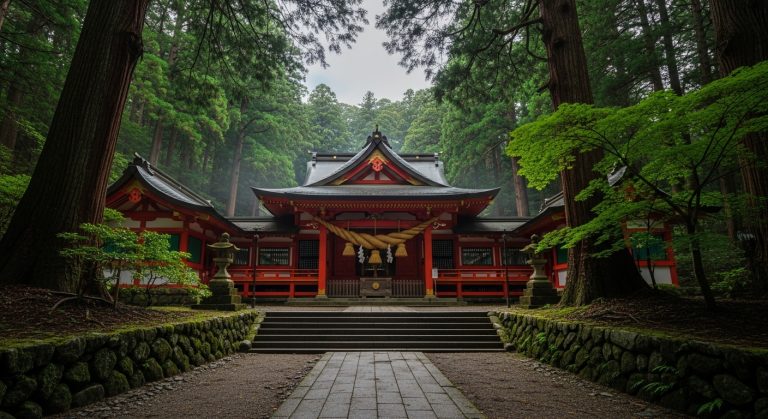
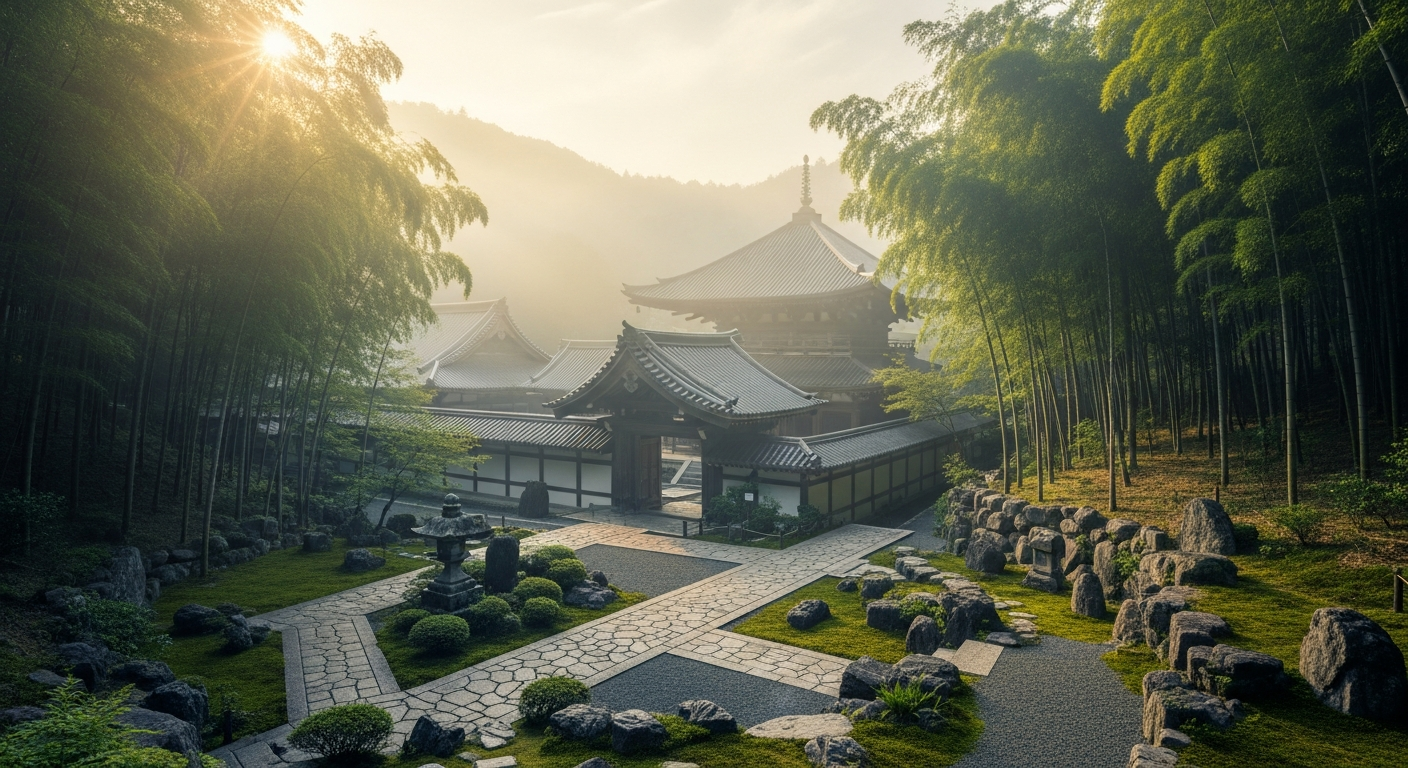
How would you feel sitting cross-legged in a 400-year-old temple, morning mist rolling through bamboo groves, the only sound a distant bell echoing across Kyoto’s mountains? Your mind—usually racing with deadlines and notifications—goes perfectly, beautifully quiet.
This isn’t some unattainable fantasy. It’s exactly what awaits you at Japan’s hidden Zen meditation retreats in 2026.
I’m not talking about the overcrowded golden temples where tour buses idle outside and selfie sticks outnumber prayer beads. Those experiences?
They’re beautiful, sure, but they won’t give you the transformative inner peace you’re craving. The real magic happens in lesser-known sub-temples, mountain monasteries, and coastal retreat centers where authentic Zen practice has continued uninterrupted for centuries.
After months of research and conversations with retreat organizers, I’ve uncovered the most authentic Zen wellness experiences Japan offers—from beginner-friendly half-day sessions to intensive week-long silent retreats. Whether you’ve never meditated before or you’re a seasoned practitioner seeking deeper immersion, this guide will show you exactly where to go, what to expect, and how to plan your journey.
The best part? 2026 is shaping up to be the perfect year for this adventure. Japan’s post-pandemic tourism initiatives are creating more intimate, sustainable experiences, and temples are limiting capacity to preserve authenticity. Translation: You’ll get the real deal, not a watered-down tourist version.
Ready to trade your racing thoughts for profound stillness? Let’s explore Japan’s most transformative Zen meditation retreats.
Why 2026 Is the Perfect Year for Your Zen Journey to Japan

Post-Overtourism Balance: Japan’s New Approach to Mindful Travel
Japan learned some hard lessons from the pre-2020 tourism boom. Kyoto’s narrow temple lanes became Instagram battlegrounds, and sacred spaces felt more like theme parks than spiritual sanctuaries. But 2026 brings a refreshing shift.
The Japanese government launched new sustainable tourism initiatives in 2025, and they’re actually working. Temples and retreat centers now limit daily visitor capacity, creating the intimate atmosphere essential for genuine meditation practice. You won’t be fighting crowds to find your inner peace—you’ll be one of a carefully managed group of serious practitioners.
Even better, visa policies have evolved to support longer wellness stays. If you’re planning a week-long retreat, the paperwork is now significantly easier for international visitors. Japan wants mindful travelers who’ll engage deeply with their culture, not just snap photos and move on.
Seasonal Sweet Spots: When to Book Your Retreat
Timing matters enormously for meditation retreats in Japan. The absolute sweet spots are March through May (cherry blossom season) and September through November (autumn colors). Imagine meditating in temple gardens while cherry petals drift past your window, or practicing zazen surrounded by blazing maple trees.
But here’s an insider secret: Don’t dismiss the off-peak months. January and February offer dramatic advantages—prices drop 20-30%, international tourists disappear, and you’ll find yourself practicing alongside more Japanese locals. Winter meditation in mountain temples, with snow-covered gardens visible through shoji screens, creates an unforgettable sense of stillness.
For 2026 specifically, avoid Golden Week (late April-early May) and Obon (mid-August) unless you book six months ahead. These Japanese holiday periods fill up fast, and you’ll pay premium prices. Instead, target late March, June, or October for the perfect balance of weather, availability, and value.
Budget Reality Check: What Zen Wellness Actually Costs
Let’s talk money, because meditation retreats in Japan span a massive price range, and understanding what you’re actually paying for matters.
Budget temple stays run $50-100 per night and include surprisingly comprehensive experiences: traditional vegetarian meals, meditation instruction, morning ceremonies, and basic accommodation. These aren’t luxury experiences, but they’re profoundly authentic. You’ll sleep on futons in tatami rooms, wake to temple bells, and practice alongside monks.
Mid-range retreat centers cost $150-250 per night and add comfort without sacrificing authenticity. Expect private rooms, English-speaking guides, and more structured programs designed for international visitors.
Luxury wellness resorts charge $300-800 per night and combine Zen practice with spa treatments, gourmet interpretations of temple cuisine, and stunning contemporary architecture. These work beautifully if meditation is one part of a broader wellness journey.
Here’s the money-saving insider tip that makes a real difference: Multi-day packages offer 20-30% better value than booking single sessions. A five-day retreat might cost $600 total versus $150 per day separately. The temples want committed practitioners, not day-trippers, and they price accordingly.
The Ultimate Zen Meditation Experiences: From Beginner to Advanced

For Complete Beginners: Guided Half-Day and Day Experiences
Never meditated before? Feeling intimidated by the whole temple etiquette thing? These beginner experiences remove every barrier between you and your first taste of Zen.
Ninja Zen Meditation in Tokyo stands out as the perfect first-timer experience. A German student in his twenties shared his experience: “The staff picked me up at the meeting spot and guided me to the venue, so I didn’t have to worry about getting lost. The place itself was a really cool traditional Japanese house. Just stepping inside made it feel like I was entering a completely different world.”
This 2-3 hour experience includes transportation from your meeting point, English-speaking guides who explain everything, and zero intimidation factor. You’ll learn basic zazen sitting, practice simple breathing techniques, and leave understanding whether longer retreats interest you. Price runs $80-120, and you should book 2-3 weeks ahead for 2026.
Tea Ceremony + Meditation Combo near Tokyo offers a brilliant two-day introduction for those wanting more depth without full immersion. This program combines cultural experiences with gentle meditation practice, so you’re not just sitting in silence for hours (which can overwhelm beginners).
You’ll learn from actual practitioners, not performers putting on shows for tourists. The combination of tea ceremony mindfulness and seated meditation creates natural bridges between familiar and new practices.
For Intermediate Practitioners: Multi-Day Temple Immersions
Once you’ve established a basic meditation practice, these multi-day immersions deliver the transformative depth you’re seeking.
Taizo-in Temple in Kyoto offers something extraordinary: private sessions with Deputy Head Priest Daiko Matsuyama, a global Zen ambassador who has met with a former Pope and attended the World Economic Forum. This isn’t your typical temple tour—it’s genuine interaction with one of Japan’s highest-ranking Zen masters.
The setting alone will take your breath away. Taizo-in sits within Myoshin-ji, Japan’s largest Zen temple complex spanning 31 hectares of mountainous terrain. You’ll practice traditional zazen in meditation halls that have hosted practitioners for centuries, walk stunning rock gardens designed specifically for contemplation (not Instagram), and experience authentic monk lifestyle rhythms.
Plan for 3-5 days here to truly absorb the experience. The booking process requires some advance planning—this isn’t a walk-in situation—but the profound authenticity makes every bit of effort worthwhile.
4-Day Wellness and Yoga Retreat in Nara blends movement with stillness, perfect for those who find pure sitting meditation physically challenging. Nara offers a hidden advantage: morning walking meditation through the famous deer park. These sacred deer, considered messengers of the gods, create unique mindfulness opportunities. Watching them interact naturally while you practice walking meditation adds a dimension you won’t find anywhere else.
For Advanced Seekers: Intensive Silent Retreats
If you have an established meditation practice and you’re ready for serious inner work, intensive seven-day programs offer breakthrough potential.
Let me be crystal clear: These aren’t vacations. You’ll sit for 4-6 meditation sessions daily, maintain noble silence (no talking except during instruction), and face whatever arises in your mind without distraction. Your phone stays locked away. Your usual coping mechanisms disappear. What remains is you, your breath, and whatever you’ve been avoiding.
These intensive retreats work best for practitioners who’ve already completed shorter retreats and understand their own meditation practice. You need mental preparation and realistic expectations. But for those ready to go deep, the transformation can be profound and lasting.
Hidden Gem Locations: Beyond the Obvious Kyoto Circuit

Kyoto’s Secret Sub-Temples: Where Locals Actually Go
Everyone knows about Kinkaku-ji (the Golden Pavilion) and Fushimi Inari. They’re stunning, yes, but they’re also packed with tour groups taking identical photos. Real meditation requires spaces that tourists haven’t discovered yet.
Taizo-in at Myoshin-ji Complex trumps the famous temples for one crucial reason: It’s a functioning monastery, not a museum. Monks live here, practice here, and maintain centuries-old traditions here. The stunning rock gardens weren’t designed for your Instagram feed—they were created as meditation tools to quiet busy minds.
The authentic advantage shows up in unexpected ways. You might hear monks chanting morning sutras, smell incense from actual ceremonies (not tourist demonstrations), and practice in spaces where spiritual energy accumulates over decades of dedicated use.
Accessing Taizo-in requires understanding proper etiquette and booking procedures. You can’t just show up—advance arrangements through proper channels show respect for the sacred space. The 45-minute journey from central Kyoto filters out casual tourists, leaving you with fellow serious practitioners.
Lesser-known mountain temples scattered around Kyoto’s outskirts offer even more solitude. These require some transportation logistics—buses don’t run frequently, and you might need a taxi for the final leg—but the reward is meditation in near-complete silence, surrounded by forest sounds instead of tourist chatter.
Nara: The Underrated Zen Capital
Here’s what most travelers miss: Nara offers more authentic wellness experiences than Kyoto, at significantly better value, with a fraction of the crowds.
Nara served as Japan’s capital before Kyoto, and its temples carry equal historical weight without the tourist infrastructure that’s transformed Kyoto. Retreat centers here charge 20-30% less than Kyoto equivalents for comparable experiences. Your money goes further, and the lower tourist density creates better conditions for deep practice.
The sacred deer roaming freely throughout Nara become unexpected meditation teachers. Their calm presence, their unhurried movements, their complete comfort with silence—watching them naturally cultivates mindfulness. Early morning walks through deer park, before day-trippers arrive, offer moving meditation opportunities you won’t find elsewhere.
Best retreat centers in Nara include both traditional temple stays and modern wellness facilities. Contact details and booking information require some research (many don’t have English websites), but that barrier keeps experiences authentic.
The day trip versus multi-day question matters here. Nara works perfectly for day trips from Kyoto or Osaka, but staying multiple days unlocks the real magic. Evening and early morning, when tourists disappear, reveal Nara’s true character.
Rural Retreats: The Ultimate Escape from Tokyo
For the deepest immersion, leave cities entirely and head to mountain monasteries or coastal Zen centers.
Japanese Alps locations offer meditation at altitude, where thin air and dramatic natural beauty intensify practice. Mountain monastery experiences combine physical challenge (altitude, temperature, rustic conditions) with spiritual depth. You’ll practice in halls with sweeping mountain views, walk meditation on forest trails, and experience how natural grandeur supports inner exploration.
Seasonal considerations matter enormously here. Winter accessibility requires proper preparation—heavy snow closes some roads, and you’ll need serious cold-weather gear. But summer and autumn offer ideal conditions, with comfortable temperatures and breathtaking scenery.
Coastal Zen centers provide a completely different energy. Ocean-view meditation halls, where you practice to the rhythm of waves, create natural focus for wandering minds. The combination of structured sitting practice and beach walking meditation works beautifully for those drawn to water’s calming influence.
These rural retreats attract fewer international tourists and more Japanese practitioners, significantly enhancing cultural immersion. You’ll likely be one of the only foreigners, which pushes you into deeper engagement with Japanese language, customs, and meditation traditions.
Tokyo-Adjacent Options for Time-Strapped Travelers
Short on time but still craving authentic Zen experience? Several excellent retreat centers sit within two hours of Tokyo, making same-day or weekend trips feasible.
The best same-day options offer morning departures, full-day programs, and evening returns to Tokyo. You’ll miss the overnight temple stay experience, but you’ll still receive quality instruction and taste genuine Zen practice.
Weekend retreat centers strike the perfect balance for busy travelers. Leave Tokyo Friday evening, immerse yourself for 48 hours, and return Sunday evening feeling genuinely refreshed. This timeframe allows for multiple meditation sessions, proper instruction, and enough downtime to actually relax—without feeling rushed or superficial.
The key to maximizing limited time: Choose programs specifically designed for short stays rather than trying to compress longer retreats. Centers experienced with international visitors understand how to deliver meaningful experiences in condensed timeframes.
What to Actually Expect: The Complete First-Timer’s Guide

Your Daily Schedule Demystified
Zen retreat schedules follow rhythms that initially seem foreign but quickly feel natural. Here’s what a typical day actually looks like:
5:30 AM: Morning bell wakes you. No snooze button, no negotiating. You roll up your futon, splash cold water on your face, and head to the meditation hall while your brain still protests.
7:00 AM: Breakfast arrives after first meditation. Temple cuisine means simple vegetarian fare—miso soup, rice, pickled vegetables, maybe tofu. You eat in silence, practicing mindful attention to each bite. This isn’t punishment; it’s training your mind to stay present.
9:00 AM: Instruction sessions or work meditation. Work meditation (called samu) means cleaning, gardening, or temple maintenance done mindfully. Sweeping becomes meditation. Raking gravel becomes meditation. Everything becomes practice.
11:00 AM: Second sitting practice. Your legs might still fall asleep, but you’re learning how to work with discomfort rather than fighting it.
12:30 PM: Lunch and rest period. Slightly larger meal than breakfast, followed by blessed free time. Some people nap. Others walk the grounds. The point is gentle restoration.
3:00 PM: Afternoon meditation or ceremony. You might participate in tea ceremony, sutra chanting, or specialized practices depending on your retreat center.
6:00 PM: Light dinner. Temple tradition means smaller evening meals, which actually helps meditation practice (full stomachs make sitting uncomfortable).
7:30 PM: Evening practice and reflection. Final meditation session, sometimes followed by dharma talks or question-and-answer periods with teachers.
Different centers adapt these schedules based on their tradition and participant needs. Some offer more flexibility; others maintain stricter routines. But the basic rhythm—early rising, multiple practice sessions, simple meals, early sleep—remains consistent.
Physical Realities: The Stuff Nobody Tells You
Let’s address the elephant in the meditation hall: Your legs will fall asleep. This isn’t failure; it’s completely normal, especially for Westerners unused to floor sitting.
Most temples offer options: traditional zafu cushions, meditation benches (seiza style), or even chairs for those with knee or back issues. Don’t suffer unnecessarily—use whatever support your body needs. Zen practice develops mental flexibility, not physical martyrdom.
Body preparation before you go makes a real difference. Practice these stretches daily for two weeks before your retreat: hip openers, hamstring stretches, ankle rotations, and gentle twisting poses. Your body will thank you.
The food experience surprises most first-timers. Temple cuisine (shojin ryori) follows Buddhist vegetarian principles, using seasonal ingredients prepared simply. No meat, no fish, no pungent vegetables like garlic or onions (considered stimulating to the senses).
You might worry about going hungry, but meals prove surprisingly satisfying. The combination of rice, soup, vegetables, and tofu provides complete nutrition, and the enforced slow eating reveals how little food we actually need versus habitually consume.
Dietary restrictions require advance communication. Most temples accommodate allergies or religious requirements with proper notice, but showing up and expecting last-minute changes disrespects their preparation efforts.
The silence factor intimidates many beginners more than meditation itself. Noble silence means no talking during certain periods—meals, evening hours, sometimes entire days. You can speak during instruction or emergencies, but casual conversation stops.
Initial discomfort is universal. Your mind generates endless “urgent” things you “need” to say. But silence reveals how much mental chatter we mistake for necessary communication. After a day or two, most people find silence profoundly restful.
Cultural Etiquette That Actually Matters
Japanese temple etiquette isn’t about memorizing endless rules—it’s about showing respect through mindful attention.
Bowing protocols: Bow when entering/exiting meditation halls, when greeting teachers, before/after meals. Depth matters: slight nod for casual acknowledgment, deeper bow (45 degrees) for teachers or sacred spaces. Watch other participants and follow their lead.
Footwear rules: Remove shoes before entering any building. Temples provide slippers for indoor hallways, but you’ll go barefoot or in socks for tatami rooms and meditation halls. Keep your outdoor shoes neatly arranged—sloppy shoe placement signals sloppy mind.
Photography: Assume photography is forbidden unless explicitly permitted. Meditation halls, ceremonies, and other practitioners’ faces are always off-limits. Some temples allow garden photos during specific times; ask permission clearly.
What to wear: Pack modest, comfortable layers in dark, neutral colors (black, navy, gray, brown). Temples can be cold, especially early morning and in winter. Bring: – Loose pants or long skirts (nothing tight or revealing) – Long-sleeve shirts or light sweaters – Warm socks (floors get cold) – Shawl or light jacket for layering
Leave at home: flashy jewelry, strong perfumes or colognes, revealing clothing, bright colors, anything that draws attention. The goal is blending in, not standing out.
Planning Your Perfect Zen Escape: The Practical Roadmap

Matching Retreat to Your Travel Style and Timeline
Your available time dramatically shapes which retreat makes sense. Here’s how to choose wisely:
Weekend warrior (2-3 days): If you’re squeezing Zen practice into a broader Japan trip, combine a Tokyo-based half-day experience with a two-day retreat nearby. This gives you authentic taste without requiring major itinerary changes.
Set realistic expectations: Weekend retreats introduce you to Zen practice and Japanese temple culture, but they won’t create lasting transformation. Think of this as valuable reconnaissance for a longer future visit.
Week-long immersion (5-7 days): This timeframe hits the sweet spot for meaningful change. Your mind needs several days to settle—the first day or two, you’re still processing travel stress and adjusting to new routines. Real depth emerges around day three or four.
Recommended itinerary: Three days at Kyoto temple (like Taizo-in) for intensive practice, three days at Nara retreat for integration, plus one buffer day for travel and adjustment. This combination provides structured depth plus comfortable pacing.
Why this duration works: Five to seven days allows multiple meditation cycles, proper instruction, relationship-building with teachers, and enough repetition for practices to begin feeling natural rather than foreign.
Extended retreat (10-14 days): For serious practitioners or those on sabbatical, two-week retreats offer genuine transformation potential. You’ll move through initial discomfort, hit challenging middle periods, and emerge with fundamentally shifted perspective.
These longer programs suit people with established meditation practices who understand what they’re signing up for. First-timers should start shorter and work up to extended retreats.
Booking Strategy: Securing Your Spot
Most authentic retreat centers require 2-3 months advance booking for 2026, especially during peak seasons. Popular programs like Taizo-in private sessions book even further ahead—aim for 4-6 months if possible.
Booking process varies dramatically by center. Traditional temples might require email communication in Japanese, formal letters of introduction, or referrals from previous participants. Modern retreat centers offer English websites and online booking.
Don’t let language barriers stop you. Many temples work with booking services that handle translation and arrangements. Yes, this adds cost (typically 10-15% commission), but it ensures proper communication and reduces stress.
Payment policies also vary. Some require full prepayment, others take deposits with balance due on arrival. Cancellation policies tend to be strict—understand terms before committing, especially for expensive programs.
Essential Logistics: Visas, Transportation, and Communication
Visa requirements for most Western passport holders allow 90-day tourist stays without advance visa. But if you’re planning longer retreats or combining practice with extended travel, verify current requirements for your nationality.
The 2026 wellness visa initiatives may create special categories for retreat participants—watch for updates through official Japanese embassy channels.
Transportation to retreat centers requires planning. Major temples in Kyoto and Nara connect via public transit, but rural locations need rental cars, private transfers, or taxi arrangements. Factor transportation time and cost into your budget—some remote mountain monasteries require 3-4 hours travel from nearest airports.
Communication during retreats means limited or no phone access. Most centers ask you to silence devices and store them away. Some provide WiFi for emergencies; others maintain complete digital detox. Prepare family and work contacts for your communication blackout before departing.
Travel insurance covering medical emergencies is non-negotiable. Verify your policy covers adventure activities if your retreat includes mountain hiking or other physical components.
Your Journey to Inner Peace Starts Now
Japan’s hidden Zen meditation retreats offer something increasingly rare in our frantic world: genuine stillness, authentic tradition, and space for profound inner transformation.
You don’t need to be a Buddhist, speak Japanese, or have years of meditation experience. You just need willingness to sit with yourself, openness to ancient wisdom, and courage to step away from constant distraction.
The temples and retreat centers I’ve shared aren’t tourist attractions—they’re living spiritual traditions welcoming sincere practitioners. Whether you choose a weekend introduction or week-long immersion, you’ll return home with more than photos. You’ll carry tools for finding peace amid chaos, practices for cultivating presence, and direct experience of your own quiet mind.
2026 offers ideal conditions for this journey: better tourism balance, improved accessibility, and growing international understanding of Zen practice. The question isn’t whether these retreats can transform your relationship with stress, anxiety, and mental clutter. They absolutely can.
The question is: Are you ready to sit down, shut up, and discover what emerges when your mind finally goes quiet?
Start researching specific retreats today. Reach out to centers that resonate with you. Block time on your 2026 calendar. Your future self—the one who’s learned to access inner peace regardless of external circumstances—will thank you.
The temple bells are ringing. The meditation cushion awaits. Your journey to authentic Zen practice in Japan begins with a single step.
Ready to book your transformative Zen retreat? Save this guide and start planning your 2026 journey to inner peace today.