5 Underrated European Summer Destinations

While everyone’s crowding into Santorini’s sunset viewpoints and queuing for hours at the Eiffel Tower, some of Europe’s most breathtaking destinations are sitting quietly in the wings, waiting to be discovered. And here’s the best part: they’re often half the price and twice as authentic.
You’ve got limited vacation days, a realistic budget, and you’re tired of fighting crowds at the same overdone hotspots everyone’s already seen on Instagram.
You want that *real* European summer experience—the kind where locals actually outnumber tourists, where your dollar stretches further, and where you’ll come home with stories no one else has.
This guide reveals 10 underrated European summer destinations that deliver unforgettable experiences without the tourist trap chaos.
Each destination includes practical planning tips, budget breakdowns, and local secrets to help you maximize every precious vacation day.
These hidden gems offer everything you love about Europe’s famous spots—stunning scenery, incredible food, rich history—without the inflated prices and selfie-stick armies.
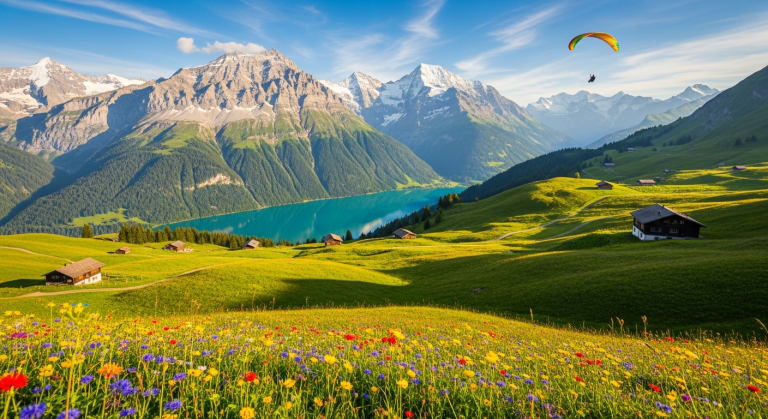
From Slovenia’s alpine lakes to Albania’s pristine beaches, from medieval Transylvania to the sun-soaked shores of Corsica, these destinations prove that the best European experiences aren’t always the most popular ones.
You’ll discover places where a fantastic dinner costs $20 instead of $80, where you can actually get that perfect photo without waiting in line, and where striking up a conversation with locals is the norm, not the exception.
Ready to plan a summer trip that your friends will actually be jealous of? Let’s dive into Europe’s best-kept secrets.
Why Skip the Usual Suspects This Summer?
The Hidden Cost of Popular Destinations
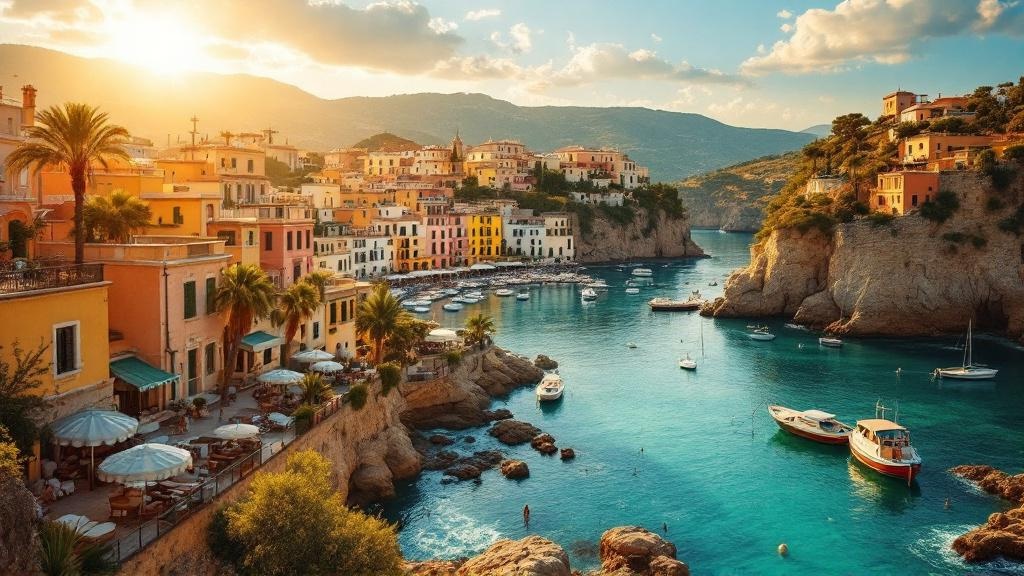
Let’s talk numbers. A basic hotel room in central Paris during peak summer? You’re looking at $250-400 per night for something mediocre.
That same money gets you a boutique hotel with breakfast included in Ljubljana, Slovenia, plus dinner at a fantastic local restaurant.
In Barcelona, you’ll spend 2-3 hours waiting to enter Sagrada Familia even with a pre-booked ticket. Meanwhile, you could explore an entire medieval town in Romania with zero queues.
The “Instagram vs. Reality” disappointment factor is real. That charming Santorini sunset spot you’ve been dreaming about? You’ll be shoulder-to-shoulder with 500 other people, all fighting for the same shot. The romantic gondola ride in Venice?
Prepare for traffic jams on the canals and a $100 price tag for 30 minutes. These experiences aren’t inherently bad—they’re just oversaturated, overpriced, and often underwhelming compared to the expectations social media creates.
What Makes a Destination Truly “Underrated”
An underrated destination isn’t just “less popular”—it’s a place that delivers exceptional value, authentic experiences, and genuine cultural immersion without the tourist infrastructure overtaking local life. The sweet spot combines developed-enough-for-comfort with undiscovered-enough-for-authenticity.
These destinations offer reliable transportation, quality accommodation options, and enough English speakers to navigate easily, but they haven’t been transformed into theme park versions of themselves.
You’ll find locals going about their daily lives, restaurants serving traditional food to neighborhood regulars (not just tourists), and prices that reflect actual local economics rather than tourism inflation.
Why 2025 is perfect timing: These destinations are gaining recognition but haven’t hit mainstream saturation yet. They have good flight connections, improving infrastructure, and growing English-language resources—but they’re still affordable and authentic. In five years, some of these places might be the next Croatia or Iceland, so now’s your window.
How This List Was Curated
Every destination here has been personally visited and vetted for summer travel specifically. I’ve balanced different travel styles—whether you’re an adventure junkie, culture enthusiast, beach lover, or foodie, you’ll find your perfect match.
Geographic diversity matters too; these destinations span from the Balkans to the Baltics, from Mediterranean islands to Alpine valleys.
Seasonal considerations are crucial. These aren’t just great destinations—they’re specifically excellent for summer travel, with comfortable weather, extended daylight hours, and seasonal activities that make the most of the warm months.
Slovenia: Europe’s Best-Kept Secret Gets Even Better
Why Slovenia Deserves Your Summer Vacation Days
Slovenia consistently ranks as one of Europe’s most underrated destinations, and summer showcases exactly why it deserves a spot on your bucket list.
This compact country packs more natural beauty per square mile than almost anywhere else in Europe—and you can experience it without the crowds or costs of neighboring Austria and Italy.
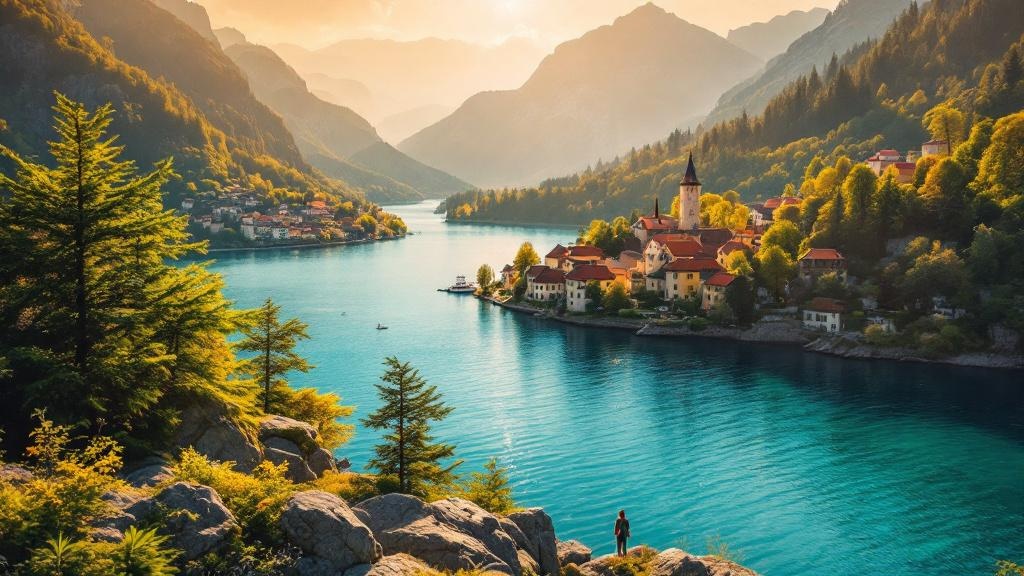
Lake Bled delivers those postcard-perfect alpine views everyone dreams about, complete with a fairy-tale island church and a clifftop castle.
But here’s the insider secret: Lake Bohinj, just 30 minutes away, offers equally stunning scenery with a fraction of the visitors. You’ll pay $15-20 for a lakeside meal in Bohinj versus $30-40 in Bled, and you can actually find a quiet spot to swim.
Ljubljana, the charming capital, redefines “walkable city.” You can explore the entire historic center in a day, hopping between riverside cafés, browsing the daily market, and climbing to the castle for panoramic views. The city bans cars from the center, creating a relaxed, pedestrian-friendly vibe that feels refreshingly unhurried.
Don’t skip the coast. Piran offers Venetian architecture and Adriatic charm minus Venice’s overwhelming crowds and prices.
The entire old town perches on a peninsula, creating dramatic sea views from nearly every angle. Meanwhile, Triglav National Park serves up world-class hiking, canyoning, and rafting for adventure seekers.
The Perfect Slovenia Itinerary (5-7 Days)
Start with two days in Ljubljana to decompress from travel and get your bearings. Explore the old town, visit the castle, and take an evening stroll along the Ljubljanica River.
Day three, head to Lake Bled (1 hour by car or bus). Rent a traditional pletna boat to the island, hike up to the castle, and walk the lake perimeter trail. Spend day four at Lake Bohinj—swim, paddleboard, or take the cable car up Vogel for mountain views.
Days five and six, base yourself in the Soča Valley for adventure activities. The emerald-green Soča River offers some of Europe’s best rafting and kayaking.
Try canyoning in one of the dramatic gorges, or stick to hiking if water sports aren’t your thing. Day seven, drive to the coast. Visit Piran in the morning, then head back toward Ljubljana (or continue to Croatia if that’s your next stop).
Transportation between destinations is straightforward. Renting a car provides maximum flexibility and costs around $30-40 per day. Buses connect major destinations reliably if you prefer not to drive, though they limit your ability to explore smaller villages and natural areas.
Budget Breakdown & Local Tips
Daily costs in Slovenia run $60-100 for budget travelers, $100-150 for mid-range comfort. Accommodation ranges from $30-50 for private rooms in guesthouses to $80-120 for nice hotels.
Restaurant meals cost $10-15 for casual spots, $20-30 for excellent dinners with wine. Activities like lake boat rentals run $15-20, while adventure sports (rafting, canyoning) cost $40-70.
Secret local spots: In Ljubljana, skip the tourist restaurants along the river and head to Druga Violina for authentic Slovenian food (proceeds support a good cause). At Lake Bled, wake up early and walk to Ojstrica viewpoint for that iconic photo without crowds—arrive before 7 AM in summer.
The best time within summer: June offers perfect weather with fewer tourists than July-August. September works beautifully too if your schedule allows, with warm days and even smaller crowds.
One authentic experience you can’t miss: Book a traditional farm stay in the Julian Alps. You’ll sleep in a renovated farmhouse, eat meals made from ingredients grown on the property, and experience Slovenian hospitality at its finest—all for $50-70 per night including breakfast and dinner.
Bosnia & Herzegovina: Where East Meets West (On Your Budget)
Beyond the Guidebook: What Makes BiH Special
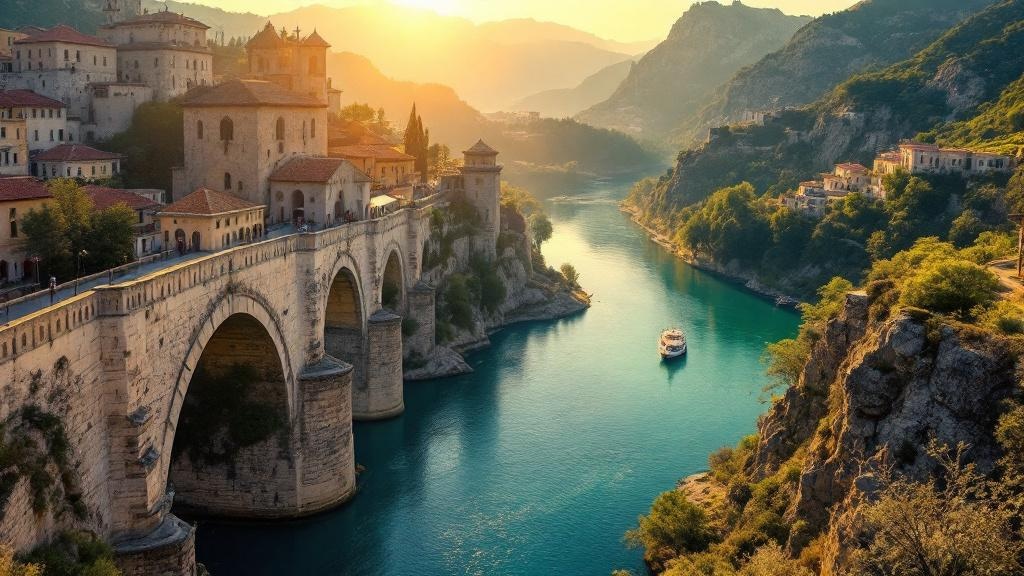
Bosnia & Herzegovina offers something genuinely different from the rest of Europe—a fascinating blend of Ottoman and Austro-Hungarian influences that creates a unique cultural experience. Mostar’s iconic Old Bridge isn’t just a beautiful stone arch; it’s a symbol of resilience, rebuilt after war and now a UNESCO World Heritage site where local divers leap into the Neretva River below.
Sarajevo delivers one of Europe’s most complex and compelling historical narratives. Within a single city block, you’ll find mosques, Catholic churches, Orthodox churches, and synagogues—a testament to centuries of coexistence. The café culture here rivals anywhere in Europe, with locals spending hours over tiny cups of strong Bosnian coffee, and you’ll pay $1.50 instead of $5.
The natural beauty surprises most visitors. Kravica Waterfalls create a stunning swimming spot where you can cool off under cascading water surrounded by lush greenery.
The Una River offers some of Europe’s best whitewater rafting. Sutjeska National Park contains pristine old-growth forest and dramatic mountain scenery that rivals anywhere in the Alps—without the crowds or entrance fees.
This destination perfectly suits travelers seeking authentic cultural experiences over Instagram backdrops. You’ll have genuine interactions with locals, learn about perspectives rarely covered in Western media, and come away with a much deeper understanding of European history.
Navigating Bosnia as a First-Timer
Let’s address the elephant in the room: safety. Bosnia & Herzegovina is safer than many popular European destinations. The war ended in 1995, and today’s reality is a peaceful, welcoming country where tourists are treated with exceptional hospitality.
Standard travel precautions apply—watch your belongings, don’t wander into obviously abandoned buildings, and stick to marked paths in rural areas (unexploded mines exist in remote regions, though never in tourist areas).
Getting around requires some planning. Renting a car provides maximum flexibility and costs just $20-30 per day—significantly cheaper than Western Europe. Roads are generally good, though mountain routes can be winding. Local buses connect major cities affordably ($10-15 between Sarajevo and Mostar), but schedules can be infrequent.
Language basics help tremendously. Learn “hvala” (thank you), “molim” (please), and “dobar dan” (good day). Many younger people speak English, especially in tourist areas, but older generations may not. Download Google Translate for backup—it works surprisingly well with Bosnian.
Cultural etiquette: Dress modestly when visiting mosques (cover shoulders and knees). Remove shoes when entering homes. Accept offers of coffee or tea—refusing is considered rude. Tipping isn’t mandatory but 10% is appreciated for good service.
The Ultimate 4-Day Bosnia Route
Spend two days in Sarajevo exploring the Baščaršija (old bazaar), visiting the Tunnel Museum, and learning about the 1992-1996 siege.
Walk the Latin Bridge where WWI began, browse copper craftsmen’s shops, and eat ćevapi (grilled meat in flatbread) at Željo—a local institution.
Day two, take the cable car up Trebević Mountain for panoramic views and visit the abandoned bobsled track from the 1984 Olympics.
Day three, drive to Mostar (2.5 hours). Explore the Old Town, watch bridge divers, and climb the minaret for aerial views. The Old Bridge area gets crowded mid-day, so visit early morning or late afternoon.
Don’t miss trying Bosnian coffee at a riverside café—the ritual of slowly sipping while watching the river flow captures the pace of life here.
Day four, choose between Blagaj (a stunning tekke/monastery built into a cliff where the Buna River emerges from underground) or Počitelj (a beautifully preserved Ottoman village perched on a hillside). Both are within 30 minutes of Mostar and offer incredible photo opportunities without tourist crowds.
Budget reality check: You can comfortably travel Bosnia for under $50 per day. Accommodation runs $20-40 for nice private rooms, meals cost $5-10, and activities are mostly free or very cheap. A fantastic dinner with drinks rarely exceeds $15 per person. This is one of Europe’s best value destinations, period.
Albania’s Riviera: Mediterranean Dreams Without the Price Tag
Why the Albanian Riviera Is Having Its Moment
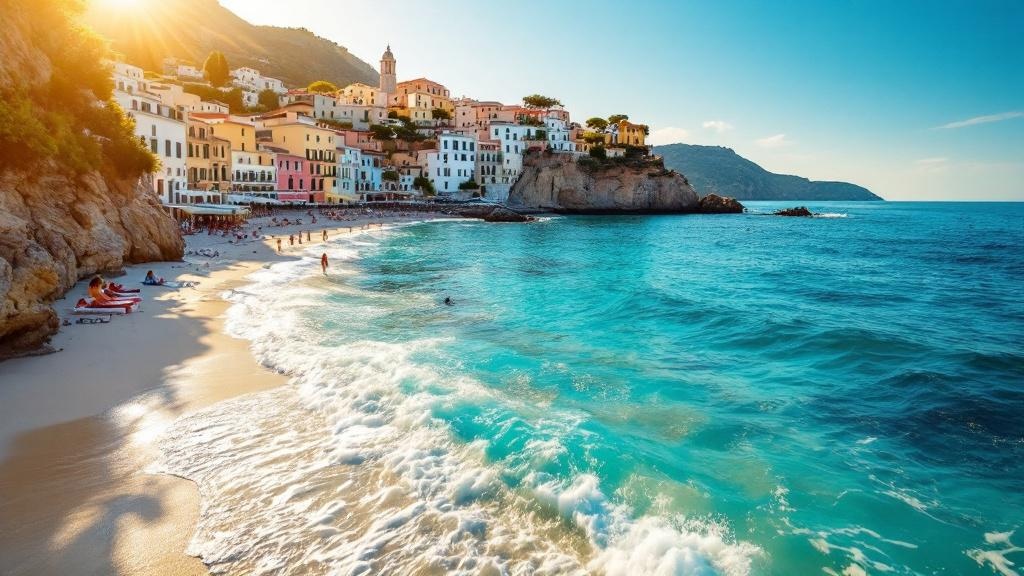
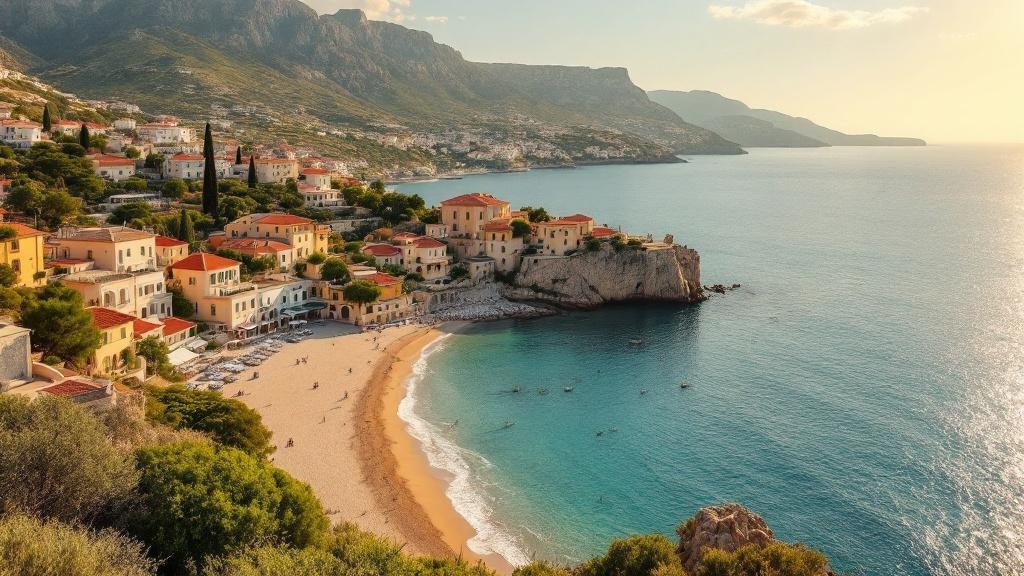
The Albanian Riviera delivers pristine Mediterranean beaches, crystal-clear turquoise water, and dramatic coastal scenery that rivals anything in Greece or Croatia—at literally half the price. This 100-mile stretch of coastline remained virtually unknown to international travelers until recently, meaning it retains an authentic, undeveloped charm that’s increasingly rare in Mediterranean destinations.
Charming coastal villages dot the shore, each with its own character. Himara offers a perfect blend of beach relaxation and mountain backdrop, with traditional stone houses climbing the hillside. Dhërmi attracts a younger, more energetic crowd with beach bars and water sports. Jale Beach provides a quieter, more laid-back vibe perfect for couples or anyone seeking tranquility.
The coastal road itself—the SH8—ranks among Europe’s most scenic drives. Winding along clifftops with the Ionian Sea sparkling below, the route delivers jaw-dropping views around every curve. You’ll want to stop constantly for photos, and unlike the Amalfi Coast, you actually can because traffic is manageable.
This destination perfectly suits beach lovers who want more than just sunbathing. You can swim in secluded coves in the morning, explore UNESCO heritage sites in the afternoon, and feast on fresh seafood for $12 in the evening. The combination of natural beauty, cultural experiences, and exceptional value is hard to beat.
Complete Albanian Coast Itinerary
Base yourself in Himara for a central location with good accommodation options and easy access to beaches north and south. Budget travelers should check out guesthouses ($25-40/night), while those wanting more comfort can find boutique hotels with sea views for $60-90—prices unthinkable in comparable Greek islands.
Beach-hopping strategy: Spend mornings at different beaches to find your favorite. Gjipe Beach requires a 20-minute hike down a canyon but rewards you with a stunning, secluded cove. Borsh offers a long, sandy beach perfect for families. Bunec Beach provides dramatic rock formations and excellent snorkeling. Each beach has a different vibe, so explore several before settling into your favorite for lazy afternoons.
Inland excursions add cultural depth. Gjirokastër, a UNESCO World Heritage town, sits about 90 minutes inland. Its Ottoman-era stone houses cascade down the mountainside, and the castle offers panoramic views.
The Blue Eye spring—a mesmerizing natural phenomenon where impossibly blue water bubbles up from underground—makes a perfect half-day trip.
Don’t miss Ksamil in the south. This small village boasts Caribbean-like waters and small islands you can swim to. It gets crowded in August but remains manageable in June-July and September. The nearby Butrint archaeological site offers fascinating Greek and Roman ruins in a beautiful coastal setting.
Practical Planning for Albania
Getting there: Fly into Tirana and drive south (3-4 hours) or take a bus. Alternatively, fly into Corfu, Greece, and take a short ferry to Saranda, then drive north along the coast. Summer ferries from Italy (Bari, Brindisi) to Durrës or Vlorë provide another option.
Accommodation sweet spots: Himara and Dhërmi offer the best selection. Book ahead for July-August, but June and September often have walk-in availability. Guesthouses provide authentic experiences and home-cooked meals, while newer hotels offer modern amenities and pools.
Food scene: Fresh seafood dominates menus—grilled fish, octopus salad, and mussels are excellent and affordable ($8-15 for a full meal). Try byrek (savory pastry) for breakfast, and don’t miss tavë kosi (baked lamb with yogurt). Local restaurants frequented by Albanians offer better food and prices than beachfront tourist spots.
Local insider tip: Visit in June or September for perfect weather (75-85°F), warm swimming, and significantly fewer crowds than July-August. Prices drop slightly outside peak season too. The Albanian Riviera’s Mediterranean climate means reliable sunshine throughout summer, so you won’t sacrifice weather by avoiding August.
Porto & Northern Portugal: Portugal’s Cooler (Literally) Alternative
Why Skip Lisbon for Porto This Summer
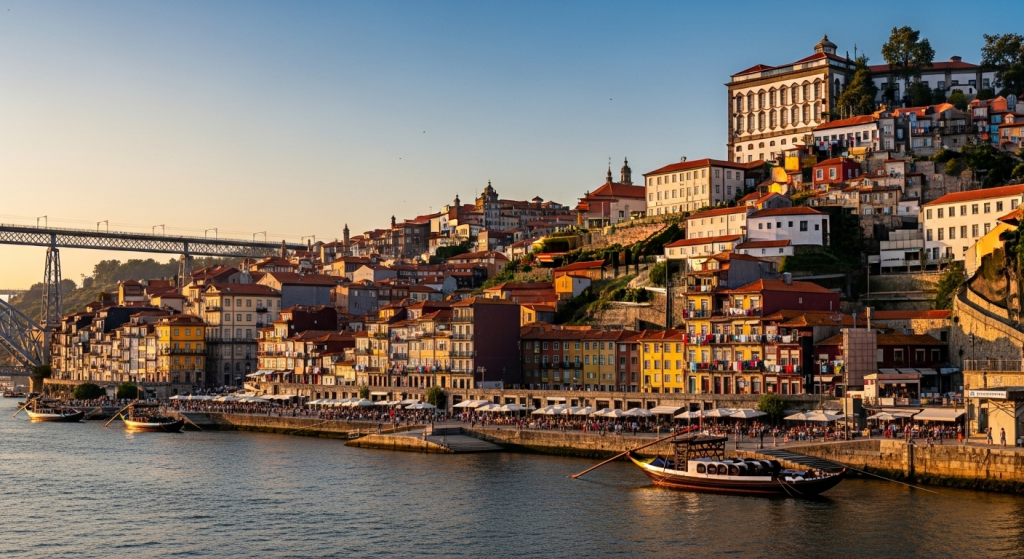
While Lisbon swelters in summer heat and buckles under tourist crowds, Porto offers a more authentic Portuguese experience with comfortable temperatures and a relaxed pace. This riverside city combines stunning architecture, world-class wine, and genuine local culture—all while remaining refreshingly un-touristy compared to the capital.
Porto’s summer weather is ideal: warm but not sweltering, with average highs around 77°F and cooling Atlantic breezes. You can comfortably explore all day without the exhaustion of Mediterranean heat. The city’s hilly streets and riverside location create natural air conditioning, especially in the evenings when locals fill outdoor cafés and restaurants.
The Douro Valley, one of the world’s oldest wine regions, sits right on Porto’s doorstep. You can day-trip to spectacular terraced vineyards, tour historic port wine cellars, and taste exceptional wines without the pretension or prices of more famous regions. The scenic train ride along the Douro River ranks among Europe’s most beautiful rail journeys.
Porto’s architecture rivals any European city—ornate azulejo tiles covering building facades, the dramatic Dom Luís I Bridge spanning the river, and the opulent São Bento train station with its stunning tile work. Yet you can enjoy these sights without fighting crowds or paying entrance fees for every church and viewpoint.
The Northern Portugal Experience
Spend 2-3 days exploring Porto proper. Wander the Ribeira district’s colorful buildings and riverside restaurants, climb the Clérigos Tower for panoramic views, and visit a port wine cellar in Vila Nova de Gaia (across the river) for tastings. The Livraria Lello bookstore inspired J.K. Rowling, though it now charges entrance fees due to tourist crowds—visit right at opening to beat the rush.
The Douro Valley deserves a full day or overnight trip. The train to Pinhão costs around $15 and delivers stunning scenery—terraced vineyards tumbling down to the river, traditional rabelo boats, and picturesque villages. Book a quinta (wine estate) tour in advance, or simply show up and explore. Many estates offer tastings for $10-15, often waived if you buy wine.
Hidden coastal gems provide beach escapes. Aveiro, the “Venice of Portugal,” features colorful moliceiro boats navigating canals and art nouveau architecture. Costa Nova’s striped beach houses create Instagram-worthy backdrops. Nazaré offers dramatic cliff views and a traditional fishing village atmosphere—plus some of the world’s biggest waves (though summer brings calmer conditions perfect for swimming).
Peneda-Gerês National Park, Portugal’s only national park, offers hiking, waterfalls, and traditional mountain villages for adventure seekers. It’s about 90 minutes from Porto and provides a complete contrast to coastal experiences.
Making the Most of Your Time & Money
The Porto Card offers free public transport and museum discounts, but honestly, it’s often not worth it. Porto is compact and walkable, and many of the best experiences (wandering neighborhoods, river views, port wine cellars) don’t require museum entries. Save your money and walk—you’ll see more authentic Porto that way.
Stay in the Ribeira district for tourist-central convenience, but expect higher prices and noise. Better options: Cedofeita for trendy cafés and boutiques, or Vila Nova de Gaia for river views and proximity to port cellars at lower prices. Expect $60-90 for nice guesthouses, $100-150 for hotels.
Secret local experiences define memorable trips. Eat francesinha—Porto’s famous sandwich of meat, cheese, and beer sauce—at a neighborhood tasca (tavern), not a tourist restaurant. Locals swear by Café Santiago or Bufete Fase.
Watch sunset from Serra do Pilar monastery across the river—the view rivals the more famous Dom Luís Bridge viewpoint with a fraction of the visitors.
Budget-friendly wine tasting: Skip expensive tours and visit port cellars that offer free or cheap tastings (Graham’s, Cockburn’s).
For Douro Valley, take the train independently rather than booking $100+ tours. You’ll have more flexibility and spend a fraction of the cost while seeing the same spectacular scenery.
Romania’s Transylvania: Beyond the Dracula Clichés
The Real Transylvania Awaits
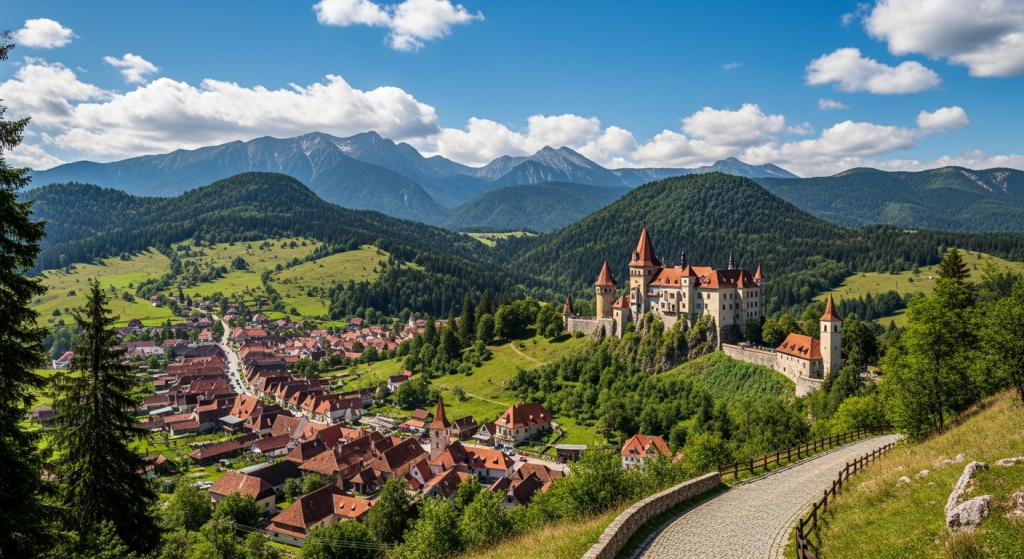
Forget the vampire myths—real Transylvania offers medieval towns so perfectly preserved they feel like movie sets, dramatic Carpathian Mountain scenery, and authentic cultural experiences at prices that seem too good to be true.
This region delivers everything travelers love about Central Europe—Gothic architecture, mountain landscapes, rich history—without the tourist infrastructure or costs of Austria or Germany.
Brașov, Sighișoara, and Sibiu form the holy trinity of Transylvanian towns. Brașov’s Council Square, surrounded by colorful baroque buildings with mountain backdrop, creates an instantly charming atmosphere.
Sighișoara, the birthplace of Vlad the Impaler (the historical figure behind Dracula), is a UNESCO-listed citadel where locals still live and work within medieval walls. Sibiu served as European Capital of Culture in 2007 and combines Germanic architecture with Romanian warmth.
The Carpathian Mountains provide world-class hiking without the crowds of the Alps. Trails wind through old-growth forests, past glacial lakes, and up to dramatic peaks.
Wildlife watching opportunities are exceptional—Romania has Europe’s largest populations of brown bears, wolves, and lynx. Summer brings mountain wildflowers and comfortable hiking temperatures.
Saxon fortified churches, UNESCO World Heritage sites, dot the countryside. These unique structures—churches built as fortresses by German settlers centuries ago—remain virtually unknown to most tourists. You’ll often have entire villages to yourself, exploring ancient defenses and experiencing rural Romanian life unchanged for generations.
Your Ultimate Transylvania Road Trip
Start in Bucharest (though honestly, it’s skippable if you’re short on time) and drive to Brașov (2.5 hours). Spend two days exploring Brașov and day-tripping to Bran Castle (the “Dracula Castle”—touristy but worth a quick visit) and Râșnov Fortress (more impressive and less crowded). Day three, drive to Sighișoara (2 hours) for an overnight in the medieval citadel. Day four, continue to Sibiu (1.5 hours) for two nights.
From Sibiu, take day trips to explore Saxon fortified churches. Biertan and Viscri are the most famous, but dozens of others offer equally fascinating experiences with zero crowds.
Day six, drive the spectacular Transfăgărășan Highway (open June-October) to Bâlea Lake—this mountain road rivals anything in the Alps for dramatic scenery.
Day seven, return to Bucharest or continue to other Romanian regions. Alternatively, extend your trip into Maramureș (northern Romania) for traditional wooden churches and village life, or head east to Bucovina for painted monasteries.
Rental car essentials: Roads are generally good, though mountain routes can be challenging. Gas is cheap ($5-6 per gallon), and parking is easy and affordable.
Budget $30-40 per day for a basic car. International driving permits aren’t required for most nationalities, but check your specific country’s requirements.
Insider’s Guide to Romanian Travel
Markets and traditional restaurants provide the best food experiences. In Brașov, visit the daily market for fresh produce, cheeses, and baked goods. Try sarmale (cabbage rolls), mici (grilled meat rolls), and papanași (fried dough with cheese and jam) at local restaurants—expect to pay $8-12 for excellent meals.
Budget reality: Romania is one of Europe’s best value destinations. Accommodation runs $30-50 for nice guesthouses, $60-90 for hotels. Restaurant meals cost $6-10 for casual spots, $12-18 for excellent dinners with wine. A full day of activities—castle entrance, museum visits, cable car ride—rarely exceeds $20.
Local secret: Hike to Bâlea Lake via the Transfăgărășan Highway early in the morning before tour buses arrive. The drive itself is spectacular, but the glacial lake surrounded by 2,000-meter peaks creates an unforgettable alpine scene. Stay at Bâlea Lake Hotel (basic but memorable) for sunset and sunrise without crowds—rooms cost around $40 and include breakfast.
Village homestays offer authentic Romanian hospitality. In places like Viscri, locals rent rooms in their traditional homes for $20-30 per night, including home-cooked meals. You’ll experience genuine rural life, learn about traditions, and support local communities directly. Prince Charles owns a house in Viscri and actively promotes sustainable tourism here, so you know it’s special.
Ready to escape the tourist traps and discover the Europe locals love? These underrated destinations prove that the best European experiences don’t require fighting crowds or breaking the bank. From Slovenia’s alpine lakes to Romania’s medieval towns, from Albania’s pristine beaches to Portugal’s wine country, authentic adventures await travelers willing to venture beyond the guidebook favorites.
Start planning your perfect European summer escape today—your future self will thank you for choosing experiences over Instagram hotspots, authentic culture over tourist traps, and unforgettable adventures over overcrowded attractions. The secret’s out, but these destinations still offer that magical combination of beauty, culture, and value that makes travel truly transformative.
Which destination will you explore first?