7 USA Road Trip Destinations with the Best Family Activities

Road trips create the kind of family memories that last forever—but only when you choose destinations that actually work for kids. I’ve spent years researching and experiencing family-friendly routes across America, and I can tell you that the difference between a magical adventure and a backseat meltdown often comes down to planning.
The best family road trips combine jaw-dropping scenery with activities that engage every age group. You need destinations where a curious 6-year-old and an eye-rolling teenager can both find something amazing. More importantly, you need routes with built-in flexibility—because we all know that rigid itineraries and family travel mix about as well as goldfish crackers and car upholstery.
This guide focuses on seven proven routes that deliver consistent wins for families. Each destination offers a perfect balance of natural wonders, hands-on activities, and practical amenities that make traveling with kids genuinely enjoyable rather than just survivable.
Pacific Coast Highway: California’s Scenic Coastal Adventure
The Pacific Coast Highway stretches 655 miles along California’s coastline, offering one of the most visually stunning drives in America. What makes this route exceptional for families is the incredible variety—you’re never more than a few miles from your next adventure.
Must-Stop Family Activities Along the Route
The Monterey Bay Aquarium stands out as a non-negotiable stop. This isn’t just another aquarium—it’s a world-class facility where kids can touch tide pool creatures, watch sea otters during feeding time, and walk through a mesmerizing jellyfish gallery. Plan for at least three hours here, and arrive right when it opens to beat the crowds.
Beyond the aquarium, the real tide pools at nearby Natural Bridges State Beach offer free, hands-on marine biology lessons. My kids spent two hours here examining hermit crabs and sea anemones, learning more than any classroom could teach.
Beach time along this route is genuinely family-friendly. Pismo Beach offers calm waters and a classic pier with arcade games, while Carmel-by-the-Sea provides pristine white sand and a charming village perfect for ice cream breaks. The beaches here have actual facilities—bathrooms, parking, and lifeguards—which makes a huge difference when you’re managing multiple kids.
Wildlife watching opportunities rival anywhere in the world. From December through April, you can spot migrating gray whales from dozens of coastal viewpoints. Year-round, sea otters float on their backs in kelp forests, and harbor seals lounge on rocky outcrops. Bring binoculars and download a marine mammal identification app—it transforms casual observation into an engaging game.
For theme park enthusiasts, LEGOLAND California in Carlsbad delivers perfect experiences for elementary-age kids, while Disneyland remains the gold standard for multi-generational magic. These aren’t just stops—they’re potential multi-day destinations worth building your itinerary around.
Best Time to Visit and Weather Planning
Late spring (May through June) and early fall (September through October) offer the sweet spot for Pacific Coast Highway travel. You’ll encounter mild temperatures, fewer crowds, and significantly lower accommodation costs compared to peak summer.
Summer brings reliable sunshine but also brings everyone else. Expect packed beaches, full hotels, and prices that reflect peak demand. The trade-off? Warmer ocean temperatures and guaranteed dry weather for outdoor activities.
Coastal fog is real and unpredictable. Locals call it “June gloom,” but it can appear any month. The solution is simple: plan inland alternatives for foggy days. When the coast disappears into mist, head to nearby attractions like Hearst Castle or inland hiking trails where sunshine typically prevails.
Pack layers—this is essential, not optional. You might experience 65-degree fog at the beach, 80-degree sunshine two miles inland, and 55-degree evening temperatures all in the same day. Hoodies, light jackets, and long pants belong in your car even during summer.
Beginner-Friendly Hiking and Outdoor Spots
Julia Pfeiffer Burns State Park features a half-mile trail to McWay Falls, where an 80-foot waterfall drops directly onto a pristine beach. The trail is paved, short, and delivers Instagram-worthy views that make kids feel like they’ve discovered something extraordinary.
Point Lobos State Natural Reserve offers multiple easy trails with incredible payoff. The Cypress Grove Trail (less than a mile) winds through ancient cypress trees to dramatic ocean viewpoints. We’ve spotted sea lions, harbor seals, and sea otters on every visit here.
Safety matters on coastal trails. Keep kids away from cliff edges—ocean spray makes rocks slippery, and rogue waves are unpredictable. Teach children to never turn their backs on the ocean when standing near the water’s edge. These simple rules prevent most coastal accidents.
Yellowstone to Grand Teton Circuit: Wildlife and Geothermal Wonders
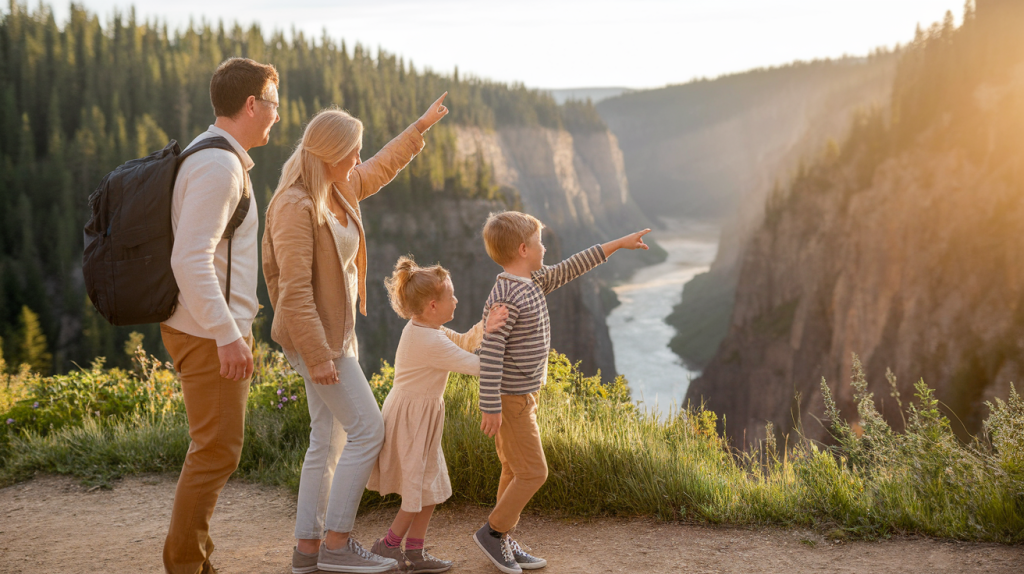
This circuit combines two of America’s most iconic national parks into one unforgettable journey. The 50-mile drive between Yellowstone’s south entrance and Grand Teton creates a seamless experience that showcases the best of Rocky Mountain wilderness.
Top Family Activities in Yellowstone National Park
Old Faithful erupts approximately every 90 minutes, and watching it with kids never gets old. Arrive 20 minutes early to claim good viewing spots, and use the wait time to explore the nearby geyser basin on well-maintained boardwalks. The Upper Geyser Basin features dozens of geothermal features within easy walking distance—kids love the variety of colors, sounds, and smells.
Lamar Valley delivers wildlife experiences that rival African safaris. Early morning drives (between 6-9 AM) consistently produce sightings of bison herds, elk, pronghorn antelope, and often wolves or grizzly bears. Bring binoculars and a spotting scope if you have one. When you see cars pulled over, that’s your signal that someone has spotted something amazing.
The Junior Ranger program transforms park visits into interactive adventures. Kids complete activity booklets appropriate for their age, attend ranger programs, and earn official badges. This free program keeps children engaged with the park’s natural and cultural resources rather than just complaining about car time.
Mammoth Hot Springs terraces look like something from another planet—travertine formations create otherworldly white and orange landscapes. The boardwalk system makes these features accessible for all ages and abilities, with multiple viewing platforms that provide different perspectives.
Grand Teton Experiences for Families
The Jenny Lake scenic boat ride cuts hiking distance significantly while adding a fun water element to your day. The boat shuttles you across the lake, where you can hike to Hidden Falls and Inspiration Point—both achievable for elementary-age kids. Round-trip hiking from the trailhead takes 5-6 hours, but the boat shortcut reduces this to 2-3 hours.
Mormon Row’s historic barns provide iconic photo opportunities with the Teton Range as a backdrop. This area requires minimal walking and offers a tangible connection to frontier history that resonates with kids studying westward expansion.
Calm lakes like String Lake and Leigh Lake offer beginner-friendly paddling opportunities. Rental kayaks and paddleboards are available at multiple locations, and the protected waters provide safe environments for families new to water sports. Water temperatures stay cold even in summer, so plan accordingly.
Colter Bay Visitor Center features excellent hands-on exhibits about Native American cultures of the region. The Indian Arts Museum displays authentic artifacts, and ranger programs often include traditional craft demonstrations that engage young visitors.
Essential Planning Tips and Safety Considerations
Wildlife safety isn’t optional—it’s critical. Maintain 100 yards from bears and wolves, 25 yards from all other wildlife. These aren’t suggestions; they’re regulations designed to protect both animals and visitors. Bear spray is essential for hiking—rent canisters at outdoor shops if you’re flying in.
Lodging inside both parks books 6-12 months in advance for summer visits. If you’re planning last-minute, focus on gateway communities like Jackson, West Yellowstone, or Gardiner. You’ll drive more, but you’ll have accommodation options and often better prices.
Summer brings peak crowds and higher temperatures, but it’s also when all facilities operate and roads remain open. Spring (May-June) and fall (September-October) offer incredible wildlife activity, fewer visitors, and lower prices—but some services close and weather becomes unpredictable.
Pack essential gear: quality binoculars transform wildlife viewing, layered clothing handles temperature swings from 40 to 80 degrees in a single day, and proper hydration systems keep everyone comfortable at 7,000+ foot elevations.
Blue Ridge Parkway: Appalachian Mountain Family Escape
The Blue Ridge Parkway winds 469 miles through the Appalachian Mountains, connecting Virginia’s Shenandoah National Park to North Carolina’s Great Smoky Mountains. This scenic byway offers a gentler, more accessible mountain experience compared to western parks—perfect for families building outdoor confidence.
Family-Friendly Stops and Activities
Linville Falls provides multiple viewing platforms that accommodate different fitness levels. The easiest viewpoint requires just a quarter-mile walk, while more adventurous families can hike to closer views of the 90-foot waterfall. This flexibility means everyone succeeds regardless of hiking experience.
Mabry Mill stands as the most photographed site on the entire parkway. Beyond the iconic watermill, you’ll find demonstrations of traditional Appalachian crafts, easy walking trails, and picnic areas perfect for lunch breaks. The on-site restaurant serves genuine mountain fare—try the buckwheat cakes.
The Folk Art Center showcases Southern Highland craft traditions through demonstrations and exhibits. Kids can watch artisans create pottery, weave baskets, or blow glass. The hands-on nature of these demonstrations holds attention spans better than static museum displays.
Grandfather Mountain features the Mile High Swinging Bridge—a suspension bridge offering 360-degree views at 5,280 feet elevation. The wildlife habitats below showcase native animals including black bears, river otters, and eagles. This privately-operated attraction charges admission but delivers exceptional value through well-designed exhibits and trails.
Hiking Trails Perfect for Young Adventurers
Craggy Gardens offers a 0.7-mile trail through rhododendron thickets to open balds with panoramic mountain views. June brings spectacular rhododendron blooms that create natural tunnels of pink flowers. The short distance and big payoff make this trail perfect for elementary-age kids.
Graveyard Fields features a 2.3-mile loop to two waterfalls through an area that burned in a massive wildfire decades ago. The relatively flat terrain and clear destination points keep kids motivated. The unusual name and landscape spark conversations about forest ecology and natural recovery.
Understanding trail difficulty ratings helps families choose appropriate hikes. “Easy” typically means less than 2 miles with minimal elevation gain on well-maintained paths. “Moderate” involves 2-4 miles with some hills and potentially rougher terrain. Start with easy trails and build confidence before attempting moderate routes.
Create nature scavenger hunts to maintain engagement on longer walks. Challenge kids to find specific leaves, identify bird calls, spot wildlife signs, or photograph different wildflowers. This transforms hiking from “boring walking” into an active game with clear objectives.
When to Go and What to Expect
Fall foliage peaks around mid-October, creating some of the most spectacular autumn colors in America. Expect massive crowds, fully-booked accommodations, and traffic delays during this period. If you’re committed to fall colors, book lodging six months ahead and plan weekday visits when possible.
Spring wildflower season (May through June) offers a hidden gem alternative. Thousands of wildflower species bloom in succession, creating ever-changing displays. Crowds remain manageable, temperatures stay comfortable, and accommodation availability improves dramatically.
Summer’s higher elevations provide natural air conditioning—temperatures typically run 10-15 degrees cooler than surrounding lowlands. This makes the parkway an excellent escape during hot, humid southern summers. Afternoon thunderstorms are common, so plan major activities for mornings.
Winter brings periodic road closures and reduced services. Some sections close entirely during snow and ice events. Check current conditions before traveling, and maintain flexibility in your itinerary during November through March.
Southwest National Parks Loop: Desert Adventures and Red Rock Magic
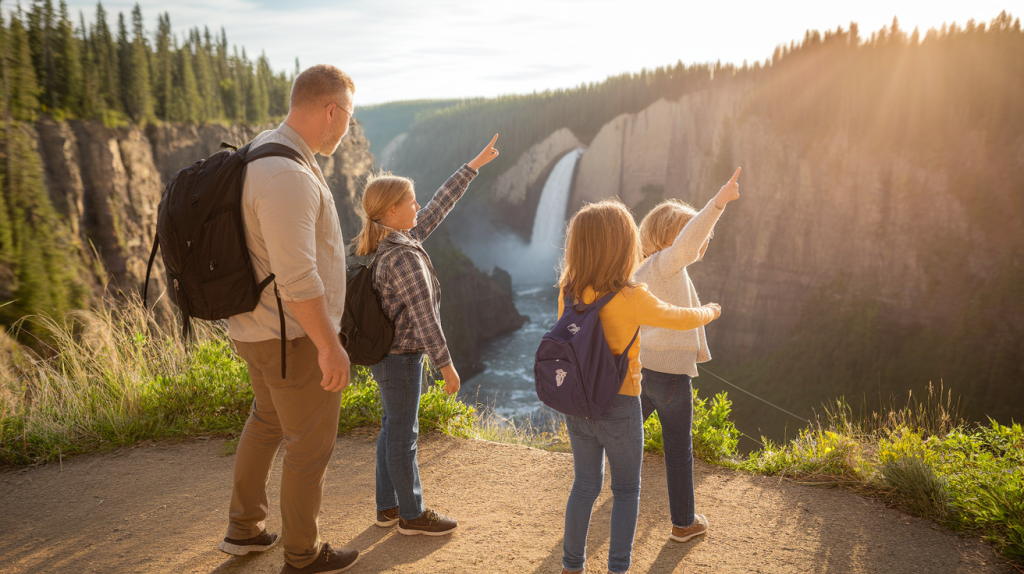
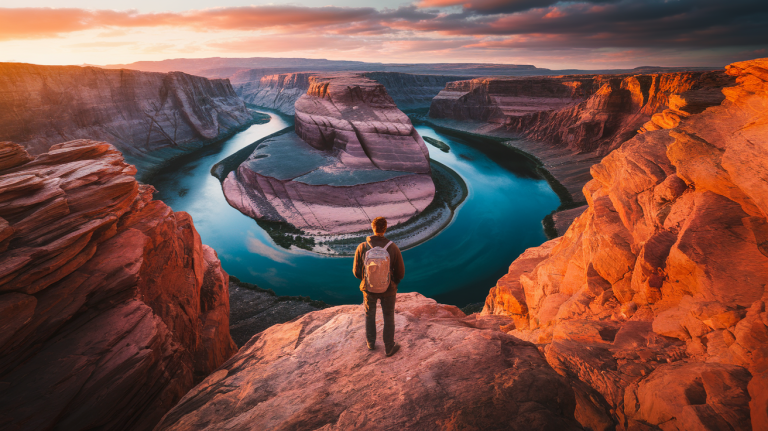
The Southwest National Parks loop connects Zion, Bryce Canyon, Grand Canyon, and Monument Valley into one epic journey through America’s most dramatic desert landscapes. This route delivers otherworldly scenery that photographs like nowhere else on Earth.
Must-See Parks and Family Activities
Zion National Park’s Riverside Walk provides easy access to the Virgin River, where kids can wade in shallow water surrounded by towering canyon walls. This paved, one-mile trail ends at the Narrows entrance—even if you don’t hike into the slot canyon, the turnaround point offers spectacular views.
Bryce Canyon’s amphitheater at sunrise creates magical light on the hoodoos—those distinctive rock spires that look like a giant’s chess pieces. The Rim Trail offers easy walking with constant viewpoint variety. Kids love spotting formations that resemble familiar shapes: Thor’s Hammer, Queen Victoria, and countless others.
Grand Canyon’s South Rim provides the most accessible family experience at this natural wonder. Yavapai Point offers exceptional views with informative exhibits, while Desert View Watchtower combines cultural history with panoramic vistas. The Rim Trail connects viewpoints with mostly flat, paved walking.
Monument Valley’s iconic buttes and mesas appear in countless western films. Navajo-guided tours provide cultural context and access to areas closed to independent visitors. These tours often include traditional storytelling that brings the landscape to life in ways that resonate with children.
Desert Safety and Preparation Essentials
Hydration requirements in desert environments exceed most people’s estimates. Plan for one liter of water per person per hour of outdoor activity—this isn’t excessive, it’s necessary. Dehydration happens quickly in low-humidity environments, especially with kids who forget to drink regularly.
Sun protection extends beyond sunscreen. Wide-brimmed hats, UV-protective clothing, and sunglasses are essential gear, not optional accessories. Apply sunscreen 30 minutes before sun exposure and reapply every two hours. Desert sun at high elevation burns skin faster than most people expect.
Learn heat exhaustion warning signs: excessive sweating followed by stopping sweating, dizziness, nausea, rapid heartbeat, and confusion. If anyone shows these symptoms, move to shade immediately, provide water, and cool the body with wet cloths. Heat exhaustion can progress to life-threatening heat stroke quickly.
Schedule outdoor activities for early morning (before 10 AM) and evening (after 4 PM) during summer months. Midday heat makes hiking dangerous and unpleasant. Use middle-of-the-day hours for indoor visitor centers, air-conditioned drives, or swimming pool breaks.
Beginner-Friendly Desert Hiking Options
Zion’s Pa’rus Trail runs 3.5 miles along the Virgin River with paved surfaces suitable for strollers and wheelchairs. This trail provides stunning canyon views without technical challenges, making it perfect for families with young children or varying fitness levels.
Bryce Canyon’s Rim Trail offers multiple access points, allowing families to walk as much or as little as they want. The section between Sunrise and Sunset Points covers just 0.5 miles but delivers the park’s most iconic views. You can always turn around when kids tire out.
Grand Canyon’s Rim Trail extends for miles with numerous bailout points back to the shuttle system or parking areas. Walk for 15 minutes or three hours—the choice is yours. This flexibility removes pressure and allows families to adjust based on energy levels and interest.
Consider distance and elevation carefully when planning desert hikes with children. A two-mile trail with 500 feet of elevation gain challenges kids differently than a flat two-mile walk. Start with shorter, flatter options and gradually increase difficulty as your family builds confidence and capability.
Let The Adventure Start!
These seven road trip destinations represent the best of what America offers families seeking adventure together. Each route has been tested by countless families and consistently delivers the combination of spectacular scenery, engaging activities, and practical logistics that make road trips successful rather than stressful.
Start with destinations that match your family’s current experience level. If you’re new to national park travel, the Blue Ridge Parkway offers a gentler introduction than the Southwest desert loop. If your kids thrive on variety, the Pacific Coast Highway delivers new experiences every few miles.
Seasonal planning makes the difference between frustration and magical memories. Understanding when to visit—and when to avoid—each destination helps you maximize enjoyment while minimizing crowds, extreme weather, and inflated prices. The shoulder seasons of spring and fall often provide the sweet spot of great weather and manageable visitor numbers.
Essential safety knowledge empowers rather than limits your adventures. Learning wildlife protocols, desert hydration needs, and coastal safety basics allows families to explore confidently. These aren’t restrictions—they’re tools that expand your comfort zone.
The best family road trips balance structured activities with spontaneous discovery. Yes, plan your major stops and book accommodations in advance. But leave room for the unexpected roadside attraction, the extra hour at a favorite spot, or the detour that becomes the trip’s highlight.
Building outdoor confidence happens one scenic stop at a time. Your first national park visit might involve short walks and visitor centers. By your third trip, you’re tackling longer hikes and backcountry experiences. This progression creates lifelong outdoor enthusiasts rather than kids who tolerate nature because parents force it.
Ready to start planning your family’s next adventure? Choose one of these seven destinations, block out the dates on your calendar, and begin researching specific stops that match your family’s interests. The road trip memories you create this year become the stories your kids tell their own children decades from now.
The open road is waiting—and it’s more family-friendly than you might think.