7 Kyoto Healing Temples to Slow Down and Reset

Your mind is racing. Your to-do list never ends. Your phone buzzes constantly. Sound familiar?
You’re not alone—and there’s a reason why thousands of travelers are discovering the transformative power of Kyoto’s ancient temples. These aren’t just beautiful buildings to check off your bucket list.
They’re sacred spaces specifically designed over centuries to help people like you find mental clarity, emotional peace, and genuine restoration.
Kyoto’s temples offer something our modern world desperately lacks: permission to slow down. The carefully raked gravel gardens, the centuries-old architecture, the quiet forest paths—everything about these spaces invites you to breathe deeper, think clearer, and reset completely.
This guide introduces you to 9 proven healing temples that each offer a unique path to inner peace. Whether you have one day or one week, whether you’re spiritual or skeptical, these temples work.
Research shows that spending time in sacred natural spaces reduces cortisol levels, lowers blood pressure, and improves mental clarity within just 20 minutes.
The best part? You don’t need any special knowledge or religious background. These temples welcome everyone seeking restoration, and this guide gives you everything you need to create a meaningful experience—even if you’ve never visited a temple before.
Ready to discover how ancient Japanese wisdom can help you reset your mind and restore your spirit? Let’s begin your journey to the 9 most healing temples in Kyoto.
Understanding the Healing Power of Kyoto’s Sacred Spaces
What Makes a Temple “Healing”?
Not all temples affect you the same way. The temples in this guide share specific qualities that create genuine healing experiences.
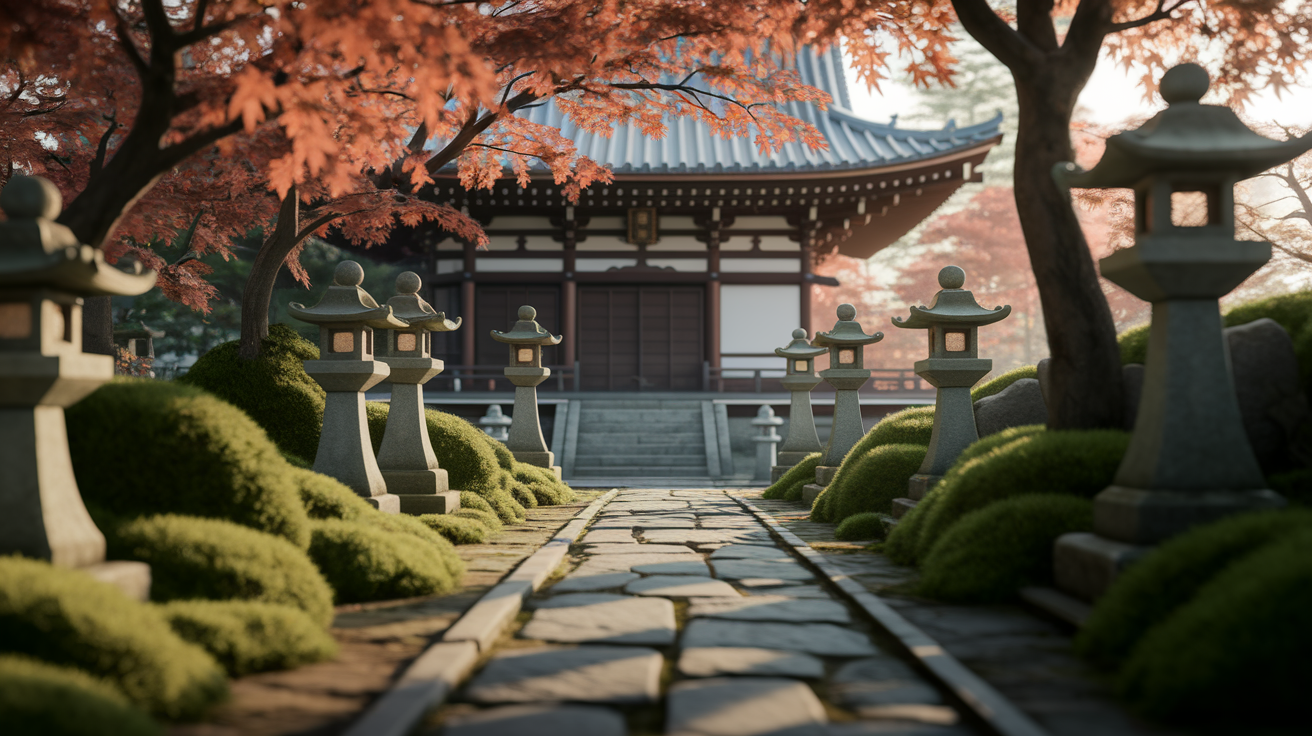
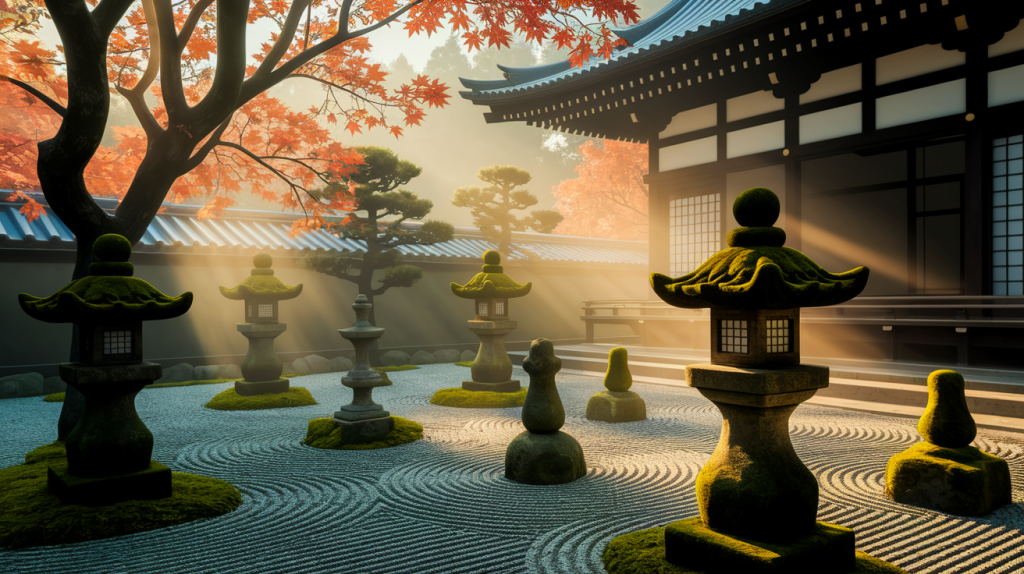
Traditional Japanese temple design follows principles of *shinrin-yoku* (forest bathing) and *ma* (meaningful space). Every element—from the placement of stones to the flow of water—serves a purpose.
The gardens aren’t just pretty; they’re meditation tools. The architecture isn’t just historic; it’s designed to shift your perspective literally and figuratively.
These healing temples combine natural beauty with intentional design. Walking through torii gates, climbing stone steps, listening to temple bells—these aren’t random activities. They’re proven mindfulness practices that engage your senses and quiet your racing thoughts.
Here’s what makes this effective: your brain can’t worry about tomorrow’s meeting when you’re focused on the crunch of gravel under your feet or the reflection of gold on still water.
The temples create what psychologists call “soft fascination”—gentle sensory experiences that restore mental energy without demanding effort.
And you don’t need to be Buddhist or even spiritual. These spaces work through simple human psychology. Natural settings reduce mental fatigue. Repetitive patterns (like rows of torii gates) induce meditative states. Elevated viewpoints provide perspective—both visual and emotional.
Essential Tips for a Meaningful Temple Visit
Timing transforms your temple experience. Early morning visits (7-9 AM) offer the most peaceful atmosphere. You’ll share the space with monks performing rituals and local residents practicing meditation—not tour groups taking selfies. Sunset visits (4-6 PM) provide golden light and thinning crowds.
Temple etiquette is simple but important. Bow slightly at entrance gates. Purify your hands and mouth at the water basin (left hand, right hand, then rinse your mouth—never drink directly). Walk quietly. Take photos respectfully, but spend more time observing than documenting. Many temples request donations of 300-500 yen—this supports maintenance and shows respect.
Bring comfortable walking shoes (you’ll remove them at buildings but wear them on grounds), a small notebook for reflections, and a light jacket (temple buildings stay cool). Leave large bags at your hotel—you want to move freely and mindfully.
How to Slow Down and Actually Reset
The secret to temple healing isn’t just showing up—it’s how you engage with the space.
Practice walking meditation: Move slowly and deliberately. Notice the texture of the path. Feel the temperature of the air. Count your breaths. When your mind wanders (it will), gently bring attention back to your footsteps.
Try the “three breaths” technique at each major viewpoint: Take three slow, deep breaths. On breath one, notice what you see. On breath two, notice what you hear. On breath three, notice how you feel. This simple practice shifts you from tourist mode to healing mode.
Put your phone away for at least 20-minute stretches. Yes, take photos—but take them mindfully at the beginning or end of your visit. The temple’s healing power comes from presence, not documentation. You’ll remember the experience more vividly if you actually experience it fully.
The Complete Guide to 9 Amazing Healing Temples
Temple #1: Kinkaku-ji (The Golden Pavilion) – For Awe and Perspective
Kinkaku-ji stops you in your tracks. The three-story golden pavilion reflecting perfectly in Mirror Pond creates instant awe—and that’s exactly the healing point.
Research shows that experiencing awe reduces inflammation, decreases stress, and increases feelings of connection. When you see something so beautiful it makes you catch your breath, your problems literally shrink in perspective. That promotion you didn’t get? The argument with your partner? Suddenly they feel smaller against the backdrop of something this magnificent.
Visit at opening (9 AM) for the most peaceful experience. Walk the garden path slowly—it’s designed to reveal the pavilion from different angles, each view offering new perspective. The golden reflection teaches impermanence: it changes with every ripple, reminding you that everything shifts and changes, including your current struggles.
The best spot for contemplation? The small bench near the Anmin-taku pond, about halfway through the garden path. Sit here for ten minutes. Watch the reflection change. Notice how your breathing naturally slows. This is the pavilion working its healing magic.
Temple #2: Fushimi Inari Taisha – For Grounding and Movement
Thousands of vermillion torii gates tunnel through the mountain forest, creating the most effective walking meditation in Kyoto. Fushimi Inari heals through movement and rhythm.
You don’t need to reach the summit (it’s a 2-3 hour hike). The healing happens in the first 30-45 minutes as you climb through the dense tunnel of gates. The repetitive orange arches create a trance-like state. Your footsteps find rhythm. Your breathing synchronizes with your movement. Thoughts slow down.
This is walking meditation at its most powerful. The physical exertion releases endorphins while the visual repetition quiets mental chatter. Studies show that rhythmic walking in natural settings reduces anxiety by up to 40% within just 20 minutes.
Visit early (7-8 AM) or late afternoon (4-5 PM) to avoid crowds. Climb until you reach the first rest area with the city view—this takes about 20 minutes at a moderate pace. Sit on the stone bench, look back at Kyoto spread below you, and feel how far you’ve come. This viewpoint provides both literal and metaphorical perspective.
Hidden healing spot: The small side shrines along the path offer peaceful alcoves for rest and reflection. When you need a break from the main path, step into these quiet spaces.
Temple #3: Kiyomizu-dera – For Clarity and Fresh Starts
Perched on a hillside overlooking Kyoto, Kiyomizu-dera offers the ultimate fresh perspective. The massive wooden terrace extends over the cliff edge, putting you literally above your everyday life.
The temple’s name means “Pure Water Temple,” referring to the Otowa Waterfall where three streams of sacred water represent longevity, success, and love. Drinking from these springs symbolizes cleansing and fresh starts—a powerful ritual even if you’re not religious.
The healing power here comes from elevation and symbolism. Standing on the wooden terrace, 13 meters above the ground with Kyoto stretching before you, your problems look smaller because you’re seeing them from above. This shift in physical perspective creates mental perspective. Psychologists call this “self-distancing”—viewing your life as an observer rather than being trapped inside it.
Visit at sunrise (6 AM opening) for the most transformative experience. The morning light illuminates the city below while mist still clings to the valleys. This is when the temple feels most sacred and healing.
The effective practice here: Stand at the terrace edge. Identify one thing you want to leave behind. Visualize it staying in the valley below as you stand elevated above it. Then drink from the sacred springs, choosing the stream that represents what you want to invite into your life. This simple ritual creates powerful psychological closure and intention-setting.
Hidden Gems and Peaceful Sanctuaries
Temple #4: Ryoan-ji – For Meditation and Simplicity
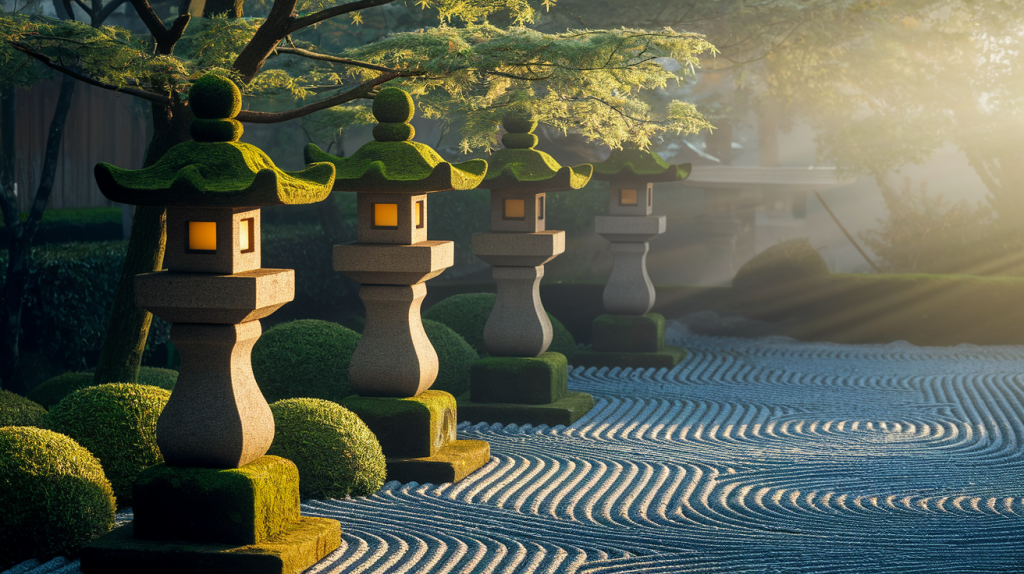
Ryoan-ji’s Zen rock garden is the most famous in the world—fifteen rocks arranged in raked white gravel. It looks simple. It is simple. And that simplicity is precisely what heals.
This garden teaches your brain to rest. Unlike busy tourist attractions that overwhelm your senses, the rock garden offers nothing to analyze or figure out. Just rocks. Just gravel. Just space. Your mind, desperate for stimulation, eventually gives up and settles into stillness.
Sit on the wooden veranda facing the garden. Don’t try to “understand” it or find meaning. Just look. Let your eyes move naturally from rock to rock. Notice the patterns in the raked gravel. When thoughts arise (and they will), acknowledge them and return your attention to the rocks.
This is meditation without the pressure of meditation. The garden does the work for you. Research on minimalist environments shows they reduce cognitive load by up to 30%, freeing mental energy for restoration and clarity.
The secret most visitors miss: The pond garden beyond the rock garden offers even deeper peace. Walk the path around Kyoyochi Pond slowly. The reflection of trees in still water, the moss-covered stones, the ancient trees—this is where Ryoan-ji’s true healing happens. Spend at least 20 minutes here, finding a bench to sit and simply be.
Temple #5: Nanzen-ji – For Nature Connection and Renewal
Nanzen-ji combines temple architecture with dramatic nature in the most effective way. The massive Sanmon Gate frames mountain views. The brick aqueduct cuts through the forest like ancient Roman ruins. The sub-temples hide in bamboo groves and maple forests.
This temple heals through nature immersion. The grounds extend into the foothills of Kyoto’s eastern mountains, offering genuine forest bathing experiences. The Japanese practice of *shinrin-yoku* (forest bathing) has been scientifically proven to reduce stress hormones, lower blood pressure, and boost immune function.
Start at the Sanmon Gate. Climb to the top (500 yen) for panoramic views that literally elevate your perspective. Then explore the sub-temples—Nanzen-in offers the most peaceful garden, while Tenjuan provides intimate spaces for quiet reflection.
The perfect healing practice here: Walk the path to the aqueduct, then sit on the grass beneath it. Listen to the water flowing overhead. Feel the coolness of the stone. Notice how the forest surrounds this human-made structure. This blend of nature and architecture reminds you that you’re part of something larger—both the natural world and human history.
Visit in early morning (temple opens at 8:40 AM) when mist still clings to the mountains and the grounds feel mystical. Autumn brings spectacular foliage, but spring’s fresh green and summer’s deep shade offer equally powerful healing experiences.
Temple #6: Sanjusangendo – For Wonder and Letting Go
One thousand and one life-sized golden statues of Kannon, the goddess of mercy, stand in perfect rows inside this long, narrow hall. The visual impact is immediate and overwhelming in the best possible way.
Sanjusangendo heals through awe and perspective. When you stand before 1,001 golden figures, each slightly different, each representing compassion, your individual worries dissolve. You’re reminded that you’re one person among billions, that your problems are real but not unique, that compassion exists in abundance.
This is visual meditation. Walk slowly along the hall, letting your eyes move from statue to statue. The repetition creates a meditative state similar to prayer beads or mantra chanting. Your racing thoughts can’t compete with the sheer visual wonder before you.
The healing lesson here: Among 1,001 statues of compassion, you’re reminded to extend compassion to yourself. The statues all have slightly different expressions—some serene, some fierce, some gentle. Just like your emotions, they’re all valid. Just like you, they’re all worthy of compassion.
Visit during weekday mornings (9-10 AM) for the quietest experience. Photography isn’t allowed inside, which actually deepens the healing—you must be present, you must remember with your heart rather than your camera. This enforced presence is a gift.
Spend at least 30 minutes here. Sit on the provided benches and simply gaze at the golden figures. Notice how your breathing slows, how your shoulders drop, how the knot in your chest gradually loosens. This is the power of sacred art and compassionate presence.
Off-the-Beaten-Path Temples for Deep Reset
Temple #7: Kifune Shrine – For Emotional Cleansing
Hidden in the mountains north of Kyoto, Kifune Shrine sits beside a sacred river in a forest that feels ancient and mystical. This is where you go for deep emotional release and cleansing.
The shrine is famous for *mizu mikuji*—water fortune papers. You place your fortune in the sacred spring, and as the paper gets wet, your fortune appears. This ritual symbolizes emotional revelation and cleansing. What’s hidden becomes visible. What’s stuck begins to flow.
The healing power here comes from water and forest combined. The sound of the rushing river naturally induces meditative states. The negative ions produced by moving water reduce serotonin levels associated with stress. The dense forest canopy creates the perfect environment for *shinrin-yoku* (forest bathing).
Visit in summer when the riverside restaurants set up platforms over the water for *kawadoko* dining—eating above the cool river is an unforgettable sensory experience. But any season offers powerful healing. Winter’s snow transforms the lantern-lined stairs into a fairytale. Spring’s fresh green and autumn’s blazing colors each provide their own medicine.
The effective practice here: After trying your water fortune, walk down to the river. Find a spot to sit on the rocks. Place your hands in the cold, clear water. Imagine whatever you need to release flowing downstream and away from you. This simple ritual creates powerful psychological closure.
The hike from the shrine up to Kurama Temple (about 90 minutes) offers one of Kyoto’s most healing forest walks. The path winds through cedar forests, past small shrines, over mountain streams. If you need deep reset, this mountain trail provides it.
Temple #8: Honen-in – For Solitude and Inner Peace
Honen-in is Kyoto’s best-kept secret—a tiny temple hidden in the eastern mountains that offers the most authentic peace you’ll find in the city. Most tourists never discover it. That’s exactly what makes it healing.
Two massive mounds of raked white sand flank the entrance path. These represent purification—walking between them symbolically cleanses you before entering the temple grounds. The simple act of passing between these sand sculptures shifts your mindset from busy tourist to mindful visitor.
Inside the grounds, moss-covered gardens surround a small temple building. Everything here whispers rather than shouts. The beauty is subtle. The peace is profound. This is where you come when you need genuine solitude and quiet reflection.
The healing power of Honen-in lies in its intimacy and authenticity. Unlike major temples that feel like museums, Honen-in feels like a sanctuary. You can sit on the temple steps. You can journal in the garden. You can spend an hour here and see maybe five other visitors.
Visit any time except peak autumn (when word gets out about the incredible foliage). Spring through summer offers the deepest solitude. Bring a journal. The atmosphere here naturally inspires reflection and self-examination.
The perfect practice here: Sit on the bench facing the main garden. Take out your journal. Write three things you’re grateful for and three things you’re ready to release. The peaceful atmosphere makes this emotional work feel safe and natural. This is temple healing at its most personal and profound.
Temple #9: Adashino Nenbutsu-ji – For Acceptance and Gratitude
Eight thousand stone statues crowd the hillside at Adashino Nenbutsu-ji, each representing souls of forgotten people. This temple sits in the bamboo forests of Arashiyama, away from the tourist crowds, offering the most profound meditation on impermanence and gratitude you’ll find in Kyoto.
This isn’t a sad place—it’s a deeply peaceful one. The thousands of moss-covered stone figures create a landscape that’s both beautiful and contemplative. Walking among them, you’re reminded that life is temporary, that everyone who came before you faced the same fears and hopes you face now, that your time here matters precisely because it’s limited.
This temple heals through perspective and acceptance. Modern life teaches us to fear death and avoid thinking about endings. Adashino Nenbutsu-ji gently invites you to contemplate impermanence—and in doing so, to appreciate the present moment more fully.
Research on mortality awareness shows that reflecting on life’s temporary nature actually reduces anxiety and increases gratitude. When you remember that your time is limited, you stop sweating the small stuff. You appreciate the people you love. You feel more alive.
Visit during the late afternoon when golden light filters through the bamboo forest and illuminates the stone figures. The temple is especially magical during the annual Sento Kuyo ceremony in late August when thousands of candles are lit among the statues.
The ultimate healing practice here: Walk slowly among the stone figures. Touch the moss-covered statues gently. Acknowledge that every one represented a full human life—with dreams, fears, loves, and losses just like yours. Feel how this connects you to something larger than your individual worries. Then sit on the hillside and list three things you’re grateful for today. This simple practice transforms contemplation of impermanence into celebration of life.
Creating Your Perfect Temple Healing Journey
You’ve discovered 9 temples, each offering a unique path to inner peace and restoration. Now it’s time to create your personal healing journey through Kyoto’s sacred spaces.
These temples aren’t just tourist attractions—they’re proven tools for mental clarity, emotional release, and spiritual renewal. The combination of natural beauty, intentional design, and centuries of contemplative practice creates spaces that genuinely transform how you feel.
Start with what you need most. Feeling overwhelmed? Begin with Kinkaku-ji’s awe-inspiring beauty or Fushimi Inari’s grounding movement. Need emotional release? Visit Kifune Shrine’s cleansing waters. Craving solitude? Honen-in offers the deepest peace. Want perspective on your worries? Kiyomizu-dera’s elevated terrace and Adashino Nenbutsu-ji’s meditation on impermanence provide powerful reframes.
You don’t need to visit all 9 temples. Choose 2-3 that speak to your current needs. Spend quality time at each one—at least 45 minutes to an hour. This isn’t about checking boxes; it’s about genuine restoration.
Bring the temple mindfulness home with you. The walking meditation you practice at Fushimi Inari works on any path. The three-breath technique you use at Kiyomizu-dera works anywhere you need to reset. The contemplation of impermanence from Adashino Nenbutsu-ji helps you appreciate ordinary moments.
Ready to experience the healing power of Kyoto’s temples? Start planning your journey today. Book accommodations near the eastern mountains for easy access to multiple temples. Schedule early morning visits when the sacred spaces feel most peaceful. And most importantly, permit yourself to slow down, to be present, to let these ancient spaces work their proven magic on your modern mind.
Your reset begins the moment you step through the first temple gate. These 9 healing temples are waiting to help you find the peace, clarity, and restoration you’ve been seeking. All you need to do is show up and allow yourself to receive their gifts.