9 Best Traditional Japanese Spas for Mindful, Restorative Travel

There’s something transformative about sinking into steaming mineral water while snow falls gently around you, or soaking beneath a canopy of cherry blossoms with nothing but mountain silence for company. Traditional Japanese spas offer exactly this—an authentic escape from the relentless pace of modern life that actually delivers the restoration you’re craving.
Japanese onsen culture isn’t just about getting clean or relaxing your muscles (though you’ll definitely experience both). It’s a centuries-old wellness practice backed by science, where natural mineral-rich waters combine with mindful rituals to reset your entire system. Studies show that regular hot spring bathing reduces stress hormones, improves circulation, and promotes deeper sleep—benefits that last long after you’ve dried off.
What makes these nine spa destinations stand out? Each offers something unique, from Hakone’s mountain retreats just 90 minutes from Tokyo to Kyoto’s luxury wellness sanctuaries where ancient traditions meet modern comfort. Whether you’re seeking budget-friendly public bathhouses or exclusive private onsen experiences, these authentic locations deliver genuine healing in settings that range from rustic forest hideaways to sophisticated urban escapes.
This guide takes you beyond generic travel advice. You’ll discover exactly which destinations match your travel style, what to expect from traditional bathing rituals, and how to plan a spa journey that genuinely restores your mind and body. From the famous hot spring capital of Beppu to hidden mountain retreats, these carefully selected spas represent the very best of Japanese wellness culture.
Understanding Traditional Japanese Spa Culture: Your Essential Guide
What Makes Japanese Spas Different from Western Wellness Retreats
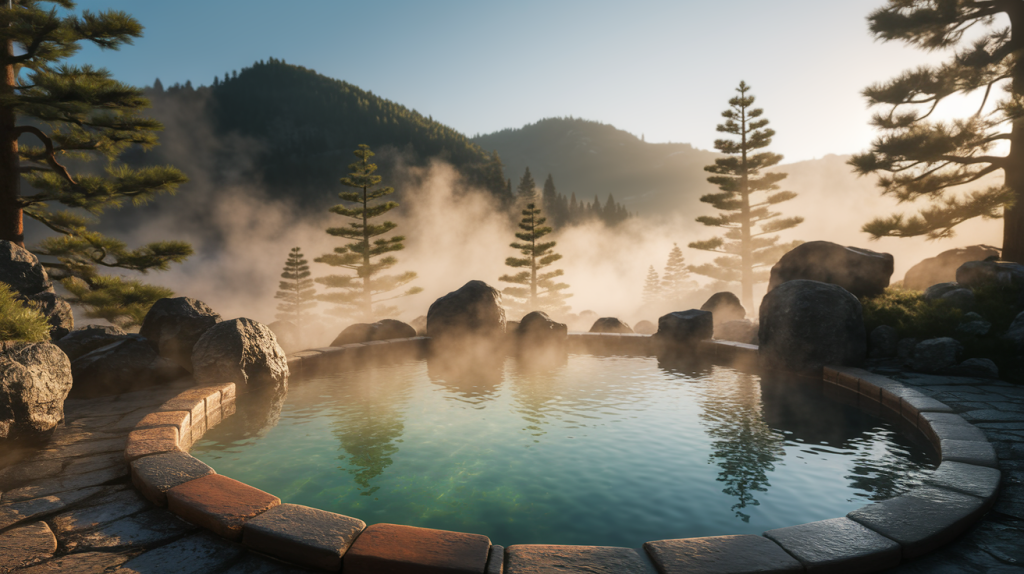
Japanese spa culture operates on fundamentally different principles than Western wellness retreats. While Western spas often focus on pampering and beauty treatments, traditional Japanese onsen emphasize healing through natural elements and mindful presence. The philosophy centers on “yu-ami”—bathing as a spiritual and physical cleansing ritual that connects you with nature’s restorative power.
The water itself tells the story. Natural onsen spring from volcanic activity deep underground, emerging rich with minerals like sulfur, calcium, and magnesium.
These aren’t artificially heated pools—they’re geological gifts that have been valued for over 1,000 years. The Japanese believe different mineral compositions treat specific ailments, from joint pain to skin conditions, and modern research confirms many of these traditional claims.
Etiquette matters here, but it’s simpler than you might think. You’ll wash thoroughly at shower stations before entering any communal bath—this isn’t optional, it’s fundamental respect for shared space. Small towels stay out of the water (most people fold them on their heads, which looks charming and serves a purpose). Bathing areas are typically separated by gender, though some remote locations offer mixed bathing or family-friendly options. The atmosphere stays quiet and contemplative—this is meditation time, not social hour.
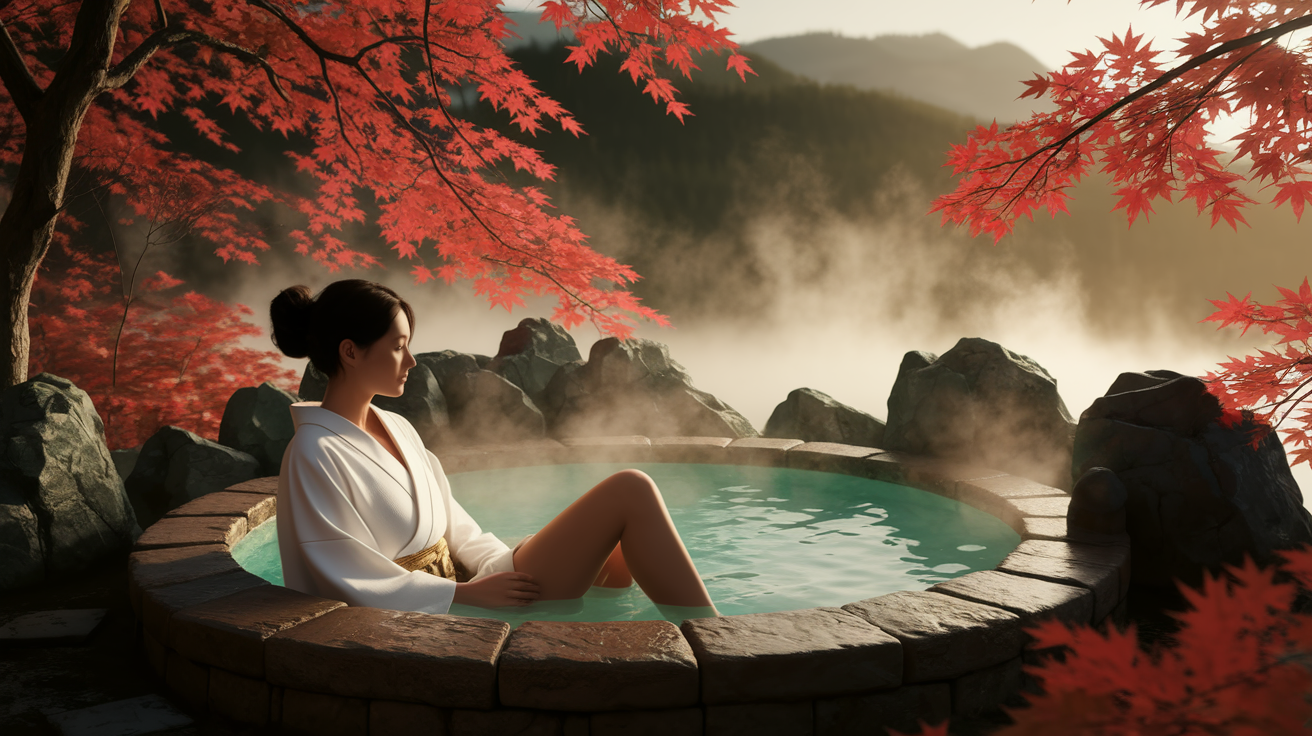
What strikes first-time visitors most is how nature weaves through every experience. Many onsen feature outdoor baths (rotenburo) positioned to showcase mountain views, forest settings, or river landscapes. This connection isn’t decorative—it’s intentional design that helps you disconnect from digital chaos and reconnect with natural rhythms. Even indoor baths often incorporate elements like hinoki cypress wood, river stones, and bamboo to maintain that essential link to the natural world.
The Amazing Health Benefits You’ll Experience
The therapeutic effects of onsen bathing go far beyond simple relaxation. When you immerse yourself in mineral-rich hot spring water, your body temperature rises, blood vessels dilate, and circulation improves throughout your entire system. This increased blood flow delivers more oxygen to tired muscles, speeds healing, and helps flush metabolic waste products that cause stiffness and fatigue.
Different minerals provide specific benefits. Sulfur springs, which give off that distinctive eggy smell, are proven effective for treating skin conditions like eczema and psoriasis. Calcium and magnesium-rich waters ease muscle tension and joint pain—particularly helpful if you’ve been hiking or exploring. Iron-rich springs boost circulation and can help with anemia. Sodium bicarbonate waters soften skin and leave you feeling remarkably smooth.
The stress reduction effects are equally powerful and scientifically documented. Research from Japanese universities shows that regular onsen bathing lowers cortisol levels, reduces anxiety, and improves sleep quality for weeks after treatment. The combination of heat, buoyancy, and quiet contemplation activates your parasympathetic nervous system—essentially switching your body from “fight or flight” mode to “rest and restore” mode.
The Japanese approach treats wellness as a complete system. You’re not just soaking—you’re practicing mindfulness, breathing deeply, allowing your thoughts to settle, and giving your body permission to heal. This holistic perspective explains why many visitors report feeling more restored after three days at an onsen than after two weeks of typical vacation.
Types of Traditional Japanese Spa Experiences
Understanding the different types of Japanese bathing facilities helps you choose the right experience for your needs and comfort level. Onsen refers specifically to hot springs with water sourced from geothermally heated underground sources. By law, Japanese onsen must contain at least one of 19 designated minerals and maintain a temperature of at least 25°C at the source. These range from simple public bathhouses to luxury resort facilities.
Sento are traditional public bathhouses found in neighborhoods throughout Japan. Unlike onsen, sento use heated tap water rather than natural spring water. They’re more common in cities and offer an authentic local experience at incredibly affordable prices—usually between $5-8 per visit. Many feature beautiful tile murals, particularly Mount Fuji scenes, and provide a genuine glimpse into daily Japanese life.
Ryokan with onsen represent the ultimate traditional experience. These Japanese inns combine overnight accommodation with access to private or semi-private hot spring baths, multi-course kaiseki dinners, and rooms with tatami mat floors and futon bedding. Staying at an onsen ryokan transforms bathing from an activity into a complete wellness retreat where every element supports restoration.
Kashikiri-buro or private family baths offer intimate soaking experiences perfect for couples, families, or anyone who prefers privacy. You reserve these smaller baths for 30-60 minute sessions, giving you exclusive access to your own onsen space. This option works beautifully if you’re traveling with children, have tattoos (which some public baths don’t allow), or simply want peaceful solitude.
Modern luxury spas in Japan increasingly blend traditional onsen culture with contemporary wellness treatments. You might find hinoki wood soaking tubs paired with aromatherapy, or outdoor rotenburo connected to meditation gardens and yoga studios. These hybrid facilities make traditional practices accessible while adding modern comfort and convenience.
The 9 Best Traditional Japanese Spas for Ultimate Relaxation
Hakone Mountain Retreat Ryokans (Kanagawa Prefecture)
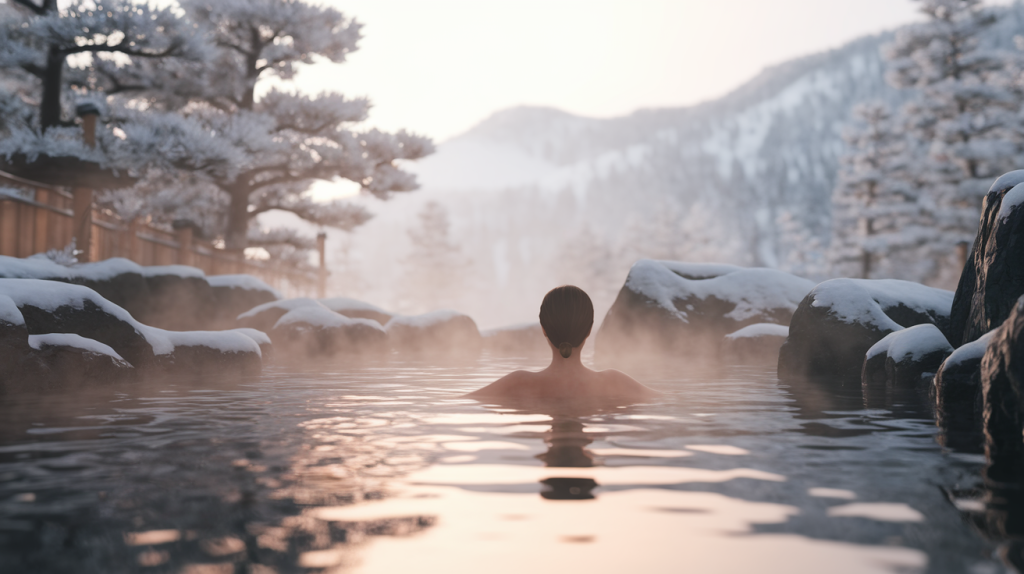
Just 90 minutes from Tokyo by train, Hakone delivers stunning mountain scenery, authentic onsen experiences, and those iconic Mount Fuji views that make every photo perfect. This volcanic region produces some of Japan’s finest hot spring water, with multiple ryokans offering private outdoor baths where you can soak while gazing at Japan’s most famous peak.
The convenience factor makes Hakone ideal for first-time visitors. You don’t need weeks of planning or complicated travel arrangements—just hop on the Romance Car express from Shinjuku station and you’ll arrive in a completely different world before lunch. The area offers everything from traditional wooden ryokans to modern resort hotels, with prices ranging from moderate to luxury depending on your budget.
What sets Hakone apart is the variety packed into one accessible location. Beyond the hot springs, you’ll find art museums, the famous Hakone Open-Air Museum, Lake Ashi boat cruises, and the volcanic valley of Owakudani where you can witness active steam vents and try black eggs boiled in sulfurous springs. This combination makes Hakone perfect for travelers who want spa relaxation mixed with cultural activities.
Top ryokan recommendations include properties in the Gora and Sengokuhara areas, where traditional architecture meets impeccable service. Many feature kaiseki dining showcasing seasonal ingredients, private onsen attached to your room, and that quintessential Japanese hospitality that anticipates your needs before you voice them. Book at least two months ahead for weekend stays, especially during autumn foliage season.
Kyoto Wellness Sanctuaries
Kyoto brings cultural depth to your spa experience that you won’t find anywhere else. Here, centuries-old ryokans occupy historic buildings where samurai once stayed, and your onsen bath might overlook a carefully manicured Zen garden that’s been tended for 300 years. The city seamlessly weaves wellness into its broader cultural offerings—you can spend your morning at a tea ceremony, afternoon temple-hopping, and evening soaking in mineral waters.
The spa facilities in Kyoto tend toward refined elegance rather than rustic simplicity. Expect minimalist design using natural materials, subtle lighting, and spaces that encourage quiet contemplation. Many properties incorporate meditation gardens visible from the bathing areas, creating a visual connection between the cleansing ritual and the spiritual practice of garden viewing.
Several luxury ryokans in the Higashiyama and Arashiyama districts offer particularly memorable experiences. These properties often feature both indoor and outdoor baths, with the outdoor rotenburo positioned to showcase seasonal changes—cherry blossoms in spring, maple leaves in autumn, snow-dusted gardens in winter. The attention to aesthetic detail transforms bathing into a form of moving meditation.
Kyoto works beautifully for travelers seeking deeper cultural immersion alongside physical restoration. You’re not just visiting a spa—you’re experiencing how traditional wellness practices integrate with broader Japanese philosophy about beauty, nature, and mindful living. Plan to spend at least three nights to fully appreciate both the spa experiences and Kyoto’s incredible cultural offerings.
Kusatsu Onsen: Japan’s Most Famous Hot Spring Town
Kusatsu consistently ranks as Japan’s number one onsen town, and for good reason. The water quality here is exceptional—highly acidic, sulfur-rich springs that flow at an incredible 32,000 liters per minute. This abundance means the water in public baths is constantly refreshed with pure spring water, never recycled or reheated.
The town center features the Yubatake (“hot water field”), a dramatic wooden structure where steaming spring water cascades down channels, cooling as it flows. This iconic landmark becomes magical at night when illuminated, and the surrounding area offers numerous free foot baths where you can rest while exploring. The atmosphere feels authentically Japanese—yukata-clad visitors strolling between bathhouses, traditional wooden architecture, and steam rising from every corner.
Kusatsu’s unique yumomi performances demonstrate traditional water-cooling techniques. Since the springs emerge at near-scalding temperatures, locals historically used large wooden paddles to stir and cool the water while singing folk songs. You can watch these performances and even participate, learning the rhythmic movements that have been practiced for centuries.
The town supports extended stays beautifully. With numerous public bathhouses, each offering slightly different water temperatures and mineral compositions, you can bath-hop throughout your visit. Accommodations range from budget-friendly guesthouses to traditional ryokan, and the compact town layout makes everything easily walkable. Most visitors recommend staying at least two nights to fully experience the therapeutic benefits and relaxed pace.
Kinosaki Onsen: The Seven Hot Spring Walking Trail
Kinosaki offers something wonderfully unique—a town designed around the concept of bath-hopping between seven different public onsen, all while wearing your yukata robe and wooden geta sandals. This traditional hot spring town in northern Hyogo Prefecture transforms the entire village into your spa resort, with willow-lined canals and historic architecture creating an atmosphere that feels transported from another era.
Each of the seven bathhouses has distinct character and water properties. Satono-yu features outdoor baths surrounded by garden rocks, Jizo-yu offers cave-like intimate spaces, and Mandara-yu provides elegant modern facilities with multiple bath types. Your ryokan accommodation typically includes free passes to all seven bathhouses, encouraging you to explore and discover your favorites.
The genius of Kinosaki’s design is how it encourages mindful movement between bathing sessions. You stroll along the canal, perhaps stopping for local sake or sweet treats, allowing your body to cool naturally before the next hot soak. This rhythm—bath, walk, rest, repeat—creates a meditative flow that extends the wellness benefits beyond the water itself.
Visit during quieter seasons (late autumn or early spring) for the most peaceful experience. The town gets busy during peak periods, but the multiple bathhouses prevent overcrowding. Most visitors stay two to three nights, which provides ample time to try all seven baths without rushing. The kaiseki dinners at local ryokan showcase exceptional seafood from the nearby Sea of Japan, adding culinary excellence to your wellness retreat.
Beppu: The Ultimate Hot Spring Capital
Beppu produces more hot spring water than any other resort in Japan—over 130,000 liters per minute from more than 2,000 springs. This volcanic abundance creates eight distinct hot spring areas, each offering different mineral compositions and bathing experiences. If you want to explore the full spectrum of what onsen can offer, Beppu delivers that variety in one accessible location.
The famous “Hells of Beppu” (Jigoku) showcase the raw power of geothermal activity—brilliant blue pools, blood-red waters, and bubbling mud pots that you can view (but definitely not bathe in). These dramatic natural wonders provide fascinating context for understanding the volcanic forces that create healing hot springs. After touring the hells, you’ll appreciate your therapeutic bath even more.
Beyond traditional water baths, Beppu offers unique experiences you won’t find elsewhere. Sand baths bury you up to your neck in naturally heated black sand, creating intense detoxification through sweating. Mud baths provide mineral-rich clay treatments. Steam baths use natural geothermal vapor. This variety means you can customize your spa experience based on specific health goals or simply enjoy trying something completely different.
Budget-conscious travelers love Beppu because excellent onsen experiences cost far less here than at luxury resort areas. Numerous public bathhouses charge just $3-5 for entry, and affordable guesthouses provide comfortable accommodation near the best bathing facilities. You can easily spend a week exploring different hot spring types without breaking your travel budget, making Beppu perfect for extended wellness stays.
Hakone Kowakien Yunessun (For Families)
Traveling with children doesn’t mean sacrificing your onsen experience. Hakone Kowakien Yunessun brilliantly combines traditional hot spring bathing with family-friendly fun, creating a spa theme park that keeps kids entertained while parents genuinely relax. The facility divides into two sections—Yunessun (swimsuit area with playful themed baths) and Mori no Yu (traditional nude bathing areas).
The Yunessun section features experiences that sound quirky but are genuinely enjoyable. Wine baths, coffee baths, sake baths, and even green tea baths offer aromatic soaking in large pools where families can play together. Kids love the water slides and outdoor adventure pool, while parents appreciate that the water is real onsen spring water, not chlorinated pool water.
When you’re ready for authentic traditional bathing, the Mori no Yu section provides peaceful indoor and outdoor onsen baths with proper Japanese etiquette and quiet atmosphere. This separation works perfectly—children can burn energy in the playful areas, then everyone transitions to genuine relaxation in the traditional baths.
The location in Hakone means you can combine this family-friendly spa with the region’s other attractions—pirate ship cruises on Lake Ashi, cable car rides, and museums. This combination makes Yunessun ideal for families who want to introduce children to Japanese spa culture without forcing them into strictly traditional (and potentially boring for kids) settings. Day passes and overnight packages are both available, with the facility easily accessible from Tokyo.
Gora Kadan (Luxury Seekers)
For travelers seeking the absolute pinnacle of Japanese spa luxury, Gora Kadan stands apart. This former imperial retreat in Hakone occupies a historic property where members of the Imperial family once vacationed. Today it operates as one of Japan’s most exclusive ryokan, offering an experience where every detail reflects centuries of refined hospitality traditions.
Your room likely includes a private outdoor onsen bath on your terrace, providing 24-hour access to mineral-rich waters with complete privacy and mountain views. The indoor communal baths feature exquisite hinoki cypress wood construction, and the outdoor rotenburo nestles into natural rock formations surrounded by carefully tended gardens. The water quality is exceptional, sourced from Gora’s renowned hot springs.
The kaiseki cuisine at Gora Kadan deserves its own accolades. Each multi-course meal showcases seasonal ingredients prepared with techniques that honor both tradition and innovation. Presentation reaches art-gallery levels, with each dish served on handcrafted ceramics chosen to complement the food and season. Dining becomes a meditative experience that extends the wellness philosophy beyond the bath.
Service here anticipates your needs with almost supernatural precision. Staff remember your preferences, prepare your room and futon while you’re at dinner, and provide guidance about optimal bathing times and techniques. The spa also offers professional treatments including traditional Japanese massage and modern therapies. Expect to invest $500-800 per person per night, but understand you’re experiencing hospitality refined over generations to near perfection.
Takaragawa Onsen: Nature Immersion Experience
Deep in the mountains of Gunma Prefecture, Takaragawa Onsen offers something increasingly rare—a genuine wilderness hot spring experience where nature takes center stage. The property features one of Japan’s largest outdoor mixed-gender baths, a massive riverside pool where you soak surrounded by forest, river sounds, and mountain air.
The rustic simplicity here is intentional and refreshing. Accommodations are basic but comfortable, meals feature local mountain vegetables and river fish, and the entire atmosphere encourages disconnection from modern technology. Cell service is spotty, Wi-Fi is limited, and that’s exactly the point. You’re here to reconnect with natural rhythms, not check email.
Four different outdoor baths line the river, each offering slightly different temperatures and views. The mixed-gender main bath might feel intimidating initially, but the setting is so natural and the atmosphere so respectful that most visitors quickly relax into the experience. Private baths are also available if you prefer more intimate soaking.
Winter visits are particularly magical when snow blankets the surrounding forest and steam rises dramatically from the hot water into cold air. The contrast between the freezing winter environment and the warm embrace of the onsen creates an unforgettable sensory experience. Takaragawa works best for adventurous travelers comfortable with rustic settings and seeking authentic connection with Japan’s natural hot spring culture.
Tokyo Urban Spa Retreats
Short on time but still craving that onsen experience? Tokyo offers surprisingly excellent spa facilities that incorporate traditional Japanese bathing philosophy into modern urban settings. These city spas solve the challenge of limited travel time while still delivering genuine restoration and cultural authenticity.
Oedo Onsen Monogatari in Odaiba recreates an Edo-period hot spring town inside a massive facility. You’ll wear yukata, stroll through streets lined with food stalls and games, and access multiple indoor and outdoor baths fed by real hot spring water pumped from 1,400 meters underground. It’s touristy but genuinely fun, and the water quality is authentic.
Several luxury hotels in Tokyo feature rooftop onsen with city views—a uniquely modern twist on traditional bathing. Properties in Shinjuku and Shibuya offer facilities where you can soak while watching the Tokyo skyline light up at dusk. These spas typically include saunas, cold plunges, and relaxation areas alongside the hot spring baths.
Day spa facilities like Thermae-Yu in Shinjuku and Spa LaQua near Tokyo Dome provide comprehensive wellness experiences without requiring overnight stays. You can spend several hours enjoying multiple bath types, saunas, massage treatments, and dining areas. These facilities are popular with locals, which means you’re experiencing how modern Japanese urbanites incorporate traditional wellness practices into busy city lives.
Tokyo spas work perfectly as a final stop before flying home, a rest day during intensive sightseeing, or an introduction to onsen culture before heading to more traditional locations. Prices range from $20-50 for day access, making them accessible for various budgets.
Planning Your Perfect Japanese Spa Journey: Practical Tips
When to Visit for the Best Experience
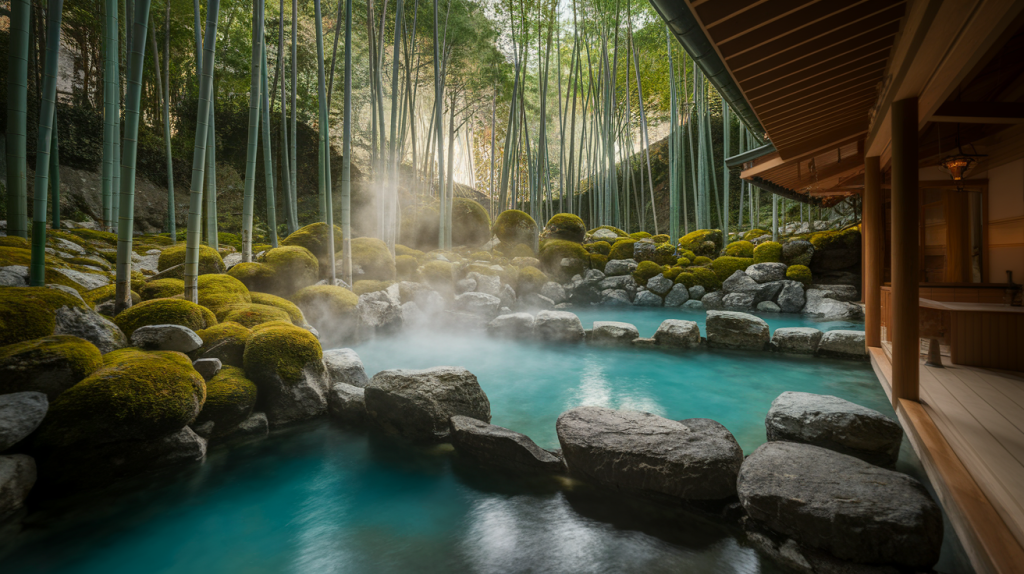
Timing your spa journey around Japan’s seasons dramatically affects your experience. Each season offers distinct advantages, so choose based on what matters most to you—whether that’s natural beauty, fewer crowds, or specific weather conditions.
Spring (March-May) brings cherry blossoms and mild temperatures, creating postcard-perfect scenes around outdoor baths. This is peak season, meaning higher prices and more visitors, but the trade-off is experiencing rotenburo surrounded by sakura petals floating on the breeze. Book at least three months ahead for popular ryokan during cherry blossom season.
Autumn (September-November) rivals spring for beauty as maple leaves turn brilliant red and gold. The weather is comfortable for outdoor bathing, and the contrast between cool air and hot water feels particularly luxurious. Autumn also brings harvest season, meaning kaiseki meals showcase the year’s best ingredients. Crowds ease slightly after summer vacation season ends.
Winter (December-February) offers the most dramatic onsen experiences, particularly in mountain locations where you’ll soak in steaming water while snow falls around you. The temperature contrast creates incredible atmosphere, and winter is actually low season in many areas, meaning better prices and fewer crowds. Just prepare for cold weather when you’re not in the water.
Summer (June-August) is the least popular season for onsen travel due to heat and humidity, but this means significant discounts and empty facilities. If you don’t mind warm weather, summer provides the most peaceful experiences and the best deals. The rainy season (June-July) might limit outdoor activities but doesn’t affect bathing enjoyment.
Weekdays always offer quieter experiences than weekends, regardless of season. If your schedule allows flexibility, arriving Sunday through Thursday means you’ll often have facilities nearly to yourself. Many ryokan offer weekday discounts, sometimes 20-30% below weekend rates.
What to Pack and How to Prepare
The good news: traditional Japanese spas provide almost everything you need, so you can pack light. Most onsen facilities and ryokan supply yukata robes, towels, shampoo, conditioner, body wash, and basic toiletries. You’ll find hairdryers, combs, and cotton swabs in changing areas. This generous provision is standard, not luxury—it’s simply how Japanese hospitality works.
What you should bring: your own skincare products if you have specific preferences, any prescription medications, and perhaps a book for relaxing between bathing sessions. A small waterproof bag helps if you want to bring your phone or camera to outdoor areas (though remember to be respectful about photography around other guests).
Understanding basic etiquette prevents awkwardness and shows respect. The process is simple: remove all clothing and store it in provided lockers or baskets. Wash thoroughly at the shower stations before entering any bath—scrub your entire body, rinse completely. Bring your small towel to the bath area, but keep it out of the water (fold it on your head or place it beside the bath). Soak quietly, respecting the meditative atmosphere others are seeking.
Hair longer than shoulder-length should be tied up to keep it out of the water. Don’t swim, splash, or exercise in the baths—they’re for peaceful soaking only. When moving between different temperature pools, rinse briefly at the showers. After bathing, dry off in the changing area, not the bathing area.
A few helpful Japanese phrases enhance your experience: “Onegaishimasu” (please) when checking in, “Arigato gozaimasu” (thank you very much), and “Sumimasen” (excuse me) cover most situations. Most onsen staff at tourist-friendly locations speak some English, but your effort to use basic Japanese is always appreciated.
The tattoo question comes up frequently. Traditional onsen often prohibit visible tattoos due to cultural associations with organized crime. However, attitudes are slowly changing, and many facilities now allow small tattoos or provide cover-up patches. Private baths eliminate this concern entirely. Research your specific destination’s policy beforehand to avoid disappointment.
Booking and Budget Considerations
Japanese spa experiences accommodate virtually every budget level, from $5 public bathhouses to $800-per-night luxury ryokan. Understanding the price spectrum helps you plan realistic expectations and find the best value for your travel style.
Public onsen and sento offer the most affordable experiences at $5-15 per visit. These provide authentic local atmosphere and genuine hot spring water without accommodation costs. You can easily build a budget spa journey by staying in standard hotels and visiting different public baths daily. Cities like Beppu and Kusatsu make this approach particularly easy with their multiple bathhouse options.
Mid-range ryokan with onsen access typically cost $150-300 per person per night, including dinner and breakfast. This represents excellent value when you consider that you’re getting accommodation, two elaborate multi-course meals, and unlimited access to hot spring facilities. Many travelers find this mid-range category offers the sweet spot of authentic experience without luxury pricing.
Luxury onsen ryokan run $400-800+ per person per night. These properties justify their rates with exceptional service, premium locations, superior cuisine, private baths, and that intangible quality of refined hospitality perfected over generations. If budget allows, splurging for one or two nights at a top-tier property creates memories that last far beyond the trip.
Booking platforms matter. Booking.com and Agoda list many Japanese accommodations, but specialized platforms like Japanese Guest Houses and Relux.jp focus specifically on ryokan and often have better selection and prices. Some traditional properties don’t appear on Western booking sites at all—you’ll need to book directly or through Japan-focused travel agencies.
Reserve popular ryokan two to three months ahead, especially for weekend stays or peak seasons. Last-minute bookings are possible at larger facilities and public baths, but the best traditional properties fill up quickly. Many ryokan require minimum two-night stays on weekends and during busy periods.
Money-saving strategies include traveling during off-peak seasons (winter and summer), choosing weekday stays, booking directly with properties for better rates, and mixing luxury splurges with budget-friendly public bath visits. The JR Pass can significantly reduce transportation costs if you’re visiting multiple regions.
Making the Most of Your Spa Time
The ideal spa retreat lasts at least two to three nights, giving your body time to fully absorb the therapeutic benefits and your mind space to genuinely unwind. One-night stays feel rushed—you arrive, bathe, sleep, and leave before really settling in. Three nights allows you to establish a rhythm of bathing, resting, exploring, and bathing again without pressure.
Create a balanced daily rhythm rather than over-scheduling. A typical restorative day might include: morning bath before breakfast, leisurely meal, gentle activity like a short walk or visiting a nearby temple, afternoon rest and reading, pre-dinner bath, kaiseki dinner, evening bath under stars, and early sleep. This pace might feel slow compared to typical vacation schedules, but that’s exactly the point.
Optimal bathing frequency is three to four times daily, with each session lasting 15-20 minutes. Longer soaking doesn’t provide additional benefits and can actually cause dizziness or dehydration. The Japanese practice of bathing multiple times throughout the day—morning, afternoon, evening, and sometimes late night—provides better results than one long soak.
Pay attention to your body’s signals. If you feel lightheaded, exit the bath immediately and cool down. Drink plenty of water between bathing sessions to prevent dehydration. Alternate between hot baths and cooler rest periods to avoid overheating. The goal is gentle restoration, not endurance testing.
Enhance the mindfulness aspect by leaving devices in your room during bath time. Use the quiet to practice deep breathing, body scanning meditation, or simply observe your thoughts without judgment. This intentional presence amplifies the stress-reduction benefits significantly.
Combine your spa retreat with complementary activities that support overall wellness. Many onsen towns offer forest bathing trails, meditation gardens, and tea ceremony experiences. These activities extend the contemplative atmosphere beyond the bath itself, creating a comprehensive wellness journey rather than just a bathing vacation.
Enhancing Your Experience: Traditional Rituals and Treatments
Beyond Bathing: Complete Wellness Offerings
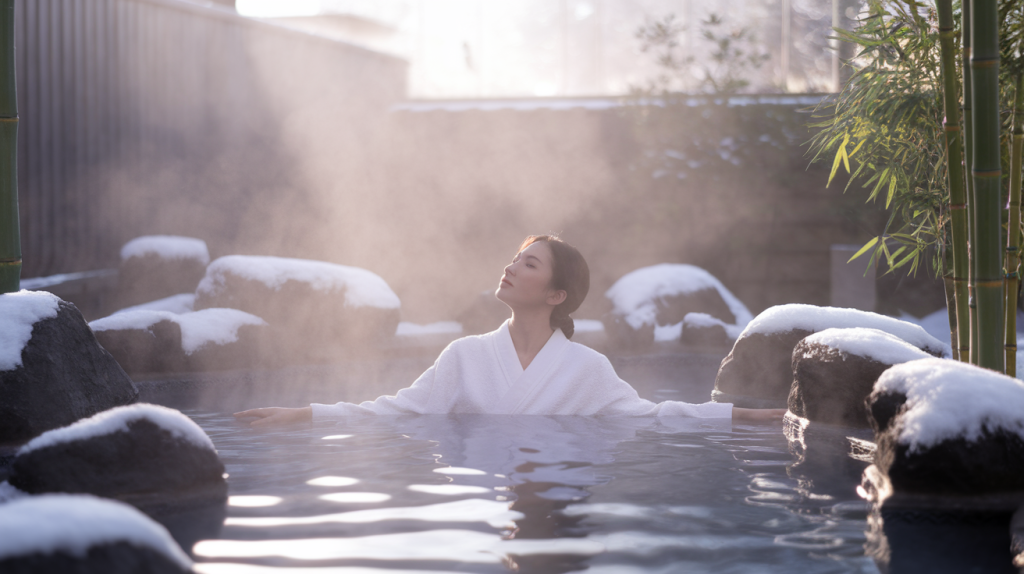
Traditional Japanese wellness extends far beyond hot water immersion. Many onsen ryokan offer comprehensive treatments that address physical, mental, and even spiritual restoration through practices refined over centuries.
Anma and shiatsu represent Japan’s traditional massage approaches, both recognized as legitimate therapeutic modalities by the Japanese government. Anma uses rhythmic pressing, stroking, and stretching to improve circulation and release muscle tension. Shiatsu applies pressure to specific points along energy meridians, similar to acupressure. Both treatments complement hot spring bathing beautifully, as the warm water prepares muscles for deeper therapeutic work.
Tea ceremony participation transforms a simple beverage into moving meditation. The precise, deliberate movements required to prepare and serve matcha green tea demand complete presence and attention. Many ryokan offer introductory tea ceremony experiences where you’ll learn basic etiquette, prepare your own tea, and practice the mindful awareness that underlies this ancient art. The ceremony’s emphasis on simplicity, respect, and present-moment awareness aligns perfectly with onsen philosophy.
Kaiseki dining deserves recognition as a wellness practice in itself. These elaborate multi-course meals aren’t just about eating—they’re about experiencing seasonal ingredients prepared to showcase natural flavors with minimal manipulation. Each dish arrives at precisely the right temperature, in portions that satisfy without overwhelming, timed to allow proper digestion between courses. The visual presentation and mindful pacing transform dining into a form of meditation that nourishes body and spirit simultaneously.
Some progressive onsen facilities now incorporate yoga, meditation sessions, and nature therapy into their offerings. Morning yoga overlooking mountain vistas, guided meditation in traditional gardens, or forest bathing walks led by certified guides add contemporary wellness practices to traditional foundations. These hybrid approaches work particularly well for Western visitors familiar with modern wellness concepts.
The Art of Mindful Soaking
Maximizing your onsen benefits requires more than just sitting in hot water—it involves intentional practice and awareness. Japanese bathing masters have refined optimal soaking techniques over generations, and following their guidance enhances both immediate relaxation and lasting therapeutic effects.
Begin by adjusting to the water temperature gradually. Sit on the edge and splash water on your legs and arms before fully entering. This preparation prevents shock to your system and allows your cardiovascular system to adjust smoothly. Once immersed to shoulder level, remain still for the first few minutes, allowing your muscles to release and your breathing to deepen naturally.
Focus on your breath as an anchor for mindfulness. Breathe slowly and deeply, feeling your belly expand with each inhale. As you exhale, consciously release tension from different body parts—shoulders, jaw, hands, feet. This progressive relaxation technique, combined with the water’s heat and buoyancy, produces profound muscular release.
Optimal soaking duration is 15-20 minutes per session. Longer periods can cause dizziness, dehydration, or excessive strain on your cardiovascular system. The Japanese practice of bathing multiple times daily provides better cumulative benefits than single extended soaks. When you start feeling very warm or lightheaded, it’s time to exit.
Between bathing sessions, practice proper cooling down. Move to a rest area, drink water or herbal tea, and allow your body temperature to normalize gradually. Many onsen provide relaxation rooms with reclining chairs specifically for this purpose. This rest period between baths isn’t wasted time—it’s when your body processes the thermal therapy and your nervous system integrates the relaxation response.
Experiment with different water temperatures if multiple baths are available. Alternating between hot and cool water (contrast bathing) improves circulation even more effectively than hot water alone. The pattern of heat expanding blood vessels followed by cold constricting them creates a pumping action that flushes metabolic waste and delivers fresh oxygen throughout your system.
Post-Bath Rituals for Extended Benefits
The benefits of onsen bathing extend well beyond your time in the water, especially when you follow traditional post-bath practices that help your body integrate and maintain the therapeutic effects.
The cooling-down period immediately after bathing is crucial. Resist the temptation to dress quickly or rush to your next activity. Instead, sit quietly in the rest area wearing your yukata, allowing your body temperature to normalize gradually. Many ryokan provide cold barley tea or water—drink generously to rehydrate and support your body’s temperature regulation.
Traditional post-bath beverages serve specific purposes. Cold milk is popular in Japan after bathing, as the protein and fat help stabilize blood sugar and provide sustained energy. Herbal teas like hojicha (roasted green tea) or mugicha (barley tea) offer hydration without caffeine. Some onsen serve amazake, a sweet fermented rice drink that provides quick energy and beneficial probiotics.
Pay attention to what your body needs after bathing. You might feel energized or deeply relaxed—both responses are normal. If you’re energized, gentle activity like a short walk works well. If you’re relaxed and sleepy, honor that signal and rest. The Japanese concept of “yuagari” refers to this post-bath state, and respecting it rather than fighting it maximizes wellness benefits.
Carry the mindfulness practiced during bathing into the rest of your day. Notice how your body feels—the relaxed muscles, the calm mind, the sense of being fully present. This awareness helps you recognize stress building up in daily life and reminds you of the peaceful state that’s possible. Many regular onsen visitors report that this body awareness becomes a lasting benefit that improves their overall stress management.
Create simple home rituals that recreate elements of the onsen experience. While you can’t replicate natural mineral springs, you can establish a mindful bathing practice using Epsom salts or Japanese bath salts, setting aside device-free time, and approaching your bath as a meditation rather than just hygiene. Light candles, play soft music, and give yourself permission to soak for 20 minutes without guilt or distraction.
The deeper lesson of onsen culture isn’t about hot water—it’s about creating space for restoration in your life. The Japanese have perfected the art of intentional rest, recognizing that regular renewal isn’t luxury but necessity for sustained wellbeing. Bringing this philosophy home, even in small ways, extends your spa journey’s benefits long after you’ve returned to daily life.
In Closing
Key Takeaways for Your Restorative Journey
Traditional Japanese spas offer something increasingly rare in our over-connected world—authentic escape backed by centuries of refined wellness practice. These aren’t superficial spa experiences designed to separate you from your money. They’re legitimate therapeutic destinations where natural mineral waters, mindful rituals, and intentional rest combine to deliver genuine restoration that lasts weeks beyond your visit.
The nine destinations covered here represent the full spectrum of what Japanese spa culture offers. Hakone provides convenient luxury just 90 minutes from Tokyo. Kyoto weaves cultural depth into every wellness experience. Kusatsu delivers Japan’s highest quality mineral waters in a charming traditional town. Kinosaki creates an entire village devoted to the art of bath-hopping. Beppu offers unmatched variety for budget-conscious travelers. Yunessun solves the family travel challenge beautifully. Gora Kadan represents the absolute pinnacle of Japanese hospitality. Takaragawa provides wilderness immersion for adventurous souls. And Tokyo’s urban spas prove you can experience authentic onsen culture even with limited time.
What makes these destinations truly effective isn’t just the mineral-rich water or beautiful settings—it’s the complete philosophy that treats wellness as a holistic practice involving body, mind, and spirit. The combination of natural healing elements, mindful presence, cultural immersion, and permission to simply rest creates transformation that generic spa vacations rarely achieve.
The therapeutic benefits are scientifically documented: reduced stress hormones, improved circulation, better sleep, decreased muscle tension, and enhanced mood that persists long after you’ve dried off. But the deeper gift is remembering what genuine restoration feels like and recognizing that regular renewal isn’t indulgent—it’s essential for sustainable wellbeing.
Your Next Steps
Ready to experience this for yourself? Start by choosing one destination that matches your travel style, budget, and interests. First-time visitors often find Hakone ideal—it’s accessible, offers excellent variety, and provides authentic experiences without overwhelming complexity. Families should look at Yunessun for that perfect balance of fun and tradition. Luxury seekers can’t go wrong with Gora Kadan or high-end Kyoto ryokan. Budget travelers will love Beppu’s incredible value.
Book well in advance for popular properties, especially if you’re traveling during peak seasons or weekends. Three months ahead is ideal for securing your first choice at traditional ryokan. Build flexibility into your itinerary—the whole point of spa travel is slowing down, so avoid the temptation to over-schedule.
Approach your journey with openness to unfamiliar customs and willingness to embrace practices that might feel strange initially. Yes, communal bathing takes adjustment if you’re not accustomed to it. Yes, sleeping on futons and sitting on floors requires flexibility. But these differences aren’t obstacles—they’re opportunities to experience a wellness philosophy refined over a thousand years.
Most importantly, give yourself permission to genuinely rest. We’re conditioned to stay productive, connected, and busy even on vacation. Japanese onsen culture offers a different model—one where doing nothing except soaking, eating beautiful food, and watching seasons change is not only acceptable but celebrated as essential for human flourishing.
Your body knows how to heal when given the right conditions. Natural mineral waters, quiet contemplation, connection with nature, nourishing food, and adequate rest create those conditions. Traditional Japanese spas have been providing them for centuries, and they’re ready to share that ancient wisdom with you.
The question isn’t whether you need this kind of restoration—we all do. The question is whether you’ll give yourself permission to seek it. Choose your destination, book your ryokan, pack light, and prepare to discover what genuine wellness feels like. Your future self, restored and renewed, will thank you for the journey.