6 Japan Hot Springs Picks for First-Time Visitors

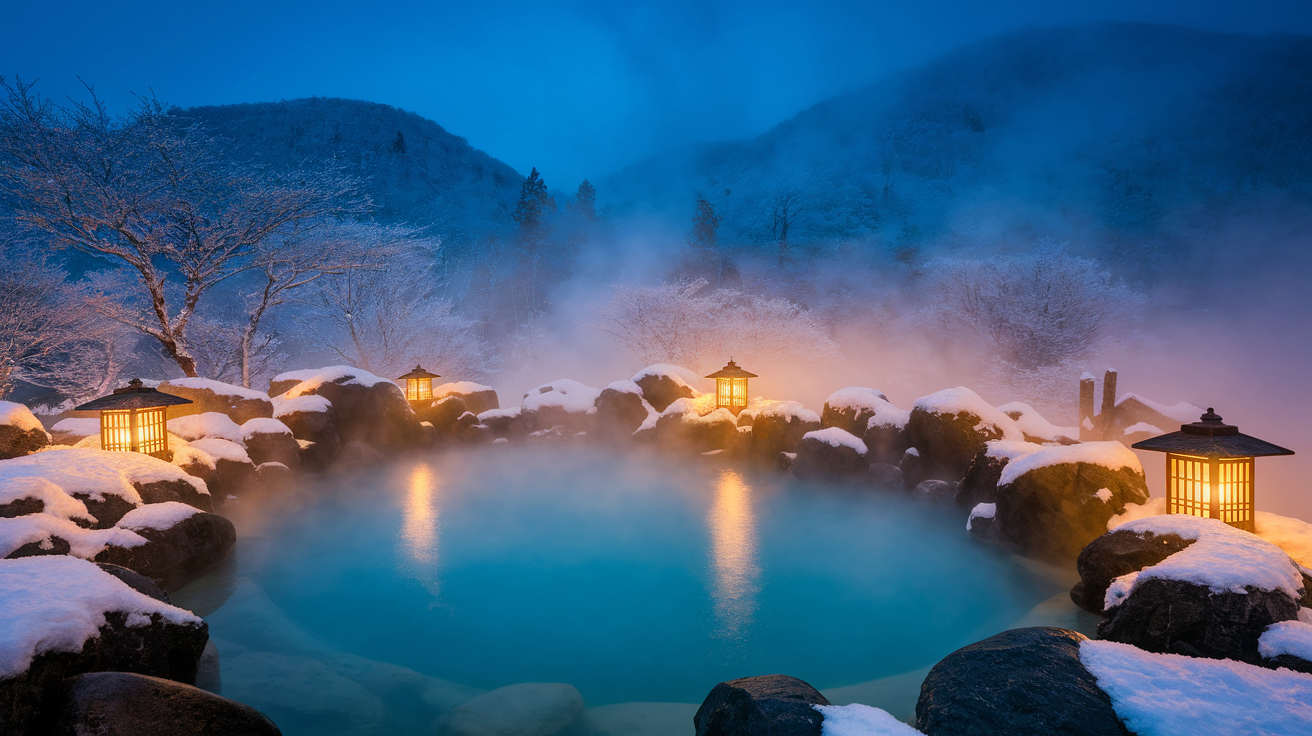
You’ve seen the pictures—those dreamy hot spring baths with steam rising against mountain backdrops, snow monkeys soaking peacefully, and serene outdoor pools surrounded by bamboo forests. Now you’re ready to experience Japan’s legendary onsen culture for yourself, but where do you start?
Here’s the truth: choosing your first Japanese hot spring doesn’t have to be overwhelming. I’m breaking down six proven destinations that deliver authentic onsen experiences without the stress.
These aren’t just any hot springs—they’re specifically selected because they combine stunning natural beauty with beginner-friendly amenities, easy access from major cities, and that perfect balance of tradition and modern comfort.
Whether you’re nervous about onsen etiquette, worried about language barriers, or simply want to pick the right destination for your travel style, this guide gives you everything you need.
You’ll discover simple tips for choosing your ideal hot spring, essential etiquette basics that’ll make you feel confident, quick transportation hacks from Tokyo and Osaka, and what makes each location truly special.
Let’s dive into the ultimate hot spring destinations that will transform your Japan trip from good to absolutely unforgettable.
What Makes These 6 Hot Springs Perfect for Beginners
Easy Access from Major Cities
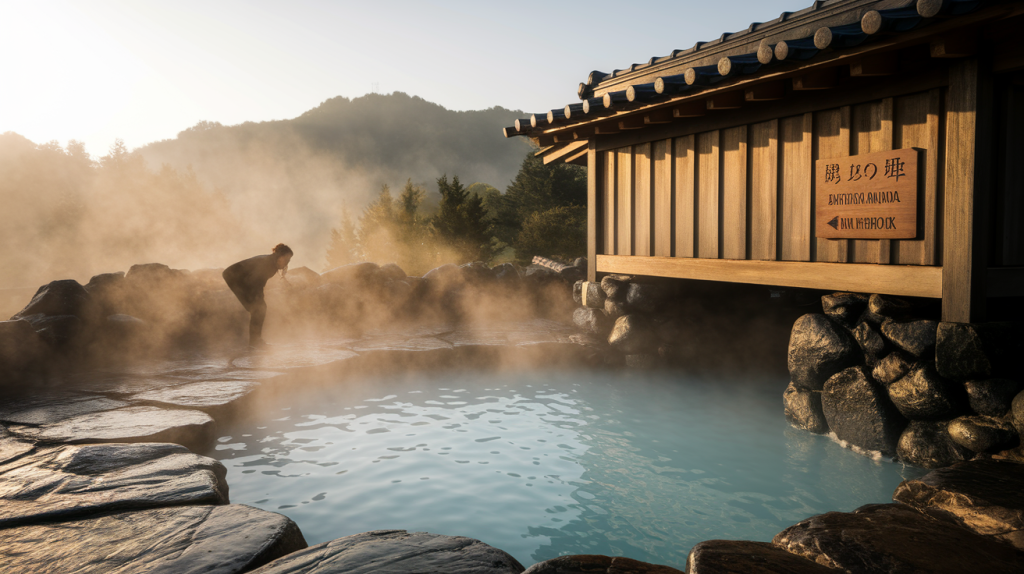
The best part about these six destinations? You won’t spend your entire vacation figuring out complicated train transfers or deciphering confusing transit maps. Each location sits within easy reach of major tourist hubs like Tokyo, Osaka, or Fukuoka, with straightforward Shinkansen or train connections that won’t test your navigation skills.
Hakone, for instance, is just 90 minutes from Tokyo—closer than many suburbs. Kusatsu requires one simple transfer from Tokyo, while Beppu connects directly to major cities on Kyushu island.
These aren’t remote mountain retreats accessible only by hiking trails and local buses. They’re well-established tourist destinations with clear English signage, helpful tourist information centers, and infrastructure designed to welcome international visitors.
The transportation itself becomes part of the experience rather than a stressful obstacle. You’ll ride comfortable trains through stunning countryside, watching urban landscapes transform into rice paddies, mountains, and traditional villages. The journey sets the mood for relaxation before you even arrive.
First-Timer Friendly Amenities
Here’s what separates these destinations from more advanced onsen experiences: they actually want you to succeed as a first-timer. You’ll find ryokans with English-speaking staff who patiently explain the bathing process, provide written instructions in multiple languages, and offer reassuring guidance without making you feel like a clueless tourist.
Worried about public bathing? Many of these locations offer private onsen options where you can ease into the experience at your own pace. These reserved baths give you the authentic hot spring experience without the initial nervousness of communal bathing. Once you’re comfortable, you can venture into the public baths—but there’s zero pressure.
The facilities themselves remove common first-timer anxieties. Towels are readily available for rent if you forget yours. Lockers keep your belongings secure. Clear diagrams show exactly where to wash, where to soak, and what the various pools offer. Some even provide English instructions on proper etiquette right in the changing rooms.
Stunning Natural Beauty Meets Convenience
You shouldn’t have to choose between breathtaking scenery and practical accessibility—these destinations deliver both. Picture yourself soaking in outdoor pools with Mount Fuji views, relaxing in baths surrounded by autumn foliage, or watching snow fall while you’re immersed in perfectly heated mineral water.
The scenery at these locations rivals anywhere in Japan, yet you can access these views without extensive hiking or physical challenges. The hot springs themselves are the destination, positioned to maximize natural beauty while remaining accessible to all fitness levels.
This balance matters because your onsen experience should be about relaxation, not exhaustion. You want to arrive refreshed and ready to soak, not worn out from a challenging journey. These six destinations understand that perfect combination, offering Instagram-worthy settings with the convenience modern travelers expect.
The Ultimate List: 6 Must-Visit Hot Springs for Your First Onsen Experience
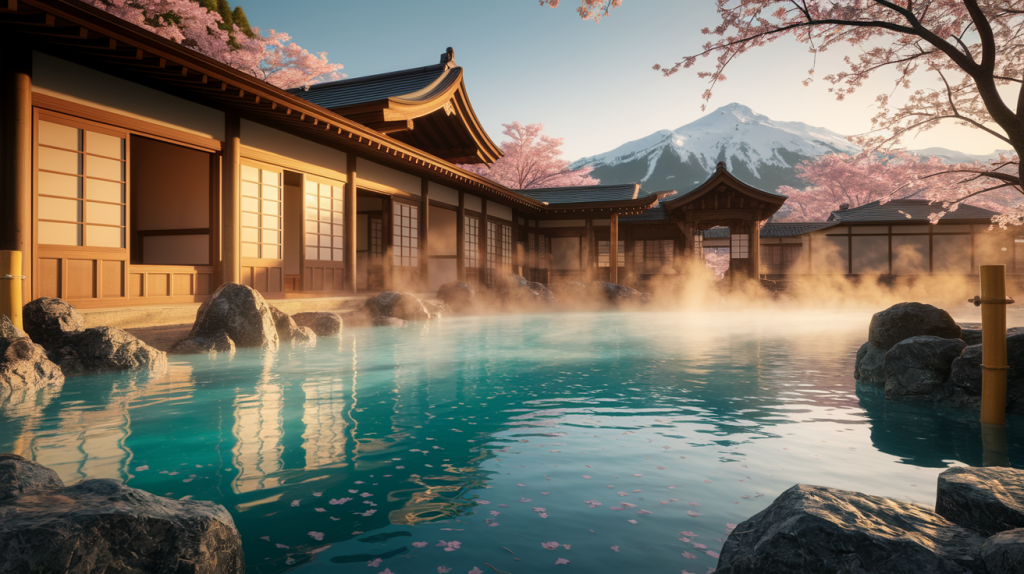
Hakone Onsen: The Classic Tokyo Getaway
Why it’s perfect for beginners: Hakone sits just 90 minutes from Tokyo, making it the ultimate convenient escape from city life. The area offers multiple transportation options, including the famous Hakone Loop route that turns your journey into a sightseeing adventure with cable cars, ropeway rides, and pirate ships crossing Lake Ashi.
What makes it special: Beyond the hot springs themselves, Hakone delivers a complete experience. You’ll find art museums, scenic lake cruises, and the iconic black eggs boiled in volcanic springs (eating one supposedly adds seven years to your life). The region offers both traditional ryokans and modern hotels, giving you options based on your comfort level. Mountain views dominate the landscape, with Mount Fuji making appearances on clear days.
Quick tip: Book a ryokan with private onsen attached to your room for the easiest possible introduction. You’ll get the full experience—traditional tatami rooms, kaiseki dinner, yukata robes—while maintaining complete privacy for your bathing. This approach lets you practice onsen etiquette without any pressure before venturing to public baths.
Best season: Fall transforms Hakone into a kaleidoscope of red, orange, and gold foliage that reflects in the lake and frames the hot spring baths. That said, every season offers something special—cherry blossoms in spring, lush greenery in summer, and occasional winter snow.
Kusatsu Onsen: Japan’s Most Celebrated Healing Waters
Why it’s perfect for beginners: The town center focuses around the massive yubatake (hot water field), a dramatic wooden structure where 4,000 liters of hot spring water flow every minute. This central landmark makes orientation simple—everything radiates from this iconic spot. The compact town layout means you can walk everywhere, and the tourist-friendly atmosphere welcomes newcomers.
What makes it special: Kusatsu boasts the highest volume of natural hot spring water in Japan, and locals have celebrated these healing waters for over 1,000 years. The water’s high acidity creates unique therapeutic properties, though it also means the water runs hot—literally. Watch the traditional “yumomi” performance where performers use long wooden boards to cool the water through choreographed movements and songs, a practical solution that became an entertaining cultural tradition.
Quick tip: Don’t miss the free public foot baths scattered throughout town. They offer an easy introduction to the hot spring experience while you’re still fully clothed. The yubatake area features several where you can soak your feet while watching the steaming hot water cascade through the wooden channels.
Best season: Winter creates a magical atmosphere when snow blankets the town and steam rises dramatically in the cold air. The contrast between freezing temperatures and hot water intensifies the onsen experience, and the surrounding mountains offer excellent skiing if you want to combine activities.
Beppu: The Hot Spring Theme Park
Why it’s perfect for beginners: Beppu takes the hot spring concept and amplifies it to almost absurd levels—in the best way possible. The city contains eight distinct hot spring areas, each with different mineral compositions and characteristics. This variety means you can try multiple experiences in one location, from traditional soaking to unique alternatives like sand baths and mud baths.
What makes it special: The famous “Jigoku Meguri” (Hell Tour) showcases eight spectacular hot springs too hot or chemically intense for bathing but absolutely stunning to observe. You’ll see blood-red pools, brilliant cobalt blue water, and bubbling mud pools that look like something from another planet. Beyond observation, Beppu offers sand baths where you’re buried in naturally heated black sand—surprisingly relaxing and excellent for circulation.
Quick tip: Start with a sand bath experience at Takegawara Onsen. You’ll lie down while attendants cover you with warm, mineral-rich sand heated by underground hot springs. It sounds strange but feels amazing, and it’s a unique experience you can’t find many other places. The 15-minute session leaves your skin glowing and your muscles completely relaxed.
Best season: Spring and fall offer the most comfortable temperatures for outdoor exploration of the various hot spring areas. Summer can be intensely hot when you’re already soaking in heated water, while winter is perfectly pleasant for the baths themselves but might be chilly between locations.
Kinosaki Onsen: The Perfect Onsen-Hopping Town
Why it’s perfect for beginners: Kinosaki invented the concept of onsen-hopping, where your ryokan stay includes a pass to all seven public bathhouses scattered throughout the willow-lined streets. This setup removes any intimidation about entering public baths—everyone’s doing it, and the town’s entire culture revolves around wandering between bathhouses in your yukata and wooden sandals.
What makes it special: The town itself is the experience. Narrow streets follow a gentle canal lined with willow trees, traditional architecture dominates, and everyone—locals and tourists alike—wanders around in colorful yukata robes. Each of the seven bathhouses offers a different atmosphere and architectural style, from cave-like settings to modern glass-enclosed spaces. The ritual of trying each one becomes a delightful evening activity.
Quick tip: Embrace the full experience by wearing your ryokan-provided yukata and geta (wooden sandals) for your bathhouse tour. It feels awkward for about five minutes until you realize everyone’s dressed the same way, and then it becomes wonderfully liberating. Carry your small towel and wander freely—this is exactly what you’re supposed to do.
Best season: Winter combines two of Japan’s greatest pleasures: hot springs and fresh crab. The town becomes a culinary destination during crab season (November through March), and soaking in outdoor baths while snow falls creates pure magic. The contrast between cold air and hot water becomes addictive.
Yufuin: Artistic Mountain Retreat
Why it’s perfect for beginners: Yufuin offers a more boutique, artsy alternative to traditional hot spring towns. The main street features galleries, cafes, and shops selling local crafts, creating a relaxed atmosphere that appeals to travelers who want culture alongside their onsen experience. The town attracts a younger, more cosmopolitan crowd while maintaining authentic hot spring traditions.
What makes it special: Mount Yufu provides a stunning backdrop to the entire town, and Lake Kinrinko creates morning mist phenomena that look like something from a fantasy film. The combination of natural beauty, artistic sensibility, and excellent hot springs makes Yufuin feel special without being pretentious. Many ryokans here focus on design and aesthetics, offering Instagram-worthy settings alongside therapeutic waters.
Quick tip: Wake up early and walk to Lake Kinrinko just after sunrise. The temperature difference between the lake water and morning air creates ethereal mist that hovers over the surface, especially in cooler months. It’s a five-minute walk from most accommodations and worth setting an alarm for this magical scene.
Best season: Any season works beautifully, but early morning visits to the lake deliver the best mist phenomena during fall and winter when temperature contrasts are greatest. Spring brings cherry blossoms to the lakeside, while summer offers lush greenery and pleasant evenings.
Gero Onsen: One of Japan’s Top Three Hot Springs
Why it’s perfect for beginners: Gero embraces its small-town charm without overwhelming visitors with too many choices. The compact downtown area clusters around the Hida River, making navigation simple and stress-free. The town’s reputation as one of Japan’s three best hot springs (alongside Kusatsu and Arima) means quality is guaranteed, yet it maintains a more laid-back, less touristy atmosphere than some larger destinations.
What makes it special: The water itself earns Gero its reputation—silky smooth and alkaline, it’s nicknamed “bijin-no-yu” or “beauty bath” because it leaves skin feeling incredibly soft. Free public foot baths appear throughout town, and the riverside rotenburo (outdoor bath) offers a unique public soaking experience. The town balances tradition with accessibility perfectly.
Quick tip: Try the free public foot baths scattered around town before committing to a full bathhouse or ryokan experience. These give you a taste of the famous waters while you explore. The riverside location near Gero Bridge is particularly scenic and popular with both tourists and locals.
Best season: Cherry blossom season transforms the riverside into a pink wonderland, while autumn foliage creates stunning reflections in the Hida River. Winter occasionally brings snow, adding dramatic beauty to the outdoor bathing experience. Summer features festivals and fireworks along the river.
Essential Onsen Etiquette Made Simple
The Basic Rules Everyone Should Know
Wash before soaking: This is the golden rule of onsen culture, and it’s non-negotiable. Before entering any bath, you’ll sit on a small stool at washing stations equipped with showerheads, soap, shampoo, and buckets. Thoroughly wash your entire body—this isn’t a quick rinse. Take your time scrubbing, shampooing, and rinsing completely. The shared bath water stays clean because everyone follows this ritual.
The washing area typically provides everything you need, but bring your own products if you have preferences or sensitivities. Rinse your stool and bucket when finished as a courtesy to the next person. This pre-bath cleaning becomes meditative once you embrace it rather than rushing through.
No swimsuits allowed: This rule confuses many Western visitors, but it’s fundamental to onsen culture. Bathing suits are considered unhygienic because they’ve been worn outside and could contaminate the pure hot spring water. Everyone bathes completely naked in gender-separated facilities.
Yes, it feels awkward initially. Yes, you’ll get over it faster than you expect. The experience is surprisingly non-sexual and matter-of-fact. Nobody’s looking at you because everyone’s focused on relaxation. After about five minutes, the nudity becomes completely unremarkable.
Towel placement: You’ll receive a small towel (or bring your own) that serves multiple purposes. Use it for washing, drying, and modesty while walking around the facility. However—and this is important—never let this towel touch the bath water. The traditional placement is folded on top of your head while soaking, which looks quirky but serves a practical purpose: it keeps the towel handy while preventing water contamination.
Hair management: Long hair must be tied up and kept out of the bath water. Bring a hair tie or clip. This rule applies to everyone regardless of gender. Your hair shouldn’t touch the communal water, period.
Common First-Timer Concerns Solved
Tattoo policies: Here’s the reality—tattoos remain associated with yakuza (organized crime) in Japan, and many onsen prohibit visible tattoos. However, these six destinations tend to be more flexible than traditional hot springs. Hakone and Beppu, with their international tourist focus, often allow tattoos or offer private bathing options. Smaller tattoos can sometimes be covered with special patches available at convenience stores.
Call ahead if you have significant tattoo coverage. Many ryokans offer private onsen where tattoo policies don’t apply. The situation is improving as Japan becomes more international, but don’t assume acceptance.
Privacy options: Every destination on this list offers private onsen alternatives. These come in three forms: kashikiri (reserved family baths available by the hour), rooms with attached private baths, or completely private outdoor baths. You’ll pay more, but the privacy is absolute. This option is perfect for couples, families, people with tattoos, or anyone who needs to ease into communal bathing gradually.
Mixed bathing facts: Mixed-gender onsen (konyoku) are increasingly rare in modern Japan. When they exist, they’re clearly marked, and many require some clothing coverage. Most facilities are strictly gender-separated. If you encounter a mixed bath unexpectedly, you’ve probably misread the signs—double-check before entering.
Photography rules: Never, ever take photos in bathing areas. This rule is absolute and non-negotiable. Cameras and phones aren’t allowed in changing rooms or bath areas, period. Violation can result in police involvement. Take your scenic hot spring photos from designated public areas or your private room bath only.
Quick Cultural Tips for a Smooth Experience
Silence is golden: Onsen culture emphasizes quiet relaxation. Keep conversations to whispers if you must talk. Loud voices, laughter, and boisterous behavior are considered extremely rude. This isn’t a pool party—it’s a meditative, therapeutic experience.
Hydration matters: Hot spring water causes sweating and dehydration. Drink water before bathing and immediately after. Most facilities provide water fountains or cold water dispensers. Dehydration can cause dizziness, headaches, and nausea, especially in high-temperature baths.
Timing your soak: Don’t try to marathon your onsen experience. Sessions should last 10-15 minutes maximum, followed by a cool-down period. Repeat as desired, but listen to your body. Overheating is real, and pushing through dizziness or discomfort is dangerous, not impressive.
What to bring: Pack a small bag with your toiletries (though most places provide basics), a hair tie if needed, and a small towel if your accommodation doesn’t provide one. Leave valuables in your room. Bring a plastic bag for your wet towel afterward. That’s it—onsen culture is beautifully simple.
Planning Your Perfect Hot Spring Trip: Practical Tips
How to Choose the Right Destination for You
For nature lovers: Hakone and Yufuin deliver the most dramatic natural scenery. Hakone offers mountain views with possible Mount Fuji sightings and Lake Ashi cruises. Yufuin provides Mount Yufu’s perfect volcanic cone backdrop and the ethereal morning mist at Lake Kinrinko. Both destinations integrate nature into the entire experience, not just the bath views.
For cultural enthusiasts: Kinosaki wins this category hands-down. The entire town functions as a living museum of onsen culture, where traditional practices continue naturally rather than as tourist performances. The seven public bathhouses, each with unique history and architecture, create an authentic cultural immersion. The yukata-wearing custom and bathhouse-hopping tradition give you an active role in centuries-old practices.
For adventure seekers: Beppu offers the most variety and unique experiences. Beyond standard hot spring bathing, you’ll find sand baths, mud baths, steam baths, and the spectacular Hell Tour. The city’s eight distinct hot spring areas mean you could spend days exploring without repeating experiences. It’s the hot spring destination for people who want to try everything.
For relaxation seekers: Gero and Kusatsu focus purely on the therapeutic bathing experience. Gero’s silky “beauty waters” and small-town atmosphere create complete tranquility. Kusatsu’s high-volume, high-quality waters have attracted healing-seekers for over a millennium. Both towns encourage slowing down and surrendering to relaxation rather than rushing between activities.
Simple Transportation and Booking Tips
JR Pass benefits: If you’re purchasing a Japan Rail Pass, Hakone and Kusatsu are partially covered (though Hakone requires some additional private rail tickets). Beppu, Kinosaki, Gero, and Yufuin are all accessible via JR trains, making your pass extremely valuable. Calculate whether your onsen trip justifies the pass cost—often it does, especially combined with other travel.
Booking your ryokan: Reserve at least 2-3 months in advance for popular seasons (cherry blossom, autumn foliage, winter holidays). English-friendly booking platforms like Booking.com, Japanican, and Japanese Guest Houses make reservations straightforward. Look for packages including dinner and breakfast—ryokan kaiseki meals are exceptional and bundling often saves money.
Day trip vs. overnight: Day trips work for locations near major cities (Hakone from Tokyo, for example), and many facilities offer day-use packages. However, overnight stays deliver the complete experience: traditional dinner, morning breakfast, evening and morning bathing sessions, and the magical experience of sleeping on futon in tatami rooms. Budget for at least one overnight if possible.
Luggage forwarding: Japan’s takkyubin delivery service lets you send luggage between hotels for around $15 per bag, arriving the next day. This means you can travel to your onsen destination with just a small overnight bag, keeping your main luggage on its journey to your next city. Most hotels arrange this service—ask at the front desk.
Budget-Friendly Strategies
When to visit: Avoid peak seasons (Golden Week in early May, Obon in mid-August, New Year, cherry blossom season, and autumn foliage peak) for significantly lower rates and fewer crowds. Weekdays always cost less than weekends. January through early March (except New Year) and June (rainy season) offer the best deals.
Day-use options: Most premium ryokans and public bathhouses offer day-use packages where you can experience their facilities, often including a private room for relaxing and sometimes a meal, for a fraction of overnight costs. This approach lets you sample high-end onsen without the premium accommodation price.
Public bathhouses: Every destination on this list features public bathhouses charging $3-8 for entry. These sento-style facilities provide authentic onsen experiences at budget prices. Kinosaki’s bathhouse pass comes with your ryokan stay. Gero offers free outdoor riverside bathing. You don’t need luxury accommodations to enjoy world-class hot springs.
Package deals: Ryokan stays including two meals (dinner and breakfast) often cost only slightly more than room-only rates because the properties negotiate bulk food costs. These packages deliver exceptional value—kaiseki dinners alone would cost $50-100 at restaurants. Compare total costs rather than just room rates.
Final Thoughts
These six hot springs—Hakone, Kusatsu, Beppu, Kinosaki, Yufuin, and Gero—offer the perfect introduction to Japan’s legendary onsen culture. Each destination balances authentic tradition with beginner-friendly amenities, delivering stunning natural beauty alongside practical accessibility. You don’t need to be an expert to enjoy these experiences; you just need to show up with an open mind and basic etiquette knowledge.
The simple rules—wash before soaking, no swimsuits, keep your towel out of the water, and maintain quiet respect—become second nature after your first visit. The initial nervousness about communal bathing fades quickly once you’re immersed in perfectly heated mineral water, surrounded by mountain views or traditional architecture, feeling your stress literally dissolve.
Whether you’re drawn to Hakone’s convenience and Mount Fuji views, Kusatsu’s healing waters and winter snow, Beppu’s adventurous variety, Kinosaki’s cultural immersion, Yufuin’s artistic atmosphere, or Gero’s pure relaxation, you’ll find an ideal hot spring waiting for you. Each offers something unique while maintaining that essential beginner-friendly approach that makes your first onsen experience memorable for all the right reasons.
Ready to experience Japan’s hot spring magic for yourself? Choose your destination based on your travel style, book that ryokan, and prepare for one of the most relaxing and culturally rich experiences Japan offers. Your perfect onsen adventure is just a train ride away—and trust me, that first moment of sinking into natural hot spring water with mountain views will make you wonder why you waited so long to try it.