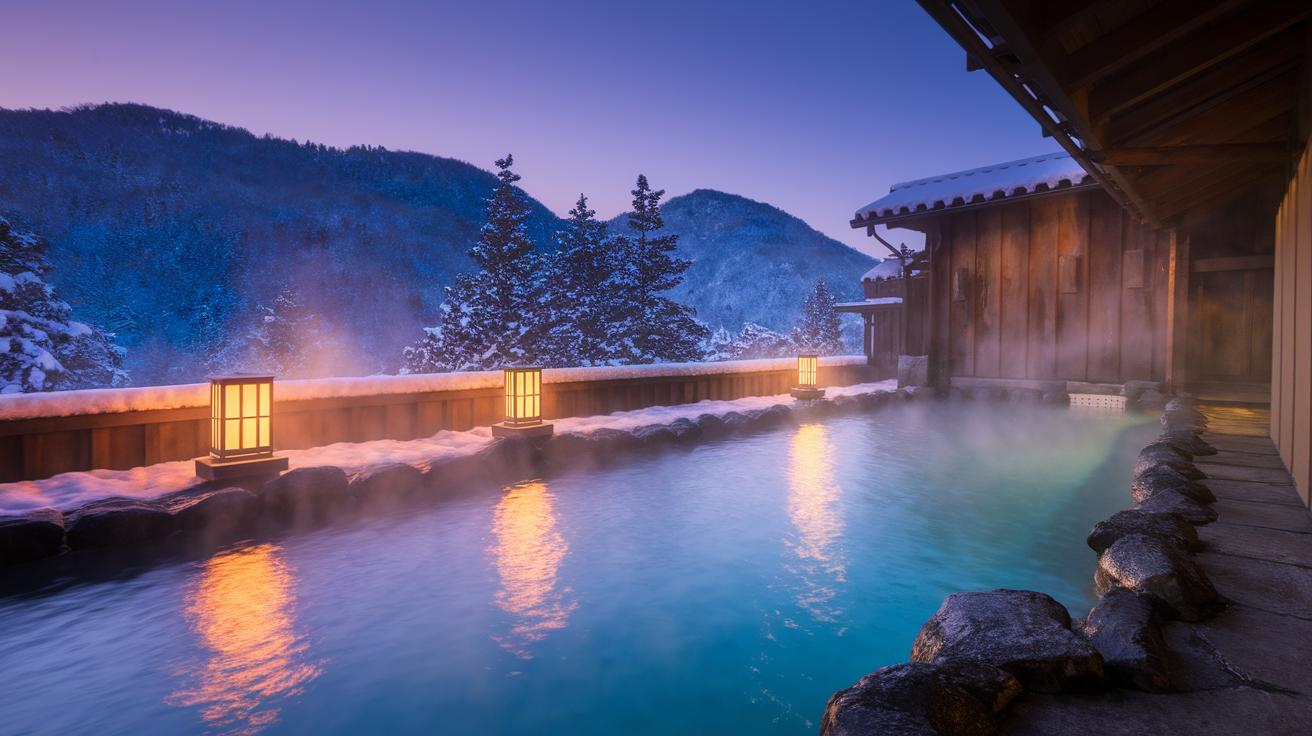
7 Japanese Onsen Experiences for Ultimate Relaxation

You know that feeling when stress has built up so much that your shoulders are practically touching your ears? When your mind won’t stop racing, even at night? That’s exactly when you need the healing power of a Japanese onsen.
Japanese hot springs aren’t just about soaking in warm water—they’re a centuries-old wellness tradition that combines natural mineral therapy, cultural ritual, and complete mental escape.
The therapeutic benefits are real: improved circulation, relief from muscle tension, better sleep quality, and genuine stress reduction. Studies consistently show that regular onsen bathing lowers cortisol levels and promotes deep relaxation.
I’ve handpicked seven essential onsen experiences that deliver ultimate relaxation, from mountain retreats with Mount Fuji views to coastal hot springs where you soak while ocean waves crash nearby. Each offers something unique, whether you’re seeking adventure, luxury, or authentic tradition.
In this complete guide, you’ll discover the perfect onsen destinations for your wellness journey, simple etiquette tips so you feel confident (not confused), and practical planning advice that makes booking your hot spring escape stress-free. Ready to transform your Japan trip into a therapeutic adventure? Let’s dive in.
Understanding the Japanese Onsen Experience: Your Essential Guide
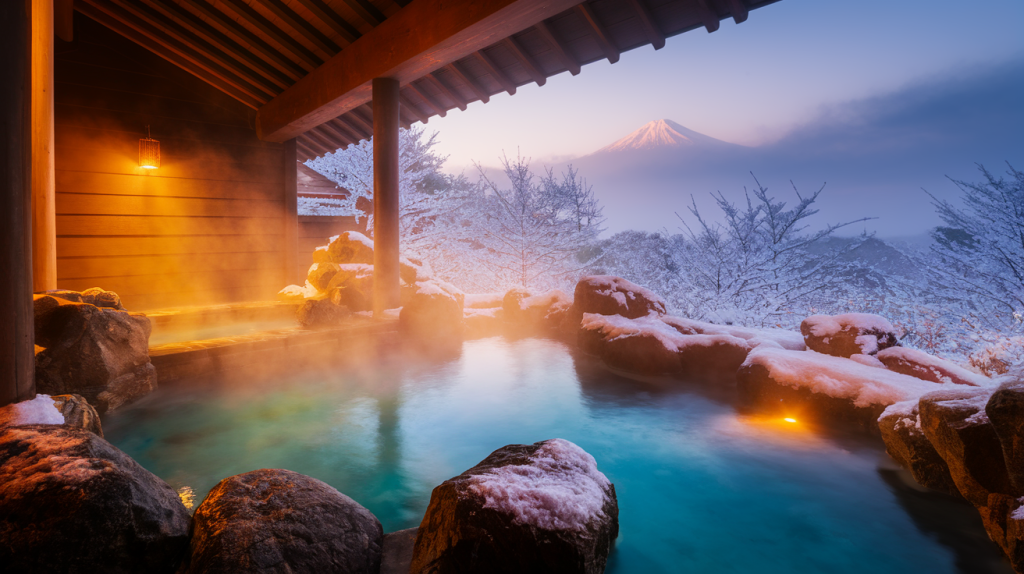
What Makes Onsen Special
Japanese onsen are fed by natural geothermal springs that heat mineral-rich water straight from the earth. Unlike regular hot tubs or spa pools, these waters contain therapeutic minerals like sulfur, sodium chloride, and iron that actually penetrate your skin and deliver proven health benefits.
The mineral composition varies by location, which is why onsen enthusiasts chase different springs. Sulfur onsen help with skin conditions and joint pain. Sodium chloride waters improve circulation and warm you from the inside out. Iron-rich springs boost energy and support recovery from fatigue.
But here’s what makes onsen truly special: the cultural significance. For over a thousand years, Japanese people have practiced onsen bathing as essential self-care. It’s not just physical therapy—it’s a mental reset, a social ritual, and a way to reconnect with nature. When you step into an onsen, you’re participating in a wellness tradition that’s stood the test of time because it works.
The experience differs completely from Western spas. There’s no rushing, no phones, no distractions. Just you, the healing water, and often spectacular natural scenery. This combination of therapeutic minerals, cultural mindfulness, and natural beauty creates relaxation that goes deeper than any massage or meditation app.
Simple Onsen Etiquette Every Visitor Should Know
Don’t let etiquette anxiety stop you from experiencing onsen magic. The rules are simple and logical once you understand the why behind them.
First, you always wash thoroughly before entering the communal bath. Every onsen provides a washing area with stools, showerheads, soap, and shampoo. Sit down, scrub every part of your body, rinse completely, then enter the bath. This keeps the natural spring water clean for everyone—it’s not chlorinated or filtered like pool water.
Your small towel (provided by the onsen) is for modesty while walking around and for wiping your face while soaking. Never let it touch the bath water. Most people fold it and place it on their head or on the side of the bath.
Tattoos can be tricky. Many traditional onsen still prohibit them due to historical associations with organized crime. However, attitudes are changing, especially at tourist-friendly locations.
If you have tattoos, call ahead or check the facility’s website. Some places offer private baths, allow small tattoos to be covered with special patches, or have designated tattoo-friendly hours.
Most onsen are gender-separated, with clear signs showing which entrance is which (look for the kanji or the red/blue curtains). Mixed-gender onsen (konyoku) do exist but are rare and usually require special towel wraps. When in doubt, ask staff—they’re used to helping foreign visitors.
The unspoken rules matter too: keep noise to a respectful minimum, don’t stare at others, don’t swim or splash, and limit your soak to 15-20 minutes at a time to avoid overheating. Step out, cool down, hydrate, then return for another round.
Planning Your Perfect Onsen Visit
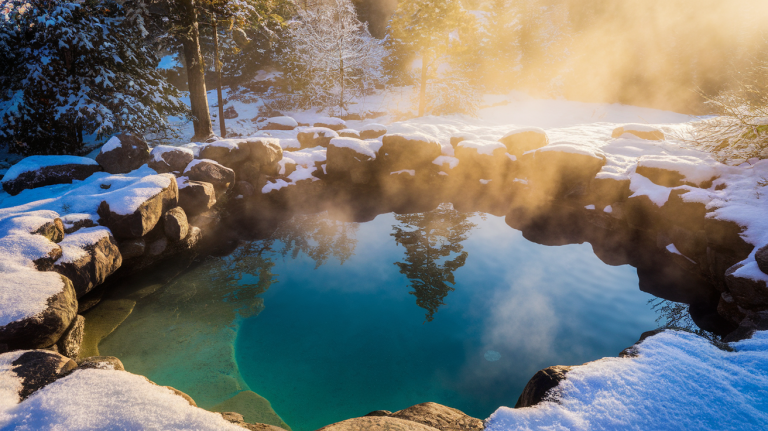
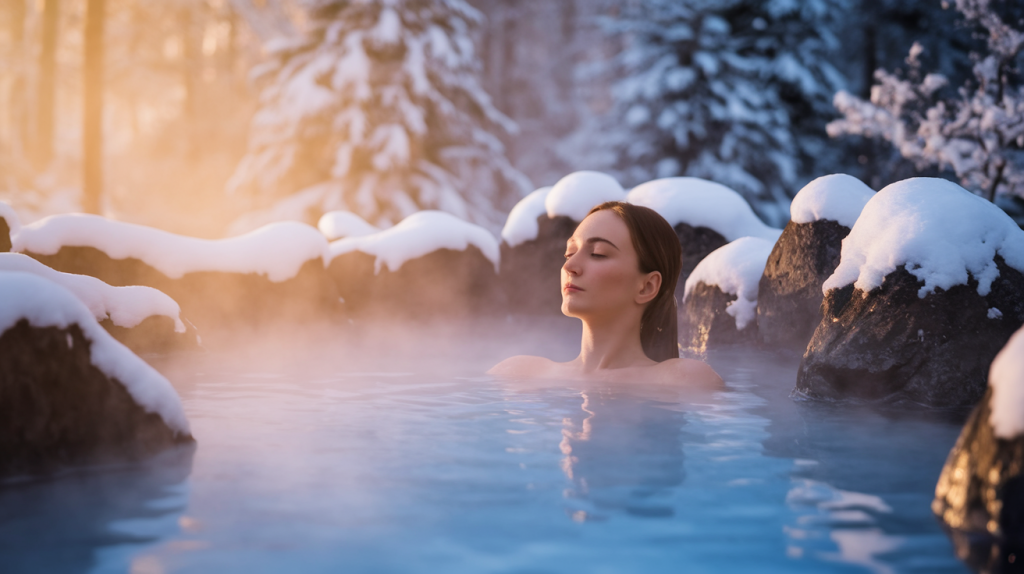
Timing matters when you’re planning onsen experiences. Winter offers the ultimate contrast—soaking in steaming water while snow falls around you creates pure magic, especially at mountain onsen. The cold air on your face while your body stays toasty warm is unforgettable.
Spring brings cherry blossoms to many onsen towns, adding pink beauty to your relaxation. Autumn delivers spectacular foliage, particularly at mountain and forest locations. Summer is actually the least popular season for hot spring bathing (for obvious reasons), but coastal onsen stay pleasant, and you’ll find fewer crowds.
Most onsen facilities provide everything you need: towels, yukata robes, toiletries, and hair dryers. Higher-end ryokan include these in your room. However, bring your own razor if you want to shave, and consider packing contact lens solution since steamy environments aren’t glasses-friendly.
For booking, major platforms like Booking.com and Agoda list many onsen ryokan with English support. For more traditional or remote locations, Japan-specific sites like Japanese Guest Houses or Japanican offer better selection. Book at least 2-3 months ahead for popular destinations during peak seasons.
Language basics help tremendously. Learn to recognize the kanji for “hot water” (湯), “man” (男), and “woman” (女). Download Google Translate’s offline Japanese pack. Most importantly, don’t stress—onsen staff have seen confused foreign visitors before and genuinely want to help you enjoy the experience.
Mountain Retreats: Onsen Experiences with Breathtaking Alpine Views
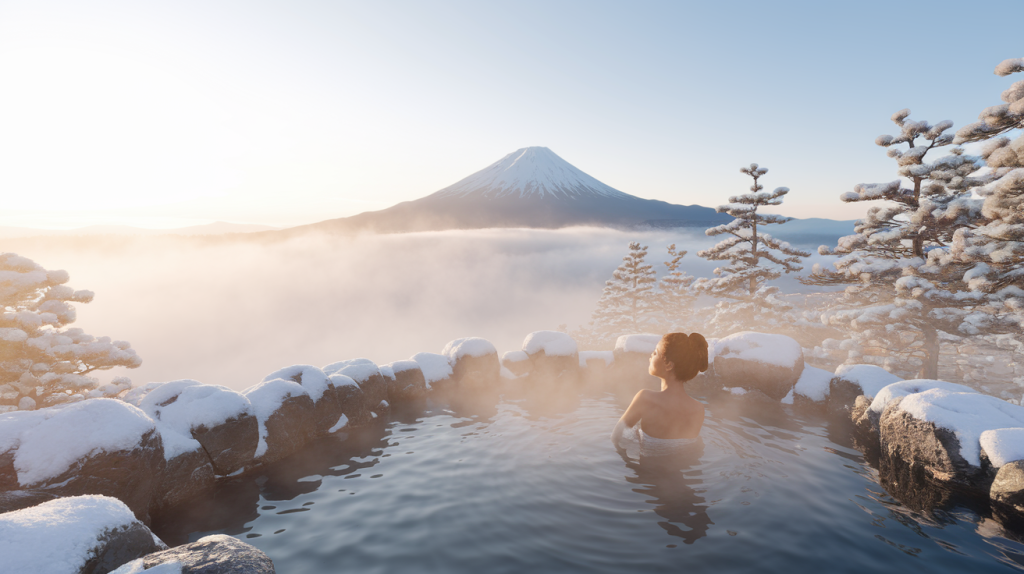
Hakone’s Scenic Hot Springs (Near Tokyo)
Hakone delivers the perfect introduction to onsen culture, just 90 minutes from Tokyo by train. The real draw? Soaking in outdoor rotenburo baths while Mount Fuji dominates the horizon, its snow-capped peak reflecting in the water on clear days.
The Hakone area contains numerous hot spring sources, each with different mineral compositions and therapeutic benefits. You’ll find everything from milky-white sulfur springs to crystal-clear alkaline waters. The variety means you can try multiple onsen experiences in one trip.
Getting there is remarkably easy. Take the Odakyu Romance Car directly from Shinjuku Station—it’s comfortable, scenic, and requires zero transfers. Once in Hakone, the comprehensive transportation pass covers buses, cable cars, and the famous pirate ship across Lake Ashi.
For budget-conscious travelers, public bath houses like Tenzan Onsen offer authentic experiences for around ¥1,500. Mid-range options include Hakone Yumoto’s numerous day-use onsen facilities. If you’re ready to splurge, Gora Kadan ryokan provides luxury accommodations with private onsen baths and exquisite kaiseki dining.
The best strategy? Combine onsen bathing with Hakone’s other attractions. Visit the Open-Air Museum in the morning, grab lunch in Gora, soak away your fatigue at an onsen in the afternoon, then catch sunset views from Lake Ashi. This balanced approach gives you culture, nature, and relaxation in one perfect day trip.
Muwa Niseko (Hokkaido)
Muwa Niseko represents the ultimate fusion of adventure and relaxation. Located at the base of Grand Hirafu Ski Resort, this luxury property lets you ski all day, then literally walk back to your room’s private onsen bath. No shuttle buses, no waiting—just immediate access to therapeutic hot water when your muscles need it most.
The real showstopper? Four infinity onsen pools on the seventh floor that seem to merge with the sky. As you soak, Mount Yotei rises dramatically in the distance, earning its nickname as “Hokkaido’s Mount Fuji.” During winter, you’re surrounded by snow-covered peaks. In summer, the mountain turns lush green, creating an entirely different but equally stunning backdrop.
Every room includes its own ensuite hot spring bath, which means you can soak at 3 AM if that’s when your body craves it. This flexibility transforms the onsen experience from a scheduled activity into an integrated wellness practice.
Beyond the onsen, Muwa offers spacious accommodations that blend Japanese minimalism with modern comfort, plus dining options that highlight Hokkaido’s incredible local ingredients—think fresh seafood, premium beef, and seasonal vegetables.
The location works beautifully for non-skiers too. Summer and autumn bring hiking trails, mountain biking, and the chance to experience onsen without the winter crowds. The therapeutic benefits actually intensify after physical activity, making this perfect for active travelers who want to push their bodies during the day and heal them at night.
Kamikochi Alpine Onsen (Japanese Alps)
Kamikochi offers something increasingly rare: genuine wilderness combined with accessible hot springs. This protected valley in the Northern Japanese Alps restricts vehicle access, which means pristine air, crystal-clear rivers, and mountain views that haven’t been compromised by development.
The onsen here are remote by design. You’ll hike through ancient forests, cross suspension bridges over turquoise rivers, and climb gradual trails before reaching hidden hot spring treasures. The effort makes the reward even sweeter—imagine peeling off your hiking boots and sinking into natural hot water while surrounded by 3,000-meter peaks.
Kamikochi Onsen Hotel and Tokusawa-en offer the most accessible options, providing comfortable lodging with excellent onsen facilities right in the valley. These traditional mountain lodges serve hearty meals perfect for refueling after hiking, and their rotenburo baths let you soak under star-filled skies.
Timing is crucial here. The valley is only accessible from mid-April through mid-November due to heavy snow. Late April through May brings fresh greenery and rushing snowmelt in the rivers. October delivers spectacular autumn colors—the mountain slopes turn gold and crimson, creating postcard-perfect views from every onsen bath.
The hiking trails range from easy riverside walks to challenging mountain ascents. Even if you’re not an experienced hiker, the flat trail along the Azusa River takes just an hour and delivers stunning scenery. For serious trekkers, routes to Mount Yari and Mount Hotaka provide multi-day adventures with mountain hut stays and high-altitude onsen experiences.
Coastal & Island Onsen: Where Ocean Meets Hot Springs
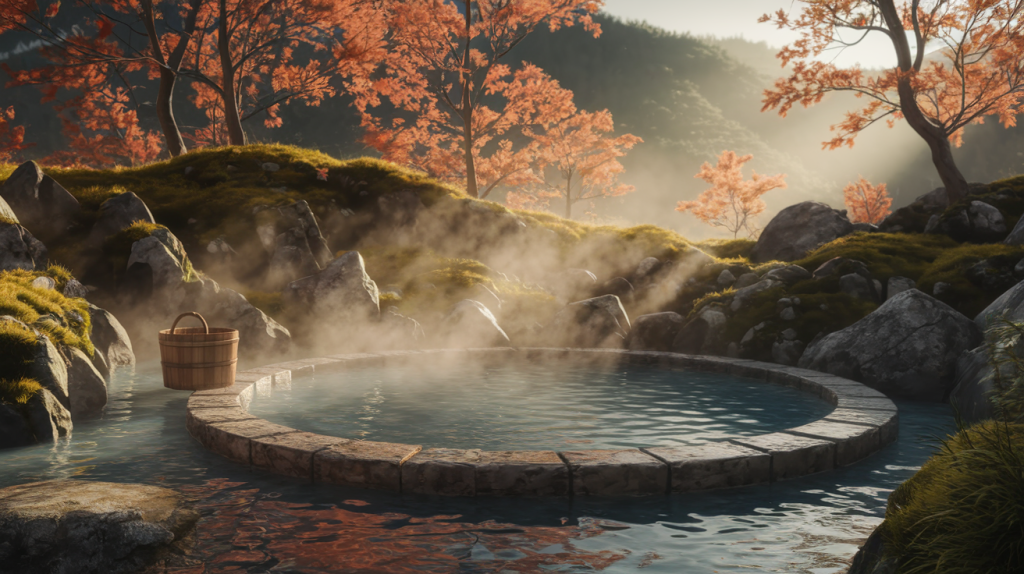
Beppu’s Famous “Hells” and Beach Onsen (Kyushu)
Beppu isn’t just an onsen town—it’s the onsen capital of Japan, producing more hot spring water than any other location in the country. Eight distinct thermal areas bubble up throughout the city, each with unique mineral compositions and temperatures.
Start with the “jigoku” (hell) hot springs, which are too hot for bathing but spectacular for viewing. Umi Jigoku (Sea Hell) glows an otherworldly cobalt blue. Chinoike Jigoku (Blood Pond Hell) bubbles red from iron oxide. These geothermal wonders demonstrate the raw power beneath Beppu’s surface—the same volcanic energy that heats your bath water.
The beach onsen experiences are where Beppu truly shines. At Beppu Beach Sand Bath, staff bury you up to your neck in naturally heated black sand. The weight and warmth create deep muscle relaxation, and the mineral-rich sand delivers therapeutic benefits through your skin. It’s weird, wonderful, and surprisingly effective for relieving tension.
For traditional soaking, Takegawara Onsen offers a historic public bathhouse experience in a beautiful Meiji-era building. The water here is simple thermal water—not heavily mineralized—which makes it gentle enough for extended soaking sessions.
Exploring Beppu’s eight thermal areas (called “hatto”) could fill several days. Each area has its own character: Kannawa for steam cooking and hell tours, Hamawaki for beach baths, Myoban for sulfur springs. Pick up a day pass that grants access to multiple public baths, then create your own onsen-hopping adventure.
The practical setup makes Beppu perfect for first-time onsen visitors. English signage is common, prices are reasonable (many public baths cost just ¥200-500), and the city’s compact size means you can walk or take short bus rides between locations.
Seaside Rotenburo Experiences
Oceanfront onsen create a sensory experience unlike any other. You’re soaking in steaming mineral water while cold ocean spray occasionally reaches you and waves crash against rocks just meters away. The contrast between hot and cold, fresh water and salt air, creates invigorating relaxation.
The best coastal onsen are carved into cliffsides or built on rocky outcrops, positioning baths right at the ocean’s edge. During high tide, waves sometimes splash into the pools, creating natural mixing of hot spring and seawater. At low tide, you can see tide pools and marine life from your bath.
Sunset soaking sessions deliver pure magic. Watch the sun sink into the Pacific while you’re chest-deep in therapeutic water, the sky turning orange and pink, the temperature dropping as darkness arrives but you stay perfectly warm. These moments stick with you long after your trip ends.
Safety matters with tidal outdoor baths. Check tide schedules before visiting—some baths become inaccessible or dangerous during high tide. Look for warning signs and rope barriers. If you’re unsure, ask staff about the best times to use outdoor facilities.
Top coastal destinations include the Izu Peninsula (easily reached from Tokyo), which offers dozens of oceanfront onsen with varying levels of luxury. Shirahama on the southern tip provides particularly dramatic rocky coast settings. For a more remote experience, the Shimoda area combines historical significance with excellent seaside hot springs.
Island Paradise Hot Springs
Japan’s smaller islands hide some of the country’s most peaceful onsen experiences. These locations require more effort to reach, which means fewer crowds and deeper immersion in island culture.
Yakushima, the mystical island that inspired Princess Mononoke, offers hot springs surrounded by ancient cedar forests. After hiking through moss-covered trails, soaking in an onsen while jungle sounds echo around you feels like stepping into another world. The island’s Hirauchi Kaichu Onsen sits right on the beach, accessible only during low tide—timing your visit adds adventure to relaxation.
The Izu Islands, scattered south of Tokyo in the Pacific, each have their own hot spring character. Niijima features open-air baths carved into coastal rocks, free to use and spectacularly positioned. Kozushima offers a similar experience with even fewer visitors.
For ultimate seclusion, Tokara Islands between Kyushu and Okinawa provide truly off-the-beaten-path onsen experiences. Getting there requires overnight ferries and flexible schedules, but the reward is having pristine hot springs almost to yourself.
Island-hopping itineraries work beautifully for dedicated onsen enthusiasts. Spend 2-3 days per island, rent bicycles or scooters for exploring, stay in small family-run minshuku (guesthouses), and soak multiple times per day. This slow travel approach lets you genuinely unwind instead of rushing between tourist attractions.
The combination of beach relaxation and hot spring therapy creates a complete wellness experience. Swim in the ocean to cool down between onsen sessions. Try local island seafood. Watch fishermen bring in their daily catch. This is Japanese island life at its most authentic and relaxing.
Traditional Ryokan Onsen: The Complete Authentic Experience
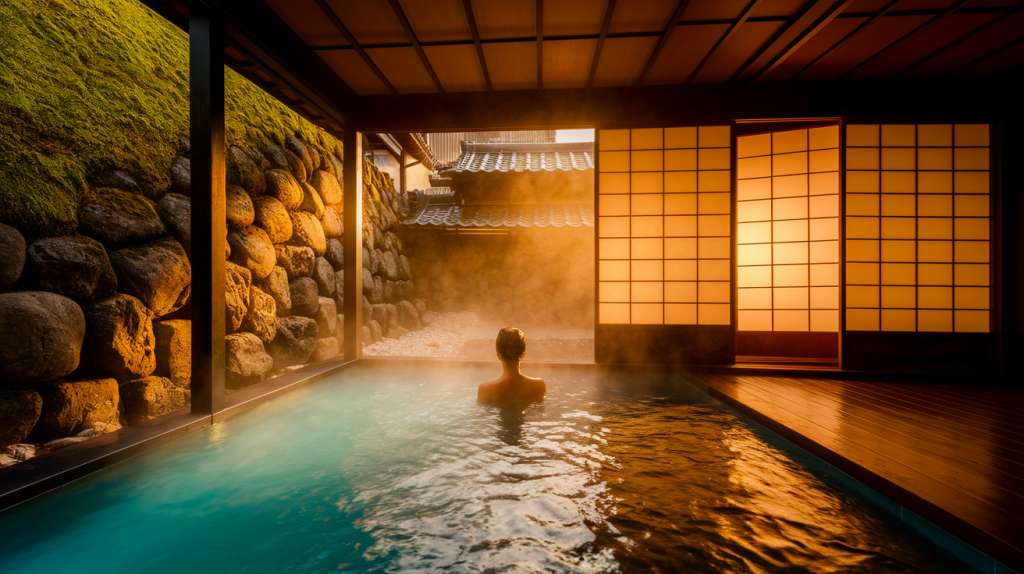
What Makes Ryokan Onsen Stays Special
Staying at a traditional ryokan transforms onsen bathing from an activity into a complete cultural immersion. These Japanese inns have perfected the art of hospitality over centuries, creating experiences where every detail serves your relaxation.
Private in-room onsen baths are the ultimate luxury. Step out onto your room’s wooden deck, slip into your personal hot spring bath, and soak while gazing at a private garden or mountain view. No schedules, no other guests, no self-consciousness—just you and therapeutic water whenever you want it. This privacy lets couples, families, or solo travelers customize their experience completely.
The kaiseki dining experience pairs perfectly with onsen bathing. These elaborate multi-course meals showcase seasonal ingredients prepared with artistic precision. Each dish arrives at the optimal moment, beautifully plated, explaining a story about the region and season. You’ll taste local specialties you’d never encounter otherwise, from mountain vegetables to regional fish preparations.
Multi-day stays unlock the deepest benefits. Your first day, you’re still carrying stress from normal life. By day two, your body starts truly relaxing. Day three brings mental clarity and genuine rejuvenation. The Japanese concept of “toji” (hot spring therapy) traditionally involves week-long stays specifically because sustained onsen bathing provides cumulative benefits.
The ryokan rhythm encourages this deep rest. Arrive in the afternoon, change into your provided yukata robe, take a pre-dinner bath. Enjoy kaiseki dinner in your room or a private dining area. Take an evening bath under stars. Sleep on a futon laid out on tatami mats. Wake to a traditional Japanese breakfast, then take a morning bath before checkout. This routine strips away modern stress and replaces it with simple, restorative pleasures.
Top Ryokan Destinations for First-Time Visitors
Choosing your first ryokan experience can feel overwhelming—prices range from reasonable to astronomical, and knowing what you’re paying for matters.
Near Tokyo, Hakone and Izu offer the most accessible options with excellent English support. Gora Kadan in Hakone provides luxury without pretension, while Arai Ryokan in Izu delivers authentic tradition at mid-range prices. Both welcome foreign guests warmly and explain customs clearly.
Kyoto area ryokan, particularly in Kibune and Kurama, combine cultural sightseeing with onsen relaxation. You can explore temples during the day, then return to your ryokan for evening bathing and kaiseki dinner. This balance works perfectly for travelers who want both cultural immersion and wellness experiences.
Expect to pay ¥20,000-40,000 per person per night for mid-range ryokan with meals included. Luxury properties start around ¥50,000 and can exceed ¥100,000 for the most exclusive experiences. Budget options around ¥10,000-15,000 exist but usually skip private baths and offer simpler meals.
What to expect: Check-in happens around 3 PM. Staff will show you to your room, explain facilities, and serve welcome tea. Dinner typically occurs between 6-8 PM. Checkout is usually 10-11 AM. The entire experience feels unhurried—that’s intentional.
Booking platforms like Booking.com and Agoda list many ryokan, but for better selection and often better prices, use Japanese Guest Houses or Relux. These Japan-focused platforms provide detailed property descriptions, clear photos, and English customer service that understands ryokan culture.
Making the Most of Your Ryokan Experience
Ryokan etiquette is simpler than you think, and staff genuinely want you to feel comfortable, not stressed about rules.
In communal bathing areas, follow the same etiquette as any onsen: wash thoroughly first, keep your towel out of the water, stay quiet and respectful. The difference at ryokan is the quality—these baths are often fed by private hot spring sources and maintained meticulously.
For meals, arrive on time (staff will tell you when). It’s polite to try everything served, but you don’t have to finish every dish if portions overwhelm you. Complimenting the food and thanking staff shows appreciation. If you have dietary restrictions, mention them when booking—most ryokan accommodate vegetarian, allergic, or religious requirements with advance notice.
The perfect daily routine: Take your first bath in late afternoon when you arrive, letting travel stress melt away. Enjoy dinner around 7 PM. Take an evening bath around 9 PM after your food has digested. Sleep deeply in your futon. Wake early for a morning bath (6-7 AM is magical when you have facilities to yourself). Enjoy breakfast around 8 AM. Take one final short bath before checkout if time allows.
Learning a few Japanese phrases enhances your experience tremendously. “Itadakimasu” before meals (roughly “I gratefully receive”), “Gochisosama deshita” after meals (“That was a feast”), “Arigatou gozaimasu” (thank you), and “Sumimasen” (excuse me) cover most situations. Staff will appreciate your effort and often become more helpful and friendly when they see you trying.
Most importantly, surrender to the experience. Put your phone away. Skip the Instagram photos for once. Just be present in the moment—soaking in healing water, tasting incredible food, sleeping on tatami, waking to mountain views. This is what ultimate relaxation actually feels like.
Your Path to Ultimate Onsen Relaxation
You’ve just discovered seven distinct ways to experience Japan’s incredible hot spring culture. From Hakone’s accessible Mount Fuji views to Muwa Niseko’s ski-in luxury, from Beppu’s diverse thermal areas to remote island paradises, from Kamikochi’s alpine wilderness to oceanfront baths where waves crash nearby, and finally to traditional ryokan that deliver complete cultural immersion—each offers unique paths to genuine relaxation.
The key takeaway? Onsen experiences work because they address wellness holistically. The mineral-rich waters heal your body. The natural settings calm your mind. The cultural rituals create mindfulness. The combination delivers therapeutic benefits that outlast your vacation.
Your first step is choosing which type of onsen experience matches your travel style. Adventure seekers should target mountain retreats like Kamikochi or Muwa Niseko. Beach lovers will find paradise in coastal and island hot springs. Culture enthusiasts need the complete ryokan experience. Budget travelers can enjoy Beppu’s affordable public baths. Luxury seekers should splurge on private in-room onsen at high-end ryokan.
Start Planning Your Hot Spring Journey Today
Fitting onsen into your Japan itinerary is easier than you think. Even a quick day trip from Tokyo to Hakone provides meaningful benefits. A single night at a ryokan creates memories that last for years. A full week of island-hopping onsen adventures might just change how you think about travel and wellness entirely.
Don’t let perfect be the enemy of good. You don’t need to visit all seven destinations or spend a fortune to experience onsen magic. One authentic hot spring bath—whether it’s a ¥500 public facility or a luxury private pool—will show you why Japanese people have treasured this practice for over a millennium.
The therapeutic benefits appear quickly. After just one 20-minute soak, you’ll feel muscle tension release. After a full day of multiple baths, you’ll sleep more deeply than you have in months. After several days, you’ll understand why “onsen cure” is a legitimate wellness concept in Japan.
Ready to transform your Japan trip into a healing journey? Pin your favorite destinations from this guide so you can reference them while planning. Drop a comment telling me which onsen experience appeals to you most—I love hearing what draws different travelers to hot spring culture.
Then take the next step: check availability at your chosen destination, book that ryokan room, or add Hakone as a day trip to your Tokyo itinerary. Your body has been asking for this kind of deep relaxation. Japan’s onsen are ready to deliver it. All that’s left is saying yes to the experience.