Itsukushima Shrine & Miyajima Island Travel Guide

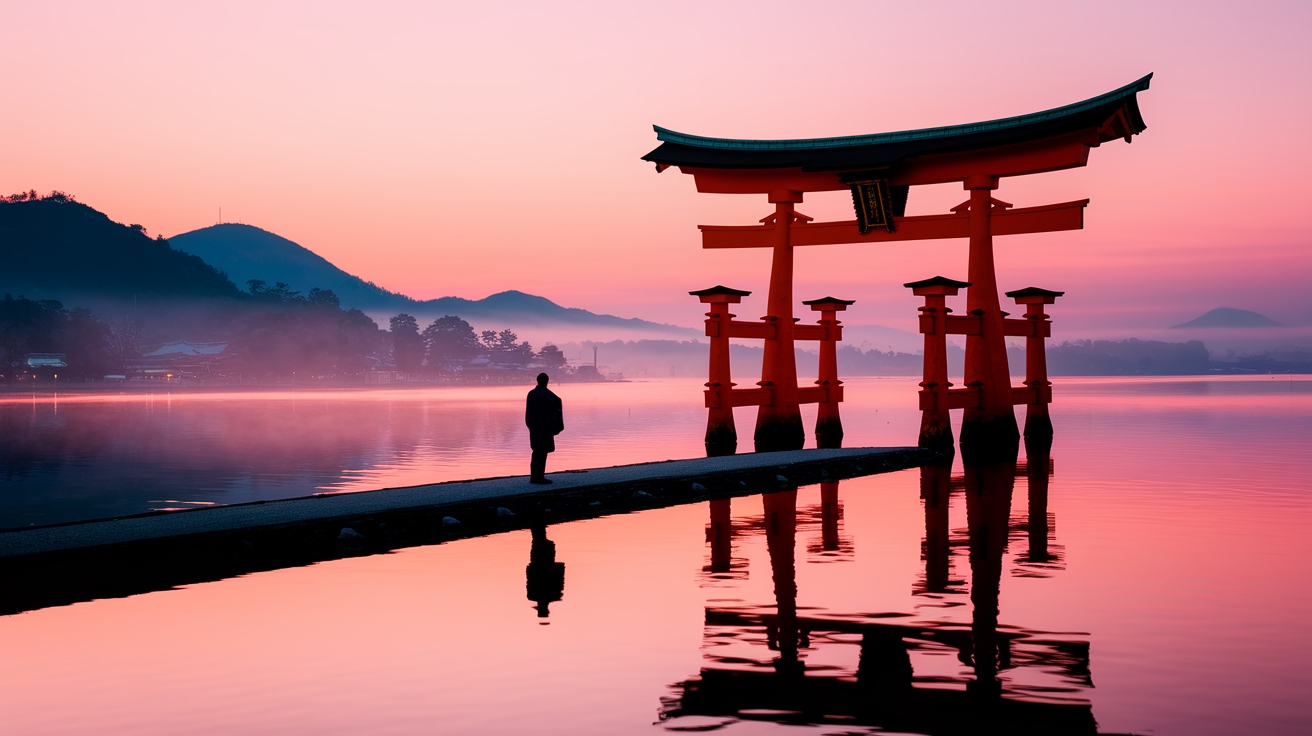
Picture this: a massive vermilion gate rising from the sea, appearing to float on water as waves lap gently around its base. This isn’t a dream—it’s Itsukushima Shrine, and it’s waiting for you on Miyajima Island.
Every year, millions of travelers make the pilgrimage to this UNESCO World Heritage site, and for good reason. The “floating shrine” delivers an experience that photographs simply can’t capture. The way the light dances across the water at sunset, the peaceful sound of waves beneath ancient wooden corridors, the spiritual atmosphere that permeates every corner—this place transforms how you think about sacred architecture.
What makes Itsukushima truly special? It’s one of Japan’s most photographed landmarks, yet it manages to feel intimate and personal. The shrine complex sits right at the water’s edge, creating a stunning harmony between human craftsmanship and natural beauty that’s defined Japanese aesthetics for over 1,400 years.
This guide gives you everything you need for a perfect visit. You’ll learn the essential timing secrets that separate amazing photos from disappointing ones, discover how to navigate the island efficiently, and understand what makes this shrine so spiritually significant. Whether you’re planning a quick day trip from Hiroshima or considering an overnight stay for the ultimate peaceful experience, you’ll find proven strategies and insider tips throughout.
Your Miyajima adventure starts with understanding one crucial fact: timing changes everything here. The tides transform the entire landscape every six hours, creating two completely different experiences at the same location. Master this detail, and you’ll capture memories that last forever.
Planning Your Perfect Itsukushima Shrine Visit: Essential Timing Tips
Understanding the Tides: The Key to Amazing Photos
Here’s the truth that transforms ordinary visits into extraordinary ones: the tides at Itsukushima completely change your experience. This isn’t a minor detail—it’s the single most important factor in planning your trip.
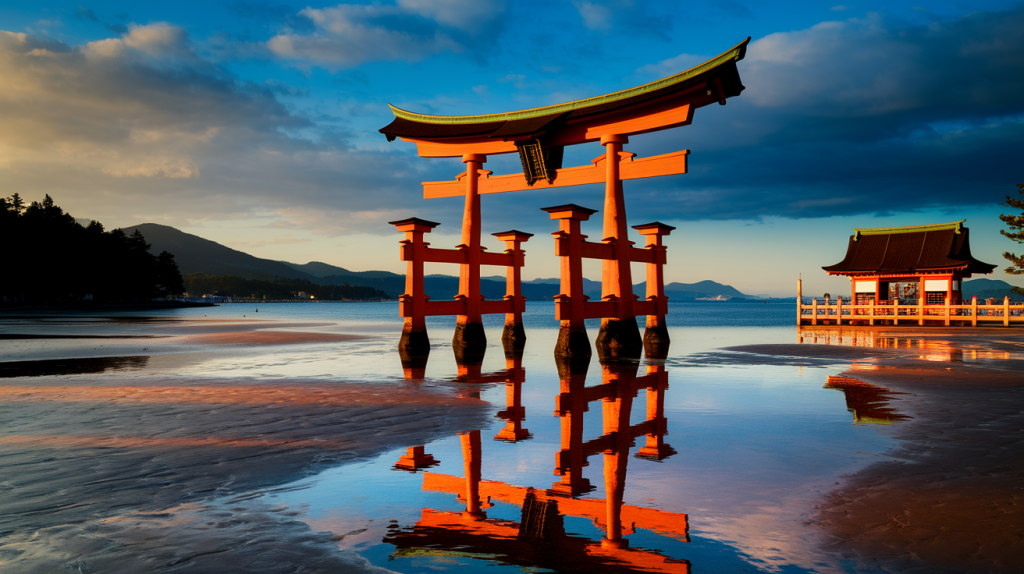
During high tide, the Great Torii Gate appears to float mysteriously on the water, creating that iconic image you’ve seen in countless photos. The shrine’s vermilion corridors extend over the sea, and the entire complex seems to rise from the waves themselves. This is when the “floating shrine” truly earns its name. The water reflects the gate and buildings, doubling the visual impact and creating photo opportunities that will make your friends back home incredibly jealous.
Low tide reveals a completely different world. The water recedes, exposing the sandy sea floor and allowing you to walk right up to the base of the massive torii gate. You can examine the gate’s construction up close, touch the ancient wood (respectfully), and collect shells around its foundation. Many visitors actually prefer this experience because it offers unique perspectives impossible during high tide.
The smart approach? Experience both tides if your schedule allows. Each offers distinct advantages and creates different emotional responses.
Checking tide schedules takes two minutes and prevents disappointment. The official Miyajima tourism website publishes daily tide tables, or you can use standard tide prediction apps. Look for times when high tide reaches at least 250cm for the best floating effect. Plan to arrive about 30 minutes before peak high tide to watch the transformation happen.
Pro tip: Screenshot the tide schedule on your phone before you go. Cell service can be spotty on parts of the island, and you don’t want to waste time searching for WiFi when you could be taking photos.
Best Seasons and Times of Day for Your Visit
Spring brings cherry blossoms that frame the shrine in delicate pink clouds, typically blooming from late March through early April. The contrast between soft pink petals and bold vermilion architecture creates stunning visual harmony. Autumn delivers equally spectacular views when maple trees surrounding the shrine explode in fiery reds and oranges, usually peaking in mid-November.
Summer means warm weather and longer daylight hours, giving you more flexibility with tide timing. However, it also brings the biggest crowds and humid conditions. Winter offers crisp, clear days with far fewer tourists, though you’ll need warm layers for the ferry ride.
Early morning visits deliver the ultimate peaceful experience. Arrive on the first ferry (around 6:00 AM), and you’ll have the shrine practically to yourself. The morning light creates softer shadows perfect for photography, and you can hear the waves and shrine bells without competing with crowd noise. This timing works especially well for photographers chasing that perfect shot.
Golden hour—the hour before sunset—produces magical lighting conditions. The setting sun bathes the torii gate in warm, golden light that intensifies the vermilion color. The water glows, the mountains create dramatic silhouettes, and everything takes on an ethereal quality. Check sunset times for your visit date and plan to be positioned at the shrine about 45 minutes beforehand.
Weather considerations matter year-round. Rain actually enhances the mystical atmosphere, creating mirror-like reflections and adding drama to photos. Don’t let cloudy forecasts discourage you—some of the most atmospheric shots happen under overcast skies.
How Long to Stay on Miyajima Island
A quick 3-4 hour visit covers the essential highlights. You can see the shrine, walk up to the torii gate (during low tide), meet some deer, and grab lunch on Omotesando Shopping Street. This works perfectly for travelers on tight schedules or those combining Miyajima with other Hiroshima attractions.
The ideal itinerary spans a full day. This gives you time to experience both high and low tides, explore beyond the main shrine area, hike partway up Mount Misen for panoramic views, and enjoy the island’s relaxed pace without rushing. You’ll actually feel like you’ve experienced Miyajima rather than just checking it off your list.
Staying overnight unlocks the island’s true magic. Day-trippers leave on evening ferries, and suddenly Miyajima transforms into a peaceful sanctuary. You can stroll along the waterfront under stars, experience the shrine illuminated at night, and wake up to morning prayers echoing across the water. The island has several traditional ryokan (Japanese inns) and modern hotels that offer this premium experience.
Here’s a simple planning formula: Check the tide schedule first, then work backward. If high tide peaks at 2:00 PM, plan to arrive around 11:00 AM. This gives you time to explore during rising tide, experience peak high tide, grab lunch, then see low tide in late afternoon. Perfect timing creates the complete experience.
Getting There: Easy Transportation Guide
Simple Ferry Access from Hiroshima
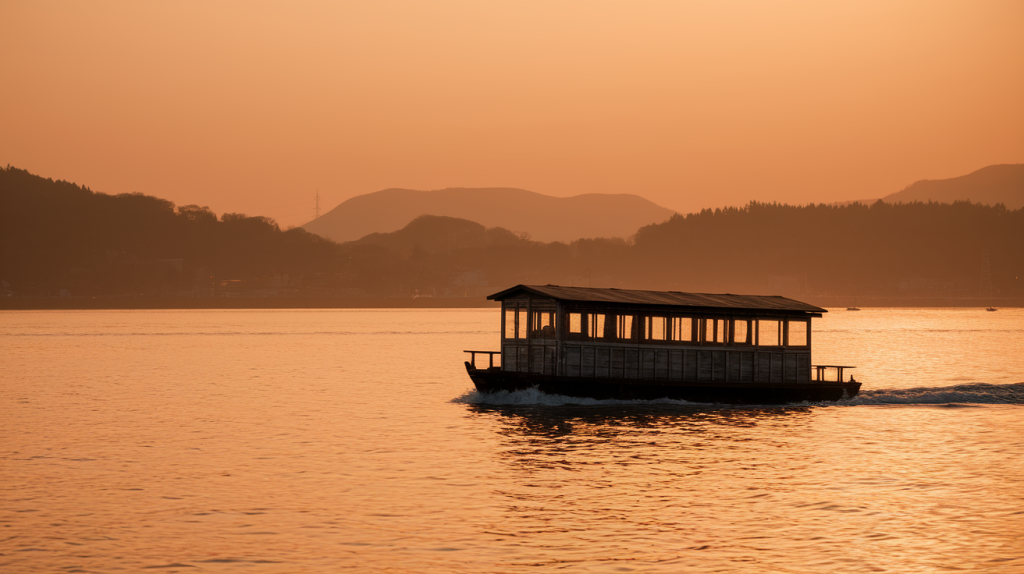
Two ferry companies operate between mainland Japan and Miyajima Island: JR Ferry and Miyajima Ferry. Both depart from Miyajimaguchi port, both take about 10 minutes, and both cost the same (180 yen one-way). The main difference? JR Ferry routes closer to the Great Torii Gate during the crossing, offering better photo opportunities from the water.
Getting to Miyajimaguchi from Hiroshima Station takes 25 minutes on the JR Sanyo Line. Trains run frequently throughout the day, and the route is straightforward—just follow signs for “Miyajimaguchi” or “Iwakuni.” The station sits directly adjacent to the ferry terminal, making transfers seamless.
JR Pass holders score a significant advantage here. Your pass covers both the train to Miyajimaguchi AND the JR Ferry to the island at no extra cost. This saves 540 yen round-trip per person—not huge money, but it adds up for families or groups. Simply show your pass at the JR Ferry gate instead of buying a ticket.
Ferry schedules run from early morning (around 6:00 AM) until late evening (around 10:00 PM), with boats departing every 15-30 minutes depending on time of day. You’ll rarely wait more than a few minutes. The last ferry back to the mainland leaves around 10:00 PM, but double-check the schedule if you’re staying late.
The ferry ride itself offers your first spectacular views of the torii gate rising from the sea. Stake out a spot on the right side of the boat (heading to the island) for the best angles. On clear days, you’ll see the gate from several minutes away, growing larger as you approach.
From Miyajima Ferry Terminal to the Shrine
The walk from the ferry terminal to Itsukushima Shrine takes a leisurely 10 minutes along a waterfront promenade. You can’t get lost—just follow the coast to your left, and the massive torii gate serves as a visual beacon guiding you forward.
The deer start appearing almost immediately after you exit the ferry terminal. These friendly locals wander freely throughout the island, and they’ll casually accompany you toward the shrine. They’re accustomed to people and generally well-behaved, though they will investigate bags and pockets searching for food.
The path is completely accessible for wheelchairs, strollers, and anyone with mobility concerns. It’s paved, flat, and wide enough to accommodate crowds comfortably. You’ll pass souvenir shops, restaurants, and traditional buildings that set the scene for your shrine visit.
Along the way, you’ll spot several photo opportunities worth pausing for: the five-story pagoda rising against the mountain backdrop, traditional merchant houses with distinctive architecture, and various angles of the torii gate growing closer. Don’t rush this walk—it’s part of the experience.
Street vendors sell fresh oysters, grilled fish, and momiji manju (maple leaf-shaped cakes) from small stalls. The aromas alone make the walk memorable.
Practical Tips for Smooth Travel
Timing your departure from Hiroshima based on tide schedules maximizes your experience. If high tide peaks at 2:00 PM on Miyajima, leave Hiroshima around 10:30 AM. This accounts for the 25-minute train ride, brief ferry wait, 10-minute crossing, and walk to the shrine, putting you there around 11:30 AM—perfect for watching the tide rise.
Luggage storage lockers are available at both Hiroshima Station and Miyajima ferry terminal. Sizes range from small (300 yen) to large (600 yen). Store your bags before heading to the island—you don’t want to lug a suitcase around while trying to photograph the shrine or navigate crowded shopping streets.
The day trip versus overnight decision affects your transportation planning. Day-trippers can leave bags at Hiroshima Station and return there for evening activities. Overnight guests should bring essentials in a small bag and store the rest at their Hiroshima hotel or use Miyajima’s lockers.
Money-saving combination tickets exist but offer minimal savings for most travelers. The JR Pass already covers your main transportation costs. However, if you plan to ride the Mount Misen ropeway (1,800 yen round-trip), check for combination tickets at the ferry terminal that bundle ropeway access with other attractions.
Exploring the Shrine: Complete Visitor’s Guide
The Iconic Floating Torii Gate
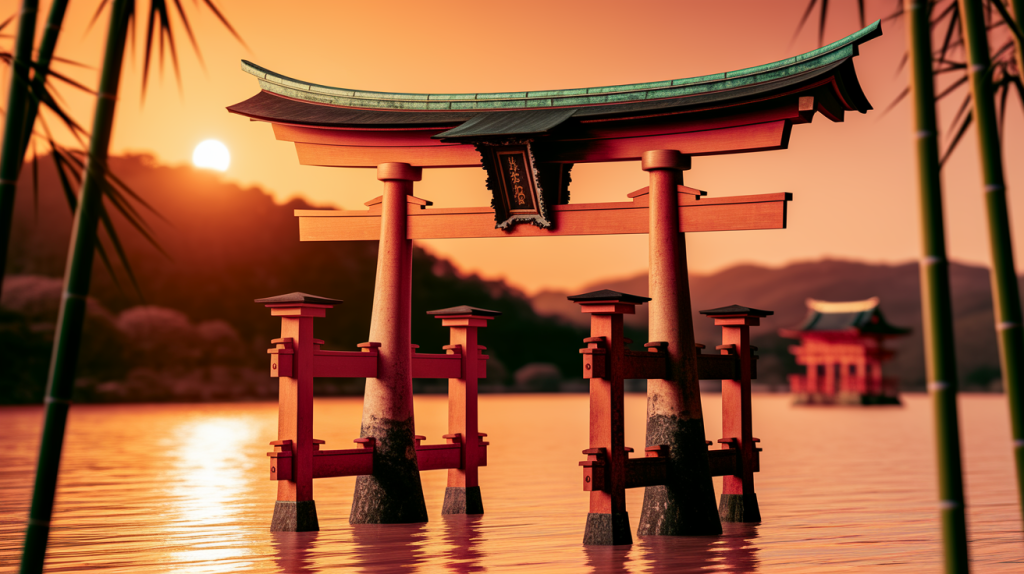
The Great Torii Gate stands 16 meters tall and weighs approximately 60 tons, yet it’s not anchored to the sea floor. The massive camphor wood structure stands through sheer weight and careful balance—a testament to traditional Japanese engineering that’s survived since 1875 (the current gate’s construction date, though gates have stood here since the 12th century).
Why build a gate in the water? The entire island of Miyajima was considered so sacred that commoners couldn’t set foot on it historically. The torii gate marked the entrance to this holy ground, and visitors approached by boat, passing through the gate before reaching the shrine. This design created a symbolic threshold between the everyday world and the sacred realm.
Currently, the torii gate is visible and photogenic, though it undergoes periodic restoration work. The most recent major renovation completed in 2022, restoring the gate’s brilliant vermilion color. Check current status before your visit if the gate’s appearance is crucial to your plans.
Perfect photo spots include the beach directly in front of the shrine during low tide, the shrine’s corridors during high tide, and the waterfront promenade about 100 meters to the right of the shrine (facing the water). Each location offers different perspectives and lighting conditions. Sunset shots work best from the beach or promenade, while midday lighting favors shots from the shrine corridors.
Remember you’re photographing a sacred object. Respectful viewing means not climbing on the gate, not carving into the wood, and being mindful of other visitors trying to capture their own memories. The gate has stood for nearly 150 years—treat it with the reverence it deserves.
Inside the Main Shrine Complex
The vermilion corridors stretch over the water on stilts, creating a stunning architectural feature that defines Itsukushima. During high tide, you’re literally walking above the sea, with waves visible through gaps in the floorboards. The corridors connect various shrine buildings, creating a network of covered walkways that protect visitors from weather while offering constant water views.
The architecture reflects the Heian Period style (794-1185 CE), characterized by elegant simplicity, natural materials, and harmony with the surrounding environment. The buildings feature wooden construction without nails, curved rooflines, and that distinctive vermilion color derived from iron oxide mixed into the paint. This color isn’t just aesthetic—it protects the wood from moisture and insects.
Entrance fees are reasonable: 300 yen for adults, 200 yen for high school students, and 100 yen for elementary and junior high students. Your ticket grants access to the main shrine buildings, corridors, and viewing platforms. The shrine is open from 6:30 AM to 6:00 PM (hours vary slightly by season), and you’ll want at least 30-45 minutes to explore thoroughly.
Inside the shrine complex, you’ll discover cultural treasures including ancient scrolls, ceremonial objects, and architectural details that reveal centuries of devotion. Information plaques (many with English translations) explain the significance of various buildings and objects. The main worship hall features traditional Shinto design elements and offers views straight through to the torii gate—a deliberately designed sightline connecting the sacred architecture.
The shrine remains an active place of worship. You’ll often see priests performing ceremonies, local residents making offerings, and traditional weddings taking place. Observe quietly and respectfully when ceremonies are underway.
Beyond the Main Shrine: Hidden Gems
Senjokaku Pavilion sits on a hill just behind the main shrine, and most visitors walk right past it. This massive wooden hall—literally meaning “pavilion of 1,000 tatami mats”—was commissioned by Toyotomi Hideyoshi in 1587 but never completed. The unfinished state creates a unique atmosphere, with exposed beams, weathered wood, and an open, airy interior. The 100-yen entrance fee is worth it for the peaceful atmosphere and elevated views over the shrine and sea.
The Five-Story Pagoda stands adjacent to Senjokaku, painted in the same vermilion as the shrine. Built in 1407, this elegant structure combines Japanese and Chinese architectural styles. You can’t enter the pagoda, but it creates stunning photo compositions with the shrine and torii gate, especially from certain angles along the approach path.
Old-growth trees surround the shrine complex, some hundreds of years old. These massive camphor and pine trees create a forest atmosphere that enhances the sacred feeling. Walking paths wind through this area, offering quiet contemplation spots away from the main tourist flow.
The shrine honors the Goddess of the Sea (technically three goddesses: Ichikishimahime, Tagorihime, and Tagitsuhime). Understanding this spiritual heritage adds depth to your visit. The location wasn’t chosen randomly—the island’s position, the mountain backdrop, and the tidal patterns all contribute to the site’s sacred significance in Shinto belief.
Making the Most of Your Miyajima Experience

Meeting the Famous Miyajima Deer
Approximately 500 wild sika deer roam freely across Miyajima Island, and you’ll encounter them everywhere—near the ferry terminal, along shopping streets, around the shrine, and on hiking trails. These aren’t zoo animals or pets; they’re genuinely wild deer that happen to be extremely comfortable around humans.
What makes them special? In Shinto belief, deer are considered messengers of the gods. On Miyajima, they’ve been protected for centuries, creating generations of deer with no fear of people. They’re smaller than the famous Nara deer, generally calmer, and less aggressive about food.
Dos and don’ts for safe interactions: Do photograph them from a respectful distance. Do admire their grace and beauty. Do watch for deer crossing paths. Don’t feed them—it’s officially prohibited and disrupts their natural diet. Don’t touch them unless they approach you first. Don’t let them eat paper, plastic, or anything from your bags (they will try). Don’t corner them or block their escape routes.
Perfect photo opportunities happen constantly. Deer posing near the torii gate, deer sleeping under cherry blossoms, deer wandering through shrine grounds—these moments create magical compositions that capture Miyajima’s unique character. Early morning offers the best lighting and calmest deer behavior.
Quick facts: The deer population is managed by island authorities to maintain ecological balance. They’re most active during cooler parts of the day. Fawns appear in early summer, creating adorable photo subjects (admire from distance). The deer shed their antlers annually, and male deer can become more aggressive during autumn mating season.
Essential Shopping and Dining
Momiji manju defines Miyajima’s food culture. These maple leaf-shaped cakes filled with sweet bean paste, chocolate, custard, or other flavors make the perfect souvenir and snack. Shops along Omotesando Shopping Street bake them fresh throughout the day, and the aroma is irresistible. Try them fresh and warm for the best experience—completely different from packaged versions.
Omotesando Shopping Street runs from the ferry terminal toward the shrine, lined with traditional shops selling local crafts, souvenirs, and food. You’ll find everything from hand-carved wooden rice paddles (a Miyajima specialty dating back centuries) to modern souvenirs. The street maintains traditional architecture while offering contemporary shopping convenience.
Fresh oysters are Miyajima’s other culinary claim to fame. The waters around the island produce exceptional oysters, and you’ll find them grilled, fried, in rice dishes, and served raw. Waterfront restaurants and street vendors offer various preparations, all delicious. Don’t leave without trying them at least once.
Traditional tea houses provide peaceful breaks from sightseeing. These establishments serve matcha tea with traditional sweets, offering a chance to rest your feet while experiencing authentic Japanese tea culture. The atmosphere alone justifies the stop—tatami floors, garden views, and unhurried service that encourages relaxation.
Budget about 2,000-3,000 yen per person for a nice lunch including oysters or other local specialties. Street food and casual options run 500-1,000 yen. Momiji manju costs around 100-150 yen each, and boxes of assorted flavors make excellent gifts.
Effective Time Management Tips
Creating your simple itinerary starts with the tide schedule. Write down high tide and low tide times, then build your day around experiencing both. For example: Arrive at 11:00 AM, explore shrine during rising tide, lunch at 1:00 PM, photograph high tide at 2:00 PM, shopping and tea at 3:00 PM, return to shrine for low tide at 5:00 PM, sunset photos at 6:00 PM.
Must-see priorities include the torii gate (both tides if possible), the main shrine complex, and at least one walk along the waterfront. Optional attractions that enhance your visit: Mount Misen hike or ropeway, Daisho-in Temple, Senjokaku Pavilion, and the Miyajima History and Folklore Museum.
Avoiding crowds requires strategic timing. The island fills up between 11:00 AM and 3:00 PM when day-trippers arrive from Hiroshima. Visit the shrine early morning or late afternoon for fewer people. The area behind the main shrine sees far less traffic than the waterfront. Weekdays are quieter than weekends, and visiting during shoulder seasons (May-June, September-October) balances good weather with manageable crowds.
Quick checklist for essential experiences: – Photograph the torii gate from multiple angles – Walk the shrine’s corridors during high tide – Approach the gate’s base during low tide – Try momiji manju fresh from a bakery – Meet the friendly deer (respectfully) – Watch sunset over the Seto Inland Sea – Browse Omotesando Shopping Street – Experience the peaceful atmosphere away from crowds
Don’t try to see everything if it means rushing. Miyajima rewards slow, mindful exploration more than checklist tourism.
Your Amazing Itsukushima Adventure Awaits
Itsukushima Shrine delivers an experience that transcends typical sightseeing. The floating torii gate, the elegant vermilion corridors, the harmony between architecture and nature—these elements combine to create something truly special that photographs can’t fully capture.
Check tide schedules first. This simple step makes the difference between a good visit and an extraordinary one. Experiencing both high and low tides shows you the shrine’s complete character and gives you twice the photo opportunities.
Arrive early, stay flexible, and give yourself time. The peaceful morning atmosphere, the way light changes throughout the day, the rhythm of the tides—these natural cycles can’t be rushed. Build buffer time into your schedule for spontaneous discoveries and unexpected moments of beauty.
Consider staying overnight. If your schedule and budget allow, this option transforms your visit from memorable to unforgettable. The island after dark, morning prayers echoing across the water, sunrise over the torii gate—these experiences belong to overnight guests alone.
Remember you’re visiting a sacred place. Dress modestly (covered shoulders and knees), speak quietly in shrine areas, observe ceremonies respectfully, and treat the deer with kindness. Your respectful behavior honors centuries of spiritual tradition and ensures future visitors can enjoy the same peaceful atmosphere.
This UNESCO World Heritage site deserves your full attention. Put down your phone occasionally. Sit on the beach and watch the tide change. Listen to waves beneath the shrine corridors. Notice how the light reflects off vermilion paint. Let Miyajima work its magic on you.
Ready to experience one of Japan’s most iconic destinations? Start checking those tide schedules, book your accommodation, and prepare for an adventure that will stay with you long after you return home. Itsukushima Shrine isn’t just a place to visit—it’s a place to experience with all your senses, creating memories that last forever.
Your floating shrine adventure begins the moment you step onto that ferry. Make it count.