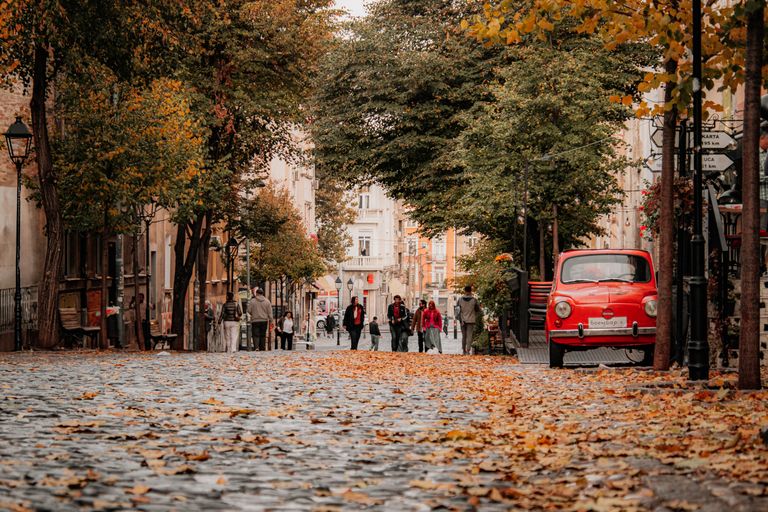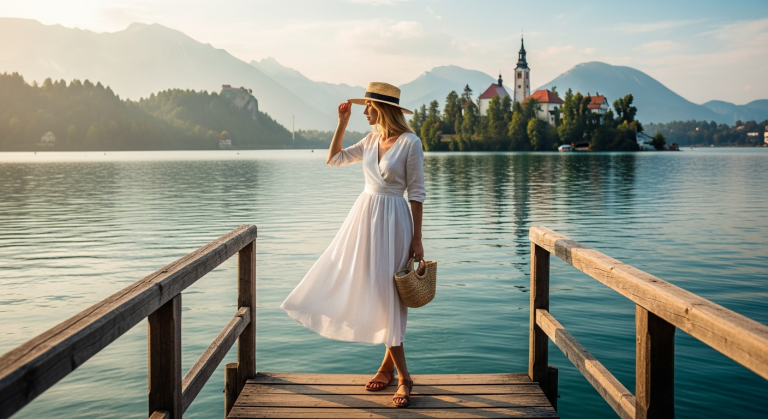
European Travel Outfits & Vacation Style Ideas

You’ve booked the flights, mapped out your European adventure, and now you’re staring at your closet wondering how to pack for cobblestone streets, unpredictable weather, and that effortless European aesthetic you’ve been saving on Pinterest. Here’s the truth: you don’t need an overflowing suitcase to look polished in Paris or sophisticated in Barcelona.
The secret to mastering European travel style isn’t about packing more—it’s about packing smarter. After countless trips across the continent, I’ve cracked the code on creating versatile, stylish outfits that work from morning museum visits to evening wine tastings. This guide delivers everything you need to build a travel wardrobe that’s both practical and impossibly chic.
European travel demands a different approach to packing than your typical beach vacation or weekend getaway. You’re walking 10+ miles daily on uneven cobblestones, transitioning from air-conditioned museums to sunny piazzas, and navigating everything from casual cafés to upscale restaurants—often in the same day.
The challenge? Looking effortlessly stylish while staying comfortable enough to explore for hours. The good news? It’s completely achievable with the right foundation pieces and strategic planning.
European style emphasizes quality over quantity, classic silhouettes over trendy pieces, and neutral palettes accented with personality. Think structured blazers thrown over simple tees, well-fitted jeans paired with elegant flats, and timeless accessories that elevate even the most basic outfit. This aesthetic isn’t just beautiful—it’s incredibly practical for travel.
The biggest mistake travelers make is overpacking “just in case” items or bringing pieces that only work for one specific outfit. Instead, we’re building a curated capsule where every item works with at least three others, creating endless combinations from a compact selection. This approach saves luggage space, eliminates decision fatigue, and ensures you always look put-together.
Whether you’re planning a Mediterranean summer escape, a spring tour through Western European cities, or a winter adventure in Scandinavia, the principles remain the same: invest in versatile basics, choose comfortable footwear, and add personality through accessories. Let’s build your perfect European travel wardrobe.
Essential Building Blocks: The Ultimate European Travel Capsule
The Perfect Neutral Foundation Pieces
Your European travel wardrobe starts with a solid neutral foundation. These pieces form the backbone of every outfit and work seamlessly together, regardless of how you mix them.
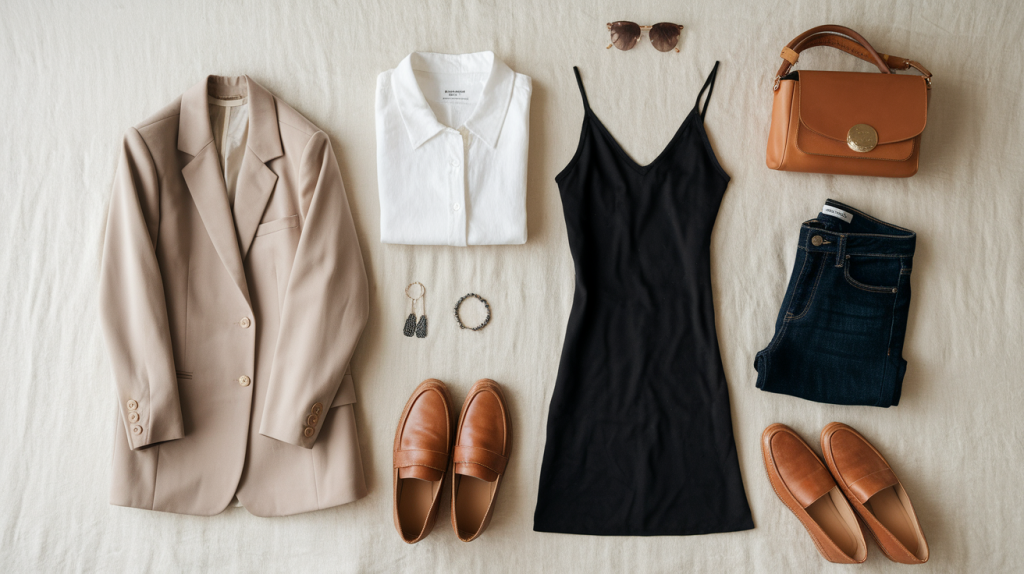
Black pants are non-negotiable. Choose a pair in a wrinkle-resistant fabric that transitions from day to night—think tailored trousers or sleek joggers with a polished finish. Add one pair of dark-wash jeans that fit you perfectly. These two bottoms alone create the foundation for at least six different looks.
For tops, pack three to four neutral pieces in white, cream, black, or soft gray. Include a classic white button-down (linen or cotton works beautifully), a simple black tee in a flattering cut, and a cream or beige knit sweater. These basics layer effortlessly and never look out of place, whether you’re exploring medieval towns or modern cities.
The power of quality basics cannot be overstated. One well-made white tee beats three cheap ones every time. Quality fabrics hold their shape after being packed, resist wrinkles better, and look more expensive. When you’re building a travel capsule, invest in pieces that will last beyond one trip.
Neutral doesn’t mean boring. The key is choosing elevated basics with interesting details—a button-down with mother-of-pearl buttons, a tee with the perfect drape, or pants with a flattering high-rise cut. These subtle touches create a polished look without requiring extra thought.
Statement Pieces That Elevate Everything
Once you’ve established your neutral foundation, add two or three statement pieces that inject personality and visual interest into your outfits.
A printed dress or patterned piece delivers instant European flair. Choose a midi-length dress in a timeless print—think classic stripes, subtle florals, or elegant polka dots. This single piece creates an effortless outfit on days when you don’t want to think about coordinating separates. Look for wrinkle-resistant fabrics that pack well and can be dressed up with a blazer or down with sneakers.
A lightweight blazer or structured jacket transforms every outfit. Throw it over your basic tee and jeans, and suddenly you look like you belong at a Parisian café. Choose a neutral color like navy, camel, or black in a fabric that won’t wrinkle—linen blends work beautifully for warmer months, while wool blends suit cooler seasons.
Accessories add personality without consuming precious luggage space. Pack one versatile crossbody bag in a neutral color, a simple scarf that adds color, and minimal jewelry that works with everything. A silk scarf, for example, dresses up any outfit, doubles as a hair accessory, and takes up virtually no space. Choose pieces that reflect your personal style while maintaining that timeless European aesthetic.
The goal is intentional curation. Every statement piece should work with at least half of your neutral basics, creating multiple outfit combinations from minimal items.
Footwear Essentials for Cobblestone Streets
Footwear makes or breaks your European travel experience. Beautiful shoes mean nothing if you can’t walk in them for hours, but you also don’t want to sacrifice style for comfort.
Comfortable walking shoes that actually look stylish are your number one priority. White leather sneakers remain the gold standard—they’re comfortable enough for all-day exploration, versatile enough to wear with dresses or pants, and blend seamlessly with European street style. Brands like Veja, Common Projects, or even well-designed athletic shoes work beautifully. Break them in thoroughly before your trip.
For warmer destinations, pack sandals or flats that provide adequate support. Leather sandals with arch support, espadrille flats, or minimalist slides all work well. Avoid flip-flops and overly casual footwear—Europeans tend toward more polished casual styles. Choose neutral colors like tan, black, or white that coordinate with your entire wardrobe.
Breaking in your shoes before departure is absolutely non-negotiable. New shoes cause blisters, and blisters ruin travel days. Wear your travel shoes for at least two weeks before your trip, including several long walks. Your feet will thank you when you’re exploring Rome’s historic center or climbing Montmartre’s steps.
Limit yourself to three pairs maximum: walking shoes, dressier flats or sandals, and possibly ankle boots if you’re traveling in cooler months. Each pair should serve multiple purposes and work with most of your outfits. This restraint saves luggage space while ensuring you’re always appropriately shod.
Seasonal Style: What to Wear When You Go
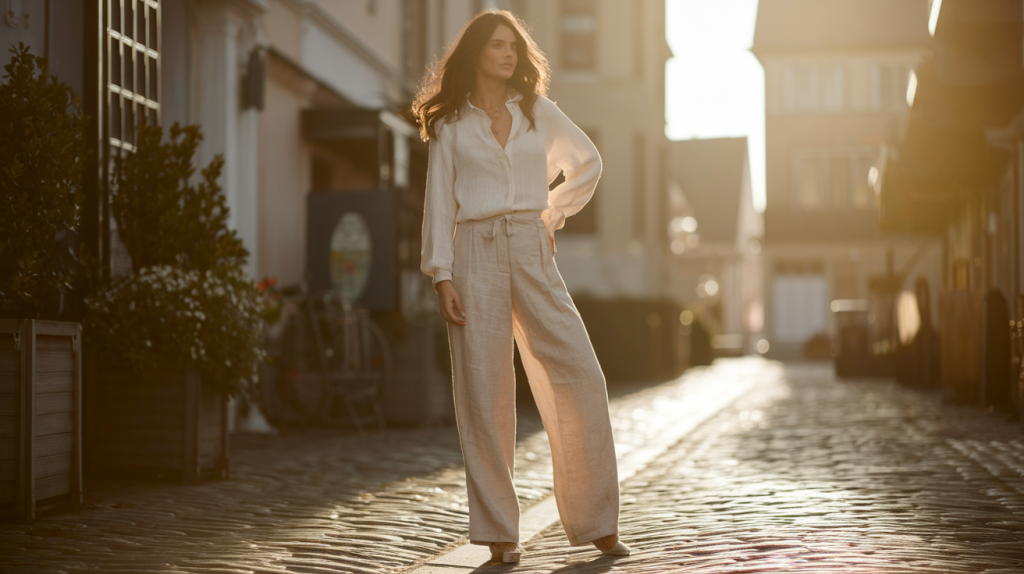
Spring in Europe: Layers Are Your Best Friend
Spring in Europe brings unpredictable weather—sunny mornings turn into rainy afternoons, and temperatures swing dramatically between day and night. Your wardrobe needs to handle these fluctuations without requiring multiple outfit changes.
Easy transitional pieces solve the spring weather puzzle. Start with a base of lightweight long-sleeve tops, add a cardigan or sweater for warmth, and top everything with a weather-resistant outer layer. This system lets you adjust throughout the day by adding or removing layers as needed.
Light sweaters, trench coats, and scarves pack flat and deliver maximum versatility. A classic trench coat works over everything from dresses to jeans, provides wind protection, and looks effortlessly chic. Choose one in a neutral color with a removable lining for temperature flexibility. Cashmere or merino wool sweaters offer warmth without bulk and can be rolled tightly for packing.
Color palettes for spring should capture the season’s fresh aesthetic while remaining practical. Think soft neutrals accented with pastels—cream, beige, and gray paired with dusty pink, sage green, or sky blue. These colors photograph beautifully against European architecture and feel appropriately seasonal without being overly trendy.
Pack at least one lightweight scarf in a complementary color. Scarves add warmth when temperatures drop, dress up simple outfits, and protect against unexpected rain or wind. Choose natural fabrics like cotton, linen, or silk that breathe well and pack compactly.
Summer European Outfits: Breathable and Chic
Summer in European cities means heat, crowds, and long days of exploration. Your outfits need to keep you cool while maintaining that polished European aesthetic.
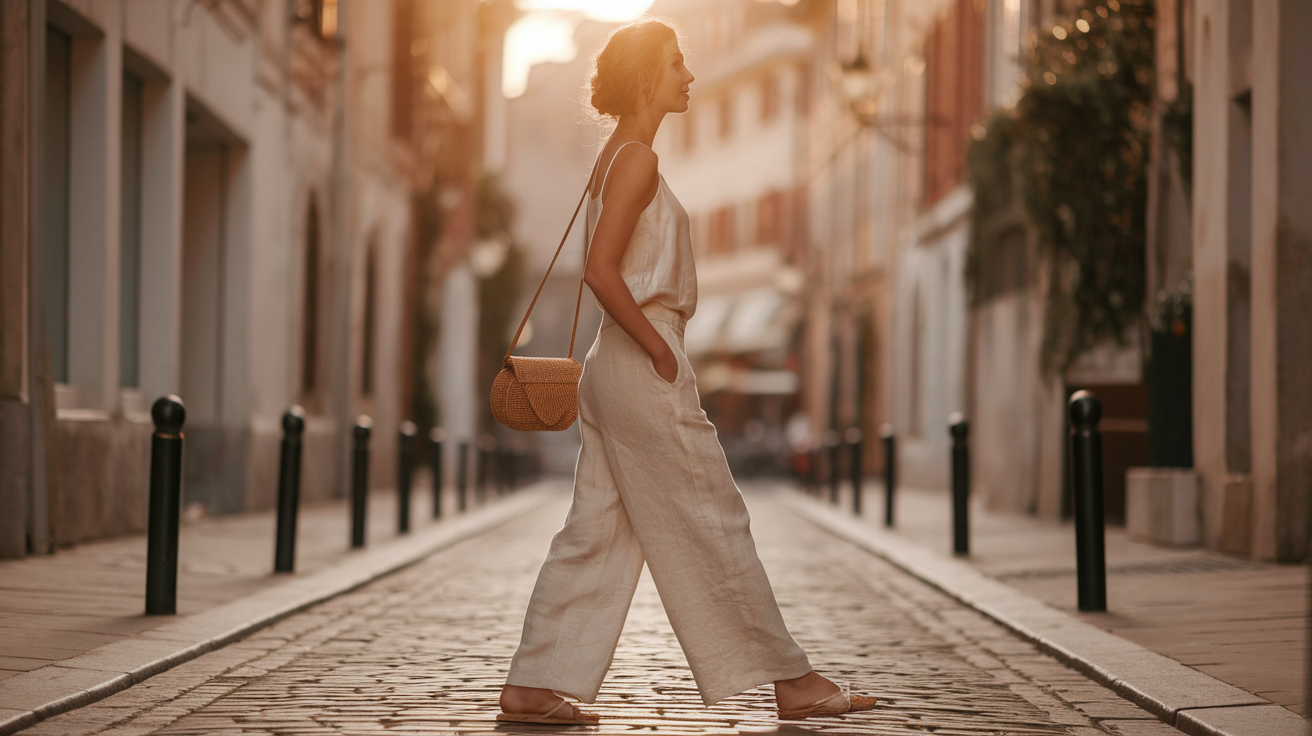
Linen pants, flowy dresses, and lightweight fabrics are summer essentials. Linen breathes beautifully and actually looks better slightly wrinkled, making it perfect for travel. Pack wide-leg linen pants in neutral colors, linen blend shorts that hit just above the knee, and at least one breezy midi dress. These pieces keep you comfortable in 85+ degree heat while looking intentionally styled.
Proven combinations for hot city days include linen pants with a simple tank top and sandals, a midi dress with sneakers for walking, or linen shorts with a lightweight button-down tied at the waist. For beach towns, add a swimsuit that doubles as a bodysuit under shorts, and a cotton cover-up that works as a casual dress.
Staying cool while maintaining European elegance requires strategic fabric choices. Stick with natural materials—cotton, linen, and silk—that wick moisture and allow airflow. Avoid synthetic fabrics that trap heat and show sweat stains. Choose loose silhouettes that allow air circulation rather than body-hugging styles.
Color matters in summer heat. Light colors reflect sunlight and keep you cooler, while dark colors absorb heat. Build your summer palette around whites, creams, tans, and soft pastels, with perhaps one darker neutral piece for variety. This approach is both practical and perfectly aligned with Mediterranean summer style.
Fall and Winter Travel Looks
Cooler months demand thoughtful layering without the bulk that makes packing impossible. The key is choosing thin, warm layers that work together systematically.
Cozy layers that don’t add bulk include merino wool base layers, cashmere or fine-knit sweaters, and packable down vests. Merino wool regulates temperature beautifully and resists odors, meaning you can wear pieces multiple times between washes. Layer a merino tee under a sweater, add a vest for core warmth, and top with a coat for a system that handles varying temperatures.
Essential outerwear for colder destinations should be weather-resistant, warm, and versatile enough to wear daily. A wool coat in a classic cut works for most European fall and winter travel. For very cold destinations or winter trips, invest in a down coat that compresses into its own pocket. Choose neutral colors that coordinate with your entire wardrobe.
Quick outfit formulas for shorter days simplify getting dressed: black jeans + turtleneck + blazer + ankle boots; wool trousers + sweater + long coat + loafers; or midi skirt + tights + sweater + knee-high boots. These combinations look polished, keep you warm, and work for most activities from sightseeing to dining.
Accessories become crucial in cold weather. Pack a quality scarf, gloves, and a hat that coordinate with your outerwear. These items take minimal space but dramatically increase your comfort in cold temperatures. Choose classic styles in neutral colors that work with everything you’ve packed.
Destination-Specific Outfit Ideas
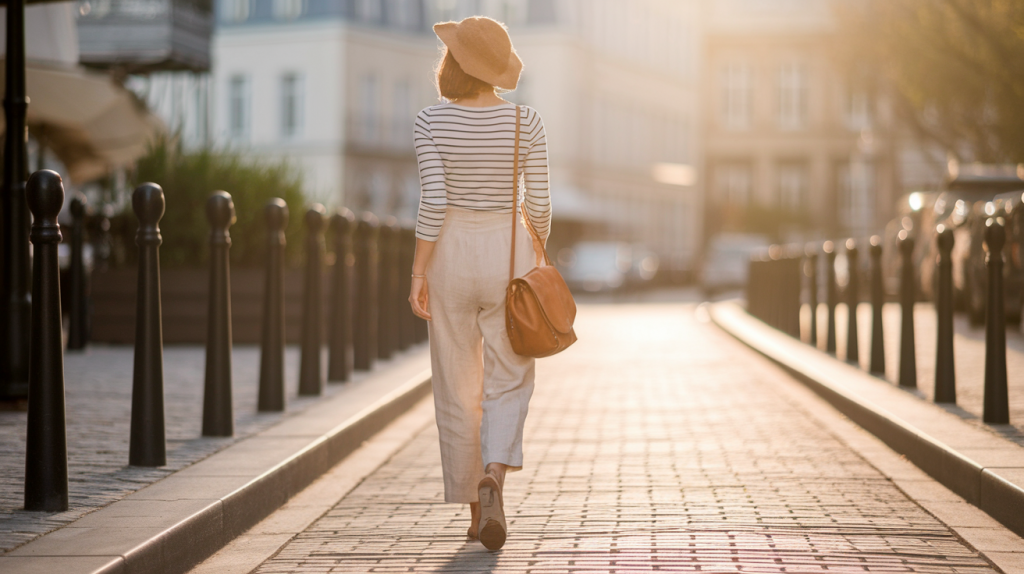
Mediterranean Vibes: Italy, Greece, and Spain
Mediterranean destinations call for a slightly more relaxed, romantic approach to dressing. The aesthetic here embraces flowing fabrics, warm colors, and that coveted effortless elegance.
Breezy, romantic pieces perfect for warm climates include linen dresses in warm neutrals or soft prints, wide-leg pants in breathable fabrics, and lightweight blouses with interesting details. Think off-shoulder tops, tiered maxi dresses, or palazzo pants paired with simple tanks. These pieces photograph beautifully against Mediterranean backdrops and keep you comfortable in the heat.
What locals actually wear differs from tourist stereotypes. Italians favor well-fitted basics in quality fabrics over trendy fast fashion. Greeks embrace simple, comfortable pieces in natural materials. Spanish style mixes casual comfort with unexpected elegance. The common thread? Quality over quantity, classic silhouettes, and minimal but intentional accessories.
Beach-to-dinner transitions require strategic planning. Wear your swimsuit under a linen dress or jumpsuit during beach days, then swap sandals for espadrille wedges and add statement earrings for evening. A lightweight kimono or oversized shirt works as both a beach cover-up and a layering piece for dinner. This approach eliminates the need for complete outfit changes.
Color palettes for Mediterranean travel should embrace the region’s warmth—terracotta, olive green, warm whites, and ocean blues all feel appropriate. Add one or two pieces in these regional colors to your neutral foundation for outfits that feel connected to your destination.
Western European Cities: Paris, London, and Amsterdam
Western European cities demand a more polished, sophisticated approach. The style here leans toward elevated casual—think intentionally curated rather than effortlessly thrown together.
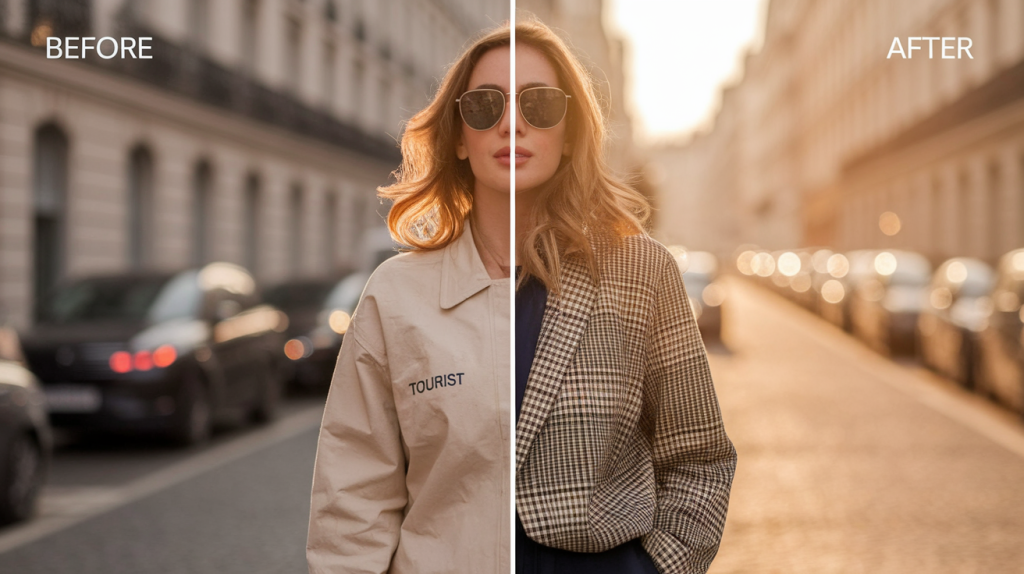
Elevated casual looks that blend with city sophistication include well-fitted jeans with a blazer and loafers, midi skirts with tucked-in sweaters and ankle boots, or tailored trousers with a simple tee and statement coat. The key is choosing pieces with clean lines, quality fabrics, and perfect fits. Nothing should look sloppy or overly casual.
Rainy day outfit solutions become essential, particularly for London and Amsterdam. Pack a stylish rain jacket or trench coat that actually repels water, not just a fashion piece. Choose footwear with good traction—leather ankle boots or weatherproof sneakers work well. Avoid suede and delicate fabrics that suffer in wet conditions. A compact umbrella is essential, but European style favors function over bulk.
The art of looking polished without trying too hard comes down to fit and fabric quality. Your jeans should fit perfectly, your basics should be wrinkle-free, and your shoes should be clean and in good condition. Add one interesting element—a silk scarf, statement earrings, or a structured bag—and you’ve achieved that coveted European polish.
Parisian style specifically emphasizes neutral palettes, classic pieces, and minimal accessories. London allows for more pattern mixing and bold choices. Amsterdam embraces practical comfort with a minimalist edge. Research your specific destination’s aesthetic and adjust accordingly.
Eastern and Northern Europe Style
Eastern and Northern European destinations require a more practical approach while maintaining style. These regions experience more varied climates and sometimes more conservative dress codes.
Practical yet stylish approaches for varied climates mean choosing versatile layers that work in multiple temperature ranges. Pack pieces that transition easily—a midi dress that works with both sandals and tights, pants that look good with sneakers or boots, and sweaters that layer under coats or work alone.
Cultural considerations for more conservative destinations matter, particularly in Eastern Europe. Avoid very short shorts, revealing tops, or overly casual gym wear for city exploration. Choose modest hemlines, covered shoulders for religious sites, and generally more covered styles. This doesn’t mean sacrificing style—it means choosing elegant, sophisticated pieces over revealing ones.
Complete outfit ideas for Scandinavia and Germany include minimalist black jeans with a quality turtleneck and clean sneakers, wool trousers with a chunky knit sweater and ankle boots, or a midi skirt with tights, a sweater, and a long coat. Scandinavian style specifically embraces minimalism, functionality, and neutral colors with the occasional pop of muted color.
For Northern Europe’s colder climates, invest in quality base layers, warm outerwear, and weatherproof footwear. The aesthetic here values function and quality—pieces should be well-made, practical, and timeless rather than trendy. Choose clean lines, excellent fits, and durable materials.
Packing Smart: Making Your Outfits Work Harder
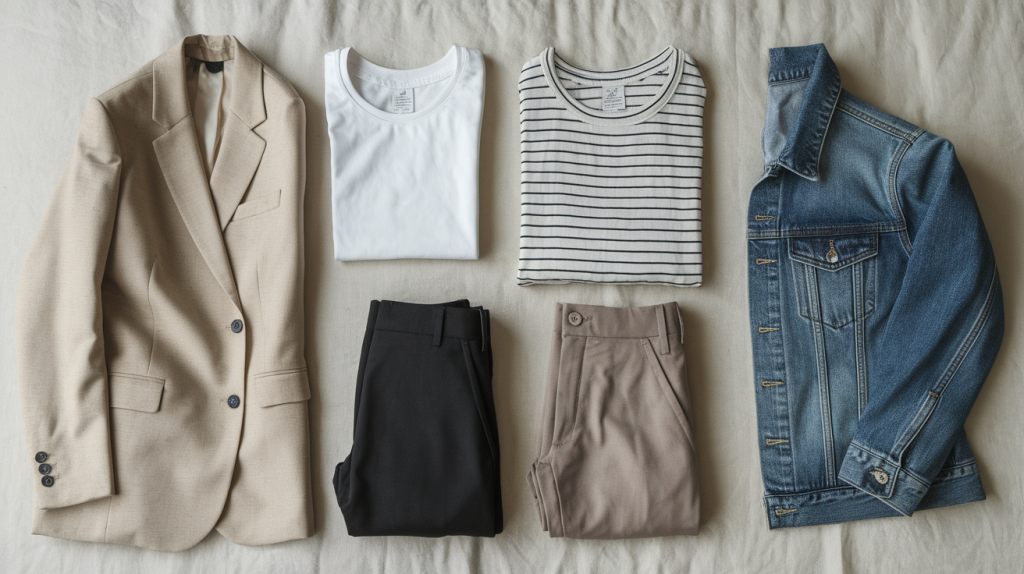
The Mix-and-Match Strategy
Creating multiple outfits from minimal pieces requires planning and strategic color coordination. This approach transforms a small capsule into a versatile wardrobe.
How to create 10+ outfits from just 15 pieces starts with ensuring every item works with at least three others. If you pack five tops, four bottoms, three layers, and three pairs of shoes, the mathematical combinations are extensive. But the real magic happens when you’ve chosen pieces that genuinely coordinate.
Color coordination tricks for maximum versatility include sticking to a cohesive palette. Choose one or two base neutrals (black and cream, or navy and beige), then add coordinating accent colors. Every piece should work with your base neutrals, even if they don’t all work together. This system ensures you can never create a “wrong” outfit.
Simple formulas eliminate decision fatigue: bottom + top + layer = complete outfit. For example, black jeans + white tee + blazer, or linen pants + tank + cardigan. Add shoes and a bag, and you’re done. Create a mental list of these formulas before your trip, and getting dressed becomes automatic.
Test your capsule before packing by laying out all pieces and creating actual outfit combinations. If an item only works in one outfit, leave it home. Every piece should earn its place by working hard across multiple looks.
Space-Saving Packing Techniques
Maximizing luggage space allows you to pack everything you need while maintaining carry-on status—the ultimate travel goal.
Rolling versus folding depends on the item. Roll knits, casual pants, and tees to minimize wrinkles and save space. Fold structured items like blazers, button-downs, and anything that creases easily. Place folded items flat on the bottom of your suitcase, then fill gaps with rolled items. This hybrid approach optimizes space and minimizes wrinkles.
Effective use of packing cubes transforms suitcase organization. Assign one cube for tops, one for bottoms, one for undergarments and accessories. This system keeps everything organized and makes finding items easy without unpacking your entire bag. Compression cubes work well for bulkier items like sweaters, though avoid over-compressing delicate fabrics.
Wearing your bulkiest items during travel days saves significant luggage space. Wear your heaviest shoes, your coat or jacket, and your bulkiest layer on the plane. Yes, you might be slightly warm in the airport, but you’ll save precious suitcase real estate for other items.
Additional space-saving tricks include using shoe bags for jewelry and small accessories, stuffing socks inside shoes, and placing belts around the perimeter of your suitcase. Every inch counts when you’re trying to fit a week’s worth of outfits into a carry-on.
Quick Outfit Planning Before You Leave
Pre-trip outfit planning eliminates stress and ensures you’ve packed appropriately for all planned activities.
Taking photos of complete outfits creates a visual reference for your trip. Lay out each complete outfit—including shoes and accessories—and photograph it. Save these photos in a dedicated album on your phone. When you’re getting dressed in your hotel room, simply reference your pre-planned outfits instead of staring at your suitcase wondering what works together.
Planning outfits by activity ensures you’re prepared for everything on your itinerary. Designate specific outfits for sightseeing days (comfortable shoes, layers, practical), dining experiences (slightly dressier, statement accessories), and casual exploration (easy, comfortable, stylish). This approach prevents overpacking “just in case” items while ensuring you have appropriate options.
The perfect carry-on outfit works for any destination and keeps you comfortable during travel. Choose layers you can adjust for airplane temperature fluctuations, comfortable pants with some stretch, slip-on shoes for security, and a scarf that doubles as a blanket. Wear your bulkiest shoes and jacket to save luggage space. This outfit should be practical first, stylish second—you’ll change once you reach your destination.
Create a packing checklist organized by category: tops, bottoms, layers, shoes, accessories, toiletries. Check off items as you pack them, and review the list to ensure nothing essential is forgotten. This systematic approach prevents last-minute packing panic and forgotten items.
In Closing
Building the perfect European travel wardrobe doesn’t require a massive budget or an overflowing suitcase. It requires strategic thinking, quality basics, and a commitment to versatile pieces that work together seamlessly.
Start with essential neutral pieces that mix and match effortlessly—well-fitted jeans, classic pants, simple tops in coordinating colors, and quality basics that layer beautifully. These foundation pieces create the backbone of every outfit and ensure you’re never stuck without something to wear.
Seasonal considerations and destination-specific style choices ensure you’re always appropriately dressed and comfortable. Spring demands layers for unpredictable weather, summer requires breathable fabrics and light colors, fall and winter need strategic warmth without bulk, and each European region has its own aesthetic nuances worth respecting.
Smart packing strategies help you maximize your wardrobe options while minimizing luggage weight. The mix-and-match approach, space-saving techniques, and pre-trip outfit planning transform a compact capsule into a versatile wardrobe that works for any situation.
Comfort and style aren’t mutually exclusive—you absolutely can look amazing while exploring all day. The secret is choosing quality pieces that fit perfectly, investing in comfortable footwear, and embracing the European aesthetic of timeless elegance over trendy excess.
Your European adventure deserves a wardrobe that makes you feel confident, comfortable, and effortlessly chic. Start building your capsule today, and you’ll wonder why you ever traveled any other way.
Ready to pack for your European adventure? Save this guide, create your capsule wardrobe, and prepare to explore Europe in style. Your most stylish, stress-free trip starts with what’s in your suitcase.