17 Cheap And Safe Travel Destinations for Women

Let’s be honest—planning your first solo trip or even a girls’ getaway can feel overwhelming. You’re scrolling through travel blogs at midnight, wondering if you can really afford that dream destination, and simultaneously worrying about safety in unfamiliar places. Will you stick out? Is it actually safe to walk around alone? Can you do this without draining your savings account?
I get it. These concerns are completely valid, and you’re not alone in having them.
Here’s the exciting news: there’s a growing movement of female travelers discovering destinations that check both boxes—affordable AND safe. We’re talking about places where you can explore freely, meet amazing people, eat incredible food, and return home with unforgettable memories without maxing out your credit cards.
This guide reveals 17 destinations where safety meets affordability in the best possible way. You’ll discover specific budget breakdowns, practical safety tips, and insider advice that will transform your travel dreams into concrete plans. Whether you’re a first-time solo traveler or a seasoned adventurer looking for your next budget-friendly escape, you’ll find destinations here that match your comfort level and financial goals.
Every location on this list has been chosen for specific reasons: proven track records for female travelers, established tourism infrastructure, and realistic daily budgets that won’t leave you eating instant noodles for the rest of the year. Let’s dive into what makes these destinations perfect for women travelers and how you can start planning your next adventure today.
Why These Destinations Are Perfect for Women Travelers

Understanding What Makes a Destination Safe AND Affordable
Safety isn’t just one thing—it’s a combination of factors that create an environment where you can relax and enjoy your travels. The destinations in this guide share specific characteristics that make them ideal for female travelers.
Low crime rates top the list, but we’re looking beyond statistics. These places have established reputations within the female travel community. You’ll find countless blog posts, YouTube videos, and forum discussions from women who’ve traveled there solo and returned with positive experiences. This real-world feedback matters more than any official tourism board rating.
Strong tourism infrastructure makes a massive difference in your day-to-day experience. We’re talking about reliable public transportation that runs on schedule, well-marked routes, and systems that are easy to navigate even if you don’t speak the local language. When you can confidently hop on a bus or train without stress, your entire trip becomes more enjoyable.
English proficiency or easy language barriers remove another layer of anxiety. While learning basic phrases in the local language shows respect and enhances your experience, knowing you can communicate in emergencies or navigate daily situations makes travel significantly less stressful. Many destinations on this list have high English proficiency or use simple visual systems that transcend language barriers.
The Ultimate Budget-Friendly Factors to Consider
Affordability means different things to different travelers, but these destinations share common characteristics that keep costs manageable. Your daily budget encompasses accommodation, food, transportation, and activities—and in these places, you can enjoy quality experiences in all categories without constant financial stress.
Accommodation options range from social hostels perfect for meeting other travelers to private guesthouses where you can recharge in solitude. Budget-friendly doesn’t mean uncomfortable. Many hostels now offer female-only dorms with individual reading lights, charging stations, and secure lockers. Guesthouses provide authentic local experiences at a fraction of hotel costs, and Airbnb options let you live like a local with kitchen access to save on meals.
Local food represents one of travel’s greatest pleasures, and in these destinations, eating well costs remarkably little. Street food isn’t just cheap—it’s often the most authentic and delicious option. You’ll discover meals under $3 that rival expensive restaurant experiences. Local markets offer fresh produce and snacks at prices that seem almost too good to be true. When you eat where locals eat, you save money while gaining cultural insights you’d miss in tourist restaurants.
Free and low-cost attractions abound in these destinations. Walking tours led by enthusiastic locals operate on a tip-based system. Museums offer free admission days. Natural attractions like beaches, hiking trails, and viewpoints cost nothing but provide priceless experiences. City parks, markets, and neighborhoods become your entertainment, offering endless opportunities for exploration and photography without spending a dime.
Essential Safety Features That Matter Most
Safety features go beyond crime statistics to encompass the overall environment and culture surrounding female travelers. Well-lit streets and safe neighborhoods create an atmosphere where evening walks feel comfortable rather than nerve-wracking. These destinations prioritize pedestrian-friendly infrastructure with sidewalks, crosswalks, and public spaces designed for people, not just vehicles.
Accessible emergency services provide peace of mind. Knowing you can quickly reach police, medical help, or your embassy if needed allows you to relax and enjoy your travels. These destinations have established systems for tourists, often with English-speaking operators and clear protocols for helping visitors.
Female-friendly local attitudes make a tangible difference in your daily interactions. In these destinations, solo female travelers are common enough that you won’t face constant unwanted attention or feel like an oddity. Locals understand tourism and generally exhibit helpful, respectful attitudes toward visitors. Restaurant staff won’t find it strange when you dine alone. Hotel workers provide genuine assistance without ulterior motives.
Active communities of female travelers create built-in support networks. Online groups specific to these destinations connect you with women currently traveling there or planning trips. You’ll find meetups, shared accommodation opportunities, and invaluable advice from those who’ve navigated these places recently. This community aspect transforms solo travel into a connected experience where you’re never truly alone.
Top 17 Cheap and Safe Travel Destinations for Women

Destinations 1-6: Asia’s Hidden Gems
Vietnam stands out as an exceptional destination for female travelers seeking adventure on a budget. With daily costs ranging from $25-35, you’ll experience incredible value without sacrificing comfort or experiences. Hanoi’s Old Quarter buzzes with energy, offering street food tours where you’ll sample pho, banh mi, and fresh spring rolls for just a few dollars. Hoi An’s lantern-lit streets create a magical atmosphere perfect for evening strolls, while Ho Chi Minh City blends history and modernity in fascinating ways.
Vietnamese people generally show warmth toward tourists, and the country’s tourism infrastructure has matured significantly. Sleeper buses connect major cities affordably, and domestic flights cost less than nice dinners back home. Female travelers consistently report feeling safe, though standard precautions apply in crowded areas. The growing community of digital nomads and backpackers means you’ll easily meet other travelers in hostels and cafes.
Japan might surprise you as a budget destination, but with careful planning, you can explore this fascinating country for $30-40 daily. Japan ranks among the world’s safest countries, with crime rates so low that locals leave belongings unattended without worry. This safety extends to female travelers, who regularly praise Japan for comfortable solo exploration at any hour.
First-time solo travelers particularly appreciate Japan’s straightforward systems. Train stations use clear English signage, convenience stores provide easy meals, and Japanese hospitality (omotenashi) means locals genuinely want to help you enjoy their country. Budget accommodations include capsule hotels (a uniquely Japanese experience), business hotels with compact but efficient rooms, and traditional guesthouses. Supermarket sushi, convenience store meals, and local ramen shops keep food costs manageable while delivering authentic experiences.
Malaysia offers incredible diversity within one country, with daily budgets of $25-35 covering everything from modern Kuala Lumpur to pristine beaches. The country’s multicultural makeup creates a fascinating blend of Malay, Chinese, and Indian influences visible in architecture, food, and daily life. English serves as a common language, making navigation and communication remarkably easy.
Kuala Lumpur provides urban excitement with free attractions like the Petronas Towers viewing area and colorful street markets. Within hours, you can transition to Penang’s food scene (often called Asia’s food capital) or Langkawi’s beaches. Malaysia’s efficient bus network and budget airlines connect destinations affordably. Female travelers appreciate the country’s moderate approach and welcoming attitudes, though modest dress is respectful in more conservative areas.
Taiwan combines safety, affordability ($35-45 daily), and incredible experiences in a compact, easy-to-navigate package. Taipei’s MRT system ranks among the world’s best—clean, efficient, and simple to use with English announcements and signage. Night markets provide entertainment and dining for minimal cost, with endless stalls offering everything from stinky tofu to bubble tea to fresh fruit.
Taiwan’s safety reputation precedes it. You’ll see children commuting alone on public transit and women walking freely at night. The Taiwanese people show genuine kindness toward visitors, often going out of their way to help confused tourists. Beyond Taipei, explore Taroko Gorge’s natural beauty, Tainan’s historic temples, and Kaohsiung’s modern harbor—all accessible via affordable trains and buses.
Bali, Indonesia has become synonymous with female digital nomads and wellness retreats, with good reason. Daily budgets of $30-40 stretch far here, covering comfortable accommodation, healthy food, and activities. Ubud attracts yoga enthusiasts and creative types, while Canggu offers surf culture and coworking spaces. Seminyak provides beach clubs and nightlife, and Sanur offers a quieter, more local experience.
The established expat and traveler community means you’ll easily find female-focused accommodations, women’s surf lessons, and meetup groups. Balinese people generally show warmth toward visitors, and the tourism infrastructure supports independent travelers. Scooter rentals provide affordable transportation, though ride-sharing apps offer safer alternatives for those uncomfortable driving. The island’s spiritual atmosphere and wellness focus resonate with many female travelers seeking more than just sightseeing.
Philippines delivers tropical paradise on a budget ($25-35 daily) with over 7,000 islands to explore. Filipino people consistently rank among the world’s friendliest, with English widely spoken as an official language. This combination makes the Philippines particularly accessible for first-time solo travelers to Asia.
Island hopping in Palawan reveals crystal-clear waters and limestone cliffs straight from postcards. Cebu offers diving and waterfalls, while Siargao attracts surfers and digital nomads. Manila provides urban experiences and historical sites, though most travelers prefer the islands. Budget accommodations include beach huts, family-run guesthouses, and backpacker hostels with strong social scenes. Local transportation (jeepneys and tricycles) costs pennies, and fresh seafood and tropical fruits keep food budgets low while eating exceptionally well.
Destinations 7-12: European Charm on a Budget
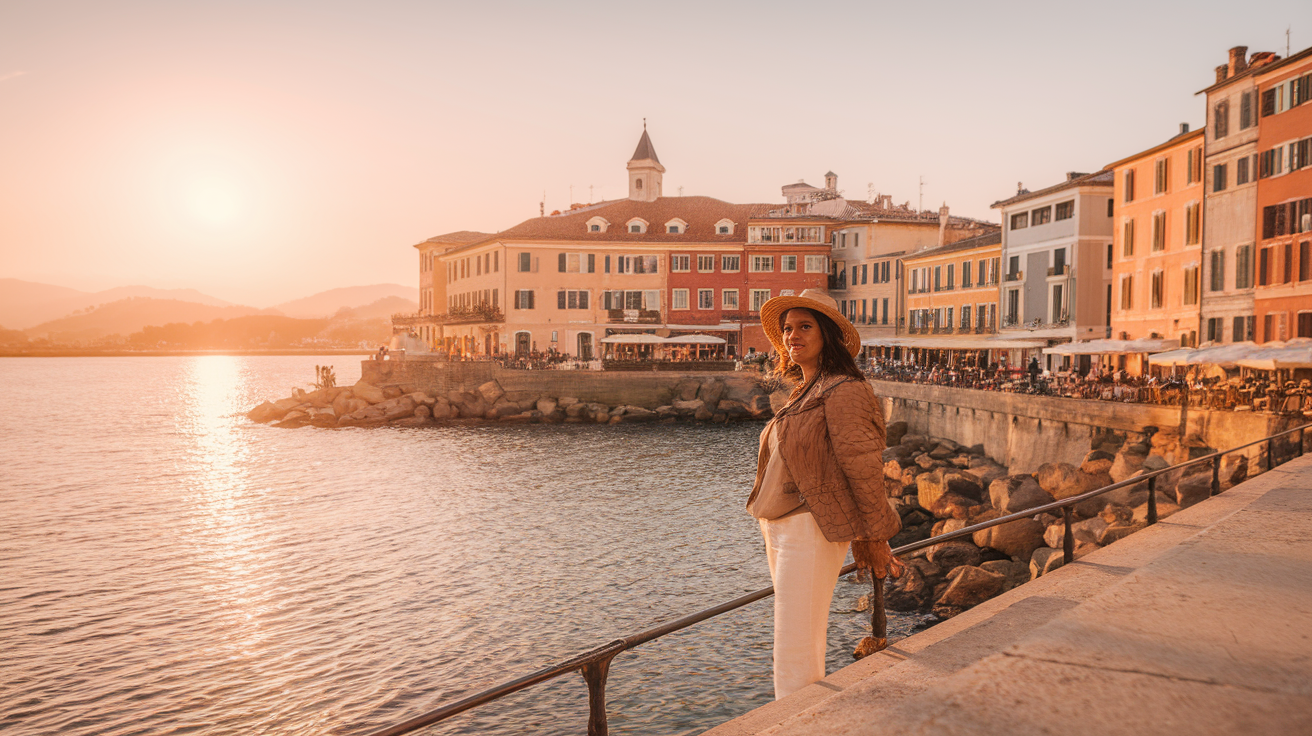
Portugal stands out as Western Europe’s budget-friendly gem, with daily costs of $40-50 significantly lower than neighboring Spain or France. Lisbon’s hills, historic trams, and pastel buildings create endless photo opportunities, while Porto offers wine culture and riverside charm. The Algarve coast provides beaches and dramatic cliffs, and smaller towns like Sintra and Évora reveal Portugal’s rich history.
Portuguese people show genuine warmth toward visitors, and violent crime remains rare. The country’s compact size means you can explore diverse regions without long travel times. Public transportation works efficiently, and walking through safe neighborhoods provides free entertainment. Pastéis de nata (custard tarts) cost about a euro, wine flows cheaply, and fresh seafood features in affordable meals. Portugal’s growing digital nomad scene has created infrastructure supporting solo travelers, with coworking spaces and meetups common in larger cities.
Poland surprises many travelers with its beauty, history, and affordability ($30-40 daily). Kraków’s medieval square, Wrocław’s colorful buildings, and Warsaw’s rebuilt Old Town showcase Polish resilience and pride. The country’s dark history visible in Auschwitz and Warsaw’s uprising museums provides sobering but important context.
Poland ranks among Europe’s safest countries, with low crime rates and helpful locals. English proficiency among younger Poles makes communication easy, and tourism infrastructure has developed significantly. Pierogi (dumplings) cost just a few dollars, milk bars (bar mleczny) serve traditional Polish meals at local prices, and craft beer flows cheaply. Efficient trains and buses connect cities affordably, and budget accommodations range from hostels to guesthouses in converted historical buildings.
Czech Republic offers fairy-tale beauty beyond Prague’s tourist crowds, with daily budgets of $35-45 covering comfortable experiences. Prague’s architecture, bridges, and castle create magical atmospheres, but don’t miss Český Krumlov’s medieval charm or Brno’s modern vibe. The country’s beer culture runs deep—Czech beer costs less than water in many places and ranks among the world’s best.
Solo female travelers consistently report feeling safe exploring Czech cities day and night. Public transportation runs efficiently with English information, and the compact nature of cities makes walking viable. Traditional Czech food (think hearty stews and dumplings) fills you up for minimal cost, and markets offer fresh produce and local specialties. Prague’s established backpacker scene means you’ll easily meet other travelers, while smaller towns provide authentic local experiences.
Greece becomes surprisingly affordable outside peak summer months and away from Santorini’s crowds, with budgets of $40-50 daily. Athens combines ancient history with vibrant neighborhoods, while islands like Crete, Naxos, and Paros offer beaches, villages, and Greek hospitality without Mykonos prices. Mainland destinations like Meteora’s monasteries and Delphi’s ruins provide cultural depth.
Greek culture emphasizes hospitality (philoxenia), and locals genuinely enjoy sharing their culture with visitors. Solo female travelers find Greece welcoming, though standard Mediterranean precautions apply regarding unwanted attention. Ferry systems connect islands affordably, and bus networks serve mainland destinations. Greek salads, fresh seafood, and street food like souvlaki and gyros keep food costs manageable while eating deliciously. Shoulder seasons (April-May and September-October) offer perfect weather and lower prices.
Hungary centers on Budapest’s stunning architecture and thermal bath culture, with daily budgets of $30-40 covering luxury experiences elsewhere. The city straddles the Danube, with Buda’s hills and castle facing Pest’s grand boulevards and parliament building. Thermal baths provide affordable luxury—imagine soaking in historic pools for less than a movie ticket costs back home.
Budapest ranks among Europe’s safest capitals, with efficient public transportation and walkable neighborhoods. The city’s social scene accommodates solo travelers through ruin bars (bars in abandoned buildings), free walking tours, and hostel events. Hungarian food offers hearty comfort at low prices—goulash, lángos (fried dough), and chimney cakes satisfy without breaking budgets. Beyond Budapest, Lake Balaton provides summer beach culture, and smaller cities like Eger showcase Hungarian history and wine culture.
Slovenia remains one of Europe’s best-kept secrets, offering Alpine beauty, Mediterranean charm, and affordability ($35-45 daily) in a compact package. Ljubljana’s riverside cafes and car-free center create a relaxed atmosphere, while Lake Bled’s island church and castle provide postcard-perfect scenery. The Julian Alps offer hiking and outdoor adventures, and the coast provides Mediterranean vibes.
Slovenia’s small size means nothing sits far apart—you can swim in the Adriatic, explore caves, and hike mountains in one day. The country ranks among Europe’s safest, with friendly locals and well-maintained infrastructure. English proficiency runs high, and the tourism industry supports independent travelers. Slovenian cuisine blends influences from neighboring countries, offering variety at reasonable prices. The country’s focus on sustainability and nature resonates with many female travelers seeking authentic, eco-conscious destinations.
Destinations 13-17: Americas and Beyond
Mexico offers incredible diversity and value just south of the U.S. border, with daily budgets of $30-40 in most areas. Cancún and Cabo attract resort crowds, but venture to places like Oaxaca for culture and food, San Cristóbal de las Casas for colonial charm, or Mérida for Mayan history and safety. Mexico City combines world-class museums, incredible food scenes, and vibrant neighborhoods.
Safety concerns about Mexico deserve nuanced understanding. While certain areas face challenges, many regions welcome tourists safely. Established tourist destinations have infrastructure supporting visitors, and growing communities of female digital nomads and travelers share current information. Stick to recommended areas, use reputable transportation, and connect with other travelers for updated advice. Mexican hospitality runs deep, and locals often go out of their way to help visitors. Street food, markets, and local comedores (small restaurants) serve authentic meals for just a few dollars.
Colombia has transformed dramatically over the past decade, shedding its dangerous reputation to become a beloved destination for female travelers. Daily budgets of $25-35 cover comfortable experiences in cities like Medellín (known for perfect weather and innovation), Cartagena (Caribbean colonial beauty), and Bogotá (culture and nightlife). Coffee region towns provide mountain scenery and, obviously, excellent coffee.
Colombian people consistently receive praise for warmth and helpfulness toward travelers. The country’s tourism industry has developed significantly, with infrastructure supporting independent travelers. English proficiency varies, but locals show patience with language barriers. Safety has improved dramatically in tourist areas, though standard urban precautions apply. Salsa culture, Caribbean beaches, Amazon jungle, and Andean mountains provide incredible diversity. Local transportation costs pennies, and Colombian food offers variety at budget-friendly prices.
Costa Rica ranks among the world’s safest countries, with stable democracy, no military, and a culture emphasizing “pura vida” (pure life). Daily budgets of $40-50 cover experiences in this eco-tourism paradise. Rainforests, volcanoes, cloud forests, and beaches pack into a small country, with wildlife encounters guaranteed. Manuel Antonio, Monteverde, Arenal, and the Caribbean coast each offer distinct experiences.
Costa Rica’s tourism infrastructure ranks among Latin America’s best, with established routes and English widely spoken in tourist areas. Solo female travelers consistently report feeling safe and welcome. The country’s focus on sustainability and nature attracts like-minded travelers, creating a community atmosphere. Accommodation ranges from jungle lodges to beach hostels, and local sodas (small restaurants) serve traditional casados (rice, beans, protein, and salad) affordably. Adventure activities like zip-lining, surfing, and wildlife tours cost more than daily expenses but deliver unforgettable experiences.
Morocco provides exotic culture and accessibility just across from Europe, with daily budgets of $25-35. Marrakech’s medina buzzes with souks, riads, and energy, while Chefchaouen’s blue streets create Instagram dreams. Fes preserves medieval culture, and the Sahara Desert offers camel treks and starry nights. Coastal cities like Essaouira provide relaxed beach vibes.
Morocco requires more cultural awareness than some destinations, with conservative dress and behavior respectful in most areas. However, established tourist routes mean you’ll find infrastructure supporting travelers. Riads (traditional houses converted to guesthouses) offer atmospheric accommodation with local hosts who provide safety advice and cultural insights. Organized tours help navigate the Sahara and Atlas Mountains safely. Moroccan cuisine—tagines, couscous, mint tea—delights at low prices. The country’s proximity to Europe makes it accessible, and the exotic atmosphere provides adventure without traveling halfway around the world.
New Zealand represents a splurge option at $50-60 daily, but the exceptional safety, stunning landscapes, and working holiday visa opportunities justify the cost. The country consistently ranks among the world’s safest, with extremely low crime rates and helpful locals. Solo female travelers report feeling completely comfortable exploring independently.
New Zealand’s compact size belies its diversity—glaciers, beaches, mountains, geothermal areas, and fjords pack into two islands. Adventure activities abound, though they add to budgets. Working holiday visas allow travelers under 30 to work while traveling, offsetting costs significantly. Fruit picking, hospitality work, and seasonal jobs provide income and local connections. Hostel culture runs strong, with social atmospheres and job boards. Public transportation exists but renting a car or joining tours provides more flexibility. While groceries and dining out cost more than Asian destinations, quality matches prices, and self-catering keeps costs manageable.
Essential Money-Saving Tips for Budget Travel

Before You Go: Smart Planning Strategies
Your trip’s affordability starts long before departure. Booking flights during off-peak seasons delivers the most significant savings—we’re talking hundreds of dollars difference between peak and shoulder seasons. Mid-week flights typically cost less than weekends, and red-eye or early morning departures often offer lower fares. Flexibility with dates opens up deals that rigid schedules miss.
Price comparison tools like Skyscanner, Google Flights, and Momondo search across airlines and booking sites simultaneously, revealing the best deals. Set up fare alerts for your desired routes—these notifications ping you when prices drop, allowing you to book at optimal times. Consider nearby airports too; flying into a secondary airport and taking a bus to your destination sometimes saves significant money.
Research before departure saves both money and time during your trip. Many cities offer free walking tours where knowledgeable locals share history and recommendations on a tip-based system. These tours provide orientation, local insights, and opportunities to meet other travelers. Museums often designate free admission days or evening hours—build your itinerary around these offerings. Natural attractions like parks, beaches, and hiking trails cost nothing but provide priceless experiences and photos.
During Your Trip: Proven Ways to Stretch Your Budget
Eating where locals eat transforms your budget and experience. Tourist-area restaurants charge premium prices for mediocre food, while local spots a few blocks away serve authentic meals at fraction of costs. Follow local office workers at lunch—they know the best value. Street food isn’t just cheap; it’s often the most delicious and authentic option available. Markets provide fresh produce, snacks, and local specialties at local prices.
Public transportation beats taxis financially and culturally. You’ll experience daily life alongside locals, navigate like a resident, and save dramatically. Most cities offer multi-day transit passes providing unlimited rides for flat fees—these pay for themselves quickly. Walking remains free and reveals neighborhoods you’d miss from taxis. Download offline maps so you can navigate without data charges.
Accommodation with kitchen access changes budget calculations. Cooking even a few meals saves substantially compared to eating every meal out. Hostels often provide equipped kitchens where you can prepare breakfast and pack lunches. Grocery shopping at local markets becomes a cultural experience itself, and you’ll eat healthier while spending less. Many hostels offer free breakfast—basic but filling—providing fuel for morning explorations without cost.
Quick Hacks for Affordable Accommodation
Free breakfast might seem minor but adds up quickly over a week or two. Many guesthouses and hostels include breakfast, saving you $5-10 daily. This also simplifies mornings—no searching for cafes or spending time and money before starting your day. Even basic breakfast (bread, fruit, coffee) provides enough fuel for morning activities.
Work-exchange programs like Workaway, WWOOF, and HelpX connect travelers with hosts needing help. You work a few hours daily (typically 4-5) in exchange for accommodation and often meals. This dramatically reduces costs while providing local connections and unique experiences. You might help at hostels, organic farms, guesthouses, or community projects. These programs work best when you can stay somewhere longer, building relationships and truly experiencing local life.
Last-minute booking apps like HotelTonight offer discounted rates on unsold rooms. Hotels prefer selling rooms cheaply to leaving them empty, and these apps facilitate those deals. This strategy works best when you have flexibility and aren’t traveling during peak seasons when everything books up. Some travelers book the first night or two, then use these apps to find deals as they go.
Simple Ways to Save on Activities
Free museum days exist in most cities—research these before arrival and plan accordingly. Many museums offer free admission one evening weekly or monthly. City cards or tourist passes provide free or discounted entry to multiple attractions plus public transportation. Calculate whether these passes save money based on your planned activities—sometimes they’re worth it, sometimes not.
Group tours split costs among participants, making activities like boat trips, guided hikes, or cultural experiences more affordable. You’ll also meet other travelers and benefit from guide knowledge. Many hostels organize group activities at cost, just covering expenses without markup. These hostel-organized trips provide safe, social, affordable ways to experience destinations.
Nature provides the best free entertainment. Beaches, hiking trails, viewpoints, parks, and natural areas cost nothing but deliver unforgettable experiences. Sunrise and sunset transform ordinary locations into magical moments—free photography opportunities that capture your trip’s essence. City parks host free events, concerts, and festivals, especially during summer months. Check local event calendars for free happenings during your visit.
Complete Safety Guide for Female Travelers

Essential Safety Practices That Work
Your intuition serves as your most valuable safety tool. That uncomfortable feeling in your gut? Trust it. If a situation, person, or place feels wrong, remove yourself without worrying about seeming rude. Solo travel teaches you to rely on your instincts, and they’re usually right. Confident body language also helps—walk purposefully, make eye contact, and project awareness even if you’re lost.
Keep copies of important documents in multiple locations. Photograph your passport, visa, travel insurance, and credit cards, then email them to yourself or store in cloud services. If something gets stolen, you’ll have the information needed to replace documents and cancel cards. Leave copies with family or friends back home too. This simple step provides peace of mind and practical backup.
Share your itinerary with trusted people back home. They don’t need minute-by-minute updates, but knowing your general location and plans means someone notices if you don’t check in as expected. Set up regular check-in schedules—maybe a message every few days confirming you’re safe. This connection provides security without constant communication that disrupts your travel experience.
Effective Communication and Connection Tips
Offline maps eliminate stress about data charges and connectivity. Download Google Maps areas for offline use before leaving WiFi. Maps.me provides another excellent option with detailed offline maps worldwide. These apps show your location via GPS even without internet, letting you navigate confidently anywhere. Screenshot important addresses, directions, and information too.
Translation apps bridge language barriers effectively. Google Translate’s camera feature translates text in real-time—point your phone at signs, menus, or instructions and see instant translations. The conversation mode facilitates basic exchanges with locals. Download language packs for offline use in areas with limited connectivity. Learning basic phrases shows respect and often encourages locals to help more enthusiastically.
Female travel Facebook groups provide destination-specific advice from women currently there or recently returned. These communities share real-time safety information, accommodation recommendations, and meetup opportunities. Members answer questions quickly and honestly, providing insights you won’t find in guidebooks. Many cities have specific groups for female travelers, creating built-in support networks.
What to Pack for Peace of Mind
Portable door locks add security to accommodation with questionable locks. These simple devices prevent doors from opening even if someone has a key. They’re lightweight, inexpensive, and provide significant peace of mind, especially in budget accommodations. Personal safety alarms create loud noises that attract attention and startle potential threats. These small devices clip to bags and activate easily if needed.
Money belts or hidden pockets protect valuables from pickpockets in crowded areas. Keep daily spending money accessible and larger amounts, backup cards, and passport copies secured. Never keep everything in one place—distribute cash and cards so losing one item doesn’t leave you stranded. Hotel safes work for valuable items when you’re out exploring, though keep your passport with you for identification.
Local SIM cards provide constant connectivity for navigation, translation, communication, and emergencies. They cost far less than international roaming and work better. Buy SIM cards at airports or local shops—staff usually help with setup. Having reliable internet access reduces stress dramatically, letting you research on the go, contact accommodation, and stay connected with people back home.
Proven Strategies for Solo Dining and Nightlife
Choose well-reviewed restaurants in busy areas for solo dining. Crowded restaurants indicate good food and provide safety in numbers. Avoid isolated or empty establishments, especially at night. Research restaurants beforehand using Google Maps reviews or travel apps, noting those other solo travelers recommend.
Sitting at the bar facilitates easier conversation and feels less awkward than a table for one. Bartenders often chat with solo diners, providing local recommendations and company. You might meet other travelers or friendly locals. Bring a book or journal if you prefer solitude—dining alone becomes enjoyable rather than uncomfortable with practice.
Reputable ride-sharing apps like Uber or Grab (in Asia) provide safer alternatives to unmarked taxis. You’ll have driver information, route tracking, and cashless payment. Share your trip details with friends through the app. If ride-sharing doesn’t exist in your destination, ask your accommodation to call reputable taxi companies or arrange transportation. Avoid unmarked taxis, especially late at night.
Building Your Support Network
Register with your embassy when traveling abroad. This simple step means your government knows you’re in the country and can contact you during emergencies or natural disasters. Embassy staff provide assistance if you lose your passport, face legal issues, or need help during crises. Keep embassy contact information saved in your phone.
Emergency numbers vary by country—research and save local numbers for police, ambulance, and fire services. Many countries use different numbers than 911. Tourist police exist in some destinations, providing English-speaking officers familiar with visitor issues. Know how to contact your accommodation, travel insurance company, and embassy quickly if needed.
Connect with local women through meetup apps like Meetup, Bumble BFF, or local Facebook groups. These platforms facilitate friendships and cultural exchange. Local women provide invaluable insights about safe areas, cultural norms, and hidden gems tourists miss. Coffee dates or group activities create connections that enrich your travel experience while providing local support networks.
Your Journey Starts Now
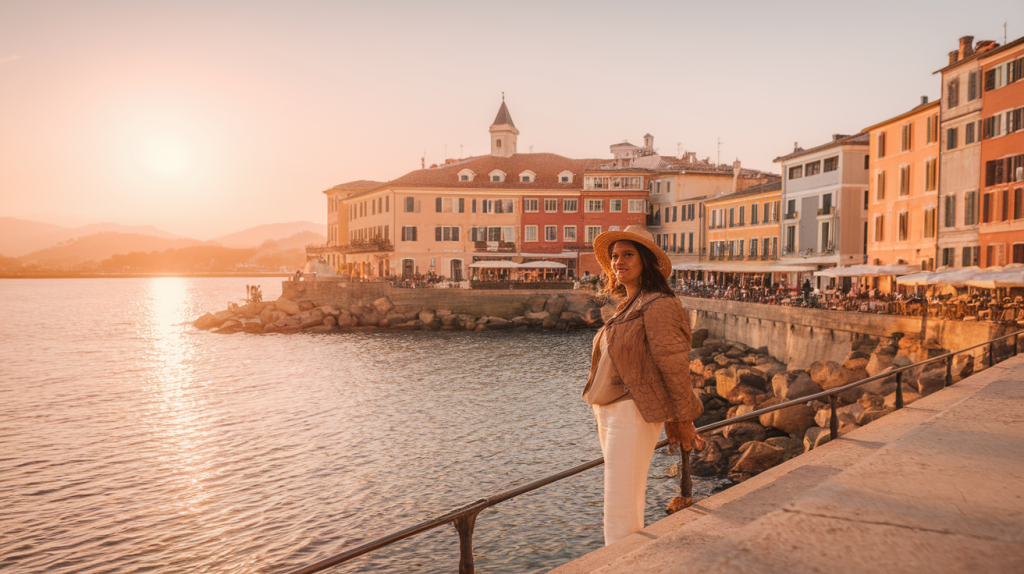
These 17 destinations offer the perfect blend of affordability and safety, proving that budget travel doesn’t mean compromising on experiences or security. From Vietnam’s bustling streets to Portugal’s charming cities, from Japan’s impeccable safety to Colombia’s transformed reputation, you have incredible options for your next adventure.
The world welcomes female travelers more than ever before. Infrastructure supports independent travel, communities connect women across borders, and countless destinations prioritize safety while remaining affordable. Your concerns about money and security are valid, but they shouldn’t prevent you from experiencing the transformative power of travel.
Budget planning becomes simple when you know where to look for deals and how to travel smart. Eating local food, using public transportation, staying in hostels or guesthouses, and taking advantage of free attractions stretch your budget remarkably far. The money-saving strategies in this guide work across all destinations, helping you travel longer and more comfortably.
Safety comes from preparation, awareness, and trusting your intuition. The destinations listed here have proven track records with female travelers, but your own practices matter too. Share your itinerary, stay connected, trust your instincts, and connect with other travelers. You’re joining a global community of women exploring the world—you’re never truly alone.
Key Takeaways for Your Planning
Start small if you’re nervous about solo travel. Choose destinations known for easy navigation and strong tourist infrastructure. Japan, Portugal, and Taiwan offer particularly gentle introductions to solo travel, with excellent safety records and straightforward logistics. Build confidence before tackling more challenging destinations.
Budget planning requires research but isn’t complicated. Calculate daily costs for accommodation, food, transportation, and activities, then add a buffer for unexpected expenses and splurges. Track spending during your trip to understand where money goes and adjust accordingly. Many travelers find they spend less than planned once they adapt to local prices and rhythms.
Trust your intuition throughout your journey. That internal voice warning you about situations keeps you safe. Confidence comes from preparation—research your destination, understand cultural norms, and plan your first few days carefully. After that, you’ll adapt quickly and discover that travel feels more natural than you imagined.
Take Action Today
Choose your top three destinations from this list based on your interests, budget, and comfort level. Research each more deeply, reading blogs from female travelers and joining destination-specific Facebook groups. This research transforms abstract possibilities into concrete plans.
Join online communities of female travelers for real-time advice and inspiration. Groups like Girls Love Travel, Solo Female Travelers, and destination-specific communities provide support, answer questions, and facilitate meetups. These connections prove invaluable before, during, and after your travels.
Set a realistic budget and start saving with a clear goal. Open a separate savings account specifically for travel, automatically transferring money each paycheck. Watching your travel fund grow makes your trip feel increasingly real and achievable. Cut unnecessary expenses temporarily—skip a few restaurant meals or streaming services, redirecting that money toward your adventure.
Remember that the world is more welcoming than you think. Fear often exceeds reality, and millions of women travel safely and affordably every year. Your adventure awaits, and it’s more accessible than you imagined. Start planning today—your future self will thank you for taking this leap. The memories, confidence, and perspectives you’ll gain through travel are truly priceless, and they’re waiting for you in these 17 incredible destinations.