7 Hidden Gems in Portugal: Secret Spots You Must See!

Portugal has a problem—and it’s a good one. While everyone flocks to Lisbon’s tiled streets and the Algarve’s golden beaches, some of the country’s most breathtaking destinations sit quietly waiting for travelers willing to venture beyond the guidebook.
I’m talking about moss-covered stone villages where time genuinely stopped, coastal chapels with stories that’ll give you chills, and beaches so pristine you’ll wonder why nobody told you about them sooner.
Here’s what makes Portugal’s hidden gems different: they’re not just “less crowded” versions of the popular spots. These are authentic experiences that deliver something the tourist trail simply can’t—real Portugal, where locals still outnumber visitors, where your euros stretch further, and where you’ll capture photos that’ll make your friends ask “Wait, where IS that?”
Whether you’re a budget backpacker hunting for €50-a-night guesthouses in historic buildings or a luxury traveler seeking intimate wine tastings away from tour groups, Portugal’s secret spots deliver. The best part? You don’t need months to explore them. With smart planning, you can weave these hidden treasures into a 7-10 day itinerary that balances must-see highlights with unforgettable discoveries.
This guide reveals four categories of hidden gems that locals actually visit: coastal treasures beyond the Algarve’s resort towns, mountain villages that look straight out of a fairytale, cultural spots that’ll satisfy your tile obsession (yes, it’s a thing), and practical planning strategies so you don’t waste precious vacation time getting lost on winding Portuguese roads.
Ready to discover the Portugal most travelers miss? Let’s dive into the secret spots that’ll transform your trip from good to absolutely unforgettable.
Hidden Coastal Treasures Beyond the Algarve

Aveiro: Portugal’s “Little Venice” Deserves More Than a Day Trip
Most travelers treat Aveiro as a quick stop between Porto and Coimbra—big mistake. This colorful canal town deserves at least two full days of your itinerary, and here’s why: it’s everything charming about Portugal condensed into one walkable city, minus the Lisbon crowds and prices.
The iconic moliceiro boats aren’t just tourist attractions—they’re working vessels with genuine history. These colorful gondola-style boats once harvested seaweed from the lagoon; now they’ll float you past Art Nouveau buildings and under arched bridges while your guide shares stories you won’t find in guidebooks. Here’s the insider tip: book the 45-minute traditional route for €12-15 per person, but skip the 10am-2pm rush when tour buses arrive. Early morning (9am) or late afternoon (4pm) departures mean smaller groups and better photos without strangers’ heads in every shot.
Beyond the canals, Aveiro’s real magic lives in its details. The city’s obsession with azulejo tiles rivals Lisbon’s, but here you can actually shop the markets where locals buy authentic Portuguese ceramics without tourist markup. The Mercado Manuel Firmino buzzes with vendors selling everything from fresh seafood to hand-painted tiles—arrive before 11am for the best selection and prices that’ll make you wonder why you even considered the airport gift shop.
For accommodations, hunt for guesthouses in the Beira-Mar district. Historic buildings converted into boutique stays run €60-90 per night, often including breakfast with those addictive pastel de nata. The neighborhood puts you walking distance from everything while keeping you firmly in local territory where restaurants still print menus in Portuguese first, English second.
Vila Nova de Gaia’s Secret Chapel That’ll Give You Chills
Right across the river from Porto sits Capela do Senhor da Pedra, and this hidden gem comes with a story that’s equal parts fascinating and eerie. Built directly on coastal rocks in 1686, this tiny hexagonal chapel survived centuries of Atlantic storms—but here’s the twist that makes it truly unforgettable: it openly displays the corpse of a woman who died in 1885. Yes, you read that right.
The chapel’s history intertwines with local legends about pagan rituals and Christian conversion, creating an atmosphere that’s simultaneously peaceful and slightly unsettling. Visit during golden hour (roughly 90 minutes before sunset) for photography that’ll stop your Instagram feed cold—the chapel’s white walls against the deep blue ocean, waves crashing around its foundation, creates images that look impossibly dramatic.
The practical benefit? This hidden gem sits just 15 minutes from Porto’s famous wine cellars. You can easily combine a morning exploring Vila Nova de Gaia’s port wine scene (Taylor’s Port shop offers tastings from €15) with an afternoon at the chapel. Local buses run regularly, or ride-shares cost €8-12 from the city center. Skip the weekend crowds by visiting Tuesday through Thursday when you might have the entire rocky outcrop to yourself.
Costa Vicentina’s Untouched Beaches Locals Actually Visit
The Algarve gets all the attention, but Portugal’s southwest coast—Costa Vicentina—holds beaches that make the popular southern shores look overdeveloped. We’re talking about secret coves accessible only by foot, beaches where the biggest crowd is a local family and their dog, and seafood restaurants where the day’s catch literally came from the boats you see bobbing offshore.
Praia do Amado and Praia da Arrifana top my list for visitors without cars. Both connect to small villages with bus service from Lagos (€6-8, roughly 45 minutes), and both deliver that perfect combination of stunning scenery and actual infrastructure—think beach cafés serving grilled sardines, not just isolated sand.
The real insider secret? Ask locals about “their beach” and they’ll point you toward coves without official names, accessible via 10-15 minute trails from parking areas. These hidden spots don’t appear on most maps, which is exactly why they remain pristine. Pack water, sunscreen, and snacks since facilities are minimal to nonexistent—but that’s precisely the point.
For authentic seafood away from tourist prices, skip the Algarve’s beachfront restaurants. Instead, hunt for places where the menu is handwritten and locals are arguing about football at the bar. Grilled fish dinners with wine run €15-20 per person, and the quality blows away anything you’ll find in resort towns charging double.
Breathtaking Mountain Villages Time Forgot
Schist Villages That Look Like Fantasy Movie Sets
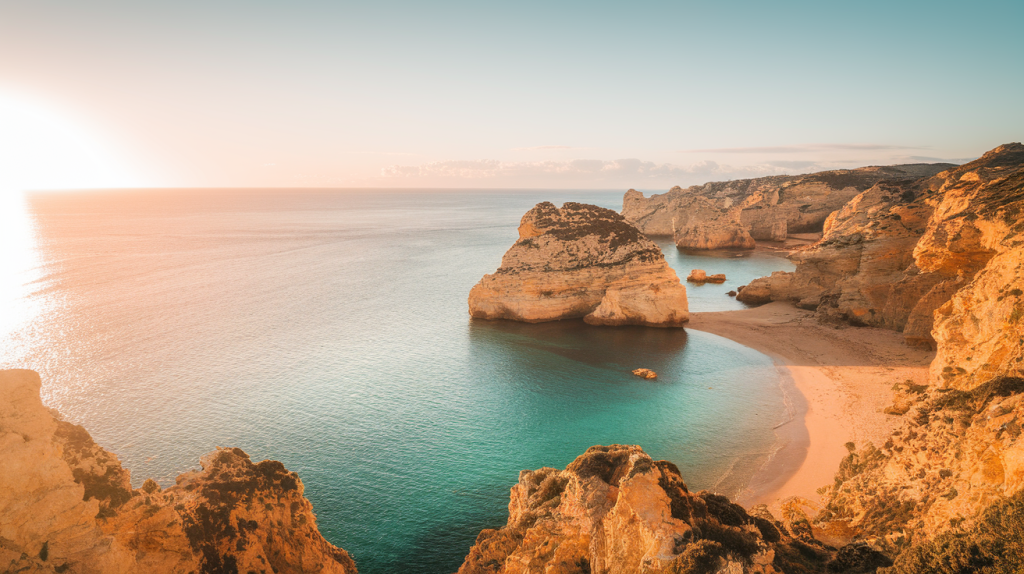
Central Portugal’s aldeia do xisto (schist villages) deliver scenery so dramatic you’ll struggle to believe they’re real. These ancient settlements built entirely from dark slate stone blend into mountainsides like they grew there naturally—because in a way, they did. Moss-covered walls, stepping-stone streams, and winding pathways create an atmosphere that feels genuinely magical, not manufactured-for-tourists magical.
Start with Piódão, the most photographed schist village for good reason. Its amphitheater layout means every building faces the valley, creating layers of stone houses stacked up the hillside. The village only got electricity in the 1970s and paved roads in the 1980s—this isn’t ancient history recreated for visitors; it’s living history that happens to welcome curious travelers.
Here’s where budget travelers win big: local guesthouses in these villages run €45-60 per night, often including breakfast with homemade bread and local cheese. You’re not just saving money; you’re experiencing authentic Portuguese hospitality in family-run accommodations where owners genuinely care about your experience. Casa do Castelo in Piódão and Casas do Juízo in Casal de São Simão consistently earn rave reviews from travelers seeking that perfect balance of comfort and authenticity.
The logistics matter here. Most schist villages require a car since public transportation is limited or nonexistent. However, you can base yourself in Coimbra or Covilhã and book organized day tours that hit 2-3 villages (€60-80 per person including transportation and guide). The trade-off? You’re on someone else’s schedule. If you value flexibility and have 2-3 travelers to split costs, renting a car makes more sense—expect €30-40 daily for a compact vehicle.
Monsanto: The Village Built Into Giant Boulders
Monsanto doesn’t just sit near impressive rock formations—it’s literally built into and under massive granite boulders. Houses use boulders as walls and roofs. Streets wind between rocks the size of buildings. The castle perched at the village top offers views that stretch to Spain on clear days. This place earned the title “most Portuguese village in Portugal” in 1938, and walking its steep cobblestone streets, you’ll understand why.
The best photography spots aren’t marked—you’ll discover them by wandering. That said, locals recommend heading to the castle ruins at sunrise when golden light hits the village and surrounding valleys. The climb takes 20-25 minutes from the village center, and yes, it’s steep, but the payoff is worth every step. Late afternoon works beautifully too, especially in spring when wildflowers blanket the hillsides.
Here’s the planning reality: Monsanto sits remote enough that it demands intentional visiting. The nearest city, Castelo Branco, is 45 minutes away by car. Budget 3-4 hours for a thorough visit—less if you’re just photo-hunting, more if you want to absorb the atmosphere over lunch at a local tavern. The village has limited dining options (2-3 restaurants), so arrive with flexibility. When Taverna Lusitana is open, their grilled meats and mountain views justify the trip alone.
Don’t visit without cash—many village establishments don’t accept cards, and the nearest ATM is miles away. Also, wear proper walking shoes. Those Instagram photos of cobblestone streets don’t show how uneven and steep they actually are.
Serra da Estrela’s Hidden Hiking Trails
Portugal’s highest mountain range offers something rare: spectacular hiking without the crowds plaguing Europe’s famous trails. Serra da Estrela’s network of paths winds through landscapes that shift from rocky peaks to green valleys, often without another hiker in sight.
The Torre trail to Portugal’s highest point (1,993 meters) gets moderate traffic, but venture onto the Vale do Zêzere route and you’ll discover why locals call this their “secret Alps.” The glacial valley trail offers stunning views minus the altitude challenge—mostly flat walking along the valley floor with mountains rising on both sides. Spring through early fall provides ideal conditions; winter brings snow that transforms the range into Portugal’s only ski area.
The authentic food experience here isn’t in restaurants—it’s in shepherd’s homes. Several local families offer tastings of Serra da Estrela cheese (Queijo da Serra), one of Portugal’s most prized products. These aren’t formal tours; they’re informal visits where shepherds explain traditional cheesemaking while you sample varieties aged from weeks to months. Expect to pay €10-15 per person, and yes, you can buy cheese directly—at prices that make gourmet shops look ridiculous.
Seasonal timing matters significantly in mountain villages. July and August bring warmth and crowds (relatively speaking—still nothing like coastal areas). May, June, and September offer the sweet spot: pleasant weather, wildflowers or autumn colors, and villages operating at a relaxed pace. November through March, many guesthouses and restaurants close entirely, and mountain roads can become treacherous.
Secret Cultural & Historical Spots

The Most Stunning Tile Church You’ve Never Heard Of
If you’re even slightly interested in Portugal’s famous azulejo tiles, Igreja de Santa Marinha de Cortegaça needs to top your list. Located in a small town between Porto and Aveiro, this church’s exterior showcases tile work so vibrant and intricate that tile enthusiasts (yes, we exist) call it Portugal’s most impressive—and that’s saying something in a country obsessed with decorative tiles.
The color range alone sets this church apart. While most azulejo features the classic blue and white, Santa Marinha explodes with blues ranging from pale sky to deep navy, accented with yellows, greens, and whites. The geometric and floral patterns create an almost hypnotic effect when sunlight hits the facade. Photography tip: visit between 10am-noon when the sun illuminates the front directly, making those colors absolutely pop.
Beyond this single church, Portugal offers a complete tile trail for enthusiasts. Porto’s São Bento train station features 20,000 tiles depicting Portuguese history—and it’s free to visit since it’s a working station. Lisbon’s National Tile Museum (Museu Nacional do Azulejo) provides context and history, while neighborhoods like Alfama offer endless tile-covered buildings to photograph.
For serious tile hunters, the real treasure is discovering azulejo in unexpected places: metro stations, park benches, building facades in residential neighborhoods. This is where that wandering mentality pays off—some of Portugal’s most beautiful tile work adorns ordinary buildings in unremarkable neighborhoods, waiting for curious travelers to look up.
Hidden Markets Where Locals Actually Shop
Lisbon’s Mercado da Ribeira (Time Out Market) gets all the attention, but it’s become so tourist-focused that locals joke about it being Disneyland with better food. For authentic market experiences, you need to venture where guidebooks don’t send everyone.
Porto’s Mercado do Bolhão recently reopened after renovations, walking the line between tourist attraction and genuine local market. Visit early (before 10am) when neighborhood residents do their daily shopping, and you’ll see the real deal: vendors shouting prices, locals haggling over fish, and produce so fresh it was probably harvested that morning. The upper floor holds small restaurants serving traditional dishes at prices that remind you Portugal remains one of Europe’s best values—complete meals under €10.
For authentic Portuguese ceramics and tiles, skip the tourist shops and head to local markets and workshops. In Porto, the area around Rua de Miguel Bombarda hosts artisan studios where you can watch craftspeople hand-paint tiles and purchase directly. Prices run 30-50% below retail shops, and you’re supporting artists directly. Many workshops offer brief demonstrations or even hands-on experiences where you paint your own tile (€15-25, yours to keep).
The Feira da Ladra in Lisbon (Tuesday and Saturday) offers the ultimate treasure hunt—vintage tiles, antique ceramics, and Portuguese artifacts mixed with plenty of junk. Arrive early, bring cash, and be prepared to negotiate. That €200 antique tile panel in a shop? You might find something similar here for €40-60 if you’re patient and lucky.
Lesser-Known Port Wine Experiences
Everyone knows Porto’s wine cellars line Vila Nova de Gaia’s riverfront, and yes, they’re worth visiting. But the ultimate port wine experiences happen in smaller cellars and local wine bars where tour buses don’t stop.
Taylor’s Port shop in central Porto offers something different from the standard cellar tours: an intimate tasting room where knowledgeable staff guide you through ports you won’t find in export markets. The €15-20 tastings include rare vintages and explanations that actually teach you about port production, not just marketing copy. Best of all, you’re tasting alongside port enthusiasts, not cruise ship groups rushing through.
For the real insider experience, hunt for hidden cellars offering private tastings. Several smaller producers in Vila Nova de Gaia welcome visitors by appointment only—no crowds, no rush, just you and a port expert discussing the wine you’re tasting. These experiences run €25-40 per person but deliver value that large-group tours can’t match: personalized attention, access to limited-production ports, and genuine conversation about Portuguese wine culture.
Timing matters for port experiences. Summer (June-August) brings crowds and higher prices. Visit during shoulder season (April-May or September-October) for better availability, more personal attention, and often better prices. Many cellars offer special promotions during these periods to attract visitors during slower months.
Practical Planning Guide for Hidden Gems

Creating Your Perfect Hidden Gems Itinerary
Here’s the reality: Portugal’s hidden gems are spread across the country, and trying to see everything means spending your vacation in cars and buses instead of actually experiencing places. Smart planning means choosing 3-4 hidden gems that complement your must-see stops without creating a logistical nightmare.
A realistic 7-day itinerary balancing highlights and hidden gems might look like this: Days 1-2 in Lisbon (including day trip to Sintra), Day 3 drive to Monsanto with overnight stay, Day 4 to Porto via schist villages (overnight Porto), Days 5-6 exploring Porto plus Aveiro and Costa Vicentina beaches, Day 7 return to Lisbon or fly from Porto. This itinerary covers major bases while incorporating authentic experiences without exhausting travel days.
The budget breakdown for hidden gems actually favors budget travelers. While Lisbon and Porto accommodations run €80-150 for decent hotels, those schist village guesthouses and small-town stays cost €45-70. Restaurant meals in hidden gem locations run €10-15 per person versus €20-30 in tourist areas. Transportation becomes the variable—rental cars add €30-40 daily plus fuel, while public transportation saves money but limits flexibility.
Sample costs for a week focusing on hidden gems (per person, mid-range travel): Accommodations €350-500, meals €150-200, transportation €100-150 (public transport) or €200-300 (rental car), activities and entrance fees €80-120, total €680-1,170. Compare that to a Lisbon-Porto-Algarve tourist trail where similar quality runs €1,200-1,800.
Transportation & Logistics Made Easy
The car question dominates Portugal travel planning, and the answer is: it depends. For Lisbon, Porto, and coastal areas with good bus/train connections, you don’t need a car—in fact, parking headaches make cars more trouble than they’re worth. For mountain villages, remote beaches, and multi-stop days, a car transforms from luxury to necessity.
Consider this hybrid approach: use public transportation for city-to-city travel (Lisbon to Porto via train is comfortable and scenic), then rent a car for 2-3 days specifically for hidden gem exploration. This strategy saves money while maintaining flexibility where it matters. Major cities have rental agencies at train stations, making pickups and drop-offs convenient.
Portugal’s public transportation surprises people with its efficiency and affordability. The Lisbon-Porto train runs hourly (€25-35, 3 hours), regional buses connect most towns (€5-15 typical routes), and ride-sharing services operate in all major areas. The limitation? Frequency drops dramatically in rural areas, and last buses often leave by 6-7pm. This means careful schedule checking and backup plans.
For authentic accommodations in smaller villages, book directly when possible. Many family-run guesthouses don’t list on major booking platforms or charge lower rates for direct bookings. A simple email in English works fine—Portuguese hospitality businesses are accustomed to international guests. Booking 2-3 weeks ahead provides good availability except during peak summer (July-August) when advance reservations become essential.
Best Times to Visit & Insider Tips
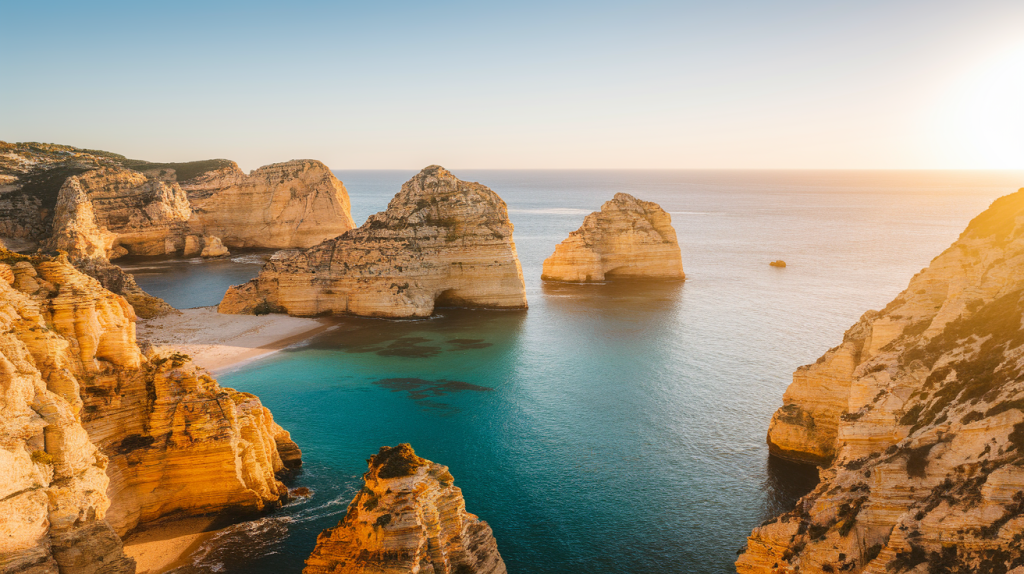
Portugal’s hidden gems shine brightest during shoulder seasons. April-May brings wildflowers, mild temperatures, and villages awakening from winter quiet.
September-October offers harvest season, warm weather without summer heat, and locals in better moods after the tourist rush ends.
These periods deliver the sweet spot: pleasant conditions, fewer crowds, better prices, and authentic experiences since locals aren’t overwhelmed by visitors.
Summer (June-August) means peak everything—peak prices, peak crowds, peak heat. Coastal areas become packed, popular villages fill with tour groups, and prices jump 20-40% across accommodations and activities.
That said, mountain villages remain relatively quiet even in summer, and early mornings or late afternoons still offer crowd-free experiences.
Winter (November-March) presents challenges and opportunities. Mountain villages may close entirely, beach weather is unpredictable, and some attractions reduce hours.
However, cities stay accessible and comfortable, prices drop significantly, and you’ll experience Portugal at its most authentic—locals living their lives without catering to visitors. Just pack layers and rain gear.
Essential Portuguese phrases for authentic interactions: “Bom dia” (good morning), “Obrigado/Obrigada” (thank you – male/female speaker), “Fala inglês?” (do you speak English?), “Quanto custa?” (how much does it cost?).
Even basic attempts at Portuguese earn smiles and better service—locals appreciate the effort even when they switch to English after your first attempt.
Cultural tips that matter: Portuguese people value politeness and formality more than Spanish or Italian cultures. Greet shopkeepers when entering stores, say goodbye when leaving, and don’t rush interactions.
Tipping isn’t mandatory but rounding up or leaving 5-10% for good service is appreciated. Dinner starts late (8-9pm), and restaurants serving at 6pm are probably tourist-focused.
Conclusion
Portugal’s hidden gems aren’t just alternatives to popular destinations—they’re often better than the places everyone else visits. While crowds photograph the same Lisbon viewpoints and pack Algarve beaches, you’ll be floating through Aveiro’s canals, exploring boulder-built villages, and tasting port wine in intimate cellars where your opinion actually matters to the person pouring.
The ultimate benefit? You’re not just avoiding crowds (though that’s nice); you’re experiencing authentic Portugal where traditions survive because locals live them daily, not because tourism demands it. Your euros stretch further, your photos look different from everyone else’s, and your stories start with “You’ve probably never heard of this place…” instead of “Yeah, I did the same Lisbon walking tour as everyone else.”
These secret spots welcome every type of traveler. Budget backpackers find €50 guesthouses in historic buildings. Luxury seekers discover intimate experiences money can’t buy in tourist zones. Families explore villages where kids can wander safely. Solo travelers meet locals genuinely interested in conversation, not just sales.
Start planning your hidden gems itinerary today. Save this guide, screenshot those Google Maps references from the research, and begin mapping your own Portugal adventure that goes beyond the guidebook. The schist villages, secret beaches, and tile-covered churches are waiting—and they’re so much better when you’re not sharing them with fifty other people from your cruise ship.
Share your own hidden discoveries in the comments below. Found a secret beach locals told you about? Stumbled upon a village restaurant serving the best meal of your trip? Portugal has endless hidden treasures, and the travel community thrives when we share authentic finds (without blowing them up so badly they lose their magic).
Remember: the best travel experiences happen off the beaten path, in places where you’re a curious visitor, not just another tourist. Portugal’s hidden treasures offer exactly that—authentic moments, stunning beauty, and unforgettable memories that justify every hour spent planning and every mile traveled to find them. Your Portuguese adventure is waiting. Make it unforgettable.