9 Best Things to do in Setenil de las Bodegas – Spain

Imagine a village where homes are literally carved into towering limestone cliffs, where medieval streets wind beneath massive rock overhangs that have sheltered families for centuries. I will take you by hand to experience the 9 Best Things to do in Setenil de las Bodegas – Spain.
Welcome to Setenil de las Bodegas, Andalusia’s most extraordinary cave village that defies every expectation of traditional Spanish architecture.
Whether you’re planning a Southern Spain road trip from the coastal cities of Marbella to Malaga City, or seeking authentic Andalusia travel experiences beyond the typical Morocco itinerary, this hidden gem offers something magical for every traveler.
From budget-conscious adventurers marveling at the unique cave houses to luxury seekers photographing Spain’s most Instagram-worthy streets, Setenil delivers that perfect blend of accessibility and wonder.
The village’s beautiful streets, where ancient cave dwellings meet vibrant Andalusian culture, create an otherworldly atmosphere that’s impossible to find anywhere else in Spain’s southern region.
These 9 carefully curated experiences will transform your brief visit into an unforgettable journey through one of Europe’s most remarkable destinations, ensuring you capture both the essence and the perfect Spain outfit photos for your feed.
Experience the Magic of Spain’s Most Famous Cave Village
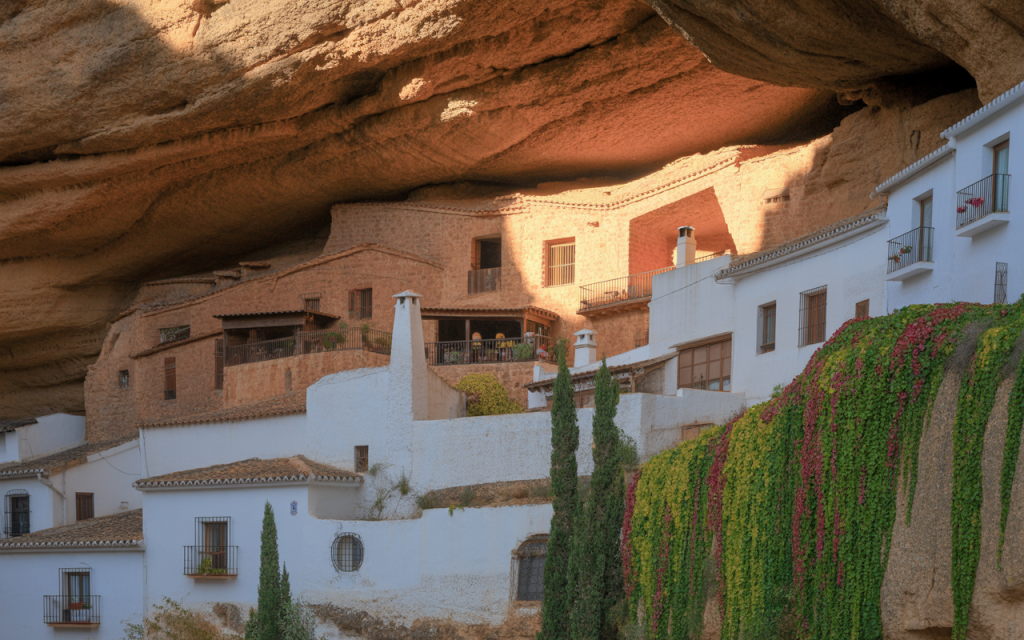
Step into a fairytale where homes emerge from cliffsides and streets tunnel through solid rock. Setenil de las Bodegas isn’t just another Andalusia travel destination—it’s an architectural wonder that challenges everything you know about Spanish villages.
Located just 19 kilometers from Ronda, this cave village offers an extraordinary alternative to typical coastal cities experiences.
What makes Setenil Spain truly special? Unlike artificial cave attractions, families have lived in these natural rock formations for over 500 years.
The village’s name combines “Septem Nihil” (seven times nothing) referencing the Reconquista battles, with “bodegas” honoring its wine-making heritage.
Budget travelers love the free walking exploration, while luxury seekers book private guided tours (€45-65 per person) that reveal hidden stories behind each cave house.
Plan your visit between April-June or September-November for perfect Spain outfit weather and fewer crowds. The village is completely walkable in 2-3 hours, making it ideal for your Spain road trip between Malaga City and Granada.
Pro tip: arrive before 10 AM for the best lighting and parking—this hidden gem is becoming Instagram famous for its Spain aesthetics!
Explore Setenil’s Iconic Cave Houses: Living Architecture Under Ancient Cliffs
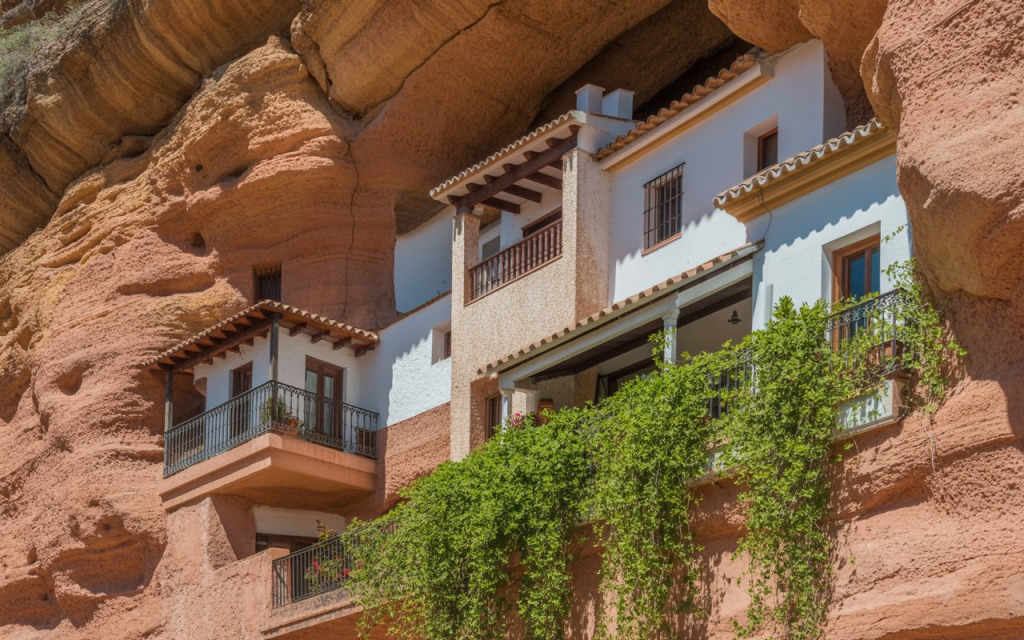
The heart of any Setenil Spain adventure lies in wandering through streets where massive limestone overhangs form natural roofs.
Calle Cuevas de la Sombra (Shadow Caves Street) and Calle Cuevas del Sol (Sun Caves Street) showcase the village’s most photogenic cave houses, where families simply built walls where nature provided the ceiling.
These aren’t tourist recreations—real Andalusian families call these spaces home. María González, a third-generation cave dweller, explains: “The rock keeps us cool in summer, warm in winter.
It’s perfect natural insulation that modern apartments can’t match.” Her neighbor rents out a traditional cave house through Airbnb (€60-90/night), offering travelers authentic Andalusia travel experiences.
The engineering is remarkable: houses stay at consistent 18-20°C year-round without air conditioning. For your Spain and Morocco itinerary, these cave villages demonstrate sustainable architecture that North African cultures also embraced.
Photography enthusiasts should visit during golden hour (7-8 PM in summer) when warm light contrasts dramatically with cool rock shadows.
Respect residents’ privacy—many homes have “Private Property” signs, but public streets offer incredible photo opportunities perfect for your Spain road trip documentation.
Experience the Beautiful Streets Where Rock Meets Traditional Andalusia Travel
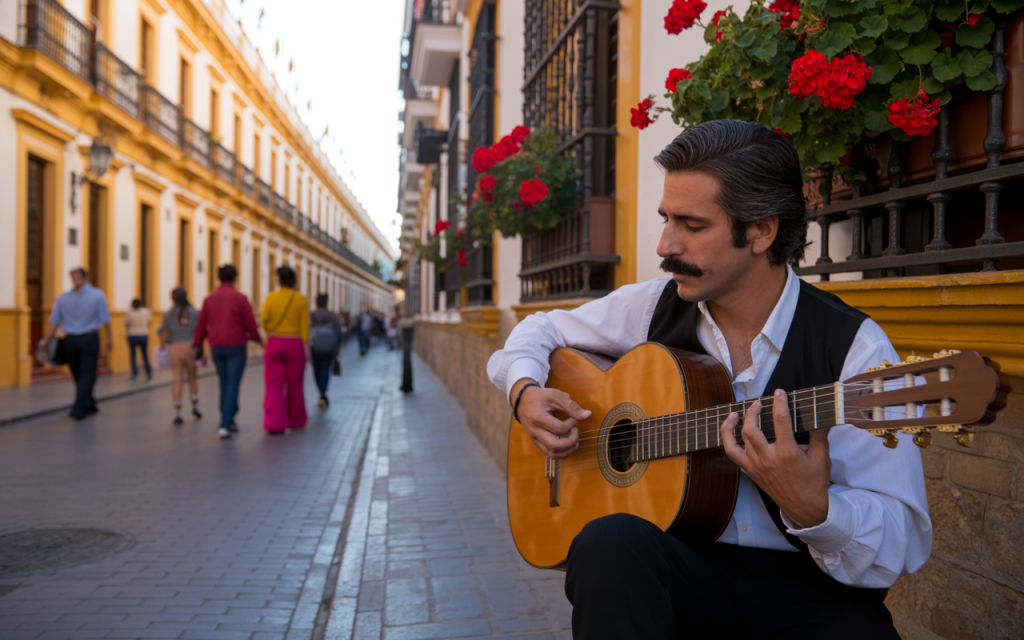
Beyond the famous cave houses, Setenil’s beautiful streets tell centuries of Andalusian history. The upper town reveals traditional whitewashed buildings with terracotta roofs, while narrow cobblestone alleys connect different elevation levels through ancient pathways carved by both nature and human hands.
Start at Plaza de Andalucía, the village’s social heart where locals gather for evening paseos. The 15th-century parish church overlooks this square, its bell tower visible from every corner of the village.
Unlike bustling coastal cities, Setenil maintains an authentic pace where children play football in small plazas and elderly residents share stories on doorsteps.
The real magic happens during festival times: Semana Santa processions wind through narrow cave streets creating ethereal echoes, while September’s wine harvest celebrations transform the village into a community party.
Budget tip: Free walking is the best way to explore, though comfortable shoes are essential for uneven stone surfaces. For Spain outfit planning, layers work best—cave streets stay cool while sunny plazas can be surprisingly warm.
Local guides (€25-35 per group) share fascinating stories about families who’ve lived here for generations, adding depth to your southern region exploration.
Uncover the Perfect Spain Road Trip Stop Between Malaga City and Morocco
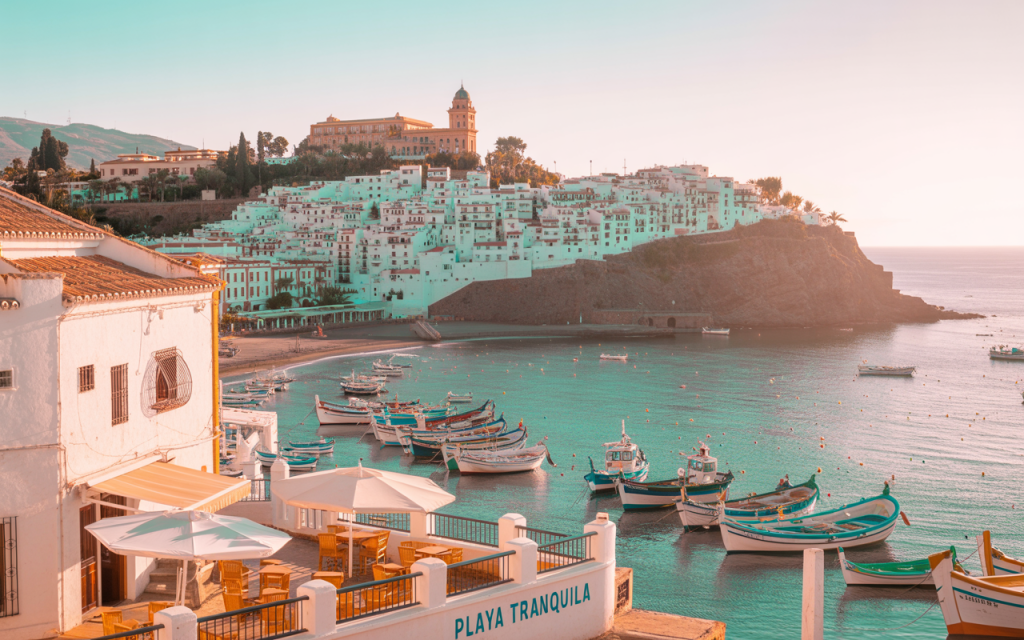
Strategically positioned in Andalusia’s heart, Setenil de las Bodegas creates the perfect bridge between Spain’s coastal cities and your Morocco itinerary. Located 157 kilometers from Malaga City and just 35 kilometers from Jerez (famous for sherry), this cave village fits seamlessly into southern Spain road trip planning.
The drive from Malaga takes approximately 1.5 hours through stunning Andalusian countryside, passing olive groves and white villages that epitomize Spain aesthetics.
Unlike crowded Marbella old town, Setenil offers authentic cultural immersion without tourist overwhelm. Parking costs just €1-2 per day in designated areas outside the historic center.
Smart itinerary planning: combine Setenil with nearby Ronda (20 minutes away) for a full day of exploration. Many travelers use this combination as their last Spanish experience before ferrying to Morocco from Tarifa or Algeciras.
Local travel blogger Carlos Mendez suggests: “Setenil shows visitors what authentic Andalusia looks like before they experience North African cave architecture in Morocco. The cultural connections become obvious.”
Budget travelers can explore both villages for under €50 including meals, while luxury travelers might book private transfers (€120-150) that include wine tasting at local bodegas, making this cave village an essential Spain road trip highlight.
Why Visit Setenil de las Bodegas for the Ultimate Spain Aesthetics Photography?
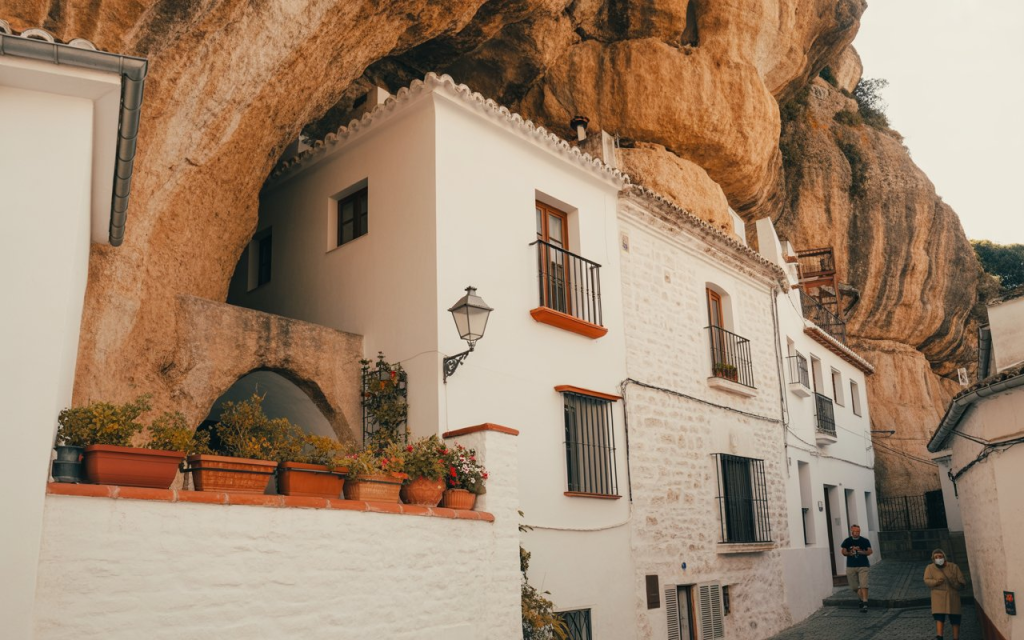
Instagram and Pinterest have discovered what travel photographers knew for decades: Setenil Spain delivers unparalleled visual drama.
The contrast between ancient limestone cliffs and whitewashed buildings creates compositions impossible to find elsewhere in Europe’s coastal cities.
The golden hour magic is extraordinary—warm Mediterranean light illuminates white cave houses while deep shadows emphasize the dramatic rock formations.
Professional photographer Ana Ruiz, who’s documented Andalusia travel for National Geographic, explains: “Setenil offers three-dimensional photography opportunities. You’re not just capturing buildings; you’re capturing the relationship between human creativity and natural wonder.”
Best photography spots include the viewpoint near the castle ruins (free access), Calle Cuevas de la Sombra for dramatic overhead rock shots, and the bridge overlooking the Guadalporcún River for panoramic village views. For Spain outfit coordination, earth tones and whites complement the natural palette perfectly.
Technical tips: shoot in RAW format to capture the extreme light contrasts, use a polarizing filter to manage reflections off white walls, and plan for multiple visits—morning light emphasizes architectural details while evening light creates mood.
Many travel influencers now include Setenil in their southern region content specifically for its unique Spain aesthetics that guarantee engagement from followers seeking authentic Andalusia Spain experiences.
Discover Hidden Tapas Bars Carved into Living Rock Formations

Dining in Setenil isn’t just about food—it’s about experiencing centuries-old spaces where cave walls create intimate atmospheres impossible to replicate.
Several traditional tapas bars occupy natural rock formations, offering authentic Andalusia travel experiences that combine exceptional cuisine with unique ambiance.
Bar Frasquito, carved directly into the cliff face, serves traditional montaditos (small sandwiches) and local wines for €2-4 per tapa.
The rock ceiling maintains perfect temperature year-round, making summer dining comfortable without air conditioning. Local favorite Mesón El Tempranillo features cave dining rooms where families have operated restaurants for three generations.
The menu focuses on regional specialties: chorizo al vino, jamón ibérico, and locally-produced goat cheese. Unlike tourist-focused coastal cities restaurants, prices remain authentic—expect to spend €15-25 per person for a substantial meal with wine.
The owner, Fernando Martín, proudly explains: “Our cave keeps wine at perfect temperature naturally. These walls have been serving travelers for 400 years.”
For your Spain road trip dining, these hidden spots offer cultural immersion that expensive Marbella old town restaurants can’t match.
Reservations aren’t typically necessary except during festivals, but arriving early (7:30-8 PM) ensures the best cave tables. Many establishments close on Mondays, so plan accordingly for your Andalusia Spain exploration.
Experience Andalusia Spain’s Most Unique Accommodation: Cave House Hotels

Sleeping in a cave house transforms your Setenil Spain visit from sightseeing to genuine cultural immersion. Several properties offer overnight experiences in authentic cave dwellings, complete with modern amenities seamlessly integrated into centuries-old rock formations.
Casa Rural Setenil (€75-120/night) features three cave rooms where massive limestone overhangs form natural ceilings. Each space includes private bathrooms, WiFi, and climate that stays naturally comfortable year-round.
Owner Isabel García converted her family’s traditional cave dwelling, maintaining original architectural features while adding contemporary comfort.
For luxury travelers, Cuevas de Setenil (€150-200/night) offers boutique cave suites with designer furnishings, private terraces, and gourmet breakfast service.
The experience rivals expensive coastal cities hotels while providing complete uniqueness. Budget option Casa Cueva El Mirador (€45-65/night) offers basic but authentic cave accommodation perfect for Spain road trip travelers.
What makes cave house stays special? Natural acoustics create perfect silence for sleeping, temperatures remain constant without heating or cooling systems, and you’ll wake up inside living history.
Many guests extend their Andalusia travel specifically to experience multiple nights in these extraordinary spaces. Book directly with owners for best rates, and expect to navigate narrow streets and stairs—definitely factor this into your Spain outfit and luggage planning for maximum comfort.
Explore the Southern Region’s Best-Kept Secret for Your Spain and Morocco Itinerary

Setenil de las Bodegas represents the perfect cultural bridge between European and North African architectural traditions, making it essential for travelers planning Spain and Morocco adventures.
The village’s cave dwellings echo similar structures found in Morocco’s Atlas Mountains, while maintaining distinctly Andalusian character that helps travelers understand the historical connections between these regions.
Located strategically between major Spanish cities and Moroccan ferry ports, Setenil fits perfectly into southern region exploration.
From here, Tarifa (gateway to Morocco) is just 90 minutes by car, while Sevilla and Granada are easily accessible for deeper Andalusia travel. This positioning makes the cave village an ideal final Spanish experience before crossing to Africa.
Cultural parallels become obvious when you explore: both Spanish and Moroccan cave communities developed similar cooling techniques, social gathering spaces, and integration with natural rock formations.
Travel anthropologist Dr. Carmen Vega notes: “Setenil shows how Mediterranean cultures adapted to challenging landscapes using similar solutions across political boundaries.”
Budget travelers appreciate that exploring Setenil costs virtually nothing—wandering the streets, photographing cave houses, and absorbing the atmosphere requires only comfortable walking shoes and curiosity.
For your Morocco itinerary preparation, this village provides cultural context that enriches the North African experience by highlighting shared architectural heritage across the Strait of Gibraltar.
Uncover the Perfect Spain Outfit Backdrops in These Coastal Cities’ Gateway Village
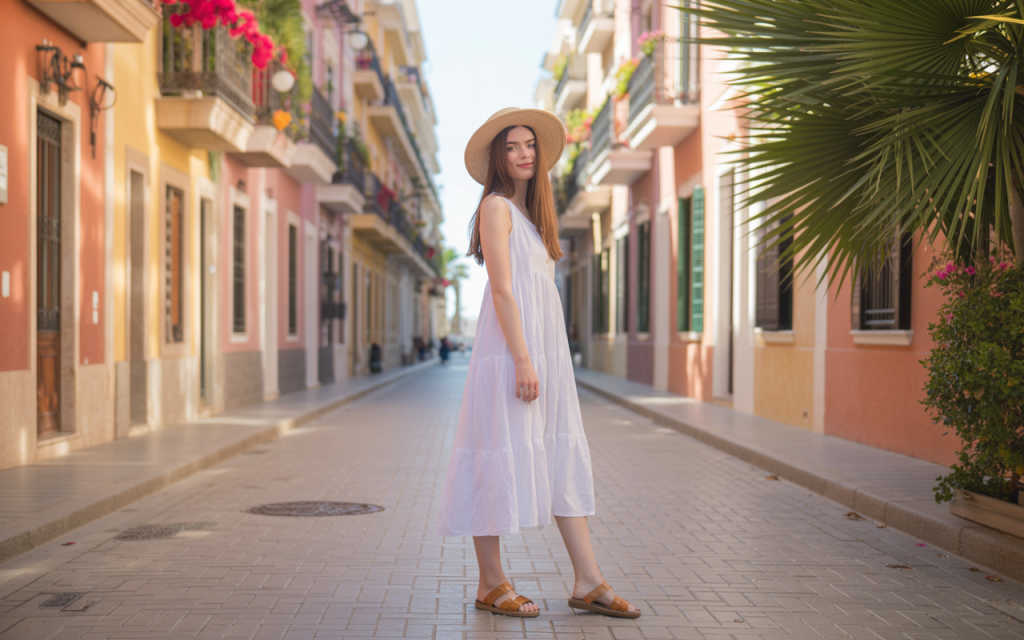
Fashion bloggers and style influencers have discovered Setenil Spain as an extraordinary backdrop destination that offers dramatic visual contrast unavailable in typical coastal cities settings.
The interplay between flowing fabrics and ancient rock formations creates compelling content that performs exceptionally well on social media platforms.
The village’s natural lighting provides perfect photography conditions throughout the day. Morning shoots in the cave streets offer soft, diffused light that flatters all skin tones, while afternoon sessions on upper terraces provide bright, vibrant colors perfect for Spain outfit showcases.
The neutral palette of limestone and whitewashed walls complements virtually any clothing choice, from flowing bohemian dresses to structured blazers.
Style blogger Lucía Morales, who features Andalusia travel content for 200K followers, explains: “Setenil gives me backgrounds that my audience has never seen.
The textures, the depth, the way fabrics move against these ancient walls—it’s content gold that sets my Spain aesthetics apart from typical beach and city shots.”
Practical outfit planning: comfortable walking shoes are essential for cobblestone navigation, layers work best for temperature variations between sunny plazas and cool cave streets, and earth tones or crisp whites photograph beautifully against the rock formations.
Many influencers plan entire southern region trips around Setenil’s unique visual opportunities, knowing these backgrounds will generate engagement long after their Andalusia Spain adventures end.
Why Setenil Should Be Your Next Andalusia Travel Priority Over Marbella Old Town
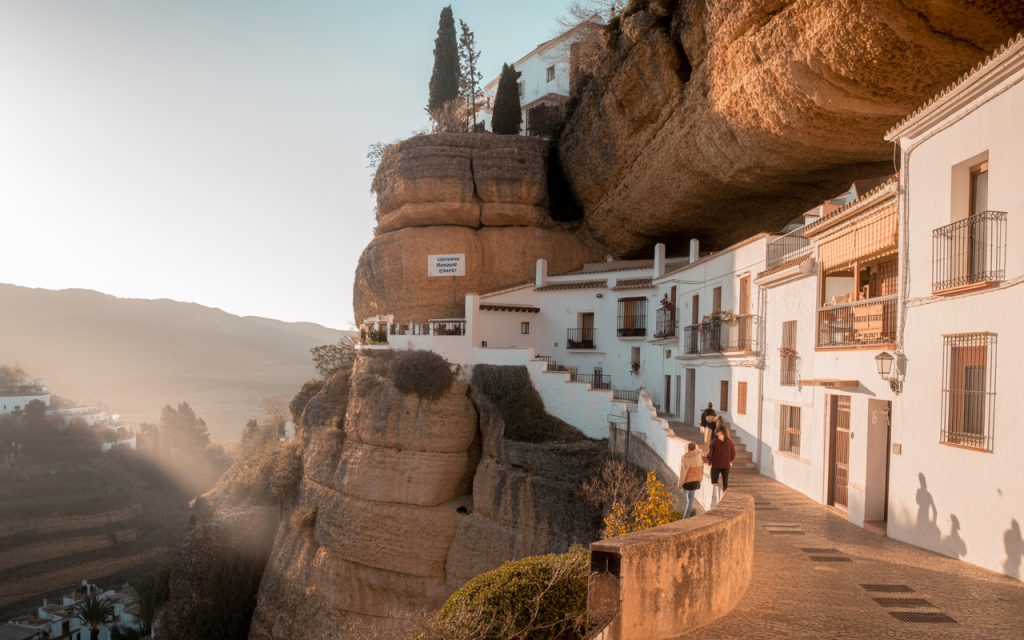
While Marbella old town attracts millions seeking luxury coastal experiences, Setenil de las Bodegas offers something increasingly rare: authentic Andalusian culture without tourist overwhelm.
The value proposition is compelling—where Marbella demands €200+ daily budgets, Setenil provides extraordinary experiences for €30-50 per person.
The authenticity factor sets Setenil apart from coastal cities’ commercialized attractions. Here, you’ll encounter genuine local life: children playing in ancient plazas, elderly residents maintaining family traditions, and community festivals that welcome visitors as guests rather than customers.
Unlike Marbella’s international atmosphere, Setenil maintains distinctly Spanish character that provides deeper cultural connection.
Practical advantages include easy parking (€1-2 vs. Marbella’s €20+ daily rates), affordable dining with authentic local cuisine, and accommodation options ranging from budget cave houses to boutique properties—all significantly less expensive than coastal alternatives.
The village’s compact size means you can thoroughly explore in a single day, making it perfect for Spain road trip itineraries.
Travel writer Miguel Santos, author of “Hidden Andalusia,” argues: “Setenil represents what Marbella was before mass tourism—a place where architecture tells stories, where locals share their heritage willingly, and where visitors leave with genuine cultural understanding rather than just photographs.”
For travelers seeking meaningful Andalusia Spain experiences, this cave village delivers authenticity that luxury coastal cities increasingly struggle to provide.