7 Safest Cities for Solo Female Travel in 2026

You’re sipping coffee at a charming local café, your backpack at your feet, a city map spread before you—and the entire day is yours to explore. No compromises, no negotiations, just pure freedom. But here’s the thing that might be holding you back: Is it actually safe?
I get it. The decision to travel solo as a woman comes with a unique set of considerations that our male counterparts rarely think twice about.
You’re not being paranoid—you’re being smart. And here’s what I’ve learned after visiting 47 countries, many of them completely alone: the right destination makes all the difference between feeling empowered and feeling anxious.
The cities on this list aren’t just statistically safe (though they absolutely are). They’re places where solo dining doesn’t earn you pitying looks, where public transportation runs like clockwork, where locals actually help lost travelers instead of ignoring them.
These are cities with infrastructure designed for independence, cultures that respect women traveling alone, and communities of fellow solo travelers who’ve paved the way before you.
In 2026, solo female travel isn’t a brave exception—it’s a growing movement. More women than ever are discovering that traveling alone isn’t about being fearless; it’s about choosing destinations that make independence feel natural. Whether you’re a first-timer testing the waters or a seasoned solo traveler seeking your next adventure, these seven cities offer the perfect combination of safety, accessibility, and unforgettable experiences.
Ready to book that ticket? Let’s explore the safest cities where your solo journey can truly begin.
What Makes a City Truly Safe for Solo Female Travelers?
Beyond Crime Statistics—The Real Safety Factors
Low crime rates matter, obviously. But if you’ve done any research, you know that statistics only tell part of the story. I’ve felt perfectly safe in cities with moderate crime rates and uncomfortably exposed in places that technically ranked as “very safe.” The difference? Cultural attitudes and infrastructure.
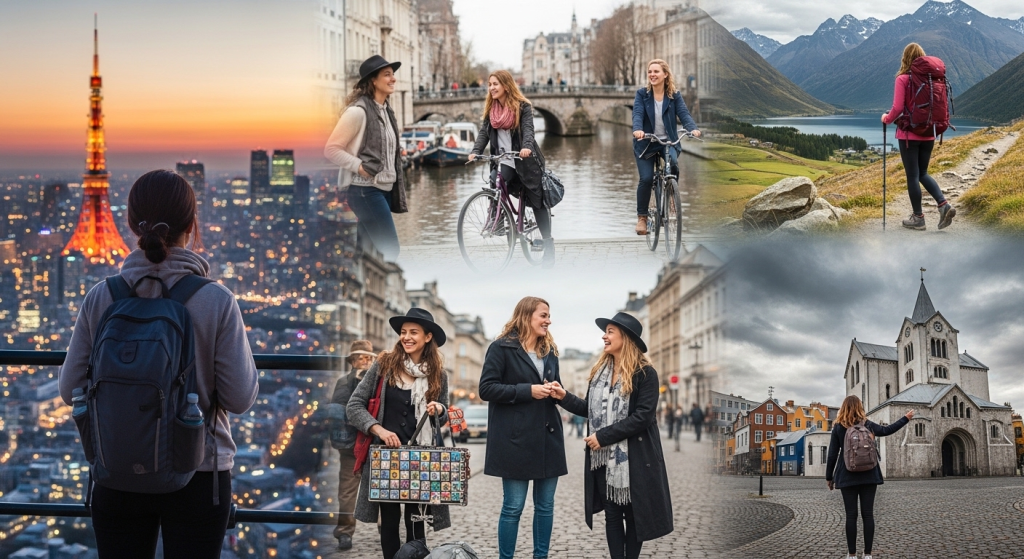
A truly safe city for solo female travelers has cultural norms that normalize women’s independence. In Tokyo, you’ll see women dining alone at ramen counters without a second glance. In Copenhagen, solo female cyclists own the bike lanes. These aren’t just safe cities—they’re cities where your solo status doesn’t make you stand out or become a target.
The quality of public infrastructure directly impacts your safety and confidence. Well-lit streets, reliable public transportation that runs late into the evening, clear signage in English (or incredibly helpful locals), and visible police presence all contribute to that crucial feeling of security. When you can navigate a city intuitively, you spend less mental energy on basic logistics and more on actually enjoying your trip.
Here’s something that doesn’t show up in safety rankings but absolutely matters: the presence of other solo travelers. Cities with thriving hostel cultures, solo-friendly restaurants with communal tables, and active online communities of female travelers create a built-in support system. You’re not pioneering—you’re joining a well-established path.
The Infrastructure That Empowers Independence
Let’s talk about what actually makes a city navigable for solo travelers. Public transportation is non-negotiable. I’m talking about systems where you can figure out the metro without a PhD, where buses actually arrive when the app says they will, and where you feel safe riding alone at 10 PM.
Walkability changes everything. Cities with pedestrian-friendly centers, well-maintained sidewalks, and logical layouts let you explore on foot—which is how you discover those hidden local cafés that become your favorite memories. Bonus points if the city has dedicated walking paths and bike lanes that locals actually respect.
Accommodation options matter more than you might think. The best solo travel cities offer a range of choices: social hostels where you can meet other travelers, boutique hotels in safe neighborhoods, and even unique options like capsule hotels or homestays. Having choices means you can match your accommodation to your mood and budget.
Language accessibility isn’t about everyone speaking perfect English—it’s about a city being set up for international visitors. Clear signage, helpful translation apps that actually work, and locals who are patient with non-speakers all contribute to your ability to handle situations independently. When you can ask for help and actually receive it, everything feels more manageable.
Trust Your Gut—But Prepare It First
Here’s the truth: your intuition is your best safety tool, but only when it’s informed. Research and preparation don’t make you paranoid—they make you confident. When you know which neighborhoods to avoid after dark, which transportation options are safest, and what local customs to respect, you can relax and enjoy your trip.
I spend hours reading recent reviews from other solo female travelers before visiting anywhere new. Not the official tourism websites—the honest blog posts, Reddit threads, and Facebook group discussions where women share what really happened. Did they feel safe walking alone at night? Were locals respectful? Did anyone experience harassment? These real experiences are worth more than any guidebook.
Understanding local customs and cultural norms isn’t just about being respectful—it’s about staying safe. In some cities, making eye contact with strangers is friendly; in others, it’s an invitation for unwanted attention. Knowing these nuances helps you blend in and avoid accidentally signaling vulnerability.
The power of connecting with other solo female travelers before you arrive cannot be overstated. Join city-specific Facebook groups, follow solo travel Instagram accounts, and don’t be shy about reaching out to women who’ve recently visited. Many travelers are happy to share their favorite safe neighborhoods, recommended restaurants, and insider tips that never make it into guidebooks.
1. Tokyo, Japan—Where Solo Feels Seamless
Why Tokyo Tops the Safety Charts
Tokyo isn’t just safe—it’s almost impossibly safe. We’re talking about a city where people leave their phones on restaurant tables to save their seats, where lost wallets are turned in to police with cash intact, and where violent crime is so rare it makes international news when it happens. The statistics back this up: Tokyo consistently ranks as one of the world’s safest major cities, with crime rates that make other capitals look chaotic by comparison.
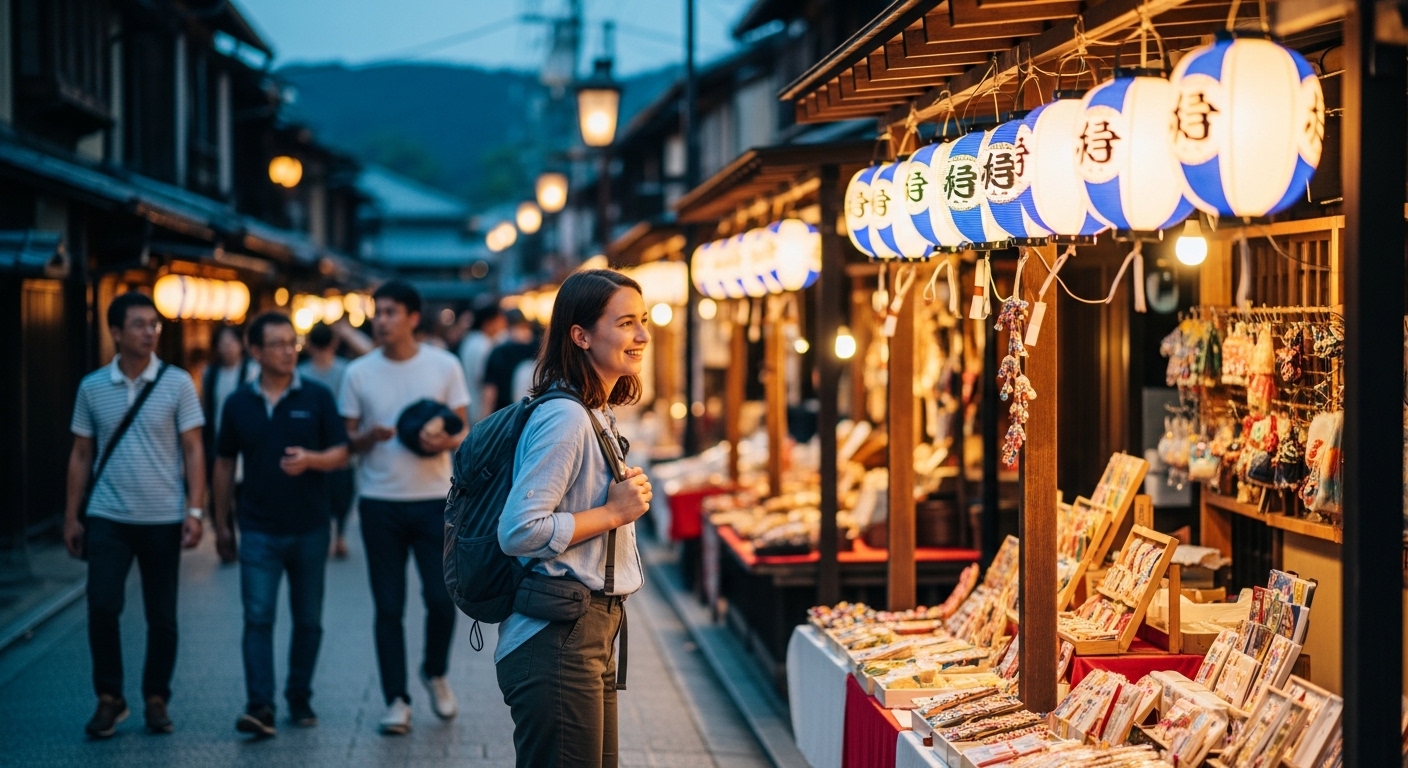
But here’s what really makes Tokyo perfect for solo female travelers: solo dining is completely normalized. You won’t get pitying looks or awkward “table for one?” questions. In fact, many ramen shops and izakayas have counter seating specifically designed for solo diners. You’ll squeeze in next to salarymen and students, all happily eating alone, and nobody thinks twice about it.
The public transportation system deserves its legendary reputation. The trains run on time down to the second, stations are impeccably clean, and the network is so comprehensive you can reach anywhere in the city. Yes, it’s crowded during rush hour, but even packed trains feel orderly and safe. Women-only cars during peak hours provide extra security if you want it.
English signage throughout major areas and stations makes navigation surprisingly easy for a city where English isn’t widely spoken. Download Google Translate with offline Japanese, and you’re set. The language barrier exists, but it rarely causes real problems—locals are incredibly helpful, even if communication involves a lot of gesturing and phone translation.
Hidden Gems and Authentic Local Experiences
Skip the tourist-packed streets of Shibuya for a few hours and head to Shimokitazawa, my absolute favorite Tokyo neighborhood. This is where young Tokyoites actually hang out—a maze of narrow streets packed with vintage clothing stores, record shops, and cozy cafés where you can spend an entire afternoon people-watching. The vibe is artsy and laid-back, completely different from the neon chaos of central Tokyo.
Yanaka District offers a glimpse of old Tokyo that somehow survived the city’s modernization. Traditional wooden houses line quiet streets, artisan shops sell handmade crafts, and the Yanaka Cemetery becomes absolutely magical during cherry blossom season. Walk here in the early morning, and you’ll see locals going about their daily routines—it feels like stepping back in time.
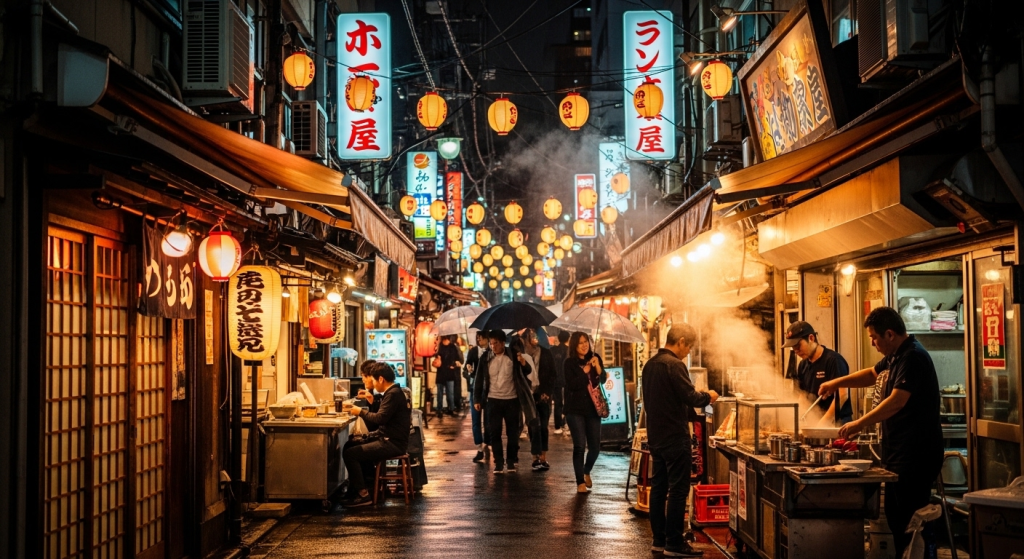
For an authentic evening experience, brave the tiny alleyways of Omoide Yokocho (Memory Lane) near Shinjuku Station. These cramped izakayas seat maybe six people max, and you’ll find yourself squeezed next to salarymen unwinding after work. Order yakitori, pour beer for your neighbors, and enjoy the kind of spontaneous cultural exchange that makes solo travel magical. Yes, it’s smoky and chaotic, but it’s also quintessentially Tokyo.
Solo-friendly capsule hotels deserve a mention—they’re clean, safe, uniquely Japanese, and perfect for solo travelers on a budget. Many now offer women-only floors with enhanced security. It’s like sleeping in a spaceship pod, and the communal areas are great for meeting other travelers.
Join a local cooking class or tea ceremony for authentic cultural connection. These small-group experiences are perfect for solo travelers—you’ll learn traditional skills, meet other visitors, and leave with stories that go deeper than “I saw the temples.”
Practical Solo Travel Tips for Tokyo
Get a Suica or Pasmo card on day one. These rechargeable transit cards work on all trains, subways, buses, and even many vending machines and convenience stores. No more fumbling with tickets or trying to calculate fares—just tap and go. You can buy them at any major station, and they make navigating Tokyo absolutely effortless.
Download Google Translate with offline Japanese before you arrive. The camera translation feature is genuinely magical—point your phone at a menu or sign, and it translates in real-time. This single app will save you countless times.
For first-timers, stay in Shinjuku, Shibuya, or Asakusa. These neighborhoods offer easy access to major attractions, plenty of accommodation options, and enough English signage to keep you oriented. Once you’re comfortable, you can venture to quieter neighborhoods like Shimokitazawa or Nakameguro.
Don’t miss the Robot Restaurant in Shinjuku for pure, bizarre entertainment. Yes, it’s touristy and completely ridiculous—giant robots, neon lights, dancers, and absolute sensory overload. But it’s also uniquely Tokyo, and experiencing it solo means you can fully embrace the weirdness without worrying about anyone else’s enjoyment.
Convenience stores (konbini) are your best friend in Tokyo. Family Mart, 7-Eleven, and Lawson offer clean bathrooms, ATMs that accept foreign cards, amazing prepared food, and pretty much anything you might need. The egg salad sandwiches and onigiri are legitimately delicious, and you can eat well for under $5.
Best time to visit: March-April for cherry blossoms (crowded but worth it) or October-November for fall colors and perfect weather. Avoid Golden Week (late April-early May) when domestic tourism peaks.
2. Copenhagen, Denmark—Scandinavian Safety Meets Hygge Charm
The Perfect Blend of Safety and Solo-Friendly Culture
Denmark consistently ranks among the world’s happiest and safest countries, and Copenhagen embodies everything that makes Scandinavian cities perfect for solo travelers. The crime rate is remarkably low, gender equality is deeply embedded in the culture, and the social safety net creates a stable, secure environment where everyone—including tourists—benefits from the overall sense of order and trust.
The bicycle culture makes exploring intuitive and genuinely fun. Copenhagen has more bikes than cars, and the cycling infrastructure is so well-developed that you’ll feel safer on two wheels than you would walking in many other cities. Bike lanes are protected, drivers respect cyclists, and you can rent a bike for the entire day for less than the cost of a museum ticket. Join the river of locals cycling to work, and you’ll understand why Copenhagen consistently ranks as one of the world’s most livable cities.
Locals speak perfect English and are genuinely helpful. Unlike some European cities where language barriers create stress, Copenhagen feels effortlessly accessible. Danes switch to English mid-conversation if they notice you struggling with Danish, and they’re direct and honest in a way that makes interactions refreshingly straightforward. No guessing games, no misunderstandings—just clear communication.
Women traveling alone is so normalized here that you’ll never feel conspicuous. Solo dining, solo museum visits, solo cycling—it’s all completely standard. The city is compact enough to navigate easily but large enough to offer endless discovery. You can walk or bike everywhere in the city center, which means you’re never dependent on taxis or rideshares late at night.
Breathtaking Experiences Beyond the Tourist Trail
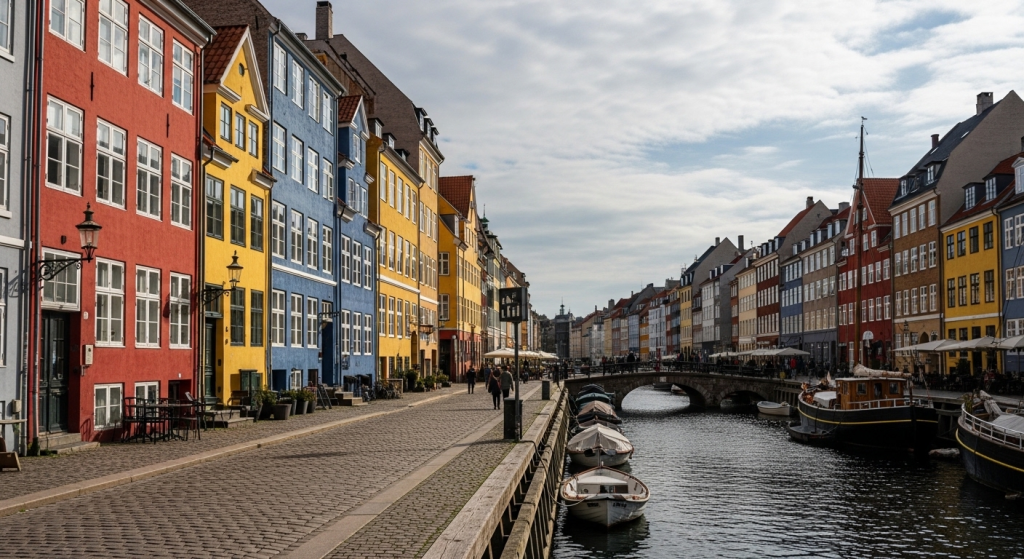
Yes, Nyhavn is touristy, and yes, those colorful buildings are all over Instagram. But here’s the thing: they’re Instagram-famous for a reason. Visit at sunset when the buildings glow in golden light, grab a beer from a less-crowded side street, and just watch the boats drift by. Sometimes the tourist spots earn their reputation.
Freetown Christiania deserves a visit, but go during daylight hours and exercise normal caution. This self-governing neighborhood operates outside Danish law (to some extent), and while it’s generally safe, it’s also unpredictable. The alternative culture, colorful murals, and unique atmosphere offer a stark contrast to Copenhagen’s otherwise orderly vibe. Don’t take photos on Pusher Street, respect the community rules, and you’ll have a fascinating glimpse into a completely different way of living.
Assistens Cemetery sounds like an odd recommendation until you visit. This is where locals come to picnic, sunbathe, and read books among the graves of famous Danes (including Hans Christian Andersen). It’s peaceful, beautiful, and perfectly captures the Danish approach to death as a natural part of life. Bring a blanket and a book, and you’ll understand why cemeteries can be community spaces.
Reffen Street Food Market on Refshaleøen offers an authentic local food scene without the tourist markup. Communal tables make it perfect for solo travelers—you’ll inevitably end up chatting with Danish families or other visitors. The food ranges from Nordic cuisine to international options, and the waterfront location provides stunning views across to the city.
Rent a bike and join locals on the cycling superhighways that connect the city. These dedicated bike routes take you through neighborhoods you’d never see otherwise, and cycling alongside Danes on their daily commute feels like a genuine cultural immersion.
Making the Most of Your Copenhagen Adventure
Stay in Vesterbro or Nørrebro for local vibes and great cafés. These neighborhoods have moved from gritty to gentrified over the past decade, and they now offer the perfect blend of authentic Copenhagen life and visitor-friendly infrastructure. You’ll find independent coffee shops, vintage stores, and restaurants where locals actually eat.
Invest in a Copenhagen Card for free admission to museums and unlimited public transportation. If you’re planning to visit several attractions, it pays for itself quickly. The card also includes discounts at restaurants and shops, plus it covers the train to Louisiana Museum of Modern Art.
Visit during summer (June-August) for long daylight hours that are perfect for solo exploring. The sun doesn’t set until after 10 PM, which means you can pack more into each day and feel safe walking around even late in the evening. The downside? Everyone else has the same idea, so expect crowds and higher prices.
Join a free walking tour on your first day to get oriented. Copenhagen has several excellent free tours led by knowledgeable locals who work for tips. You’ll learn the city’s history, get recommendations from someone who lives there, and potentially meet other solo travelers to explore with later.
Don’t miss the Louisiana Museum of Modern Art, located 30 minutes north by train. The museum itself is world-class, but the sculpture garden overlooking the Øresund strait is absolutely breathtaking. Go on a weekday morning for smaller crowds.
Budget tip: Eat your main meal at lunch when restaurants offer frokost deals. Copenhagen is expensive, but lunch specials at nice restaurants cost half what dinner does. Save money, eat well, and spend your evenings exploring rather than sitting in restaurants.
3. Singapore—The Ultimate First-Timer’s Solo Destination
Why Singapore Is Perfect for Solo Travel Newbies
If you’re nervous about solo travel and want to test the waters somewhere that feels safe and manageable, Singapore is your answer. This city-state has extremely low crime rates—we’re talking about a place where chewing gum is illegal and jaywalking can get you fined. The strict laws create a very orderly, predictable environment that might feel constraining to some but provides incredible peace of mind for solo travelers.
The city is impeccably clean and organized. Yes, the stereotypes are true, and honestly, it’s wonderful. You can drink tap water, eat street food without worry, and walk through any neighborhood without stepping over trash or dodging sketchy characters. The infrastructure is first-world all the way, which means everything simply works the way it’s supposed to.
English is widely spoken—there’s zero language barrier stress. Singapore has four official languages, but English is the primary language of business and tourism. Signs, menus, announcements, and conversations all happen in English, which eliminates the anxiety of not being able to communicate in an emergency.
Public transportation is cheap, efficient, and air-conditioned (crucial in Singapore’s tropical heat). The MRT system is intuitive even for first-time visitors, trains run every few minutes, and the entire network shuts down around midnight—which actually helps you avoid late-night safety concerns. Grab (Southeast Asia’s Uber) is also incredibly cheap and safe for when you need door-to-door transportation.
Diverse neighborhoods offer completely different experiences within one compact city. You can explore Little India’s colorful chaos in the morning, have lunch in ultra-modern Marina Bay, and end your day in historic Chinatown—all without spending more than 30 minutes on the MRT. This variety means you never get bored, even in a relatively small city.
Discovering Singapore’s Hidden Local Treasures
Tiong Bahru is Singapore’s hipster neighborhood, though calling it that almost feels reductive. This area features gorgeous art deco architecture from the 1930s, independent bookstores, specialty coffee shops, and a wet market where locals still buy their groceries. Visit on a weekend morning, grab kaya toast at a traditional kopitiam, then browse the vintage stores and galleries that have made this neighborhood Singapore’s coolest enclave.
Kampong Glam offers a completely different vibe—this is the Malay-Arab quarter where you’ll find the stunning Sultan Mosque, narrow streets lined with boutiques selling textiles and perfumes, and some of the best Middle Eastern food in the city. Haji Lane, a tiny pedestrian street within Kampong Glam, is packed with independent boutiques, colorful street art, and cafés perfect for solo travelers who want to sit, sketch, and people-watch.
Hawker centers are where locals actually eat, and they’re perfect for solo travelers. Maxwell Food Centre and Lau Pa Sat are both centrally located and offer dozens of stalls serving authentic Singaporean food at incredibly cheap prices. Order chicken rice, laksa, or char kway teow, grab a table (put a packet of tissues down to reserve your seat—it’s the local custom), and enjoy a feast for under $5. The communal seating means you’re never awkwardly dining alone.
MacRitchie Reservoir provides an escape from the urban intensity. The TreeTop Walk—a suspension bridge 25 meters above the forest floor—offers stunning views of the rainforest canopy. The entire loop trail takes about 3-4 hours, and you’ll likely see monkeys, monitor lizards, and exotic birds. It’s a reminder that Singapore, despite its modern reputation, is still a tropical island.
Join a free walking tour of Little India or Chinatown for cultural context. These neighborhoods are fascinating to explore independently, but a guided tour helps you understand the history, spot details you’d otherwise miss, and ask questions about local culture.
Insider Tips for Solo Female Travelers
Stay near Clarke Quay, Chinatown, or Little India for central access to attractions, diverse food options, and good public transportation connections. These neighborhoods are safe, well-lit, and have plenty of accommodation options ranging from hostels to boutique hotels.
Download the Grab app before you arrive. This rideshare service is cheaper and more reliable than taxis, and you can pay through the app, which eliminates any payment awkwardness or scams. Drivers are vetted, trips are tracked, and you can share your ride details with friends back home for extra security.
Visit during the shoulder season (February-April) to avoid peak heat, humidity, and crowds. Singapore is hot year-round, but these months offer slightly more comfortable temperatures and fewer tourists. Avoid Chinese New Year when prices spike and many local businesses close.
The MRT is your best friend—clean, safe, and runs until midnight. Get an EZ-Link card (similar to Tokyo’s Suica) for seamless travel across the entire network. Trains are air-conditioned, well-lit, and have dedicated areas near the driver for extra security if you’re traveling late.
Splurge on at least one meal at a hawker center. I’m serious—$5 can get you an amazing feast of local specialties that would cost $30 in a restaurant. Try multiple dishes, sample different cuisines, and eat like a local. The food is safe, delicious, and authentically Singaporean.
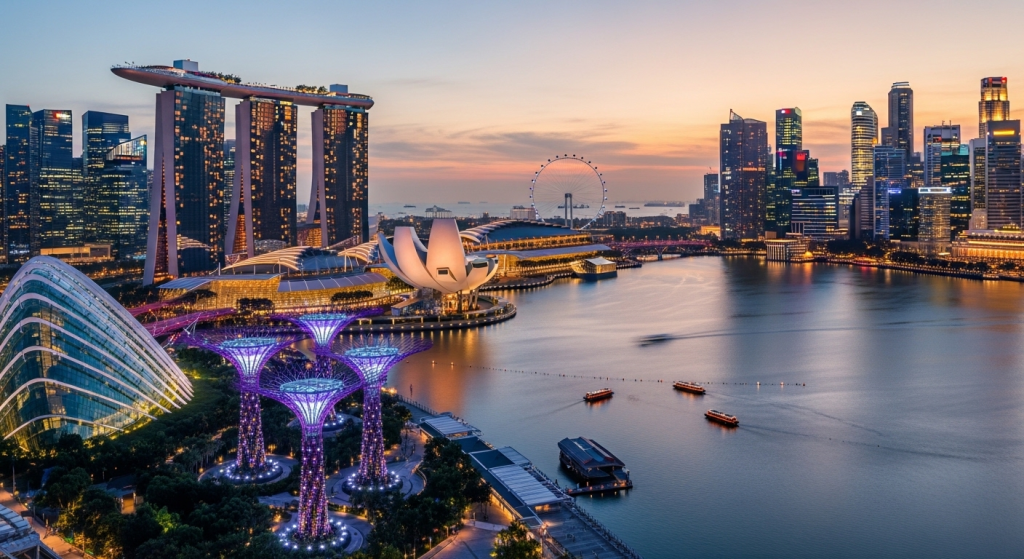
Marina Bay Sands rooftop bar (not the hotel pool) offers stunning views for the price of a drink. You don’t need to be a hotel guest to visit CÉ LA VI bar on the 57th floor. Yes, drinks are expensive ($20+), but the panoramic views of the city skyline are worth it, and it’s cheaper than paying for the observation deck.
4. Reykjavik, Iceland—Solo Serenity in the Land of Fire and Ice
Why Iceland Feels Like a Solo Traveler’s Sanctuary
Iceland consistently ranks as the safest country in the world—not just for tourists, but period. The crime rate is so low that police officers rarely carry guns, and violent crime is almost non-existent. This safety extends beyond statistics into a genuine cultural atmosphere of trust and community. Locals leave their doors unlocked, children play unsupervised, and there’s a pervasive sense that people look out for each other.
The small population creates a tight-knit community where tourism is welcomed but not exploitative. Icelanders are proud of their country and genuinely want visitors to experience its beauty safely. You’ll find locals going out of their way to help lost travelers, offering directions, recommendations, and sometimes even rides to remote locations.
Gender equality is deeply embedded in Icelandic culture. Iceland ranks first globally for gender equality, and this shows in everyday interactions. Women traveling alone face virtually zero harassment, solo dining is completely normal, and there’s no cultural expectation that women need male accompaniment or protection. You’re just another person exploring the country.
Nature is the main attraction, which makes Iceland perfect for introverted solo travelers. You can spend entire days hiking, soaking in hot springs, or watching waterfalls without needing to navigate complex social situations. The landscape itself becomes your companion—dramatic, ever-changing, and endlessly fascinating.
Easy navigation and widespread English make logistics simple. Iceland’s Ring Road circles the entire country, most attractions are well-marked, and virtually everyone speaks excellent English. You can rent a car and explore independently without stress, or join organized tours that cater specifically to solo travelers.
Breathtaking Natural Wonders and Unique Experiences
The Golden Circle is touristy for a reason—Þingvellir National Park, Geysir geothermal area, and Gullfoss waterfall are all genuinely spectacular. But here’s the insider tip: visit in the opposite direction from most tours (start with Gullfoss), and you’ll avoid the worst crowds. Even better, visit during shoulder season (May or September) when tour buses are fewer.
Reykjadalur Hot Spring River requires a 3.4 km hike but rewards you with a natural hot river where you can soak surrounded by mountains. Bring a swimsuit, towel, and waterproof bag for your clothes. The hike is moderate and well-marked, perfect for solo travelers who want adventure without extreme difficulty. Soaking in warm water while surrounded by Icelandic wilderness is transformative.
Skip the overcrowded Blue Lagoon and head to Mývatn Nature Baths in North Iceland instead. Same milky-blue geothermal water, same skin-softening silica, but with a fraction of the tourists and half the price. The surrounding landscape—volcanic craters, lava formations, and steaming vents—makes the journey worthwhile even beyond the baths.
Jökulsárlón Glacier Lagoon on the south coast is absolutely magical, especially at sunrise when icebergs glow in golden light and seals swim between the floating ice. The nearby Diamond Beach, where ice chunks wash up on black sand, looks like something from another planet. Both are easily accessible from the Ring Road and perfect for contemplative solo exploration.
Join a Northern Lights tour during winter (September-April) for the best chance of seeing the aurora borealis. Solo travelers often get great deals on last-minute tour spots, and sharing the experience with other travelers creates instant bonding moments. The aurora is unpredictable, but tour guides know the best locations and conditions.
Practical Tips for Your Icelandic Adventure
Rent a car for maximum freedom and flexibility. Iceland’s public transportation is limited, and having your own vehicle lets you stop at roadside waterfalls, adjust your schedule based on weather, and explore beyond Reykjavik. The roads are generally good, though you’ll need a 4×4 for F-roads in the interior.
Stay in Reykjavik for your first and last nights, but book guesthouses or Airbnbs around the Ring Road for the rest of your trip. Icelandic guesthouses are cozy, safe, and often run by families who provide excellent local recommendations. Many include breakfast and have communal areas perfect for meeting other solo travelers.
Pack layers—Icelandic weather is famously unpredictable. You might experience sun, rain, wind, and snow all in one day. Waterproof outer layers, warm mid-layers, and good hiking boots are essential. Don’t bother with an umbrella; the wind makes them useless.
Visit during shoulder season (May or September) for the best balance of weather, daylight, and prices. Summer (June-August) offers nearly 24-hour daylight and warmest temperatures, but also peak prices and crowds. Winter (November-February) brings Northern Lights potential but very short days and harsh weather.
Download the 112 Iceland app before exploring remote areas. This emergency app shares your location with rescue services and provides safety alerts. Iceland’s weather can change rapidly, and having this app provides peace of mind when hiking or driving in isolated areas.
Budget for higher costs—Iceland is expensive. Groceries, restaurants, and accommodation all cost significantly more than most European destinations. Shop at Bónus supermarkets for groceries, pack snacks for day trips, and consider cooking some meals if your accommodation has a kitchen.
5. Melbourne, Australia—Creative Culture and Laid-Back Safety
Why Melbourne Welcomes Solo Female Travelers
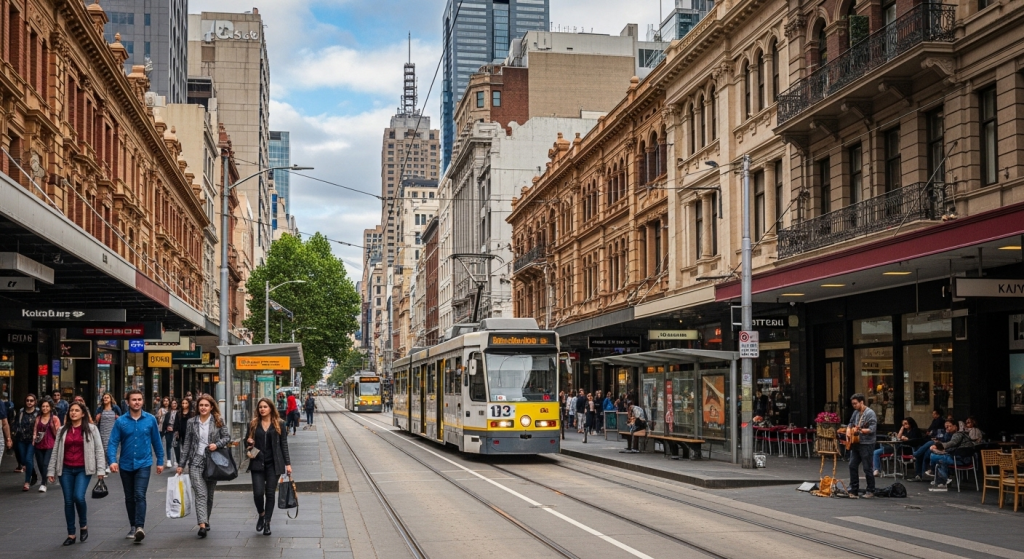
Melbourne combines big-city energy with a genuinely friendly, laid-back Australian attitude that makes solo travelers feel immediately welcome. The city has low crime rates, excellent public safety infrastructure, and a culture that values independence and equality. Women traveling alone are so common here that you’ll blend in completely—whether you’re brunching solo in a laneway café or catching live music at a local pub.
The city’s famous coffee culture creates natural gathering spots for solo travelers. Melbourne takes its coffee seriously, and the hundreds of independent cafés scattered through the city’s laneways provide perfect places to sit, work, journal, or simply people-watch. Unlike some cities where lingering alone might feel awkward, Melbourne cafés actively encourage you to settle in with your laptop or book.
Public transportation is comprehensive and safe. The tram network is extensive, free within the CBD, and runs frequently throughout the day and evening. Trains connect the city center to suburbs and beaches, and the entire system feels secure even late at night. The city is also incredibly walkable, with wide pedestrian areas and a logical grid layout that makes navigation intuitive.
Melbourne’s multicultural population creates an open, accepting environment. You’ll hear dozens of languages, see diverse cultural celebrations, and find cuisine from every corner of the world. This diversity extends to attitudes—there’s a genuine respect for different lifestyles, backgrounds, and choices, including the choice to travel solo.
The thriving arts and music scene provides endless solo-friendly activities. Gallery openings, live music venues, street art tours, and cultural festivals happen year-round. Many events are free or cheap, and the communal nature of Melbourne’s creative culture makes it easy to strike up conversations with locals and fellow travelers.
Hidden Gems and Local Experiences
Forget the tourist-packed Brighton Beach boxes and head to St. Kilda instead. This beachside suburb offers vintage vibes, Sunday markets, a historic pier where you can spot penguins at dusk, and Luna Park’s nostalgic carnival atmosphere. The Esplanade Market on Sundays is perfect for solo browsing—local artisans, vintage finds, and street performers create a festive atmosphere where you’ll never feel conspicuous alone.
Fitzroy and Collingwood are Melbourne’s creative heartland. These inner-city neighborhoods feature world-class street art, independent bookstores, vintage clothing stores, and some of the city’s best restaurants. Walk Brunswick Street and Gertrude Street, ducking into whatever catches your eye. The Rose Street Artists’ Market (weekends) showcases local designers and makers in a converted warehouse.
Queen Victoria Market is a Melbourne institution. Visit on a weekday morning when locals do their grocery shopping—the energy is incredible. Sample fresh produce, grab coffee and a pastry, browse the non-food stalls, and soak in the multicultural atmosphere. Wednesday night markets (summer) feature food trucks, live music, and a festive vibe perfect for solo travelers.
Take a day trip to the Dandenong Ranges, just an hour from the city. These mountain forests offer stunning walking trails, quaint villages like Sassafras and Olinda, and the famous Puffing Billy steam railway. The cool climate and towering eucalyptus trees provide a complete contrast to the urban environment.
Join a street art tour in the city’s famous laneways. Melbourne’s laneway culture—narrow alleys transformed into café-lined pedestrian zones—is best explored with a knowledgeable guide who can explain the stories behind the murals and point out hidden gems you’d otherwise miss.
Making the Most of Melbourne
Stay in the CBD, Fitzroy, or St. Kilda for easy access to attractions and nightlife. The CBD offers proximity to everything but can feel sterile; Fitzroy provides creative energy and local culture; St. Kilda delivers beach vibes and a more relaxed atmosphere. All three are safe, well-connected, and have excellent accommodation options.
Get a Myki card for public transportation. This rechargeable card works on trams, trains, and buses throughout Melbourne. Trams are free within the Free Tram Zone in the CBD, which covers most central attractions.
Visit during autumn (March-May) or spring (September-November) for perfect weather and festival season. Melbourne’s summers can be brutally hot, and winters are cold and rainy. Shoulder seasons offer comfortable temperatures and events like the Melbourne International Comedy Festival and Melbourne Food and Wine Festival.
Embrace the laneway café culture. Don’t just stick to main streets—Melbourne’s best cafés hide down narrow alleys and up staircases. Degraves Street, Centre Place, and Hardware Lane are good starting points, but the real discoveries happen when you wander and follow your nose.
Check out free events and festivals. Melbourne has an incredible number of free cultural events—outdoor concerts, art installations, film screenings, and festivals. Visit the City of Melbourne website or Time Out Melbourne to see what’s happening during your visit.
Budget tip: Take advantage of happy hour specials at bars and restaurants. Many places offer discounted food and drinks between 4-6 PM, perfect for solo travelers who want to experience Melbourne’s dining scene without breaking the bank.
Conclusion: Your Solo Journey Starts Here
The cities on this list aren’t just safe—they’re transformative. They’re places where solo travel stops being about proving something and starts being about discovering something: new cultures, hidden neighborhoods, unexpected friendships, and parts of yourself that only emerge when you’re navigating the world on your own terms.
Safety matters, absolutely. But what really makes these destinations special is how they empower independence. When you can navigate a city confidently, when locals treat you with respect, when infrastructure supports your exploration rather than hindering it—that’s when solo travel becomes genuinely liberating rather than just manageable.
Start with one city that speaks to you. Maybe it’s Tokyo’s seamless solo culture, Copenhagen’s cycling freedom, Singapore’s first-timer friendliness, Reykjavik’s natural serenity, or Melbourne’s creative energy. Book the ticket, do your research, join those Facebook groups, and trust that thousands of women have walked these streets before you and returned home with stories that changed them.
The world is more accessible to solo female travelers in 2026 than ever before. These seven cities prove that safety and adventure aren’t mutually exclusive—they’re the perfect combination for the journey of a lifetime.
Ready to plan your solo adventure? Start researching flights, bookmark this guide, and take that first step. Your future self—the one who navigated a foreign city alone, made unexpected friends, discovered hidden cafés, and proved to herself that she’s capable of anything—is already thanking you.
Where will you go first?