7 Best things to Do in Morocco This Summer

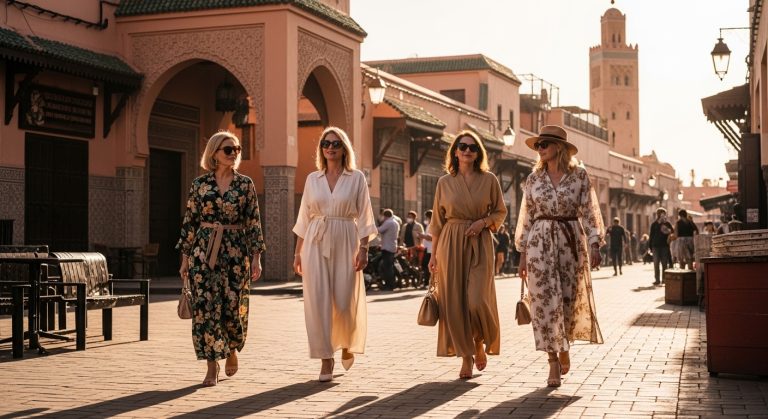
You’re sipping sweet mint tea on a rooftop terrace as the sun sets over Marrakech, painting the sky in shades of amber and rose. The call to prayer echoes through ancient medina walls while the scent of orange blossoms and spices drifts on the warm evening breeze. This isn’t just another vacation—this is Morocco in summer.
I know what you’re thinking: “Morocco in summer? Won’t it be unbearably hot?” Here’s the truth—while summer brings warmth, it also brings fewer crowds, better prices, and some of the most magical experiences this North African gem has to offer. The key is knowing where to go and what to do.
Planning a Morocco trip can feel overwhelming. With so many incredible cities, experiences, and hidden corners to explore, how do you choose? You’ve got limited vacation days, a budget to consider, and you want authentic experiences—not tourist traps that leave you feeling like you wasted precious time and money.
That’s exactly why I’ve created this guide. After extensive research and conversations with travelers who’ve done Morocco right, I’m cutting through the noise to bring you seven unforgettable summer experiences that balance bucket-list moments with practical planning advice. You’ll find a mix of budget-friendly adventures and splurge-worthy experiences, all designed to help you avoid the common pitfalls and discover the real Morocco.
Whether you have one week or two, these seven experiences will help you craft the perfect Moroccan summer adventure without the planning headaches. Let’s dive in.
Lose Yourself in Marrakech’s Medina and Secret Rooftop Cafés

Marrakech is where most Morocco adventures begin, and for good reason. The medina—a UNESCO World Heritage site—is a labyrinth of narrow alleyways, vibrant souks, and hidden treasures that will assault your senses in the best possible way.
Navigate the Souks Like a Local
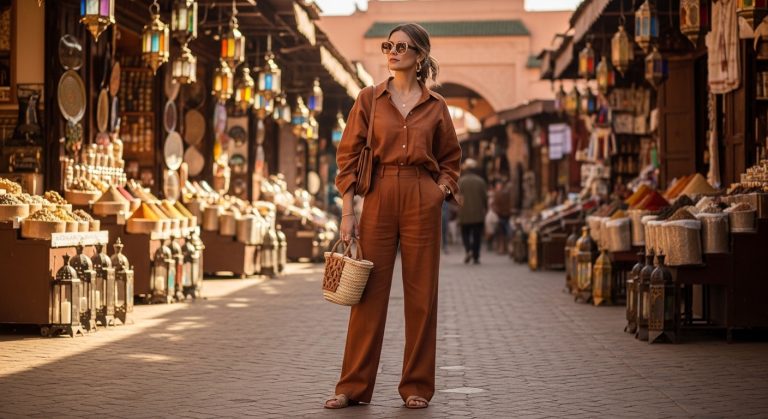
Here’s your insider strategy: arrive at the souks early morning, ideally by 9 AM. You’ll beat the oppressive afternoon heat and the tour group crowds that descend after 11. The morning light filtering through the wooden slats above creates magical photo opportunities, and shopkeepers are more relaxed and willing to chat.
Don’t just stick to the main tourist thoroughfares. Venture into the spice souk where pyramids of saffron, cumin, and ras el hanout create a rainbow of colors and aromas. Wander down babouche alley where traditional leather slippers line every wall in every color imaginable. The real magic happens when you discover the small workshops tucked away where artisans still practice traditional crafts—metalwork, leather tooling, carpet weaving—using techniques passed down through generations.
Let’s talk haggling. This isn’t about being aggressive or disrespectful—it’s an expected part of the cultural exchange. Start at about 40% of the asking price, smile, be friendly, and don’t be afraid to walk away. Often, that’s when you’ll get called back with a better offer. Budget tip: The souks are free to explore, but set aside $50-100 if you want to bring home unique purchases like handwoven rugs, leather bags, or traditional ceramics.
Escape to Breathtaking Rooftop Terraces
When the afternoon heat becomes intense (and it will), here’s your escape plan: rooftop terraces. These elevated oases offer stunning panoramic views of the medina, cooling breezes, and a chance to catch your breath.
For budget-conscious travelers, Café des Épices offers incredible value—fresh juices for $2-3, traditional meals around $8-10, and views that rival the luxury spots. If you’re ready to splurge, Le Jardin delivers an unforgettable experience with its lush garden setting and sophisticated Moroccan-fusion cuisine (expect $25-40 per person).
The local insider secret? Visit rooftops during the hottest part of the day (2-4 PM) when most tourists are back at their hotels. You’ll have better table selection and a more peaceful atmosphere. Then stay for sunset—watching the sky turn orange and pink over the Koutoubia Mosque while the evening call to prayer echoes across the city is pure magic.
Practical Planning Tips
Stay in a riad within or near the medina for easy access—you’ll want to duck in and out to escape the heat. Allocate 2-3 days for Marrakech; less feels rushed, more might feel overwhelming. Dress respectfully in breathable, lightweight fabrics that cover shoulders and knees. Women should carry a scarf for entering mosques or conservative areas.
Common tourist trap to avoid: The aggressive “helpers” who offer to guide you through the medina. Politely decline and use your phone’s GPS or a downloaded map. Getting slightly lost is part of the adventure, and you’ll discover hidden gems you’d never find with a guide rushing you through.
Cool Off in the Ultimate Desert Oasis: Atlas Mountains Day Trip

When Marrakech’s heat becomes too much, the Atlas Mountains offer the perfect escape—literally 10-15°C cooler than the city, just 90 minutes away.
Discover the Hidden Berber Villages
The Atlas Mountains aren’t just about stunning landscapes (though the views are absolutely breathtaking). This is where you’ll experience authentic Berber hospitality and see a side of Morocco that feels worlds away from the tourist hustle.
Imlil, a charming village at the base of Mount Toubkal (North Africa’s highest peak), serves as the perfect base for mountain adventures. Even if you’re not a serious hiker, the gentle trails to nearby waterfalls are manageable for most fitness levels. Paradise Valley, another incredible option, features natural pools and waterfalls where you can actually swim—pure refreshment on a hot summer day.
The real highlight? Sharing traditional Berber mint tea and lunch in a local family’s home. You’ll sit on cushions, eat tagine cooked over an open fire, and learn about a way of life that’s remained largely unchanged for centuries. These aren’t staged tourist experiences—when you book with responsible tour operators or arrange through your riad, these are genuine cultural exchanges.
Budget-Friendly vs. Luxury Options
Your mountain adventure can fit any budget. The DIY approach involves taking a shared grand taxi from Marrakech to Imlil (negotiate hard—should be $20-30 per person round trip). You’ll have freedom to explore at your own pace, hire a local guide when you arrive ($20-30 for the day), and eat at local cafés.
Organized day tours ($50-80 per person) take the logistics stress away. You’ll have transportation, a knowledgeable guide, and lunch included. These work brilliantly if you’re short on time or nervous about navigating independently.
For a truly unforgettable splurge ($150+), luxury operators offer private experiences including a traditional hammam (Moroccan spa treatment) in a mountain kasbah, gourmet Berber meals, and smaller group sizes that allow for more authentic interactions.
Maximize Your Mountain Experience
Leave Marrakech by 8 AM to maximize your mountain time and avoid midday heat during the drive. Pack a swimsuit (for those natural pools), serious sun protection (mountain sun is intense), and layers (mornings can be cool). Bring a reusable water bottle—staying hydrated is crucial.
Photography tip: The light in the mountains is extraordinary. Golden hour (early morning and late afternoon) creates stunning contrasts between the red-earth villages and green valleys. The best shots come from slightly elevated positions overlooking the valleys.
Avoid overcrowded spots by asking your driver or guide about lesser-known villages. Places like Asni or Ouirgane offer similar beauty with a fraction of the tourists you’ll find in Imlil.
Experience Authentic Coastal Vibes in Essaouira

If Morocco had a chill-out zone, Essaouira would be it. This Atlantic coastal town is the antidote to Marrakech’s intensity—and it’s perfect for summer.
Why This Seaside Gem is Perfect for Summer
Essaouira has a secret weapon: constant ocean breezes that keep temperatures 10°C cooler than inland cities. While Marrakech swelters at 38°C, Essaouira hovers around a pleasant 25-28°C. It’s nature’s air conditioning.
The blue and white medina here is far less overwhelming than Marrakech’s sprawling labyrinth. You can actually navigate it without getting lost, and the laid-back atmosphere means shopkeepers are less aggressive. This makes Essaouira ideal for travelers who found Marrakech a bit too intense, families with children, and anyone seeking a more relaxed pace.
The best part? Getting here is incredibly easy and affordable. CTM or Supratours buses run multiple times daily from Marrakech (2.5 hours, $7-10). Book your ticket the day before, arrive 30 minutes early, and enjoy scenic views of argan tree forests along the way.
Unforgettable Coastal Experiences
Start your Essaouira experience at the fishing port around 2 PM—this is when boats return with the daily catch. You’ll watch fishermen unload their haul while seagulls circle overhead. Then head to the outdoor grills where you can select your fish and have it grilled on the spot. Fresh grilled sardines, calamari, and prawns with Moroccan salad and bread will run you $8-12 for a feast.
Essaouira is Morocco’s wind capital, making it perfect for water sports. Beginner surfing lessons ($25-35 for 2 hours) are widely available, and the patient instructors have taught thousands of first-timers. Kitesurfing is huge here too, though it requires more commitment to learn.
One of the most magical experiences? Sunset horseback riding on the beach. Several stables offer guided rides ($25-40 per person for 1-2 hours) where you’ll gallop along the endless sandy beach as the sun sets over the Atlantic. It’s unforgettable.
The historic ramparts and Portuguese fortifications provide stunning ocean views and photo opportunities. Walk the walls during late afternoon when the light is perfect. Don’t miss the Skala de la Ville—the imposing sea bastion where Orson Welles filmed “Othello.”
Argan oil cooperatives dot the area, but be selective. Tourist trap versions are overpriced and often diluted. Ask your riad host for recommendations of authentic women’s cooperatives where you’ll see the traditional production process and get fair prices ($15-25 for quality argan oil versus $40+ in tourist shops).
Planning Your Essaouira Escape
Two days is ideal for Essaouira—enough time to soak in the atmosphere without getting bored. One full day works if you’re pressed for time, but you’ll feel rushed. Stay in the medina for authentic charm (riads from $30-80/night) or choose beachfront hotels ($80-150/night) if you prioritize ocean views and modern amenities.
The day trip versus overnight debate: While day trips from Marrakech are possible, you’ll spend 5 hours on buses and have only 4-5 hours in town. Overnight stays let you experience the magical evening atmosphere when day-trippers leave and the town belongs to locals and savvy travelers.
Budget breakdown for mid-range travelers: Expect $40-60 per day including accommodation, meals, and activities. Essaouira is noticeably cheaper than Marrakech, especially for food and shopping.
Sleep Under the Stars: Sahara Desert Adventure

A Sahara desert experience tops most Morocco bucket lists, and rightfully so. Yes, summer means heat—but it also means fewer crowds, lower prices, and skies so clear the Milky Way looks close enough to touch.
The Complete Desert Experience
Let’s address the elephant in the room: summer desert trips are hot. We’re talking 40°C+ during the day. But here’s what most people don’t realize—desert tours are designed around this. You’ll travel during cooler morning hours, rest during peak heat, then experience the desert during magical late afternoon and evening when temperatures drop significantly.
Summer is actually low season for desert tours, meaning you’ll pay 30-40% less than winter prices and have a more intimate experience with smaller groups.
Merzouga versus Zagora—which desert gateway is right for you? Merzouga offers the classic Sahara experience with massive Erg Chebbi dunes (up to 150 meters high) but requires a longer journey from Marrakech (8-9 hours). Zagora is closer (7 hours) with smaller dunes but still delivers that desert magic. First-timers should choose Merzouga if time allows; the dunes are simply more spectacular.
A typical desert tour includes transportation from Marrakech, stops at scenic kasbahs and valleys, camel trek into the dunes (usually 1-1.5 hours at sunset), overnight in a desert camp with dinner and breakfast, and sunrise camel ride back. The experience of watching the sun set over endless sand dunes, then spending the night under more stars than you’ve ever seen, is genuinely life-changing.
Choosing Your Perfect Desert Tour
Budget camps ($60-100 per person for 2-day tour) offer the basic experience—simple tents, communal bathrooms, traditional meals, and the same incredible desert and stars. These work perfectly if you’re focused on the experience rather than luxury amenities.
Luxury desert camps ($250-400+ per person) provide private ensuite tents with proper beds, hot showers, gourmet meals, smaller groups (often under 10 people), and more personalized service. The desert experience itself is identical, but comfort levels differ dramatically.
The 2-day versus 3-day decision: Two days from Marrakech is doable but involves long driving days (8+ hours each way with stops). Three days allows for a more relaxed pace with additional stops at places like Ait Benhaddou (the famous Game of Thrones kasbah) and Todra Gorge. If you have the time, three days is worth it.
What’s actually worth the splurge? Private tents with ensuite bathrooms make a huge difference for comfort. Better food matters more than you’d think after a long travel day. Smaller group sizes allow for more flexibility and personal attention. What’s not worth it? Fancy tent decorations and “luxury” marketing that doesn’t translate to actual comfort improvements.
Local insider tip: You can often book directly with camps in Merzouga for 20-30% less than through Marrakech tour agencies. Email camps directly, compare offerings, and negotiate. Many travelers save $50-100 per person this way.
Summer-Specific Packing Essentials
Beyond the obvious (sunscreen, hat, sunglasses), pack a lightweight long-sleeve shirt and pants for sun protection and cultural respect in villages. Bring a headlamp or flashlight for nighttime bathroom trips. A small backpack for the camel trek is essential—your main luggage stays in the vehicle. Wet wipes are a game-changer when showers aren’t available. And definitely bring a camera with good low-light capabilities for those epic star photos.
Avoiding Common Desert Disappointments
The biggest tourist trap? Overbooked camps that cram 50+ people into one site. This destroys the peaceful desert experience you’re seeking. Read recent reviews carefully and specifically ask about maximum group sizes when booking.
Watch for hidden costs: drinks (water, soft drinks, alcohol), tips for drivers and camel handlers, and “optional” activities like quad biking or sandboarding that weren’t clearly included. Get everything in writing upfront.
Timing matters: May and September offer the sweet spot—warm but not unbearable, with summer pricing. July and August are genuinely very hot; if you’re heat-sensitive, reconsider or choose a luxury camp with better cooling options.
Alternative option: If desert camping doesn’t appeal, consider spending a night in a luxury kasbah near the desert instead. You’ll still visit the dunes for sunset but sleep in air-conditioned comfort. Places like Kasbah Mohayut offer this compromise beautifully.
Dive into Local Food Culture: Cooking Classes and Food Tours

Want to understand Morocco on a deeper level? Start with the food. Moroccan cuisine is a gateway to the country’s history, culture, and soul—and summer is perfect for culinary experiences.
Why Food is the Secret to Understanding Morocco
Moroccan food tells stories. The spices trace ancient trade routes. The tagine cooking method reflects resourceful desert living. The mint tea ceremony embodies hospitality values. When you learn to cook Moroccan dishes, you’re not just following recipes—you’re connecting with centuries of tradition.
Cooking classes also provide authentic local interaction in a comfortable setting. You’ll spend 3-4 hours with Moroccan home cooks or chefs, asking questions, sharing stories, and building genuine connections. It’s cultural exchange at its best.
Summer afternoons are actually perfect for cooking classes. When it’s too hot to sightsee comfortably, you’ll be in a cool kitchen or shaded courtyard, learning skills you’ll use for years.
These experiences accommodate all skill levels and dietary restrictions. Vegetarian? No problem—vegetable tagines are spectacular. Gluten-free? Most traditional dishes work perfectly. Never cooked before? That’s the point—you’ll learn from scratch.
Authentic Culinary Experiences Worth Booking
Traditional cooking classes ($40-70 per person) typically start with a market tour where you’ll learn to select ingredients like a local—how to choose the freshest vegetables, which spices to buy, how to spot quality olive oil. Then you’ll prepare a complete Moroccan meal: tagine, couscous or pastilla, salads, and mint tea. You’ll eat what you cook, and most classes provide recipes to take home.
Family home dining experiences offer the most authentic option. Organizations like EatWith and Traveling Spoon connect travelers with Moroccan families who open their homes for meals. You’ll cook alongside your hosts, hear family stories, and experience genuine Moroccan hospitality. These run $35-60 per person and are absolutely worth it.
Street food tours in Djemaa el-Fna and surrounding areas ($25-35 for 3 hours) teach you to navigate Morocco’s incredible street food scene safely. You’ll try snail soup, sheep head, fresh orange juice, msemen (Moroccan pancakes), and other local favorites while learning which stalls are safe and which to avoid.
Hidden gem alert: Cooking classes in local homes are more authentic and personal than tourist-oriented riad classes. Ask your riad host if they know families who offer cooking experiences—you’ll often find incredible options that aren’t advertised online.
What You’ll Actually Learn and Eat
Expect to master essential dishes like chicken tagine with preserved lemons and olives, vegetable couscous with seven vegetables (a Friday tradition), and if you’re lucky, pastilla—the sweet and savory pigeon or chicken pie that’s absolutely decadent.
You’ll learn spice blending—creating your own ras el hanout (Moroccan spice blend) that you can take home. You’ll discover traditional cooking techniques like the slow-cooking method that makes tagines so tender and flavorful.
The mint tea ceremony is an art form you’ll practice. There’s a specific technique to the pour (from a height to create foam), a proper way to serve (three rounds, each with different strength and sweetness), and cultural significance to understand.
Taking recipes home: Here’s the truth—some Moroccan recipes translate beautifully to Western kitchens, others don’t. Tagines work great if you have a heavy pot with a lid (actual tagine cookware isn’t essential). Couscous is trickier without a couscoussier, but your instructor will teach workarounds. The key is asking practical questions during class about ingredient substitutions and equipment alternatives.
Where to buy authentic spices and cookware? Your cooking instructor will know the best places—usually small shops in the medina where locals actually shop, not tourist-oriented stores. Prices will be 50-70% lower, and quality is often better. A traditional tagine pot costs $15-30 versus $60+ in tourist shops.
Explore the Blue Pearl: Chefchaouen Day Trip or Overnight

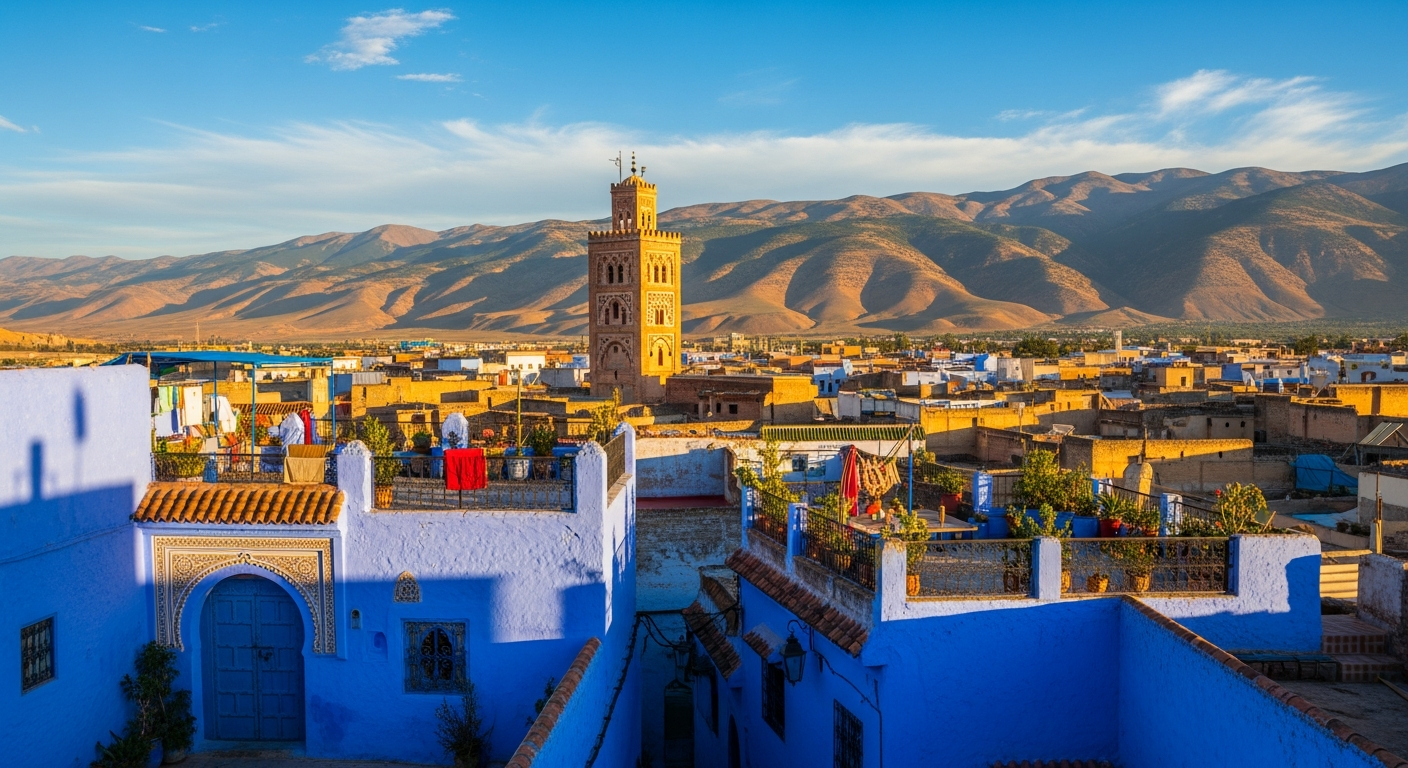
Chefchaouen—the famous blue city nestled in the Rif Mountains—deserves a spot on your Morocco itinerary. Yes, it’s become Instagram-famous, but it remains authentically charming with practical benefits for summer travelers.
The Stunning Blue City Experience
Every building in Chefchaouen’s medina is painted in shades of blue—from powder blue to deep indigo. The effect is mesmerizing, creating a dreamlike atmosphere that’s genuinely unique. But Chefchaouen offers more than photo opportunities.
The mountain location means temperatures run 5-8°C cooler than lowland cities—a welcome relief in summer. The Rif Mountains provide a stunning backdrop of green peaks and valleys, offering excellent hiking for those who want to venture beyond the medina.
Unlike Marrakech, Chefchaouen remains relatively calm and less touristy. Yes, tourists visit (especially during peak season), but the pace is slower, locals are friendlier, and you can actually relax without constant hassling. It’s perfect for photographers, couples seeking romantic ambiance, and anyone who appreciates beautiful architecture.
The medina here is compact and easy to navigate. You can explore thoroughly in one day, though two days allows for a more relaxed experience with time for mountain hikes or simply lounging in cafés watching life unfold.
Day Trip vs. Overnight: Making the Choice
Here’s the reality: Chefchaouen is far from Marrakech (8+ hours) but only 3-4 hours from Fes. This geography shapes your options.
From Marrakech, overnight is essentially mandatory unless you’re willing to endure 16+ hours on buses in two days. From Fes, both day trips and overnight stays work well.
Day trip from Fes: You’ll leave around 8 AM, arrive by noon, have 4-5 hours to explore, then return by 8-9 PM. This works if you’re pressed for time and mainly want photos and a brief taste of the blue city. Cost: $25-40 for organized tours, or $15-20 if you take the CTM bus independently.
Overnight from Fes: Much more relaxed. You’ll arrive midday, have the afternoon and evening to explore when lighting is magical and day-trippers have left, sleep in a charming blue riad ($25-60/night), then enjoy the quiet morning before crowds arrive. This is the superior option if your schedule allows.
Multi-day option: Some travelers combine Chefchaouen with Fes and other northern destinations in a 3-4 day northern Morocco circuit. This maximizes your time in this region and spreads out the travel.
What to Do Beyond Instagram Photos
Yes, photograph the blue streets—they’re genuinely beautiful. But don’t miss these experiences:
The Kasbah Museum in the medina’s heart offers historical context and stunning garden views. Entry is just $2 and provides welcome shade during hot afternoons.
Ras El Maa waterfall at the medina’s edge is where locals gather, wash clothes, and socialize. It’s refreshingly authentic and offers great people-watching.
The Spanish Mosque hike (30-45 minutes uphill) rewards you with panoramic views over the blue city with mountains beyond. Go for sunset—the light on the blue buildings is extraordinary.
Hiking in the Rif Mountains ranges from easy walks to challenging treks. Local guides ($20-30 for half-day) can lead you to waterfalls, Berber villages, and viewpoints that few tourists see.
Shopping in Chefchaouen is more relaxed than Marrakech. You’ll find beautiful woven blankets, leather goods, and unique handicrafts. Prices are reasonable, and haggling is less aggressive.
Practical Planning for Chefchaouen
Best time to visit: May, June, and September offer perfect weather—warm but comfortable. July and August bring more tourists but are still manageable compared to Marrakech crowds.
Where to stay: Riads within the medina ($30-80/night) offer authentic charm and easy access to everything. Casa Perleta and Dar Echchaouen get consistent rave reviews. Book ahead during summer—the best riads fill up quickly.
Getting there: CTM and Supratours buses connect Chefchaouen to Fes (3.5 hours, $8-10) and Tangier (2.5 hours, $6-8). Book tickets online or at the station the day before. Shared taxis are faster but less comfortable.
Budget: Chefchaouen is notably cheaper than Marrakech. Budget $30-50 per day for mid-range travel including accommodation, meals, and activities.
—
Your Unforgettable Moroccan Summer Awaits
Morocco in summer isn’t just possible—it’s spectacular when you know where to go and what to do. From getting lost in Marrakech’s enchanting medina to sleeping under Sahara stars, from cooling off in Atlas Mountain waterfalls to savoring fresh seafood in breezy Essaouira, these seven experiences create the perfect Moroccan adventure.
The key is balancing iconic bucket-list moments with authentic local experiences, mixing popular destinations with hidden gems, and planning smartly around the summer heat. You’ll avoid tourist traps, save money, and create memories that last a lifetime.
Summer brings real advantages: lower prices, fewer crowds, and that magical quality of light that makes Morocco’s landscapes even more breathtaking. Yes, you’ll need to plan around the heat, but the strategies in this guide—early morning activities, mountain and coastal escapes, afternoon cooking classes—turn potential challenges into opportunities for unique experiences.
Morocco rewards travelers who come with open minds and adventurous spirits. Whether you’re sipping mint tea on a rooftop terrace, learning to cook tagine with a local family, or watching the sun set over endless blue buildings in Chefchaouen, you’ll discover a country that’s both exotic and welcoming, ancient and vibrant.
Ready to start planning your Moroccan summer adventure? Begin by choosing your must-have experiences from this list, then build your itinerary around them. Book your flights, reserve those desert camps and cooking classes, and prepare for an unforgettable journey.
Your Moroccan adventure starts now. The souks, mountains, deserts, and coastlines are waiting. All you need to do is take that first step.
*Have questions about planning your Morocco trip? Drop them in the comments below—I’d love to help you create your perfect Moroccan summer adventure!*