6 Japan Alps Accommodation Types for Every Budget

Planning a trip to the stunning Japan Alps but worried about finding the right place to stay? You’re not alone. The majestic mountain ranges of Hida, Kiso, and Akaishi offer breathtaking scenery and unforgettable adventures, but navigating accommodation options can feel overwhelming—especially when you’re trying to balance comfort with cost.
Here’s the good news: the Japan Alps deliver exceptional accommodation choices for every type of traveler and budget. Whether you’re a backpacker counting every yen or seeking luxury with mountain views, you’ll find the perfect base for your Alpine adventure.
This guide breaks down six proven accommodation types across all price ranges, from budget-friendly hostels to premium ryokans. You’ll discover practical booking tips, realistic cost expectations, and insider insights into Japanese mountain hospitality. We’ll compare amenities, locations, and unique features so you can make confident decisions about where to stay.
The Japan Alps aren’t just about the destination—your accommodation choice shapes your entire experience. A cozy mountain hut connects you with fellow hikers, while a traditional ryokan immerses you in authentic Japanese culture. Understanding your options means you’ll spend less time stressing about logistics and more time enjoying those spectacular mountain vistas.
Let’s explore the complete range of stays available, helping you find accommodations that match both your budget and travel style perfectly.
Budget-Friendly Options: Hostels, Guesthouses & Mountain Huts
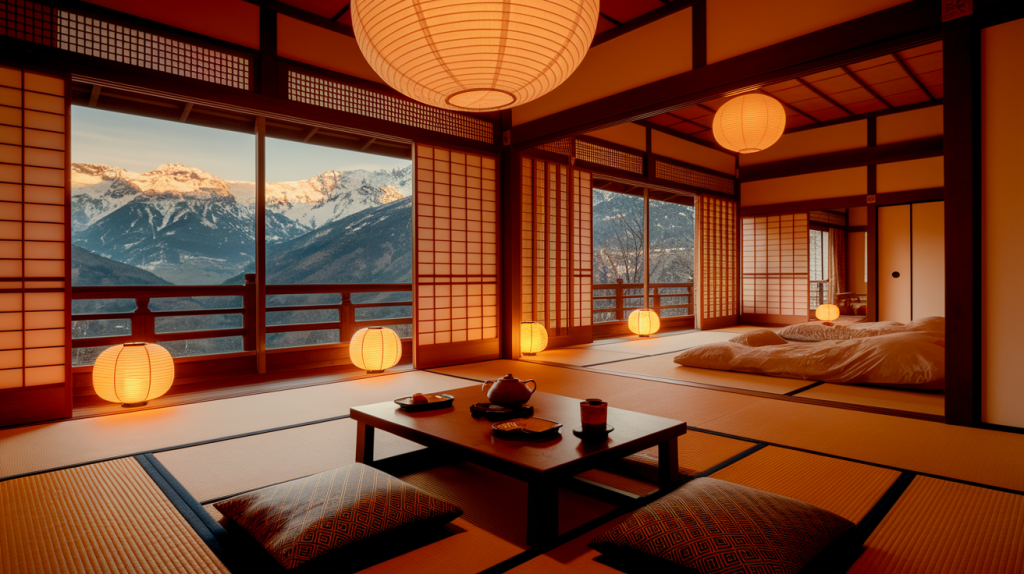
Traveling the Japan Alps on a tight budget doesn’t mean sacrificing comfort or missing out on amazing experiences. These three budget-friendly options keep costs low while connecting you with the mountains and fellow adventurers.
Dormitory-Style Hostels (¥2,000-6,000 per night)
Modern hostels in gateway cities like Matsumoto, Takayama, and Nagano provide clean, comfortable dormitory beds at prices that won’t drain your travel fund. You’ll find shared rooms equipped with individual reading lights, lockers for valuables, and charging stations for your devices. Most hostels feature common areas where travelers swap trail recommendations over coffee or plan the next day’s adventures together.
Booking through international platforms like Hostelworld or Booking.com makes reservations simple, even if you don’t speak Japanese. Many hostels offer both gender-segregated and mixed dorms, giving you flexibility based on your preferences. The social atmosphere proves perfect for solo travelers looking to meet hiking partners or simply share stories after a long day on the trails.
Traditional Guesthouses (Minshuku) (¥4,000-8,000 per night)
Minshuku represent authentic Japanese hospitality at its most accessible. These family-run guesthouses welcome you into their homes, offering simple tatami rooms and home-cooked meals that showcase regional specialties. Your hosts often provide invaluable local knowledge—the best hidden trails, when wildflowers bloom, or which onsen offers the most stunning sunset views.
The intimate atmosphere creates genuine cultural connections you won’t find in larger hotels. Expect shared bathroom facilities and communal spaces where guests gather for meals. This setup keeps prices reasonable while delivering an experience that feels personal and warm. Many minshuku owners speak limited English, but their hospitality transcends language barriers. Simple meals, typically breakfast and dinner, come included in most rates, saving you money and introducing you to authentic home-style Japanese cooking.
Mountain Huts (Yamagoya) (¥6,000-10,000 per night)
Mountain huts solve the biggest challenge of multi-day treks: you don’t need to haul camping gear up steep mountain passes. These essential accommodations dot popular hiking routes throughout the Northern Alps, providing basic shelter, hot meals, and a place to recharge before the next day’s climb. Your rate includes dinner and breakfast—simple but substantial meals designed to fuel mountain adventures.
Accommodations are spartan: shared sleeping areas with futons laid side-by-side, minimal privacy, and basic facilities. But that’s part of the experience. You’ll bond with fellow hikers over steaming bowls of curry rice, share trail conditions, and wake to sunrise views that justify every yen spent. Book mountain huts well in advance, especially for popular routes during July through September. Many huts accept reservations only by phone or through Japanese websites, so consider booking through your hotel or a travel service if needed.
Mid-Range Comfort: Ryokans & Business Hotels
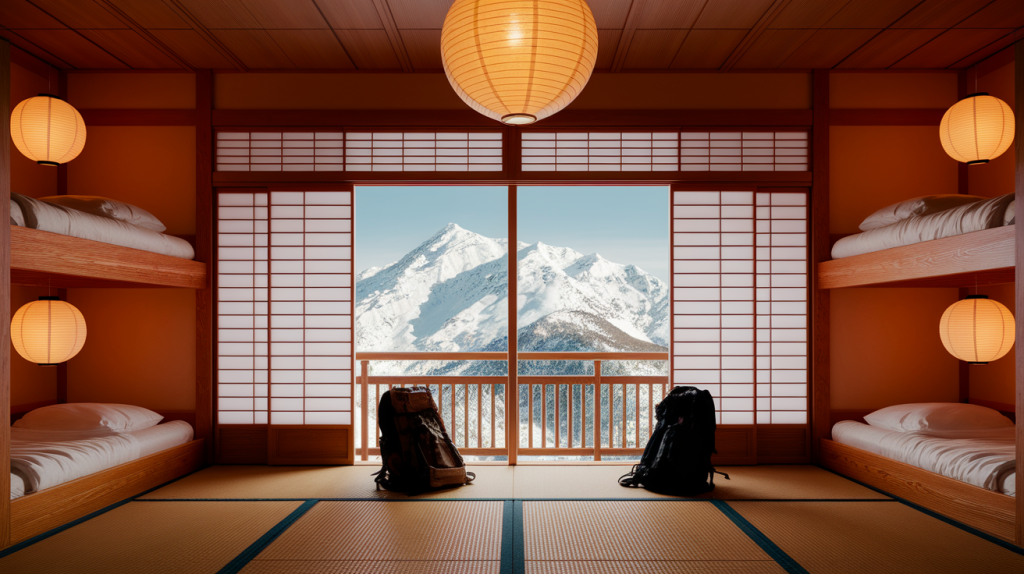
Step up to mid-range accommodations and you’ll discover the sweet spot between budget constraints and comfortable amenities. These options deliver excellent value, combining convenience with authentic Japanese experiences that make your Alps adventure truly memorable.
Budget Ryokans (¥8,000-15,000 per night)
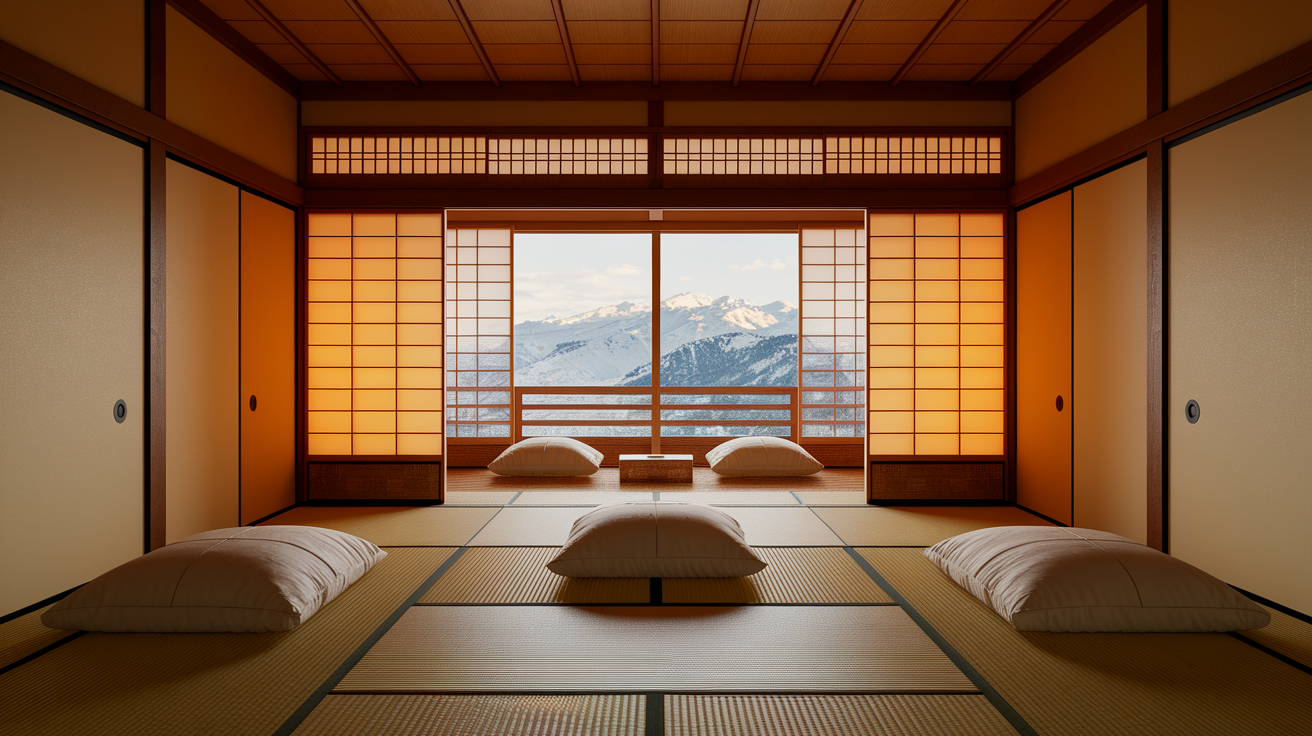
Traditional Japanese inns at this price point offer genuine ryokan experiences without the luxury price tag. You’ll sleep on futon bedding spread across tatami mat floors, slip into provided yukata robes, and soak in communal or private onsen baths fed by natural hot springs. The ritual of bathing after a day hiking mountain trails becomes a highlight of your stay.
Many budget ryokans include kaiseki-style dinners featuring local ingredients—mountain vegetables, river fish, and seasonal specialties prepared with care. Breakfast typically offers both Japanese and Western options. The personal attention from staff creates a welcoming atmosphere, and many ryokan owners take pride in sharing recommendations for nearby trails and attractions. These establishments cluster in Alpine towns like Kamikochi, Hakuba, and the Kiso Valley, placing you within easy reach of trailheads and scenic spots.
Business Hotels (¥7,000-12,000 per night)
Don’t let the utilitarian name fool you—business hotels provide clean, efficient, and perfectly located bases for exploring the Japan Alps. These hotels deliver Western-style rooms with private bathrooms, comfortable beds, and reliable amenities including Wi-Fi, air conditioning, and often coin laundry facilities. The compact rooms maximize functionality, with clever storage solutions and everything you need for a comfortable night’s rest.
Quick check-in processes and 24-hour reception desks accommodate flexible travel schedules, especially valuable after long hiking days. Most business hotels sit near train stations in Alpine gateway cities, making them ideal for travelers relying on public transportation. Many include basic breakfast buffets featuring coffee, toast, rice, miso soup, and simple sides. The predictable quality and straightforward booking process through major hotel chains bring peace of mind, particularly for first-time visitors to Japan.
Pension-Style Lodges (¥9,000-14,000 per night)
European-influenced pensions blend mountain charm with homey comfort. These small lodges, often run by outdoor enthusiasts and former guides, create cozy atmospheres with wood-paneled walls, comfortable Western-style beds, and communal dining areas where guests share meals family-style. The owners’ passion for the mountains shines through in their detailed trail advice and weather insights.
Home-cooked meals feature hearty portions—think warming stews, fresh-baked bread, and locally sourced ingredients that fuel your adventures. Unlike traditional Japanese accommodations, pensions typically offer private rooms with heating, making them especially appealing during colder months. Many pension owners speak some English and cater to international hikers, helping with route planning and transportation logistics. You’ll find these charming lodges scattered throughout ski resort towns and hiking villages, providing comfortable retreats after active days in the mountains.
Premium Experiences: Luxury Ryokans & Resort Hotels
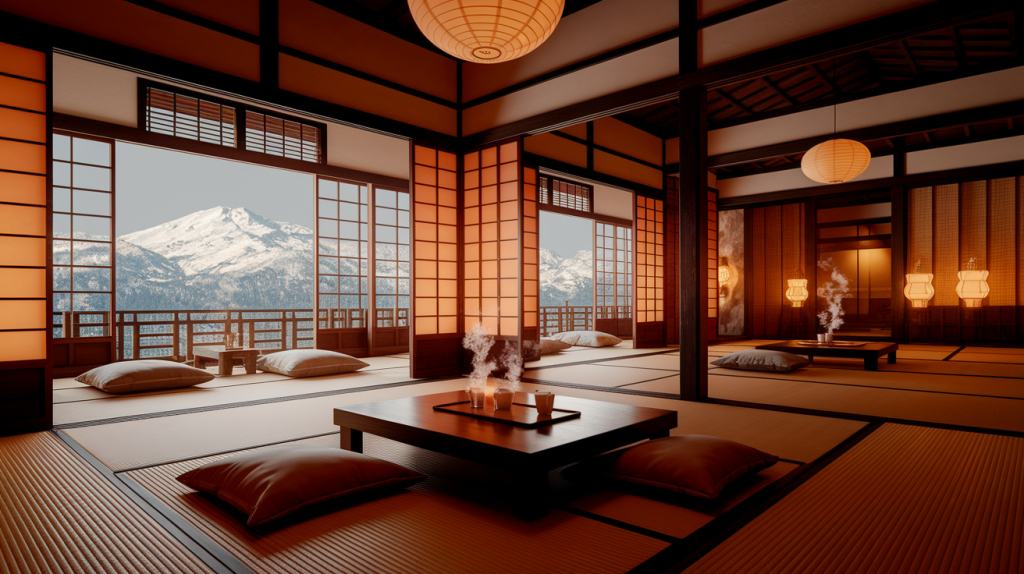
Ready to indulge? Premium accommodations in the Japan Alps transform your mountain getaway into an extraordinary experience. These high-end options deliver impeccable service, stunning locations, and amenities that justify the investment for special occasions or when you want to treat yourself.
High-End Ryokans (¥20,000-50,000+ per night)
Luxury ryokans represent the pinnacle of traditional Japanese hospitality. Every detail receives meticulous attention, from the seasonal flowers arranged in your room’s alcove to the precisely timed courses of your kaiseki dinner. These multi-course meals showcase culinary artistry—delicate sashimi, perfectly grilled fish, seasonal mountain vegetables, and beautifully presented dishes that taste as amazing as they look.
Private onsen baths attached to your room offer uninterrupted mountain views while you soak in mineral-rich waters. Some properties feature both indoor and outdoor baths, letting you experience the magic of bathing under starry skies with snow-capped peaks as your backdrop. Staff anticipate your needs before you ask, preparing your futon bedding while you dine and providing fresh yukata for evening wear. The serene atmosphere encourages complete relaxation—this is where you disconnect from daily stress and reconnect with nature and yourself.
Alpine Resort Hotels (¥15,000-35,000 per night)
Modern resort hotels combine contemporary amenities with spectacular Alpine settings. These full-service properties cater to families and travelers seeking comprehensive comfort. You’ll find multiple dining options, from casual cafes to elegant restaurants, plus full-service spas offering treatments that ease tired muscles after hiking. During winter months, ski-in/ski-out access puts you steps from powder-filled slopes.
Spacious rooms feature large windows framing mountain panoramas, plush bedding, and modern bathrooms with deep soaking tubs. Resort facilities often include fitness centers, game rooms, and kids’ clubs, making them ideal for families with varying interests and energy levels. Evening entertainment, guided nature walks, and seasonal activities like firefly viewing or autumn foliage tours add value beyond the room itself. The combination of luxury and convenience creates effortless mountain vacations where everything you need sits within the property.
Boutique Mountain Hotels (¥18,000-40,000 per night)
Boutique hotels bring unique design sensibilities to Alpine accommodations. These intimate properties blend contemporary architecture with natural materials—think floor-to-ceiling windows showcasing mountain views, locally crafted furniture, and artistic touches that celebrate regional culture. Each hotel cultivates its own distinct personality, whether minimalist modern or rustic chic.
Personalized service defines the boutique experience. With fewer rooms than large resorts, staff remember your preferences and tailor recommendations to your interests. Many boutique hotels curate special experiences: private guided hikes with naturalist experts, sake tastings featuring local breweries, or workshops teaching traditional crafts. The attention to detail extends to every aspect—artisanal toiletries, carefully selected books about the region, and thoughtful amenities that enhance your stay. These properties attract travelers who appreciate design, seek authentic connections with place, and value quality over quantity.
Unique Stays: Camping, Temple Lodgings & Vacation Rentals
Beyond conventional hotels and inns, the Japan Alps offer distinctive accommodation experiences that add adventure and cultural depth to your journey. These unique options let you connect with nature, tradition, or local life in ways standard lodgings can’t match.
Campgrounds (¥500-2,000 per person)
Camping delivers the most budget-friendly way to experience the Japan Alps while offering complete flexibility and intimate connection with nature. Well-maintained campgrounds near popular trailheads and mountain huts provide flat, groomed tent sites, access to water sources, and toilet facilities. Some sites offer additional amenities like cooking shelters and coin-operated hot showers.
Bring your own camping gear or rent equipment in gateway cities before heading into the mountains. The lightweight approach works best—you’ll appreciate every ounce saved when climbing mountain passes. Campgrounds typically operate from late June through September, closing during winter months due to heavy snowfall. Arrive early during peak seasons to secure the best spots, and always follow Leave No Trace principles to preserve these pristine mountain environments.
The self-sufficient camping experience appeals to adventurers who love waking to birdsong, cooking meals under open skies, and falling asleep to the sound of mountain streams. You’ll save significant money compared to other accommodations, allowing you to extend your trip or splurge on special experiences elsewhere.
Shukubo (Temple Lodgings) (¥9,000-15,000 per night)
Temple lodgings offer profound cultural immersion within Buddhist temples scattered throughout the Alps region. Shukubo accommodations welcome travelers seeking peaceful reflection and authentic spiritual experiences. Your stay includes vegetarian shojin-ryori meals—Buddhist temple cuisine that transforms simple ingredients into artful, flavorful dishes following centuries-old traditions.
Guests can optionally participate in morning prayer services, meditation sessions, and temple rituals. Even if you’re not Buddhist, these experiences provide meaningful insights into Japanese spiritual practices and monastic life. The serene atmosphere, minimal distractions, and contemplative environment create natural space for reflection after busy travel days.
Temple rooms feature traditional tatami flooring and futon bedding, with shared bathing facilities. Some temples offer garden views or mountain vistas from communal spaces. The experience emphasizes simplicity and mindfulness—a refreshing contrast to modern life’s constant stimulation. Shukubo stays work especially well when you need to slow down, reset, and approach your travels with renewed perspective.
Vacation Rentals & Private Residences (¥8,000-25,000 per night)
Renting entire homes or apartments through platforms like Airbnb brings flexibility and value, particularly for groups and families. You’ll gain full kitchens for preparing meals, multiple bedrooms for spreading out, and living spaces for relaxing together. This setup significantly reduces costs on longer stays while providing the comforts of home.
Private residences let you experience local neighborhoods beyond tourist areas. Shop at neighborhood markets, cook regional ingredients, and live like locals for a few days. The extra space proves invaluable for families with children who need room to play, or groups wanting to gather without crowding into small hotel rooms. Many vacation rentals occupy traditional Japanese houses, offering architectural features like sliding shoji screens, tatami rooms, and garden views.
Consider vacation rentals for stays of three nights or longer when the value proposition becomes especially compelling. You’ll save money on meals while gaining authentic insights into daily life in Alpine communities. Just ensure you understand check-in procedures and house rules, as communication may require extra effort compared to hotels with 24-hour reception desks.
In Closing
The Japan Alps deliver accommodation options that truly span every budget and travel style. From ¥500 campgrounds where you fall asleep under starry mountain skies to luxury ryokans offering ¥50,000+ nights of unparalleled hospitality, you’ll find stays that match both your financial reality and adventure dreams.
Each accommodation type brings distinct advantages. Budget-conscious travelers maximize their time in the mountains by choosing hostels, minshuku, and mountain huts that keep costs low without sacrificing safety or basic comfort. Mid-range options like business hotels and budget ryokans strike the perfect balance between value and amenities, delivering authentic Japanese experiences at reasonable prices. Premium properties transform your Alps journey into something extraordinary through impeccable service, stunning locations, and attention to detail that creates lifelong memories.
The unique stays—camping, temple lodgings, and vacation rentals—add dimensions beyond simple shelter. They connect you more deeply with nature, culture, and local life in ways conventional accommodations can’t replicate.
Start planning your Japan Alps accommodation strategy early. Mountain huts and popular ryokans book months in advance, especially during peak seasons from July through September and winter ski months. Consider mixing accommodation types throughout your trip—perhaps a few nights in a cozy pension followed by a mountain hut experience, then a luxury ryokan to celebrate your hiking achievements.
Don’t overlook mid-range options when planning your budget. These properties often deliver the best overall value, combining comfort, location, and authentic experiences at prices that leave room in your budget for other adventures. And remember: the accommodation you choose shapes your entire Alps experience, so select options that align with your travel priorities, whether that’s meeting fellow adventurers, soaking in natural hot springs, or simply having a comfortable bed after long trail days.
The Japan Alps await with their dramatic peaks, pristine forests, and welcoming mountain communities. Now that you understand your accommodation options, you’re ready to book the perfect places to stay and start counting down to your Alpine adventure. Which accommodation type will you try first?