5 Best Japan Onsen Spas For People Over 40

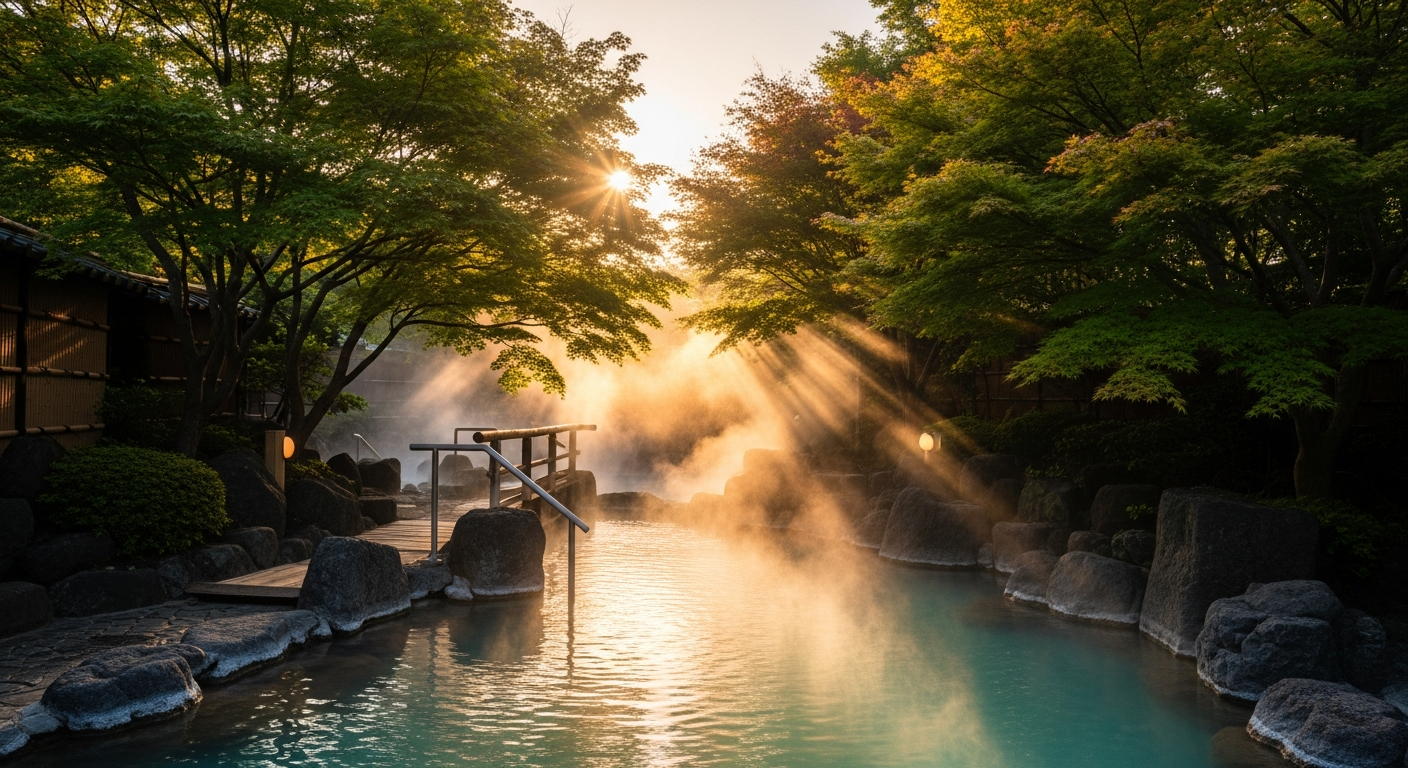
You’re soaking in mineral-rich waters at 104°F, surrounded by snow-dusted cedar trees, as centuries-old Japanese tradition melts away the tension you’ve carried in your shoulders for years. This isn’t just a spa day—it’s a transformative experience that speaks directly to what your body needs after 40.
If you’re over 40 and planning your ultimate Japan trip, you already know that cookie-cutter tourist experiences won’t cut it anymore. You want authentic cultural immersion, yes, but you also need accommodations that understand your body’s requirements: accessible facilities, therapeutic benefits, privacy options, and comfort that doesn’t compromise on authenticity. The challenge? Japan has over 27,000 onsen properties, and most travel guides treat them all the same—recommending crowded tourist traps or inaccessible mountain retreats without considering what mature travelers actually need.
Japan’s onsen culture has been perfecting the art of rejuvenation for over a millennium, and certain properties have mastered the balance between traditional healing and modern comfort—perfect for travelers seeking both adventure and restoration. These aren’t your typical “top 10” lists filled with impossible-to-reach destinations or party-focused resorts. These are carefully selected properties that deliver genuine therapeutic benefits, cultural depth, and the comfort standards you deserve.
This guide cuts through the overwhelming options to reveal five handpicked onsen destinations that cater specifically to travelers over 40, complete with accessibility insights, therapeutic benefits, booking strategies, and hidden insider tips that most guidebooks miss. You’ll discover how to choose the right mineral composition for your specific health concerns, navigate onsen etiquette with confidence, and book properties that offer privacy without sacrificing the authentic experience. Whether you’re dealing with joint pain, seeking better sleep, or simply craving a slower, more meaningful travel experience, these five destinations deliver exactly what your body and soul need right now.
Why Onsen Culture Is Perfect for Travelers Over 40

The Therapeutic Benefits That Matter Most Now
Let’s talk about what’s really happening in your body when you sink into those mineral-rich waters. Japanese onsen aren’t just relaxing—they’re delivering targeted therapeutic benefits backed by centuries of practice and modern scientific research. The natural mineral composition directly addresses joint pain, muscle tension, and circulation issues that become increasingly common after 40.
Different mineral types target specific age-related concerns. Sulfur springs excel at relieving arthritis and chronic pain while improving skin elasticity. Iron-rich waters boost circulation and help combat fatigue—crucial when you’re exploring a new country and want to maintain your energy throughout the day. Sodium chloride springs work wonders for muscle recovery and inflammation, perfect after long flights or days of sightseeing.
The science backs this up. Japanese wellness research demonstrates that regular onsen bathing improves sleep quality by regulating body temperature and promoting deeper relaxation. Studies show that the combination of heat, buoyancy, and mineral absorption reduces cortisol levels significantly—meaning genuine stress reduction, not just temporary relaxation. For travelers over 40 dealing with sleep disruptions or stress-related health issues, this matters immensely.
Cultural Depth Over Surface-Level Tourism
Here’s what makes onsen culture different from checking another attraction off your bucket list: it’s inherently meditative and slow-paced, aligning perfectly with how mature travelers actually want to experience destinations. You’re not rushing through a temple with 500 other tourists. You’re participating in a daily ritual that locals have practiced for generations, learning the subtle etiquette that reveals deeper cultural values about respect, mindfulness, and community.
The traditional ryokan setting provides authentic local interaction that’s increasingly rare in modern tourism. Your hosts genuinely care about your comfort and well-being—this isn’t performative hospitality. They’ll adjust meal times for your preferences, recommend the best bathing schedule for your specific health goals, and share local knowledge that transforms your understanding of Japanese culture. This meaningful engagement creates travel memories far richer than any Instagram photo.
Comfort Meets Adventure
The beauty of modern onsen culture is that you don’t have to choose between authenticity and comfort. Many premium properties now offer private bath options for those uncomfortable with communal bathing—you get the full therapeutic and cultural experience without the vulnerability that might feel challenging after 40. These aren’t inferior alternatives; some of the most spectacular rotenburo (outdoor baths) are private.
Accessibility features have become increasingly common at upscale properties, but they’re integrated thoughtfully rather than feeling institutional. You’ll find handrails that blend into natural wood designs, non-slip surfaces that maintain aesthetic beauty, and ground-floor rooms with elevator access that don’t compromise the traditional architecture. This is the perfect balance: cultural authenticity without sacrificing the comfort standards your body requires.
What Makes an Onsen “Perfect” for Mature Travelers

Accessibility Without Compromising Authenticity
The best onsen properties for travelers over 40 understand that accessibility isn’t about lowering standards—it’s about thoughtful design that serves everyone. Look for ryokan offering ground-floor room availability or modern elevator access seamlessly integrated into traditional buildings. These features matter when you’re carrying luggage, dealing with jet lag, or simply want to conserve energy for the experiences that truly matter.
Safety features make a tremendous difference without feeling clinical. Non-slip surfaces around bathing areas, strategically placed handrails that blend into natural wood aesthetics, and well-lit pathways between buildings transform your experience from anxious to confident. The properties I recommend have mastered this balance—you feel supported without feeling like you’re in a medical facility.
Staff English proficiency varies widely across Japan, but the properties featured here employ team members who can communicate effectively about health considerations, dietary restrictions, and special requests. This matters enormously when you’re discussing medical conditions, medication timing, or specific accessibility needs. Quality properties also provide detailed written instructions in English for onsen etiquette and facility use, eliminating the stress of cultural missteps.
Privacy Options and Flexibility
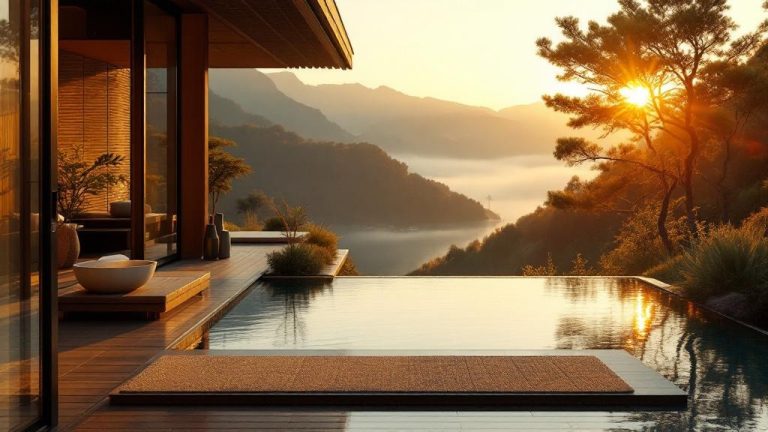
Not everyone feels comfortable with communal bathing, and that’s completely valid. The secret is knowing that Japan offers spectacular alternatives. Private in-room rotenburo provide the full onsen experience—natural mineral waters, outdoor settings, stunning views—in complete privacy. You control the timing, temperature, and atmosphere. Some properties also offer reserved family baths (kashikiri-buro) that you can book for 45-60 minute private sessions.
Quieter, adult-oriented properties deliver a fundamentally different experience than family-focused resorts. You’re not competing with children’s pool activities or navigating crowded dining rooms. The atmosphere remains peaceful, allowing genuine relaxation and cultural immersion. Many upscale ryokan actually discourage young children, creating environments perfectly suited to mature travelers seeking tranquility.
Flexible meal times and dietary accommodation become crucial considerations when you’re managing health conditions or simply prefer eating on your own schedule. Traditional kaiseki dinners served at fixed times can feel restrictive, but the best properties now offer adjustable dining schedules and accommodate vegetarian, low-sodium, or other dietary requirements without making you feel like a burden.
Therapeutic Water Quality and Variety
Understanding onsen certification matters more than most travelers realize. Legitimate onsen must contain at least one of 19 designated chemical elements and maintain specific temperature requirements—this isn’t just heated tap water. Properties displaying the official onsen certification guarantee you’re bathing in genuine natural spring water with therapeutic properties.
The most valuable properties offer multiple bath types with different temperatures and mineral compositions. This variety allows you to customize your experience based on how your body feels each day. Start with lower-temperature baths to acclimate, progress to hotter mineral-rich waters for deep muscle relaxation, then finish with cooler pools to invigorate circulation. This progression maximizes therapeutic benefits while preventing the fatigue that sometimes accompanies extended hot bathing.
Medical-grade therapeutic properties distinguish serious wellness destinations from recreational-only facilities. Some onsen are officially recognized by Japanese medical associations for treating specific conditions—arthritis, hypertension, chronic pain, skin conditions. While you should always consult your doctor, these certifications indicate genuine therapeutic value beyond simple relaxation.
Location and Transportation Considerations
Proximity to major transportation hubs transforms your experience when stamina for complicated travel is limited. The most accessible onsen destinations sit within two hours of major airports or train stations, eliminating exhausting rural bus journeys or complex transfers. This efficiency means you arrive relaxed rather than depleted, maximizing your limited vacation time.
Shuttle services and airport accessibility make tremendous practical differences. Properties offering direct shuttle pickups from nearby train stations eliminate the stress of navigating unfamiliar public transportation with luggage. Some upscale ryokan even arrange private car services from major airports—worth every yen when you’re jet-lagged and just want to arrive safely.
Surrounding area walkability matters significantly for mature travelers who want to explore but need to manage energy levels. The ideal onsen town offers interesting shops, temples, and restaurants within easy walking distance, with relatively flat terrain and well-maintained pathways. This allows you to experience local culture at your own pace without requiring extensive physical exertion or complicated transportation.
#1 – Kurokawa Onsen, Kumamoto: The Hidden Gem of Kyushu

Why It’s Perfect for Over-40 Travelers
Kurokawa Onsen represents everything mature travelers seek: authentic atmosphere without overwhelming crowds, exceptional natural beauty, and flexibility to explore at your own pace. This intimate village contains just 30 traditional ryokan nestled along a mountain river—small enough to feel genuinely local, large enough to offer variety and choice.
The legendary outdoor rotenburo along the river deliver breathtaking natural settings that change dramatically with the seasons. Imagine soaking in steaming mineral waters while snow falls gently around you, or during autumn when the surrounding mountains explode with crimson and gold foliage. These aren’t manufactured “scenic views”—this is raw, spectacular nature integrated seamlessly into the bathing experience.
The genius “Nyuto Tegata” pass system perfectly suits travelers over 40. For ¥1,300, you receive a wooden pass allowing access to three different onsen baths across participating ryokan. This means you can explore multiple properties and bath styles at your own pace, resting when needed, without feeling rushed or overwhelmed. Some days you might visit all three; other days, just one feels perfect. This flexibility respects your body’s varying energy levels throughout your trip.
The 300-year history translates into refined hospitality that genuinely understands mature guest needs. Staff anticipate requirements before you ask, adjust services naturally, and create an atmosphere of effortless comfort. This isn’t scripted service—it’s cultural wisdom passed down through generations.
Standout Features and Therapeutic Benefits
The sodium bicarbonate and chloride waters here are exceptional for skin health and circulation—two concerns that become increasingly important after 40. These mineral compositions leave your skin feeling remarkably soft (locals call it “bijin-no-yu” or “beautifying waters”) while improving blood flow throughout your body. Many regular visitors report noticeable improvements in chronic circulation issues and skin conditions after just a few days.
Kurokawa offers a remarkable mix of rustic and upscale properties, providing budget flexibility without sacrificing quality. You’ll find traditional thatched-roof ryokan with centuries of history alongside more contemporary properties with modern amenities—all maintaining authentic onsen culture and therapeutic water quality. This range means you can choose based on your comfort preferences and budget without compromising the essential experience.
The stunning mountain scenery transforms dramatically with seasons, offering completely different experiences depending on when you visit. Winter brings heavy snow that creates ethereal landscapes and makes outdoor bathing feel magical. Autumn delivers spectacular foliage that rivals Kyoto’s famous temples. Even summer, typically less popular, offers lush green mountains and cooler temperatures than most of Japan.
Less international tourist traffic means genuinely authentic local experiences. You’ll encounter Japanese travelers who’ve been visiting for decades, share meals with other guests in traditional communal dining rooms, and experience onsen culture as it’s actually practiced rather than as a tourist performance.
Practical Planning Tips
Best time to visit: October through November delivers peak fall foliage with comfortable temperatures and relatively fewer crowds than spring. February through March offers spectacular snow season experiences—the contrast of hot springs and snowy landscapes creates unforgettable moments. Both periods provide excellent value compared to peak domestic travel seasons.
Getting there: The three-hour bus journey from Kumamoto Airport includes shuttle services from several ryokan, or you can arrange private transfers. Alternatively, renting a car provides maximum flexibility for exploring surrounding Kyushu attractions. The drive itself is scenic and manageable, with well-marked roads and English GPS widely available.
Budget: Expect ¥25,000-45,000 per person per night including elaborate kaiseki dinners and breakfast. This represents exceptional value considering the quality of accommodation, meals, and unlimited onsen access. Weekday stays typically cost 20-30% less than weekends.
Insider secret: Yamamizuki offers ultimate luxury with private outdoor baths overlooking the river and exceptional seasonal kaiseki cuisine. Sanga Ryokan provides similar quality at slightly lower prices, with particularly spacious rooms featuring private rotenburo. Both properties accommodate dietary restrictions and adjust meal times for international guests.
Accessibility note: The village requires some walking on uneven stone pathways between ryokan and shops. Choose centrally-located properties to minimize walking distance, and inform your ryokan in advance about any mobility concerns—they’ll arrange luggage transport and suggest the most accessible routes.
#2 – Yufuin Onsen, Oita: Sophisticated Serenity with Mountain Views

The Appeal for Discerning Mature Travelers
Yufuin delivers a fundamentally different atmosphere than traditional onsen towns—think upscale art galleries, boutique shopping, and gourmet dining alongside therapeutic hot springs. This sophisticated blend appeals to travelers who want cultural immersion but also appreciate refined aesthetics and contemporary comfort. You’re not choosing between tradition and modernity; you’re experiencing the best of both.
The spectacular Mount Yufu backdrop provides stunning photo opportunities from virtually every angle in town. This iconic twin-peaked mountain dominates the landscape, creating dramatic scenery that changes throughout the day as light shifts and weather patterns move across the peaks. Early morning views, when mist rises from the valley, deliver particularly magical moments.
Easy access from Fukuoka—just two hours by limited express train—makes Yufuin perfect when vacation time is limited. You can fly into Fukuoka Airport, enjoy the vibrant city for a day or two, then seamlessly transition to peaceful mountain onsen culture without complicated transfers or exhausting travel days. This accessibility means you actually arrive relaxed and ready to enjoy the experience.
The balance of activity and relaxation suits travelers who want options. Some days you might explore art museums, browse craft shops, and enjoy fine dining. Other days, you might never leave your ryokan, spending hours soaking in private baths and napping between meals. Yufuin accommodates both moods without judgment or wasted opportunity.
Therapeutic Qualities and Unique Experiences
The simple thermal springs here feature relatively low mineral content, making them exceptionally gentle on sensitive skin—perfect if you have skin conditions or simply prefer milder waters. These springs won’t overwhelm your senses with sulfur smells or leave heavy mineral deposits, but they still deliver genuine therapeutic benefits through heat therapy and relaxation.
Kinrinko Lake’s morning mist experience ranks among Japan’s most unforgettable natural phenomena. Arrive at dawn when temperature differentials create thick mist rising from the lake’s surface, creating an ethereal landscape that feels transported from ancient Japanese paintings. This requires early rising, but the spectacle rewards your effort with genuinely magical moments that photographs can’t capture.
Private villa-style ryokan options provide complete seclusion for couples or solo travelers seeking absolute privacy. These properties feature individual cottages with private outdoor baths, personal gardens, and in-room dining—you can spend entire days without encountering other guests if you prefer. This level of privacy feels luxurious without feeling isolated, as attentive staff remain available whenever needed.
Traditional Japanese spa treatments, particularly shiatsu massage, are widely available from skilled practitioners who understand Western bodies and communication needs. These treatments complement onsen bathing perfectly, addressing deep muscle tension and promoting circulation in ways that enhance the therapeutic benefits of mineral waters.
Complete Planning Guide
Best season: Early December captures the famous mist season when Kinrinko Lake creates its most dramatic morning displays. April brings cherry blossoms throughout the town, creating romantic springtime scenery. Both periods offer comfortable temperatures for outdoor bathing and exploring the town on foot.
Transportation: The limited express train “Yufuin no Mori” from Hakata Station provides a scenic, comfortable journey with large windows showcasing Kyushu countryside. Reserved seating ensures comfort, and the train itself is designed as part of the travel experience rather than mere transportation.
Budget range: Expect ¥30,000-80,000 per person per night, with this wide range reflecting everything from comfortable traditional ryokan to ultra-luxury private villas. Mid-range properties around ¥40,000-50,000 deliver exceptional quality and authentic experiences without extreme luxury pricing.
Top recommendation: Musouen offers exquisite rooms with private outdoor baths overlooking Mount Yufu, plus exceptional kaiseki cuisine featuring local Oita ingredients. Sansuikan provides similar quality with particularly spacious accommodations and beautifully designed rotenburo. Both properties excel at accommodating international guests and special dietary requests.
Hidden tip: Booking weekday stays saves 20-30% compared to weekends and Japanese holidays, while delivering quieter, more peaceful experiences. Tuesday through Thursday represents the sweet spot for availability and value.
Dietary note: Yufuin properties are particularly accommodating of vegetarian, pescatarian, and health-conscious meal requests. Inform them during booking, and chefs will create beautiful kaiseki meals that honor dietary restrictions while showcasing seasonal local ingredients.
#3 – Hakone, Kanagawa: Ultimate Convenience Meets Tradition
Why Hakone Works for Time-Constrained Travelers
Hakone’s proximity to Tokyo—just 90 minutes by Romance Car express train—makes it absolutely perfect when vacation time is limited. You can experience authentic onsen culture without sacrificing days to complicated travel, maximizing your limited time in Japan. This accessibility means Hakone works beautifully as either a dedicated destination or a restorative break during a broader Tokyo itinerary.
The extensive transportation network removes all stress from getting around. The famous Hakone Freepass covers Romance Car trains, mountain railways, cable cars, ropeways, and sightseeing boats—essentially unlimited transportation throughout the region for two or three days. This system is brilliantly designed for tourists, with clear English signage and staff assistance, eliminating navigation anxiety that can drain energy and enjoyment.
Mount Fuji views on clear days deliver that iconic Japan moment you’ve dreamed about. Several locations throughout Hakone offer spectacular views of the sacred mountain, particularly from Lake Ashi and the Hakone Ropeway. While Fuji hides behind clouds roughly 60% of the year, early mornings in autumn and winter provide your best chances for clear views—and the anticipation makes successful sightings feel even more special.
Multiple onsen towns within Hakone offer remarkable variety without changing accommodation. You can experience different mineral compositions, bathing atmospheres, and cultural vibes while maintaining a single base—perfect when you’re tired of packing and unpacking, or when mobility considerations make frequent moves challenging.
Diverse Onsen Experiences in One Location
Hakone’s 17 different hot spring sources provide varying mineral compositions targeting different therapeutic needs. Gora offers sulfur-rich waters excellent for muscle pain and skin conditions. Sengokuhara features alkaline springs particularly gentle and moisturizing. Yumoto delivers classic sodium chloride waters perfect for circulation and relaxation. This diversity means you can customize your bathing experience based on your body’s specific requirements.
The range from traditional ryokan to modern resort hotels accommodates every preference and budget. Classic properties like Fukuzumiro maintain centuries-old architecture and customs, offering deeply authentic cultural experiences. Contemporary hotels like Hakone Ginyu provide sleek modern design with traditional bathing culture, perfect if you prefer contemporary aesthetics and amenities. Both approaches deliver genuine onsen experiences—you’re choosing atmosphere, not authenticity.
World-class attractions between soaking sessions prevent boredom and provide cultural enrichment. The Hakone Open-Air Museum displays spectacular sculpture in mountain settings, combining art appreciation with gentle outdoor walking. Lake Ashi offers scenic boat cruises with Fuji views. Traditional crafts, local museums, and mountain hiking trails provide options for every energy level and interest.
The Hakone Freepass makes transportation absolutely effortless, perfect for conserving energy while maximizing experiences. You’ll never worry about buying tickets, calculating fares, or navigating payment systems—just board any covered transportation and show your pass. This simplicity reduces travel stress dramatically, allowing you to focus on enjoyment rather than logistics.
Strategic Planning for Maximum Value
Optimal timing: November delivers peak fall colors throughout the region with comfortable temperatures and relatively fewer crowds than spring cherry blossom season. February offers winter rates (20-30% savings), possible snow scenery, and better Fuji visibility, though some mountain transportation may close during extreme weather.
Base location: Gora provides authentic atmosphere with excellent access to cable cars and museums, plus some of Hakone’s finest traditional ryokan. Sengokuhara offers quieter, more remote mountain settings with spectacular nature. Hakone-Yumoto maximizes convenience with the most transportation options and easiest access from Tokyo, perfect if mobility is a primary concern.
Budget: Expect ¥20,000-60,000 per person per night depending on property tier and meal inclusions. Mid-range ryokan around ¥30,000 deliver excellent quality, while luxury properties like Gora Kadan command premium pricing for impeccable service and facilities.
Perfect for 40+: Gora Kadan represents ultimate luxury with flawless accessibility, private baths in every room, exceptional kaiseki cuisine, and service that anticipates every need. Hakone Ginyu offers modern comfort with stunning mountain views, spacious rooms featuring private outdoor baths, and contemporary design that appeals to travelers preferring sleek aesthetics over traditional architecture.
Money-saving secret: The two-day Hakone Freepass costs just ¥6,100 and covers most transportation you’ll need, including the Romance Car surcharge if you upgrade. Three-day passes cost ¥6,500—extraordinary value considering individual ticket prices. Purchase at Shinjuku Station before departure for seamless travel.
Health consideration: Sulfur content runs high in some Hakone areas, particularly around Owakudani. If you have sulfur sensitivities or respiratory concerns, choose accommodations in Gora or Yumoto where sulfur concentrations are lower, and skip the ropeway to Owakudani’s volcanic valley.
#4 – Arima Onsen, Hyogo: Historic Elegance Near Kyoto
Japan’s Oldest Onsen Town for History Enthusiasts
Arima Onsen’s 1,300-year heritage makes it one of Japan’s three most ancient onsen destinations, with documented visits by emperors, monks, and samurai throughout history. This isn’t manufactured historical theming—you’re bathing in the same waters that have provided healing and relaxation for over a millennium. For travelers who appreciate historical depth and cultural significance, this legacy adds profound meaning to the experience.
The exceptional location just 30 minutes from Kobe and 60 minutes from Kyoto or Osaka makes Arima ridiculously convenient for travelers exploring the Kansai region. You can spend mornings touring Kyoto’s temples, then arrive at Arima by early afternoon for therapeutic soaking and traditional kaiseki dinners. This accessibility means you don’t sacrifice cultural sightseeing to experience authentic onsen culture—you enhance your entire Kansai itinerary.
The compact town design allows leisurely exploration without exhaustion. Everything sits within a 20-minute walk: temples, shops, restaurants, and all major ryokan. The main street features traditional architecture, local craft shops, and small museums documenting onsen history. You can explore thoroughly without the physical demands of larger resort areas, perfect when energy conservation matters.
Two distinct spring types—”Gold” (kinsen) and “Silver” (ginsen)—provide unique therapeutic options rarely found in a single location. The reddish-brown kinsen contains high iron and salt concentrations, turning a distinctive rust color from oxidation. The clear ginsen features radium and carbonate, offering completely different mineral compositions and benefits. This variety allows you to customize your bathing based on specific health goals.
Therapeutic Power and Cultural Richness
Gold springs deliver exceptional relief for muscle pain, arthritis, and circulation issues—precisely the concerns that often intensify after 40. The high iron content improves blood circulation and helps combat fatigue, while salt concentrations provide natural buoyancy that relieves joint pressure. Many regular visitors report significant improvements in chronic pain conditions after extended stays. The distinctive color and metallic scent create a memorable sensory experience unlike typical clear hot springs.
Silver springs offer gentler therapeutic benefits, particularly excellent for skin conditions and general relaxation. The radium content (completely safe at natural concentrations) promotes cellular regeneration and skin health, while carbonate creates silky-smooth water that leaves skin feeling remarkably soft. These springs work beautifully for travelers with sensitive skin or those who prefer milder mineral concentrations.
Temple visits, traditional crafts, and local cuisine sit within easy walking distance, creating opportunities for cultural immersion between bathing sessions. Zuihoji Temple offers peaceful garden walks and historical architecture. Local shops sell handmade bamboo crafts and traditional sweets. Small restaurants serve Kobe beef and local specialties at prices far below what you’d pay in nearby cities.
Smaller-scale, intimate properties emphasize personalized service that larger resort hotels simply cannot match. With just 10-20 rooms, staff remember your preferences, adjust services to your needs, and create genuine relationships during your stay. This attention transforms accommodation from transaction to hospitality in its truest sense.
Insider’s Planning Strategy
Best months: May delivers the green season with pleasant weather, blooming flowers, and comfortable temperatures perfect for both bathing and exploring. Late November captures peak fall foliage throughout the mountain town, creating spectacular scenery without the extreme crowds that overwhelm Kyoto during this period.
Access: Take the Kobe Electric Railway from Kobe’s Sannomiya Station directly to Arima Onsen Station (30 minutes), or catch express buses from Osaka or Kyoto (60-90 minutes). Many ryokan offer complimentary shuttle service from the station—confirm when booking.
Budget range: ¥28,000-55,000 per person per night including meals. This represents excellent value considering the historical significance, convenient location, and quality of accommodations. Properties at the higher end offer private baths with both gold and silver springs.
Top picks: Taketoritei Maruyama delivers exceptional luxury with private garden baths, exquisite kaiseki cuisine, and impeccable service. Tocen Goshoboh offers more affordable traditional accommodation while maintaining authentic atmosphere and excellent access to both spring types.
Cultural experience: Visit the free public foot baths scattered throughout town—perfect for quick relaxation while exploring. The Arima Onsen Museum (¥500 admission) provides fascinating historical context about the springs’ 1,300-year heritage, enhancing your appreciation of the experience.
Timing tip: Weekday stays during May or early November provide the best combination of pleasant weather, fewer crowds, and reasonable rates. Avoid Japanese national holidays when domestic tourism peaks and availability becomes extremely limited.
Finding Your Perfect Onsen Experience
Choosing your ideal onsen destination after 40 comes down to understanding what your body needs and what your soul craves right now. Each of these five destinations delivers authentic Japanese hot spring culture, but they serve different priorities and preferences.
If you’re seeking undiscovered beauty and are willing to travel deeper into Kyushu, Kurokawa Onsen offers intimate village atmosphere and spectacular natural settings that feel genuinely off the beaten path. The flexibility of the pass system and variety of properties make it perfect for travelers who want to explore multiple onsen experiences at their own pace.
For those who appreciate sophisticated surroundings and want to combine therapeutic bathing with art, shopping, and gourmet dining, Yufuin provides that rare balance of cultural authenticity and contemporary refinement. The accessibility from Fukuoka and variety of privacy options make it particularly appealing for travelers who want choices.
When vacation time is limited and convenience matters most, Hakone delivers authentic onsen culture just 90 minutes from Tokyo. The extensive transportation network and diverse attractions make it ideal for first-time visitors to Japan or anyone who wants to maximize limited days without sacrificing authentic experiences.
History enthusiasts and travelers exploring the Kansai region will find Arima Onsen’s 1,300-year heritage and dual spring types absolutely compelling. The compact town and exceptional location near Kyoto and Osaka make it perfect for integrating onsen culture into broader cultural sightseeing.
The therapeutic benefits of onsen bathing—improved circulation, pain relief, better sleep, reduced stress—aren’t just marketing promises. These are documented effects that become increasingly valuable as our bodies age and our need for genuine restoration intensifies. Choosing accommodations that understand mature travelers’ needs transforms this from tourist activity into meaningful wellness experience.
Ready to book your transformative Japan onsen experience? Start by identifying which destination aligns best with your travel style and physical needs. Research specific ryokan within your chosen area, reading reviews from travelers over 40 who share your priorities. Book directly when possible for the best rates and to communicate any special requirements. And remember: the best onsen experience isn’t the most famous or expensive—it’s the one that perfectly matches what your body needs and your spirit craves right now.
Your journey into Japan’s healing waters awaits. The only question is: which one calls to you first?