25 Best Things to Do in London: Hidden Gems Revealed!

London isn’t just Big Ben and Buckingham Palace. Sure, those iconic landmarks deserve their fame, but the real magic of this city lives in the quiet corners, secret gardens, and underground spaces that most tourists rush right past.
I’ve spent years exploring every neighborhood, alley, and hidden courtyard this city has to offer, and I’m sharing my absolute favorite discoveries with you. This guide delivers the perfect blend of must-see experiences and off-the-beaten-path treasures that will make your London adventure truly unforgettable.
Whether you’re visiting London for the first time or you’re a repeat visitor who’s already ticked off the major attractions, this list will transform how you experience the city. You’ll discover secret museums that rival the British Museum in fascination, peaceful gardens that feel worlds away from the bustling streets, and local foodie havens where Londoners actually eat.
What makes this guide different? I’m not just listing random places. Each recommendation comes with practical tips, insider knowledge, and honest advice about when to visit and what to expect. No fluff, no generic descriptions—just 25 amazing places that showcase the real London.
From Victorian operating theatres hidden in church attics to tranquil Japanese gardens tucked behind grand mansions, from underground silver vaults to rooftop bars with stunning skyline views—these hidden gems will give you stories that go beyond “I saw the Tower of London.”
Ready to explore London like a local? Let’s dive into the secret side of this incredible city. Save this guide, share it with your travel companions, and get ready to discover the London that most visitors never see.
Historic Hidden Gems & Secret Museums

The Foundling Museum: London’s Most Moving Story
The Foundling Museum tells the heart-wrenching story of London’s first children’s charity, founded in 1739 by Captain Thomas Coram. This isn’t your typical stuffy museum—it’s an emotional journey through British social history that will stay with you long after you leave.
What makes this place special? The museum houses touching tokens left by mothers who couldn’t afford to keep their babies. These small objects—buttons, ribbons, scraps of fabric—represent desperate mothers’ last connections to their children. The stories behind these tiny artifacts are absolutely devastating and deeply moving.
The museum also features an impressive collection of works by William Hogarth and an entire gallery dedicated to composer George Frideric Handel, who was a founding governor and generous benefactor. The building itself is a beautifully restored Georgian space that gives you a genuine sense of 18th-century London.
Visit on a weekday morning for the most contemplative experience. Unlike the British Museum or National Gallery, you’ll have space to absorb the stories without fighting crowds. The museum is quieter, more intimate, and perfect for those who appreciate history with emotional depth.
The Old Operating Theatre and Herb Garret
Tucked in the attic of St. Thomas’s Church near London Bridge, you’ll find Europe’s oldest surviving operating theatre. Climbing the narrow spiral staircase feels like stepping through a time portal into Victorian medical history.
This isn’t sanitized history—it’s raw, gruesome, and absolutely fascinating. The wooden operating table sits in the center of the room, surrounded by tiered seating where medical students once watched surgeries performed without anesthesia. The herb garret above houses the apothecary’s collection, where you’ll see the plants and remedies used in 19th-century medicine.
The space is small, which adds to its atmospheric power but also means it gets crowded quickly. Arrive right when it opens to fully appreciate the eerie authenticity of this hidden gem. The knowledgeable staff share vivid stories about Victorian surgery that will make you grateful for modern medicine.
Charles Dickens Museum: Step Into Victorian London
This isn’t just another author’s house museum—it’s the actual home where Charles Dickens wrote Oliver Twist and Nicholas Nickleby. Walking through these rooms gives you an authentic connection to one of literature’s greatest voices.
The museum preserves Dickens’s personal belongings, original manuscripts, and furniture, creating an intimate portrait of his life and work. You’ll see his writing desk, family portraits, and even the velvet-covered couch where he died. The attention to detail in the restoration brings Victorian London to life in a way that guidebooks simply can’t.
Book lovers will spend hours here examining first editions and handwritten pages. The peaceful garden courtyard provides a perfect spot for reflection after touring the house. This hidden treasure offers far more depth than a quick photo stop—it’s a genuine literary pilgrimage.
Fenton House: Hampstead’s Secret Treasure
While tourists crowd Buckingham Palace, savvy visitors head to Hampstead’s Fenton House, a 17th-century merchant’s home filled with rare keyboard instruments and Georgian furniture. This National Trust property feels like discovering a wealthy relative’s country estate, except it’s right in London.
The collection of early keyboard instruments is extraordinary—harpsichords, spinets, and clavichords that are still played during special concerts. The Georgian interiors showcase how London’s merchant class lived during the city’s golden age of trade and prosperity.
But the real gem? The stunning walled garden. This peaceful oasis features heritage apple trees, roses, and vegetable gardens that feel completely removed from urban life. Combine your visit with a walk through Hampstead Heath for the ultimate escape from central London’s intensity.
London Silver Vaults: Underground Shopping Adventure
Beneath the streets of Chancery Lane lies Britain’s largest collection of fine silver, housed in underground vaults that were originally built as safe deposit boxes. This unique shopping experience feels like exploring a secret treasure chamber.
You’ll descend into a labyrinth of 30-40 shops, each specializing in antique and modern silver. From Georgian candlesticks to Victorian tea sets, the variety is stunning. Even if you’re not buying, the window shopping alone is worth the visit—it’s like walking through a museum where everything has a price tag.
The dealers are experts who love sharing the history behind their pieces. The atmosphere combines serious business with genuine passion for beautiful craftsmanship. It’s a unique London experience that most tourists never discover.
Secret Outdoor Spaces & Scenic Escapes
Little Venice: London’s Most Charming Waterway
Forget crowded Camden Market—Little Venice offers all the canal charm with a fraction of the tourists. This picturesque network of waterways where Regent’s Canal meets the Grand Union Canal creates a peaceful neighborhood that feels more like Amsterdam than London.
The tree-lined canals are dotted with colorful narrowboats, waterside cafes, and charming bridges. Take a canal boat ride from Little Venice to Camden to experience London from a completely different perspective. The journey passes through Regent’s Park and London Zoo, offering unique views you can’t get from the street.
Visit during golden hour when the setting sun illuminates the water and the boats glow with warm light. The Instagram opportunities are endless, but more importantly, the atmosphere is genuinely relaxing. Grab a coffee from one of the canal-side cafes and watch the narrowboats drift by—it’s the perfect antidote to London’s usual hustle.
Oxleas Wood & Severndroog Castle
This ancient woodland in southeast London feels like pure countryside, yet it’s still within city limits. Oxleas Wood offers miles of walking trails through 8,000-year-old forest, complete with hidden surprises like rope swings, ladders, and secret garden spaces.
The real treasure is Severndroog Castle, a Gothic tower perched on Shooter’s Hill with spectacular 360-degree views of London. Climb to the top for proven panoramic vistas that stretch across the city skyline. On clear days, you can see seven counties from this under-the-radar viewpoint.
The combination of ancient woodland and historic tower creates an adventure that feels completely off the beaten path. Pack a picnic, wear comfortable shoes, and spend a few hours exploring this hidden corner of London. You’ll forget you’re in one of the world’s busiest cities.
Kyoto Garden in Holland Park
Hidden within Holland Park lies an authentic Japanese garden that delivers complete tranquility. This peaceful oasis features koi ponds, stone lanterns, waterfalls, and perfectly manicured plants that transport you straight to Japan.
The garden is home to resident peacocks that roam freely, adding unexpected magic to your visit. The combination of Japanese design principles and London’s green space creates something truly special. It’s a quick 30-minute visit that provides the perfect peaceful break from intense sightseeing.
What makes this better than Kew Gardens? Far fewer visitors know about it. While Kew can feel crowded, especially on weekends, Kyoto Garden maintains its serene atmosphere even during busy periods. The compact size means you can experience the full beauty without spending hours walking.
Postman’s Park: The Memorial That Will Move You
This small park near St. Paul’s Cathedral houses one of London’s most touching memorials—the Watts Memorial to Heroic Self Sacrifice. Victorian tiles commemorate ordinary people who died saving others’ lives, from the woman who died protecting children from a runaway horse to the man who drowned rescuing a stranger.
Each tile tells a brief but powerful story of everyday heroism. Reading these inscriptions reminds you that courage isn’t about fame—it’s about split-second decisions to help others. The memorial is small but emotionally powerful, offering a quiet moment of reflection in the heart of busy London.
The park itself is lovely, with benches and gardens that provide a peaceful escape. It’s easy to find but constantly overlooked, making it a perfect quick stop that adds meaningful depth to your London experience.
Kenwood House Grounds
This stunning neoclassical mansion sits atop Hampstead Heath, offering world-class art (including works by Rembrandt and Vermeer) and sweeping views of London’s skyline. The best part? Admission to both the house and grounds is completely free.
The manicured lawns provide perfect picnic spots with incredible views. The house itself is beautifully preserved, showcasing Robert Adam’s architectural genius and housing the Iveagh Bequest art collection. You get a stately home experience without the crowds of Hampton Court or Kensington Palace.
The grounds connect to Hampstead Heath’s wilder sections, so you can combine a cultural visit with a proper nature walk. It’s the perfect example of London’s hidden treasures—world-class art, historic architecture, and beautiful landscapes, all without spending a penny.
Foodie Havens & Local Market Treasures
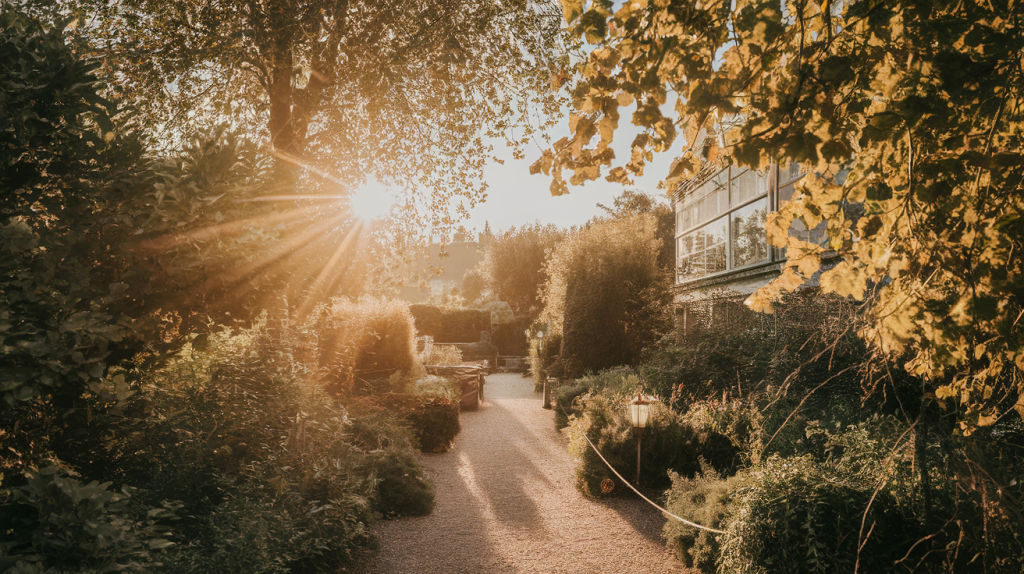
Maltby Street Market: The Better Borough Alternative
Borough Market gets all the attention, but locals know that Maltby Street Market delivers amazing food with half the crowds. This weekend market under the railway arches in Bermondsey has become a foodie haven for those in the know.
The market specializes in artisan producers, craft beverages, and high-quality street food. You’ll find everything from fresh oysters to artisan cheese, from craft beer to wood-fired pizza. The vendors are passionate about their products and love sharing their knowledge with curious visitors.
Saturday mornings offer the complete experience—arrive around 10 AM when the market is lively but not yet packed. The intimate setting under the arches creates a community atmosphere that feels authentic rather than touristy. Sample your way through different stalls, chat with the producers, and discover flavors you won’t find anywhere else.
The surrounding area of Bermondsey is worth exploring too, with contemporary art galleries and independent shops adding to the neighborhood’s creative vibe.
Brick Lane Beyond the Bagels
Yes, Brick Lane’s bagels are legendary (and you should absolutely try them), but this East End street offers so much more. The area represents London’s multicultural heart, with incredible curry houses, vintage markets, and some of the city’s best street art.
Sunday is the day to visit when the vintage market takes over the street. You’ll find everything from retro clothing to antique furniture, from vinyl records to quirky collectibles. The treasure hunting experience is half the fun—you never know what unique piece you’ll discover.
The street art changes constantly, with new murals and installations appearing regularly. This is also Jack the Ripper territory, and several walking tours start here if you’re interested in Victorian crime history. The combination of food, art, history, and shopping creates a full sensory experience.
Don’t just stick to the main street—explore the side alleys and converted warehouses where independent designers and artists have set up studios and shops. This is where London’s creative energy lives.
The Post Building Rooftop

This secret viewpoint feels exclusive but is actually a free public space. The rooftop of the Post Building in Museum Street offers stunning skyline panoramas without the ticket prices of the Shard or Sky Garden.
The modern office building includes a public rooftop terrace with 360-degree views across London. You’ll see everything from St. Paul’s Cathedral to the Shard, from the British Museum (right below) to the London Eye in the distance. The sunset views are particularly spectacular, with the golden light illuminating the city’s historic and modern architecture.
Grab a coffee from one of the nearby cafes and head up to enjoy the views. It’s the perfect spot for photos, contemplation, or simply appreciating London’s incredible skyline. The fact that most tourists don’t know about it makes the experience feel like you’ve discovered something truly special.
Borough Market Food Tour
Borough Market can feel overwhelming with hundreds of stalls competing for your attention. That’s why booking a guided food tour is worth every penny—you get expert guidance through the chaos and sample proven favorites from the best vendors.
A good tour leader knows the market’s history, the vendors’ stories, and which stalls offer the most delicious samples. You’ll try everything from award-winning cheeses to fresh seafood, from artisan chocolates to international street food. The education you receive about British food culture adds depth to the tasting experience.
The tour format also solves the practical problem of navigating the weekend crowds. Instead of wandering aimlessly and missing the best spots, you follow someone who knows exactly where to go and when. It transforms Borough Market from a chaotic tourist attraction into a curated culinary adventure.
Neal’s Yard: Covent Garden’s Colorful Secret
Hidden down a tiny alley off Covent Garden’s main streets, Neal’s Yard explodes with color. The rainbow-painted buildings surrounding this small courtyard create one of London’s most Instagram-worthy spots, but the area offers more than just pretty photos.
The yard houses organic cafes, natural remedy shops, and artisan cheese stores. The original Neal’s Yard Dairy revolutionized British cheese-making, and their shop here remains a pilgrimage site for cheese lovers. Sample traditional British cheeses and talk to the knowledgeable staff about the renaissance of British dairy farming.
The surrounding Seven Dials neighborhood features independent boutiques, bookshops, and cafes that maintain Covent Garden’s bohemian spirit despite the area’s increasing commercialization. Spend 10 minutes taking photos in the yard, then explore the surrounding streets for a more authentic Covent Garden experience.
Unique Experiences & Alternative Attractions

The Shard: More Than Just a View
The Shard divides opinion—some see it as an architectural triumph, others as an intrusion on London’s historic skyline. But there’s no denying that this glass tower offers an experience that captures London’s transformation from historic capital to modern global city.
The viewing platform on the 72nd floor provides unmatched 360-degree views across London. You’ll see the Thames snaking through the city, historic landmarks like Tower Bridge and St. Paul’s, and the sprawling urban landscape extending to the horizon. On clear days, you can see 40 miles in every direction.
But the Shard offers more than just views. The building houses restaurants, cocktail bars, and even a hotel. Book a sunset reservation at one of the restaurants for the ultimate experience—you get the views, a meal, and the magic of watching London’s lights twinkle on as darkness falls.
Smart booking tip: Observation deck tickets are expensive, but restaurant reservations often come with complimentary viewing access. Check the restaurant options to maximize your experience and potentially save money while enjoying better amenities.
Kensington Palace: Royal Secrets Revealed
While tourists queue for hours at Buckingham Palace to glimpse the exterior, smart visitors head to Kensington Palace for an intimate royal experience. This working royal residence (home to the Prince and Princess of Wales) opens its historic State Apartments to visitors, offering genuine insight into royal life.
The palace tells the stories of the monarchs who lived here, from Queen Victoria (who was born here) to Princess Diana. The Diana: Her Fashion Story exhibition showcases the Princess’s most iconic dresses, providing a touching tribute to her style evolution and charitable work.
The King’s and Queen’s State Apartments showcase stunning 18th-century interiors and royal collections. The Victoria Revealed exhibition explores the young queen’s life before she became the iconic monarch. These personal stories make the palace feel less like a museum and more like stepping into real royal history.
The palace gardens are equally impressive, with the Sunken Garden (replanted as a white garden in Diana’s memory) providing a peaceful spot for reflection. The overall experience feels more accessible and intimate than Buckingham Palace’s grandeur.
Natural History Museum After Hours
The Natural History Museum is free and world-class, but visiting during school holidays means fighting through crowds of children. The solution? Attend one of the museum’s late-night openings when the atmosphere transforms completely.
Friday late nights (usually once a month) offer adult-only access to the galleries, often with special events, talks, and even cocktail bars set up in the halls. Imagine sipping wine beneath the massive blue whale skeleton or exploring the dinosaur gallery without navigating around school groups.
The museum’s collection is extraordinary—from the minerals and gems gallery to the Darwin Centre’s preserved specimens, from earthquake simulators to the iconic diplodocus skeleton. Late openings let you appreciate these wonders at your own pace with better photo opportunities and a more contemplative atmosphere.
Even during regular hours, strategic timing helps. Visit right when the museum opens at 10 AM to experience the main hall’s majesty before the crowds arrive. The building itself is an architectural masterpiece worth admiring.
Daunt Books Marylebone
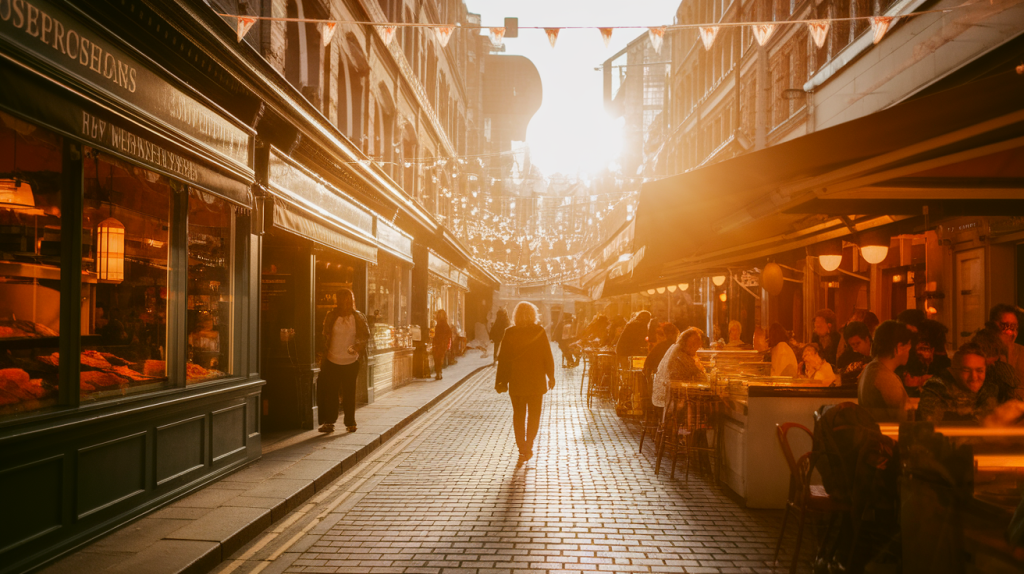
This Edwardian bookshop is widely considered London’s most beautiful, and stepping inside feels like entering a literary sanctuary. The long oak galleries, stained glass windows, and balconies create an atmosphere that celebrates books as objects of beauty, not just information.
Daunt Books specializes in travel literature, with books arranged by country rather than author. This unique organization encourages browsing and discovery—you might pick up a novel set in Japan next to a travel guide and a cookbook featuring Japanese cuisine.
The shop is perfect for rainy London afternoons when you want to escape the weather without resorting to chain stores or museums. Spend hours browsing, discover new authors, and pick up a beautiful edition of a London classic as the perfect souvenir.
The Marylebone location is the flagship, but Daunt has several branches across London. Each maintains the same commitment to quality literature and thoughtful curation that makes bookshop browsing a genuine pleasure.
The Churchill War Rooms
Buried beneath the streets of Westminster, the Churchill War Rooms remain exactly as they were when the lights went off in 1945. This perfectly preserved underground headquarters shows where Churchill and his cabinet coordinated Britain’s World War II strategy.
Walking through these rooms is like time travel. You’ll see the Map Room with its original pins marking troop positions, Churchill’s bedroom where he made crucial decisions, and the Cabinet Room where the war’s direction was determined. The authenticity is powerful—these aren’t recreations, but actual spaces frozen in time.
The Churchill Museum section provides comprehensive coverage of the Prime Minister’s life, from his aristocratic childhood through his political career to his final years. The interactive exhibits and personal artifacts create a complete portrait of this complex, controversial, and undeniably influential figure.
Book timed entry tickets online to skip the queues. The audio guide is excellent, providing context and stories that bring the rooms to life. Allow at least two hours to fully appreciate both the War Rooms and the museum.
Dennis Severs’ House
This Spitalfields townhouse offers London’s most unusual museum experience. Dennis Severs created a “still life drama”—walking through the house feels like interrupting a family of Huguenot silk weavers who’ve just stepped out of the room.
Half-eaten meals sit on tables, candles flicker, fires burn in grates, and the house smells of cooking and life. Each room represents a different period from 1724 to the early 1900s, showing how the family’s fortunes changed over generations. You move through the house in silence, absorbing the atmosphere and imagining the lives lived here.
The experience is completely immersive and unlike any other museum. It’s not about learning facts—it’s about feeling history. The candlelit silent night tours offer the most atmospheric experience, though they book up quickly.
This isn’t for everyone. If you prefer traditional museums with explanatory plaques and guided tours, Dennis Severs’ House might frustrate you. But if you’re open to something different, this theatrical approach to history creates an unforgettable experience that will haunt your imagination long after you leave.
Conclusion
Your London Adventure Awaits
London’s hidden gems reveal the city’s true character—the quiet corners where history whispers, the secret gardens where peace prevails, and the local haunts where authentic experiences happen. These 25 places showcase London beyond the tourist checklist, offering stories and memories that go deeper than selfies with Big Ben.
The beauty of this list is its flexibility. Mix iconic landmarks with these hidden treasures to create your perfect London itinerary. Spend your morning at the Tower of London, then escape to Little Venice’s peaceful canals. Tour Westminster Abbey, then discover Postman’s Park’s touching memorial. Combine the famous with the secret for the complete London experience.
Easy planning tips: Group locations by neighborhood to maximize your time. Combine Hampstead’s Fenton House with Kenwood House and a walk on the Heath. Explore East London’s Brick Lane and Maltby Street Market on the same day. Link South Bank’s major attractions with Borough Market and the Old Operating Theatre.
These proven favorites work for first-time visitors seeking authentic experiences and repeat visitors wanting fresh discoveries. They represent years of exploration, countless conversations with locals, and a genuine love for this incredible city.
Quick Takeaways
Before you go:
- Book Dennis Severs’ House and Churchill War Rooms in advance—they sell out quickly
- Check opening times for smaller museums like the Foundling Museum and Fenton House
- Download offline maps of neighborhoods like Hampstead and East End
- Consider a London Pass if you’re visiting multiple paid attractions
During your visit:
- Visit outdoor spaces during golden hour for the best light and atmosphere
- Arrive at small museums right when they open to avoid crowds
- Explore neighborhoods on foot—the best discoveries happen between destinations
- Don’t rush—these hidden treasures deserve your time and attention
- Talk to locals and vendors—they’ll share recommendations not found in guidebooks
For the best experience:
- Mix popular and secret spots throughout your trip
- Allow flexibility in your schedule for spontaneous discoveries
- Take time to simply observe and absorb rather than constantly photographing
- Return to neighborhoods at different times of day—morning, afternoon, and evening each offer unique atmospheres
Your Turn
Which hidden gem are you most excited to discover? The moving stories at the Foundling Museum? The peaceful beauty of Kyoto Garden? The underground adventure of the Silver Vaults? The foodie paradise of Maltby Street Market?
Save this guide and share it with your travel companions. These aren’t just places to visit—they’re experiences that will transform how you see London. They’re the stories you’ll tell when you get home, the moments that made your trip special, the discoveries that made you feel like you truly understood this complex, beautiful city.
Start planning your ultimate London adventure today. The city’s secrets are waiting to be discovered, and now you have the map to find them. Whether you’re visiting for three days or three weeks, these hidden gems will make your London experience truly unforgettable.
Welcome to the real London. The adventure starts now.