15 Must-Visit European Cities on a Budget

You’ve been dreaming about Europe—the cobblestone streets, the historic architecture, the café culture—but your bank account keeps bringing you back to reality. Here’s the truth: you don’t need a trust fund to experience the magic of Europe.
I’ve traveled through dozens of European cities on various budgets, and I can tell you with absolute certainty that some of the most unforgettable experiences cost next to nothing.
The secret isn’t avoiding Europe until you’re wealthy. The secret is knowing which cities offer authentic experiences without the inflated price tags.
While Paris and London will drain your wallet faster than you can say “croissant,” cities like Krakow, Porto, and Belgrade deliver equally stunning architecture, incredible food, and rich culture at a fraction of the cost.
This guide reveals 15 European cities where your money stretches further than you’d imagine. We’re talking accommodation for under $30 per night, delicious meals for less than $10, and world-class attractions you can explore for free. I’ll show you proven money-saving strategies that work in real life—not just theoretical tips that sound good but fail when you’re actually standing in a foreign city trying to figure out dinner.
The best part? These aren’t second-tier destinations you’ll visit just because they’re cheap. These are legitimate must-visit cities with UNESCO World Heritage sites, breathtaking views, vibrant nightlife, and experiences you’ll talk about for years. You’ll discover medieval towns that look like movie sets, thermal baths that rival expensive spas, and local food scenes that put tourist-trap restaurants to shame.
Whether you’re planning your first European adventure or your fifteenth, this complete guide will transform how you think about budget travel. You’re about to learn that “budget” doesn’t mean compromising on experiences—it means being smart about where you go and how you spend.
Eastern European Gems: Where Your Money Goes Furthest

Eastern Europe is where budget travelers become travel geniuses. Your dollars, pounds, or euros multiply here in ways that seem almost magical compared to Western Europe. We’re talking about cities where a beer costs less than bottled water, where you can eat like royalty for $8, and where stunning medieval architecture surrounds you at every turn—no entrance fee required.
Prague, Czech Republic
Prague proves that fairy tales exist and that you can afford to visit them. The city’s medieval Old Town looks exactly like what you picture when you imagine historic Europe—Gothic spires, astronomical clocks, and bridges lined with baroque statues. Charles Bridge offers one of Europe’s most iconic walks, and it costs absolutely nothing.
The real magic happens when you discover Czech prices. A half-liter of world-class Czech beer costs less than $2 in local pubs—seriously, it’s often cheaper than bottled water. Traditional meals like goulash or svíčková (beef in cream sauce) run about $7-10 at authentic restaurants away from the tourist center. I’ve found comfortable private rooms in hostels for $25 per night and Airbnb apartments in residential neighborhoods for under $40.
Here’s an insider tip that saves both money and enhances your experience: join a free walking tour early in your visit. These tip-based tours (usually 2-3 hours) give you historical context, help you orient yourself, and provide recommendations from locals. You’ll learn which neighborhoods offer the best value and which tourist traps to avoid. Visit major attractions like Prague Castle early in the morning—you’ll dodge crowds and the aggressive tour sellers who inflate prices.
Budapest, Hungary
Budapest delivers luxury experiences at budget prices, which makes it one of Europe’s most incredible value destinations. The city’s thermal baths are the perfect example—these aren’t just swimming pools, they’re architectural masterpieces with healing waters, and you can spend an entire afternoon at Széchenyi or Gellért Baths for under $20.
The city splits into Buda (hilly, historic) and Pest (flat, vibrant), connected by stunning bridges across the Danube. Walking along the river promenade costs nothing and provides breathtaking views, especially at sunset when Parliament lights up. Fisherman’s Bastion offers panoramic views from its terraces—the lower level is completely free.
Budapest’s ruin bars revolutionized nightlife by transforming abandoned buildings into eclectic bars with mismatched furniture, art installations, and incredibly cheap drinks. Szimpla Kert, the original ruin bar, serves beer for $2-3 and hosts a farmers market on Sundays. Hungarian cuisine offers hearty portions at prices that seem too good to be true—a filling bowl of goulash costs $5-7, and lángos (fried dough with toppings) makes the perfect street food at $3.
Invest $30 in a 72-hour Budapest Card. It includes unlimited public transport (which you’ll use constantly) plus discounts at restaurants, baths, and attractions. The card pays for itself if you visit just two or three places.
Krakow, Poland
Krakow consistently ranks as one of Europe’s most affordable cities, yet it rivals any destination for historical significance and beauty. The Main Market Square—Europe’s largest medieval square—serves as the city’s beating heart, surrounded by cafés, street performers, and the stunning St. Mary’s Basilica. You can spend hours here without spending a zloty.
The historic Jewish Quarter, Kazimierz, tells important stories through its synagogues, museums, and memorials. Many sites charge minimal entry fees ($3-5), and simply wandering the atmospheric streets costs nothing. The neighborhood has transformed into Krakow’s hippest area, with vintage shops, indie cafés, and bars offering local Żywiec beer for under $2.
A day trip to Auschwitz-Birkenau Memorial and Museum is essential for understanding 20th-century history. While emotionally heavy, it’s an experience everyone should have. Entry is free if you visit independently (arrive early), or join an organized tour with transportation for $30-40. The memorial’s significance transcends tourism—it’s about bearing witness.
Polish food is comfort food perfection at unbeatable prices. Pierogi (dumplings) cost $4-6 for a generous serving. Zapiekanka—Polish pizza on a baguette—sells at the Kazimierz market for $2-3 and makes an excellent late-night snack. Milk bars (bar mleczny) are cafeteria-style restaurants serving traditional Polish food at subsidized prices where locals actually eat. You’ll get a complete meal for under $5.
Bucharest, Romania
Bucharest remains Europe’s secret weapon for budget travelers. This city offers Western European experiences at prices that make you double-check your currency conversion. A cappuccino costs $1.50, a restaurant meal runs $8-12, and accommodation starts at $15-20 for decent hostels.
The Palace of Parliament dominates Bucharest—it’s the world’s heaviest building and second-largest administrative building after the Pentagon. Tours cost about $15 and reveal the excess of communist-era architecture. The building contains 1,100 rooms, and you’ll only see a fraction, but the scale is mind-blowing.
Lipscani District, the Old Town, pulses with energy day and night. Crumbling belle époque buildings house modern bars, restaurants, and clubs. The contrast between faded grandeur and contemporary energy creates Bucharest’s unique atmosphere. Cover charges are rare, and drinks cost $3-5.
Romanian cuisine blends Balkan, Turkish, and Central European influences. Try sarmale (cabbage rolls), mici (grilled meat rolls), and papanași (fried dough with cream and jam) at traditional restaurants for $7-10 per meal. The portions are generous—you might need to share.
Southern Surprises: Mediterranean Magic Without the Price Tag
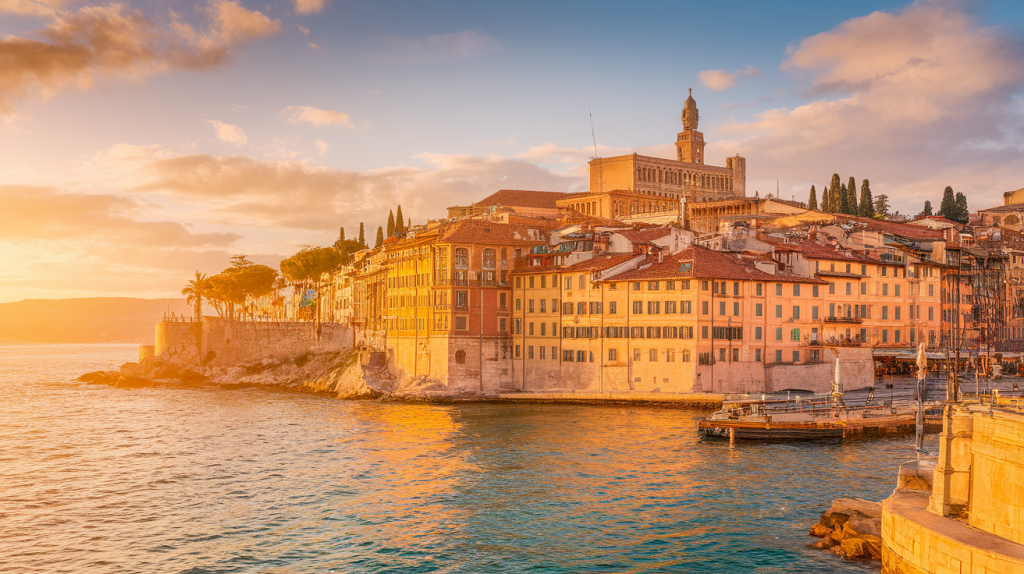
Southern Europe has a reputation for expensive beach resorts and overpriced tourist menus. That reputation is earned in places like the French Riviera and Amalfi Coast. But venture to Portugal, Greece, and less-touristy parts of Croatia, and you’ll discover Mediterranean beauty and culture at prices that rival Eastern Europe. These cities offer sunshine, incredible food, and coastal views without the inflated costs.
Porto, Portugal
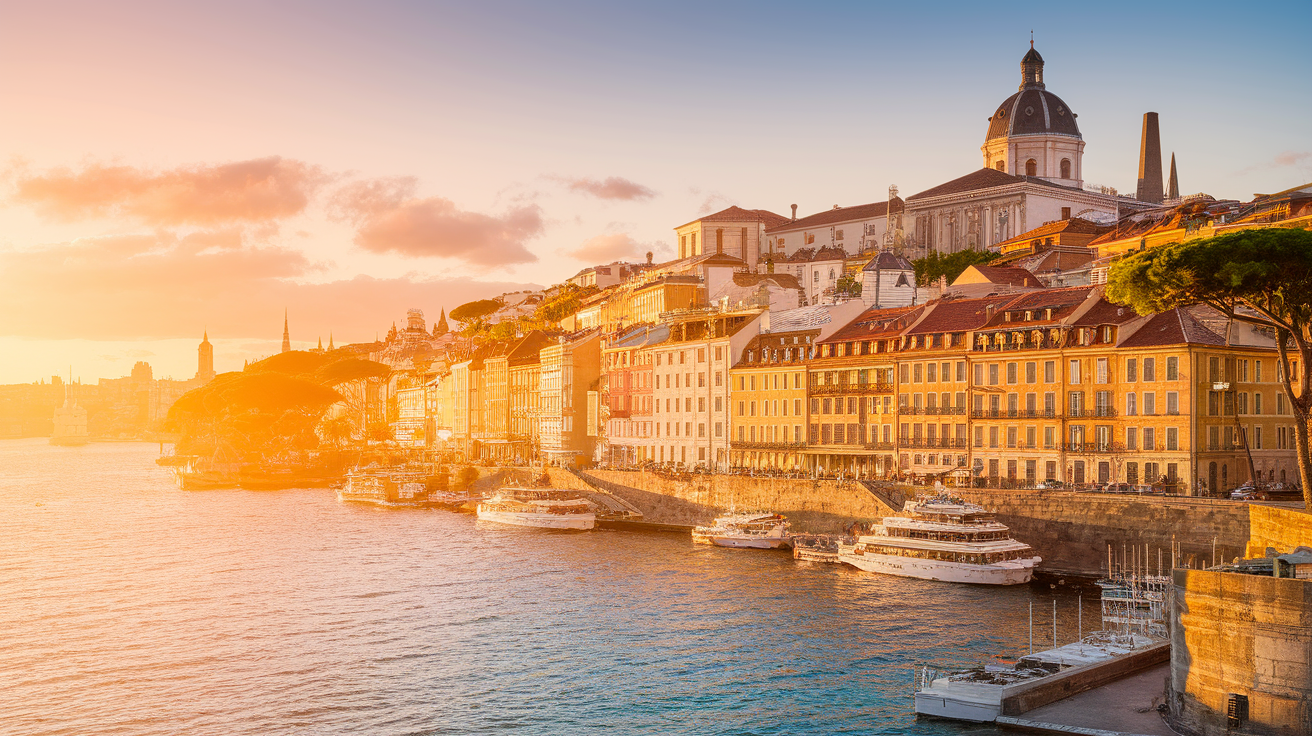
Porto delivers everything you want from a European city—stunning riverside views, world-famous wine, historic architecture, and authentic culture—at prices significantly lower than most Western European destinations. Portugal as a whole offers excellent value, but Porto particularly excels at balancing tourism with affordability.
The Douro River defines Porto’s character. Walk along the Ribeira district’s colorful buildings, cross the Dom Luís I Bridge for spectacular views, and watch the traditional rabelo boats that once transported port wine barrels. All of this costs exactly zero euros. The bridge’s upper level offers the best panoramic views of the city tumbling down the hillside.
Port wine tastings in Vila Nova de Gaia (across the river) range from free to $15, depending on the cellar and number of wines. Many cellars offer basic tours and tastings for $5-8—a legitimate bargain for learning about port production and sampling several varieties. Even if you’re not a wine enthusiast, the cellars’ historic architecture and river views make visits worthwhile.
Portuguese food is seafood-focused, fresh, and incredibly affordable. A francesinha—Porto’s signature sandwich layered with meat, cheese, and beer sauce—costs $8-10 and could feed two people. Fresh grilled sardines, bacalhau (salted cod), and seafood rice dishes run $10-15 at local restaurants. Avoid the tourist-heavy riverside restaurants; walk two blocks inland and prices drop 30-40%.
Stay in the Ribeira district if you want walkable access to everything, or choose Cedofeita/Bonfim for lower prices and a more residential feel. Porto’s small size means everything is reachable on foot or via cheap trams ($3 for a day pass).
Athens, Greece
Athens offers ancient wonders and modern Greek culture at surprisingly reasonable prices. Yes, you’ll pay for major sites like the Acropolis, but that $20 ticket grants access to multiple archaeological sites and represents genuine value for experiencing 2,500 years of history. The view from the Acropolis alone—overlooking the city with the Aegean Sea in the distance—justifies the cost.
The city offers free museum entry on specific days (first Sunday of most months) and reduced admission for students and seniors year-round. Even without free days, many museums cost just $4-8. The Ancient Agora, Roman Agora, and Hadrian’s Library are included in the Acropolis combination ticket, so plan your visits together.
Greek street food is both delicious and budget-friendly. Souvlaki and gyros cost $3-5 and provide filling meals. Traditional tavernas serve moussaka, Greek salad, and fresh seafood for $8-12 per person. Eat where Greeks eat—neighborhood tavernas in Monastiraki, Psyri, or Exarcheia offer authentic food at fair prices. Tourist restaurants around Plaka charge double for lower quality.
Monastiraki neighborhood provides the best base for budget travelers—central location, metro access, and accommodation options from $20 hostels to $60 mid-range hotels. The Monastiraki Flea Market operates daily, offering everything from souvenirs to antiques, and people-watching is free entertainment.
Lisbon, Portugal
Lisbon combines Porto’s affordability with capital-city energy and coastal beauty. The city’s famous yellow trams climbing steep hills create iconic photo opportunities, and a single ride costs just $3 (buy a rechargeable Viva Viagem card for better rates). Tram 28 passes through historic neighborhoods—it’s tourist-heavy but genuinely useful transportation.
Lisbon’s miradouros (viewpoints) offer spectacular panoramic views at no cost. Miradouro da Senhora do Monte provides the best overall view, while Miradouro de Santa Catarina attracts locals with its relaxed atmosphere and sunset views. You could spend an entire day walking between viewpoints, exploring different neighborhoods along the way.
Pastéis de nata—Portugal’s famous custard tarts—cost $1-1.50 at local bakeries. Pastéis de Belém, the original bakery, charges slightly more but delivers perfection. These aren’t just desserts; they’re cultural institutions. Eat them warm, sprinkled with cinnamon and powdered sugar.
Day trips from Lisbon are easy and affordable via train. Sintra’s palaces and castles (UNESCO World Heritage site) are reachable in 40 minutes for $5 round-trip. Cascais offers beaches and coastal walks for the same price. Both destinations work as day trips, saving accommodation costs while adding variety to your visit.
Portuguese wine is world-class and ridiculously cheap. A bottle of excellent vinho verde or Douro red costs $5-8 at supermarkets, $15-20 at restaurants. Wine bars offer tasting flights for $10-15. This is not cheap wine—this is wine that would cost $40-50 elsewhere.
Sofia, Bulgaria
Sofia is Europe’s most underrated capital and its most affordable. This city offers everything you’d expect from a European capital—grand architecture, rich history, vibrant culture—at prices that seem stuck in a different decade. A coffee costs $1, a restaurant meal runs $7-10, and accommodation starts at $12 for hostels, $35 for hotels.
Alexander Nevsky Cathedral dominates Sofia’s skyline with its gold-plated domes and serves as the city’s spiritual center. Entry is free, and the interior’s icons and frescoes are stunning. The surrounding area includes the National Gallery, archaeological ruins, and parks—you could spend hours here without spending anything.
Free walking tours operate daily and provide excellent introductions to Sofia’s complex history—Thracian, Roman, Byzantine, Ottoman, and Communist influences layered throughout the city. The tours typically last 2-3 hours and cover major sites while explaining Bulgarian history and culture.
Bulgarian cuisine blends Balkan and Mediterranean influences. Try shopska salad (tomatoes, cucumbers, peppers, and white cheese), banitsa (cheese-filled pastry), and kebapche (grilled meat) at traditional taverns for $6-9 per meal. Portions are generous, and the food is hearty. Bulgarian yogurt is famously excellent—it’s the original source of lactobacillus bulgaricus bacteria used in yogurt worldwide.
Vitosha Mountain borders Sofia, providing hiking, skiing, and nature escapes within the city limits. A bus to the mountain base costs $1, and the trails are free. In summer, hike to waterfalls and peaks with views across Bulgaria. In winter, ski at prices a fraction of Alpine resorts.
Baltic Beauties and Hidden Treasures

The Baltic region and Balkans offer some of Europe’s most distinctive experiences at prices that make frequent travel possible. These cities maintain strong individual identities shaped by complex histories. They’re not trying to be Paris or Rome—they’re confidently themselves, which makes them refreshing alternatives to over-touristed Western European capitals.
Tallinn, Estonia
Tallinn’s UNESCO-listed Old Town is a perfectly preserved medieval city that feels like walking through a historical fantasy. Cobblestone streets wind between Gothic spires, merchant houses, and hidden courtyards. The entire Old Town is free to explore, though climbing church towers costs $3-5 for stunning views across the Baltic Sea.
The city walls and towers remain largely intact, with several towers open for exploration. Kiek in de Kök tower houses a museum about Tallinn’s defenses ($7 entry), but walking along the walls costs nothing. The contrast between medieval Old Town and the modern city beyond creates fascinating visual juxtaposition.
Estonian cuisine incorporates Nordic and Russian influences. Try traditional dishes like black bread, herring, and elk stew at medieval-themed restaurants (touristy but fun) for $12-15, or choose modern Estonian cuisine at contemporary restaurants for $15-20. Café culture thrives here—Tallinn has excellent coffee shops where cappuccinos cost $3-4.
Tallinn is exceptionally digital-nomad-friendly. Free Wi-Fi blankets the city, including parks and public spaces. Estonia pioneered e-residency and digital governance, creating infrastructure that benefits visitors. Cafés and coworking spaces welcome laptop workers, and the Old Town’s atmosphere makes working remotely feel like an adventure.
Riga, Latvia
Riga contains Europe’s largest concentration of Art Nouveau architecture—over 800 buildings displaying the ornate, decorative style. Alberta iela (Alberta Street) showcases the finest examples, with elaborate facades featuring mythological creatures, floral patterns, and sculptural details. Walking these streets costs nothing and provides constant visual surprises.
The Central Market operates in five massive Zeppelin hangars left from WWI. This isn’t a tourist market—it’s where Rigans shop for fresh produce, meat, fish, and dairy. Prices are incredibly low, and you’ll find prepared foods, smoked fish, and local specialties perfect for budget meals. The market itself is an architectural landmark and cultural experience.
Riga’s Old Town features colorful buildings, medieval churches, and the House of the Blackheads—a stunning Gothic building destroyed in WWII and reconstructed in the 1990s. The Town Hall Square hosts markets and events throughout the year. Wander freely; the best experiences come from exploring side streets and discovering quiet courtyards.
Latvian food is hearty and affordable. Try grey peas with bacon, rye bread, and Rīgas Melnais Balzams (Riga Black Balsam, a traditional herbal liqueur). Restaurant meals cost $10-15, and the portions are substantial. Local beer is excellent and cheap—$2-3 for quality local brews.
Beaches extend along the Baltic coast just outside Riga, reachable by public transport in 30 minutes. Jūrmala is the main beach resort, with long sandy beaches, pine forests, and wooden architecture. It’s popular with locals and significantly cheaper than Western European beach destinations.
Split, Croatia
Split built its city center inside Diocletian’s Palace—a 1,700-year-old Roman palace complex that now houses shops, restaurants, apartments, and bars within ancient walls. You can walk through the palace freely, exploring underground cellars, the peristyle courtyard, and narrow passageways. The cathedral (originally Diocletian’s mausoleum) charges $7 entry, but wandering the palace costs nothing.
The Riva promenade runs along Split’s waterfront, lined with palm trees, cafés, and views of the Adriatic. This is where locals gather for coffee, evening walks, and socializing. Sitting at a café costs more than standing at the bar—order your coffee at the bar for $1.50 instead of $3.50 at a table.
Croatian seafood is fresh, delicious, and reasonably priced compared to Italian coastal cities across the Adriatic. Grilled fish, octopus salad, and black risotto cost $12-18 at local konobas (traditional restaurants). Avoid restaurants with picture menus near the palace—walk 10 minutes to residential neighborhoods for authentic food at better prices.
Visit Split in shoulder season (May or September) for the best combination of weather and value. Summer (July-August) brings cruise ship crowds and peak prices. Shoulder season offers warm weather, swimmable sea temperatures, and 30-40% lower accommodation costs. The city feels more authentic when it’s not overrun with day-trippers.
Belgrade, Serbia
Belgrade is Europe’s best-kept secret for budget nightlife and authentic Balkan culture. This city doesn’t cater to tourists—it’s confidently Serbian, which means you experience real local life rather than a sanitized tourist version. It’s also incredibly affordable, with prices similar to Sofia or Bucharest.
Kalemegdan Fortress sits at the confluence of the Sava and Danube rivers, offering views across the water and into the fortress’s history spanning Roman, Byzantine, and Ottoman periods. The fortress grounds are free and expansive—locals use them as a park for walking, exercising, and socializing. Underground military tunnels and museums charge small fees ($3-5).
Belgrade’s nightlife is legendary. The city pioneered splavovi—floating river clubs on barges along the Sava and Danube. These clubs operate year-round, offering live music, DJs, and dancing with minimal cover charges ($5-10) and cheap drinks ($3-5). The scene is authentic—this is where Belgraders party, not a tourist attraction.
Serbian cuisine is meat-heavy, flavorful, and filling. Ćevapi (grilled meat), pljeskavica (Serbian burger), and sarma (cabbage rolls) cost $5-8 at traditional restaurants. Rakija (fruit brandy) is the national drink—locals will insist you try it. Skadarlija, Belgrade’s bohemian quarter, features cobblestone streets lined with restaurants offering live traditional music.
Proven Money-Saving Strategies for European Budget Travel

Choosing affordable destinations is step one. Maximizing your budget through smart strategies is step two. These tactics work across all European cities and can cut your costs by 40-60% compared to typical tourist spending. I’ve refined these approaches through years of budget travel, and they deliver consistent results.
Accommodation Hacks That Actually Work
Hostels aren’t just dorm rooms anymore. Modern hostels offer private rooms with ensuite bathrooms at prices 30-50% lower than hotels. You get hotel comfort with access to hostel amenities—communal kitchens, social spaces, and knowledgeable staff. Search Hostelworld for “private rooms” and filter by rating to find quality options.
Airbnb apartments with kitchens transform your budget by enabling you to prepare some meals yourself. I’m not suggesting you cook every meal—that defeats the purpose of travel—but making breakfast and occasional dinners saves $15-25 daily. Buy fresh bread, cheese, fruit, and local specialties at markets for authentic, affordable meals.
Location strategy matters more than most travelers realize. Staying in city centers is convenient but expensive. Choose neighborhoods with good public transport connections 15-20 minutes from tourist areas. You’ll save 40% on accommodation, experience residential neighborhoods, and still reach attractions easily. Research metro/tram connections before booking.
Overnight trains serve double duty—transportation and accommodation combined. A night train from Budapest to Krakow costs $40-60 for a couchette (sleeping berth), saving you a hotel night ($30-40) while covering 400km. You lose some sleep but gain time and money. Book couchettes, not seats—attempting to sleep sitting up is miserable.
Transportation Tips That Cut Costs
Book flights 2-3 months in advance for optimal prices. Budget airlines (Ryanair, Wizz Air, easyJet) offer incredibly cheap base fares but charge for everything extra. Avoid baggage fees by traveling with only carry-on luggage. Check bag fees often cost more than the flight itself.
City passes for unlimited public transport pay for themselves within 2-3 days. A 72-hour pass costs $15-25 in most cities and eliminates the mental calculation of whether to walk or ride. You’ll use transport more freely, seeing more of the city without worrying about individual ticket costs.
Walking is the ultimate budget hack and the best way to discover hidden gems. European cities are compact and walkable. Download offline maps (Maps.me or Google Maps offline) and explore on foot. You’ll stumble upon local bakeries, neighborhood parks, and authentic restaurants that guidebooks miss.
BlaBlaCar and FlixBus provide cheap intercity transportation. BlaBlaCar connects you with drivers making the same journey—you share fuel costs and meet locals. FlixBus operates throughout Europe with fares as low as $5-15 for routes that cost $50-100 by train. Buses take longer but save substantial money.
Eating Well Without Overspending
Local markets offer the best combination of quality, authenticity, and value. Every European city has markets selling fresh produce, cheese, bread, and prepared foods. Buy ingredients for picnics in parks, or grab prepared items like rotisserie chicken, salads, and pastries. You’ll eat better than tourist restaurants for $5-8.
Lunch menus (menu del día, plat du jour, dagens rätt) offer the same food as dinner at 30-40% lower prices. Restaurants cater to working locals at lunch with fixed-price menus including multiple courses. Eat your main meal at lunch, then have a light dinner of market food or street food.
Street food and bakeries provide authentic, budget-friendly meals. Every culture has its street food tradition—döner kebabs, crepes, pierogi, souvlaki. These aren’t inferior options; they’re legitimate local foods. Bakeries sell fresh pastries, sandwiches, and pizza slices perfect for quick, cheap meals.
Avoid restaurants within 100 meters of major tourist attractions. These establishments charge premium prices for mediocre food because they rely on one-time customers who’ll never return. Walk three blocks in any direction and prices drop 40%. Ask locals, hostel staff, or your Airbnb host for recommendations.
Free and Cheap Attractions
Free walking tours operate in virtually every European city. These tip-based tours (guides work for tips only) provide excellent introductions to history, culture, and orientation. Pay what you feel the tour was worth—$10-15 is standard. You’ll learn which neighborhoods to explore and which attractions deserve your paid admission.
Museums offer free entry on specific days—usually first Sunday or first Thursday of the month. Plan your itinerary around these free days. Even museums that charge admission are often just $5-10, making them worthwhile regardless. Student IDs (even expired ones) sometimes work for discounts.
Parks, gardens, and public spaces provide free entertainment and relaxation. European cities invest heavily in public spaces. Spend afternoons reading in parks, watching street performers, or simply observing local life. These unstructured moments often become favorite memories.
City tourism cards bundle attraction entry with transportation. Calculate whether cards save money based on your planned activities. They’re worthwhile if you’ll visit 3-4 paid attractions and use public transport extensively. If you prefer free attractions and walking, skip the card.
Transform Your European Dreams Into Reality
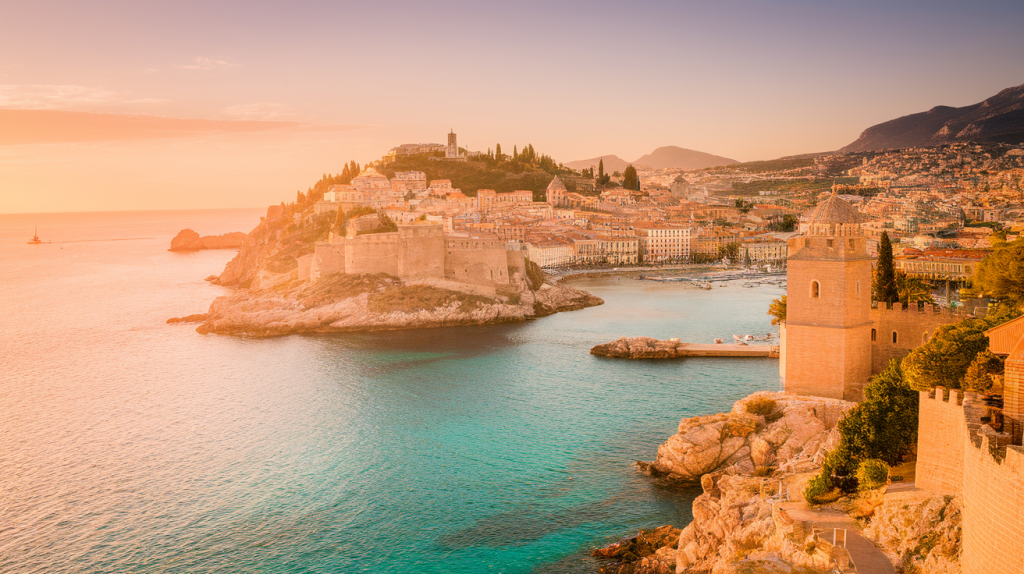
Budget travel isn’t about deprivation—it’s about making smart choices that multiply your travel possibilities. The 15 cities in this guide prove that Europe’s most memorable experiences don’t require luxury budgets. You can walk through medieval Old Towns, soak in thermal baths, taste world-class cuisine, and create unforgettable memories while spending less than you’d pay for a weekend in London or Paris.
Eastern European cities like Prague, Budapest, Krakow, and Bucharest offer the most dramatic value, where $50 daily covers accommodation, meals, and activities comfortably. Southern surprises like Porto, Athens, and Lisbon blend Mediterranean beauty with affordability that challenges Eastern Europe’s dominance. Baltic beauties and hidden treasures—Tallinn, Riga, Split, and Belgrade—provide unique experiences that feel undiscovered compared to mainstream destinations.
The proven strategies throughout this guide work consistently across all European cities. Book accommodation with kitchens, eat lunch as your main meal, use public transport passes, and prioritize free attractions and walking tours. These simple tactics reduce costs by 40-60% compared to typical tourist spending without sacrificing experience quality.
Start planning your affordable European adventure today. Choose one or two cities from this list, research flights 2-3 months out, and book accommodation in neighborhoods with good transport connections. Your European dream is more achievable than you think—it just requires choosing destinations where your money works harder and implementing strategies that maximize every dollar.
The world is waiting, and it’s more affordable than you’ve been led to believe. Which of these 15 budget-friendly European cities will you visit first?