12 Best Things to Do in Kyoto: Your Ultimate Guide

Kyoto isn’t just another stop on your Japan itinerary—it’s the soul of traditional Japan, where ancient temples meet authentic local culture around every corner.
While Tokyo dazzles with neon lights and futuristic energy, Kyoto whispers stories of emperors, geishas, and centuries-old traditions that have shaped Japanese culture as we know it.
Here’s what makes Kyoto truly special: this city served as Japan’s imperial capital for over 1,000 years, and somehow, it managed to preserve that heritage through wars, modernization, and the relentless march of time.
You’ll find over 2,000 temples and shrines here, traditional wooden machiya houses lining quiet streets, and locals who still practice tea ceremonies and ikebana flower arranging just as their ancestors did generations ago.
But let’s be practical—you probably have limited vacation days and a budget to consider. That’s exactly why I’ve created this guide.
Instead of overwhelming you with dozens of mediocre suggestions, I’m sharing the 12 absolute best experiences that balance iconic must-sees with authentic local favorites.
You’ll discover how to avoid tourist traps, maximize your time with smart routing, and experience Kyoto like someone who actually understands the city’s rhythm.
The best news? Many of Kyoto’s most breathtaking attractions are completely free or incredibly affordable. Strategic planning means you can have an unforgettable Kyoto adventure without breaking the bank.
Timing matters: Cherry blossom season (late March to early April) and autumn foliage (November) are stunning but crowded. May, June, and September offer perfect weather with far fewer tourists. For a complete experience, plan for at least 3-4 days—though honestly, you could spend weeks here and still discover something new.
Ready to explore? Let’s dive into the experiences that will make your Kyoto trip absolutely unforgettable.
Iconic Temples & Shrines: Kyoto’s Spiritual Heart

Fushimi Inari Shrine: The Ultimate Torii Gate Experience

Walking through thousands of vermillion torii gates as they tunnel up the mountainside—this is the Kyoto moment that will take your breath away. Fushimi Inari isn’t just photogenic; it’s a profound spiritual experience that connects you to centuries of Japanese worship and tradition.
Here’s your insider strategy: arrive before 7 AM or after 5 PM to experience the gates in peaceful solitude. The midday crowds are intense, with tour groups bottlenecking at the lower gates. But early morning? You’ll have this magical pathway almost entirely to yourself, with morning light filtering through the gates creating absolutely stunning photography conditions.
Now, most tourists snap their photos at the first set of gates and turn back—huge mistake. The real magic happens on the trails beyond. The full circuit to the summit takes about 2-3 hours, and with each step upward, the crowds thin dramatically. You’ll discover smaller sub-shrines, hidden fox statues (the shrine’s sacred messengers), and panoramic views over Kyoto that few visitors ever see.
Budget win: Fushimi Inari is completely free, open 24/7, and you can easily spend half a day here without spending a single yen. Pack water and snacks, wear comfortable shoes, and prepare for some moderate hiking. The path is well-maintained with plenty of rest stops.
Local secret: About halfway up, you’ll find small restaurants serving inari sushi and amazake (sweet rice drink)—perfect for refueling. The prices are reasonable, and the views from these rest stops are incredible.
Kinkaku-ji (Golden Pavilion): Breathtaking Beauty Worth the Hype

Yes, Kinkaku-ji appears on every Kyoto guide. Yes, it’s touristy. And yes, it absolutely deserves your time and the ¥500 entrance fee. When sunlight hits those gold-leaf-covered walls and reflects in the mirror pond, you’ll understand why this pavilion has captivated visitors for over 600 years.
The key to enjoying Kinkaku-ji is managing your expectations and timing. This isn’t a place where you’ll wander peacefully for hours—it’s a carefully designed viewing experience along a set path. But what a view it is. The garden surrounding the pavilion demonstrates Japanese landscaping at its absolute finest, with every stone, tree, and water feature positioned with intentional precision.
Photography tip: The official photo spot at the pond’s edge gets crowded, but walk 20 meters further along the path. You’ll find an elevated viewpoint that locals use for stunning shots with fewer people in frame. Late afternoon light (around 3-4 PM) creates the most dramatic golden glow.
Smart planning: Combine Kinkaku-ji with nearby Ryoan-ji Temple (famous for its zen rock garden) for an efficient half-day itinerary. They’re only 20 minutes apart by bus, and Ryoan-ji offers a completely different but equally profound experience. The contrast between Kinkaku-ji’s opulent beauty and Ryoan-ji’s minimalist contemplation perfectly captures Kyoto’s spiritual range.
Kiyomizu-dera: Authentic Views Over Ancient Kyoto

Perched on a hillside overlooking Kyoto, Kiyomizu-dera delivers one of the city’s most spectacular vantage points. The main hall’s wooden stage—built without a single nail—juts out over the hillside, offering breathtaking views across the city. During cherry blossom and autumn foliage seasons, the surrounding trees create a stunning natural frame.
But here’s what makes Kiyomizu-dera truly special: the entire approach and surrounding Higashiyama District preserve authentic old Kyoto atmosphere. Narrow lanes lined with traditional wooden buildings house tea shops, pottery studios, and local restaurants. This is where you’ll want to slow down, browse, and soak in the atmosphere.
Timing strategy: Arrive at opening (6 AM) for sunrise, or visit during evening illuminations (seasonal, check schedule) when the temple and trees are dramatically lit. Midday visits mean fighting through tour group crowds and harsh lighting for photos.
Don’t miss: The Otowa Waterfall at the temple’s base features three streams, each believed to grant different benefits—longevity, academic success, or love. Choose one stream to drink from (not all three—that’s considered greedy). It’s a small ritual, but these authentic cultural moments create the memories you’ll treasure.
Perfect pairing: Explore Ninenzaka and Sannenzaka slopes before or after your temple visit. These preserved streets feel like stepping back in time, and you’ll find excellent local restaurants, traditional sweets shops, and craft stores without the aggressive tourist marketing you’ll encounter elsewhere.
Cultural Immersion: Authentic Kyoto Experiences

Arashiyama Bamboo Grove: More Than Just Instagram Photos

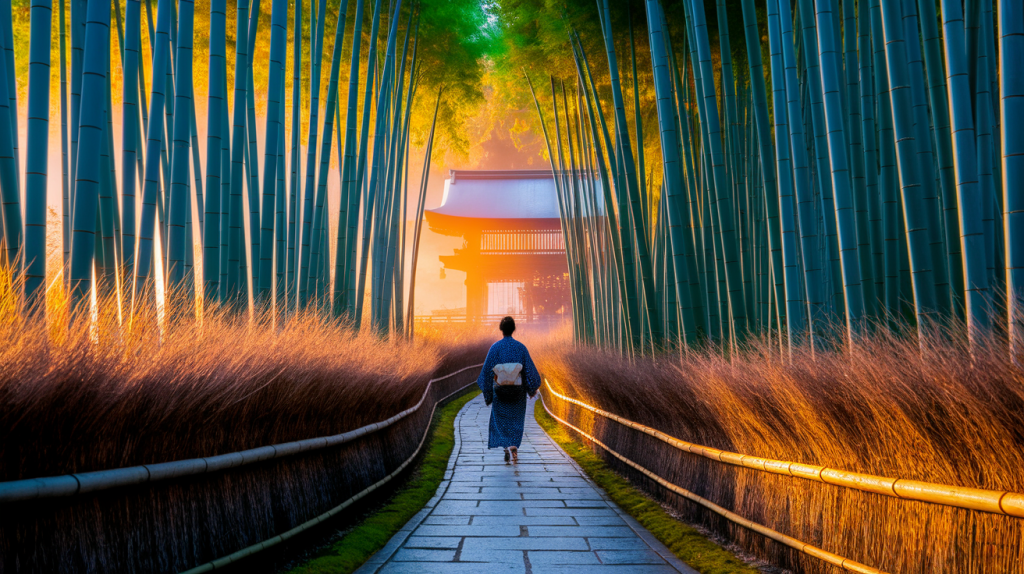
The towering bamboo stalks swaying overhead, creating that distinctive rustling sound—Arashiyama’s bamboo grove is genuinely magical. But treating it as just a photo opportunity means missing everything else this area offers, and trust me, there’s so much more.
The complete Arashiyama strategy: Start early (7 AM) at the bamboo grove for that solitary, meditative experience everyone dreams about. By 10 AM, it becomes a crowded tourist parade. After walking through the grove (takes about 15 minutes), most visitors leave—but you shouldn’t.
Continue to Okochi Sanso Villa, a hidden gem that 90% of tourists skip. This former actor’s mountain villa features stunning gardens with panoramic views over Kyoto and Arashiyama. The ¥1,000 entrance fee includes matcha tea and a sweet, making it incredible value. The gardens are immaculately maintained, and you’ll often have entire sections to yourself.
Complete your morning: Cross the iconic Togetsukyo Bridge, explore the riverside area, and consider visiting Tenryu-ji Temple (UNESCO World Heritage site with spectacular gardens). If you’re visiting in spring or autumn, the scenery along the Katsura River is absolutely breathtaking.
Local transportation tip: Rent a bicycle in central Kyoto and ride to Arashiyama (about 40 minutes). The route follows the Katsura River through residential neighborhoods, giving you authentic glimpses of local life you’d never see from a tour bus. Plus, having a bike in Arashiyama lets you explore the wider area efficiently.
Traditional Tea Ceremony: Connect With Japanese Culture
Participating in a traditional tea ceremony isn’t just about drinking matcha—it’s about understanding the Japanese concepts of mindfulness, respect, and finding beauty in simplicity. This centuries-old practice offers profound insights into Japanese culture that you simply can’t get from visiting temples alone.
Finding authentic experiences: Skip the hotel concierge recommendations (usually overpriced tourist shows) and seek out smaller, local tea houses. Camellia Tea Ceremony in a traditional machiya house offers intimate experiences for ¥2,500-¥3,000. En Tea Ceremony provides English-language ceremonies that explain every gesture and movement, helping you truly understand what you’re experiencing.
What to expect: Your tea master will guide you through proper etiquette—how to enter the tea room, how to admire the ceremony’s utensils, how to hold and rotate your tea bowl. Don’t stress about perfect execution; genuine respect and interest matter far more than flawless technique. The entire experience typically lasts 45-60 minutes and includes traditional sweets (wagashi) designed to complement the tea’s bitter notes.
Budget reality: Authentic tea ceremonies range from ¥2,000 to ¥4,000 per person. Yes, that’s more expensive than a regular cafe, but you’re investing in cultural education and supporting traditional practitioners keeping this art form alive. The memories and understanding you’ll gain make it absolutely worthwhile.
Gion District: Geisha Culture Beyond the Tourist Trail
Gion is Kyoto’s most famous geisha district, where wooden machiya houses line narrow streets, and if you’re lucky (and respectful), you might spot a geiko or maiko hurrying to an evening appointment. But Gion offers much more than geisha spotting—it’s a living neighborhood where tradition and modern life coexist beautifully.
Perfect evening stroll: Start at Yasaka Shrine around 5 PM, then walk down Hanami-koji Street as the evening light turns golden. The traditional architecture, paper lanterns beginning to glow, and occasional kimono-clad figure create an atmosphere that feels suspended in time. Continue to Shirakawa Canal area, where willow trees drape over the water and intimate restaurants occupy converted tea houses.
Respectful geisha spotting: Geiko and maiko are working professionals heading to appointments, not tourist attractions. If you see one, you can photograph from a respectful distance (several meters away) without blocking their path. Never chase them, touch them, or obstruct their movement. Many visitors behave badly here, creating real problems for these cultural practitioners.
Local secret: Venture into Gion’s side streets away from Hanami-koji. Pontocho Alley (parallel to the Kamo River) and the streets around Kennin-ji Temple offer authentic local restaurants, intimate bars, and traditional shops where you’ll encounter more locals than tourists. This is where Kyoto reveals its real personality—sophisticated, understated, and deeply rooted in tradition.
Hidden Gems & Local Favorites: Off the Beaten Path
Philosopher’s Path: A Peaceful Escape from Crowds
This canal-side walking path, named for the philosopher Nishida Kitaro who walked it daily for meditation, offers exactly what you need after visiting Kyoto’s crowded major attractions—peace, natural beauty, and space to simply wander and think.
Seasonal magic: During cherry blossom season, hundreds of sakura trees create a pink canopy over the canal—it’s absolutely stunning. Autumn brings fiery red and orange foliage reflected in the water. But here’s the secret: even in summer and winter, the Philosopher’s Path remains beautiful and significantly less crowded than famous temples.
The complete walk takes about 30-45 minutes, but you’ll want to allow at least 2 hours to properly explore. Along the way, you’ll discover small temples (Honen-in is a particular favorite, with moss-covered grounds and a peaceful atmosphere), intimate cafes serving excellent coffee and homemade sweets, and local craft shops selling pottery, textiles, and handmade goods.
Strategic planning: Combine the Philosopher’s Path with Nanzen-ji Temple at the southern end for a perfect morning itinerary. Nanzen-ji features massive gates, beautiful gardens, and far fewer crowds than Kyoto’s more famous temples. The ¥600 entrance fee is worth it for the peaceful contemplation and stunning architecture.
Local cafe recommendation: Stop at Yojiya Cafe (in a traditional building along the path) for matcha desserts and people-watching. Yes, it’s somewhat touristy now, but the quality remains excellent and the atmosphere captures that perfect Kyoto aesthetic.
Nishiki Market: The Ultimate Food Lover’s Paradise

Stretching for five blocks through central Kyoto, Nishiki Market has fed the city for over 400 years. This covered arcade houses over 100 vendors selling everything from fresh seafood and seasonal produce to pickles, sweets, and prepared foods. For food lovers, it’s absolute paradise.
Smart visiting strategy: Arrive between 10 AM and noon when vendors are fully set up but before the lunch rush. Many stalls close by 5 PM, and some are closed Sundays, so plan accordingly. The market gets crowded—stay to one side, move with purpose, and be respectful of vendors and other shoppers.
What to try (and skip): Definitely try: fresh tamago-yaki (rolled omelet), tsukemono (pickled vegetables), fresh mochi, yuba (tofu skin), and seasonal fruits. The grilled seafood skewers are excellent. Skip: overpriced tourist traps selling mediocre sushi and generic souvenirs. Look for stalls where locals are actually shopping—that’s your quality indicator.
Budget strategy: You can easily eat an incredible lunch for under ¥1,500 by sampling from multiple vendors. Many stalls offer small portions perfect for tasting, and vendors often provide samples. Bring cash—many smaller vendors don’t accept cards.
Insider tip: The side streets around Nishiki Market house excellent local restaurants and shops without the market’s crowds. Explore one block north or south for authentic neighborhood atmosphere and better prices.
Kifune & Kurama: Secret Mountain Retreats Near Kyoto
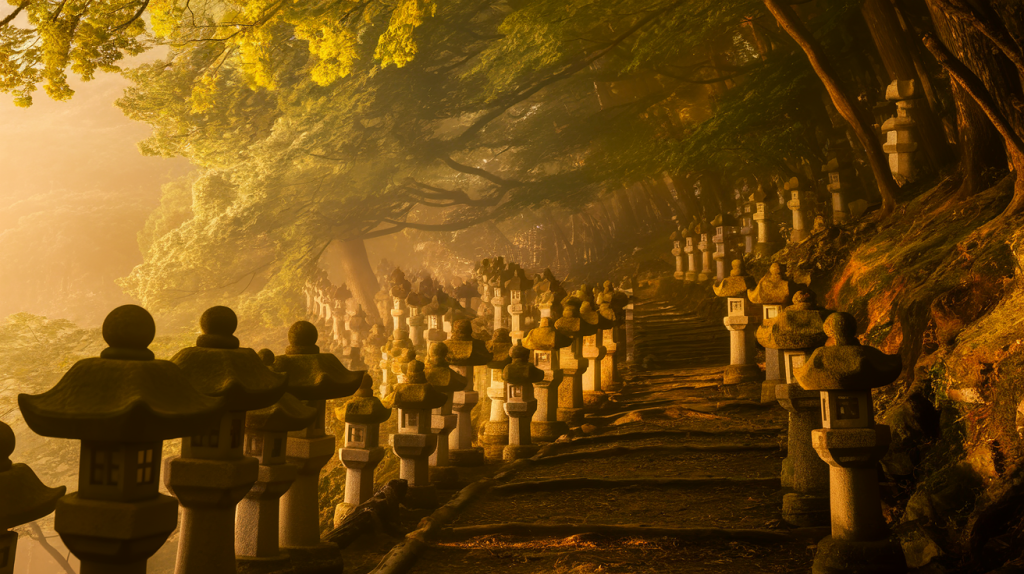
Just 30 minutes north of central Kyoto by train, these mountain villages offer a completely different experience—pristine nature, hiking trails, and traditional mountain culture. Most international tourists never discover these gems, making them perfect escapes when you need a break from temple crowds.
The perfect half-day adventure: Take the Eizan Railway to Kibune-guchi Station (the scenic train ride itself is wonderful), then hike the mountain trail connecting Kibune to Kurama (about 2-3 hours). The path winds through cedar forests, past mountain shrines, and offers spectacular views. It’s moderately challenging but well-maintained and clearly marked.
Summer secret: Kifune’s restaurants offer kawadoko dining—platforms built over the river where you can enjoy traditional meals while your feet dangle in the cool mountain water. It’s a unique experience that locals treasure during Kyoto’s humid summers. Reservations are essential, and prices range from ¥3,000 to ¥10,000 depending on the restaurant and menu.
Winter magic: Kurama’s hot springs (onsen) are perfect after a cold day of hiking. The village maintains a traditional atmosphere with minimal development, and you’ll find excellent local restaurants serving mountain vegetables and river fish.
Practical note: This excursion requires decent walking shoes and basic fitness. The trail includes some steep sections and stone steps. Bring water, snacks, and weather-appropriate clothing. The effort is absolutely worth it for the stunning nature and authentic mountain village atmosphere.
Practical Planning Tips: Maximize Your Kyoto Adventure
Transportation Hacks: Save Time and Money
Kyoto’s transportation system can seem confusing initially, but mastering a few key strategies will save you significant time and money while maximizing your sightseeing efficiency.
The ¥700 day pass is your best friend: Kyoto’s bus system covers virtually every tourist destination, and the unlimited day pass pays for itself after just three rides (single rides cost ¥230). Buy it from the bus driver on your first ride, and suddenly you can hop on and off buses all day without worrying about costs. The pass works on city buses (not all private lines), which cover 90% of what you’ll want to see.
When to splurge on taxis: Between certain destinations, taxis actually save time and aren’t much more expensive than buses, especially if you’re traveling with 2-3 people. From Kiyomizu-dera to Fushimi Inari (awkward by bus) costs about ¥1,500 and saves 45 minutes. Late at night, taxis are your best option since bus service is limited.
The bicycle secret: Renting a bicycle (¥1,000-¥1,500 per day) is the most efficient way to explore central Kyoto. The city is relatively flat, distances between attractions are manageable, and you’ll discover charming neighborhoods and local spots you’d never see otherwise. Kyoto Cycling Tour Project and Kcycle offer excellent rentals with helpful maps.
Train strategy: For destinations outside central Kyoto (Arashiyama, Fushimi, Kifune), trains are faster and more comfortable than buses. Consider a Kansai Area Pass if you’re also visiting Osaka or Nara—it covers JR trains and can save significant money.
Accommodation Strategy: Where to Stay for Easy Access
Your accommodation location dramatically impacts your Kyoto experience. Choose strategically based on your priorities and travel style.
Best neighborhoods by style:
Central Kyoto (Kawaramachi/Shijo): Perfect for first-time visitors. Walking distance to Nishiki Market, Gion, and the Kamo River. Excellent restaurants, shopping, and nightlife. Budget to luxury options available. This area offers the best balance of convenience and local atmosphere.
Kyoto Station area: Ultimate convenience for day trips and luggage management. Easy access to buses, trains, and airport shuttles. More modern and less atmospheric, but practical for short stays or if you’re exploring beyond Kyoto.
Higashiyama District: Immersive traditional atmosphere near major temples. More expensive but incredibly atmospheric. Perfect if you prioritize authentic ambiance over convenience.
Hidden gem—Temple stays (shukubo): Several Kyoto temples offer overnight accommodations where you can participate in morning prayers, enjoy vegetarian Buddhist cuisine (shojin ryori), and experience temple life firsthand. Prices range from ¥8,000 to ¥15,000 per person including meals. It’s an unforgettable cultural immersion that provides completely different perspectives on Japanese spirituality.
Budget reality: Kyoto accommodation is more expensive than many Asian destinations but reasonable compared to Tokyo. Expect ¥6,000-¥10,000 for budget hotels, ¥12,000-¥20,000 for mid-range, and ¥25,000+ for luxury properties. Book early for cherry blossom and autumn foliage seasons when prices spike and availability disappears.
Timing Your Visit: Avoid Crowds, Maximize Experience
When you visit Kyoto matters almost as much as what you see. Strategic timing can mean the difference between a frustrating, crowded experience and a magical, memorable journey.
The cherry blossom reality check: Late March to early April brings stunning pink blooms—and massive crowds. Hotels book out months in advance, prices double, and popular spots become uncomfortably packed. If you visit during sakura season, embrace early mornings and weekday visits to less-famous locations.
Autumn foliage truth: November’s red and gold leaves are spectacular, but crowds rival cherry blossom season. The advantage? Autumn foliage lasts longer (3-4 weeks vs. 1-2 weeks for cherry blossoms), giving you more flexibility to avoid peak weekend crowds.
Secret shoulder seasons: May offers perfect weather, green landscapes, and far fewer tourists. June brings some rain but hydrangea blooms and even smaller crowds. September provides warm weather and the best balance of pleasant conditions with manageable visitor numbers. These months let you experience Kyoto’s beauty without the chaos.
Sample itineraries by length:
2 days: Fushimi Inari (early morning), Kiyomizu-dera and Higashiyama District, Arashiyama Bamboo Grove and area, Gion evening stroll.
3 days: Add Kinkaku-ji, Philosopher’s Path with Nanzen-ji, Nishiki Market, tea ceremony experience.
4 days: Add Kifune/Kurama day trip, deeper Gion exploration, additional temples based on personal interests, more time for wandering and discovering.
Daily rhythm strategy: Start early (7-8 AM) at major attractions before crowds arrive. Take midday breaks at cafes or less-visited spots during peak heat and crowds. Return to popular areas for evening visits when day-trippers have left. This rhythm keeps you energized and maximizes quality experiences.
Your Unforgettable Kyoto Adventure Awaits
Kyoto delivers something truly special—a perfect balance between iconic landmarks that deserve their fame and authentic hidden experiences that reveal the city’s soul. From walking through thousands of torii gates at Fushimi Inari to sipping matcha in a traditional tea ceremony, from the golden brilliance of Kinkaku-ji to the peaceful mountain trails of Kifune, every experience connects you to centuries of Japanese culture and tradition.
Here’s what makes Kyoto truly remarkable: you don’t need an unlimited budget to have an extraordinary experience. Many of the city’s most breathtaking attractions are free or incredibly affordable. Strategic planning—visiting major sites early, combining nearby attractions efficiently, and balancing famous spots with hidden gems—lets you maximize your limited vacation time without sacrificing authenticity or breaking the bank.
The key takeaway? Kyoto rewards thoughtful planning and genuine curiosity. Skip the tour bus crowds, wake up early, venture down side streets, and engage with local culture beyond just taking photos. The temple you discover by accident, the small restaurant where no one speaks English but the food is incredible, the quiet moment watching morning light illuminate a zen garden—these unplanned experiences often become your most treasured memories.
Your action steps: Start by deciding your travel dates based on the seasonal guidance above. Book accommodation in a strategic neighborhood that matches your travel style. Create a loose itinerary using this guide, but leave space for spontaneous exploration. Learn a few basic Japanese phrases (locals genuinely appreciate the effort). And most importantly, approach Kyoto with patience and openness—this city reveals itself slowly to those willing to look beyond the obvious.
Kyoto will exceed your expectations. It’s a city that honors its past while embracing the present, where ancient traditions feel alive and relevant, and where every corner offers another layer of beauty to discover. You’ll leave already planning your return trip—because one visit to Kyoto is never enough.
Ready to start planning? Share your Kyoto questions or experiences in the comments below—I love helping travelers create their perfect Kyoto adventures!