11 Best Japanese Healing Places to visit this year

Japan stands alone as the ultimate destination for anyone seeking genuine wellness and spiritual renewal. While the world rushes forward, this ancient nation preserves sacred spaces where time slows down, stress melts away, and healing happens naturally.
I’ve spent years exploring Japan’s most transformative destinations, and I can tell you with complete confidence—these aren’t just tourist spots. They’re gateways to a healthier, more balanced you.
What makes Japanese healing places truly unique is their seamless blend of pristine nature, centuries-old traditions, and mindfulness practices that actually work.
Unlike Western wellness resorts that feel manufactured, Japanese healing destinations draw their power from authentic cultural practices that have restored people for over a thousand years.
You’ll find Buddhist monks who’ve mastered meditation techniques, hot spring waters enriched with healing minerals from volcanic activity, and ancient forests that science now proves reduce stress hormones by up to 50%.
This complete guide reveals 11 amazing destinations that will transform your understanding of what healing travel means. You’ll discover sacred mountain temples where monks welcome overnight guests, traditional hot spring towns where locals have bathed for generations, serene gardens that calm your mind instantly, and primeval forests that reconnect you with nature’s restorative power.
Whether you’re battling burnout, seeking spiritual growth, or simply craving a break from modern life’s chaos, this guide delivers easy-to-follow advice for planning your perfect Japanese healing journey. I’ve included practical tips for booking accommodations, navigating cultural customs, and choosing the right destination based on your specific needs. By the end, you’ll have everything you need to embark on the most rejuvenating trip of your life.
Sacred Mountain Retreats: Finding Peace at Higher Elevations
Mount Koya (Koyasan)
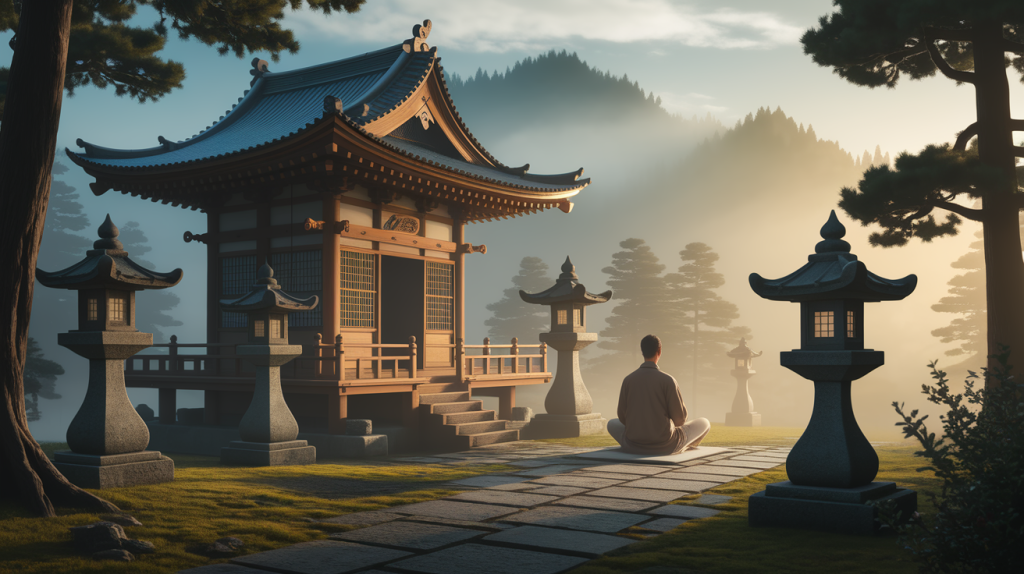
Mount Koya delivers an authentic spiritual experience that changes people. This sacred Buddhist complex sits 800 meters above sea level, surrounded by 117 temples nestled among ancient cedar forests. Fifty-two of these temples offer shukubo—traditional temple lodgings where you become part of monastic life, not just an observer.
Your temple stay includes participation in morning meditation sessions at 6 AM, where monks guide you through practices they’ve performed daily for centuries. You’ll eat shojin ryori, the vegetarian Buddhist cuisine that’s both healing and surprisingly delicious. Think seasonal vegetables, tofu prepared in ways you never imagined, and rice that tastes different when blessed by monks. The evening goma fire ceremony creates an unforgettable spiritual experience as flames dance and chants echo through wooden halls.
Booking your temple accommodation is simple through the Koyasan Tourism Association website or Japan travel agencies. Expect to pay 9,000-15,000 yen per night, including two meals. Rooms are traditional with tatami mat floors and futon bedding. The bathroom facilities are shared, but impeccably clean. This simplicity is intentional—it strips away distractions so you can focus on inner peace.
Mount Fuji’s Five Lakes Region
The area surrounding Mount Fuji combines Japan’s most iconic natural symbol with proven healing benefits. Five pristine lakes—Kawaguchi, Yamanaka, Sai, Shoji, and Motosu—reflect Fuji’s perfect cone while offering access to therapeutic hot springs and forest trails.
Lake Kawaguchi provides the easiest access with the most accommodation options. Stay at a traditional ryokan with private onsen baths overlooking the mountain. The sulfur-rich waters here ease muscle tension and improve circulation. Research shows that regular onsen bathing reduces inflammation and promotes better sleep—benefits you’ll feel after just one soak.
Visit during late April for cherry blossoms framing Mount Fuji, or November for fiery autumn colors. Both seasons offer mild weather perfect for lakeside meditation and forest bathing along the numerous trails. The Aokigahara Forest at the mountain’s base provides dense woodland walks where the volcanic rock absorbs sound, creating an almost supernatural quiet.
Hakone Mountain Resort Area
Just 90 minutes from Tokyo, Hakone proves you don’t need to travel far for profound healing. This mountain resort area combines natural hot springs, stunning lake views, and world-class art museums—a perfect blend for those who find creative expression therapeutic.
The Hakone Open-Air Museum lets you wander among sculptures while breathing mountain air. The Picasso Pavilion and foot-bath gallery allow you to soak your feet in hot spring water while appreciating art. This multisensory healing approach works because it engages different parts of your brain, disrupting stress patterns.
Hakone’s volcanic valley produces sulfur-rich waters proven to relieve chronic pain and skin conditions. The town of Gora offers numerous ryokans with private onsen baths. Book a room with its own outdoor bath, and you’ll experience the ultimate stress relief—soaking in 40°C mineral water while gazing at mountain peaks.
Plan either a quick day trip or a relaxing three-day retreat. The Hakone Free Pass covers all local transportation and museum entries, making exploration effortless. This ease matters when you’re focused on healing, not logistics.
Traditional Onsen Towns: The Essential Hot Spring Experience
Kusatsu Onsen
Kusatsu ranks as Japan’s most famous hot spring town for excellent reasons. Its waters pump out 32,000 liters per minute—more than any other natural hot spring in Japan. The mineral concentration here is so powerful that locals perform yumomi, a traditional water-cooling ceremony using long wooden paddles to lower the temperature without diluting the healing properties.
Watch the yumomi performance at Netsunoyu six times daily, then try it yourself. The rhythmic paddle movements and folk songs create a meditative state while you learn about the town’s 1,800-year bathing tradition. This cultural immersion enhances the healing experience by connecting you to something larger than yourself.
First-time onsen visitors often feel nervous about the etiquette. Here’s the simple truth: wash thoroughly at the provided stations before entering the bath, don’t bring towels into the water, and embrace the communal nudity—it’s completely normal and non-sexual. Within minutes, you’ll relax into the experience as the 50°C acidic waters work their magic on tired muscles and stressed minds.
Stay at one of the traditional inns surrounding Yubatake, the town’s central hot water field. The sight of steam rising from the wooden channels as thermal water flows through town creates an atmosphere of timeless healing that photographs can’t capture.
Kinosaki Onsen
This charming town perfected the art of onsen hopping. Seven public bathhouses, each with distinct architecture and water properties, invite you to stroll between them wearing your yukata and wooden geta sandals. The experience feels like stepping into a Miyazaki film.
The town provides a simple system: your ryokan gives you a pass granting access to all seven bathhouses. Start with Satono-yu’s outdoor garden bath, move to Mandara-yu’s cave bath, then finish at Kouno-yu’s rooftop bath overlooking the willow-lined canal. Each bath offers different healing benefits—some excel at muscle relief, others at skin beautification, still others at stress reduction.
The evening atmosphere in Kinosaki creates its own therapeutic effect. As dusk settles, lanterns illuminate the canal paths. You’ll pass other yukata-clad visitors, everyone moving slowly, speaking softly, embodying the Japanese concept of ma—the space between things where peace lives. Stop at small cafes for local crab dishes or sake tastings between baths.
Book your ryokan at least two months ahead for peak seasons. The complete experience—accommodation, elaborate kaiseki dinner, breakfast, and bathhouse access—typically costs 15,000-30,000 yen per person. This investment buys you entrance into a healing tradition that has restored travelers since the 8th century.
Beppu’s Eight Hells
Beppu takes a different approach to hot spring healing. While most onsen towns focus on bathing, Beppu showcases the raw power of geothermal activity through its Jigoku (Hell) tour. These spectacular hot springs are too hot for bathing but offer unique therapeutic treatments.
The Umi Jigoku’s cobalt blue waters reach 98°C, creating ethereal steam clouds. The Chi no Ike Jigoku appears blood red from iron oxide. Kamado Jigoku offers foot baths and steam inhalation therapy proven effective for respiratory issues. The most unusual is the Oniyama Jigoku, where thermal waters create a crocodile habitat—a bizarre sight that somehow adds to the surreal healing journey.
Beyond the spectacle, Beppu provides serious therapeutic treatments. Sand baths at Takegawara Onsen bury you in naturally heated sand, promoting circulation and detoxification. Mud baths at various facilities use mineral-rich volcanic mud for skin treatments. Steam baths carved into mountainsides offer aromatherapy from local herbs.
Combine sightseeing with therapeutic bathing by staying in the Kannawa district, where steam rises from vents throughout the neighborhood. Your ryokan likely offers private baths and traditional meals cooked using geothermal steam—a culinary experience unique to this volcanic wonderland.
Serene Gardens and Temple Sanctuaries: Urban Healing Escapes

Kyoto’s Zen Temple Gardens
Kyoto’s temple gardens prove that profound healing doesn’t require wilderness isolation. These meticulously designed spaces use rocks, gravel, moss, and carefully pruned trees to create environments that calm your mind within minutes.
Ryoan-ji’s rock garden remains the most famous—fifteen rocks arranged in raked white gravel, surrounded by earthen walls. The design ensures you can never see all fifteen rocks simultaneously from any viewing angle, teaching the Buddhist principle of accepting incompleteness. Sit on the wooden veranda for twenty minutes. Watch your thoughts slow down. Feel your breathing deepen. This is meditation without trying.
Kinkaku-ji, the Golden Pavilion, offers different healing through beauty. The gold-leaf covered temple reflects perfectly in its surrounding pond, creating a scene so harmonious it temporarily suspends worry. The walking path around the pond takes you through carefully designed viewpoints, each revealing new perspectives on the temple and gardens.
Visit temples between 7-9 AM before tour groups arrive. The morning quiet transforms these spaces from tourist attractions into genuine sanctuaries. Bring a small notebook to jot down insights that arise during contemplation—Zen gardens have a way of clarifying thoughts that seemed impossible to untangle.
Kamakura’s Coastal Temples
This ancient capital combines spiritual healing with coastal nature therapy. Seventy-five temples dot the hills surrounding Kamakura, connected by hiking trails that wind through bamboo groves and cedar forests. The ocean’s presence adds negative ions to the air—scientifically proven to improve mood and energy.
Start at Hase-dera Temple, where the eleven-headed Kannon statue watches over the city. The temple’s observation deck provides stunning ocean views that naturally induce meditative states. Walk the hillside paths among thousands of small Jizo statues, each representing prayers for children. The collective intention concentrated here creates palpable energy.
Continue to Kotoku-in to sit before the Great Buddha, a bronze statue that has weathered storms since 1252. Unlike Kyoto’s indoor Buddhas, this one sits in the open air, creating an intimate connection between ancient spirituality and natural elements. You can enter the statue’s hollow interior—a unique experience that symbolizes looking within for answers.
The entire temple circuit makes a perfect day trip from Tokyo. Pack comfortable shoes, water, and an open mind. The combination of physical movement, spiritual environments, and ocean proximity creates comprehensive healing that addresses body, mind, and spirit simultaneously.
Nara Park’s Deer and Temples
Nara delivers healing through an unexpected combination: sacred architecture and over 1,000 semi-wild deer. These animals, considered messengers of the gods in Shinto tradition, roam freely through the park and city streets. Feeding them special crackers becomes a form of animal therapy that reduces stress and increases feelings of joy.
Todai-ji Temple houses the world’s largest bronze Buddha statue inside the world’s largest wooden building. The scale creates immediate perspective on your problems—standing before a 15-meter Buddha makes your worries feel appropriately small. The temple’s dim interior and incense smoke create an atmosphere of timeless peace.
Walk through Nara Park’s expansive grounds at your own pace. Sit under ancient trees. Watch deer interact with visitors. Let children’s laughter wash over you. This UNESCO World Heritage site proves that healing doesn’t always require silence and solemnity—sometimes it requires connection with life in its most innocent forms.
The park’s accessibility makes it perfect for families or those with mobility limitations. Paved paths connect major sites, and the deer approach gently (mostly—they can get pushy when they smell crackers). Visit during weekdays for a more tranquil experience, or embrace the lively weekend energy for a different type of healing.
Forest Bathing and Nature Therapy Destinations
Yakushima Island’s Ancient Cedar Forests
Yakushima Island represents the ultimate forest bathing destination. This UNESCO World Heritage site protects primeval forests where cedar trees over 1,000 years old create an ecosystem unchanged since ancient times. Walking among these giants reconnects you with something humans have lost in modern life—a sense of belonging to nature rather than dominating it.
The Jomon Sugi, estimated at 2,000-7,000 years old, requires a challenging 10-hour round-trip hike. But easier trails provide equally powerful experiences. The Shiratani Unsuikyo Ravine trail inspired the forest scenes in Princess Mononoke. Moss covers every surface in shades of green that don’t exist elsewhere. The air smells of cedar and earth. Your stress hormones drop measurably within fifteen minutes.
Research on shinrin-yoku (forest bathing) proves what Japanese culture has known for centuries: time in forests lowers blood pressure, reduces cortisol, improves immune function, and enhances mood. The effects last for days after you leave the forest. Yakushima’s ancient trees amplify these benefits through their sheer presence and the pristine air quality they create.
Plan your visit during May or October for the best weather. Book accommodations in Miyanoura or Anbo, the island’s main towns. Rent a car to access trailheads easily. Bring rain gear—Yakushima receives heavy rainfall that feeds its lush ecosystem. The rain doesn’t diminish the experience; it enhances it by making the forest feel even more primeval and alive.
Nikko National Park
Nikko combines sacred shrines with pristine mountain nature, creating a healing destination that addresses spiritual and physical needs simultaneously. The Toshogu Shrine complex, with its elaborate carvings and gold leaf decoration, demonstrates how beauty itself can be therapeutic. The famous “see no evil, hear no evil, speak no evil” monkey carving originated here.
Beyond the shrines, Nikko’s natural wonders provide easy nature immersion. Kegon Falls drops 97 meters into a gorge, creating negative ions that improve mental clarity. The observation platform lets you feel the waterfall’s power without strenuous hiking. Lake Chuzenji offers peaceful shoreline walks with mountain reflections that rival anything in the Alps.
The Senjogahara Marshland provides a 5-kilometer boardwalk trail through pristine wetlands. This easy, flat walk takes you through ecosystems teeming with birds and wildflowers. The boardwalk means you stay dry while experiencing nature intimately—perfect for those who want healing without hardcore hiking.
Visit during autumn (October-November) when the mountains explode with red and gold foliage. The Japanese call this season koyo, and Nikko ranks among the nation’s top viewing spots. Spring brings azaleas and fresh green growth. Summer offers cool mountain temperatures when Tokyo swelters. Winter creates a snow-covered wonderland, though some roads close.
Arashiyama Bamboo Grove
This towering bamboo forest on Kyoto’s outskirts delivers instant stress relief through sensory immersion. Walking the path as bamboo stalks sway overhead creates a sound like nothing else—a hollow clicking and rustling that blocks out modern noise pollution. The filtered green light has a measurably calming effect on nervous systems.
The grove’s popularity means crowds, but simple timing solves this problem. Arrive at 7 AM when the path is nearly empty. The early morning light creates magical effects as it filters through the bamboo. You’ll have space to stop, breathe, and truly experience the environment rather than just photograph it.
Extend your healing experience by visiting nearby Tenryu-ji Temple, whose garden ranks among Japan’s finest. Cross the Togetsukyo Bridge for mountain views and riverside paths. Rent a bicycle to explore the broader Arashiyama area, including smaller temples and traditional shops. The neighborhood offers a complete day of gentle exploration that never feels rushed or touristy despite its popularity.
The Sagano Scenic Railway runs through the area, offering a different perspective on the landscape. The open-air train cars let you experience the forest and river valley while resting your feet. This combination of active exploration and passive observation creates balanced healing that doesn’t exhaust you.
Your Transformative Japanese Healing Journey Awaits
These 11 amazing destinations prove that Japan offers unmatched opportunities for genuine healing and renewal. From Mount Koya’s spiritual intensity to Kusatsu’s powerful hot springs, from Kyoto’s Zen gardens to Yakushima’s ancient forests, each location provides distinct benefits for your physical health, mental clarity, and spiritual growth.
The key benefits you’ll experience extend far beyond your trip. The stress relief techniques you learn in temple meditation sessions transfer to your daily life. The mindfulness you develop while forest bathing improves your ability to find calm anywhere. The physical healing from mineral-rich onsen waters often provides lasting relief from chronic conditions. Most importantly, you’ll return home with a renewed perspective on what truly matters.
Choosing your perfect destination depends on your specific needs. If you’re seeking spiritual transformation, prioritize Mount Koya or Kamakura’s temple circuit. For physical healing and relaxation, focus on onsen towns like Kusatsu or Kinosaki. If nature connection calls to you, head to Yakushima or Nikko. Many travelers combine multiple destinations—spending three days in mountain temples, three days in hot spring towns, and three days exploring gardens and forests creates comprehensive healing.
Essential planning tips make your journey smooth. Visit during shoulder seasons (April-May or September-November) for pleasant weather and fewer crowds. Budget 15,000-25,000 yen daily for mid-range accommodations and meals, more for luxury ryokans. Book popular destinations like Mount Koya temple stays and Kinosaki ryokans at least two months ahead. Purchase a JR Pass if visiting multiple regions—it pays for itself quickly and simplifies transportation.
Your transformative Japanese healing journey starts with a single decision. These destinations have restored travelers for centuries, and they’re ready to restore you. The ancient cedars of Yakushima will still stand in another thousand years. The hot springs of Kusatsu will still flow. The Zen gardens of Kyoto will still offer peace. But your opportunity to experience them is now.
Start planning your trip today. Save this guide for easy reference as you research flights and accommodations. Follow the practical advice provided for each destination. Trust that Japan’s healing places will deliver everything you need—they’ve been doing exactly that for over a thousand years. Your healthier, more balanced, more peaceful self is waiting for you in Japan. Go find it.