10 Best things to do in Fuji Five Lakes

The Fuji Five Lakes region is where Japan’s soul meets its most iconic landscape. Nestled at the northern base of Mount Fuji, this breathtaking area—comprising Lakes Kawaguchi, Yamanaka, Sai, Shoji, and Motosu—offers something most travelers crave: authentic experiences paired with postcard-perfect views.
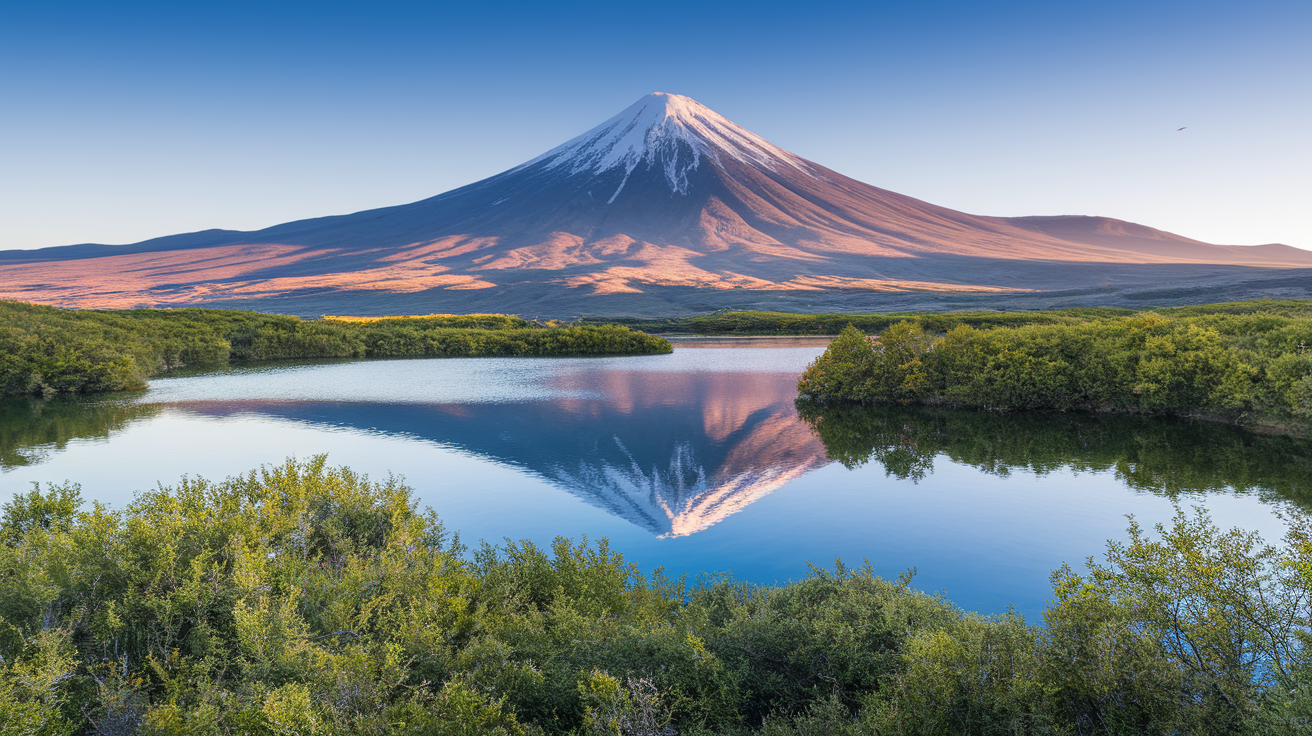
What makes this destination truly special? You’re not just looking at Mount Fuji from a distance. Here, you’re living alongside it. The mountain’s reflection dances across five pristine lakes, framing every adventure with that unmistakable silhouette. Whether you’re chasing the perfect photograph, seeking cultural immersion, or simply craving nature’s tranquility, this region delivers without the overwhelming crowds of Tokyo.
This guide is for you if you’re planning your first trip to Japan, you’re a photographer hunting for that ultimate shot, or you’re simply someone who appreciates nature at its most magnificent. Families will find accessible activities, solo travelers will discover peaceful moments, and adventure seekers will uncover hidden trails and water sports.
Throughout this complete guide, you’ll discover ten proven experiences that showcase the best of Fuji Five Lakes. I’m sharing insider tips on perfect viewpoints, cultural attractions that go beyond the tourist trail, outdoor adventures for every fitness level, and local experiences that connect you to this region’s authentic charm.
Quick insider tip: Visit during spring (April-May) for cherry blossoms and mild weather, or autumn (October-November) for stunning foliage and the clearest Fuji views. Early mornings consistently deliver the most magical light and mirror-like lake reflections. Summer brings festivals and water activities, while winter offers serene, snow-capped landscapes—though Mount Fuji plays hide-and-seek behind clouds more often.
Ready to explore? Let’s dive into the experiences that will make your Fuji Five Lakes adventure unforgettable.
Capture Perfect Reflections at Iconic Lake Viewpoints
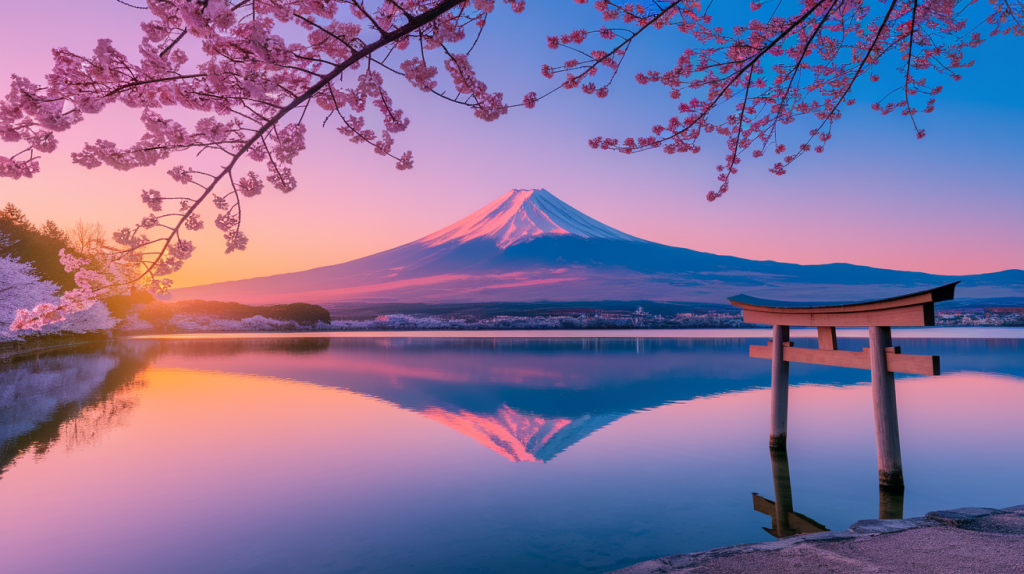
The Fuji Five Lakes region is a photographer’s paradise, and you don’t need professional equipment to capture stunning images. What you need is knowing where to stand and when to arrive.
Photography Paradise: Ubuyagasaki Peninsula
This hidden gem on Lake Kawaguchi’s eastern shore delivers what every Mount Fuji photographer dreams about: perfect mirror reflections. Unlike the crowded northern shore, Ubuyagasaki Peninsula offers peaceful mornings where you can actually set up your tripod without jostling for space.
Arrive before sunrise—seriously, set that alarm for 5:30 AM. The early morning light transforms Mount Fuji into a glowing masterpiece, and the still lake surface creates that iconic reflection shot. The peninsula’s slight elevation provides a natural vantage point that includes both the mountain and its mirror image in one frame.
Here’s what works: bring a light jacket (mornings are chilly even in summer), arrive 30 minutes before sunrise to scout your spot, and use your phone’s portrait mode if you don’t have a fancy camera. The magic happens naturally here. I’ve watched travelers with smartphones capture images that rival professional shots simply because they showed up at the right time.
Oishi Park: Flowers Meet Fuji
Oishi Park proves that Mount Fuji gets even more spectacular when you frame it with seasonal flowers. This free park on Lake Kawaguchi’s northern shore stages different natural shows throughout the year, and each one stops you in your tracks.
June through July brings lavender fields that carpet the foreground in purple waves. October transforms the landscape with brilliant red kochia bushes that look like nature’s fireworks. Spring showcases cherry blossoms and nemophila flowers in delicate blues and pinks.
The walking paths are genuinely easy—paved, flat, and perfect for families with strollers or travelers who prefer leisurely strolls. You can explore the entire park in 30-45 minutes, or spend hours finding new angles and compositions.
Pro tip: Visit on weekdays if possible. Weekends draw crowds, especially during peak bloom times. The park opens early, so that sunrise strategy works beautifully here too.
Lake Kawaguchi Northern Shore
The northern shore offers the most accessible Mount Fuji views, with multiple spots along the lakeside road where you can simply pull over, step out, and capture stunning photographs. This accessibility makes it perfect for travelers with limited time or mobility considerations.
Local photographers favor the area near Kawaguchiko Station and the spots between the Music Forest Museum and the Mount Fuji Panoramic Ropeway. These locations provide unobstructed views with interesting foreground elements—boats, piers, or traditional buildings—that add depth to your compositions.
Skip the expensive telephoto lens. Mount Fuji is close enough here that your phone or basic camera captures it beautifully. What matters more is timing: clear mornings before 9 AM give you the best visibility, as afternoon clouds frequently obscure the summit.
Experience Traditional Culture and Unique Attractions

Beyond natural beauty, the Fuji Five Lakes region offers cultural experiences that connect you to Japan’s spiritual traditions and local character. These attractions provide perfect balance to your outdoor adventures.
Mount Kachi Kachi Ropeway Adventure
This three-minute cable car ride delivers maximum reward for minimum effort. The ropeway whisks you 400 meters up Mount Tenjo, where panoramic views of Lake Kawaguchi and Mount Fuji spread before you in breathtaking scope.
The observation deck at the summit provides 360-degree views that photographers dream about. You’re seeing Mount Fuji from an elevated perspective that reveals the entire lake basin and surrounding mountains. On clear days, the vista extends across all five lakes.
The ropeway’s name comes from a charming Japanese folktale about a clever rabbit and a mischievous tanuki (raccoon dog). You’ll spot statues of these characters at the summit, adding whimsical photo opportunities to your spectacular views. The round-trip ticket costs around 900 yen—roughly $6—making this one of the region’s best value experiences.
Timing tip: First cable car departs around 9 AM. Arrive early to beat tour groups, or visit late afternoon when the setting sun paints Mount Fuji in golden light.
Fujiomuro Sengen Shrine Exploration
This peaceful shrine offers authentic cultural immersion without the overwhelming crowds of more famous shrines. Located near Lake Kawaguchi, Fujiomuro Sengen Shrine has served as a sacred site for Mount Fuji worship for centuries.
The shrine’s architecture showcases traditional Japanese design, with vermillion gates and wooden structures nestled among towering cedar trees. Walking through the grounds feels meditative—you’re stepping into a space where locals have prayed for safe mountain climbing and good fortune for generations.
Simple etiquette makes shrine visits stress-free: bow slightly when passing through the torii gate, purify your hands at the water basin (left hand, right hand, rinse mouth, rinse left hand again), and if you make an offering, bow twice, clap twice, bow once. But honestly? Just being respectful and quiet is what matters most.
The surrounding grounds provide beautiful photography opportunities, especially when morning light filters through the trees. Visit during cherry blossom season or autumn foliage for extra visual magic.
Yamanashi Gem Museum Discovery
This unexpected treasure proves perfect for rainy days or when you need a break from outdoor activities. The Yamanashi Gem Museum houses an impressive collection of minerals, gemstones, and crystals from around the world, with special focus on specimens from Mount Fuji’s volcanic region.
The displays are genuinely fascinating—glowing fluorescent minerals, massive crystal formations, and beautifully cut gemstones that showcase nature’s artistry. Even if geology isn’t your passion, the sheer beauty of these specimens captivates.
The museum is compact, requiring about 45 minutes to explore thoroughly. It’s located near Lake Kawaguchi, making it an easy addition to your itinerary. The admission fee is modest, and the air-conditioned galleries provide welcome relief during summer’s heat.
Outdoor Adventures for Nature Lovers
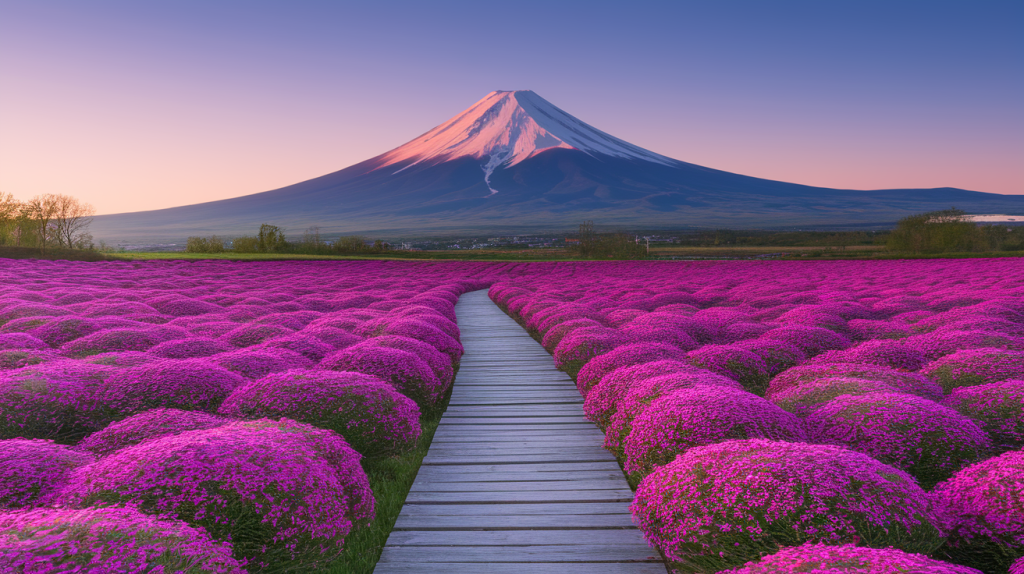
The Fuji Five Lakes region transforms into an outdoor playground where adventures suit every fitness level and interest. Whether you’re cycling scenic paths, hiking mountain trails, or experiencing seasonal nature shows, you’ll find activities that connect you deeply with this stunning landscape.
Cycling Around the Lakes
Renting a bicycle gives you ultimate freedom to explore at your own pace while covering more ground than walking allows. Multiple rental shops near Kawaguchiko Station offer bikes from around 500 yen for two hours to 2,000 yen for a full day.
The cycling path around Lake Kawaguchi spans approximately 20 kilometers and takes most riders 2-3 hours with photo stops. The route is predominantly flat, making it accessible for casual cyclists. You’re riding alongside the lake with Mount Fuji views accompanying you around every bend.
Proven route strategy: Start at Kawaguchiko Station, cycle clockwise around the lake, and plan stops at Oishi Park, the Music Forest Museum area, and lakeside cafes. The path connects smoothly to Lake Sai and Lake Shoji if you’re feeling adventurous and want to extend your ride.
Bring water, sunscreen, and your camera. Most rental bikes include baskets perfect for stashing snacks and extra layers. The beauty of cycling here is flexibility—if you discover a stunning viewpoint or interesting shop, you simply stop. No parking hassles, no schedule pressure.
Hiking Trails with Rewarding Views
The region offers hiking trails ranging from easy lakeside walks to challenging mountain ascents. You don’t need to be an experienced hiker to enjoy spectacular views.
Beginner-friendly favorite: The Momiji Tunnel trail near Lake Kawaguchi provides an easy 30-minute walk through a maple tree corridor that explodes with color each autumn. The path is well-maintained and delivers beautiful lake views without steep climbs.
Moderate challenge: The trail to Koyodai Observation Deck takes about 90 minutes round-trip and rewards you with elevated views of Lake Kawaguchi and Mount Fuji. The climb is steady but manageable, and the summit provides bench seating where you can rest while soaking in panoramic vistas.
Essential packing list: Comfortable walking shoes (not sandals), water, snacks, a light rain jacket, and your phone for photos and navigation. Trail maps are available at tourist information centers, and most popular trails are well-marked.
Choose trails matching your group’s fitness level. The region’s beauty doesn’t require suffering through difficult hikes—even easy trails deliver stunning scenery.
Seasonal Nature Experiences
The Fuji Five Lakes region reinvents itself with each season, offering distinct experiences throughout the year.
Spring (April-May): Cherry blossoms transform the lakeshores into pink wonderlands. The northern shore of Lake Kawaguchi hosts a cherry blossom festival where hundreds of trees create tunnel-like canopies. Evening illuminations extend the magic after sunset.
Summer (June-August): Water sports come alive. Rent kayaks or paddleboards on Lake Kawaguchi or Lake Yamanaka. Swimming is permitted at designated beaches, though the water stays refreshingly cool. The Fuji Rock Festival and various local matsuri (festivals) add cultural excitement.
Autumn (October-November): This is peak season for good reason. Maple trees blaze red and gold, creating the most photographed landscapes of the year. The Fuji Kawaguchiko Autumn Leaves Festival features illuminated trees and craft markets. Clear skies make this the best time for Mount Fuji visibility.
Winter (December-March): Snow transforms the region into a serene wonderland. While swimming is out, ice fishing on Lake Yamanaka offers unique experiences. The lakes rarely freeze completely, but morning frost creates ethereal landscapes. Fewer tourists mean peaceful exploration, though Mount Fuji hides behind clouds more frequently.
Relax and Unwind in Hot Springs and Local Cuisine
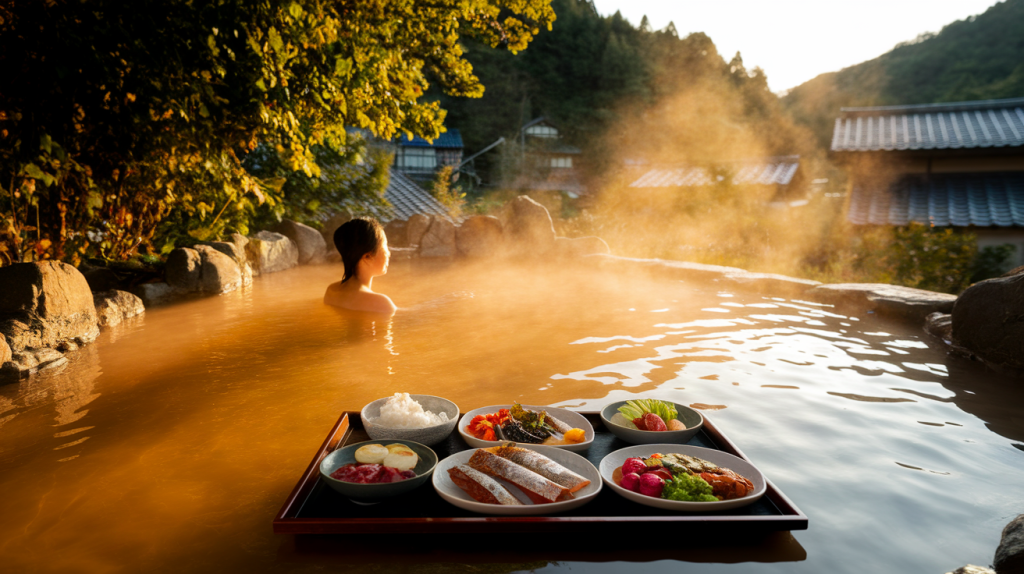
After days filled with photography and outdoor adventures, the Fuji Five Lakes region offers perfect ways to relax: therapeutic hot springs and delicious local cuisine that warms both body and soul.
Onsen (Hot Spring) Experiences
The volcanic activity that created Mount Fuji also blessed this region with natural hot springs. Experiencing an authentic Japanese onsen is easier than you might think, and the relaxation is profound.
Several lakeside hotels offer day-use onsen facilities where you can soak without staying overnight. Prices typically range from 1,000-2,000 yen for 60-90 minutes of access. The best facilities feature outdoor baths (rotenburo) with direct Mount Fuji views—imagine soaking in naturally heated mineral water while gazing at Japan’s most iconic mountain.
Simple onsen etiquette for stress-free enjoyment:
First, understand that onsens are communal bathing spaces where swimsuits aren’t worn. Separate facilities exist for men and women. Wash thoroughly at the provided shower stations before entering any bath. Bring your small towel into the bathing area for modesty while walking, but don’t let it touch the bath water. Tie long hair up. No phones or cameras in bathing areas—ever.
The experience feels intimidating the first time, but locals are remarkably understanding with foreign visitors. The reward—that deep, muscle-melting relaxation combined with spectacular views—makes any initial awkwardness worthwhile.
Recommended options: Konanso Hotel offers day-use onsen with stunning lake views. Fuji Lake Hotel features traditional Japanese baths with outdoor options. Many ryokan (traditional inns) welcome day visitors for onsen use with advance reservations.
Savor Local Culinary Delights
Yamanashi Prefecture’s cuisine reflects its mountain location and agricultural heritage. The region’s signature dishes provide hearty, comforting flavors perfect after active days exploring.
Must-try hoto noodles: This local specialty features thick, flat wheat noodles simmered in miso-based soup with seasonal vegetables and sometimes pork. The dish originated as warming sustenance for farmers and travelers. Nearly every restaurant around Lake Kawaguchi serves hoto, with variations reflecting each chef’s style. Expect to pay 1,000-1,500 yen for a generous bowl that easily satisfies as a complete meal.
Fresh fish from the lakes: Local restaurants serve trout and other freshwater fish caught from the five lakes. Grilled over charcoal with simple salt seasoning, the fish showcases clean, delicate flavors. Lakeside restaurants often display their catches, letting you choose your fish.
Yamanashi’s famous fruits: The prefecture produces exceptional peaches, grapes, and cherries. Visit during summer for fresh fruit parfaits and desserts that highlight seasonal harvests. Roadside stands sell perfectly ripe fruit at reasonable prices.
Easy-to-find restaurants with lake views: The northern shore of Lake Kawaguchi concentrates most dining options. Houtou Fudou serves excellent hoto noodles in a rustic setting with mountain views. Sylvans offers Western-style meals with terrace seating overlooking the lake. For quick lunches, convenience stores near Kawaguchiko Station stock quality onigiri (rice balls) and bento boxes perfect for picnic lunches.
Day Trip Extensions to Hakone
If you’re spending multiple days in the region, consider extending your adventure to nearby Hakone, located about 90 minutes away. This combination lets you experience two of Japan’s most scenic areas in one trip.
Hakone offers its own spectacular views of Mount Fuji, especially from Lake Ashi where pirate ship cruises provide unique perspectives. The region’s volcanic activity creates dramatic landscapes and additional hot spring experiences.
Owakudani Valley: This active volcanic valley showcases geothermal forces in action. Steam vents and sulfur springs create an otherworldly landscape. The famous black eggs—regular eggs boiled in sulfuric hot springs that turn the shells black—are said to add seven years to your life. The ropeway ride to Owakudani delivers stunning aerial views.
Effective planning tips: Start early from Fuji Five Lakes, take the bus or drive to Hakone, focus on 2-3 main attractions rather than rushing through everything, and return by evening. The Hakone Free Pass covers most transportation within Hakone, simplifying logistics. Alternatively, consider staying one night in Hakone to experience both regions without rushing.
This extension works particularly well if Mount Fuji is hiding behind clouds at Fuji Five Lakes—Hakone’s different vantage point sometimes offers clearer views.
Your Fuji Five Lakes Adventure Awaits
The Fuji Five Lakes region delivers everything you’re seeking in a Japanese destination: iconic natural beauty, authentic cultural experiences, outdoor adventures for every fitness level, and peaceful moments that reconnect you with what matters. You’ve discovered the ultimate viewpoints for capturing Mount Fuji’s reflection, learned about cultural attractions that go beyond typical tourist sites, explored outdoor activities from cycling to hiking, and uncovered ways to relax through hot springs and local cuisine.
Essential reminders for planning your visit:
Arrive early for the best photography light and smallest crowds. Clear mornings before 9 AM consistently deliver the most stunning Mount Fuji views. Book accommodations in advance during peak seasons (spring cherry blossoms and autumn foliage). The region is accessible year-round, with each season offering distinct experiences. Two to three days lets you explore thoroughly without rushing, though even a day trip from Tokyo provides meaningful experiences.
This destination proves that Japan’s most famous mountain becomes even more magnificent when you experience it from multiple perspectives—reflected in pristine lakes, framed by seasonal flowers, viewed from mountaintop observatories, and contemplated from peaceful hot spring baths.
The magic of Fuji Five Lakes lies not just in Mount Fuji’s perfect cone, but in how this landscape invites you to slow down, breathe deeply, and appreciate nature’s artistry. Whether you’re capturing that perfect photograph, cycling along lakeside paths, soaking in volcanic hot springs, or simply sitting quietly while watching the mountain’s reflection dance across the water, you’re experiencing Japan at its most authentic and inspiring.
Start planning your perfect Fuji Five Lakes adventure today. Check accommodation availability for your preferred dates, research transportation options from Tokyo or other starting points, and begin imagining yourself standing beside these pristine lakes with Mount Fuji rising before you. This is the Japan you’ve been dreaming about—accessible, authentic, and absolutely unforgettable.
Have you visited the Fuji Five Lakes region? Share your favorite experiences or questions in the comments below. Your insights help fellow travelers discover hidden gems and plan their own magical adventures in this stunning corner of Japan.