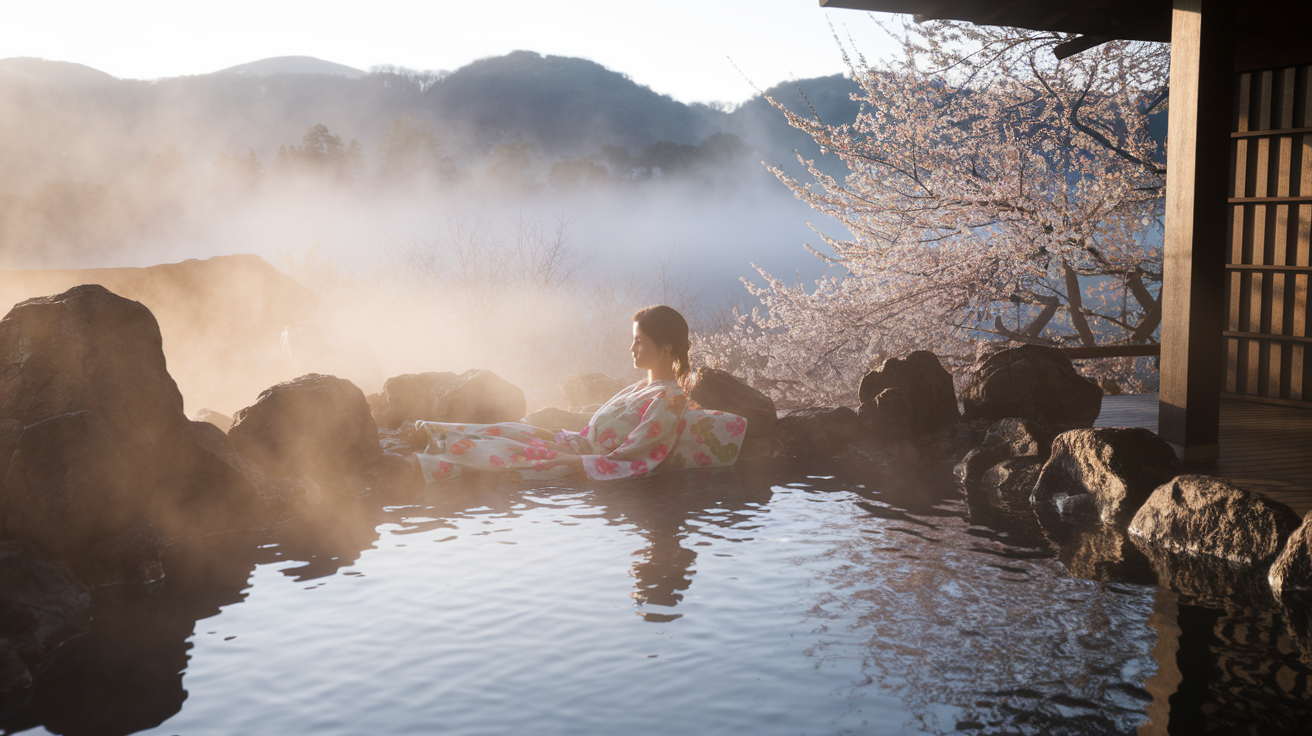
Ultimate Japanese Wellness Travel Guide 2026

Japan isn’t just trending as a wellness destination—it’s redefining what restorative travel actually means. While the rest of the world rushes to catch up with wellness tourism, Japan has been perfecting the art of healing travel for centuries.
In 2026, this ancient wisdom meets modern mindfulness practices in ways that make Japan the most compelling wellness destination on the planet.
What sets Japanese wellness apart? It’s the seamless integration of tradition and innovation. You’ll find thousand-year-old onsen rituals alongside cutting-edge recovery technology, forest bathing backed by scientific research, and temple stays that offer genuine spiritual renewal—not just Instagram moments.
This guide walks you through everything you need to plan your perfect wellness journey to Japan, even if you’ve never traveled to Asia before.
We’re covering the essential experiences that deliver real results: onsen culture that melts away stress layers you didn’t know you carried, ryokan stays that teach you the power of intentional pacing, forest bathing that resets your nervous system, and temple experiences that provide clarity you can’t find in your daily routine.
You’ll learn exactly where to go, when to visit, how to navigate with confidence, and which experiences deserve your time and budget. Whether you’re dealing with burnout, seeking spiritual renewal, or simply craving a break from the relentless pace of modern life, Japan’s wellness offerings meet you where you are and transform how you feel—physically, mentally, and emotionally.
Essential Japanese Wellness Experiences You Can’t Miss
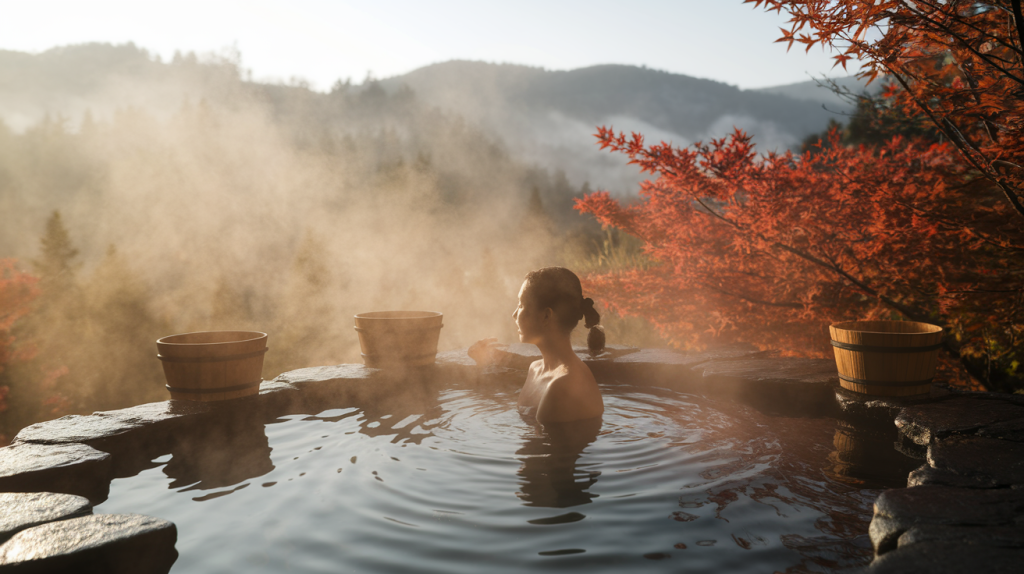
Onsen Culture: Your Gateway to Deep Relaxation
Japanese hot springs deliver something fundamentally different from Western spas. The mineral-rich waters aren’t just warm—they’re therapeutic. Each onsen contains specific minerals depending on its volcanic source: sulfur for skin conditions, sodium chloride for circulation, calcium for bone health. You’re not booking a luxury add-on; you’re accessing natural medicine that Japanese people have relied on for millennia.
The etiquette matters because it enhances the experience. Understanding the simple rules—shower thoroughly before entering, keep your towel out of the water, remain quiet and mindful—transforms bathing from a casual dip into a meditative practice. This isn’t about following arbitrary rules; it’s about creating the conditions for genuine relaxation.
Top onsen destinations for 2026:
Hakone offers easy access from Tokyo (just 90 minutes by train) with stunning views of Mount Fuji. Perfect for first-timers who want convenience without sacrificing authenticity. The variety here is remarkable—from traditional wooden bathhouses to modern resort complexes with multiple pools.
Beppu in Kyushu produces more hot spring water than any other resort in Japan. The “seven hells of Beppu” tour shows you dramatic volcanic features, while the town itself offers hundreds of bathing options. You’ll find sand baths where you’re buried in naturally heated sand, mud baths rich in minerals, and steam baths carved into mountainsides.
Kusatsu delivers authentic mountain onsen culture. This high-altitude town centers around the yubatake (hot water field), where steaming mineral water flows through wooden channels. The water here is highly acidic and incredibly effective—locals claim it cures everything except lovesickness.
Your first onsen experience: Arrive in the afternoon when facilities are less crowded. Take your time in the changing room—rushing defeats the purpose. Start with a shorter soak (10-15 minutes), exit to cool down, then return for another round. Listen to your body. The goal is relaxation, not endurance.
Ryokan Stays: The Art of Slowing Down
A ryokan isn’t just accommodation—it’s a complete wellness experience built around intentional pacing. From the moment you arrive and slip into provided yukata (cotton robes), you’re entering a different rhythm of existence. No shoes, no rushing, no decisions beyond which tea to sip while gazing at the garden.
The kaiseki dinner you’ll experience represents Japanese wellness cuisine at its finest: seasonal ingredients, minimal processing, beautiful presentation that encourages mindful eating. Each course arrives at the perfect moment, giving you time to savor and digest. This isn’t Instagram food—it’s nutrition as meditation.
Sleeping on a futon laid directly on tatami mats resets your relationship with rest. The firm surface supports your spine naturally. The simplicity of the room removes visual clutter that clutters your mind. You’ll sleep differently here—deeper, more restorative.
Choosing your ryokan: Budget options (¥15,000-25,000 per person with meals) offer authentic experiences in smaller, family-run establishments. Mid-range properties (¥25,000-40,000) add luxury touches like private onsen and kaiseki from renowned chefs. High-end ryokans (¥40,000+) deliver once-in-a-lifetime experiences with exquisite gardens, museum-quality art, and service that anticipates your needs before you voice them.
Match your choice to your wellness goals. Seeking deep rest? Choose mountain locations with minimal stimulation. Want spiritual renewal? Select ryokans near temples. Craving connection? Smaller properties encourage interaction with owners who share local wisdom.
Shinrin-Yoku: Forest Bathing Made Easy
Forest bathing isn’t hiking. You’re not covering distance or reaching summits. This practice, developed in Japan during the 1980s and now backed by extensive research, involves slow, mindful immersion in forest atmosphere. The trees release phytoncides—organic compounds that boost your immune system, reduce stress hormones, and lower blood pressure. The effects last for days after a single session.
Best locations for forest bathing:
Yakushima Island offers ancient cedar forests where some trees have stood for over 7,000 years. Walking among these giants shifts your perspective on time itself. The moss-covered paths and misty atmosphere create conditions for profound presence.
Nagano Prefecture provides accessible forest therapy trails designed specifically for wellness. The Akasawa Natural Recreational Forest offers guided programs with certified forest therapy guides who teach breathing techniques and sensory awareness exercises.
Kamikochi in the Japanese Alps combines forest bathing with mountain air and crystal-clear rivers. The relatively flat valley floor makes this accessible even if you’re not in peak physical condition.
Practicing effectively: Leave your phone in your bag. Walk slowly—much slower than feels natural at first. Stop frequently to engage your senses deliberately: touch tree bark, listen to bird calls, notice how light filters through leaves, smell the earth and vegetation. Breathe deeply and consciously. Sit when you feel drawn to a particular spot. Two hours delivers measurable benefits, but even 30 minutes makes a difference.
Complete Wellness Itinerary Planning for 2026
Beating Jet Lag the Japanese Way
The 14-hour flight from North America or 12-hour journey from Europe challenges even experienced travelers. Japanese wellness practices offer proven solutions that work with your body’s natural rhythms rather than fighting them.
Pre-flight preparation: Start adjusting your sleep schedule three days before departure, shifting one hour per day toward your destination time zone. Stay hydrated with water and herbal tea—skip alcohol and excessive caffeine. Practice simple meditation or breathing exercises to reduce pre-travel anxiety that compounds jet lag.
Your first onsen visit as jet lag medicine: Book your arrival ryokan for the same day you land. The hot spring bath in the evening helps reset your circadian rhythm naturally. The mineral absorption and temperature change signal your body to release sleep hormones at the appropriate local time. Follow with the kaiseki dinner (timed perfectly for local evening eating), then sleep on your futon. Most travelers report waking refreshed and adjusted after this single night.
Essential sleep hygiene using Japanese techniques: The futon sleeping system—firm support, minimal bedding, cool room temperature—promotes deeper sleep cycles. Keep your room dark and quiet. Morning onsen bathing (if your ryokan offers it) energizes you for the day ahead. Green tea provides gentle, sustained energy without the crash of coffee.
Regional Wellness Routes: Where to Go and When
Tokyo to Hakone: The Weekend Wellness Escape (3-4 days)
Perfect for first-timers who want to ease into Japanese wellness culture. Spend Day 1 in Tokyo adjusting and exploring, catching your breath. Day 2, take the Romance Car train to Hakone (90 minutes of scenic relaxation). Check into your ryokan, experience your first onsen, enjoy kaiseki dinner. Day 3, explore Hakone’s art museums and scenic beauty at a gentle pace, multiple onsen sessions. Day 4, return to Tokyo refreshed or continue to Kyoto.
Kyoto Temple Circuit: Spiritual Wellness (5-7 days)
This route delivers mental and spiritual restoration through meditation, walking pilgrimages, and contemplative practices. Start with temple lodging at Mount Koya—participate in morning prayers, practice sutra copying, eat shojin ryori (Buddhist vegetarian cuisine). Move to Kyoto for temple visits paced throughout your days: Ryoan-ji’s rock garden for meditation, Fushimi Inari’s mountain trails for walking contemplation, Kinkaku-ji for aesthetic appreciation. Include a ryokan stay in nearby Arashiyama with bamboo forest access.
Okinawa Longevity Retreat (7-10 days)
Learn from the world’s healthiest population in Japan’s southern islands. The Okinawan lifestyle—called “ikigai” (reason for being)—combines purpose, community, plant-based diet, and natural movement. Stay in traditional Okinawan accommodations, take cooking classes focused on longevity foods (goya, purple sweet potatoes, turmeric), practice island-style tai chi on the beach, and engage with centenarians who share their wisdom. The slower island pace itself becomes therapeutic.
Northern Japan: Hokkaido’s Nature Therapy (5-7 days)
Combine hot springs with pristine nature in Japan’s northernmost island. Visit Noboribetsu for dramatic volcanic onsen experiences, Shiretoko for wildlife and untouched forests, and Niseko for mountain wellness. The cooler climate and vast open spaces provide different energy than southern Japan—expansive, invigorating, clarifying.
Seasonal Wellness Opportunities
Spring (March-May): Cherry blossom season offers more than pretty photos—it’s a cultural practice of renewal and impermanence. Hanami (flower viewing) involves mindful appreciation of fleeting beauty. Combine this with spring onsen bathing as temperatures warm. Book early; this is peak season.
Summer (June-August): Escape heat with mountain retreats in Nagano or Hokkaido. Forest bathing delivers maximum benefits in summer when trees release the most phytoncides. Coastal areas like Kamakura offer ocean wellness combined with temple visits.
Autumn (September-November): Fall foliage creates spectacular backdrops for forest bathing and temple visits. Harvest season means kaiseki dinners featuring mushrooms, chestnuts, and seasonal fish. Comfortable temperatures make this ideal for active wellness practices.
Winter (December-February): Snow onsen experiences—bathing in hot springs while snow falls around you—create unforgettable sensory contrast. Winter also means fewer crowds, lower prices, and the opportunity to experience Japanese New Year traditions if you time it right.
Practical Wellness Travel Tips and Time-Savers

Simple Booking Strategies That Work
Booking ryokans and onsen resorts intimidates many travelers, but the process is straightforward once you understand the system. Many traditional properties don’t appear on Western booking sites, but that doesn’t make them inaccessible.
Effective booking approaches:
Japanese Guest Houses (japaneseguesthouses.com) specializes in ryokans with English support. You’ll find detailed descriptions, honest reviews, and properties across all price ranges. The site explains what’s included and helps you understand the value proposition.
Relux and Ikyu are Japanese booking platforms with English interfaces. These platforms offer last-minute deals on high-end properties that Western sites don’t access. Download the apps before you travel.
Direct email booking works surprisingly well. Most ryokans have English-speaking staff or use translation services. Email your desired dates, number of guests, and any dietary requirements. Be flexible on exact dates for better availability and prices.
Japan Rail Pass delivers massive savings if you’re visiting multiple regions. A 7-day pass (¥29,650) pays for itself with one Tokyo-Kyoto round trip. The 14-day pass (¥47,250) makes sense for extensive travel. Purchase before arriving in Japan—you can’t buy it once you’re there.
Regional passes offer better value for focused itineraries. The Hakone Free Pass covers transportation and attraction admission. The JR East Pass works perfectly for Tokyo-Nagano-Nikko routes.
Wellness package deals: Many ryokans offer packages that bundle accommodation, meals, and additional treatments (private onsen time, massage, meditation sessions) at better rates than booking separately. Look for “plan” options when booking.
What to Pack for Ultimate Comfort
Japanese ryokans provide most essentials, but smart packing enhances your wellness experience.
Onsen travel essentials: – Small washcloth (for modesty in changing areas—provided towels stay in lockers) – Hair ties if you have long hair – Basic toiletries (though ryokans provide these) – Comfortable slip-on shoes for easy removal – Light layers for temperature changes
Temple stays and meditation retreats: – Modest, comfortable clothing in neutral colors – Warm layers (temples can be cold) – Slip-on shoes (you’ll remove them constantly) – Small notebook for reflections – Earplugs if you’re sensitive to morning bells
Smart clothing choices: – Loose, natural fabrics that work for both temple visits and relaxation – Layers you can adjust (buildings alternate between heated and unheated) – One slightly dressier outfit for upscale ryokan dinners – Comfortable walking shoes (you’ll walk more than you expect) – Swimsuit (some mixed-gender onsen require them)
Leave at home: Excessive electronics, heavy guidebooks (use apps), bulky luggage (you’ll navigate stairs and trains). Pack light—Japan has convenient luggage forwarding services (takkyubin) that send bags between hotels for ¥2,000-3,000, freeing you to travel with just a day bag.
Navigation Made Easy
Japan’s transportation system is legendary for punctuality and coverage, making wellness travel remarkably stress-free once you understand the basics.
Train system essentials:
JR (Japan Railways) operates the shinkansen (bullet trains) and most long-distance routes. Private railways handle regional travel. Both are efficient, clean, and intuitive once you learn the color-coded lines.
Google Maps works perfectly in Japan for train routing. It shows platform numbers, transfer times, and costs. Download offline maps for areas with limited connectivity.
Hyperdia app specializes in train schedules and offers more detailed routing options than Google Maps. Essential for complex journeys.
IC cards (Suica or Pasmo) eliminate the need to buy individual tickets. Load money onto the card, tap at gates, and the system calculates fares automatically. These cards work on trains, buses, and even convenience stores.
Simple phrases for wellness situations:
– “Onsen wa doko desu ka?” (Where is the hot spring?) – “Vegetarian desu” (I’m vegetarian) – “Arerugii ga arimasu” (I have allergies) – “Sumimasen” (Excuse me/Sorry—your most useful phrase) – “Arigatou gozaimasu” (Thank you very much)
Most wellness destinations have English signage and staff with basic English. Translation apps like Google Translate work offline if you download the Japanese language pack before traveling.
Dietary Wellness on the Go
Japanese cuisine naturally aligns with wellness principles: seasonal ingredients, fermented foods, minimal processing, smaller portions, and beautiful presentation that encourages mindful eating.
Understanding wellness cuisine:
Shojin ryori (Buddhist vegetarian cuisine) offers the purest expression of Japanese wellness food. Served at temple stays and specialized restaurants, these meals contain no meat, fish, or strong-smelling vegetables (garlic, onions). The focus is on tofu, seasonal vegetables, mountain vegetables, and subtle seasonings that highlight natural flavors.
Kaiseki meals served at ryokans follow seasonal rhythms and nutritional balance. Each course is small, allowing you to eat variety without overindulging. The pacing—with breaks between courses—promotes proper digestion and satiation signals.
Fermented foods appear throughout Japanese cuisine: miso, natto, tsukemono (pickled vegetables), amazake. These support gut health and digestion, which Japanese wellness philosophy considers fundamental to overall health.
Communicating dietary restrictions:
Japan is becoming more accommodating of dietary needs, especially in wellness-focused establishments. When booking ryokans, mention restrictions clearly: vegetarian, vegan, gluten-free, allergies. Most properties can accommodate with advance notice.
Restaurants: Look for “vegetarian-friendly” or “vegan” labels on Google Maps. Shojin ryori restaurants guarantee vegetarian options. Chain restaurants like Mos Burger and Coco Ichibanya offer customizable options.
Healthy eating on the go:
Convenience stores (Family Mart, Lawson, 7-Eleven) stock surprisingly healthy options: onigiri (rice balls), salads, edamame, miso soup, green tea. Japanese convenience food is fresher and healthier than Western equivalents.
Depachika (department store basements) offer premium prepared foods, fresh fruit, and beautiful bento boxes that make nutritious eating feel special.
Modern Wellness Trends Meeting Ancient Traditions
Digital Detox Opportunities
Temple lodging (shukubo) provides the most effective digital detox experience. These stays at active Buddhist temples offer structured programs that naturally reduce device dependency while filling your time with meaningful practices.
What to expect from temple stays:
You’ll wake early (5:30-6:00 AM) for morning prayers and meditation. Participation is encouraged but not mandatory—though showing up is part of the experience. The chanting, incense, and ritual create a meditative state that’s difficult to access in daily life.
Sutra copying (shakyo) involves carefully tracing Buddhist texts with brush and ink. This practice demands complete focus—your mind can’t wander to emails or social media while forming each character. The repetitive motion and concentration produce a meditative state backed by the same neuroscience that supports mindfulness practices.
Morning meditation sessions teach zazen (seated meditation) techniques you can continue at home. Monks provide instruction in English at major temple lodging sites like Mount Koya.
Shojin ryori meals at temples are simple, nutritious, and served in silence or with minimal conversation. This mindful eating practice helps you recognize how much of typical eating is distracted and unconscious.
Mount Koya (Koyasan) offers over 50 temples providing lodging. Ekoin Temple is particularly welcoming to international guests with English-speaking monks and comprehensive programs. Rates (¥9,000-15,000 per person) include dinner and breakfast.
Mountain retreats in areas like Kamikochi or Yakushima naturally limit connectivity. Many mountain lodges lack Wi-Fi, and cell service is spotty. This isn’t a limitation—it’s the point. Without the option to check devices, you’re free to engage fully with your surroundings.
Emerging Wellness Experiences in 2026
Rage rooms: Tokyo’s stress-release trend is spreading to other major cities. These controlled environments let you smash plates, demolish electronics, and physically release frustration in ways that modern life rarely permits. Is it worth trying? If you’re carrying significant stress or anger, the cathartic release can be surprisingly effective—though it’s more novelty than sustainable wellness practice. Sessions cost ¥3,000-5,000 for 15-30 minutes.
Hybrid wellness hotels are redefining luxury accommodation by blending traditional onsen culture with modern recovery technology. Properties like Patina Osaka offer hyperbaric oxygen chambers, cryotherapy, and infrared treatments alongside natural hot springs. These treatments accelerate recovery from jet lag and provide measurable wellness benefits backed by research.
The Wellness Institute at Hoshinoya Tokyo combines forest bathing techniques with urban settings, proving you don’t need remote mountains to access nature therapy. Their programs integrate traditional Japanese practices with contemporary wellness science.
English-speaking retreat programs are expanding rapidly. Organizations like Zenergy and Japan Wellness offer multi-day retreats with yoga, meditation, and cultural experiences designed for international travelers. These programs remove language barriers while maintaining authentic Japanese wellness approaches.
Longevity Lessons from Japanese Culture
Okinawa Prefecture holds the world’s highest concentration of centenarians. Their longevity isn’t genetic luck—it’s lifestyle, and you can adopt these principles immediately.
Ikigai (reason for being): Okinawans don’t retire in the Western sense. They maintain purpose throughout their lives through community engagement, continued learning, and meaningful work. This sense of purpose correlates directly with longevity and life satisfaction.
Hara hachi bu (eat until 80% full): This Confucian-influenced practice prevents overeating by stopping before complete satiation. Your stomach’s fullness signals lag behind actual intake, so stopping at 80% means you’re actually perfectly satisfied 20 minutes later.
Moai (social networks): Okinawans form lifelong social groups that provide emotional support, practical help, and consistent social engagement. Loneliness is a significant health risk; strong community is protective.
Plant-based diet: Traditional Okinawan cuisine centers on sweet potatoes, green vegetables, tofu, and small amounts of fish. The diet is naturally low in calories but high in nutrients and antioxidants.
Natural movement: Okinawans don’t “exercise”—they move constantly through daily activities. Gardening, walking, floor sitting, and manual tasks keep them active without gym memberships.
Daily practices you can adopt:
Start each morning with purpose identification: What matters today? Who needs you? What will you contribute? This simple practice provides the mental framing that Okinawans credit for their vitality.
Practice hara hachi bu at every meal. Put your utensils down between bites. Eat slowly. Stop when you’re mostly satisfied, not stuffed.
Build your moai—invest in relationships that provide mutual support and regular connection.
Incorporate Japanese stress management: regular bathing (even if not onsen), time in nature, tea ceremonies (or simplified versions), and mindful transitions between activities.
Your Complete Wellness Journey Starts Here
Japan’s wellness offerings deliver something increasingly rare: genuine restoration that extends far beyond your trip. The onsen culture teaches your body what true relaxation feels like. Ryokan stays reset your relationship with time and pace. Forest bathing rewires your nervous system toward calm. Temple experiences provide clarity that cuts through the noise of modern life.
These aren’t vacation activities you’ll forget once you return home. They’re practices that change how you approach wellness in your daily life. You’ll find yourself seeking silence more often, eating more mindfully, bathing more intentionally, and moving through your days with greater presence.
Your action steps for planning your ultimate 2026 wellness trip:
Start with timing: Choose your season based on your wellness goals and crowd tolerance. Spring offers renewal energy but maximum crowds. Autumn provides ideal weather and spectacular beauty with moderate crowds. Winter delivers the most authentic experiences with minimal tourists.
Select your primary focus: Onsen culture, spiritual practices, nature therapy, or longevity learning. Build your itinerary around this core intention, then add complementary experiences.
Book strategically: Secure your ryokan stays first (especially for peak seasons), then build transportation around those anchor points. Purchase your JR Pass before departure.
Prepare mentally: Japanese wellness works best when you release Western expectations about productivity and constant stimulation. Embrace the slower pace, the silence, the simplicity. That’s where the transformation happens.
Key takeaways to remember:
Onsen culture and ryokan stays offer deep, restorative relaxation that you can’t access through standard vacation activities. The combination of mineral waters, intentional pacing, and kaiseki nutrition works synergistically to reset your physical and mental state.
Forest bathing and temple experiences provide mental and spiritual wellness through practices that engage your whole being—not just your mind. The research backing these traditions is extensive and convincing.
Japan’s wellness traditions are genuinely accessible and welcoming to international travelers. Language barriers are minimal in wellness contexts, and the culture of hospitality (omotenashi) means you’ll feel supported throughout your journey.
Proper planning makes the journey easy and stress-free. Japan’s infrastructure is designed for smooth travel, and wellness destinations are well-connected and well-marked.
The benefits extend far beyond your trip—Japanese wellness practices travel home with you. You’ll return with techniques, perspectives, and habits that continue delivering value long after you’ve unpacked.
Your wellness transformation awaits in Japan. The ancient wisdom is ready. The modern infrastructure makes it accessible. The only question is when you’ll take that first step toward the most restorative journey of your life. Start planning today—your future self will thank you for this gift of genuine restoration and renewed vitality.