UK Summer Staycation Ideas 2026

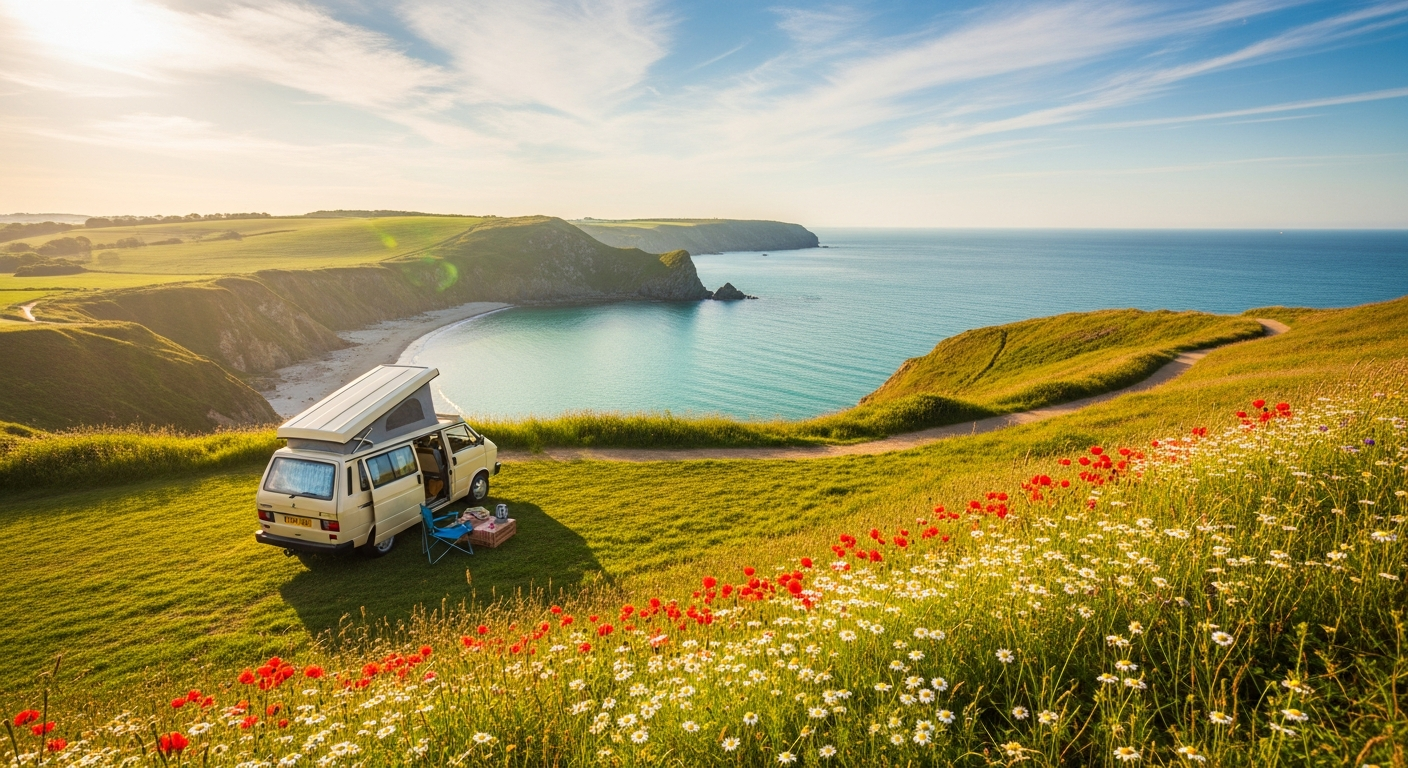
I’ll never forget the morning I woke up in a converted shepherd’s hut on the Pembrokeshire coast, mist rolling off the cliffs as seals barked in the cove below. Cost? £85 a night.
Flight time? Zero hours. Queue at security? Non-existent. That moment—sipping coffee while watching the sun burn through the fog—convinced me that UK staycations aren’t just a budget alternative. They’re often the superior choice.
With flight prices averaging £450+ for European getaways and airport chaos showing no signs of improvement, UK staycations have evolved from “Plan B” to the ultimate summer escape.
But here’s the challenge that keeps hitting my inbox: with so many stunning destinations across England, Scotland, Wales, and Northern Ireland, where do you even start? Whether you’ve got £500 or £5,000 to spend, three days or three weeks to explore, this complete guide cuts through the overwhelm with authentic local experiences that’ll create unforgettable memories without the jet lag.
I’ll show you exactly how to plan the perfect UK summer staycation in 2026, from breathtaking coastal hideaways to mystic countryside escapes, complete with insider tips to avoid tourist traps and maximize every precious moment.
Why 2026 Is the Perfect Year for a UK Staycation

The New Travel Landscape (What’s Changed)
The staycation market has fundamentally shifted since 2020. What started as necessity has become preference for millions. According to VisitBritain data, domestic overnight trips now account for 78% of all UK tourism spending—a trend that’s holding steady into 2026 rather than reverting to pre-pandemic patterns.
Here’s what’s actually different: Infrastructure improvements have transformed previously overlooked regions. The Northumberland Line railway reopened in 2024, cutting journey times from Newcastle to Ashington by 45 minutes and opening up coastal villages that were previously car-dependent. Wales has invested £23 million in coastal path improvements, with new sections linking previously inaccessible beaches.
The “slow travel” movement aligns perfectly with staycation philosophy. Rather than cramming 14 cities into 10 days, travelers are choosing depth over breadth—spending a full week exploring one region properly. This isn’t just about sustainability (though that matters); it’s about actually relaxing on your holiday instead of treating it like a military operation.
Trending Destinations for Summer 2026
Pinterest’s 2026 travel predictions reveal a fascinating shift toward what they’re calling “Mystic Outlands”—destinations that feel otherworldly, slightly eerie, and deeply atmospheric. The Scottish Highlands tick every box, with searches up 340% year-on-year. But the real story is how under-the-radar regions are stealing thunder from traditional hotspots.
Northumberland is experiencing a renaissance. Bamburgh Castle against endless beaches creates that mystic aesthetic everyone’s chasing, but with a fraction of Cornwall’s crowds. Lincolnshire Wolds—yes, Lincolnshire—is gaining traction as the “Cotswolds without the tour buses,” offering rolling hills and medieval villages where you can actually park.
Regenerated seaside towns continue their glow-up. Margate has evolved from faded resort to art-scene darling. Hastings combines medieval history with independent coffee shops that wouldn’t look out of place in Shoreditch. Whitstable remains the blueprint: working fishing port meets foodie destination, where you can buy oysters off the boat for £8 a dozen.
Budget Reality Check: What Your Money Actually Gets You
Let’s talk actual numbers, because “affordable” means different things to different people.
Budget tier (£500-£1,000 total): Wild camping in Scotland (free where legal, £10-15 at official sites), hostel dorms in cities (£25-35/night), self-catering cottages split between friends (£60-90 per person for a long weekend). Meals from local markets and Co-ops (£15-20 daily). This budget works brilliantly for active trips where you’re hiking all day anyway.
Mid-range (£1,000-£2,500): Boutique B&Bs (£95-150/night), unique stays like yurts or treehouses (£110-180), hotel staycations with dinner included. Restaurant meals without constantly checking prices. This is the sweet spot for comfort without extravagance.
Luxury (£2,500+): Country house hotels (£250-400/night), all-inclusive spa weekends, private guides, Michelin-starred dining. You’re paying for exclusivity, service, and experiences you can’t replicate yourself.
Pro tip I wish I’d known earlier: Book luxury properties midweek in shoulder season (late May, early September) and you’ll pay mid-range prices. I stayed at a £320/night Lake District hotel for £165 on a Tuesday in September. Same room, same service, half the cost.
Hidden Coastal Gems: Beach Staycations Beyond the Crowds

Cornwall’s Secret Beaches (Beyond the Tourist Hotspots)
Everyone knows Polzeath and Fistral. But here’s what locals know: the best Cornish beaches require either a 20-minute walk or insider knowledge of tiny car parks.
Porthcurno gets the Instagram attention, but walk 15 minutes south to Pedn Vounder and you’ll have a secluded cove practically to yourself. The catch? It’s a steep scramble down (manageable but not buggy-friendly), and it’s clothing-optional, which doesn’t bother most people but worth knowing.
For families, I’m obsessed with Vault Beach near Gorran Haven. The South West Coast Path drops you onto golden sand with rock pools that keep kids entertained for hours. The car park holds maybe 30 cars, so it naturally limits crowds. Arrive before 10am or after 4pm and you’ll have prime positioning.
Timing is everything in Cornwall. August is genuinely overcrowded—I’ve spent 45 minutes looking for parking in Padstow on a Saturday. But early September? Same sunshine (often better, actually), water’s warmer from heating all summer, and accommodation drops 30-40% in price.
Where to stay: Skip the generic holiday parks. Beach huts at Watergate Bay (book through Wavelength) start at £95/night and sleep four—you’re literally on the sand. For something special, the eco-cabins at St Ives Bay (£140-180/night) have floor-to-ceiling windows overlooking Carbis Bay.
Food experiences: Forget Rick Stein’s queues. The Cornish Eatery in Newquay does better seafood for half the price. Hidden Hut near Portscatho hosts outdoor feast nights (book months ahead—they sell out) where you eat communal tables on the beach for £35 including wine.
The Dramatic Welsh Coast (Pembrokeshire to Gower Peninsula)
Wales delivers Cornwall’s drama without Cornwall’s crowds, and I’ll die on this hill. The Pembrokeshire Coast Path is 186 miles of clifftop walking through wildflower meadows, past hidden coves, and around headlands where seals bask on rocks.
Barafundle Bay consistently ranks among Britain’s best beaches, and deservedly so. The 20-minute walk from Stackpole car park (£4 all day) filters out casual visitors. What you get: pristine golden sand, turquoise water, and dramatic cliffs. Pack everything you need—there are zero facilities, which is exactly why it stays beautiful.
For adventure beyond sunbathing, coasteering was invented in Pembrokeshire. TYF Adventure (£75/person, 3 hours) takes you cliff-jumping, cave-exploring, and swimming through sea channels. It’s exhilarating rather than terrifying—they tailor to your comfort level.
Three Cliffs Bay on Gower Peninsula rivals any beach I’ve seen globally. The tidal island, ruined castle, and sweeping sands create that mystic aesthetic Pinterest predicts for 2026. Visit at low tide (check times—crucial) to walk across to the island. The Gower Heritage Centre car park is closest (£5), then it’s a 15-minute walk.
Accommodation spotlight: Eco-lodges are everywhere, but Bluestone Resort does it properly—built-in wildlife conservation area, lodges sleeping 2-8 from £130/night midweek. For something truly special, St Brides Spa Hotel perches on cliffs above Saundersfoot (£180-280/night with sea views and spa access).
England’s Unexpected Beach Destinations
Northumberland’s beaches are criminally underrated. Bamburgh Castle looms over three miles of sand where you can walk for an hour and see maybe a dozen people. Embleton Bay stretches even further—park at the golf club (£3) and you’ve got endless space. The water’s cold (wetsuit recommended for swimming), but the sense of space is intoxicating.
Norfolk’s north coast offers something different: traditional beach huts, seal colonies, and quirky seaside towns. Holkham Beach featured in Shakespeare in Love for good reason—sand dunes and pine forests create an almost Mediterranean feel. Wells-next-the-Sea maintains working harbor charm with excellent crab sandwiches from French’s Fish Shop (£6.50, worth every penny).
Suffolk’s coast attracts artists and writers for its particular quality of light. Southwold’s colorful beach huts and pier feel like stepping into a nostalgic postcard, while Aldeburgh combines shingle beaches with cultural cachet (the Aldeburgh Festival runs June 6-22, 2026—book accommodation now if interested).
Practical planning: Parking costs vary wildly. Bamburgh charges £4 for all day; some Norfolk beaches are free but fill by 10am in summer. Download the JustPark app for pre-booking. Most beaches are dog-friendly September-May, restricted June-August (check specific rules). Pack windbreakers even in July—coastal weather changes fast.
Countryside Escapes: The Ultimate Rural Retreats

The Cotswolds: Beyond the Instagram Shots
Bourton-on-the-Water is lovely but unbearable in summer—coach tours and crowds destroy the charm. Here’s what locals do: explore the northern Cotswolds instead.
Chipping Campden offers honey-stone architecture without the chaos. Walk the Cotswold Way from Dover’s Hill for panoramic views (3 miles, moderate difficulty), then lunch at Eight Bells pub where Sunday roast costs £16 and portions are generous. The high street has actual independent shops rather than tourist tat.
For authentic experiences, book a foraging walk with Fat Hen (£65/person, 3 hours). You’ll learn to identify wild garlic, elderflower, and edible mushrooms, then cook them. It’s the kind of experience you remember years later.
Hidden villages worth finding: Upper and Lower Slaughter (yes, really) sit on the River Eye with 17th-century mills and zero chain stores. Painswick’s churchyard has 99 yew trees and local legend says the devil prevents the 100th from growing. Snowshill Manor’s gardens cascade down hillsides with views across the Vale of Evesham.
Where to stay: Glamping at Cotswold Farm Park (£95-145/night) gives you safari tents with proper beds and access to rare breed animals—perfect for families. Romantic getaway? The village of Broadway has boutique B&Bs like Russell’s (£150-220/night) with Michelin-level dining.
Multi-generational trips work brilliantly here. Grandparents can potter around gardens while kids burn energy on farm trails. Everyone meets for cream tea at Cotswold Lavender (£8.50, open June-August when fields bloom).
Peak District Adventures for Active Travelers
The Peak District is Britain’s oldest national park and criminally underused by international visitors—which means more trails for you. It’s split into Dark Peak (dramatic, moorland, challenging) and White Peak (gentle, limestone, family-friendly).
Beginner hiking: Dovedale stepping stones to Thorpe Cloud (3 miles, easy) gives you classic Peak District scenery without technical difficulty. Arrive before 9am to avoid crowds at the stepping stones—they’re Instagrammable, so everyone stops.
Intermediate: Mam Tor to Lose Hill ridge walk (5 miles, moderate) delivers 360-degree views for manageable effort. The Great Ridge path runs along the spine of hills with valleys either side—it’s breathtaking in the literal sense.
Advanced: Kinder Scout plateau (8-10 miles, challenging) is where serious hikers go. Navigation skills essential—the plateau is featureless moorland where people get lost even with GPS.
Unique accommodation: Converted barns are everywhere (search Airbnb for “Peak District barn conversion”), but for something memorable, try the treehouse at Sherwood Hideaway (£165/night, sleeps 2). Luxury wild camping at Callow Hall’s shepherd’s huts (£125/night) includes hot tubs and breakfast hampers.
Real pub experiences: The Devonshire Arms at Beeley does Sunday roast the proper way—locally sourced meat, Yorkshire puddings the size of your head, £17.50. The Old Nags Head in Edale sits at the Pennine Way start, serving hikers since 1577 with real ales and hearty food.
Budget option: Wild camping is legal on Access Land in the Peak District if you follow the code—pitch after sunset, leave before sunrise, take everything with you. Popular spots include areas around Kinder Scout, but research thoroughly and respect the land.
Scotland’s Highlands: Mystic Landscapes Worth the Journey
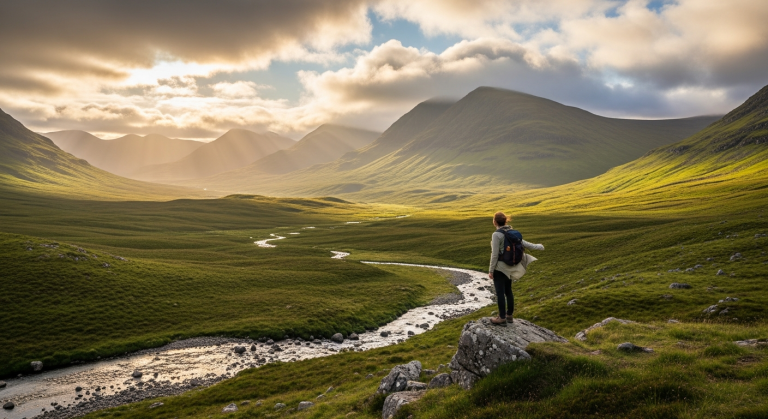
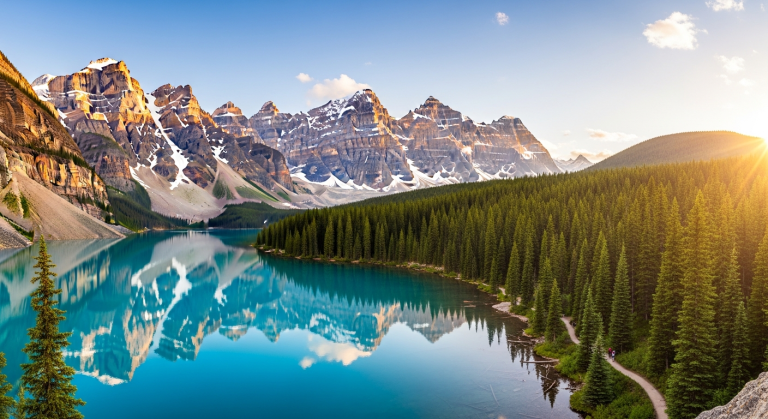
Scotland’s Highlands deliver the mystic aesthetic everyone’s searching for—moody skies, ancient landscapes, and a genuine sense of remoteness. But Loch Ness is overrun. Here’s where to go instead.
Loch Maree offers similar drama with fraction of tourists. The drive from Inverness takes 90 minutes through Glen Docherty with viewpoints that’ll have you stopping every mile. Beinn Eighe towers above the loch, and Isle Maree holds ancient burial grounds and Celtic history.
Wildlife watching exceeds expectations if you know where to look. Red deer are everywhere—drive the A87 at dawn and you’ll see dozens. Golden eagles soar above Torridon (join a guided walk with North West Highlands Geopark for best chances—£40/person). Chanonry Point near Inverness is Britain’s best mainland spot for dolphins—visit on a rising tide for 80% success rate.
Bothies (basic mountain shelters) are free to use and scattered across the Highlands. They’re rustic—no electricity, bring sleeping bag and supplies—but the experience of waking in the mountains is priceless. Download the Mountain Bothies Association app for locations and etiquette. Popular ones like Shenavall fill quickly; lesser-known options offer more solitude.
NC500 alternatives: The North Coast 500 route is now so popular it defeats its own purpose. Drive the Applecross Peninsula instead—single-track roads, Bealach na Bà pass with hairpin bends, and the Applecross Inn serving langoustines caught that morning (£18.50, book ahead).
Budget accommodation: Campsites charge £10-15/night. The Wee Camp Site near Loch Ness has basic facilities but stunning views (£12/night). Wild camping is legal in Scotland under access rights—pitch responsibly, leave no trace.
Practical Planning: Maximize Every Moment (& Pound)

When to Book for the Best Value
Early booking (6+ months ahead) locks in lower prices for popular properties—Lake District cottages and Cornish beach houses disappear by February for July/August. But last-minute deals exist if you’re flexible. I’ve found 40% discounts on country hotels booking 2-3 days ahead when they’re trying to fill rooms.
Shoulder season is your friend: Late May (before school holidays) and early September (after kids return) offer the best weather-to-crowd ratio. Temperatures in September often match July, the sea’s warmer, and prices drop 30-40% overnight when school starts.
Midweek vs. weekend: Friday-Sunday bookings cost 50-80% more than Sunday-Thursday. If you can swing it, take a Wednesday-Friday break instead—you’ll save hundreds and have attractions to yourself.
School holiday avoidance transforms popular destinations. The Cotswolds in term-time are peaceful. Cornwall outside July/August is manageable. Check England’s school holiday dates (different from Scotland and Wales) if planning around them.
Transportation Strategies That Save Time & Money
Rail travel: Advance train tickets cost 70% less than same-day purchases. Book 12 weeks ahead when cheap fares release. The Two Together Railcard (£30/year) gives couples 1/3 off all tickets—it pays for itself in one London-Edinburgh return. Rangers and Rovers passes offer unlimited travel in regions (Highland Rover: £91 for 4 days of unlimited travel across the Highlands).
Road trips: Fuel costs approximately £45-65 to drive from London to Cornwall (650 miles round trip) in a standard car. Download Waze for real-time traffic and cheaper fuel stations. JustPark and RingGo apps handle parking payment—essential in cities with limited meter parking.
Sustainable options: Electric car charging infrastructure has improved dramatically. Most National Trust properties and many hotels now have chargers (often free for guests). Zap-Map app shows all charging points nationwide.
Getting around without a car works in some destinations but not others. Cities like Edinburgh, Bath, and York have excellent public transport. Rural areas like the Highlands or Peak District are genuinely difficult without wheels—consider car hire for those portions.
Avoiding Common Staycation Mistakes
Overscheduling kills the vacation vibe. I learned this the hard way in the Cotswolds, trying to hit eight villages in two days. We spent more time in the car than exploring. Better approach: choose one base, explore thoroughly, leave time for spontaneous discoveries.
Ignoring local events creates frustration. I once booked Hay-on-Wye during the literary festival without realizing—couldn’t get a restaurant table anywhere. Check VisitBritain’s events calendar before booking. Conversely, plan around events you want to attend: Edinburgh Fringe (August), Aldeburgh Festival (June), Hay Festival (May).
Restaurant reservations are essential for popular spots, especially in small towns with limited options. The Sportsman in Seasalter (Michelin-starred pub) books 8-10 weeks ahead for weekends. Beach cafes and casual spots usually don’t need booking, but anything with awards or press coverage absolutely does.
Travel insurance for domestic trips sounds excessive but covers cancellations, lost belongings, and medical emergencies. If you’re spending £2,000+ on accommodation, the £35 insurance policy makes sense. Check if your bank account includes travel insurance—many premium accounts do.
Money-Saving Hacks That Actually Work
Tesco Clubcard points convert to 3x value for days out—£10 of points becomes £30 toward National Trust membership, Merlin attractions, or restaurant vouchers. If you’re shopping at Tesco anyway, this is free money.
National Trust and English Heritage memberships pay for themselves in 3-4 visits. NT family membership (£129/year) covers two adults and all children, with free parking at properties—that parking alone saves £4-8 per visit.
Eat lunch as your main meal. Many restaurants offer lunch menus at 40% less than dinner prices. The same chef, same kitchen, same quality—just earlier. We had a three-course lunch at a Cotswolds gastropub for £22.50 that would’ve cost £45 at dinner.
Shop at farm shops and local markets rather than tourist cafes. A picnic from Ludlow Market costs £15 and feeds two generously. The same food from a castle tearoom would be £30+. Plus you’re supporting local producers.
Tuesday-Wednesday accommodation deals exist at chain hotels trying to fill midweek rooms. Premier Inn and Travelodge regularly offer £35/night rates midweek in places that cost £95 on Friday.
Frequently Asked Questions
Is a UK staycation actually cheaper than going abroad?
It depends entirely on your travel style and destination. Budget flights to Spain can be £40, making some European trips cheaper than UK equivalents. But factor in airport transfers (£30+ each way), accommodation in tourist areas, and eating out, and costs escalate. UK staycations eliminate flight costs and allow self-catering, which saves significantly. For families of four, UK staycations typically cost 30-50% less than equivalent foreign holidays.
What if the weather is terrible?
British weather is unpredictable—accept this upfront and plan accordingly. Every destination needs a rainy-day backup: museums, indoor attractions, spa days, or simply a cozy pub. I’ve had brilliant UK holidays in mixed weather because I wasn’t fixated on sunshine. Pack layers and waterproofs, and you’ll be fine. September statistically has better weather than July in many regions.
**Can you have a beach holiday in the UK?