
The Ultimate Nachi Taisha Shrine Guide

# Your Complete Guide to Visiting Nachi Taisha: Japan’s Most Stunning Waterfall Shrine
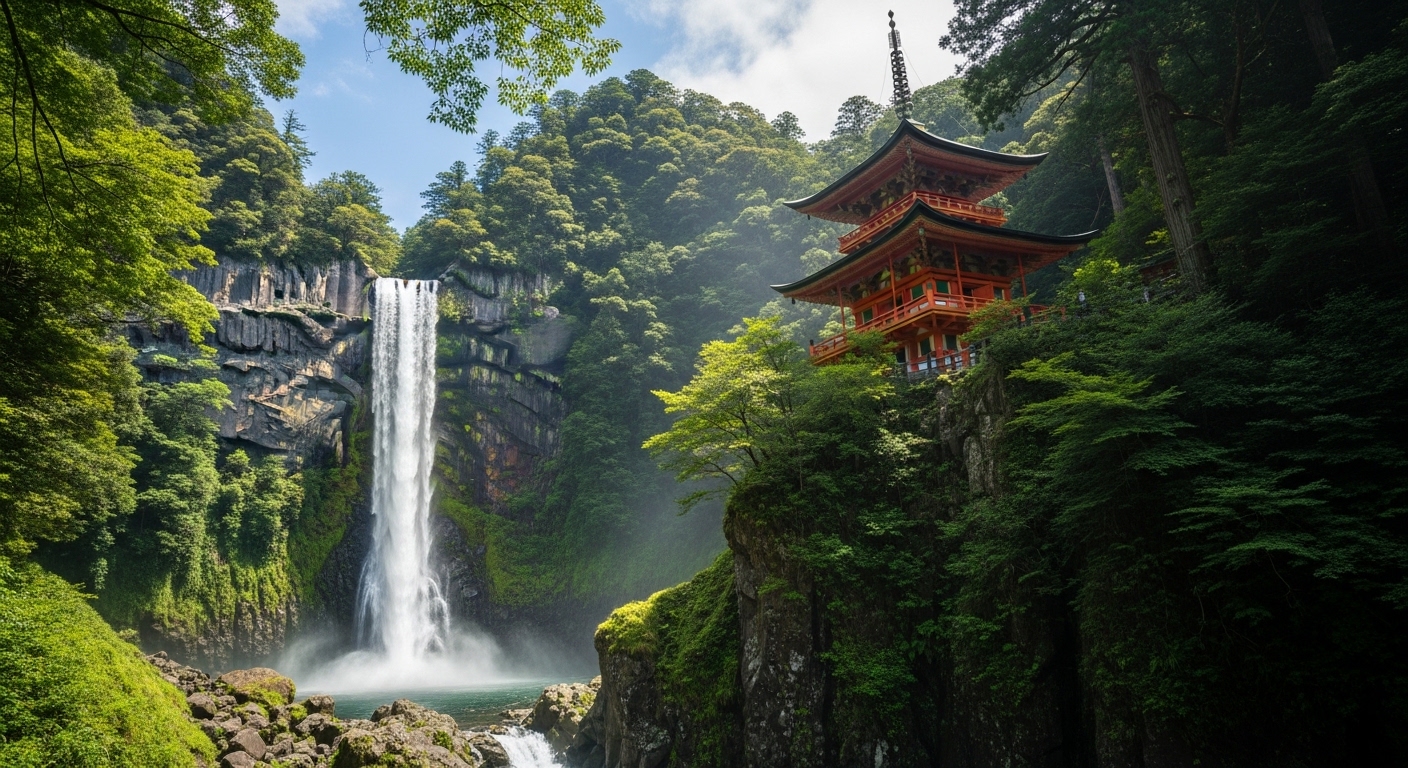
Picture this: a vibrant vermillion pagoda framing Japan’s tallest waterfall, ancient cedar trees lining moss-covered stone steps, and the spiritual energy of a 1,400-year-old pilgrimage site washing over you. That’s Nachi Taisha, and it’s about to become your favorite destination in Japan.
I’m going to walk you through everything you need to know to make your visit absolutely perfect. No confusing details, no overwhelming information—just practical, proven advice that works. Whether you’re planning your first trip to Japan or you’re a seasoned traveler looking for something truly special, Nachi Taisha delivers an experience you won’t find anywhere else.
Let’s get started with what makes this place so incredibly unique.
What Makes Nachi Taisha Shrine So Special?
A Sacred Site with Ancient Roots
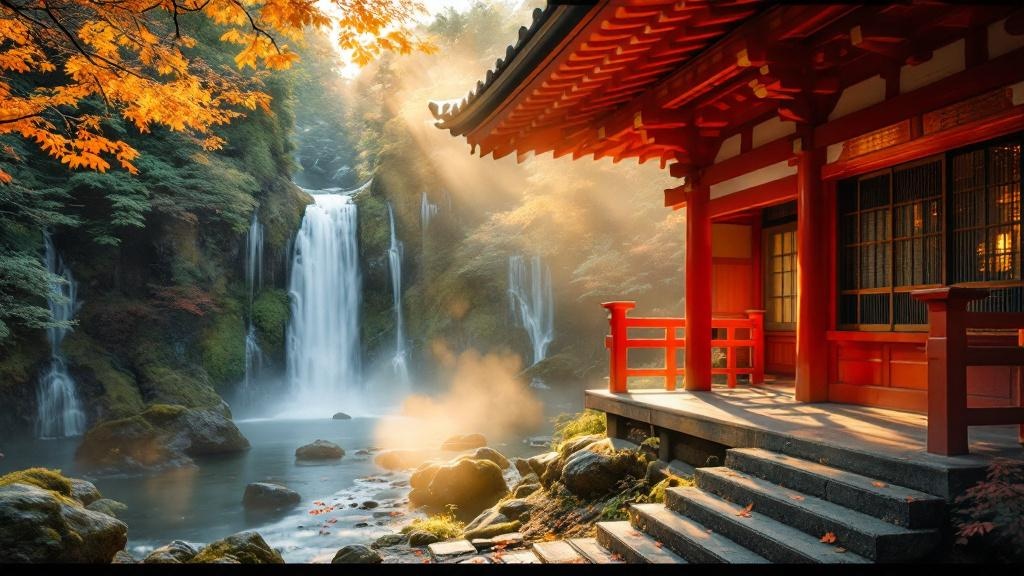
Nachi Taisha isn’t just another pretty shrine—it’s been a cornerstone of Japanese spirituality for over 1,400 years. This shrine stands as one of the three Kumano Sanzan (the grand shrines of Kumano), earning its UNESCO World Heritage status through centuries of religious significance.
What sets Nachi Taisha apart is its remarkable blend of Shinto and Buddhist traditions existing harmoniously in one location. For most of Japanese history, these two religions weren’t separated here. The shrine and the adjacent Seigantoji Temple functioned as one unified spiritual center, creating a unique religious atmosphere you can still feel today.
The shrine venerates Nachi Falls itself as a deity—a powerful reminder of nature worship’s central role in Shinto belief. This isn’t just about admiring a beautiful waterfall; you’re witnessing a living spiritual tradition where water serves as a direct connection to the divine.
The Iconic Waterfall View You’ve Seen Everywhere
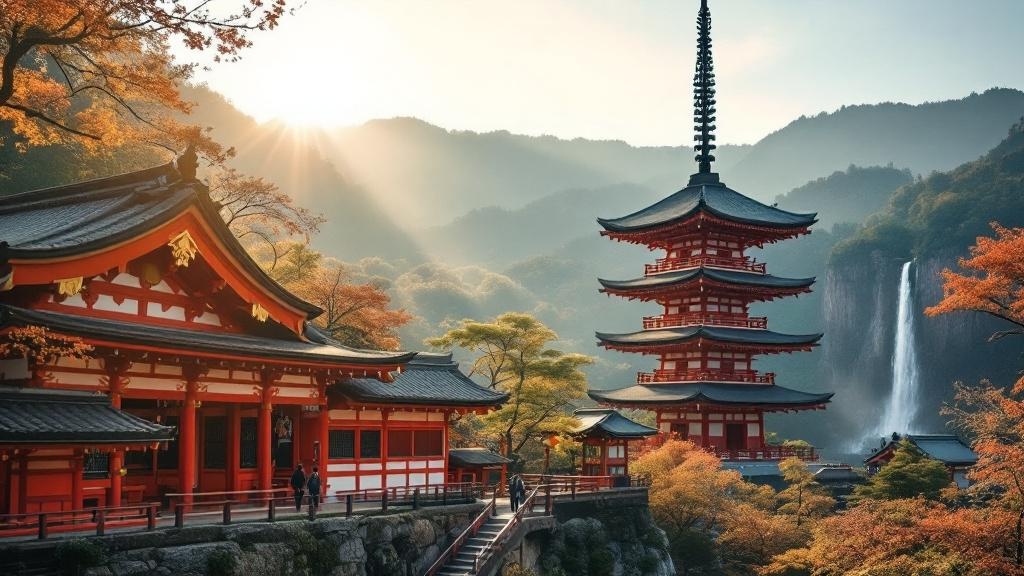
You’ve definitely seen the photo: a striking three-story pagoda perfectly framed against Nachi Falls, Japan’s tallest single-drop waterfall. At 133 meters (that’s 436 feet!), the waterfall thunders down the mountainside with breathtaking power, creating one of Japan’s most photographed landscapes.
This isn’t just Instagram hype—this view genuinely deserves its fame. The composition of the bright orange pagoda against the white cascade of water, surrounded by lush green mountains, creates a scene that captures everything beautiful about Japan in one frame. The pagoda belongs to Seigantoji Temple, and finding the perfect angle to photograph both structures together becomes a rewarding treasure hunt during your visit.
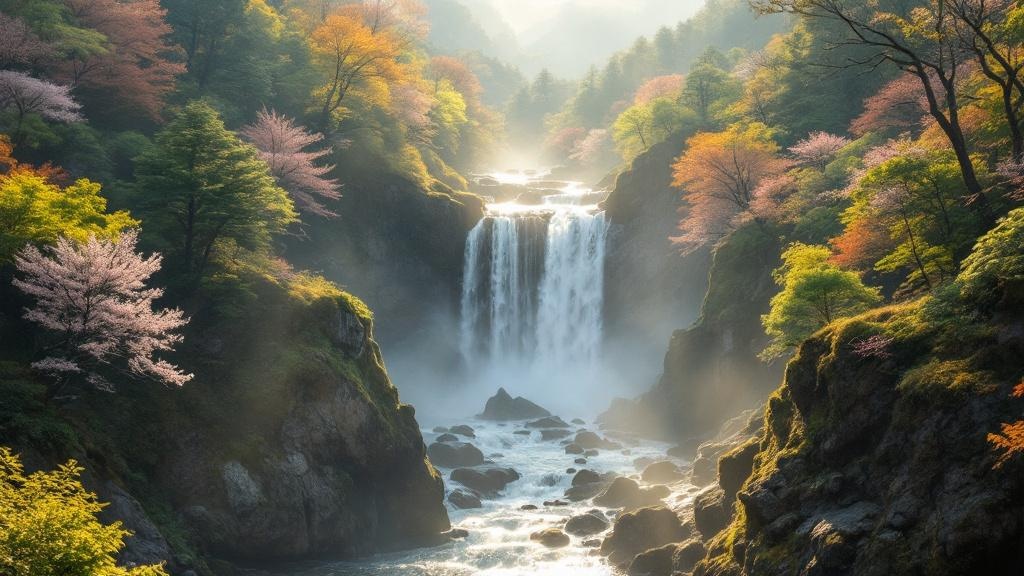
The waterfall’s appearance changes dramatically with the seasons. Spring brings cherry blossoms that soften the scene, summer delivers maximum water flow and vibrant greenery, autumn paints the mountains in fiery colors, and winter offers a peaceful, misty atmosphere with fewer crowds.
A Living Spiritual Experience
Here’s what makes Nachi Taisha truly special: it’s still an active pilgrimage site on the famous Kumano Kodo trail. This isn’t a museum or a preserved historical site—real pilgrims still make the journey here, just as they have for over a millennium.
The Kumano Kodo pilgrimage routes have connected people to these sacred mountains for centuries. Walking even a small portion of these ancient paths gives you a tangible connection to countless travelers who’ve made this journey before you. The stone steps you’ll climb have been worn smooth by generations of pilgrims seeking spiritual renewal.
Despite welcoming tourists, Nachi Taisha maintains its sacred atmosphere remarkably well. Early morning visits reveal monks performing rituals, locals offering prayers, and the sound of water creating a meditative backdrop. The shrine complex respects its dual role as both a tourist destination and a living spiritual center, and you’ll feel that balance throughout your visit.
Essential Planning Tips for Your Visit
Best Time to Visit Nachi Taisha
Timing your visit makes a huge difference in your experience. Spring (March through April) brings cherry blossoms that transform the shrine grounds into a pink wonderland. The contrast between delicate blossoms and the powerful waterfall creates stunning photo opportunities, though you’ll share the space with more visitors.
Summer delivers the waterfall at its most impressive. Heavy rainfall increases the water flow dramatically, making Nachi Falls roar with power. The surrounding mountains burst with deep green foliage, and the temperature stays comfortable thanks to the elevation. Just be aware that June through July marks Japan’s rainy season, so pack accordingly.
Autumn (particularly November) offers my favorite visiting conditions. The fall foliage season paints the mountainside in brilliant reds, oranges, and yellows. The weather stays mild, the waterfall maintains good flow, and the lighting conditions for photography are absolutely perfect. Book accommodations early—this is peak season for good reason.
Winter brings peaceful solitude. Fewer tourists mean you can experience the shrine’s spiritual atmosphere without crowds. The waterfall sometimes develops ice formations around its edges, and occasional light snow creates a magical scene. Just dress warmly and check weather forecasts, as mountain conditions can change quickly.
How to Get There (Made Simple)
Getting to Nachi Taisha is easier than you might think. From Osaka or Kyoto, take the JR Limited Express train to Kii-Katsuura Station. The journey takes about 3.5 to 4 hours from Osaka and slightly longer from Kyoto. Your Japan Rail Pass covers this route, making it an economical choice.
From Kii-Katsuura Station, catch a local bus directly to Nachi Taisha. Buses run regularly throughout the day, and the ride takes about 30 minutes. The bus fare costs around 600-800 yen one way. Buy your tickets from the machine at the bus stop—most accept cash and IC cards.
If you’re driving, parking is available near the shrine complex. The mountain roads are well-maintained but winding, so allow extra time. Parking fees are reasonable (typically 500 yen), and arriving by car gives you flexibility to explore the surrounding area at your own pace.
Budget roughly 8,000-12,000 yen per person for round-trip transportation from Osaka or Kyoto, including train and bus fares. Add extra if you’re not using a JR Pass or if you plan to take taxis for convenience.
What to Budget for Your Trip
Good news: the main shrine grounds are free to enter. You can walk through the complex, admire the architecture, and soak in the atmosphere without spending a yen on admission.
Seigantoji Temple charges a small entrance fee of 300 yen, which grants you access to the temple grounds and that famous pagoda viewpoint. Absolutely worth it—this is where you’ll get your best photos.
The waterfall viewing platform costs another 300 yen. This platform brings you remarkably close to Nachi Falls, close enough to feel the mist on your face. You can also drink the sacred waterfall water here, which locals believe brings good fortune and health.
Plan to spend 3,000-5,000 yen on food for the day, depending on where you eat. Local restaurants near the shrine offer set meals ranging from simple noodles to elaborate traditional cuisine. Budget an additional 2,000-3,000 yen for souvenirs if you want to bring home omamori (protective charms), local crafts, or regional food specialties.
The Ultimate Walking Route to the Shrine
The Daimonzaka Slope: Your Scenic Approach
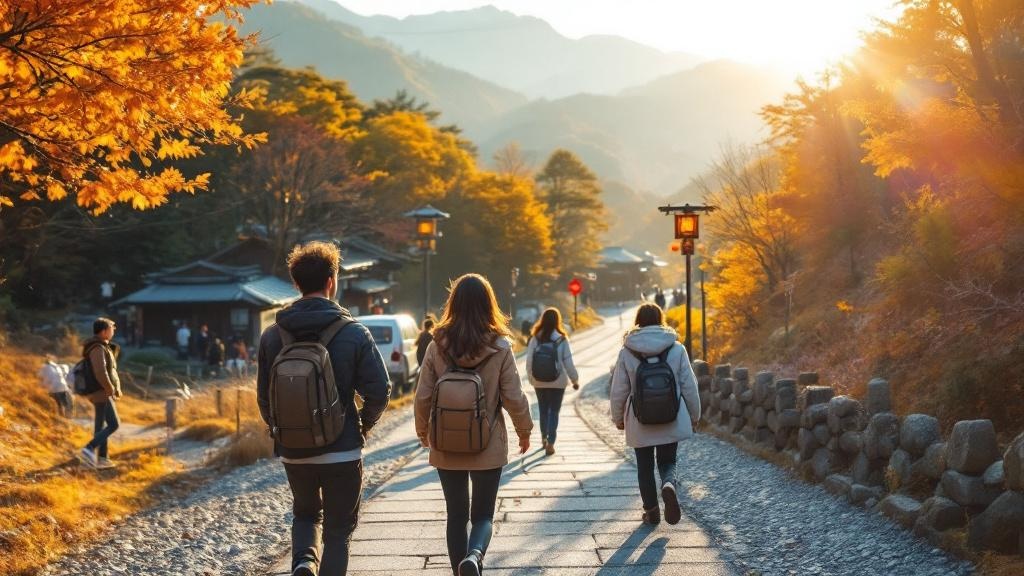
Here’s an insider tip that transforms your visit: skip the direct route to the shrine and take the ancient Daimonzaka approach instead. This historic stone path has welcomed pilgrims for centuries, and walking it connects you to the spiritual journey in a way that driving straight to the parking lot simply cannot match.
The Daimonzaka slope features over 600 stone steps winding through a magnificent cedar forest. These aren’t brutal, steep stairs—they’re thoughtfully spaced, allowing you to maintain a comfortable pace while absorbing the forest atmosphere. Moss covers the stones, ancient trees tower overhead, and the modern world fades away with each step.
The walk takes about 30-40 minutes at a leisurely pace, with plenty of photo opportunities along the way. You’ll pass the famous 850-year-old “husband and wife” cedar trees (Meoto-sugi), whose roots intertwine beneath the path. Local legend says these trees bring good fortune to couples who visit them together.
This approach isn’t just about the destination—the journey itself becomes a meditation. The filtered sunlight through the cedar canopy, the sound of your footsteps on ancient stones, and the gradual anticipation building as you climb all contribute to the experience. Trust me, this beats arriving by car every single time.
Starting Point at Daimonzaka-chaya
Begin your journey at Daimonzaka-chaya, a charming rest stop at the base of the slope. This traditional building offers refreshments, clean restrooms, and a unique opportunity: renting Heian period costumes for your climb.
For a reasonable fee (usually around 2,000-3,000 yen), you can dress in authentic historical clothing and walk the pilgrimage path as travelers did centuries ago. The flowing robes and traditional accessories create incredible photos, and the experience adds a playful, memorable element to your visit. Many visitors rent costumes specifically for this purpose, so you won’t feel out of place.
Even if you skip the costume rental, stop here to use the facilities and grab a drink. The staff are friendly and can provide basic information about the trail ahead. It’s your last chance for modern conveniences before the climb, so take advantage.
The area around Daimonzaka-chaya also offers good parking if you’re driving. You can leave your car here and walk up, then take the bus back down to retrieve it later. This strategy gives you the best of both worlds—driving convenience plus the authentic walking experience.
Making the Climb Comfortable
Let’s talk honestly about fitness requirements. If you can climb a few flights of stairs without major difficulty, you can handle Daimonzaka. The slope is steady but not punishing, and the stone steps are well-maintained and safe.
Wear proper walking shoes with good grip—those stone steps can be slippery when wet. Skip the fancy dress shoes or uncomfortable sandals. Comfortable sneakers or hiking shoes work perfectly. In rainy conditions, the moss-covered stones become quite slick, so watch your footing and use the handrails where provided.
Dress in layers. The forest canopy keeps the path cooler than you’d expect, but the climb will warm you up. A light jacket you can tie around your waist gives you flexibility. In summer, the shade provides welcome relief from the heat. In winter, the protected path stays relatively comfortable, though you’ll want warm layers for the exposed shrine complex at the top.
Several rest spots line the route. Stone benches appear at regular intervals, giving you chances to catch your breath, snap photos, and simply enjoy the forest. Don’t rush—this isn’t a race. The entire point is to arrive at the shrine in a contemplative, peaceful state of mind. Take your time, breathe the cedar-scented air, and enjoy the journey.
What to See at Nachi Taisha (Don’t Miss These!)
The Main Shrine Complex
The vibrant vermillion buildings of Nachi Taisha create an immediate visual impact against the green mountainside. The main shrine structure features classic Shinto architecture with its distinctive curved roof and bright orange-red color that symbolizes protection against evil spirits.
Before approaching the main building, stop at the purification fountain (temizuya). Here’s the simple ritual: pick up a ladle with your right hand, pour water over your left hand, switch hands and pour water over your right, then cup your left hand to rinse your mouth (don’t drink directly from the ladle). Pour the remaining water over the ladle handle to cleanse it for the next person.
At the main shrine, follow the local pattern: bow twice, clap twice, pray silently, then bow once more. Don’t stress about perfect form—your respectful intention matters more than flawless execution. The shrine venerates the waterfall itself as a deity, making water a central theme throughout the complex.
The shrine shop sells beautiful omamori (protective charms) in various designs. Each charm serves a different purpose—safety, health, academic success, or love. They make meaningful souvenirs and support the shrine’s ongoing maintenance. Ema (wooden prayer plaques) let you write your wishes and hang them with thousands of others, creating a visual testament to human hopes and dreams.
Seigantoji Temple and the Famous Pagoda
Adjacent to the shrine stands Seigantoji Temple, the Buddhist counterpart in this unique religious partnership. The temple’s three-story pagoda, painted in brilliant orange, serves as the iconic foreground for waterfall photographs you’ve seen everywhere.
Pay the 300-yen admission to enter the temple grounds—this is where you’ll capture that perfect shot. The viewing area in front of the pagoda offers the classic composition: pagoda in the foreground, Nachi Falls in the background, mountains framing everything. Come early morning or late afternoon for the best lighting and fewer people in your frame.
The pagoda itself is a masterpiece of Buddhist architecture, built in the traditional style with upturned eaves and intricate wooden details. Each of its three stories represents different levels of Buddhist enlightenment. The structure has been rebuilt several times over the centuries, with the current version dating to the 1970s, but it faithfully recreates the historical design.
Understanding the Shinto-Buddhist connection here enriches your visit. For most of Japanese history, these two religions weren’t separated. Nachi Taisha and Seigantoji functioned as one institution, with priests serving both traditions. The Meiji government forced their separation in the late 1800s, but their physical proximity and shared history remain evident. This blending of traditions reflects the flexible, inclusive nature of Japanese spirituality.
The Waterfall Viewing Platform
For 300 yen, you can access the viewing platform that brings you remarkably close to Nachi Falls. This is money well spent—the platform extends out over the gorge, putting you almost within touching distance of the falling water.
The platform offers a completely different perspective than viewing from the pagoda area. Here, you experience the waterfall’s raw power. The constant roar, the cool mist on your face, and the sight of 133 meters of water crashing down create a visceral, memorable moment. Bring a light jacket or raincoat if you want to stay dry, though most visitors embrace getting a bit damp from the spray.
At the platform’s base, you’ll find a small shrine and a fountain where you can drink the sacred waterfall water. Fill the provided cups and take a sip—locals believe this water brings good health and fortune. The water is cold, clean, and refreshing, especially after your climb.
For photography, the platform provides unique angles impossible to capture elsewhere. Shoot upward to emphasize the waterfall’s height, or focus on the water’s texture and movement. The mist creates interesting lighting effects, and rainbow formations often appear in the spray on sunny days. This spot works beautifully for both photos and videos that capture the waterfall’s sound and motion.
The Meoto-sugi Cedar Trees
Don’t miss the Meoto-sugi (husband and wife cedar trees) along the Daimonzaka approach. These 850-year-old giants stand on either side of the path, their massive trunks bearing witness to centuries of pilgrims passing between them.
The trees earned their romantic name from their intertwined root system beneath the path. Though they appear as two separate trees above ground, their roots connect underground—a living metaphor for marriage and partnership. Couples visit these trees seeking blessings for their relationships, and many wedding photos feature the cedars as a backdrop.
The sheer age and size of these trees command respect. Stand at their base and look up—the trunks soar upward, their canopy spreading wide above the path. The bark shows the weathering of nearly nine centuries, with deep grooves and patches of moss adding character.
Throughout the approach and shrine complex, you’ll notice many other ancient trees marked with sacred ropes (shimenawa). These ropes designate the trees as sacred objects worthy of reverence. In Shinto belief, ancient trees house kami (spirits or deities), making them living shrines themselves. Take a moment to appreciate these natural monuments—they’ve witnessed history that spans longer than most human structures.
Amazing Experiences Beyond the Main Shrine
Walking Part of the Kumano Kodo Pilgrimage Trail
Nachi Taisha sits on the Kumano Kodo, a network of ancient pilgrimage trails designated as a UNESCO World Heritage site. You’ve already walked part of it if you took the Daimonzaka approach—congratulations, you’re officially a Kumano pilgrim!
For those wanting more, several trail sections near Nachi Taisha offer excellent day-hike options. The Daimonzaka to Ogumotori-goe section takes about 2-3 hours and provides stunning mountain and ocean views. The trail is well-marked with red and white trail markers, making navigation straightforward even for first-time hikers.
The Kumano Kodo isn’t a difficult mountain trek—it’s designed as a spiritual journey, not an athletic challenge. The paths feature stone steps, gentle grades, and regular rest spots. You’ll walk through cedar forests, past small shrines, and through rural villages that have supported pilgrims for centuries.
If you’re interested in multi-day hiking, the Kumano Kodo offers several longer routes connecting the three grand shrines. Numerous guesthouses and ryokan along the trail provide accommodation, and luggage transfer services let you hike with just a daypack. Even walking a small section connects you to this remarkable pilgrimage tradition and gives you bragging rights about hiking a UNESCO World Heritage trail.
Exploring Nachi-Katsuura Town
After your shrine visit, head down to Nachi-Katsuura town for fresh seafood and coastal relaxation. This fishing town is famous throughout Japan for its tuna—the local fish market rivals Tsukiji for quality and freshness.
The morning tuna auction at Katsuura Fish Market starts early (around 7 AM), and visitors can watch the action from an observation deck. Even if you miss the auction, the market’s restaurants serve incredibly fresh sushi and sashimi for lunch. Order the maguro-don (tuna rice bowl)—you won’t find fresher tuna anywhere.
Nachi-Katsuura also offers several excellent hot spring facilities (onsen). After climbing all those stone steps, soaking in mineral-rich hot water feels absolutely heavenly. Many onsen facilities offer ocean views, letting you relax while watching the Pacific waves. Day-use admission typically costs 500-1,000 yen, making it an affordable luxury.
Local restaurants serve Wakayama specialties beyond seafood. Try mehari-zushi, oversized rice balls wrapped in pickled mustard greens—a traditional food that pilgrims carried for sustenance. The region also produces excellent umeboshi (pickled plums) and ume products, making great souvenirs that won’t break your luggage weight limit.
Nearby Attractions Worth Your Time
If you’re making a proper pilgrimage, the other two Kumano Sanzan shrines—Kumano Hongu Taisha and Kumano Hayatama Taisha—are within reach. Visiting all three completes the traditional Kumano pilgrimage and gives you a deeper appreciation for the region’s spiritual significance. Each shrine has its own character and setting, making them individually worthwhile destinations.
The coastline around Nachi-Katsuura features dramatic cliffs, hidden beaches, and scenic viewpoints. Rent a car to explore at your own pace, or take local buses to popular spots. The contrast between the mountain shrine and the rugged coast showcases the natural diversity that makes Wakayama Prefecture special.
Check the local calendar for festivals and seasonal events. The Nachi Fire Festival (Nachi no Hi Matsuri) in July features priests carrying massive flaming torches—it’s spectacular and deeply rooted in local tradition. Seasonal celebrations often include special shrine decorations, traditional performances, and festival foods.
Day trip possibilities extend to Koyasan (Mount Koya), another UNESCO World Heritage site about two hours north. This mountain temple complex offers a completely different spiritual experience, and combining both destinations creates a rich exploration of Japanese Buddhism and Shinto.
Your Nachi Taisha Adventure Awaits
You now have everything you need to make your Nachi Taisha visit absolutely unforgettable. This isn’t just another tourist stop—it’s a chance to experience living Japanese spirituality in one of the country’s most stunning natural settings.
Start with the Daimonzaka approach to fully appreciate the pilgrimage experience. Those ancient stone steps and towering cedars set the perfect tone for what awaits at the top. Give yourself at least 3-4 hours to explore the shrine complex, temple, and waterfall platform properly. Rushing through this place misses the entire point.
Visit early morning or late afternoon for the best combination of lighting and crowd control. The golden hours deliver magical photography conditions, and you’ll share the space with fewer tour groups. Early morning visits often reveal mist rising from the waterfall, creating an ethereal atmosphere that’s worth setting your alarm for.
Wear comfortable walking shoes—those stone steps are no joke, but they’re completely manageable with proper footwear. Bring layers for changing weather, and don’t forget your camera. This is one destination where you’ll actually want to take hundreds of photos, and every angle offers something special.
Most importantly, respect the sacred nature of this site while enjoying its beauty. Nachi Taisha isn’t a theme park—it’s an active spiritual center where people come to pray, reflect, and connect with something larger than themselves. Your mindful presence honors the shrine’s 1,400-year history and the countless pilgrims who’ve walked these paths before you.
Ready to experience one of Japan’s most breathtaking destinations? Nachi Taisha is waiting, and I promise it exceeds even the highest expectations. The combination of natural beauty, spiritual atmosphere, and historical significance creates something truly special. This is the kind of place that changes how you see Japan—and maybe how you see yourself.
Start planning your visit today. Your perfect Nachi Taisha adventure is just a few train rides away.