
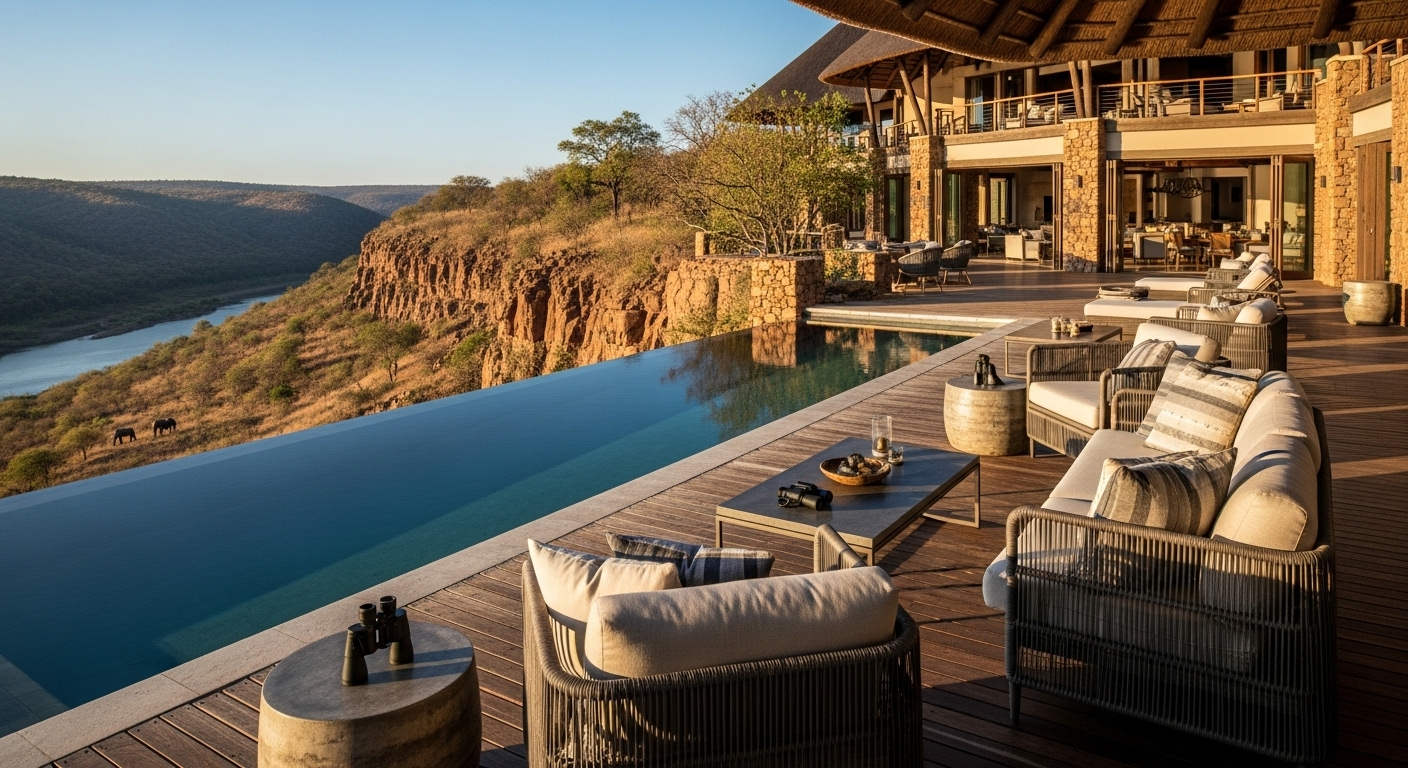
The Ultimate Guide to the Best Luxury Safari Lodges in South Africa

Your Dream Safari Awaits (And It’s Closer Than You Think) The leopard appeared so silently that I didn’t notice her until my guide, Vusi, gently touched my arm.
She was maybe five meters away, her spotted coat catching the golden light of late afternoon as she surveyed us with those impossibly green eyes.
I was sitting on the deck of my suite at Londolozi, champagne forgotten in my hand, watching one of the world’s most elusive predators pause at the riverbank below.
This wasn’t a distant sighting through binoculars—this was the kind of intimate wildlife encounter that South Africa’s luxury safari lodges deliver daily.
Here’s what most travelers don’t realize: you don’t need to fly 15 hours to Kenya or endure malaria prophylaxis to experience world-class safari luxury. South Africa offers the ultimate Big Five experience just a 90-minute drive from Johannesburg’s international airport.
Your limited vacation time? Maximized. Your budget concerns? Addressed with all-inclusive pricing that actually means all-inclusive—premium wines, gourmet meals, twice-daily game drives, and no surprise bills at checkout.
But here’s the overwhelming part: South Africa has hundreds of luxury lodges, and the differences between them aren’t just marketing fluff. Choosing between Sabi Sands and Thornybush, or between contemporary design and classic safari tents, directly impacts your experience.
Book the wrong lodge for your priorities, and you’ll spend your precious vacation wondering what you missed. This complete guide cuts through the noise.
You’ll discover the most breathtaking luxury lodges across South Africa’s premier reserves, learn the insider secrets for booking better rates, understand exactly what makes each lodge unique, and get the authentic local experiences that transform a good safari into an unforgettable one. Whether you’re planning your first safari or your fifth, whether you’re celebrating a honeymoon or a milestone birthday, I’ll show you exactly where to go and why.
Why South Africa Is the Ultimate Luxury Safari Destination
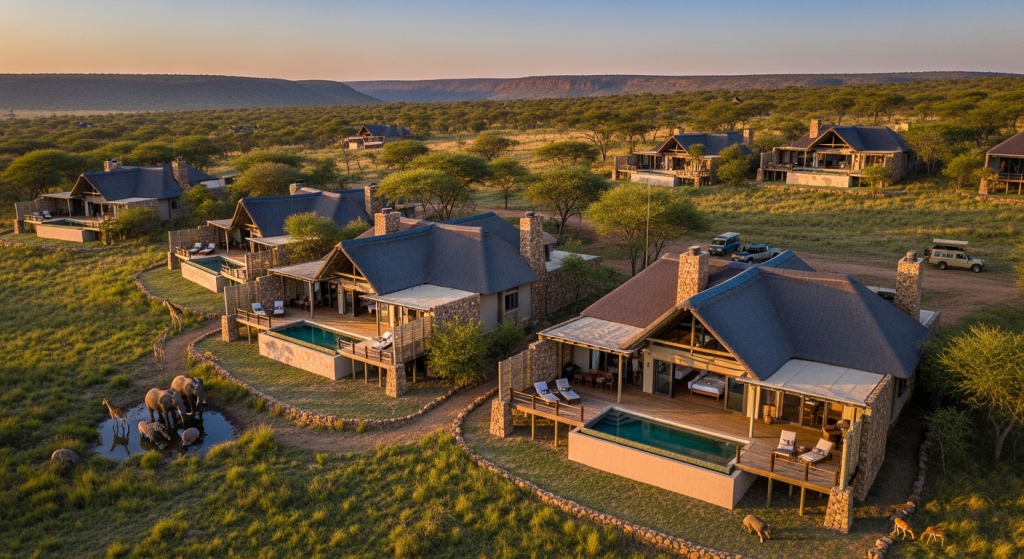
The Big Five Without the Big Journey I’ve done safaris in Kenya, Tanzania, and Botswana.
They’re magnificent—but they also require 20+ hours of travel, multiple connections, and serious jet lag. South Africa changes the equation entirely. Direct flights from London, New York, and most European hubs land in Johannesburg, and within 90 minutes, you can be watching elephants from your private deck.
This accessibility isn’t just convenient—it’s transformative for limited vacation time. Instead of losing two full days to travel, you’re on your first game drive the evening you arrive.
The math is simple: on a seven-day trip, those saved travel days mean 30% more time actually experiencing wildlife. Better yet, several premier reserves are completely malaria-free, including Madikwe, Nambiti, and parts of the Eastern Cape. This eliminates the prophylaxis medications that can cause side effects and the worry about traveling with young children.
Year-round safari opportunities mean you’re never in the “wrong” season—winter (May-September) offers better game viewing as vegetation thins out, while summer (October-April) brings dramatic storms and newborn animals.
Unbeatable Value for Luxury Experiences
Here’s the truth about safari pricing that most articles won’t tell you: South Africa’s luxury lodges offer significantly better value than comparable properties in East Africa. A top-tier Sabi Sands lodge runs $1,500-$2,500 per person per night all-inclusive.
The equivalent in Kenya’s Maasai Mara? Easily $3,000-$4,000. That “all-inclusive” pricing actually means something here. At Royal Malewane (around $2,200 per person per night), I watched guests order vintage champagne, rare South African wines, and premium spirits without hesitation—everything’s included. Meals feature line-caught fish and grass-fed beef. Game drives run twice daily with expert guides and trackers.
Bush walks, sundowners, and spa treatments are all part of the package. The favorable exchange rate amplifies this value. At roughly 18 South African Rand to the dollar (rates fluctuate, but the Rand typically offers good value), your money stretches further. A $600-per-night lodge might feel like $900 worth of luxury compared to similarly priced properties elsewhere.
Beyond the Big Five: Authentic Cultural Experiences
What separates South Africa’s lodges from pure wildlife viewing machines is their integration of local culture and conservation. At Singita, the conservation levy you pay (included in rates) directly funds anti-poaching units and community development projects. You can visit these projects—I spent a morning at a community school supported by Londolozi, learning how safari tourism creates sustainable employment for local Shangaan communities.
The wine programs alone justify the trip. South Africa produces world-class wines, and lodges like Singita Ebony maintain cellars with 25,000+ bottles. Dinner pairings feature vintages you’d struggle to find elsewhere, explained by sommeliers who genuinely love sharing their knowledge.
The cuisine goes far beyond standard safari fare. Chefs incorporate indigenous ingredients—expect dishes featuring impala carpaccio, biltong-crusted kudu, and desserts with marula fruit.
At Tanda Tula, the chef asked about dietary preferences and surprised me with a vegetarian tasting menu that rivaled any fine dining restaurant.
Understanding South Africa’s Premier Game Reserves: Choosing Your Perfect Wilderness
Sabi Sands: The Gold Standard for Leopard Sightings
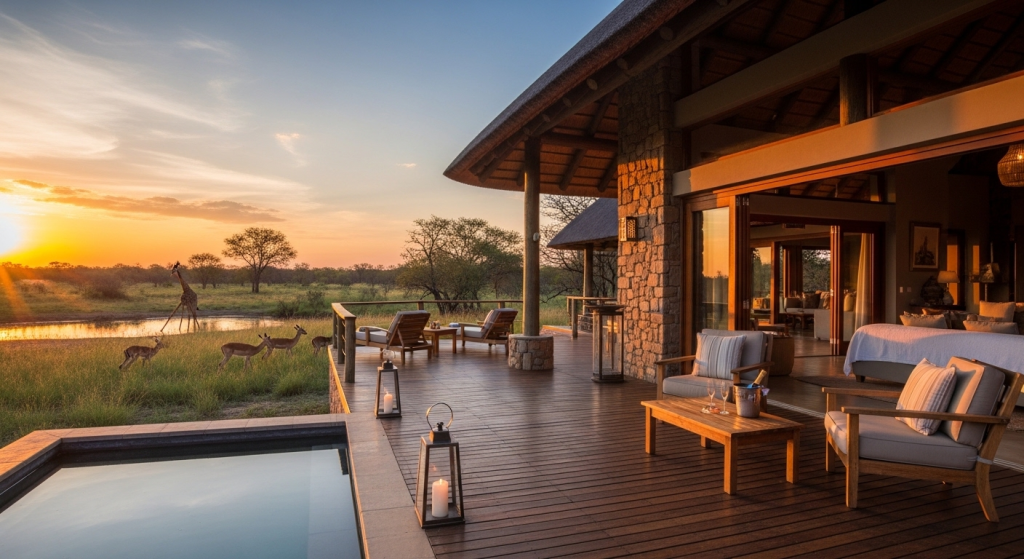
Sabi Sands isn’t just another game reserve—it’s the 65,000-hectare reason that wildlife photographers worldwide book flights to South Africa.
Sharing an unfenced border with Kruger National Park, Sabi Sands offers something most reserves can’t: off-road driving privileges that let vehicles follow animals through the bush, not just watch from designated roads. The leopard density here is legendary.
During my four-night stay, we encountered leopards on seven of eight game drives. These weren’t distant spots through binoculars—we watched a female teach her cub to hunt, observed a male marking territory meters from our vehicle, and spent 40 minutes with a leopard resting in a marula tree at eye level.
The reserve’s private ownership model (dating to the 1950s) means strict vehicle limits. You’ll rarely see more than two or three vehicles at any sighting, compared to the 20+ that can gather around a lion kill in public Kruger.
This exclusivity comes at a price—Sabi Sands lodges start around $800 per person per night and climb to $3,000+—but the wildlife encounters justify every rand.
Best for: First-time safari-goers wanting guaranteed Big Five sightings, photographers seeking intimate wildlife moments, honeymooners who want luxury without compromising on game viewing.
Kruger Private Concessions: Authentic Wilderness With Exclusive Access
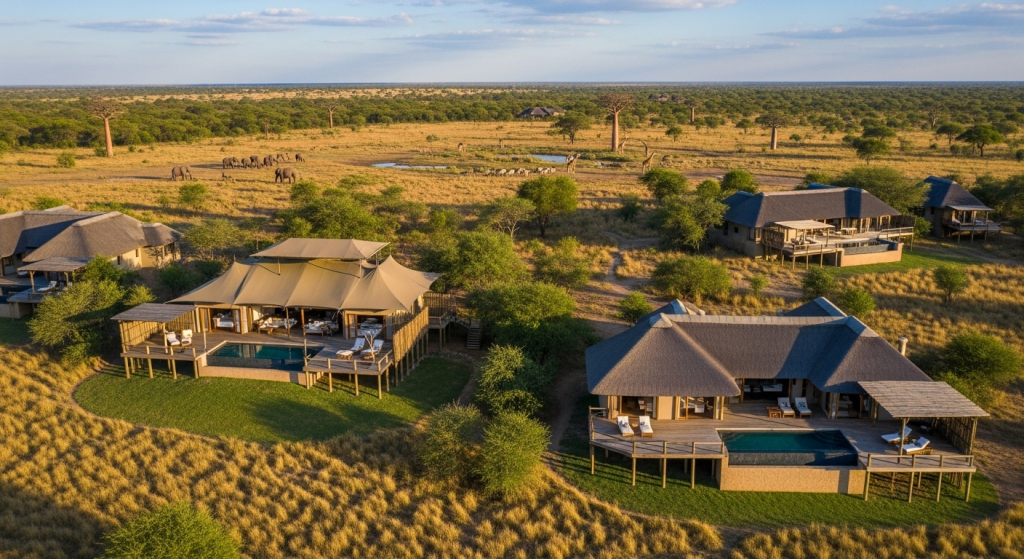
Kruger National Park is massive—nearly 20,000 square kilometers—and while the public sections offer incredible value, the private concessions deliver something different: pristine wilderness areas where you might not see another vehicle all day.
Concessions like Timbavati, Thornybush, and Manyeleti operate under agreements with South African National Parks, offering exclusive access to specific territories.
The practical difference is profound. In public Kruger, you’re confined to roads and must return to camp by sunset. In private concessions, guides can drive off-road, conduct night drives spotting leopards and hyenas hunting, and run bush walks where you track rhino on foot.
Royal Malewane in Thornybush exemplifies this model. Their 30,000-acre concession supports just two lodges, meaning you’re sharing the space with maybe 30 other guests total.
The wildlife doesn’t care about property lines—elephants, lions, and rhinos move freely between Kruger and the concessions—but you experience them in profound privacy.
Pricing runs $700-$2,500 per person per night depending on the lodge, offering better value than Sabi Sands while maintaining exceptional game viewing.
The trade-off? Slightly lower leopard density (though still excellent), and facilities that sometimes lean more “authentic bush camp” than “architectural showcase.”
Best for: Travelers seeking genuine wilderness experiences, repeat safari-goers who’ve done Sabi Sands, anyone who values privacy and exclusivity over guaranteed leopard sightings.
Hidden Gems: Malaria-Free Alternatives and Unique Landscapes
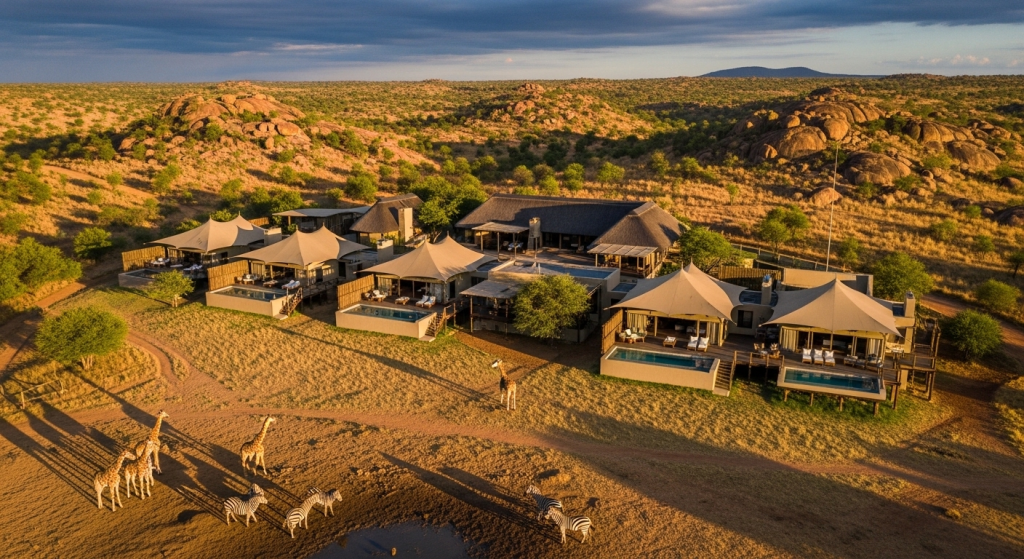
Here’s what most guides won’t tell you: some of South Africa’s most stunning safari experiences happen outside the famous reserves. Madikwe, near the Botswana border, is South Africa’s fifth-largest reserve and completely malaria-free. Nambiti Private Game Reserve in KwaZulu-Natal offers dramatic mountain landscapes unlike typical bushveld.
Phinda in northern KwaZulu-Natal combines seven distinct ecosystems, from wetlands to forests to mountains. I spent three nights at Esiweni in Nambiti specifically because my friend was bringing her six-year-old daughter—no malaria risk meant no prophylaxis debates.
The reserve surprised me. Instead of flat bushveld, we drove through valleys where mountains rose dramatically in the background.
The Big Five are all present (Nambiti was restocked specifically for safari tourism), and rates of $400-$600 per person per night deliver exceptional value. Madikwe specializes in wild dog sightings—these endangered predators thrive here, and we encountered a pack of eleven during a morning drive.
The reserve’s position against the Botswana border creates unique migration patterns. Phinda’s black rhino population offers sightings of this critically endangered species that are increasingly rare elsewhere.
Best for: Families with young children (malaria-free zones), travelers seeking unique landscapes beyond classic bushveld, budget-conscious visitors wanting luxury at lower price points, repeat safari-goers looking for different ecosystems.
Choosing Your Perfect Reserve: The Decision Framework
Time constraints matter more than most travelers realize. If you have only four nights total, traveling five hours to Phinda eats precious safari time—stick with Sabi Sands or Thornybush near Kruger. Planning ten days?
You can combine regions, experiencing both classic bushveld and coastal forests. Wildlife priorities should drive your choice. Want guaranteed Big Five with emphasis on leopards? Sabi Sands wins.
Seeking wild dogs or black rhino? Head to Madikwe or Phinda. First-time safari-goers benefit from reserves with high animal density (Sabi Sands, Thornybush), while experienced safari travelers might prefer the varied ecosystems of Phinda or the authentic wilderness of Timbavati. Health considerations extend beyond malaria.
The Lowveld reserves (Sabi Sands, Kruger concessions) get hot in summer—daytime temperatures can hit 40°C (104°F). If heat bothers you, consider winter visits (June-August) or higher-altitude reserves like Nambiti where it’s cooler year-round.
Budget determines your options but shouldn’t compromise your experience. A $700-per-night lodge in Thornybush often delivers 90% of the experience of a $2,000-per-night Sabi Sands property. The remaining 10%—architectural drama, wine cellars, staff-to-guest ratios—matters tremendously to some travelers and not at all to others. Be honest about what you value.
The Ultimate Luxury Safari Lodges in Sabi Sands
Singita: Where Conservation Meets Uncompromising
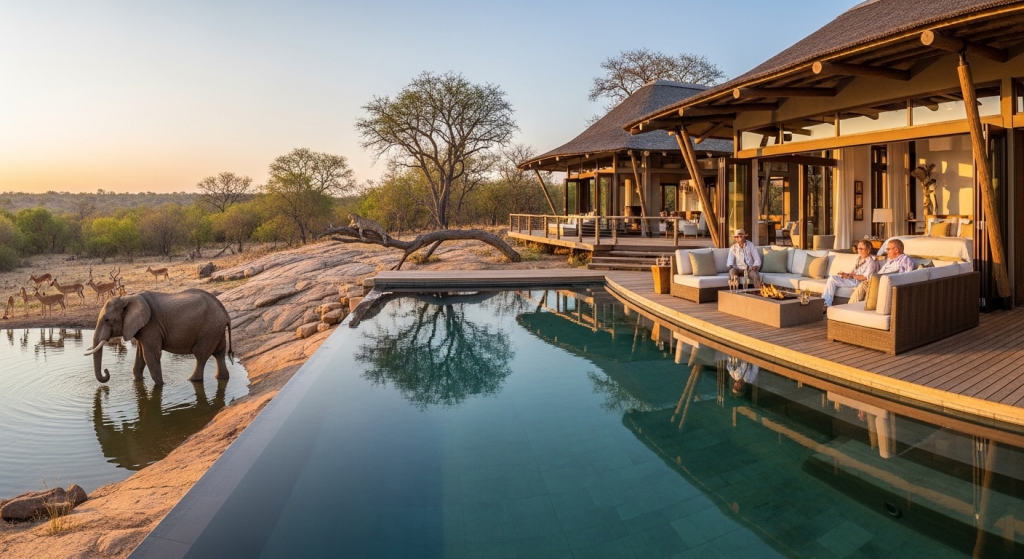
Design Singita operates four lodges in Sabi Sands, but Ebony and Boulders represent their flagship properties. Walking into Ebony feels like entering a contemporary art gallery that happens to overlook the Sand River.
Floor-to-ceiling glass walls dissolve the boundary between suite and wilderness. The design is so deliberately understated that it took me a moment to notice the suite was 100 square meters with a private plunge pool and outdoor shower.
Rates start around $2,000 per person per night and climb to $3,500+ for suites, making Singita one of Sabi Sands’ priciest options.
What justifies this cost? Start with the 25,000-bottle wine cellar—I watched a sommelier explain vintages during dinner that I’d only seen in auction catalogs.
The food rivals Michelin-starred restaurants, with chefs who trained in Europe but embrace local ingredients like nobody’s business. The conservation component isn’t marketing—it’s genuine.
Singita’s conservation levy funds anti-poaching units, community development, and ecological research. During a bush walk, our guide showed us camera trap footage from their leopard research project, explaining individual leopard territories with the expertise of someone who’s studied these animals for years.
Insider tip: Request a suite overlooking the Sand River at Ebony. The riverbank attracts elephants, buffalo, and leopards throughout the day, and you’ll watch wildlife from your private deck without leaving your suite. Book the photographic studio session if you’re serious about wildlife photography—they provide professional equipment and guidance.
Perfect for: Design enthusiasts who want Instagram-worthy architecture, wine lovers, honeymooners with generous budgets, and anyone who views safari as a once-in-a-lifetime splurge.
Londolozi: Five Generations of Safari Excellence.
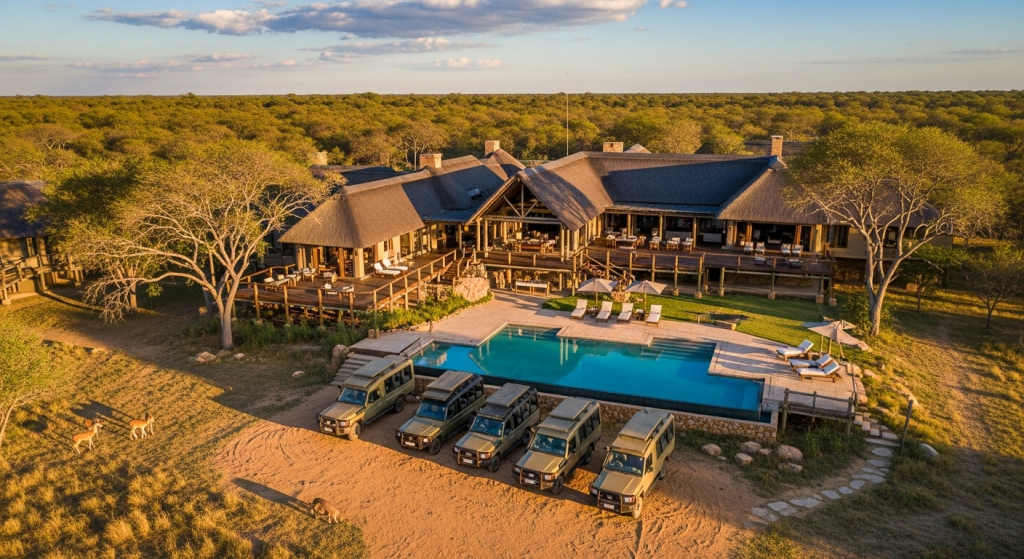
Londolozi holds a special place in safari history—the Varty family has owned this land since 1926, making them pioneers of the private game reserve model.
That heritage shows in details most lodges miss. Our guide, Elmon, explained how his father guided at Londolozi, and his grandfather worked on the reserve—this generational knowledge creates guiding that feels less like a job and more like sharing family stories.
The reserve operates five camps, each with a distinct character. Tree Camp (six suites) delivers ultimate romance and intimacy—suites are elevated into the trees with private plunge pools and outdoor showers.
Pioneer Camp recreates 1920s safari nostalgia with vintage leather trunks and classic canvas tents (upgraded with modern bathrooms and air conditioning).
Rates run $1,500-$2,500 per person per night, depending on camp and season. What sets Londolozi apart is their leopard research program—this reserve pioneered leopard identification and behavioral study.
Guides don’t just show you leopards; they explain individual personalities, family relationships, and hunting strategies with scientific precision that transforms sightings into genuine education.
Hidden benefit: The photographic studio offers workshops with professional wildlife photographers. I spent an afternoon learning camera settings for African light conditions that improved my photography immediately.
Perfect for: Multi-generational families (the camps accommodate different group sizes well), wildlife photographers seeking expert guidance, travelers who value heritage and authenticity over contemporary design.
Lion Sands: Sleeping Under African Stars (Literally)
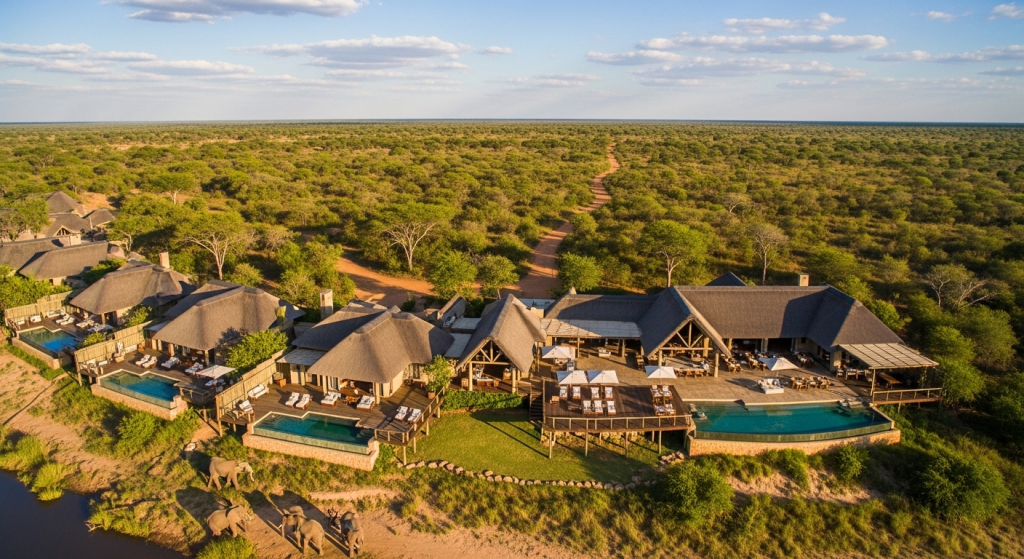
Lion Sands offers something no other Sabi Sands lodge does: the chance to sleep in a treehouse under open African skies. The Chalkley and Kingston Treehouses are elevated platforms (with proper beds, bathrooms, and safety features) where you spend one night of your stay surrounded by darkness and the sounds of the bush.
I’ll be honest—I was skeptical. Sleeping outdoors in lion and leopard territory sounded more terrifying than romantic. Reality proved different. The treehouses are elevated four meters, creating safety while maintaining intimacy with the environment.
As sunset faded, we heard lions roaring in the distance, watched elephants moving through moonlit bush below, and experienced the African night in a way no enclosed suite can match.
The main lodges (River Lodge and Ivory Lodge) offer more traditional luxury at rates of $800-$1,200 per person per night—notably more accessible than Singita or Londolozi while maintaining excellent standards.
The food impressed me (particularly the traditional South African braai nights), and the game viewing delivered consistent Big Five sightings.
Insider tip: Book the treehouse experience for your second or third night, after you’ve acclimated to bush sounds and feel comfortable with the environment. Request guide Alistair if you’re interested in birding—his knowledge of Sabi Sands’ 300+ bird species is encyclopedic.
Best for: Adventure-seekers wanting unique experiences, couples celebrating special occasions, travelers seeking Sabi Sands quality at slightly lower price points.
Premier Lodges in Kruger Private Concessions
Royal Malewane: South Africa’s #1 Ranked Safari Lodge
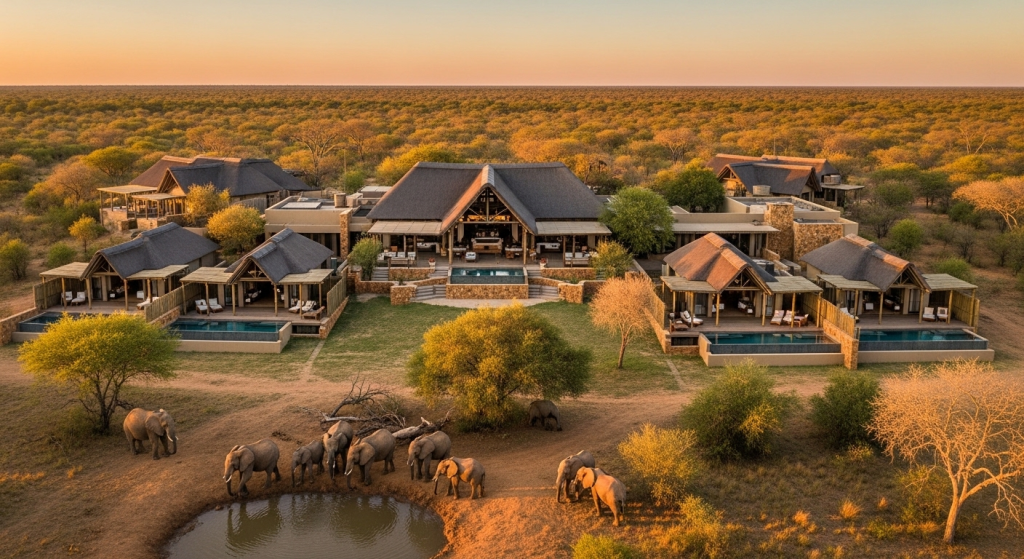
Royal Malewane consistently appears on “World’s Best Safari Lodges” lists, and within the first hour of arrival, I understood why. The staff-to-guest ratio runs 3:1, meaning personalized service that borders on telepathic.
My suite preferences (extra pillows, specific coffee blend, preferred game drive times) were noted during booking and implemented before I arrived.
The property sits in Thornybush Private Nature Reserve, offering 30,000 acres of pristine wilderness. Six luxury suites and the exclusive Royal Suite (which books at $7,000+ per night) create an intimate scale—you’re sharing the reserve with maybe 20 other guests total.
Rates run $1,800-$3,500 per person per night, positioning Royal Malewane at Sabi Sands pricing levels. What justifies this cost? Every suite features a private plunge pool overlooking an active waterhole—I watched elephants, buffalo, and warthogs from my pool throughout the day. In-suite spa treatments mean you can get a massage while watching wildlife.
The cuisine rivals any fine dining restaurant (often cited as South Africa’s best safari food), with chefs accommodating dietary requirements so seamlessly that I forgot I’d mentioned being pescatarian.
The newer Waterside Lodge offers more contemporary design at similar price points, appealing to travelers who prefer minimalist aesthetics over Royal Malewane’s classic colonial style.
Perfect for: Special occasions where budget isn’t the primary constraint, luxury travelers who want absolutely the best, honeymooners, and anyone celebrating milestone birthdays or anniversaries.
Tanda Tula: Authentic Bush Luxury at Exceptional Value
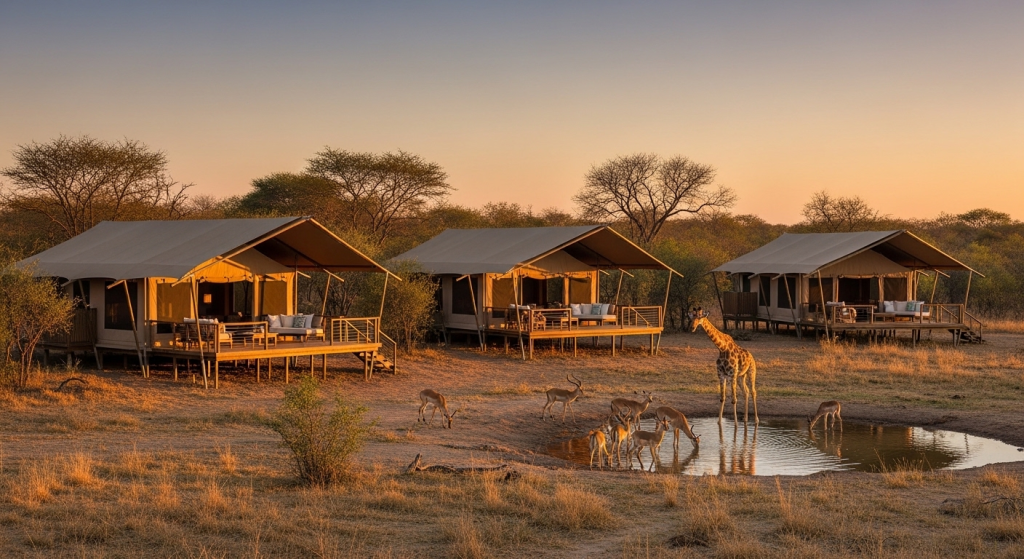
After Royal Malewane’s architectural showcase, Tanda Tula represents a different philosophy: authentic bush camp experience with modern comforts.
The twelve luxury tents maintain genuine safari atmosphere—canvas walls, outdoor showers, oil lanterns lighting pathways at night—while including proper bathrooms, air conditioning, and comfortable beds.
Located in Timbavati Private Nature Reserve (bordering Kruger), Tanda Tula offers rates of $650-$900 per person per night—exceptional value for this level of guiding and game viewing.
The reserve is famous for white lions (a rare genetic variation), and we encountered a pride with two white cubs during an evening drive.
What impressed me most was the guiding quality. Our guide, Richard, had guided at Tanda Tula for 17 years. His knowledge wasn’t just comprehensive—it was intimate.
He recognized individual elephants, knew which leopard territories we were crossing, and explained animal behavior with the confidence of someone who’s observed these patterns for decades.
The camp’s smaller scale (a maximum of 12 guests) fosters genuine community. Dinners around the fire pit become storytelling sessions where guests and guides share safari experiences.
This communal atmosphere won’t appeal to everyone—if you prefer privacy, request a private vehicle and dining—but for solo travellers or couples seeking connection, it’s magical.
Best for: Authentic safari experience seekers who want genuine bush atmosphere, value-conscious luxury travelers, wildlife enthusiasts who prioritize guiding quality over architectural drama, solo travelers (the communal dining creates easy social connections).
Hidden Gem Lodges: Stunning Alternatives Off the Beaten Path
Esiweni Luxury Safari Lodge: KwaZulu-Natal’s Secret Sanctuary
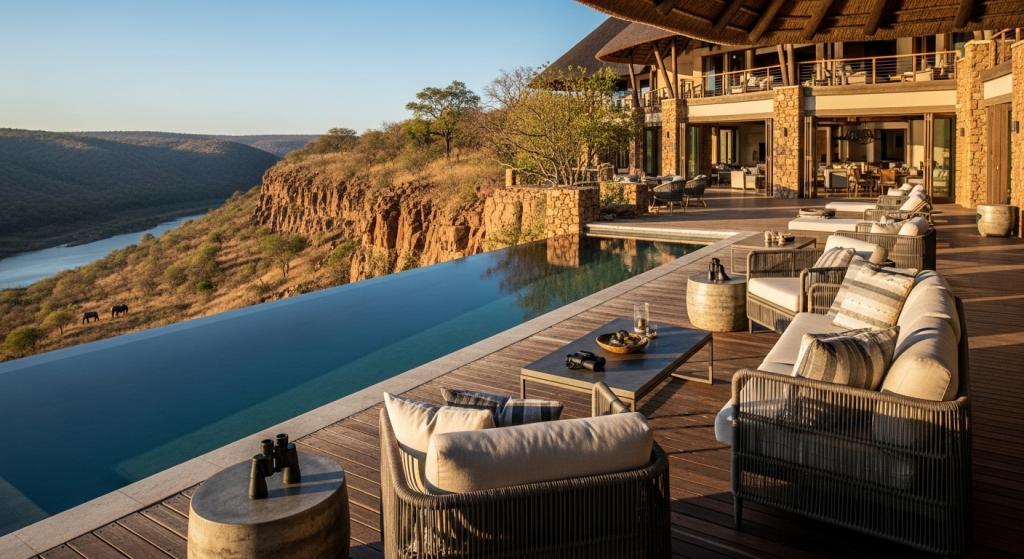
Most safari guides ignore KwaZulu-Natal entirely, focusing exclusively on Kruger-area reserves. This oversight means missing Esiweni, a boutique lodge in Nambiti Private Game Reserve that delivers exceptional luxury at $400-$600 per person per night—roughly half the cost of comparable Sabi Sands properties.
The landscape alone justifies the visit. Instead of flat bushveld, Nambiti features dramatic valleys with mountain ranges rising in the background.
Game drives navigate varied terrain—open grasslands where cheetahs hunt, rocky outcrops where rhinos shelter, riverine forests where elephants browse.
This topographical diversity creates stunning photographic opportunities beyond typical safari landscapes. Being malaria-free makes Esiweni perfect for families with young children or travelers who prefer avoiding prophylaxis.
The Big Five are all present (the reserve was specifically restocked for safari tourism), and game viewing delivered consistent sightings during my stay.
We encountered white rhino, elephant herds, lions, buffalo, and—on our final morning—a leopard with fresh impala kill. The lodge itself balances luxury with intimacy. Five suites mean you’re never competing with crowds.
The food surprised me—chef Themba’s traditional Zulu-inspired dishes alongside contemporary cuisine created memorable dinners. The spa treatments use local products, and the staff’s warmth felt genuine rather than performative.
Insider tip: Book the “Walking Safari” option—tracking rhino on foot with armed rangers provides adrenaline that vehicle safaris can’t match.
Perfect for: Families with children under six (malaria-free), budget-conscious luxury travelers, photographers seeking unique landscapes, travelers wanting to combine safari with KwaZulu-Natal’s battlefields or Drakensberg Mountains.
Madikwe Safari Lodge: Wild Dog Capital of South Africa
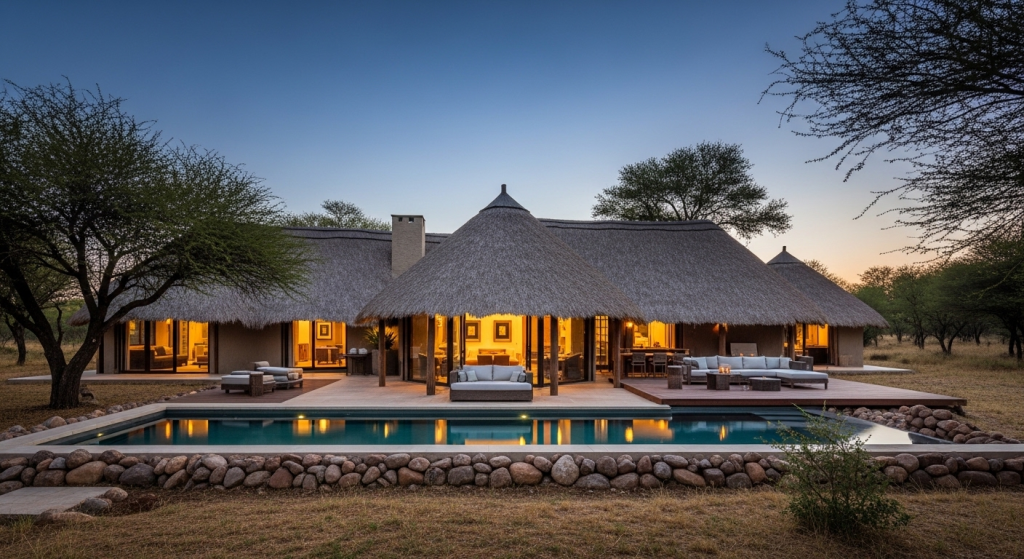
Madikwe Game Reserve sits against the Botswana border in South Africa’s North West Province—far from typical tourist circuits and completely malaria-free.
This 75,000-hectare reserve specializes in endangered species, particularly African wild dogs, which thrive here in greater numbers than almost anywhere else in South Africa.
During three nights at Madikwe Safari Lodge, we encountered wild dogs on four separate occasions—including watching a pack of eleven coordinate a hunt that succeeded in bringing down an impala.
These sightings are increasingly rare across Africa as wild dog populations decline, making Madikwe particularly valuable for wildlife enthusiasts seeking these endangered predators. Rates run $600-$900 per person per night, delivering strong value for the experience quality.