The Ultimate China Bucket List: Guide to an Unforgettable Adventure

China isn’t just a destination—it’s a thousand destinations wrapped into one extraordinary country. Where else can you walk along 2,000-year-old fortifications in the morning, watch mist swirl around Avatar-like mountains by afternoon, and feast on street food that costs less than your coffee back home by evening?
Yet here’s the problem: China’s sheer scale paralyzes most travelers. With 5,000 years of history, landscapes that range from rainbow-colored mountains to karst peaks that defy physics, and cities that blend ancient temples with futuristic skylines, where do you even start?
This guide cuts through the overwhelm. I’ve distilled China’s must-do experiences into strategic picks that maximize your limited vacation time—whether you have 10 days or three weeks. You’ll discover how to blend iconic bucket-list moments (yes, the Great Wall and Terracotta Warriors make the cut) with authentic local gems that most tourists miss entirely.
From ancient wonders that’ll leave you speechless to natural landscapes that seem Photoshopped in real life, from budget-friendly adventures to luxury experiences that cost half what they would elsewhere—your ultimate China journey starts here.
Ancient Wonders & Historic Treasures You Can’t Miss

The Great Wall: Choose Your Experience Wisely
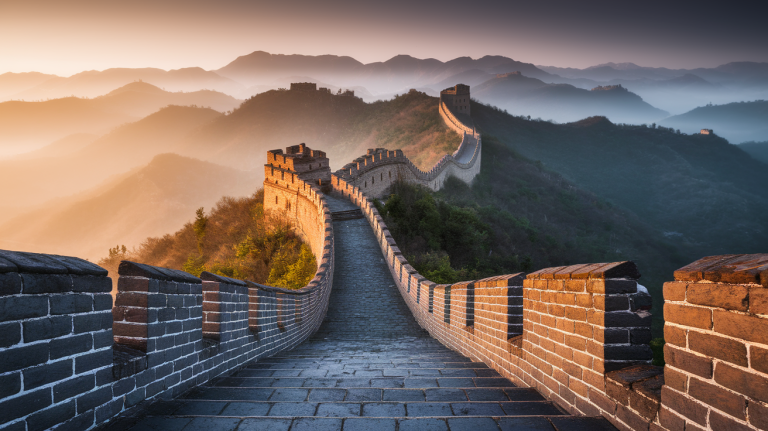
Here’s what nobody tells you: the Great Wall isn’t one experience—it’s dozens, and choosing the wrong section can make or break your visit. Skip the Badaling tourist trap where you’ll spend more time dodging selfie sticks than appreciating history.
Mutianyu Section delivers the perfect balance for most travelers. Restored enough to walk safely, wild enough to feel authentic, and set against a stunning mountain backdrop that photographers dream about. Families love it because cable cars eliminate the brutal climb, yet the wall itself remains spectacular. Pro tip: arrive at opening time or catch the golden hour before sunset when the lighting transforms those ancient stones into pure magic.
For adventurous hikers, the Jinshanling to Simatai trek offers something completely different. This partially wild section shows the wall as it actually exists—crumbling watchtowers, vegetation reclaiming stones, and authentic history without the polish. The four-hour hike rewards you with jaw-dropping views and the satisfaction of experiencing something real, not manufactured for tourists.
Budget hack alert: Those expensive tour packages charging $100+ per person? Skip them. Public buses from Beijing cost around $8 round-trip. Yes, it requires slightly more planning, but you’ll save 70% and have the flexibility to stay as long as you want.
The Terracotta Warriors: Archaeological Wonder That Delivers
I’ll be honest—I approached Xi’an’s Terracotta Warriors with skepticism. How exciting could clay soldiers really be? Then I stood in Pit 1, staring at 6,000 life-sized warriors, each with unique facial features, and understood why this ranks among the world’s greatest archaeological discoveries.
The scale alone stuns you. But here’s your insider secret: while crowds mob Pit 1 first thing, start with Pit 3 instead. This smaller command headquarters offers intimate views without the chaos, and by the time you circle back to Pit 1, the initial crush has dispersed.
Half a day suffices for the warriors themselves—afternoon time slots see noticeably fewer visitors. Then combine your visit with Xi’an’s Ancient City Wall, where you can rent bikes and pedal along 14 kilometers of perfectly preserved Ming Dynasty fortifications. Watching locals fly kites, practice tai chi, and go about their daily lives while you cycle above the city? That’s the authentic local experience that creates unforgettable memories.
The Forbidden City & Temple of Heaven: Strategic Touring Matters
Beijing’s Forbidden City sprawls across 180 acres with 980 buildings. Without strategy, you’ll exhaust yourself fighting crowds and miss the best parts. Enter from the north gate and walk south—against the flow of tour groups pouring in from Tiananmen Square. This simple reversal means you’ll explore the emperor’s private quarters in relative peace.
Hidden gem alert: Exit through the north and immediately climb Jingshan Park’s hill. For less than $2, you’ll get the most breathtaking panoramic view of the entire Forbidden City complex, with Beijing’s modern skyline beyond. The contrast between ancient and modern China, captured in one sweeping vista, delivers that bucket-list moment worth the entire trip.
Temple of Heaven works best at dawn. Arrive when Beijing’s locals do—practicing tai chi in slow motion, painting calligraphy with water brushes on pavement, playing traditional instruments, and generally living their best retired life. You’re not watching a performance; you’re witnessing authentic daily culture. The temple itself, with its stunning blue-tiled architecture, becomes almost secondary to the human experience surrounding it.
Money-saving tip: Combined ticket packages for Beijing’s major attractions save 30-40%. If you’re hitting multiple sites, buy the package upfront.
Breathtaking Natural Landscapes That Defy Imagination
Zhangjiajie: Where Avatar Became Reality
The moment you see Zhangjiajie’s sandstone pillars rising through the mist like floating mountains, you’ll understand why James Cameron chose this as inspiration for Pandora. These aren’t ordinary peaks—they’re 1,000-foot-tall stone columns that seem to defy physics, wrapped in vegetation and frequently shrouded in mystical fog.
The glass bridge walk tests your nerves (and makes for epic photos), while the cable car to Tianmen Mountain delivers heart-stopping views as you ascend through clouds to reach the “Heaven’s Gate” natural arch. Plan 2-3 days here—the park sprawls across multiple areas, and rushing through would be criminal.
Smart planning: Stay in Wulingyuan town for easy park access and authentic local restaurants where English menus don’t exist but pointing at neighboring tables works perfectly. Book accommodation ahead during peak seasons—this place gets busy.
Weather creates drama here. Mist and fog produce that ethereal, otherworldly atmosphere that makes your photos look professionally edited. But heavy fog can obscure views entirely. Check forecasts and build flexibility into your schedule.
Li River & Yangshuo: The 20 Yuan Note Scenery
Pull out a 20 Yuan note and look at the back. That iconic scene of karst peaks reflected in calm water? You can stand in that exact spot near Xingping, and yes, it looks even better in person.
The Li River cruise from Guilin to Yangshuo ranks among China’s most famous experiences, but here’s your authentic alternative: skip the massive tourist boats and book a bamboo raft ride instead. Drifting downriver on bamboo, surrounded by those impossible limestone karsts rising from rice paddies, with water buffalo grazing and local fishermen casting nets—this is the China that lives in your imagination.
Yangshuo itself deserves two days minimum. Rent a bicycle (costs about $3) and pedal through the countryside. You’ll pass through traditional villages where life hasn’t changed much in centuries, ride alongside rice paddies that mirror the sky, and discover that the journey matters more than any specific destination.
Secret spot: Xingping ancient town beats Yangshuo for sunrise over the karst peaks. Fewer crowds, more authentic atmosphere, and that 20 Yuan note view. Stay overnight if you can—watching those peaks emerge from morning mist ranks among China’s most magical moments.
Longji Rice Terraces & Rainbow Mountains
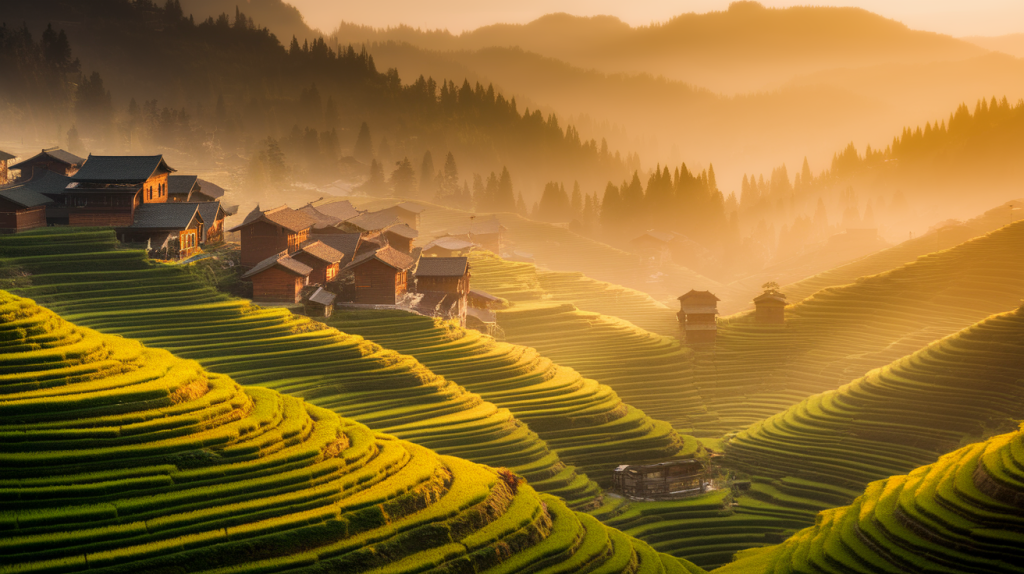
The Longji Rice Terraces look like nature’s stairway to heaven—ribbon-like terraces carved into steep hillsides, creating patterns so perfect they seem computer-generated. Stay overnight in Ping’an village with the Zhuang minority people, where wooden guesthouses cling to hillsides and you’ll wake to roosters crowing and terraces glowing in morning light.
Timing matters enormously. June brings water-filled terraces that reflect the sky like giant mirrors. September delivers golden harvest season when the entire landscape glows amber. Winter offers snow-dusted terraces if you brave the cold.
Zhangye Danxia Rainbow Mountains require a complete detour—they’re in Gansu Province, far from typical tourist routes—but those naturally striped mountains in shades of red, orange, and yellow look like someone spilled paint across the landscape. Late afternoon lighting brings out the most vivid colors. This requires an overnight trip, so plan accordingly, but if you’re chasing truly unique landscapes, few places on Earth compare.
Authentic Cultural Experiences & Hidden Local Gems

Chengdu: Pandas, Spice, and Sichuan Soul
Chengdu delivers everything you want from a Chinese city—incredible food, adorable pandas, and authentic local culture—without Beijing or Shanghai’s overwhelming intensity. The Giant Panda Base requires morning visits; pandas are most active before 10 AM, and watching baby pandas tumble around like drunk toddlers might be the cutest thing you’ll ever see.
But Chengdu’s real magic happens in its food scene. Sichuan cuisine doesn’t just use spice—it creates complex layers of flavor that make your mouth tingle (that’s the Sichuan peppercorn effect) while simultaneously craving more. Skip touristy Jinli Street’s overpriced restaurants and follow locals to hole-in-the-wall spots where menus come without English and pointing at other tables becomes your ordering strategy.
Local secret: People’s Park teahouse on a weekend afternoon reveals authentic Chengdu life. Sip tea for hours (refills are free), watch the infamous “matchmaking corner” where parents literally post their children’s dating profiles on umbrellas, and if you’re brave, get a traditional ear cleaning from practitioners who use tiny tools that look medieval but feel surprisingly good.
Chengdu proves budget-friendly compared to coastal cities. Excellent hostels cost $10-15, street food meals run $3-5, and you’ll experience more authentic culture here than in many more expensive destinations.
Ancient Water Towns: Choose Your Vibe
China’s canal towns—dubbed the “Venice of the East”—offer time-travel experiences, but choosing the right one matters. Zhouzhuang gets the most tourists because it’s closest to Shanghai. Wuzhen offers the most polished experience with careful restoration and evening lighting. Tongli balances authenticity with accessibility.
But Xitang delivers something special: fewer international tourists, more genuine canal life, and absolutely stunning after-dark atmosphere when red lanterns reflect in the water and the crowds disappear. Day-trippers from Shanghai invade during daylight hours, but stay overnight and you’ll have ancient bridges and canal-side walkways largely to yourself.
Pro tip: Overnight stays transform water town visits from tourist checkboxes into memorable experiences. Watch locals hanging laundry over canals, elderly residents playing mahjong in doorways, and boats delivering supplies through waterways that have served as streets for centuries. This costs maybe $30-50 for a guesthouse but delivers authentic immersion that day trips can’t match.
Shanghai’s Old Meets New
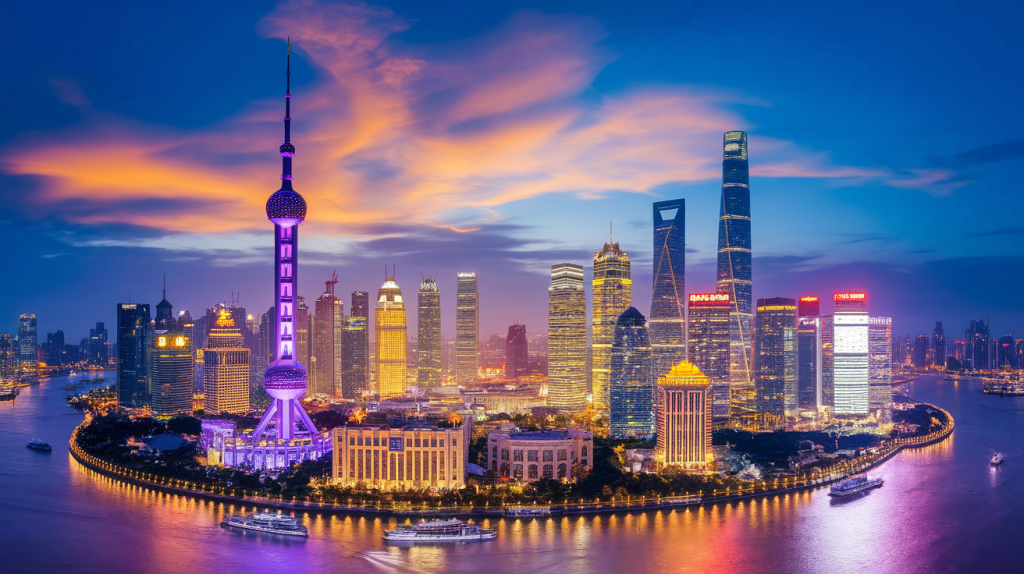
The Bund at sunset costs nothing and delivers everything—colonial-era buildings on one side, futuristic Pudong skyline across the river, and that perfect golden light that makes your phone photos look professional. It’s crowded, yes, but some experiences earn their popularity.
Local favorite: Skip touristy Yuyuan Garden’s surrounding shopping area and head to Tianzifang instead. This labyrinth of alleyways houses authentic boutiques, art studios, and cafes where locals actually hang out. You’ll find unique souvenirs, sip excellent coffee, and experience Shanghai’s creative side without manufactured tourist attractions.
Foodie essential: Shanghai’s signature xiaolongbao (soup dumplings) reach perfection on Huanghe Road, where locals line up at no-name shops that serve nothing else. Skip the famous Nanxiang Steamed Bun Restaurant near Yuyuan—it’s fine, but you’ll pay triple for the same dumplings available at neighborhood joints where pointing at the menu works perfectly.
Secret rooftop bars: Shanghai’s luxury hotels charge $20+ per cocktail for skyline views, but locals know hidden rooftop spots in former French Concession neighborhoods where $8 drinks come with equally spectacular vistas.
Pingyao: Step Into Ancient China
Pingyao Ancient City might be China’s best-preserved walled city, yet it flies under most international tourists’ radars. This complete Ming Dynasty town—with original city walls, traditional courtyard architecture, and streets that have barely changed in 600 years—offers authentic time-travel without the crowds mobbing more famous destinations.
Overnight essential: Stay in a traditional courtyard hotel where you’ll sleep in rooms surrounding open-air courtyards, exactly as Chinese families have for centuries. These cost $30-60 and deliver more authentic experience than any five-star hotel.
Smart combo: Pingyao sits in the same Shanxi Province as Xi’an, making it perfect for combining with the Terracotta Warriors. You’ll maximize travel time and experience two completely different aspects of ancient China in one efficient trip.
Practical Planning: Maximizing Your China Adventure
Strategic Itinerary Building
10-Day Classic Route: Beijing (3 days) → Xi’an (2 days) → Shanghai (3 days) → Hangzhou or Suzhou (2 days). This hits major highlights, includes one natural/cultural side trip, and doesn’t require insane travel days. You’ll see ancient wonders, experience modern China, and get that water town or West Lake experience near Shanghai.
14-Day Ultimate Journey: Add either Zhangjiajie (3 days) for those Avatar mountains or Guilin/Yangshuo (3 days) for karst landscapes and river scenery. This balances cultural sites with breathtaking nature, giving you the complete China experience without feeling rushed.
21-Day Complete Experience: Include Chengdu (3 days) for pandas and Sichuan food, plus Yunnan Province (4 days) for minority cultures and Shangri-La experiences, or venture into Silk Road territories. Three weeks lets you dive deep rather than just scratching surfaces.
Time-saving hack: Overnight trains save both travel time and hotel costs. China’s sleeper trains offer clean, safe, surprisingly comfortable travel. Book soft sleeper class (four beds per compartment) for $40-60, and you’ll wake up in a new city having spent zero daylight hours in transit.
Budget Breakdown & Money-Saving Strategies
Budget travel ($50-75/day): Hostels run $10-20 in dorms, $25-35 for private rooms. Street food and local restaurants cost $3-8 per meal. Public transportation stays incredibly cheap—subway rides cost $0.50-1, and even long-distance buses rarely exceed $20. This budget works perfectly for solo travelers or couples willing to stay in guesthouses and eat where locals eat.
Mid-range comfort ($100-150/day): Three-star hotels cost $40-70, meals at decent restaurants run $10-20, and you can afford some guided tours and entrance fees without stress. This sweet spot delivers comfort without luxury prices and works well for most travelers.
Luxury experience ($250+/day): Five-star hotels, private guides, premium dining, and first-class train tickets. China’s luxury costs half what comparable experiences would in Europe or North America, making it surprisingly accessible for special occasions.
Hidden costs to anticipate: VPN subscriptions ($5-10/month) for accessing Google, Facebook, and Western websites; cash for small vendors and temples (many don’t accept cards); entrance fees that add up ($10-30 per major attraction); and tips for guides if you book tours.
Smart savings: Book high-speed trains 30 days ahead for best prices. Eat breakfast where locals do—street vendors and small restaurants serve excellent food for $2-3. Free walking tours operate in Beijing, Shanghai, and Xi’an—join these for orientation, then explore independently. Many temples and parks offer early-morning free entry before official opening times.
Essential Logistics & Travel Hacks
Visa requirements: US, Canadian, European, and Australian citizens need tourist visas. Apply 4-6 weeks before departure through Chinese consulates or visa services. Expect to pay $140-200 depending on processing speed. Recently, some cities offer 72-144 hour visa-free transit—research if this applies to your itinerary.
Best time to visit: Spring (April-May) and fall (September-October) deliver perfect weather—comfortable temperatures, lower humidity, and beautiful seasonal colors. Avoid Chinese New Year (late January/early February) and Golden Week (October 1-7) when domestic tourism explodes and prices double.
Getting around: China’s high-speed trains are game-changers. Beijing to Shanghai takes 4.5 hours at 200+ mph, costs $80-120 depending on class, and beats flying when you factor in airport time. Book via Trip.com or Ctrip (English interfaces work well). Download tickets to your phone—paper tickets aren’t necessary.
Language barrier solutions: Download Google Translate’s offline Chinese pack before arrival. Screenshot addresses and attraction names in Chinese characters—show these to taxi drivers. Learn basic phrases: “ni hao” (hello), “xie xie” (thank you), “duo shao qian?” (how much?). Most young Chinese people understand some English, and locals genuinely appreciate attempts at Mandarin.
Payment systems: WeChat Pay and Alipay dominate China’s cashless society, but setting these up as foreigners proves challenging. Carry cash (ATMs are everywhere) and international credit cards for hotels and major restaurants. Some small vendors, temples, and rural areas remain cash-only.
Internet access: Install VPN before arriving—Google, Facebook, Instagram, WhatsApp, and most Western apps don’t work in China without one. ExpressVPN and NordVPN work reliably. Don’t wait until you arrive to set this up; Chinese app stores don’t offer VPN downloads.
Your China Adventure Awaits
China delivers unparalleled diversity in a single destination. Where else can you walk along ancient fortifications at sunrise, watch mist swirl around Avatar mountains by afternoon, share dumplings with locals who don’t speak your language but communicate through smiles and gestures, and fall asleep in a traditional courtyard hotel where emperors once stayed?
You don’t need months to experience China’s highlights—strategic planning transforms even a 10-day trip into an unforgettable journey. The key lies in balancing iconic bucket-list moments with authentic local experiences, mixing ancient wonders with breathtaking nature, and building in enough flexibility to follow unexpected discoveries.
Feeling overwhelmed? Start with one region and expand from there. Beijing and surrounding areas offer enough for an entire trip. So does the Guilin/Yangshuo/Longji triangle. Or focus on the Shanghai-Hangzhou-Suzhou area. You can always return—and you probably will, because China has that effect on travelers.
Budget concerns? China offers exceptional value compared to Western destinations. You’ll experience luxury at mid-range prices, eat incredibly well on a budget traveler’s income, and find that your money stretches further than almost anywhere else. A $100 daily budget in China delivers what $200+ would in Europe.
Limited time? Focus on 2-3 regions rather than rushing through five cities. Depth beats breadth every time. Better to truly experience Beijing and Xi’an than to collect superficial impressions of six destinations.
Ready to start planning? Begin with your visa application—this takes longest and can’t be rushed. Research flights 2-3 months ahead for best prices. Choose your must-have experiences from this guide—pick 5-7 for a focused trip rather than trying to see everything.
Remember: the perfect China trip balances iconic moments with authentic experiences. Yes, walk the Great Wall and stand before the Terracotta Warriors. But also pedal through rice paddies in Yangshuo, sip tea with locals in a Chengdu park, and get wonderfully lost in Shanghai’s alleyways. China rewards curious travelers with unforgettable moments around every corner.
Your bucket-list adventure awaits. Ancient wonders, breathtaking landscapes, authentic culture, and modern marvels—all in one extraordinary country. The only question left: when are you booking that flight?