The Perfect 3 Day Paris Itinerary: Your Complete Guide to the City of Light

Paris doesn’t need an introduction—but it does need a strategy. With world-class museums, breathtaking architecture, and more iconic landmarks than any city has a right to claim, three days might seem impossibly short. But here’s the truth: with the right itinerary, you can experience the authentic magic of Paris without the overwhelm.
I’ve crafted this complete 3-day Paris itinerary to help you see the must-visit highlights while discovering the hidden corners that make Paris unforgettable.
You’ll avoid tourist traps, skip the worst lines, and experience the city like someone who actually knows their way around. Whether this is your first time or your fifth, this guide delivers the perfect balance of iconic landmarks and local secrets.
Let’s turn your Paris dreams into reality—starting at sunrise in Montmartre.
Day 1: Montmartre Magic & Iconic Landmarks
Morning: Montmartre’s Hidden Corners (8:00 AM – 12:00 PM)
Start at Sacré-Cœur Before the Crowds
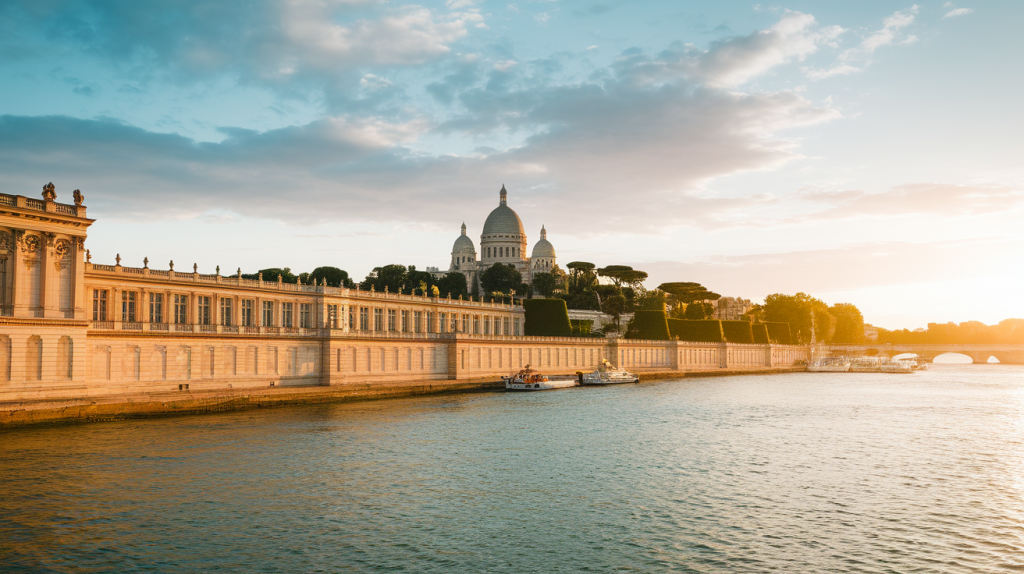
Set your alarm early—trust me on this. Arriving at Sacré-Cœur Basilica by 8:00 AM transforms the entire experience. Instead of fighting through tour groups, you’ll witness the sunrise painting Paris in golden light, with the city sprawling beneath you in peaceful silence. The basilica opens at 6:00 AM, and those early morning hours reveal why locals guard this secret so fiercely.
Here’s the insider tip most guidebooks miss: use the side entrance on Rue du Chevalier de la Barre. While tourists queue at the main steps, locals slip through this entrance and avoid the climb entirely. The interior is free to visit, and the Romano-Byzantine architecture is absolutely stunning when you can actually breathe and take it in.
Wander Rue Norvins & Place du Tertre
After Sacré-Cœur, lose yourself in the cobblestone streets of Montmartre. Rue Norvins is the authentic artist quarter you’ve seen in movies—charming, slightly bohemian, and utterly Parisian. Timing matters here: arrive at Place du Tertre before 9:30 AM, and you’ll see the square as it wakes up. After 10:00 AM, it transforms into a tourist portrait-painting circus that loses all its charm.
Walk slowly. Peek into the galleries. This neighborhood tells the story of Picasso, Van Gogh, and Toulouse-Lautrec, who once lived and worked in these very streets.
Le Mur des Je T’aime & Moulin de la Galette
Two breathtaking stops most tourists rush past: Le Mur des Je T’aime (The Wall of I Love You) features “I love you” written in 250 languages across blue tiles—it’s tucked in Square Jehan Rictus and makes for stunning photos. Then find Moulin de la Galette, the last remaining windmill of Montmartre, immortalized in Renoir’s paintings.
For your first Parisian coffee, skip the overpriced cafés on the main squares. Head to La Maison Rose on Rue de l’Abreuvoir—this pink café is an Instagram icon, yes, but it’s also where locals actually drink their morning espresso. The atmosphere is authentic, the prices are reasonable, and the location is unforgettable.
Afternoon: Arc de Triomphe & Champs-Élysées (1:00 PM – 5:00 PM)
Lunch Like a Local
Here’s your first major money-saving tip: avoid eating on the Champs-Élysées itself. Tourist trap restaurants line that famous avenue with inflated prices and mediocre food. Instead, walk two blocks into the surrounding streets. Le Relais de l’Entrecôte on Rue Marbeuf serves their signature steak-frites with secret sauce—it’s the only thing on the menu, and locals queue for it. For something more casual, try Au Petit Tonneau on Rue Surcouf for authentic French bistro fare at half the price.
Arc de Triomphe Climb
The Arc de Triomphe offers views that rival the Eiffel Tower, with a fraction of the crowds. Your timing strategy: arrive at 2:00 PM on weekdays to avoid both lunch rushes and evening tour groups. If you have the Paris Museum Pass, you’ll skip the ticket line entirely—this alone saves 30-45 minutes. If you’re buying individual tickets, book online at least a day ahead.
The climb is 284 steps (no elevator), but the panoramic view from the top is absolutely worth it. You’ll see twelve avenues radiating from the Arc like a star, the Eiffel Tower in the distance, and the entire sweep of Paris laid out before you. This is where you understand why they call it the City of Light.
Champs-Élysées Reality Check
Let’s be honest: the Champs-Élysées is mostly international chain stores and overpriced cafés. What’s worth your time? The avenue itself is beautiful for a stroll, especially the tree-lined section near the Arc. Stop at Ladurée for a macaron (yes, it’s touristy, but their original location has legitimate history). Then move on—you’ve got better things to see.
Evening: Trocadéro Eiffel Tower Views (6:00 PM – 10:00 PM)
The Secret to Perfect Eiffel Tower Photos
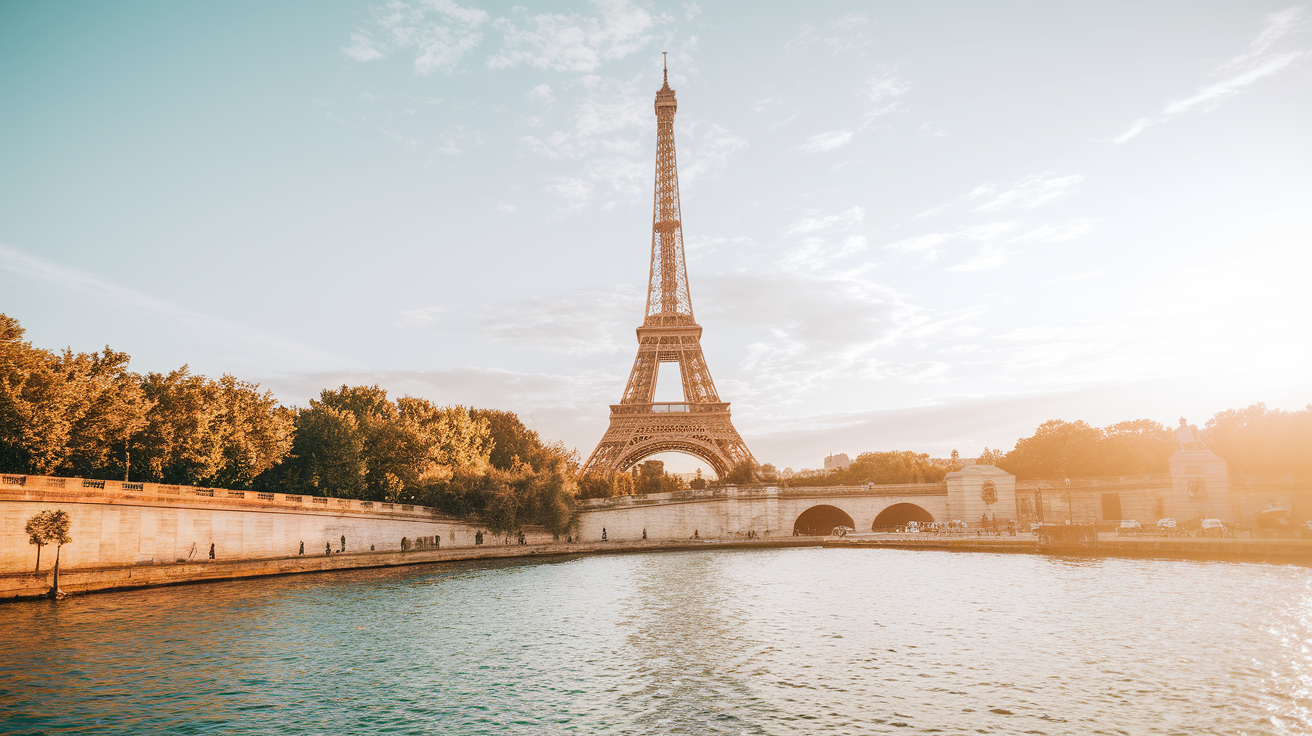
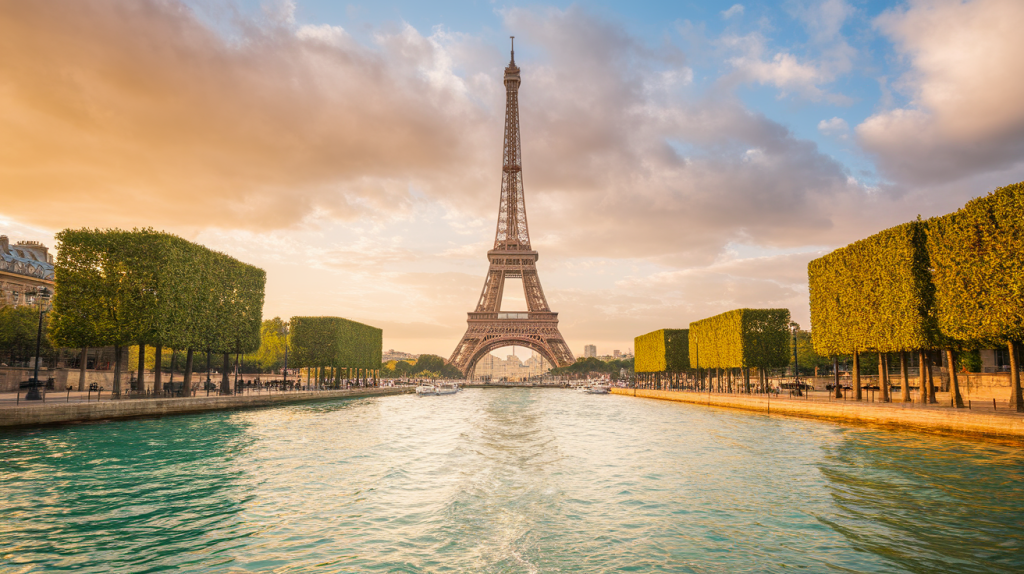
Here’s a controversial opinion backed by experience: don’t go up the Eiffel Tower on Day 1. Instead, head to Trocadéro Gardens for the ultimate views and photos. The esplanade offers the classic postcard perspective, and you can actually see the tower’s full architectural beauty—something impossible when you’re on it.
Golden hour (about an hour before sunset) delivers magical lighting. The sparkling light show happens on the hour after sunset—the tower glitters with 20,000 lights for five minutes, and watching it from Trocadéro is genuinely breathtaking. Pro tip: arrive 20 minutes before the show to claim your spot.
Dinner with a View
Three authentic options near Trocadéro, each delivering different experiences:
- Budget: Café de l’Homme has a terrace with direct Eiffel Tower views (splurge on drinks and appetizers if the full dinner is too pricey)
- Mid-range: Le Petit Cler on Rue Cler offers classic French bistro dining in a charming market street
- Splurge: Girafe Restaurant serves Mediterranean cuisine with floor-to-ceiling windows facing the tower
Evening Seine Stroll
End your first day with the walk from Trocadéro to Pont Alexandre III—it costs nothing and delivers everything. Cross the bridge to see the Seine lit up, the Eiffel Tower glowing in the distance, and Paris doing what it does best: taking your breath away. This is the moment you’ll remember long after you’ve forgotten the museum queues.
Day 2: Museum Masterpieces & Left Bank Charm
Morning: The Louvre Done Right (9:00 AM – 1:00 PM)
Skip-the-Line Strategy
The Louvre can make or break your Paris experience. Do it wrong, and you’ll spend two hours in line followed by overwhelming crowds. Do it right, and you’ll see masterpieces in relative peace. Here’s your complete strategy:
Buy tickets online before you arrive in Paris—this is non-negotiable. Choose the 9:00 AM time slot. Use the Porte des Lions entrance (not the pyramid)—it’s less crowded and often overlooked. If you have the Paris Museum Pass, you still need to reserve a time slot online, but you’ll breeze past the ticket lines.
Arrive 15 minutes before your reservation. The Porte des Lions entrance opens directly into the Denon wing, putting you steps away from the Mona Lisa route. This strategy saves at least two hours compared to arriving at noon without tickets.
The 3-Hour Louvre Hit List
The Louvre holds 380,000 objects. You cannot see it all. Here’s your realistic route to see the absolute masterpieces:
Start with the Mona Lisa while crowds are lighter (it’s never empty, but 9:30 AM is manageable). Then hit the Denon wing highlights: Winged Victory of Samothrace, Venus de Milo, and the massive French paintings including Delacroix’s Liberty Leading the People.
Seven treasures tourists miss: The Seated Scribe (Egyptian antiquities), Hammurabi’s Code (Mesopotamian collection), The Raft of the Medusa (French Romanticism), Psyche Revived by Cupid’s Kiss (sculpture), The Lacemaker by Vermeer (Dutch Masters), Napoleon III’s apartments (pure opulence), and the Medieval Louvre foundations (ancient castle ruins beneath the museum).
When to Break for Café Marly
Around 11:30 AM, your brain will hit museum fatigue. Exit to Café Marly, overlooking the pyramid courtyard. Yes, it’s expensive for coffee, but the terrace view and people-watching justify the splurge. Recharge for 30 minutes, then finish your Louvre visit or call it complete—three hours is respectable.
Afternoon: Musée d’Orsay & Saint-Germain-des-Prés (2:00 PM – 6:00 PM)
Musée d’Orsay Highlights
The Musée d’Orsay houses the world’s finest Impressionist collection inside a stunning Belle Époque train station. It’s more manageable than the Louvre—you can see the highlights in 90 minutes without feeling rushed.
Book your ticket online for 2:00 PM entry. Start on the fifth floor with the Impressionists: Monet’s water lilies, Renoir’s Bal du moulin de la Galette, Degas’ ballet dancers. Then work down to see Van Gogh’s Starry Night Over the Rhône, the Post-Impressionists, and the building’s incredible architecture—those giant station clocks are works of art themselves.
Saint-Germain Neighborhood Walk
Exit the museum and step into the Left Bank’s most charming neighborhood. Saint-Germain-des-Prés oozes Parisian sophistication. Walk Rue Bonaparte to discover hidden passages and authentic bookshops. Les Deux Magots and Café de Flore are the famous literary cafés where Hemingway and Sartre held court—they’re touristy now, but grab a drink at the outdoor tables and soak in the literary history.
The real magic hides in the side streets. Explore Rue de Furstemberg, a quiet square with vintage lampposts that feels frozen in time. Visit Saint-Sulpice church (free entry, stunning interior). Window-shop the luxury boutiques and art galleries that give this neighborhood its sophisticated edge.
Local Secret: Rue de Buci Market
Here’s where Parisians actually shop: Rue de Buci hosts a daily market street lined with cheese shops, wine merchants, flower stands, and produce vendors. It’s authentic, bustling, and perfect for assembling a picnic. Grab a baguette from Poilâne (the legendary bakery), cheese from Fromagerie Quatrehomme, and wine from any of the small caves. You’ll use these supplies tomorrow at Versailles.
Evening: Latin Quarter & Île de la Cité (7:00 PM – 10:00 PM)

Dinner in the Latin Quarter
The Latin Quarter pulses with student energy and authentic bistros. Avoid Rue de la Huchette—it’s a tourist trap street with aggressive touts and mediocre food. Instead, venture to the side streets: Le Coupe-Chou on Rue de Lanneau offers romantic candlelit dining in a 17th-century building. For something livelier, try L’Avant Comptoir de la Terre for standing-room tapas with locals.
Notre-Dame by Night
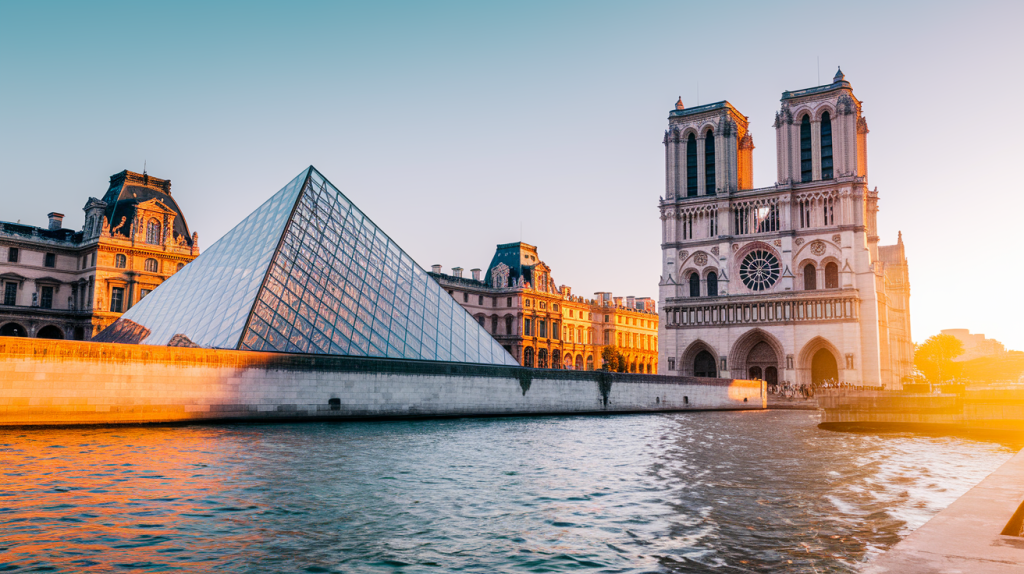
Notre-Dame Cathedral remains closed following the 2019 fire, with reopening planned for late 2024. But the exterior is still stunning, especially illuminated at night. Walk around the entire building to appreciate the Gothic architecture, flying buttresses, and restoration work. The secret garden behind Notre-Dame (Square Jean XXIII) offers peaceful views of the cathedral’s rear facade—it’s rarely crowded and absolutely magical in the evening.
Shakespeare and Company Bookstore
End your evening at this legendary English-language bookstore across from Notre-Dame. The evening hours (open until 10:00 PM) are quieter and more atmospheric. Browse the packed shelves, climb the creaky stairs to the reading library, and leave a message in the guestbook. It’s free, it’s charming, and it captures Paris’s literary soul perfectly.
Day 3: Versailles Splendor & Parisian Neighborhoods
Morning: Palace of Versailles (7:30 AM Departure – 1:00 PM)
Getting There Without the Stress
Versailles sits 12 miles outside Paris, and getting there requires planning. Take the RER C train from central Paris stations (Saint-Michel, Musée d’Orsay, or Invalides) to Versailles Château Rive Gauche station. The journey takes 40 minutes, and trains run every 15 minutes.
Here’s why leaving Paris by 7:30 AM is non-negotiable: Versailles opens at 9:00 AM, and by 10:00 AM, the palace is mobbed. Arriving at opening time means you’ll tour the State Apartments in relative peace. Buy your tickets online before you go—the all-access Passport ticket covers the palace, gardens, and Marie Antoinette’s Estate.
Your RER ticket costs about €7 round-trip. Do not buy the tourist “Versailles package” from vendors—it’s overpriced and unnecessary.
Versailles Strategy Guide
The Palace of Versailles is massive and can overwhelm unprepared visitors. Follow this route: Start with the State Apartments and Hall of Mirrors when they’re least crowded (9:00-10:30 AM). The opulence is staggering—gold everywhere, ceiling frescoes, and the famous mirrored gallery where the Treaty of Versailles was signed.
Most tourists stop there. Don’t. Walk to Marie Antoinette’s Estate (the Petit Trianon and Hameau de la Reine)—it’s a 15-minute walk through the gardens, and this is where you’ll find peace and beauty without crowds. The Queen’s Hamlet, where Marie Antoinette played at farm life, is enchanting and surprisingly moving.
Picnic in the Gardens
Remember those picnic supplies from Rue de Buci? This is their moment. The Versailles gardens stretch for 2,000 acres with hidden groves, fountains, and countless perfect picnic spots. Find a quiet lawn, spread out your baguette and cheese, and experience the ultimate French moment. The gardens are free except on fountain show days (weekends April-October).
Afternoon: Le Marais Exploration (2:30 PM – 6:00 PM)
Le Marais Village Charm
Return to Paris and head to Le Marais, the city’s most eclectic neighborhood. This medieval quarter survived Haussmann’s 19th-century renovations, preserving narrow streets and historic buildings. Start at Place des Vosges, Paris’s oldest planned square, with perfect symmetry and hidden arcades.
The Jewish Quarter along Rue des Rosiers buzzes with energy. L’As du Fallafel draws massive lines for their famous falafel sandwich—it’s good, but the line isn’t worth it. Walk 50 meters to Miznon for equally delicious Middle Eastern food with half the wait.
Explore the hidden courtyards throughout Le Marais. Many historic buildings have passages you can walk through—push open the heavy doors and discover secret gardens and artisan workshops.
Shopping Like a Parisian
Le Marais offers the best shopping in Paris for unique finds. Vintage boutiques line Rue de la Verrerie and Rue Vieille du Temple. Free’P’Star and Kiliwatch offer curated vintage fashion. For local designers, explore the Haut Marais (upper Marais) where young French creators showcase their work.
Don’t miss the covered passages: Passage de l’Ancre and Cour Damoye hide galleries and specialty shops. These architectural gems from the 19th century are cool in summer, atmospheric year-round.
Afternoon Treat
Locals don’t buy macarons at Ladurée—they go to Pierre Hermé on Rue Bonaparte or Jacques Genin on Rue de Turenne. Genin’s chocolate and caramels are legendary, and his macaron flavors are innovative without being gimmicky. It’s a splurge, but you’re in Paris.
Evening: Seine River Cruise & Final Night Magic (7:00 PM – 10:00 PM)
The Seine Cruise Debate
Seine river cruises divide opinion. Some are overpriced tourist traps with mediocre commentary. Others offer genuine value. Here’s the honest breakdown: Bateaux Mouches and Bateaux Parisiens offer classic one-hour cruises (€15-18) with decent commentary. Book the 7:30 PM departure for sunset lighting.
The free alternative? Walk the Seine riverbanks. The paths along both sides are pedestrian-friendly, beautifully lit, and offer the same views without the ticket price. You’ll pass under historic bridges, see street performers, and experience Paris at its most romantic.
Final Dinner
Three unforgettable restaurants for your last night, each with distinct personality:
- Romantic: Le Procope (Paris’s oldest café, candlelit, classic French cuisine)
- Lively: Chez Janou (Provençal bistro with 90+ pastis options and buzzing atmosphere)
- Quintessentially Parisian: Bouillon Chartier (Belle Époque dining hall, affordable classics, unchanged since 1896)
Nighttime Eiffel Tower
For your final night, return to the Eiffel Tower for the sparkling light show. The best viewing spot? Pont de Bir-Hakeim bridge offers stunning perspectives without the Trocadéro crowds. The tower sparkles on the hour until 1:00 AM (last show at midnight in winter).
Alternatively, ride the elevator up the tower tonight—you’ve seen it from every angle, now experience the view from the top. Book tickets online weeks in advance for the summit. The city lights spreading to the horizon will stay with you forever.
Essential Planning Tips & Local Secrets
Money-Saving Strategies That Don’t Sacrifice Experience
Paris Pass vs. Museum Pass vs. Individual Tickets
Let’s do the math based on this itinerary:
The Paris Museum Pass (2-day version, €62) covers the Louvre, Musée d’Orsay, Arc de Triomphe, and Versailles. Individual tickets for these attractions total €77. You save €15 plus all the time skipping ticket lines—that’s easily worth 2-3 hours across multiple sites.
The Paris Pass (includes transportation and attractions, from €159 for 2 days) rarely delivers value unless you’re hitting 5+ paid attractions daily. For this itinerary, stick with the Museum Pass and buy separate metro tickets.
Free Paris Experiences
Eight breathtaking attractions that cost nothing:
- Notre-Dame exterior and surrounding Île de la Cité
- Sacré-Cœur Basilica interior
- Trocadéro Gardens and Eiffel Tower views
- Seine riverbank walks
- Père Lachaise Cemetery (Oscar Wilde, Jim Morrison, Édith Piaf)
- Luxembourg Gardens
- Montmartre neighborhood wandering
- Window shopping in Le Marais and Saint-Germain
Where to Splurge and Where to Save
Splurge on: One memorable dinner, quality cheese and wine for picnics, a Seine cruise at sunset, museum tickets (don’t skip the Louvre to save €17)
Save on: Lunch (picnic or casual bistros), coffee (stand at the bar, not the terrace), transportation (walk when possible), souvenirs (skip the Eiffel Tower keychains)
Transportation Mastery
Metro Navigation Made Simple
Buy a Navigo Découverte card (€5 one-time fee) and load a weekly pass (€30, valid Monday-Sunday) if your trip spans a full week. For shorter stays, buy a carnet (10 tickets for €17.35). Single tickets cost €2.10—never buy these individually.
Download the RATP app or Citymapper—both show real-time metro updates and route planning. The Paris metro is safe, efficient, and covers the entire city. Avoid rush hours (8-9:30 AM and 5:30-7:30 PM) when trains are packed.
Safety tips: Watch for pickpockets on crowded lines (especially Line 1). Keep bags zipped and phones secure. Don’t use your phone near open doors—snatch theft happens at stops.
Walking vs. Metro
Walk these routes to discover hidden Paris: Trocadéro to Eiffel Tower (15 minutes), Louvre to Musée d’Orsay along the Seine (20 minutes), Notre-Dame to Saint-Germain (15 minutes), anywhere in Le Marais (it’s all walkable).
Take the metro for: Montmartre to Arc de Triomphe, central Paris to Versailles (RER), late-night returns to your hotel, any trip over 30 minutes walking.
Airport Transfers
From Charles de Gaulle (CDG): RER B train to central Paris costs €11.45 and takes 45 minutes. Uber/taxi costs €50-70 and takes 30-60 minutes depending on traffic. The RoissyBus (€16.60) drops you at Opéra.
From Orly: OrlyBus to Denfert-Rochereau costs €11.20. Tram + metro combination costs €2.10 but takes longer with transfers.
Insider Tips for Authentic Experiences
When to Go
Best months: May, June, and September offer perfect weather (15-25°C), manageable crowds, and beautiful light. April brings cherry blossoms but unpredictable rain. October delivers fall colors and fewer tourists.
Avoid: August (Parisians vacation elsewhere, many local shops close, crowds peak), January-February (cold, dark, but cheapest), July 14 Bastille Day weekend (crowded but festive).
The secret shoulder season: Late September through mid-October combines summer weather, autumn beauty, and post-vacation peace.
Dining Like a Local
Spot tourist traps: Menus in five languages, photos of food, aggressive hosts calling from doorways, locations on major tourist squares. Real bistros have handwritten menus in French, locals inside, and confident (sometimes brusque) service.
The magic phrase: “Bonjour” when entering any shop or restaurant. Parisians consider it rude to start speaking without greeting first. Follow with “Parlez-vous anglais?” and most will switch to English.
Tipping reality: Service is included in French bills (service compris). Leave €1-2 for drinks, 5-10% for excellent restaurant service. Don’t feel obligated to tip 20% American-style—it’s not expected.
Hidden Gems by Neighborhood
Spots locals protect:
- Montmartre: Square Suzanne Buisson (quiet garden with statue)
- Marais: Jardin Anne Frank (secret garden behind buildings)
- Latin Quarter: Arènes de Lutèce (Roman amphitheater, free entry)
- Left Bank: Musée Zadkine (sculpture garden, often empty)
- Île Saint-Louis: Berthillon ice cream (better than Berthillon shops—get it at the original)
Practical Must-Knows
Where to Stay
Best neighborhoods for first-timers:
- Le Marais (3rd/4th): Central, walkable to everything, great dining
- Saint-Germain (6th): Sophisticated, Left Bank charm, excellent metro access
- Latin Quarter (5th): Lively, affordable options, student energy
- Near Louvre (1st): Most central, higher prices, tourist-heavy
Avoid: Outer arrondissements beyond 15th (too far), Gare du Nord area (sketchy at night), anywhere advertising “near Eiffel Tower” at budget prices (it’s far from metro stations).
Packing Essentials
What you need: Comfortable walking shoes (you’ll log 20,000+ steps daily), layers (weather changes quickly), a small crossbody bag (hands-free and theft-resistant), power adapter (Europe uses Type C/E plugs), refillable water bottle (fountains throughout the city).
What Americans forget: A light scarf (Parisians always wear them, and they’re practical for cool evenings), hand sanitizer (public restrooms often lack soap), a small umbrella (rain happens).
Safety and Scams
Real talk: Paris is generally safe, but tourist areas attract pickpockets and scammers. Common scams include:
- Petition signers who surround and pickpocket you
- Gold ring “finders” who try to sell you fake jewelry
- Aggressive bracelet makers at Sacré-Cœur who tie string on your wrist then demand payment
- Three-card monte games (never win, often involve theft)
Stay smart without paranoia: Keep valuables in front pockets or crossbody bags, don’t flash expensive cameras, be assertive with scammers (“Non, merci” and walk away), avoid isolated areas late at night.
Your Paris Adventure Awaits
Three days in Paris isn’t enough—it never is. But this itinerary gives you the perfect introduction to the City of Light, balancing iconic landmarks with authentic local experiences. You’ll see the masterpieces, taste the cuisine, and discover the hidden corners that make Paris endlessly fascinating.
The secret to Paris isn’t seeing everything—it’s seeing the right things at the right times, with enough space to breathe and actually experience the magic. Follow this guide, but leave room for spontaneity. Get lost in Montmartre’s streets. Linger over coffee. Watch the sunset paint the Seine golden. These unplanned moments often become your most cherished memories.
Paris has cast its spell on travelers for centuries. Now it’s your turn to fall under that enchantment. Book your tickets, pack your bags, and prepare for three unforgettable days in the world’s most beautiful city.
Ready to start planning? Save this itinerary, book your accommodation in Le Marais or Saint-Germain, and purchase your Paris Museum Pass online before you go. Your perfect Paris adventure starts now.
Bon voyage!